
Last Updated on July 24, 2026 by Mason Reed
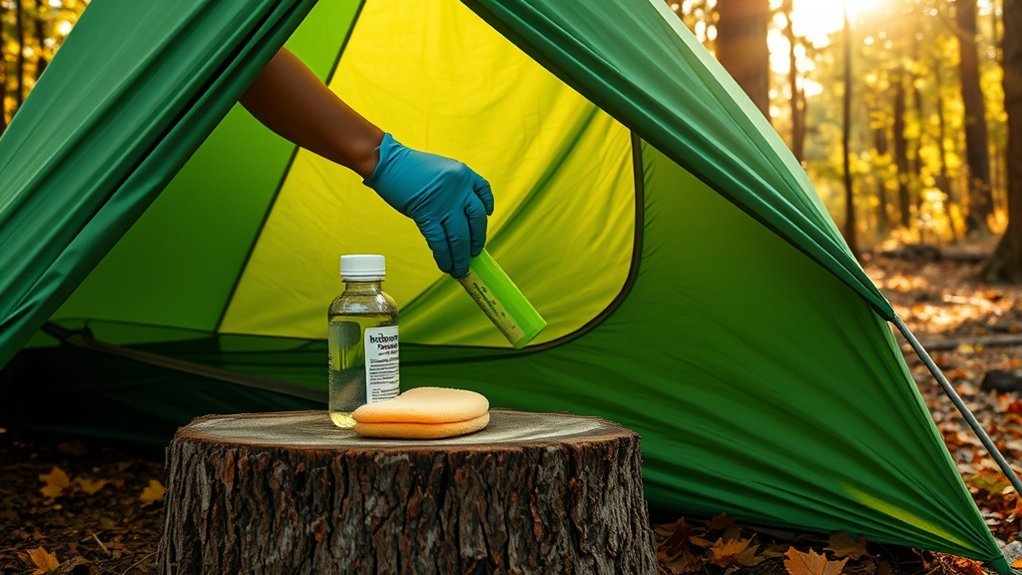
Tree sap can leave a sticky patch that attracts dirt and becomes harder to remove with time. The safest approach is to start with the gentlest method, treat only the affected spot, and follow your tent manufacturer’s care instructions before using alcohol, oil, or any other stain remover.
Quick Answer
To remove tree sap from a tent, gently lift loose residue with a plastic edge, then spot-clean with lukewarm water and a manufacturer-approved tent cleaner. If stickiness remains, patch-test a small amount of mineral oil or clear alcohol-based sanitizer, rinse promptly, and air-dry in shade. Never machine-wash the tent.
Key Takeaways
- Check the tent’s care label or manufacturer instructions before choosing a cleaner.
- Start with gentle mechanical removal and an approved tent cleaner before trying oil or alcohol.
- Test every treatment on a hidden area because coatings, seam tape, dyes, and printed details may react differently.
- Avoid bleach, washing machines, dryers, abrasive tools, and unapproved adhesive removers.
- Restore water repellency only when clean fabric no longer beads water or the manufacturer recommends treatment.
At a Glance
| Time Required | 20–45 minutes of cleaning, plus air-drying time |
| Difficulty | Easy to moderate |
| Tools Needed | Soft cloth or sponge, plastic card or scraper, lukewarm water, approved tent cleaner, and optional mineral oil or clear sanitizer |
| Cost | Usually $0–$25, depending on the cleaner or waterproofing product needed |
What’s in This Article
- What You’ll Need
- What Makes Tree Sap So Hard to Remove?
- Step-by-Step: How to Remove Tree Sap from Your Tent
- Best Cleaning Solutions for Tree Sap
- Using Hand Sanitizer to Remove Tree Sap
- Safe Options for Stubborn or Hardened Sap
- How to Clean Sap Without Damaging Your Tent
- What to Do After Cleaning Sap Off Your Tent
- Reapplying Waterproofing After Cleaning
- How to Prevent Tree Sap on Your Tent
- When to Contact Your Tent Manufacturer
- Frequently Asked Questions
Disclosure: As an Amazon Associate I earn from qualifying purchases. Some links on this page are affiliate links, at no extra cost to you.
What You’ll Need
Gather the basic supplies before you start. Keep optional treatments separate so you do not reach for a stronger product before trying the gentler method.
Required Supplies
- Cold or lukewarm water
- A clean, nonabrasive sponge or soft cloth
- A plastic card, plastic scraper, or smooth plastic spatula
- A tent-specific cleaner or mild cleaner approved by the tent manufacturer
- A clean container for rinse water
- A shaded, well-ventilated drying area
Optional Supplies for Remaining Stickiness
- A small amount of mineral oil
- Clear alcohol-based hand sanitizer or an alcohol-based wipe
- A soft-bristled toothbrush for durable fabric only, not delicate mesh
- A tent-compatible waterproofing product if water repellency has declined
Note: Cleaning advice differs among tent brands. REI permits a small amount of mild fragrance-free dish soap for spot cleaning, while MSR and Big Agnes advise against dishwashing liquid. Your tent’s own care instructions should take priority.
What Makes Tree Sap So Hard to Remove?

Several sticky materials can fall from trees. Pine oleoresin contains resin dissolved in volatile oils, which helps explain why it adheres strongly and becomes harder as its lighter components evaporate. The USDA describes pine oleoresin as pine resin dissolved in turpentine.
A clear or sugary residue may instead be honeydew produced by aphids and other sap-feeding insects. Penn State Extension describes aphid honeydew as a sticky, sugar-containing material that can drop onto objects beneath an affected tree.
You do not need to identify the exact tree species before cleaning the tent. The safer decision is based on whether the residue is still soft, partly hardened, or completely dry.
Pro Tip: Treat the spot as soon as practical. Do not fold the sticky fabric against another panel because the residue may transfer and create a second stain.
Step-by-Step: How to Remove Tree Sap from Your Tent
Step 1: Check the Fabric and Care Instructions
Read the tent’s care label, manual, or manufacturer support page before applying a cleaner. Two tents may both use nylon or polyester yet have different polyurethane coatings, silicone treatments, seam tapes, dyes, adhesives, or printed logos.
Lay the fabric flat without stretching it. Test the intended treatment on a hidden corner, stuff-sack flap, or inconspicuous section. Let the test area dry before checking for fading, tackiness, softening, coating transfer, or a change in texture.
Step 2: Lift Excess Sap Without Spreading It
If the deposit has hardened, hold a smooth plastic card or scraper at a low angle and gently lift the raised material. Use short movements and stop if the fabric stretches, puckers, or catches.
If the sap is still soft, do not rub it across the panel. Blot or lift what you can with the edge of a clean cloth, changing to a fresh section as residue transfers.
Warning: Do not use a knife, razor, metal scraper, steel wool, stiff brush, or abrasive pad. These can cut the fabric or remove its protective surface treatment.
Step 3: Spot-Clean With an Approved Cleaner
Dampen the affected area with cold or lukewarm water. Apply a small amount of tent-specific cleaner or manufacturer-approved mild soap to a soft cloth or sponge. Work from the outside of the spot toward the center so the residue does not spread.
Use light pressure rather than aggressive scrubbing. Rinse with a separate clean cloth and fresh water. Repeat this gentle pass before moving to a stronger treatment.
Step 4: Treat Remaining Sticky Resin
REI’s tent-cleaning guidance suggests mineral oil or an alcohol-based product such as hand sanitizer for pine sap. However, your tent maker may prohibit spot removers or solvents, so confirm compatibility first.
For mineral oil, place one or two drops on a clean cloth rather than pouring it onto the tent. Dab the resin in a small area. Once the residue loosens, clean the oily film with the approved tent cleaner and rinse with water.
For clear hand sanitizer, apply a very small amount to the residue. Gently work it with a cloth or soft toothbrush, keep the contact brief, and rinse before the sanitizer dries. Do not soak the fabric or flood a seam.
Step 5: Rinse, Dry, and Inspect
Rinse the treated spot with clean water until no cleaner, oil, or sanitizer remains. Pitch the tent loosely or hang it in a shaded area with good airflow. Allow every layer, seam, corner, and pocket to dry completely before storage.
Once dry, touch the area with clean fingers. If it is no longer sticky but a faint shadow remains, stop cleaning. A cosmetic mark is usually less harmful than repeated scrubbing that wears through a coating.
Best Cleaning Solutions for Tree Sap
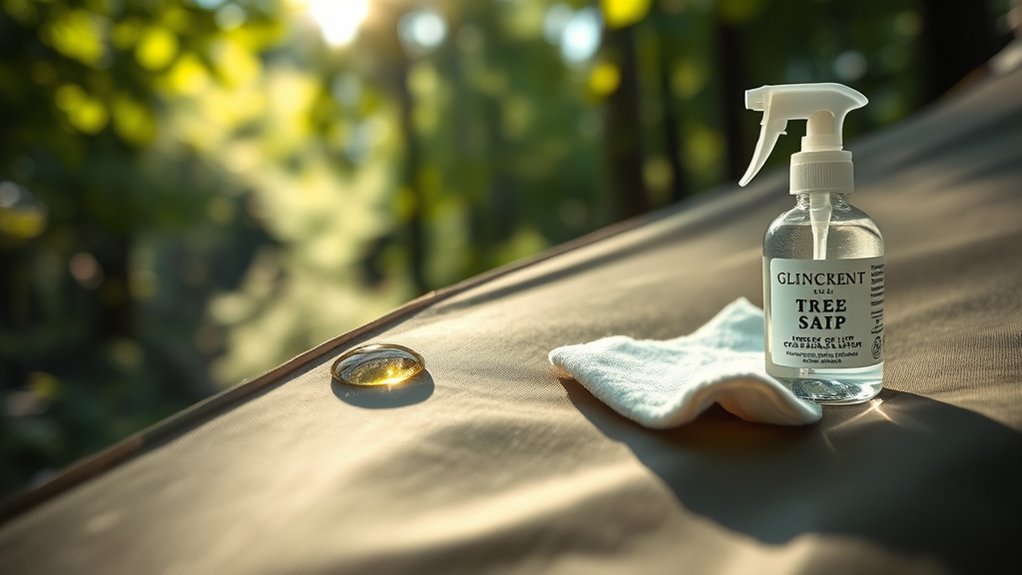
The best cleaner is the gentlest product that removes the stickiness without changing the fabric or coating. Use the following order rather than starting with the strongest option.
| Treatment | Best Use | Main Caution |
|---|---|---|
| Lukewarm water | Loose honeydew, dirt, and light surface residue | Avoid hot water and high-pressure spraying |
| Tent-specific cleaner | The safest general starting point | Follow the product’s dilution and rinse instructions |
| Approved mild soap | Localized cleaning when permitted by the tent maker | Do not assume laundry or dish detergent is acceptable |
| Mineral oil | Small pine-resin spots that resist soap | May leave an oily mark and must be cleaned away afterward |
| Clear alcohol-based sanitizer | Small remaining sticky areas after a successful patch test | May affect coatings, dyes, adhesives, or seam treatments |
Warning: Do not routinely use mineral spirits, acetone, gasoline, paint thinner, WD-40, Goo Gone, dry-cleaning fluid, or other adhesive removers. Use a product of this type only when the tent manufacturer specifically confirms that it is safe for that model and coating.
Using Hand Sanitizer to Remove Tree Sap
Clear alcohol-based hand sanitizer can loosen some resin, which makes it useful when you are camping and do not have a specialized cleaner. It should be an escalation step, not the first treatment.
How to Apply Hand Sanitizer to Sap
- Test a tiny amount on a hidden section and let it dry.
- Put a small dab on a cloth or directly on the sticky residue.
- Work gently over a small area without saturating the fabric.
- Stop as soon as the residue loosens.
- Rinse the treated area promptly with clean water.
- Air-dry the tent in shade and inspect the dry fabric.
Avoid brightly colored or heavily fragranced sanitizer when possible. Added dyes, fragrances, and moisturizers can leave a second residue that requires more cleaning.
Does Hand Sanitizer Work on All Tent Fabrics?
No cleaner is safe for every tent. Nylon and polyester are base fabrics, but their waterproof coatings and seam systems vary. A treatment that causes no visible harm to the fiber may still soften polyurethane, disturb a surface treatment, loosen seam tape, fade a print, or leave silicone-coated fabric uneven.
Be especially cautious around ultralight fabric, mesh, clear windows, laminated panels, taped seams, printed logos, and any area that already feels tacky or is peeling.
After Removal: Rinse and Dry Properly
Rinse the cleaned section until it no longer feels slippery or smells like the treatment. Let the tent air-dry completely before packing it. Store it in a cool, dry location rather than sealing damp fabric in its stuff sack.
Safe Options for Stubborn or Hardened Sap
Stubborn sap does not always require a stronger chemical. Several gentle passes are usually safer than one aggressive treatment.
| Situation | Safer Response | When to Stop |
|---|---|---|
| Raised, hardened deposit | Lift only the raised material with a smooth plastic edge | Stop if the fabric stretches, whitens, or snags |
| Thin sticky film | Repeat the approved cleaner and rinse with fresh water | Stop if color or texture begins to change |
| Small pine-resin spot | Patch-test mineral oil or clear sanitizer, then rinse | Stop if the coating becomes soft, cloudy, or tacky |
| Faint stain with no stickiness | Leave the cosmetic mark and avoid further abrasion | Do not chase complete color removal at the expense of the coating |
| Large stain or unknown coating | Contact the tent manufacturer before escalating | Do not experiment with strong solvents |
How to Clean Sap Without Damaging Your Tent
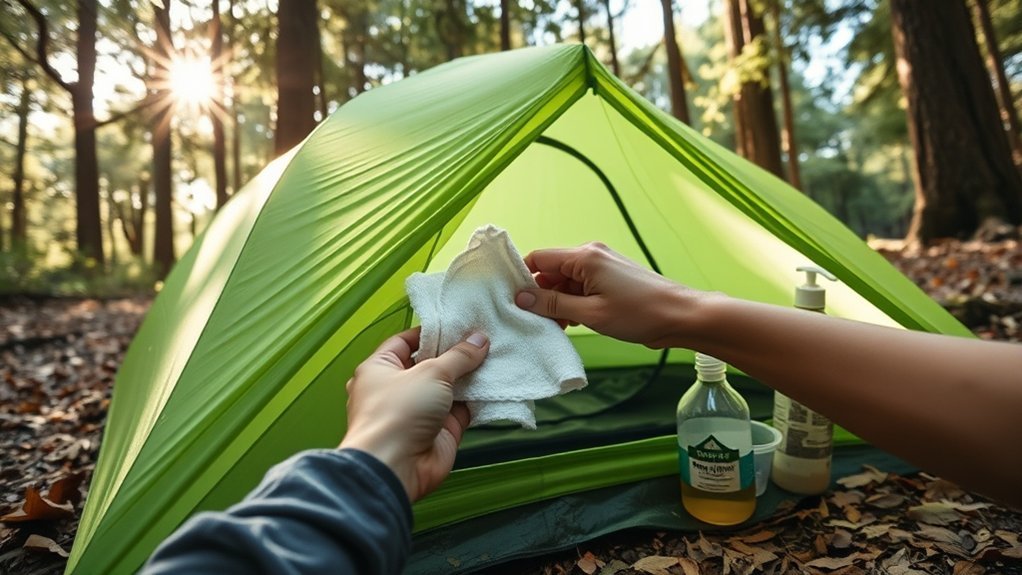
Always Test Cleaning Products First
Test the exact product and concentration you plan to use. A successful test means the area remains the same color and texture after it has fully dried. A wet test patch may look normal even when the coating has begun to soften.
Skip Abrasive Tools and Excess Pressure
Use a soft cloth, sponge, or very soft toothbrush. Avoid scrubbing directly across seam tape or delicate mesh. When lifting dried residue, keep the plastic edge nearly flat against the fabric.
Watch for Signs of Coating Damage
Stop cleaning and contact the manufacturer if you notice any of the following:
- The fabric becomes unusually tacky or gummy
- A clear or colored coating transfers to the cloth
- Seam tape lifts, bubbles, or curls
- The material becomes cloudy, soft, thin, or discolored
- Waterproof backing begins to flake
- The cleaned section leaks during a controlled water test
Keep Up With Sensible Tent Maintenance
Your tent does not need a full wash after every trip. Brush away dry dirt, remove sticky residue before storage, and clean only the areas that need attention. Inspect the fabric and zippers while the tent is pitched, then dry it completely before packing.
If the clean outer fabric stops beading water, consider a compatible durable water repellent treatment.
What to Do After Cleaning Sap Off Your Tent
| Step | Action | Purpose |
|---|---|---|
| Rinse | Use clean water and a fresh cloth or sponge | Remove cleaner, oil, and alcohol residue |
| Air-dry | Pitch or hang the tent in shade with airflow | Prevent trapped moisture, mildew, and coating breakdown |
| Inspect | Check the dry spot for stickiness, fading, lifting tape, or peeling | Identify remaining sap or cleaning damage |
| Test water repellency | Sprinkle water on the clean outer surface | See whether water beads or wets into the face fabric |
| Store | Pack only when every part is completely dry | Reduce mildew, odor, and delamination risk |
Reapplying Waterproofing After Cleaning
A small spot-clean does not automatically require full-tent waterproofing. First allow the tent to dry, then check the cleaned outer surface. If water still beads normally and the manufacturer does not call for treatment, additional waterproofing may be unnecessary.
If water spreads into the face fabric instead of beading, use a product designed for that tent material. Nikwax Tent & Gear SolarProof is intended for synthetic tents. Its current spray-on instructions call for clean, wet fabric, even application to the outside, removal of excess product after about two minutes, and natural air-drying.
Canvas, cotton, and polycotton tents require products designed for those materials. A treatment intended for synthetic nylon or polyester should not automatically be used on canvas.
Note: Surface DWR and the waterproof coating on the back of the fabric are different layers. A spray-on DWR can improve beading, but it will not repair peeling polyurethane, failed seam tape, holes, or delamination.
How to Prevent Tree Sap on Your Tent
| Tip | How It Helps |
|---|---|
| Look Up Before Pitching | Avoid branches with visible resin, broken bark, heavy aphid activity, or sticky droplets beneath them. |
| Avoid Hazardous Overhead Branches | Dead, damaged, or hanging branches present a greater danger than sap and should never be above the sleeping area. |
| Use an Overhead Tarp When Appropriate | A properly pitched tarp can catch falling residue. Keep it from rubbing against the tent and follow campsite rules. |
| Do Not Confuse a Footprint With Roof Protection | A groundsheet protects the tent floor from soil and abrasion but does not stop sap falling onto the fly. |
| Inspect Before Packing | Finding a sticky spot early prevents it from transferring to another panel inside the stuff sack. |
| Use a Loose Storage Bag | Cool, dry, uncompressed storage reduces moisture buildup and limits prolonged contact between fabric panels. |
When to Contact Your Tent Manufacturer
Contact the manufacturer before using a strong cleaner, especially when the stain is large, crosses a seam, sits on clear material, or affects an ultralight tent. Ask which cleaner is compatible with the fabric, coating, seam tape, and warranty.
You should also request professional advice when:
- The fabric remains tacky after all cleaner has been rinsed away
- The waterproof backing is peeling or flaking
- Seam tape has lifted
- The spot has become thin, soft, cloudy, or discolored
- A leak develops after cleaning
- You cannot identify whether the stickiness is tree residue or coating failure
Frequently Asked Questions
Can tree sap damage my tent’s waterproof coating?
Sticky residue can hold dirt against the surface, and aggressive removal can wear away DWR or damage a coating. Remove the sap carefully, but do not keep scrubbing a harmless shadow stain after the stickiness is gone.
How long should I leave hand sanitizer on tree sap?
There is no universal dwell time for every tent coating. Use the smallest amount needed, keep contact brief, work in a small area, and rinse before the sanitizer dries. Stop immediately if the fabric or coating changes.
Is bleach safe to use on tent fabric?
No. Bleach can damage fibers, dyes, seam treatments, and waterproof coatings. Tent manufacturers also commonly prohibit concentrated detergents, dry-cleaning chemicals, and stain removers.
Which tent fabrics are easiest to clean?
The coating and construction matter more than the fiber name alone. Nylon, polyester, canvas, silicone-coated fabric, and polyurethane-coated fabric may each require different care. Check the manufacturer’s instructions rather than assuming one cleaner is safe for every synthetic tent.
Can I machine wash my tent after removing the sap?
No. Washing-machine agitation can tear lightweight material, stress seams, damage seam tape, and remove waterproof coatings. Spot-clean or hand-wash according to the tent maker’s instructions, then air-dry. Do not machine-dry the tent.
Can I use Goo Gone or mineral spirits on tent fabric?
Do not use either product as a routine tent cleaner. They may affect waterproof coatings, seam tape, adhesives, dyes, or printed details. Use them only when the manufacturer of your specific tent confirms compatibility.
What if a stain remains after the sap is no longer sticky?
A dry discoloration may be cosmetic. Further solvent use or scrubbing can cause more harm than the mark itself. Leave the stain unless the manufacturer recommends another safe treatment.
Tree sap does not have to ruin your tent. Start gently, treat only the affected area, rinse every cleaner away, and stop once the stickiness is gone. Careful spot cleaning protects the fabric far better than aggressive scrubbing or experimenting with strong household solvents.
Sources
- REI Co-op: How to Clean a Tent — supports mineral oil and alcohol-based spot treatment for pine sap, rinsing, and shade drying.
- MSR: What’s the Best Way to Clean or Wash My Tent? — supports hand washing and warnings against detergents, bleach, spot removers, dry cleaning, and machine washing.
- Big Agnes: How to Wash Your Tent — supports tent-specific cleaner, nonabrasive tools, air drying, and avoiding washing machines.
- Nikwax Tent & Gear SolarWash — provides tent-cleaning, rinsing, patch-testing, and air-drying directions.
- Nikwax Tent & Gear SolarProof — provides current synthetic-tent waterproofing and wet-surface application directions.
- Penn State Extension: Aphids on Ornamentals — explains sticky, sugar-containing honeydew that may fall from trees.
