
Last Updated on July 27, 2026 by Daniel Globe
Iceland’s climate is a fascinating blend of maritime and subarctic influences, shaped by its geographical position just south of the Arctic Circle and tempered by the warm currents of the Gulf Stream. While the island experiences relatively mild winters compared to other regions at similar latitudes, its weather remains famously capricious and unpredictable. Understanding the distinct nuances of Iceland’s travel seasons—from the endless daylight of peak summer to the dark, snow-covered landscapes of winter—is essential for planning an itinerary tailored to your dream experiences, whether that involves chasing the Northern Lights, exploring natural ice caves, or hiking through vibrant volcanic valleys.
Quick Answer
The overall best time to visit Iceland depends on your main goals: June through August (Summer) offers 24-hour daylight, warm weather, and full access to Highland roads for hiking. Late September through March (Winter) is ideal for seeing the Northern Lights and exploring natural blue ice caves. For budget travelers seeking mild weather and fewer crowds, the shoulder months of May and September offer the best balance.
Key Takeaways
- Peak Season (June–August): Enjoy nearly 24 hours of daylight (Midnight Sun), open Highland roads, and optimal conditions for whale watching and hiking.
- Shoulder Season (May & September): Experience lower accommodation prices, blooming spring wildflowers or vibrant autumn foliage, and moderate crowd levels.
- Off-Season (October–April): Ideal for Northern Lights viewing, winter sports, and exploring natural glacial ice caves, despite shorter daylight hours and cold weather.
- Wildlife Windows: Puffins nest in coastal cliffs from May to mid-August, while migratory whales peak in Icelandic waters between June and August.
Disclosure: As an Amazon Associate I earn from qualifying purchases. Some links on this page are affiliate links, at no extra cost to you.
Iceland Climate & Regional Weather Dynamics
Iceland’s subarctic climate is heavily influenced by the North Atlantic Current, which brings warm ocean waters up from the Gulf Stream. This coastal moderation keeps Reykjavik’s winter temperatures surprisingly mild—averaging around -1°C to 2°C (30°F–35°F)—while summer averages reach 10°C to 15°C (50°F–59°F). However, inland mountain ranges, glaciers, and northern fjords experience significantly colder temperatures and harsher snowfall.
“The presence of numerous microclimates across the island means that weather conditions can shift from sunny skies to blinding snowstorms within a matter of minutes.”
Topographical features create distinct microclimates across the island. While southern regions around Vik and Reykjavik receive higher rainfall due to coastal winds, northern areas like Akureyri often enjoy drier, sunnier summers but experience much colder, snowier winters. Travelers must prepare for sudden weather shifts regardless of the month they choose to visit.
Pro Tip: Pack using a strict three-layer system (thermal base layer, insulating fleece middle, and windproof/waterproof outer shell) regardless of the season. Always check daily weather warnings on Vedur.is and road conditions on Road.is before driving.
Peak Tourist Season (June to August)
The summer months represent Iceland’s peak travel window, characterized by long, bright days and milder temperatures. During mid-June, the phenomenon known as the Midnight Sun provides up to 24 hours of continuous daylight, giving adventurers endless hours to explore iconic sights along the Golden Circle, Ring Road, and South Coast.
Summer is also the only time of year when Iceland’s unpaved interior mountain roads (known as F-roads) open to four-wheel-drive vehicles, granting access to remote trekking paradises like Landmannalaugar and Þórsmörk. Cultural events peak during summer as well, highlighted by the Secret Solstice Music Festival and Reykjavik Culture Night (Menningarnótt).
Warning: Summer brings high demand and heavy crowds to major attractions like Gullfoss, Seljalandsfoss, and Jökulsárlón. Hotels, rental cars, and campervans frequently sell out 4 to 6 months in advance.
Shoulder Season (May & September)
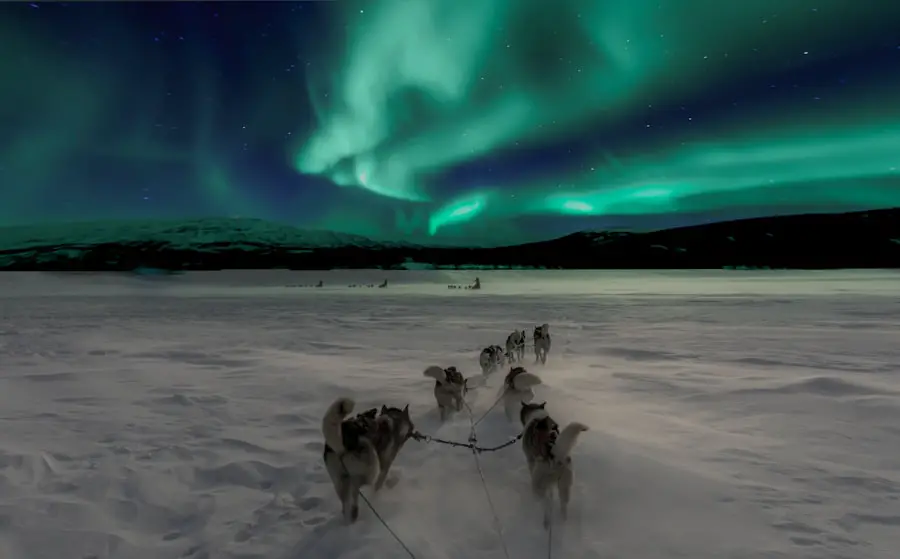
The shoulder season months of May and September offer an ideal compromise for travelers seeking pleasant weather, manageable crowds, and reasonable prices. In May, daylight extends to 18–20 hours as spring blooms across the countryside, bringing returning migratory sea birds like Atlantic Puffins to coastal cliffs.
September marks the arrival of autumn, painting mossy lava fields and birch woodlands in rich hues of gold, orange, and red. As night skies darken significantly by mid-September, early-season Northern Lights viewing becomes possible while daytime temperatures remain comfortably mild for hiking and photography.
Off-Season & Winter Travel (October to April)
Visiting Iceland during the winter off-season reveals a dramatic, snow-dusted landscape of frozen waterfalls, icy glaciers, and dark, starry skies. While shorter daylight hours (reaching a minimum of ~4 hours around the December solstice) limit daytime sightseeing, winter unleashes unique activities unavailable in summer.
Iceland Winter Travel & Climate Overview
| Avg Temperature (Reykjavik) | -1°C to 4°C (30°F to 39°F) |
| Average Daylight Hours | 4 to 8 hours per day |
| Top Winter Highlights | Glacial Ice Caves, Northern Lights, Geothermal Baths |
| Road & Driving Conditions | Icy/Snowy; 4WD vehicle required; F-roads closed |
Winter is the prime season for guided tours into natural, electric-blue ice caves formed within glaciers like Vatnajökull and Langjökull. Additionally, ski resorts near Akureyri and Bláfjöll open for downhill skiing, while cultural highlights like the Winter Lights Festival in February bring artistic illuminations to Reykjavik’s streets.
Best Time for Outdoor Activities & Hiking
While glacier snowmobiling and ice climbing operate throughout winter, multi-day trekking and highland exploration are strictly summer end-goals. Peak hiking season spans from late June through August when snow melts completely off mountain passes.
Renowned routes like the 55-kilometer Laugavegur Trail connect Landmannalaugar to Þórsmörk only during these months. Day hikes around Þingvellir National Park, Glymur Waterfall, and Skaftafell remain accessible during shoulder months, provided hikers check trail safety reports before heading out.
Products Worth Considering
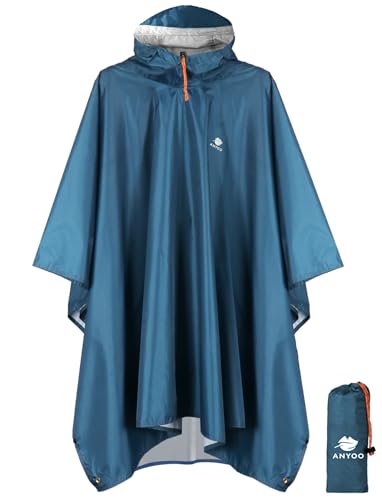
Waterproof & Sturdy Material: Made of 210T ripstop polyester with TPU coating, this reusable rain poncho offers PU 8000MM waterproof protection. Seam sealing/taping helps block water through seams. The drawstring hood and side hook-and-loop fasteners adjust for a secure fit, protecting your head and face in heavy rain

Lightweight Stretch Comfort: Designed for hiking, trekking, and travel, these women’s hiking pants feature lightweight 4-way stretch fabric for unrestricted movement. Breathable quick-dry performance helps keep you cool, dry, and comfortable on the trail
Best Time for Northern Lights (Aurora Borealis)
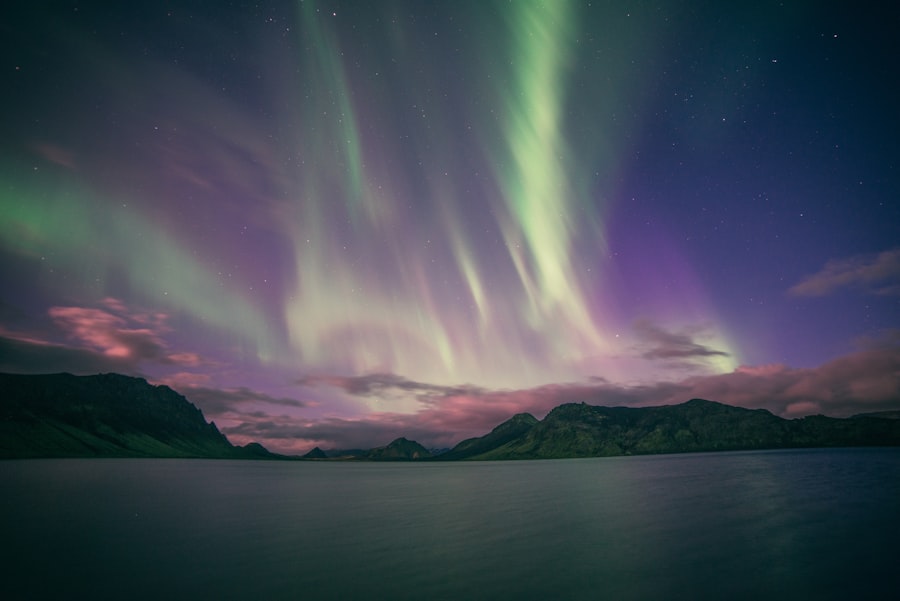
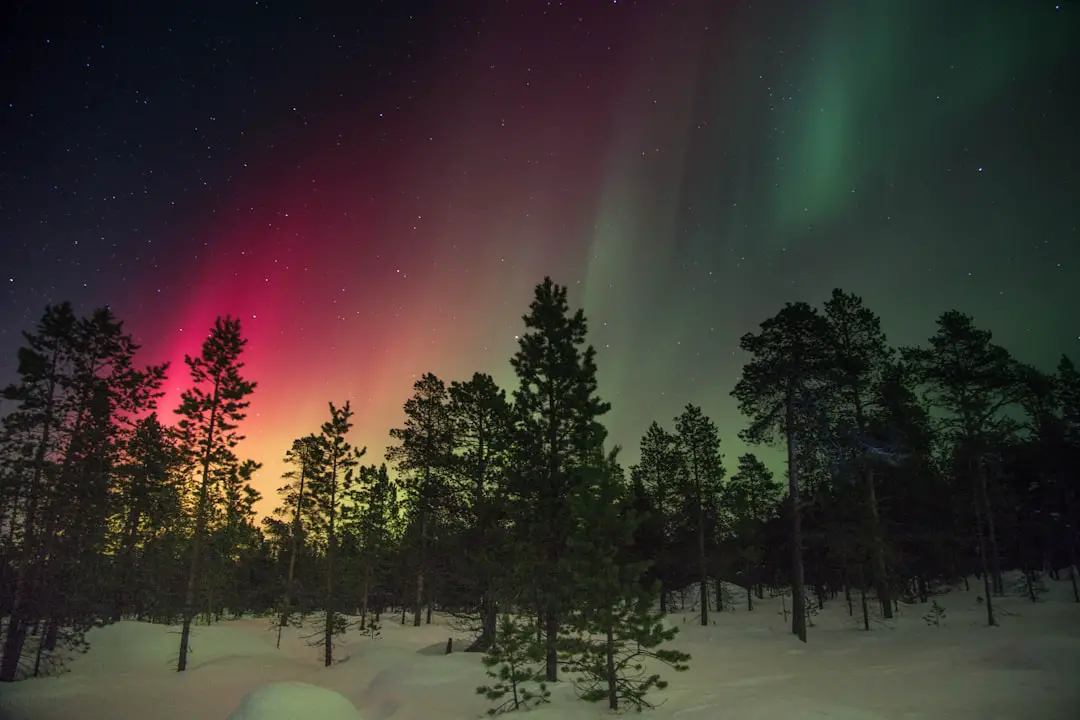
To witness the mesmerising Aurora Borealis, travel between late September and early April. The Northern Lights require three key ingredients: high solar activity, clear unclouded skies, and total pitch darkness. Because summer’s Midnight Sun provides constant light, auroras are invisible from May through mid-August.
Note: Months near the autumn and spring equinoxes (late September and March) frequently record enhanced geomagnetic solar activity, resulting in more intense aurora displays alongside slightly milder night temperatures than mid-winter.
Products Worth Considering

【Important Notice】: Before purchasing this tripod, please ensure your binoculars have 1/4" threaded holes; otherwise, they won't work with our adapter. This adapter is compatible with models like 7x35/8x32/8x36/8x40/8x42/8x56/10x42/10x50/10-30x52/12x25/12x42/12x50/12x60/15x52/15x56/15x60/15x70/18x56/20x25/20x56/20x80/25x70/30x60 Binoculars etc model. Keep in mind that different brands may have varying threaded hole depths, which could affect installation. Thank you for your understanding!


15X45 HIGH-POWERED BINOCULARS : Powerful 15x magnification brings distant birds, wildlife, sporting events and scenery noticeably closer, while the 45mm objective lenses balance image brightness with a practical full-size design. Ideal for observing faraway or slow-moving subjects across open distances; for the clearest and steadiest view, brace your arms or use a tripod during extended observation.
Best Time for Wildlife: Whale Watching & Puffins
Iceland’s nutrient-rich ocean waters serve as crucial feeding grounds for marine life, making it one of Europe’s premier wildlife destinations.
- Whale Watching (April to September): Peak viewing occurs from June through August, when humpback whales, minke whales, white-beaked dolphins, and harbor porpoises frequent Faxaflói Bay (Reykjavik) and Skjálfandi Bay (Húsavík).
- Puffin Watching (May to Mid-August): Over 60% of the world’s Atlantic Puffin population nests on Icelandic cliffs. Top viewing sites include the Westman Islands (Vestmannaeyjar), Dyrhólaey promontory, and Borgarfjörður Eystri.
Best Time for Budget Travelers
Iceland is known as a high-cost destination, but strategic timing significantly lowers travel expenses. Flight fares, rental car tariffs, and hotel rates drop by 20% to 40% during the shoulder months (May and September) and off-season (October through April, excluding Christmas and New Year holidays).
Budget travelers can stretch their funds further by taking advantage of Iceland’s abundant public geothermal hot springs, self-catering meals from local discount grocery stores (such as Bónus and Krónan), and exploring free natural state parks year-round.
Frequently Asked Questions
What is the overall best time to travel to Iceland?
The best time to visit depends on your interests. Summer (June to August) offers warm weather, 24-hour daylight, and accessible highland roads. Winter (September to April) is best for Northern Lights and ice caves. Shoulder season (May & September) is ideal for lower prices and smaller crowds.
What is the weather like in Iceland during the summer?
Summer brings mild temperatures averaging 10°C to 15°C (50°F to 59°F), with occasional warm days reaching up to 20°C (68°F). Rain and wind remain possible, but daylight lasts up to 24 hours.
What are the daylight hours like in Iceland throughout the year?
Daylight ranges from near 24 hours during the summer solstice in late June down to roughly 4 to 5 hours surrounding the winter solstice in late December.
Is it possible to see the Northern Lights in Iceland during the summer?
No. Auroras require darkness to be visible. Because Iceland experiences constant daylight during late spring and summer (May through August), Northern Lights hunting is only possible from late September through early April.
When are the Highland F-roads open for 4×4 driving?
Iceland’s highland mountain tracks (F-roads) generally open in mid-June or early July, depending on snowmelt, and close by mid-September when early snowstorms resume.
When is the best time to see Atlantic Puffins in Iceland?
Puffins arrive on coastal cliffs to nest in late April or early May and depart for the open ocean by mid-August.
Sources
- Visit Iceland — Official destination insights and seasonal travel guidance.
- Icelandic Meteorological Office (Vedur.is) — Official historical weather and climate datasets.
- Icelandic Road and Coastal Administration (Road.is) — Seasonal road access maps and mountain F-road updates.
- NOAA Space Weather Prediction Center — Geomagnetic solar data for Northern Lights forecasting.

1 Comment
Pingback: Fall Hiking Essentials: What To Wear