
Last Updated on July 24, 2026 by Daniel Globe
Choosing when to visit the Bahamas can shape your entire trip. The right dates may bring lower humidity, calmer seas, comfortable beach weather, and events such as Junkanoo. Other months can offer smaller crowds and attractive resort promotions, but they also bring more rain and greater tropical-storm uncertainty. The best time depends on whether you value weather, price, culture, diving, or quiet beaches most.
Quick Answer
December through April is the best overall time to visit the Bahamas for lower humidity, generally drier weather, and comfortable beach conditions. May and parts of fall can offer better value, while cultural travelers should consider December 26 or January 1 for Junkanoo. Hurricane season officially runs from June through November.
Key Takeaways
- December through April offers the most dependable combination of lower humidity, comfortable temperatures, and generally drier weather.
- The Atlantic hurricane season runs from June 1 through November 30, with activity climatologically highest from mid-August through mid-October.
- Junkanoo’s main parades take place on December 26 and January 1, with the largest celebrations in Nassau.
- May through fall often brings resort promotions and fewer visitors, but rain, humidity, and storm disruption are more likely.
- Diving, snorkeling, fishing, and boating are available year-round, although daily wind, swell, visibility, and target species matter.
- Late February through mid-April can be livelier because it overlaps with the Bahamas Spring Break season.
What’s in This Article
- Best Time to Visit the Bahamas at a Glance
- The Weather in the Bahamas
- The Bahamas Month by Month
- Best Time for Beach Lovers
- Best Time for Water Sports Enthusiasts
- Best Time for Cultural Events
- Best Time for Budget Travelers
- Best Time for Luxury Travelers
- How to Plan a Hurricane-Season Trip
- Frequently Asked Questions
- Plan Your Bahamas Trip Right
- Sources
The Bahamas includes more than 700 islands and cays spread across a large area of the Atlantic southeast of Florida. Destinations such as Nassau, Grand Bahama, Harbour Island, Andros, and the Exumas offer different beaches, activities, transport options, and local events. Check the forecast and seasonal schedule for the specific island you plan to visit rather than treating the entire country as one resort area.
Disclosure: As an Amazon Associate I earn from qualifying purchases. Some links on this page are affiliate links, at no extra cost to you.
Best Time to Visit the Bahamas at a Glance
| Travel Goal | Best Time | What to Expect |
| Best overall weather | December to April | Lower humidity, comfortable temperatures, generally lower rainfall, and high demand. |
| Lower prices and promotions | May through fall | More promotions and fewer visitors, balanced against humidity, showers, and hurricane-season risk. |
| Junkanoo | December 26 and January 1 | Major parades, music, costumes, and high holiday demand, especially in Nassau. |
| Quieter winter beaches | Early December or late April | A chance of pleasant weather with less holiday demand, although prices still vary. |
| Lowest storm uncertainty | December to May | Outside the official Atlantic hurricane season, though ordinary rain and rough seas remain possible. |
The Weather in the Bahamas
The Bahamas stays warm throughout the year. According to the Bahamas Ministry of Tourism, winter lows average about 70°F (21°C), while summer daytime highs commonly range from 80°F to 90°F (26°C to 32°C).
December through April is generally the drier and less humid part of the year. Rain becomes more frequent during the warmer months, although a wet-season trip does not automatically mean constant rain. Tropical showers can be brief and localized, and conditions may differ between islands. The official tourism FAQ identifies May and June as typically among the rainiest months.
Note: A Bahamas-wide monthly forecast cannot tell you exactly what will happen in Nassau, Andros, Grand Bahama, or the Exumas. Check the local forecast for your island and the marine forecast for any boating, fishing, diving, or snorkeling day.
Warning: The official Atlantic hurricane season runs from June 1 through November 30. NOAA’s historical data shows that activity is usually greatest from mid-August through mid-October, with a climatological peak near September 10. A season date describes regional risk, not a forecast that a storm will affect your trip.
The Bahamas Month by Month
| Month | Typical Travel Conditions | Best For | Main Trade-Off |
| January | Comfortable temperatures and generally lower humidity. | New Year’s Day Junkanoo, beaches, sightseeing, and boating. | Holiday demand and cooler water for some swimmers. |
| February | Dry-season conditions with mild evenings. | Couples, outdoor activities, diving, and sailing. | Higher winter rates; Spring Break activity may begin late in the month. |
| March | Warm, generally pleasant, and popular. | Beach trips and water activities. | Spring Break crowds and strong demand in busy resort areas. |
| April | Warm days near the end of the drier season. | Beach weather with a chance of lighter demand late in the month. | Spring Break continues into mid-April. |
| May | Hotter weather with increasing showers. | Value seekers, warm water, and quieter stays. | May can be rainy, and weather patterns become less predictable. |
| June | Hot, humid, and frequently showery. | Summer offers, cultural festivals, and warm-water activities. | Hurricane season begins June 1. |
| July | Hot weather, high humidity, and warm seas. | Families, swimming, and summer events. | Afternoon storms and tropical-weather disruption remain possible. |
| August | Very warm water, heat, humidity, and frequent showers. | Travelers prioritizing promotions and warm seas. | The most active part of Atlantic hurricane climatology begins around mid-month. |
| September | Hot, humid, and usually quieter. | Flexible travelers seeking low demand. | September is near the climatological peak of Atlantic tropical-cyclone activity. |
| October | Warm and changeable, with rain and storms still possible. | Flexible-value trips later in the month. | Hurricane risk does not end when September ends. |
| November | A transition toward lower humidity and drier winter conditions. | Shoulder-season trips, especially later in the month. | Hurricane season remains official through November 30. |
| December | Comfortable weather and the start of high winter demand. | Holiday trips, Boxing Day Junkanoo, beaches, and outdoor dining. | Holiday flights, rooms, and parade seating can sell quickly. |
Best Time to Visit for Beach Lovers

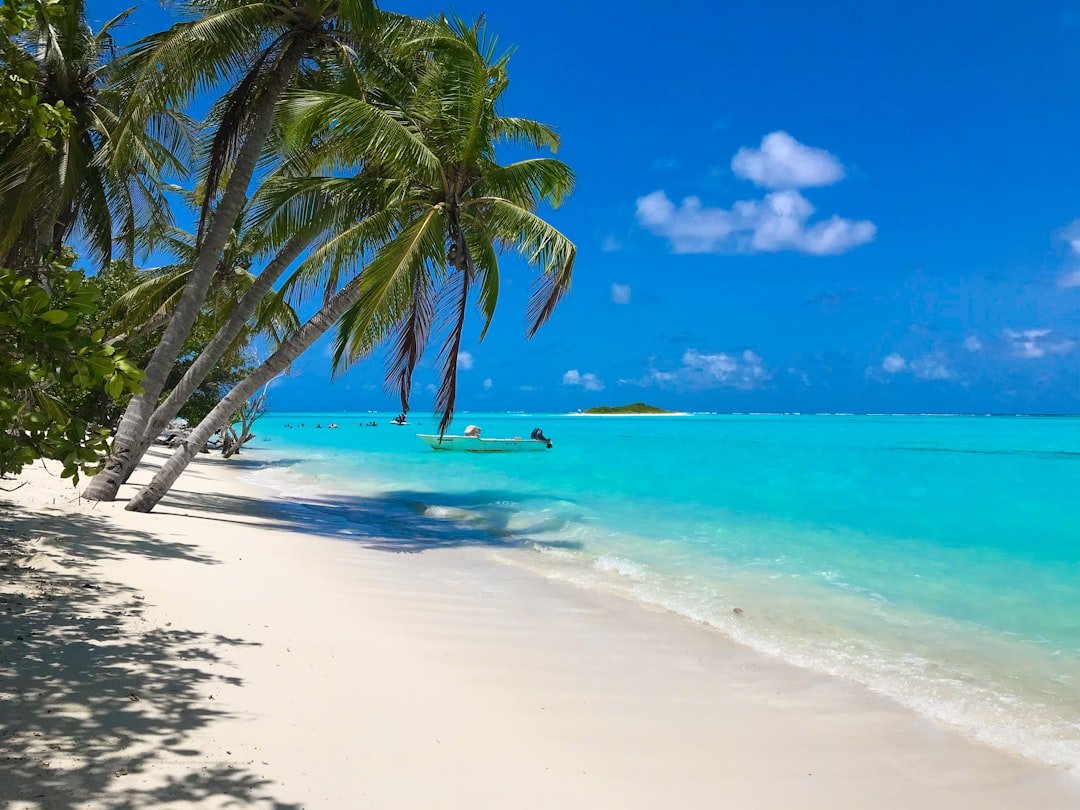
December through April is the most dependable beach window for travelers who prefer lower humidity and a reduced chance of prolonged rain. Beaches such as Cable Beach in Nassau and Pink Sands Beach on Harbour Island are popular during this period, so expect stronger demand around Christmas, New Year, school vacations, and Spring Break.
Early December and late April can provide a useful compromise between winter weather and the busiest holiday weeks. November can also be pleasant, particularly later in the month, but it remains inside the official hurricane season through November 30.
Beach conditions still depend on the day. A sunny forecast does not guarantee calm surf, and strong wind on one side of an island may make another beach more comfortable. Ask your hotel or a licensed local operator which shore is best for the current wind direction.
Pro Tip: Check both the ordinary weather forecast and the marine forecast. Wind speed, swell, currents, and beach orientation can matter more than the chance-of-rain percentage when planning a swimming or snorkeling day.
Best Time to Visit for Water Sports Enthusiasts
Diving and Snorkeling
Diving and snorkeling are available throughout the year. The official Bahamas diving guide says visibility can reach 150 to 200 feet in favorable conditions, although actual visibility changes with wind, swell, rainfall, tides, and the dive site.
Water temperatures remain comfortable for many swimmers year-round, ranging broadly from the mid-70s Fahrenheit during cooler periods to the low-80s during summer. The official diving FAQ recommends thicker exposure protection during cooler months and lighter protection during warmer months. Personal cold tolerance varies, so ask your dive operator what suit is appropriate for your dates.
Winter and early spring can provide comfortable air temperatures and lower humidity. Summer offers warmer water but also brings more rain and a greater chance that storms or rough seas will cancel an excursion.
Sailing, Kayaking, and Boat Tours
Boat-based activities operate throughout the year, but the safest and most enjoyable date depends on the daily marine forecast. Even during the drier season, a cold front or strong wind can create rough water. During hurricane season, operators may change routes or cancel trips with little notice when conditions deteriorate.
When planning a multi-day sailing or island-hopping trip, leave room in the itinerary for weather delays. Avoid placing a must-do boat excursion immediately before your flight home.
Fishing
The Bahamas offers fishing throughout the year. The best date depends on the island, fishing method, local rules, and the species you hope to catch. Bonefishing, reef fishing, and offshore fishing do not share one universal peak season.
Use the official Bahamas fishing guide as a starting point, then confirm the seasonal target, equipment, permits, and catch rules with a licensed local guide before booking.
Best Time to Visit for Cultural Events
The holiday period is the most important planning window for travelers who want to experience Junkanoo. The principal parades take place on Boxing Day, December 26, and New Year’s Day, January 1. Nassau hosts the largest celebrations, while several Out Islands hold their own parades and related events.
Junkanoo combines music, dancing, storytelling, craftsmanship, competition, and large handmade costumes. UNESCO added Junkanoo to the Representative List of the Intangible Cultural Heritage of Humanity in 2023.
Junkanoo is more than a visitor event. It is a living Bahamian cultural tradition built through months of community work, music, costume-making, and performance.
Main Nassau parades often begin late at night and continue into the early morning. Confirm the current route, start time, ticket system, and seating arrangements before your trip because event details can change.
The Bahamas also hosts regattas, food celebrations, homecomings, agricultural festivals, art events, and island-specific cultural gatherings throughout the year. Dates are not fixed across every year, so use the official tourism events calendar rather than planning around an outdated festival schedule.
Best Time to Visit for Budget Travelers

Look Beyond the High-Demand Winter Period
Travel from May through fall often costs less than the busiest winter weeks, but there is no single cheapest month for every traveler. Prices depend on the island, departure airport, resort, room type, weekday, school calendar, and cancellation terms.
The official Bahamas seasonal-specials page regularly lists resort and activity offers. Compare the final total rather than only the advertised nightly rate because resort fees, taxes, transfers, meals, and minimum-stay rules can change the real cost.
Balance Savings Against Weather Risk
May can be a useful value period for travelers who accept increasing heat and showers. Late fall may also bring opportunities, but October and November remain part of the official hurricane season. September can have low demand, yet it falls near the climatological peak of Atlantic tropical activity.
Pro Tip: Compare a flexible rate with the cheapest nonrefundable rate. Paying slightly more for a changeable reservation may provide better value during hurricane season than saving money on a booking you cannot alter.
Choose the Island Carefully
Nassau and major resort areas offer the widest range of flights and hotels, which can make comparison shopping easier. A quieter Out Island may offer a more relaxed experience, but inter-island flights, boat transfers, taxis, groceries, and limited room inventory can raise the total trip cost.
Travel Outside Major Holiday Weeks
Christmas, New Year, Easter, and common school-break dates can increase demand. The official tourism FAQ identifies late February through mid-April as the Bahamas Spring Break season. Travelers seeking quieter resorts should review the atmosphere of the specific property before booking during that window.
Best Time to Visit for Luxury Travelers
December through April is the strongest choice when dependable weather matters more than price. Luxury resorts generally have their full range of dining, spa, boating, and concierge services available, but premium rooms and private experiences can sell early during holiday and school-vacation periods.
Book high-priority items such as villas, connecting rooms, yacht charters, private transfers, and holiday dining when you reserve the trip. Do not assume the concierge can secure every experience after arrival during a busy week.
Travelers seeking luxury at a better value should also examine summer and fall promotions. High-end properties may offer resort credits, complimentary nights, or package benefits during quieter periods. Read the weather, deposit, minimum-stay, blackout-date, and cancellation terms before comparing offers.
How to Plan a Hurricane-Season Bahamas Trip
A trip between June and November can still include clear skies, warm water, and enjoyable beach days. The official hurricane-season dates identify a period of elevated regional risk, not a promise that a storm will affect the Bahamas during your stay.
Use Flexible Reservations
Review the cancellation and change policies for your hotel, airline, inter-island flight, ferry, and excursions. Policies differ, and a property’s hurricane guarantee may not cover every weather event, travel delay, or personal decision to cancel.
Review Travel-Insurance Terms Early
Read the policy wording before purchase, including coverage for trip cancellation, interruption, delays, lodging, and missed connections. Coverage can depend on when the policy was purchased and whether the event was already known or forecast.
Monitor Official Forecasts
Use the National Hurricane Center for Atlantic tropical-cyclone information. As departure approaches, also review airline notices, hotel updates, airport information, and local guidance for the island you will visit.
Build Time Into an Island-Hopping Itinerary
Weather can disrupt small aircraft, ferries, marinas, and excursions even when a hurricane does not make landfall. Leave a buffer before your international flight home and avoid relying on a tight same-day connection from a smaller island.
Warning: Never ignore an evacuation order, port closure, beach warning, or instruction from local authorities. Do not enter rough water because the sky appears clear at your hotel.
Frequently Asked Questions
Which months have the lowest hurricane risk in the Bahamas?
December through May falls outside the official Atlantic hurricane season. This does not guarantee perfect weather, but it avoids the June 1 through November 30 season and the climatologically most active period from mid-August through mid-October.
Is the Bahamas worth visiting during the wet season?
Yes, particularly for flexible travelers seeking warm water, fewer visitors, or seasonal promotions. Expect higher humidity and a greater chance of showers. Choose changeable bookings and monitor tropical-weather forecasts during hurricane season.
Is November a good time to visit the Bahamas?
November can be a useful shoulder month as humidity and rainfall begin trending toward winter conditions. Later November is often more appealing than early November, but the official hurricane season remains active through November 30.
When does Junkanoo take place, and how can I watch it?
The main Junkanoo parades take place on December 26 and January 1. Nassau hosts the largest celebrations, often beginning late at night on Bay Street. Confirm current start times, ticket arrangements, road closures, and viewing areas before your trip.
Can you swim in the Bahamas during winter?
Yes. Many visitors swim throughout winter, although the water feels cooler than it does in summer. Divers and cold-sensitive snorkelers may prefer a wetsuit, especially from winter into early spring.
What is the cheapest time to visit the Bahamas?
May through fall often brings more resort promotions than the winter high-demand period. The cheapest dates vary by island, flight origin, property, and weather risk, so compare complete trip costs and cancellation terms rather than choosing one month automatically.
How far in advance should I book a December or January trip?
Begin planning several months ahead when traveling around Christmas, Boxing Day Junkanoo, New Year, or a major school break. Book earlier when you need a particular resort, room category, connecting rooms, parade seating, or private boat charter.
Plan Your Bahamas Trip Right
December through April is the best overall choice when comfortable weather and lower storm uncertainty matter most. Choose late December or early January for Junkanoo, May or selected summer and fall dates for potential promotions, and November or late April when you want a possible balance between weather and demand.
Water activities remain possible throughout the year, but the daily marine forecast matters more than the name of the month. Fishing seasons differ by species, dive conditions change by site, and weather can affect inter-island travel.
Whatever dates you choose, compare the complete trip price, use flexible terms when weather disruption is possible, check official forecasts, and leave room in your schedule to experience Bahamian culture beyond the resort beach.
Sources
- Bahamas Ministry of Tourism: Travel and Weather FAQs — climate, rainfall, hurricane-season, and Spring Break guidance.
- NOAA National Hurricane Center: Tropical Cyclone Climatology — official Atlantic hurricane-season dates and historical activity timing.
- Bahamas Ministry of Tourism: Diving FAQs — water temperatures and wetsuit guidance.
- Bahamas Ministry of Tourism: Fishing Guide — year-round fishing and fishing types.
- UNESCO: Junkanoo — cultural history and 2023 inscription.
- Bahamas Ministry of Tourism: Seasonal Specials — current resort and activity promotions.
