
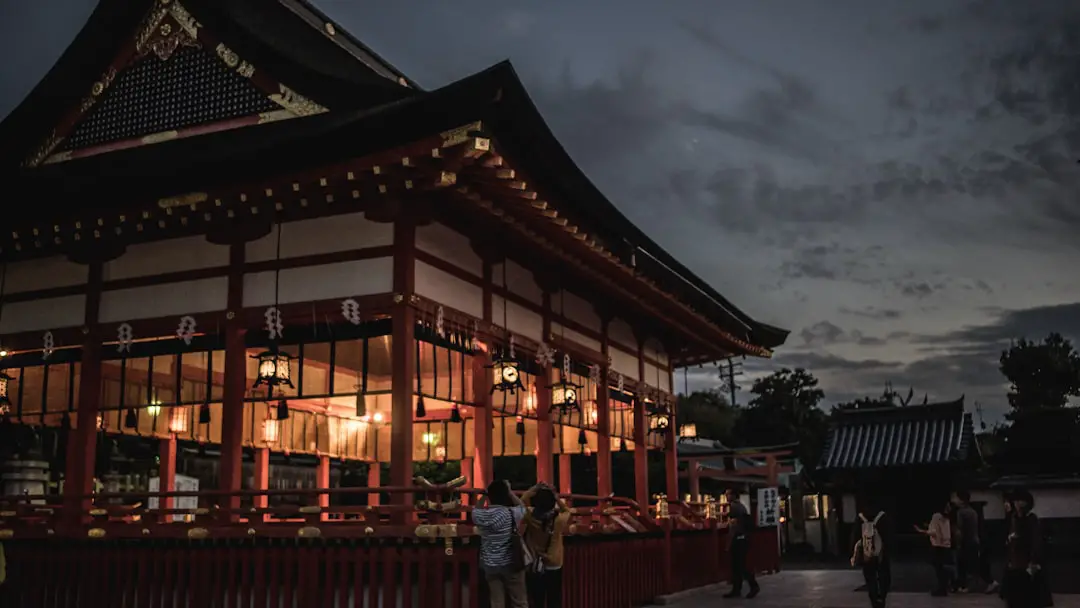
Last Updated on July 24, 2026 by Daniel Globe
Choosing the best time to visit St. Croix depends on what matters most to you. Winter brings popular festivals, comfortable evenings, and the island’s busiest travel period. Late spring can offer a better balance of weather and availability, while summer and fall usually feel quieter but bring more heat, humidity, rain, and tropical-storm risk.
Quick Answer
December through April is the best time to visit St. Croix for comfortable weather, major cultural events, and a full range of tours. Late April through May often provides a useful balance of warm weather and smaller crowds. September and October are quieter, but they fall within the most active part of hurricane season.
St. Croix is the largest of the U.S. Virgin Islands and offers beaches, protected reefs, historic towns, and landscapes that range from the drier East End to greener areas in the west. The 2020 U.S. Census counted 41,004 residents on the island.
Its history includes Indigenous communities, European colonization, plantation agriculture, enslavement, emancipation, migration, and modern Crucian culture. You can explore parts of that history at the Christiansted National Historic Site and Fort Frederik, then visit natural attractions such as Buck Island Reef National Monument and the island’s coastal and forested trails.
Key Takeaways
- December through March is the main high season, with strong demand, major holiday events, and some of the island’s most comfortable evenings.
- Late April and May can work well for travelers seeking warm weather with less peak-season pressure.
- Summer often brings better lodging deals and fewer visitors, but temperatures, humidity, and tropical-weather risk increase.
- September and October are usually among the quietest months, but they also sit within the climatological peak of Atlantic hurricane activity.
- Snorkeling, diving, hiking, and historic sightseeing are available throughout the year, but daily wind, surf, rain, and operator schedules matter more than the calendar alone.
Disclosure: As an Amazon Associate I earn from qualifying purchases. Some links on this page are affiliate links, at no extra cost to you.
St. Croix Seasons at a Glance
St. Croix stays warm throughout the year. National Park Service guidance places average daytime highs between about 84°F and 89°F, with average lows between 73°F and 80°F. Winter usually brings the coolest nights, while late summer and early fall tend to feel hotter and more humid.
| Period | Conditions | Crowds and Cost | Best For |
| December to March | Warm days, relatively comfortable nights, brief showers, and occasional rough surf | Highest demand and limited last-minute lodging | Festivals, first visits, sightseeing, and active trips |
| April to May | Warmer conditions, increasing humidity, and a mixture of sunshine and short showers | Crowds may ease after the main winter season | Weather-value balance, beaches, and cultural sightseeing |
| June to August | Hotter, more humid, with tropical showers and the start of hurricane season | Often lower lodging demand and more promotions | Budget-focused trips and uncrowded beaches |
| September to November | Hot, humid, changeable, and exposed to the most active part of hurricane season | Usually the quietest period, with reduced operating hours at some businesses | Flexible travelers who prioritize solitude and value |
Note: Weather varies across the island and from one coast to another. A calm morning in Christiansted does not guarantee identical surf or rain conditions on the North Shore, West End, or East End.
St. Croix Month by Month
- January: High-season demand continues, and the Crucian Christmas Festival may extend into the first days of the month. Reserve lodging, rental cars, restaurants, and boat tours early.
- February: Comfortable evenings and the annual Agrifest make February attractive for culture and food. Exact event dates change each year.
- March: Warm, generally pleasant conditions continue, but school breaks can increase demand for flights and family accommodations.
- April: The island remains warm, and winter crowds may begin to ease. Check the official events calendar for regattas, heritage programs, and local celebrations.
- May: May is a useful shoulder-season option. Expect increasing humidity, periodic showers, and fewer peak-season visitors.
- June: Summer pricing may become more attractive, but Atlantic hurricane season begins on June 1. Choose flexible bookings.
- July: Days feel hot and humid. Plan strenuous activities early, carry water, and leave room in your schedule for short tropical showers.
- August: Visitor numbers are often lower, while tropical-weather risk begins to rise. Monitor forecasts before boat and outdoor activities.
- September: September is usually quiet but sits near the climatological peak of Atlantic hurricane activity. Fully flexible plans are important.
- October: Heat, humidity, rain, and storm potential remain significant. Some businesses may shorten hours or close temporarily.
- November: Conditions begin transitioning toward winter travel. Hurricane season officially continues through November 30, while visitor demand may rise around Thanksgiving.
- December: High season returns, and the Crucian Christmas Festival brings music, food, pageants, parades, and community events. Confirm the current schedule before booking.
Winter: High Season and Holiday Festivities
December through March is the busiest travel period on St. Croix. Days stay warm, evenings are usually among the most comfortable of the year, and tours, restaurants, historic attractions, and water activities generally operate on full schedules.
The main cultural highlight is the Crucian Christmas Festival. Recent official schedules have placed its central events in late December and early January, but the exact dates and locations can change. The program may include pageants, calypso and soca competitions, food events, J’ouvert, parades, concerts, and fireworks.
February brings Agrifest, a multiday agriculture and food fair featuring local produce, prepared dishes, crafts, family activities, and growers from across the territory and wider Caribbean. It is one of the strongest reasons to choose February if food and local culture matter as much as beach time.
Winter’s main disadvantage is demand. Popular accommodations, rental vehicles, Buck Island excursions, and holiday restaurant reservations may become limited well before arrival.
Pro Tip: For Christmas, New Year, January, or February travel, begin comparing lodging and rental cars three to four months ahead. Book earlier when your dates overlap with a major festival or school holiday.
Spring: Warm Weather and Shoulder-Season Value
Late March through May can offer one of the best compromises between winter demand and summer heat. Conditions remain warm, many tours continue operating normally, and availability may improve after the busiest winter weeks.
The original article incorrectly placed a Crucian Carnival in April. St. Croix’s major carnival celebration is the Crucian Christmas Festival in late December and early January. The large late-April carnival takes place on St. Thomas, not St. Croix.
St. Croix still hosts changing spring programs that may include regattas, heritage events, food experiences, live music, and National Park Service activities. Because dates can move, use the official USVI event calendar rather than planning around an assumed annual weekend.
Spring also works well for kayaking, paddleboarding, town walks, beaches, and scenic drives. Temperatures rise as May approaches, so schedule hikes and exposed historic sites during the cooler morning hours.
Summer: Lower Demand and Hotter Weather

June through August usually brings lower visitor demand than winter. The official USVI tourism site notes that summer can be a good period for hotel and attraction bargains, although actual flight and room prices still depend on your dates, booking window, and departure city.
The trade-off is hotter, more humid weather. Daytime highs commonly reach the upper 80s, and direct tropical sun can make exposed areas feel much warmer. Carry water, use shade, and plan long walks, hikes, and historic-site visits for the morning.
Summer beaches may feel less crowded, but snorkeling and diving conditions are not automatically better. Underwater visibility can change with wind, swell, runoff, storms, and the location of the reef. Ask a local operator about that day’s conditions instead of choosing a tour only by season.
Atlantic hurricane season begins June 1. June and July are generally earlier than the climatological peak, but travelers should still monitor forecasts and keep bookings flexible.
Fall: Quiet Travel With Higher Storm Risk
September through November is usually the quietest part of the travel year. Beaches, roads, and towns may feel less crowded, and travelers with flexible schedules can sometimes find attractive lodging offers.
Fall is not a cool season. September and October can remain hot and humid, with daytime highs in the upper 80s and warm nights. Rainfall, cloud cover, and brief downpours can interrupt outdoor plans, although many days still include long sunny periods.
Frederiksted and Christiansted can be easier to explore without peak-season foot traffic. Christiansted offers historic architecture, waterfront dining, shops, and access to Buck Island excursions. Frederiksted provides a quieter waterfront, Fort Frederik, beaches, and access to the West End.
Some restaurants, tour operators, and smaller businesses may reduce hours during the slowest weeks. Confirm opening days and tour departures shortly before visiting.
Warning: September and October fall within the most active part of Atlantic hurricane season. Use changeable flights, refundable lodging where possible, and a backup plan for tours, ferries, and outdoor activities.
Hurricane Season: What You Need to Know
The National Hurricane Center defines Atlantic hurricane season as June 1 through November 30. Tropical systems can develop outside those dates, but most activity occurs from mid-August through mid-October.
September 10 is the climatological peak of the Atlantic hurricane season, although a storm can affect travel at any point in the season.
A hurricane does not strike St. Croix every year, and many hurricane-season visitors experience normal beach weather. The risk still matters because a developing system can close airports, ports, parks, beaches, boat excursions, and businesses even without a direct landfall.
Choose reservations that can be changed or canceled, and consider travel insurance after reading its weather-cancellation and trip-interruption terms. Policies differ, so do not assume that every weather delay or cancellation is covered.
Check the National Hurricane Center, the National Weather Service San Juan office, your airline, your lodging provider, and local emergency announcements before departure. During an active threat, follow local instructions rather than relying on an older itinerary or forecast screenshot.
Best Time for Outdoor Activities

Snorkeling and Diving
Snorkeling and diving are possible throughout the year when marine conditions cooperate. Calm wind, manageable swell, good visibility, and operator guidance matter more than a fixed month. Winter can bring rougher conditions on exposed northern coasts, while tropical rain or storms can reduce visibility during warmer months.
Buck Island Reef National Monument is accessible only by boat. The National Park Service recommends planning ahead and using an authorized concessioner. There are no normal visitor services on the island, so bring drinking water, sun protection, and everything required for the excursion.
Hiking and Scenic Walks
December through April usually provides the most comfortable conditions for longer walks and exposed trails. Begin early regardless of season, especially at Point Udall, coastal ridges, historic estates, and dry East End routes where shade may be limited.
Fall can be quiet, but it is not necessarily the most comfortable hiking season because heat and humidity remain high. Rain may also leave some paths muddy or slippery.
Festivals and Cultural Activities
Choose late December and early January for the Crucian Christmas Festival and February for Agrifest. Museums, historic sites, food experiences, live music, and town events operate at other times, but calendars and opening hours should be checked before travel.
Booking, Documents, and Packing Tips
Book According to the Season
Reserve high-season lodging, rental cars, and popular excursions several months ahead. During summer and fall, compare cancellation rules as carefully as prices. A cheap nonrefundable reservation may offer poor value when tropical weather disrupts a trip.
Bring the Correct Identification
U.S. citizens generally do not need a passport to visit the U.S. Virgin Islands from the U.S. mainland or Puerto Rico, although a passport remains the preferred form of identification. Travelers who do not carry one must have acceptable proof of citizenship and government-issued photo identification. Non-U.S. citizens should verify current U.S. entry requirements before departure.
Pack for Heat, Rain, and Reef Protection
Bring lightweight clothing, a hat, a reusable water bottle, a light rain layer, secure walking shoes, insect repellent, and swimwear. The USVI requires compliant mineral sunscreen and prohibits products containing oxybenzone, octinoxate, or octocrylene. Look for non-nano mineral sunscreen containing zinc oxide or titanium dioxide.
Waterproof footwear can help during sudden showers, wet boat landings, and muddy paths. This waterproof sneakers guide can help you compare suitable options. Choose shoes with traction and enough ventilation for tropical heat.
Think Carefully Before Packing a Camping Stove
Most hotel and resort visitors will not need a portable stove. If your permitted accommodation or activity allows one, review local fire rules and airline restrictions before packing. The Transportation Security Administration allows camp stoves in carry-on or checked baggage only when they are empty of fuel and cleaned so that no fuel residue or vapors remain.
This portable camping stove guide explains common stove styles, but confirm that your airline, lodging, campsite, or tour operator permits the equipment before bringing it. Never pack fuel canisters unless the airline and applicable safety rules expressly allow them.
Plan for Local Transportation
Vehicles drive on the left side of the road in the U.S. Virgin Islands, although most rental cars have left-side steering. Drive cautiously, especially at night, on hills, and around unfamiliar intersections. Confirm rental insurance, parking, and fuel arrangements before leaving the airport.
Use the best carry-on luggage for your trip length and airline limits, but leave enough room for sun protection, medications, identification, a change of clothes, and essential items in case checked baggage is delayed.
Frequently Asked Questions
What is the best month to visit St. Croix?
February and March are strong choices for comfortable weather and a full range of activities. February also offers Agrifest. Travelers seeking fewer crowds may prefer late April or May.
What is the cheapest time to visit St. Croix?
Summer and early fall often bring lower lodging demand and more promotions. Compare total trip costs carefully because hurricane-season flexibility, insurance, and reduced business hours can affect the value of a cheaper reservation.
What is the weather like during peak season?
Peak season usually brings warm days, relatively comfortable nights, passing showers, and periods of strong sun. Average highs across the year generally range from the mid-80s to upper 80s Fahrenheit, while winter nights are among the coolest.
When is hurricane season in St. Croix?
Atlantic hurricane season runs from June 1 through November 30. Most activity occurs from mid-August through mid-October, with a climatological peak around September 10.
Which festivals should I plan around?
The Crucian Christmas Festival is normally centered on late December and early January. Agrifest is generally held in February. Dates and schedules change, so confirm them with VisitUSVI before purchasing nonrefundable travel.
When is the best time for snorkeling in St. Croix?
Snorkeling is available year-round on suitable days. Check wind, swell, rain, visibility, beach warnings, and operator advice. Conditions can differ greatly between the same day’s North Shore, East End, West End, and Buck Island locations.
Do U.S. citizens need a passport for St. Croix?
U.S. citizens generally do not need a passport when traveling from the U.S. mainland or Puerto Rico, but a passport is the preferred identification. Without one, travelers must carry acceptable proof of citizenship and government-issued photo identification.
How far ahead should I book a St. Croix trip?
For December through March, begin planning three to four months ahead and earlier for festival or holiday dates. Summer and fall may require less lead time, but flexible cancellation policies become more important.
Conclusion: Choosing Your Best Time to Visit
Choose December through March for the strongest mix of comfortable conditions, events, and full tourism services. Choose late April or May for a balance of warm weather and less peak-season pressure. Summer can suit budget-conscious visitors who handle heat well, while September and October are best reserved for flexible travelers who accept a higher chance of weather disruption. St. Croix remains a year-round destination, but matching the season to your priorities will produce a more comfortable and dependable trip.
Sources
- National Weather Service: Puerto Rico and USVI Climate Normals — 1991-2020 temperature and rainfall-normal methodology.
- National Hurricane Center: Tropical Cyclone Climatology — Atlantic hurricane-season dates and climatological peak.
- U.S. Census Bureau: St. Croix Island 2020 Census — official island population count.
- USVI Department of Tourism: Crucian Christmas Festival — official festival information and current event listings.
- USVI Department of Tourism: Agrifest — timing and description of the agriculture and food fair.
- National Park Service: Buck Island Know Before You Go — boat access, changing conditions, visitor preparation, and park rules.

