
Last Updated on July 27, 2026 by Daniel Globe
Saint Martin is a two-country Caribbean island with French Saint-Martin in the north and Dutch Sint Maarten in the south. The French side is an overseas collectivity of France, while Sint Maarten is a constituent country of the Kingdom of the Netherlands. For travelers, that means one compact island with 37 named beaches, two cultures, different official currencies, and plenty to do in every season.
Quick Answer
The best time to visit Saint Martin is generally January through April for lower rainfall, comfortable trade winds, and busy event calendars. Mid-December through April is also the main high season. For lower prices and fewer crowds, consider May, early June, or late fall, while remembering that Atlantic hurricane season runs from June 1 through November 30.
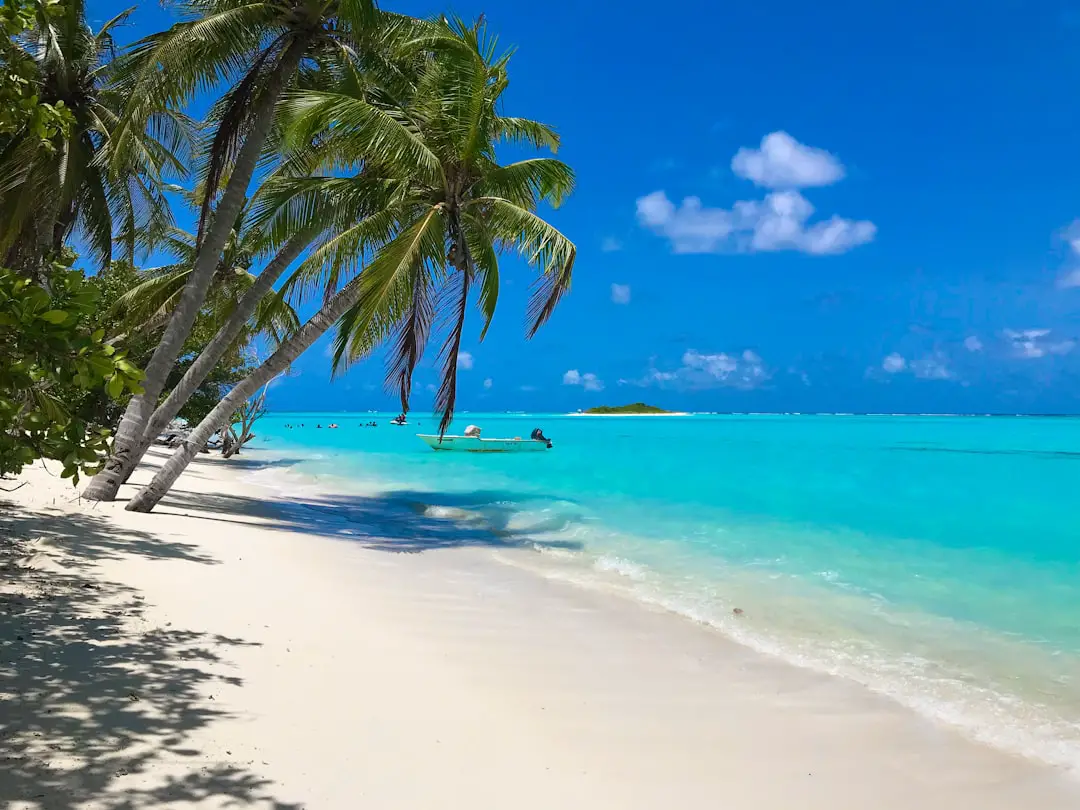
The island combines beaches, green hills, clear Caribbean water, French and Creole food, sailing, nightlife, markets, and historic towns such as Marigot and Philipsburg. Its 37 named beaches range from lively Maho and Orient Bay to quieter coves, so the best time to come depends as much on your priorities as on the weather.
The island’s history also reflects Indigenous Caribbean peoples, European settlement, African heritage, migration, and centuries of cooperation between the French and Dutch sides. There are no routine border controls when driving between the two territories, although each side remains a separate jurisdiction.
Key Takeaways
- Best overall weather: January through April, when Météo-France identifies the dry season in Saint-Martin and the neighboring northern islands.
- Main high season: Mid-December through April, when winter travelers arrive and hotels, restaurants, and popular activities are busiest.
- Best value: May, early summer, and fall often bring lighter crowds and more competitive accommodation offers.
- Hurricane season: June 1 through November 30, with most Atlantic tropical activity historically concentrated in August, September, and October.
- Best for events: February through May is especially active for Carnival and sailing events, while November brings St. Martin Day and major food events.
Disclosure: As an Amazon Associate I earn from qualifying purchases. Some links on this page are affiliate links, at no extra cost to you.
Weather and Climate in Saint Martin
Saint Martin has a tropical maritime climate, so temperatures remain warm throughout the year. Trade winds help moderate the heat, and brief showers are possible in every month.
Dry and Humid Seasons
Météo-France describes January through April as the dry season, or Carême, in Saint-Martin and the other northern French Caribbean islands. During this period, typical minimum temperatures are about 21–24°C (70–75°F), while typical maximums are around 28–31°C (82–88°F).
The more humid season generally runs from June through November. Temperatures tend to feel warmer, humidity rises, and tropical waves can bring heavier showers. May and December are transition months, so their weather can resemble either neighboring season.
This is slightly more precise than the common travel shorthand of calling December through April the “dry season” and May through November the “wet season.” For vacation planning, both descriptions point to the same basic pattern: winter and early spring are generally drier, while summer and fall carry more rain and tropical-weather risk.
Hurricane Season and Tropical Weather
The Atlantic hurricane season officially runs from June 1 through November 30. Historically, the busiest portion of the season occurs in late summer and early fall, particularly August through October.
Warning: Travelers visiting between June and November should monitor the National Hurricane Center before and during the trip. When buying travel insurance, read the policy carefully for named-storm exclusions, cancellation coverage, delays, medical evacuation, and any deadlines for purchasing coverage.
NOAA’s May 21, 2026 outlook gave the Atlantic a 55% chance of a below-normal hurricane season, forecasting 8–14 named storms, 3–6 hurricanes, and 1–3 major hurricanes. NOAA stresses that a seasonal outlook does not predict where or when a storm will strike land.
Even in a quieter forecast year, one storm can disrupt a trip. Check the latest NOAA Atlantic hurricane outlook and short-range forecasts close to departure instead of relying only on seasonal averages.
Planning Your Visit Around the Weather
Rain on Saint Martin is often intermittent rather than an all-day event, but no month guarantees sunshine. Even the dry season can produce unusually wet periods. March 2026, for example, was wetter than normal in the northern islands according to Météo-France.
Beach conditions can also vary independently of rainfall. Sargassum seaweed occasionally affects parts of the coastline, especially exposed Atlantic-facing areas. Conditions are highly localized, so check recent beach reports rather than choosing travel dates solely around a supposed fixed “sargassum season.”
Peak Tourist Season in Saint Martin

The main tourist high season runs roughly from mid-December through April. January through April also overlaps with the island’s driest meteorological season, making these months especially appealing for beach days, sailing, snorkeling, hiking, and outdoor dining.
Winter visitors from North America and Europe increase demand for accommodations, rental cars, restaurant reservations, and excursions. Rates are often higher than in summer and fall, particularly around Christmas, New Year, school holidays, Carnival dates, and major sailing events.
The event calendar is another reason the island feels lively in late winter and spring. French-side Saint-Martin Carnival is associated mainly with February, while the Dutch-side St. Maarten Carnival takes place later. In 2026, Dutch-side Carnival officially opened April 10 and continued through May 5.
March is another major event month. The St. Maarten Heineken Regatta ran March 5–8 in 2026 and regularly attracts sailors and spectators from around the world.
Pro Tip: For Christmas, New Year, Carnival, or Heineken Regatta travel, book flights, hotels or villas, rental cars, and must-have restaurant reservations several months ahead. Event weeks can be among the island’s busiest periods.
Off-peak Season in Saint Martin
| Metric | Off-Peak Season in Saint Martin |
| Temperature | Warm to hot, with higher humidity during much of summer and fall. |
| Tourist Arrivals | Generally lower than the winter high season, especially in fall. |
| Accommodation Prices | Often lower, with summer and fall promotions common. |
| Weather Trade-Off | More humidity and showers, plus hurricane-season exposure from June through November. |
| Activities | Beaches, snorkeling, diving, sailing, dining, hiking, and island tours remain available, although individual operators may adjust schedules. |
Saint Martin’s lower-demand period broadly covers late spring through fall. Summer tends to be quieter than winter, while fall is often among the calmest periods for visitor numbers. Current tourism guidance also notes that hotel offers can be more attractive during summer and fall.
The trade-off is weather. June through November overlaps with hurricane season, and humidity and rainfall usually increase. That does not mean every day is rainy. Long sunny periods are still possible, and tropical showers often pass quickly.
Lower visitor numbers can make it easier to enjoy beaches, local markets, restaurants, hiking trails, and scenic drives without high-season congestion. Travelers should still confirm individual restaurant, excursion, and ferry schedules before relying on a particular business during quieter weeks.
Best Shoulder-Season Months for Value
Travelers who want lower prices without committing to the quietest part of hurricane season should look closely at May and early June. The winter rush has eased, temperatures are warm, and summer promotions may begin. June 1 does mark the official start of hurricane season, so flexible plans and appropriate insurance become more important.
Late November and early December can also be appealing. Hurricane season officially ends November 30, visitor numbers have not always reached their winter peak, and the island begins moving into its busier holiday period.
There is no guarantee that shoulder-season airfare or lodging will always be cheaper. Prices depend on flight capacity, holidays, events, and individual properties, so compare exact dates before booking.
Saint Martin Month-by-Month Guide
| Month | Typical Travel Feel | Best For | Watch For |
| January | Dry-season weather and high demand | Beaches, sailing, hiking | High hotel rates |
| February | Dry, lively, event-rich | French-side Carnival, outdoor activities | Crowds around events |
| March | Busy and breezy | Heineken Regatta, sailing, nightlife | Event-week availability |
| April | Dry-season finish with major festivities | Dutch-side Carnival, beach trips | Holiday and Carnival crowds |
| May | Transition month with fewer visitors | Value, quieter beaches | Increasing heat and showers |
| June | Warm and quieter | Deals and low crowds | Hurricane season begins June 1 |
| July | Hotter and more humid | Summer travel and promotions | Tropical waves and showers |
| August | Hot, humid, quiet | Travelers prioritizing low crowds | Increasing tropical-storm risk |
| September | Very quiet | Flexible travelers seeking solitude | Peak hurricane climatology |
| October | Quiet and humid | Low-season stays | Continued storm risk |
| November | Transition toward high season | St. Martin Day, food events, value | Hurricane season lasts through Nov. 30 |
| December | Increasingly dry and busy | Holiday trips and beach weather | Holiday pricing after mid-month |
Best Activities and Events in Each Season
January through April is one of the easiest periods for combining beaches with outdoor activities. Sailing, diving, snorkeling, hiking, beach hopping, and open-air dining all benefit from the generally drier conditions and cooling trade winds.
Event travelers should pay close attention to which side of the island is hosting a celebration. French-side Saint-Martin Carnival is centered around February. The Dutch-side St. Maarten Carnival follows later in spring, with major festivities typically concentrated in April and extending into early May.
Sailing fans often target March for the St. Maarten Heineken Regatta. In 2026, the four-day event ran March 5–8.
Summer and fall offer a more relaxed atmosphere. Beaches and restaurants generally remain available, and lower visitor numbers make spontaneous sightseeing easier. Hiking is still possible, although hotter, more humid weather makes early morning outings more comfortable.
November offers two notable cultural reasons to visit. St. Martin Day is November 11 and celebrates the shared heritage of both sides of the island. The French-side Festival de la Gastronomie is scheduled for November 11–22, 2026, with tastings, workshops, competitions, and other food-focused events.
Travel Tips for Visiting Saint Martin

Check entry requirements before booking because the French and Dutch sides are separate jurisdictions even though there are normally no border checkpoints between them.
For U.S. travelers entering through Sint Maarten, the U.S. Department of State currently says a passport must be valid for the duration of the stay. Travelers may also need an Embarkation/Disembarkation Card, return or onward travel, accommodation details, and proof of sufficient funds. Requirements differ by nationality.
French Saint-Martin follows separate French overseas-entry rules and is not part of the Schengen Area. Travelers who need a visa or have questions about passport rules should check France-Visas for their nationality and itinerary.
Renting a car is convenient for travelers who want to explore both sides. Traffic drives on the right-hand side throughout the island, so there is no change when crossing the open border. Roads can become congested around Philipsburg, Simpson Bay, Marigot, and major event areas.
Horn use can be more conversational than some visitors expect, especially on the Dutch side. A quick honk may mean “thank you” or “go ahead,” although normal defensive-driving rules still apply.
Note: The French side uses the euro (€). The Dutch side’s official currency is the Caribbean guilder (XCG/Cg), introduced on March 31, 2025 to replace the Netherlands Antillean guilder. U.S. dollars are widely accepted on both sides, although exchange rates and change policies can vary by business.
Electrical standards also differ. The French side primarily uses European-style 220-volt power, while the Dutch side commonly uses North American-style 110-volt outlets, with some 220-volt service. Check your accommodation and bring the correct plug adapter if needed.
For day trips, Marigot Ferry Terminal currently provides regular service to Anguilla and St. Barth. As of 2026, the Anguilla crossing takes about 20 minutes, while Marigot has two to three daily St. Barth ferries with a trip of roughly 50 minutes. Schedules, fees, immigration requirements, and sailings can change with weather, so verify them directly before travel.
Pack high-SPF sunscreen, insect repellent, breathable clothing, rain protection, and comfortable footwear. During hurricane season, keep essential medications, travel documents, and airline or accommodation contact information easy to reach.
Budget-Friendly Travel Options
The simplest way to reduce trip costs is to avoid the Christmas-through-spring high season when possible. Summer and fall often bring more attractive lodging offers, and current local tourism campaigns regularly promote warm-season hotel and activity specials.
Food does not have to be expensive. Grand Case and other areas are known for casual Caribbean barbecue restaurants called lolos, where travelers can try local seafood, grilled meats, Johnny cakes, and Creole dishes without relying only on fine-dining restaurants.
Beach days are another low-cost option. Saint Martin/Sint Maarten’s beaches are generally open for public access, and the island has enough variety to build several days around swimming, snorkeling, walking, and sunset watching.
Travelers can also use minibuses and taxis instead of renting a car for an entire stay. A rental car may still be worthwhile for one or two concentrated sightseeing days, particularly for visitors who want to reach beaches on both sides.
Best Time to Visit Saint Martin by Travel Style
- Best for dry weather: January through April.
- Best balance of weather and value: May or early June.
- Best for fewer crowds: Summer and fall, with the quietest feel often occurring in fall.
- Best for sailing: March, especially around the Heineken Regatta.
- Best for Carnival: February for French-side festivities and April into early May for Dutch-side St. Maarten Carnival.
- Best for food and culture: November, particularly around St. Martin Day and the Saint-Martin Gastronomy Festival.
- Best for travelers who want to minimize hurricane exposure: December through May, while remembering that tropical weather outside the official season is still possible.
Choosing the Best Time to Visit Saint Martin
For most first-time visitors, January through April offers the easiest combination of generally drier weather, comfortable trade winds, full activity schedules, and major events. The downside is higher demand and usually higher travel costs.
Travelers who care more about price and space should consider May, early summer, or late November. Those visiting from June through November can still have an excellent trip, but should remain flexible because that period overlaps with Atlantic hurricane season.
No matter which month you choose, avoid treating long-range averages as a forecast. Check current Météo-France or local forecasts before outdoor plans, monitor the National Hurricane Center during hurricane season, and verify individual event and ferry schedules shortly before departure.
Once your dates are set, practical travel gear can make the trip easier. A reliable portable phone charger can help on long beach or sightseeing days. Travelers planning to fish can review this guide to a travel fishing rod, while cigar travelers can prepare with a suitable travel humidor.
Frequently Asked Questions
What is the best time to travel to Saint Martin?
January through April is the best overall period for travelers prioritizing drier weather and outdoor activities. Mid-December through April is also the main high season, so expect stronger demand and higher prices than in summer and fall.
What is the weather like during the best months?
Météo-France identifies January through April as the dry season for Saint-Martin and the northern French Caribbean islands. Typical temperatures remain warm, with minimums around 70–75°F and maximums around 82–88°F. Showers are still possible.
What are the cheapest months to visit Saint Martin?
Summer and fall commonly have lower visitor demand and more accommodation promotions than the winter high season. May and early June can be especially useful for travelers seeking a balance between value and relatively favorable weather.
When is hurricane season in Saint Martin?
Atlantic hurricane season runs from June 1 through November 30. Tropical activity is historically greatest in August, September, and October. Travelers during this period should monitor official forecasts and review travel-insurance terms carefully.
Is September a good time to visit Saint Martin?
September can offer very light crowds and lower seasonal prices, but it falls near the climatological peak of Atlantic hurricane activity. It is best suited to flexible travelers who can tolerate weather-related changes and have appropriate insurance.
When is Carnival in Saint Martin and Sint Maarten?
The island has separate French- and Dutch-side Carnival calendars. French-side Saint-Martin Carnival is centered around February, while Dutch-side St. Maarten Carnival is later, with its main festivities typically in April and extending into early May. Exact dates change each year.
Is Saint Martin more expensive during the dry season?
Usually. The dry season overlaps with the winter high season, when demand for flights, hotels, villas, rental cars, and popular restaurants is stronger. Prices vary by property and event dates, so booking early and comparing several weeks can help.
What activities are best from January through April?
The generally drier conditions are well suited to snorkeling, diving, sailing, hiking, beach hopping, scenic drives, outdoor dining, and festivals. March is especially popular with sailing visitors because of the St. Maarten Heineken Regatta.
Sources
- Météo-France — dry and humid seasons and typical temperatures for Saint-Martin and the northern French Caribbean islands.
- National Hurricane Center and NOAA Climate Prediction Center — hurricane-season dates, forecasts, and current Atlantic tropical-weather monitoring.
- Visit St. Maarten / St. Martin and 2026 Carnival Schedule — seasonal tourism patterns and Dutch-side Carnival timing.
- Centrale Bank van Curaçao en Sint Maarten — introduction and status of the Caribbean guilder.
- U.S. Department of State — Sint Maarten and France-Visas — entry and passport guidance for the island’s two jurisdictions.
- Port of Saint-Martin — Marigot Ferry Terminal — current Anguilla and St. Barth ferry information.
