Last Updated on July 28, 2026 by Daniel Globe
Santa Fe is rewarding in every season, but the best time for most visitors is late April through May or late September through October. These shoulder-season windows offer comfortable daytime weather, a strong mix of cultural and outdoor activities, and fewer crowds than the busiest summer festival weekends. The right month still depends on whether you want art markets, fall color, skiing, holiday traditions, or the lowest possible demand.
Quick Answer
The best time to visit Santa Fe is late April through May or late September through October. These shoulder periods combine comfortable daytime weather, lighter crowds than midsummer, and strong outdoor and cultural options. Choose August for Indian Market and opera, or winter for skiing and Christmas Eve traditions.
Key Takeaways
- Late April through May is a strong choice for mild days, spring blooms, gallery visits, and lower demand than the summer peak.
- August brings the Santa Fe Indian Market and Santa Fe Opera, but it also brings larger crowds, higher lodging demand, and afternoon monsoon storms.
- Late September through October is ideal for golden aspens, crisp hiking weather, food-and-wine events, and the Santa Fe International Film Festival.
- Winter is best for skiing, snowy mountain scenery, adobe inns, and holiday traditions such as the Canyon Road Farolito Walk.
- Santa Fe sits at about 7,000 feet, so plan a slower first day, drink water, use sun protection, and save strenuous mountain hikes for after you adjust.
Disclosure: As an Amazon Associate I earn from qualifying purchases. Some links on this page are affiliate links, at no extra cost to you.
Santa Fe Seasons at a Glance
Seasonal Comparison
| Spring | Best for: Mild-weather sightseeing, gardens, galleries, and quieter trails. Typical pattern: Average highs in the low 70s and lows in the low 40s, with colder conditions and possible late snow early in the season. Main tradeoff: High-elevation trails may remain muddy or snow-covered. |
| Summer | Best for: Indian Market, Santa Fe Opera, outdoor dining, and a full cultural calendar. Typical pattern: Average highs in the upper 80s and lows in the mid-50s. Main tradeoff: Peak crowds and afternoon monsoon thunderstorms. |
| Fall | Best for: Aspen color, photography, hiking, food events, and film screenings. Typical pattern: Average highs in the low 60s and lows in the mid-30s. Main tradeoff: Festival weekends remain busy, and foliage timing changes with elevation and weather. |
| Winter | Best for: Skiing, snowshoeing, holiday traditions, museums, and fireside stays. Typical pattern: Average highs in the low 50s and lows in the mid-20s in the city, with colder and snowier conditions in the mountains. Main tradeoff: Snow conditions and ski operations vary from year to year. |
These are broad seasonal averages, not a forecast for a specific trip. Check the current outlook before packing or planning mountain activities.
Spring: Mild Weather, Blooms, and a Renewed Art Scene
Spring in Santa Fe runs roughly from March through May, but the experience changes quickly across those three months. March can still feel like winter, especially at night and in the mountains. Late April and May usually provide the best balance of warmer days, blooming trees, manageable crowds, and accessible city attractions.
According to Tourism Santa Fe’s seasonal weather guide, spring averages reach the low 70s during the day and fall into the low 40s at night. Late freezes and spring snow are still possible, so a warm layer remains useful even when the afternoon forecast looks mild.
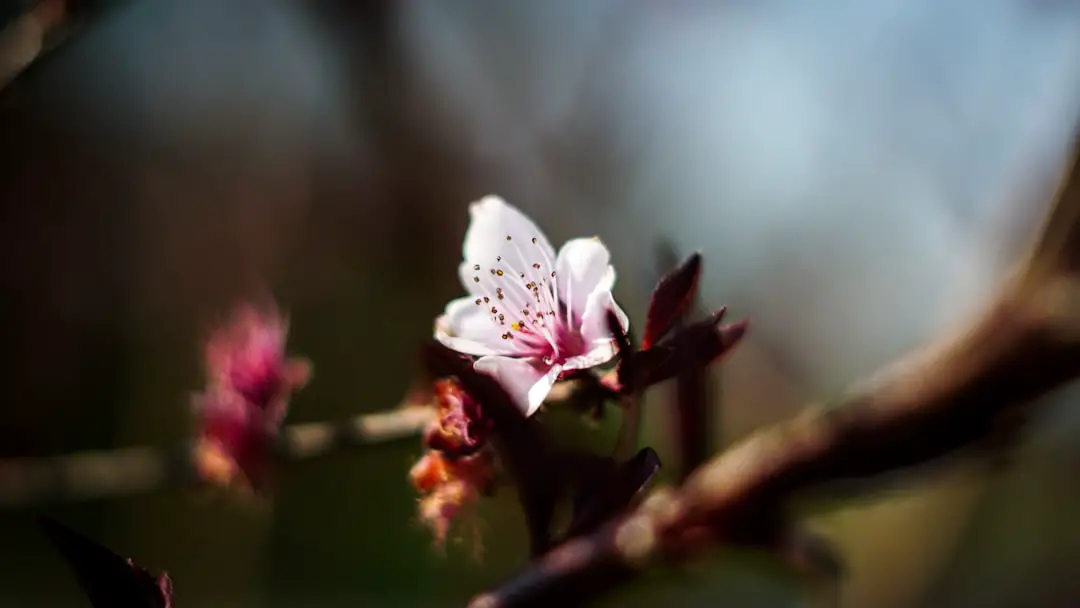
As snow melts, fruit trees, lilacs, cactus flowers, and other plants add color to gardens and neighborhoods. The blue sky and Sangre de Cristo Mountains make spring a good season for photography, walks around the Plaza, and gallery visits along Canyon Road.
Galleries around Canyon Road and the Plaza often introduce new exhibitions as the weather warms. Museums are generally easier to explore than during the busiest summer weekends, and dinner reservations can be less competitive outside holidays and special events.
Spring also works well for hiking and birdwatching in lower-elevation areas. Higher trails may remain muddy, icy, or snow-covered through April and sometimes into May. Check current trail and weather conditions before committing to a mountain route. Visitors interested in regional history can also explore sections of the Santa Fe National Historic Trail.
Pro Tip: For the most dependable spring experience, favor late April or May rather than early March. You are more likely to find comfortable city weather, blooming landscapes, and lower-elevation trails without midwinter conditions.
Summer: Indian Market, Opera, and Peak-Season Energy
Summer is Santa Fe’s busiest cultural season. Long days, outdoor dining, festivals, performances, and mountain recreation create a lively atmosphere, but lodging and restaurant demand rise around major events.
The Santa Fe Indian Market, organized by the Southwestern Association for Indian Arts, takes place August 15–16, 2026. SWAIA reports that the market brings together more than 1,000 Native artists representing over 200 Tribal Nations. The outdoor market around the historic Plaza is free and open to the public, while selected associated programs require tickets.
The Santa Fe Opera runs its 2026 season from July 3 through August 29 at its open-air theater in the foothills north of the city. Summer evenings can cool quickly at the venue, so bring a light jacket even after a warm afternoon.
Fiestas de Santa Fe programming crosses the boundary between late summer and early fall rather than fitting into one continuous weekend. The official 2026 calendar lists the Burning of Zozobra on September 4, the Fiesta Fine Arts and Crafts Market from September 5–7, and central Fiesta weekend activities from September 11–13. Review the official Fiesta event calendar before booking because individual programs have different dates, locations, and admission rules.
The Santa Fe Farmers’ Market operates on Saturdays throughout the year. Its posted 2026 calendar also includes a Tuesday market from May 5 through December 22 and a Tuesday Del Sur market from July 7 through September 29. Confirm hours and locations before visiting because seasonal schedules can change.
Warm months support hiking, mountain biking, picnics, scenic drives, fishing, and paddling at regional lakes or reservoirs when local conditions and regulations allow. Start exposed hikes early so you can avoid the hottest part of the day and reduce the chance of being caught above tree line during afternoon storms.
Warning: New Mexico’s summer monsoon can produce lightning, heavy rain, and fast-rising water, especially in July and August. Check the National Weather Service forecast before hiking, avoid narrow drainages when storms are nearby, and never enter a flooded road or trail crossing.
Note: Santa Fe sits at roughly 7,000 feet. Visitors from lower elevations may notice headache, fatigue, poor sleep, or shortness of breath during exertion. Take the first day slowly, drink water, limit alcohol, and postpone strenuous high-mountain activity until you feel well adjusted.
Summer’s high-desert sunshine is well suited to outdoor art, Plaza walks, patio dining, and evening performances. The tradeoff is that headline weekends can bring crowded streets, scarce downtown parking, sold-out restaurants, and higher hotel demand.
Fall: Aspen Color, Food Events, and Film
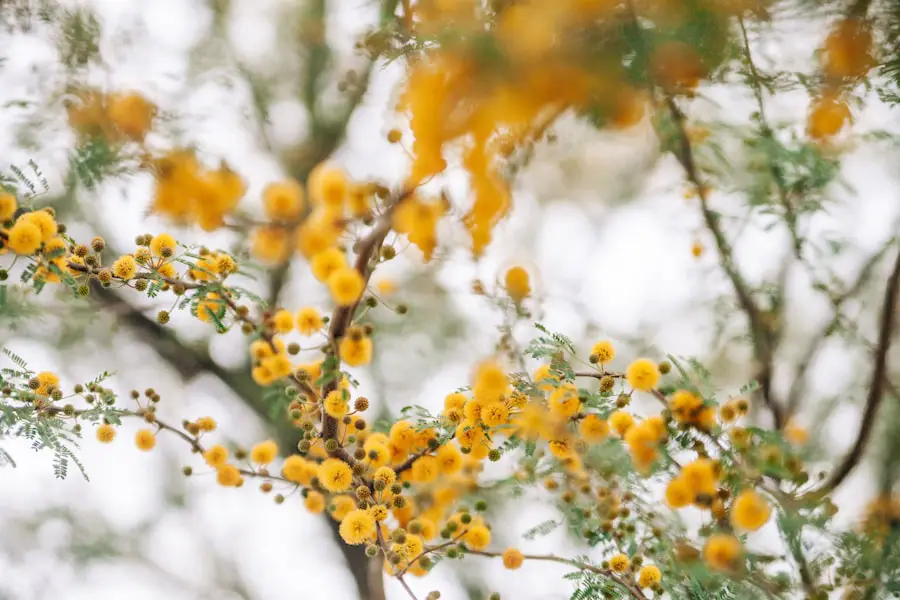
Fall is one of Santa Fe’s strongest all-around seasons. Daytime temperatures cool, summer crowds begin to ease, and aspens and cottonwoods turn shades of yellow and gold. The best color often appears from late September into the first half of October, but elevation, temperature, wind, and moisture can shift the timing from year to year.
Lower temperatures make hiking, biking, scenic drives, and photography more comfortable than during midsummer. Nights can drop into the 30s, so pack a warm layer even when the afternoon forecast is sunny.
The 35th Santa Fe Wine & Chile Fiesta has programming scheduled from September 22–27, 2026. The organizer’s FAQ identifies September 23–27 as the core Fiesta dates, while the current event schedule includes activity on September 22. Check the official Wine & Chile schedule for the exact tasting, seminar, dinner, and ticket dates that interest you.
The Santa Fe International Film Festival runs October 14–19, 2026. The Academy Award-qualifying festival presents screenings, panels, filmmaker appearances, and related events at venues around the city.
Art walks, studio tours, harvest events, and gallery openings add to the fall calendar. Travelers who care most about foliage should keep their itinerary somewhat flexible and check current local color reports shortly before arrival.
Pro Tip: Book a late-September or October trip with at least one flexible mountain day. If wind or weather changes the foliage earlier than expected at one elevation, a scenic drive or trail at another elevation may still offer strong color.
Winter: Skiing, Holiday Traditions, and Quiet Museum Days
| Winter Activity | What to Know |
| Cozy Fires | Adobe inns, hotel lounges, and restaurants provide warm indoor retreats after cold-weather sightseeing. Confirm whether a room’s fireplace is functional or decorative before booking specifically for that feature. |
| Holiday Festivities | The 2026 Canyon Road Farolito Walk is scheduled for December 24 beginning at sundown. The event is free, but the surrounding area becomes crowded and cold after dark. |
| Snowy Landscapes | Ski Santa Fe’s tentative 2026/27 season is November 26, 2026 through April 4, 2027. Opening dates, closing dates, terrain, and lift operations depend on snow and weather conditions. |
Winter brings crisp air, occasional city snow, and much deeper snow in the Sangre de Cristo Mountains. Downtown Santa Fe may be clear while mountain roads and trails remain icy, so conditions should be checked separately.
The Canyon Road Farolito Walk is a Christmas Eve tradition. Thousands of paper-bag lanterns line the road while small piñon fires and carolers add to the atmosphere. Wear warm footwear, arrive prepared to walk, and expect road closures or limited nearby parking.
Skiing and snowboarding are available at Ski Santa Fe, which offers terrain for different ability levels. Snowshoeing and cross-country skiing may also be available in surrounding public lands when snow depth and access allow.
Winter is not only for outdoor recreation. Museums, galleries, restaurants, and performance venues remain worthwhile, often with a calmer pace outside Christmas, New Year’s, and popular ski weekends.
Note: Never assume a posted ski-season range guarantees open terrain. Review the current snow report, road conditions, lift status, and cancellation terms shortly before departure.
Off-Season: Lower Demand Without Giving Up Santa Fe’s Culture
Santa Fe’s quieter periods generally fall between major event weekends in late fall and early spring. These windows can bring easier museum visits, more restaurant availability, and lower lodging demand, although prices are never guaranteed to be low during holidays, ski weekends, spring break, or special events.
Museums such as the Georgia O’Keeffe Museum and the Museum of International Folk Art can feel more relaxed when tour groups and festival visitors are fewer. Galleries may also have more time for individual conversations and viewings.
Late November before Thanksgiving, selected early-December weekdays, and parts of March or April can offer good value. Compare the complete stay price rather than relying only on the advertised room rate, and check whether parking, resort, or destination fees apply.
The main drawback is that seasonal tours, outdoor services, scenic lifts, and some mountain facilities may operate on reduced schedules. Always confirm the exact attraction or activity you want before choosing dates solely for a lower hotel price.
Peak Season: Planning for Santa Fe’s Busiest Dates
Peak demand is concentrated in summer, on major festival weekends, during the Christmas and New Year’s period, and on strong ski weekends. These dates provide the fullest event calendar but require earlier planning.
Popular downtown attractions, restaurants, galleries, and roads around the Plaza can become crowded. The Palace of the Governors and regional destinations such as Bandelier National Monument may also experience heavier visitation. Check official operating information, transportation notices, and entry requirements before leaving the hotel.
For Indian Market, Wine & Chile events, Fiesta programs, and major film screenings, book lodging as early as possible and reserve ticketed activities when sales open. Downtown properties usually provide the easiest walking access but may sell out first.
Restaurant reservations are also valuable during peak periods. Build extra time into the day for parking, road closures, security lines, and travel between venues.
Shoulder Season: The Best Balance for Most Visitors
Santa Fe’s strongest shoulder-season windows are generally late April through May and late September through October. These periods combine pleasant daytime conditions with a full selection of museums, galleries, restaurants, trails, and cultural events.
March can still bring winter weather, while early September remains busy with Zozobra and Fiesta programming. November may be quiet, but foliage has usually passed and winter nights are colder. For that reason, “spring or fall” is more useful when narrowed to specific weeks and travel goals.
Late spring is the better choice for blooms, fresh greenery, and lower event pressure. Early fall is better for golden aspens and culinary events. October often provides a particularly strong mix of fall color, cooler days, and cultural programming.
Best Time to Visit Santa Fe by Travel Style
- Best overall for a first visit: Late April through May or late September through October.
- Best for Native art and major summer culture: August, especially around the Santa Fe Indian Market on August 15–16, 2026.
- Best for opera: July through August, with the 2026 Santa Fe Opera season running July 3–August 29.
- Best for fall foliage: Late September through the first half of October, depending on elevation and weather.
- Best for food and wine: Late September, around Santa Fe Wine & Chile programming.
- Best for film: October 14–19, 2026, during the Santa Fe International Film Festival.
- Best for skiing: January and February usually offer a stronger chance of midseason coverage than the opening or closing weeks, but current conditions should decide the trip.
- Best for smaller crowds: Non-event weekdays in late fall or early spring.
- Best for holiday atmosphere: Late December, especially Christmas Eve for the Canyon Road Farolito Walk.
Major Santa Fe Event Dates for 2026
| Date | Event |
| July 3–August 29 | Santa Fe Opera 2026 season |
| August 15–16 | Santa Fe Indian Market |
| September 4 | Burning of Zozobra |
| September 5–7 | Fiesta Fine Arts and Crafts Market |
| September 11–13 | Central Fiesta de Santa Fe weekend activities |
| September 22–27 | Santa Fe Wine & Chile festival-week programming; the organizer lists September 23–27 as the core Fiesta dates |
| October 14–19 | Santa Fe International Film Festival |
| December 24 | Canyon Road Farolito Walk, beginning at sundown |
Event dates, venues, ticket rules, and schedules can change. Confirm details on the organizer’s website before making a nonrefundable booking.
What to Pack for Santa Fe
Santa Fe’s high-desert climate calls for layers in every season. Tourism Santa Fe reports that daily temperature changes can reach about 30°F, so an outfit that feels comfortable at midday may not be warm enough after sunset.
Spring and Fall
Pack a light or medium jacket, comfortable walking shoes, sun protection, and at least one warm layer for cold mornings and evenings. Waterproof footwear can help if spring trails are muddy or if an early snow occurs.
Summer
Bring breathable clothing, a brimmed hat, sunscreen, a refillable water bottle, and a compact rain jacket. Carry the rain layer even when the morning sky is clear because monsoon storms often form later in the day.
Winter
Pack an insulated coat, gloves, warm socks, and sturdy shoes or boots with traction. Ski clothing and equipment needs will depend on whether you are visiting the city, the mountain, or both.
Altitude and Sun Protection
The City of Santa Fe identifies the city’s elevation as about 7,000 feet. Mountain destinations rise much higher. The CDC’s altitude guidance notes that headache, dizziness, fatigue, nausea, and sleep problems can follow rapid ascent to higher elevations.
Rest and avoid climbing higher if symptoms are worsening. Seek urgent medical attention for confusion, trouble walking, severe breathlessness at rest, chest symptoms, or a rapidly worsening condition.
Monsoon Storm Preparation
The National Weather Service’s New Mexico monsoon guidance explains that the seasonal wind shift increases shower and thunderstorm activity. Avoid exposed ridges when thunder is nearby, turn back before a storm reaches the trail, and treat flash-flood warnings seriously.
Year-Round Attractions: Santa Fe’s Art, History, and Food
Santa Fe remains appealing year-round because its core attractions do not depend on one season. The historic Plaza provides access to shops, public art, restaurants, museums, and architecture shaped by centuries of regional history.
Art lovers can visit the Georgia O’Keeffe Museum, explore galleries along Canyon Road, see international folk art on Museum Hill, or experience large-scale installations at Meow Wolf. Gallery events provide opportunities to see new work and meet artists, although dates and admission rules vary.
Food is also part of the year-round experience. Restaurants such as Café Pasqual’s and The Shed are known for regional flavors, while markets and specialty shops offer New Mexico chile, local produce, baked goods, and handmade products.
Each season adds something different: spring brings blooms and mild sightseeing, summer delivers major arts events, fall adds golden foliage and food festivals, and winter combines snow recreation with holiday traditions. The best choice is the season whose strengths match the experience you value most.
When planning a Santa Fe trip, compare the complete lodging price, including any destination or resort fees, before booking. Use TakeTravelInfo for broader trip-planning guidance, but confirm current event schedules, weather, trail conditions, and operating hours through the relevant official source.
Frequently Asked Questions
What is the best time to visit Santa Fe?
For most visitors, the best periods are late April through May and late September through October. These windows offer mild daytime weather, fewer crowds than the summer peak, and a good balance of art, food, hiking, and sightseeing.
What is Santa Fe’s weather like in spring and fall?
Spring averages reach the low 70s during the day and the low 40s at night. Fall averages are cooler, with highs in the low 60s and lows in the mid-30s. Actual conditions vary, and late snow or freezing nights are possible.
Which major Santa Fe events take place in 2026?
Major dates include the Santa Fe Opera from July 3 through August 29, Indian Market on August 15–16, Zozobra on September 4, central Fiesta weekend activities on September 11–13, Wine & Chile programming from September 22–27, and the Film Festival from October 14–19.
When is the best time to see fall colors near Santa Fe?
Golden aspen color often appears from late September into the first half of October. Exact timing varies by elevation, temperature, wind, and moisture, so check current foliage reports shortly before the trip.
Is summer a good time to visit Santa Fe?
Yes, especially for Indian Market, opera, outdoor dining, and a busy cultural calendar. Expect larger crowds, higher lodging demand, strong high-altitude sun, and afternoon monsoon thunderstorms during part of the season.
What outdoor activities are available during the best travel periods?
Visitors can hike, bike, walk historic neighborhoods, take scenic drives, photograph foliage, and explore regional public lands. Trail access depends on snow, mud, storms, wildfire restrictions, and seasonal closures, especially at higher elevations.
Will I feel the altitude in Santa Fe?
Possibly. Santa Fe is about 7,000 feet above sea level, and nearby mountain areas are higher. Some visitors notice headache, fatigue, poor sleep, or shortness of breath during exertion. Take the first day slowly and do not climb higher if symptoms are worsening.
How far in advance should I book a festival weekend?
For Indian Market, major Fiesta programs, Wine & Chile events, or popular film screenings, reserve lodging several weeks to several months ahead. Downtown rooms and limited-capacity ticketed events usually sell first.
Is winter worth visiting if I do not ski?
Yes. Winter visitors can enjoy museums, galleries, regional food, adobe architecture, quieter sightseeing, seasonal performances, and holiday events. The Canyon Road Farolito Walk on Christmas Eve is one of the city’s best-known winter traditions.
Sources
- Tourism Santa Fe — Seasonal Weather — average seasonal temperatures, snow, rainfall, foliage, and packing context.
- National Weather Service Albuquerque — Monsoon Awareness — thunderstorm, warning, and flash-flood guidance.
- CDC Yellow Book — High-Altitude Travel — altitude symptoms, acclimatization, and warning signs.
- Southwestern Association for Indian Arts — 2026 Indian Market dates, admission details, and artist figures.
- Santa Fe Opera — official 2026 season dates and programming.
- Fiesta de Santa Fe, Santa Fe Wine & Chile Fiesta, and Santa Fe International Film Festival — official 2026 event calendars.