
Last Updated on September 11, 2026 by Daniel Globe
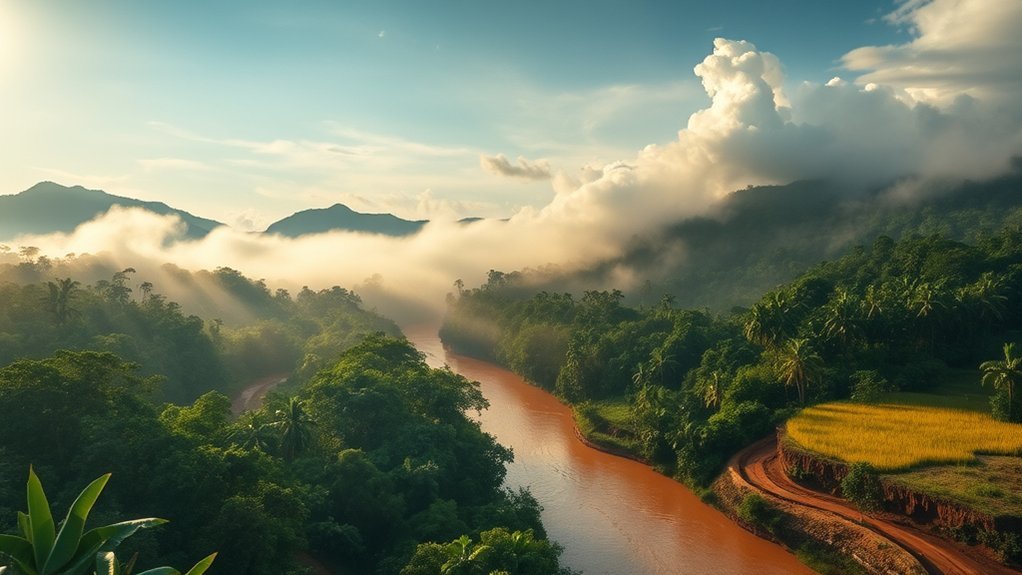
Southern Borneo stays hot, humid, and green throughout the year, but rainfall can change how easily you reach its forests, rivers, and mountain trails. For most travelers visiting Central and South Kalimantan, the relatively drier months from June through September offer the most dependable conditions. Even then, short tropical showers remain possible.
Quick Answer
The best time to visit Southern Borneo is generally from June to September, when many parts of Central and South Kalimantan have less rain. These months usually provide easier trekking, more reliable road travel, and comfortable river-cruise planning. May and October can also work well, but conditions are less predictable.
Key Takeaways
- June through September is the most dependable general window for trekking, river trips, and overland travel.
- May and October are useful shoulder months, but rain patterns can shift from year to year.
- Rain can fall in any month because Southern Borneo has a tropical climate.
- The late dry season may bring forest-fire hotspots or haze, so lower rainfall does not always mean better air quality.
- Sabah and Sarawak are in northern and northwestern Borneo and should not be treated as part of a Southern Borneo weather calendar.
Disclosure: As an Amazon Associate I earn from qualifying purchases. Some links on this page are affiliate links, at no extra cost to you.
Best Time to Visit Southern Borneo
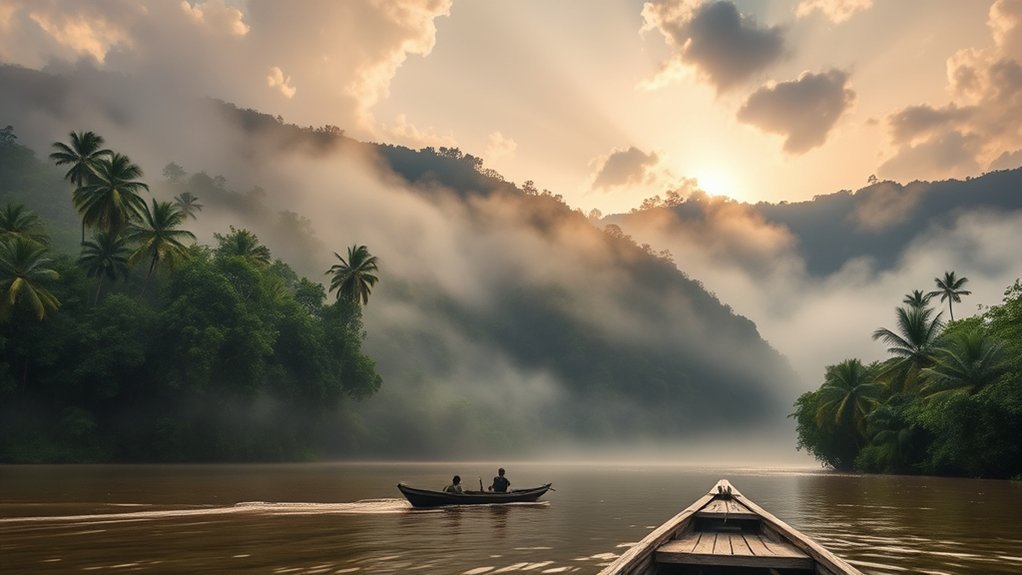
For this guide, Southern Borneo means the Indonesian part of the island’s southern half, especially Central and South Kalimantan, plus nearby routes in southern East Kalimantan. The region includes orangutan habitats, peat-swamp forests, the waterways around Banjarmasin, the Meratus Mountains, and long river journeys through inland Kalimantan.
The most reliable general travel window is June through September. Rainfall is often lower during these months, and the relatively dry conditions can make forest walks, mountain roads, and transfers between remote communities easier. August and September are commonly among the driest months in southern Kalimantan, although the exact timing changes each year.
May and October are transitional months. They may provide a good balance of green scenery, moderate visitor demand, and manageable rain, but they can also bring sudden storms. Travelers who choose these months should leave extra time between domestic flights, boat journeys, and road transfers.
Note: Borneo does not follow one perfectly fixed weather calendar. Indonesia’s meteorological agency, BMKG, divides the region into local climate zones and updates the expected beginning, peak, and duration of each season. Check the latest South Kalimantan seasonal outlook before booking remote activities.
Southern Borneo’s Wet and Dry Seasons
Southern Borneo is hot and humid year-round. Instead of four temperature-based seasons, the region has wetter and relatively drier periods. Rain remains possible in every month, including at the height of the dry season.
Relatively Dry Season: May or June to September
Across much of Central and South Kalimantan, rainfall commonly begins to decrease in May or June. The driest conditions often arrive in August or September. This is usually the easiest period for trekking, road transfers, photography, and trips that combine several remote destinations.
Lower rain does not make the rainforest dry. Trails can still be muddy, showers may develop quickly, and humidity remains high. River levels may also fall in smaller waterways, which can affect shallow boat routes.
Wetter Season: October or November to April
Rain generally becomes more frequent from October or November and remains common through the first part of the year. December through February is often among the wetter periods, but the rainfall peak differs by province and local climate zone.
The wetter season brings greener forest scenery and fuller rivers. It can suit visitors who are mainly interested in river travel, cities, markets, food, or cultural experiences. The tradeoff is a higher chance of muddy trails, local flooding, rougher boat conditions, and transport delays.
Transition Months: April, May, and October
Transition months can be rewarding, but they are less dependable. Calm mornings may be followed by heavy afternoon rain, thunder, or short bursts of strong wind. These months are best for travelers with flexible schedules rather than tightly timed connections.
In Southern Borneo, “dry season” means less rain—not no rain.
Southern Borneo Weather Month by Month
| Months | Typical Conditions | Best For |
| January–February | Frequent rain, humid conditions, muddy trails, and possible high river levels. | Cities, markets, river scenery, and flexible cultural trips. |
| March–April | Still wet in many areas, with periods of transition and sudden local storms. | Lush scenery and lower-demand travel with schedule flexibility. |
| May–June | Rain often begins to ease, although the seasonal change may arrive earlier or later. | A balance of green landscapes, improving trails, and fewer weather disruptions. |
| July–September | Usually the driest and most dependable period, with a growing haze risk during prolonged dry spells. | Trekking, overland routes, photography, and multi-stop itineraries. |
| October | A variable transition month; some areas stay relatively dry while others receive increasing rain. | Shoulder-season travel when forecasts remain favorable. |
| November–December | Rain becomes more frequent, trails soften, and localized flooding or delays become more likely. | River-based trips, city visits, and travelers comfortable with changing plans. |
This calendar is a planning guide, not a guarantee. El Niño, La Niña, sea temperatures, and local topography can move the start or peak of a season by several weeks.
Best Months for Trekking and Wildlife
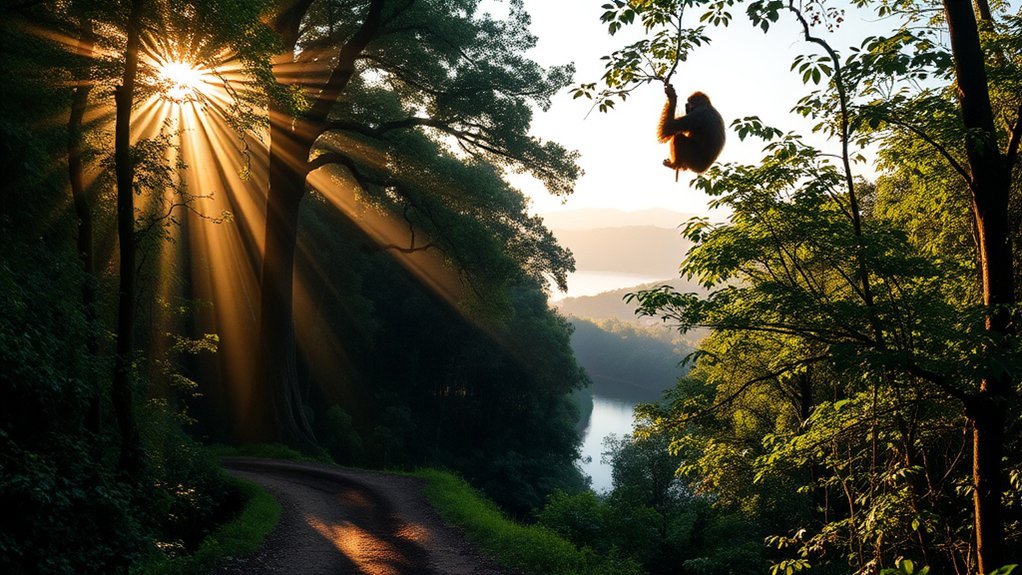
June through September generally provides the best combination of manageable trails, dependable transfers, and lower rainfall. However, the ideal month depends on whether your priority is orangutans, mountain trekking, river travel, or wetland wildlife.
Orangutan Viewing
Central Kalimantan is one of Southern Borneo’s main orangutan destinations. At Tanjung Puting National Park, travelers commonly travel along the Sekonyer River by klotok, a traditional wooden boat. The route passes forest used by orangutans, proboscis monkeys, hornbills, and other wildlife. Indonesia’s official tourism site provides more information about Central Kalimantan and its river-based wildlife experiences.
The drier months can make walking routes and boat logistics easier, but no month guarantees an orangutan sighting. Food availability, rainfall, animal movement, and conditions at observation areas all influence what visitors see.
Pro Tip: Choose operators that use licensed local guides, follow park rules, keep a respectful distance from animals, and never promise touching, feeding, or guaranteed close encounters.
Meratus Mountains and Loksado Trekking
June through September is usually the best period for hiking around Loksado and the Meratus Mountains. Trails are less likely to be deeply muddy, and road access is generally more dependable. Rain can still arrive quickly, so carry waterproof protection even on a clear morning.
May and October can also be attractive because the landscape remains intensely green. These months are better for travelers who can add a spare day in case rain changes a trekking or rafting plan.
River and Wetland Wildlife
River trips operate in both wetter and drier conditions, but the experience changes. Higher water may improve access to some channels while making currents stronger in others. Low water can expose banks and make wildlife easier to notice, yet it may restrict travel through shallow tributaries.
Follow the advice of local boat crews rather than assuming one season is always safer. Conditions can differ between the Sekonyer, Barito, Martapura, Mahakam, and smaller forest rivers.
Where to Go in Southern Borneo by Season
Tanjung Puting and Pangkalan Bun
Best general window: June through September.
Choose this period for a multi-day klotok trip, easier forest walks, and more predictable transfers through Pangkalan Bun and Kumai. Wet-season journeys remain possible, but travelers should allow for heavy showers and changing river conditions.
Sebangau and Palangka Raya
Best general window: June through September, with May and October as possible shoulder months.
Sebangau’s peat-swamp environment remains wet and humid even during the drier season. Lower rainfall can simplify boat trips and boardwalk access, but prolonged dryness also increases concern about peat fires and smoke.
Banjarmasin and South Kalimantan Wetlands
Best general window: May through September for easier sightseeing and road travel.
Floating markets and river communities can be visited year-round. The wetter season produces fuller waterways but may also bring localized flooding, heavy morning rain, and slower road journeys outside the city.
Loksado and the Meratus Mountains
Best general window: June through September.
This is the strongest choice for trekking, village visits, and outdoor activities. During wetter months, steep paths may become slippery and river conditions can change rapidly.
Mahakam and Southern East Kalimantan Routes
Best general window: May through September for lower rainfall and more dependable overland connections.
River levels, boat schedules, and village access remain important. A dry month can improve road travel while reducing water in smaller tributaries, so confirm the exact route with a local operator.
Sarawak vs. Sabah: When to Go
Sabah and Sarawak are valuable Borneo destinations, but they should not be placed inside a Southern Borneo weather guide without explanation. Sabah is in northern Borneo, while Sarawak follows the island’s northwest coast. Their rainfall patterns differ from southern Kalimantan and also vary within each state.
- Western Sarawak commonly receives heavy rain during the northeast monsoon.
- Coastal and inland parts of Sarawak can have very different rainfall totals.
- Sabah’s west coast, northeast coast, mountains, and islands do not share one identical dry season.
- Diving conditions depend on the specific coast and marine destination, not a single Borneo-wide calendar.
- Anyone combining Kalimantan with Sabah or Sarawak should check separate local forecasts.
The Malaysian Meteorological Department’s climate guide explains the different rainfall regimes affecting Sabah and Sarawak. Treat Malaysian Borneo as a separate planning stage rather than applying Southern Kalimantan’s June–September recommendation to every destination.
Haze, Flooding, and Seasonal Travel Risks
Dry-Season Haze
Extended dry periods can increase forest and peat-fire activity in parts of Kalimantan. Smoke may reduce visibility, affect air quality, and disrupt flights or outdoor plans. Risk is often greatest later in the dry season, but serious haze does not occur every year or in every destination.
Before traveling, review the latest hotspot maps and regional haze outlook from the ASEAN Specialised Meteorological Centre.
Warning: Do not assume the driest month is automatically the healthiest or clearest month. If significant smoke is forecast, follow local health guidance and be prepared to change strenuous outdoor plans.
Wet-Season Flooding and Storms
Heavy tropical rain can flood low roads, swell rivers, and trigger short-notice changes to boat or trekking plans. Transition periods may also bring lightning and strong local winds. Keep at least one flexible day in an itinerary that depends on a domestic flight, long road transfer, or remote boat connection.
Wear the provided life jacket on river journeys, protect electronics in a dry bag, and follow local instructions around fast water and unfamiliar riverbanks.
What to Pack for Southern Borneo
- Lightweight rain jacket or poncho: Rain is possible in every season.
- Quick-drying clothing: Cotton can remain damp in high humidity.
- Walking shoes with strong grip: Forest paths and boat landings may be slippery.
- Sandals or water shoes: Useful around boats, wet docks, and river accommodation.
- Dry bags or waterproof pouches: Protect passports, phones, batteries, and cameras.
- Insect repellent and long sleeves: Mosquitoes and other biting insects occur year-round.
- Sun protection: Strong sun can follow heavy rain with little warning.
- Reusable water bottle: Heat and humidity increase fluid needs.
- Small flashlight or headlamp: Helpful on boats, in rural lodges, and during power interruptions.
- Flexible travel insurance: Review coverage for delays, remote medical care, and evacuation before departure.
Frequently Asked Questions
When should you avoid Southern Borneo?
There is no month that every traveler must avoid. Consider postponing remote trekking during periods of severe flooding, continuous heavy rain, or significant smoke haze. Travelers with rigid schedules may also find December through February less convenient because weather delays are more likely.
What is the largest predator in Borneo?
The answer depends on the animal category. The Sunda clouded leopard is Borneo’s largest wild cat and a major terrestrial predator. Orangutans are primarily fruit-eating apes, not predators.
What is the best month to visit Southern Borneo?
August is often a strong choice because many parts of Central and South Kalimantan are relatively dry. September can be similarly favorable. However, the best month changes with the annual forecast, and late dry-season haze can sometimes reduce air quality or visibility.
What are the best months to see orangutans?
June through September usually provides easier travel conditions for orangutan trips in Central Kalimantan. Sightings are possible at other times, and no ethical operator can guarantee a wild animal encounter. Orangutan movement depends on forest food, rainfall, and individual behavior.
Is the rainy season a bad time to visit?
Not necessarily. The rainy season offers lush scenery, fuller rivers, and fewer dust problems. It can work well for river journeys, food, markets, and cultural visits. The disadvantages are muddier trails, more insects, possible flooding, and a greater need for schedule flexibility.
Are Sabah and Sarawak in Southern Borneo?
No. Sabah is in northern Borneo, and Sarawak extends along the northwest coast. Both are Malaysian states with their own regional rainfall patterns. Southern Borneo usually refers more naturally to the Indonesian provinces in the island’s southern half.
Conclusion
For most itineraries, June through September is the best time to visit Southern Borneo. These months generally provide lower rainfall, easier trekking, and more reliable travel between Central and South Kalimantan destinations. May and October are useful alternatives for flexible travelers.
Weather is only one part of the decision. Check current rainfall forecasts, river conditions, and haze reports before departure. With realistic expectations and a small schedule buffer, Southern Borneo can be rewarding during both its greener wet months and its more accessible dry season.
Sources
- BMKG South Kalimantan Seasonal Information — local wet- and dry-season timing and seasonal variation.
- Malaysian Meteorological Department Climate Guide — rainfall regimes affecting Sabah and Sarawak.
- Indonesia Travel: Central Kalimantan — Tanjung Puting, river journeys, and regional wildlife experiences.
- ASEAN Specialised Meteorological Centre — current hotspot, smoke, and regional haze monitoring.
- World Wildlife Fund: Bornean Orangutan — orangutan ecology, diet, and conservation.
- IUCN Cat Specialist Group: Sunda Clouded Leopard — size, ecology, prey, and status of Borneo’s largest wild cat.
