
Last Updated on July 24, 2026 by Tyler Morgan
Airlines with very different networks are reaching a similar conclusion about long-haul flying. United has placed record-size Dreamliner orders, Delta has added the 787-10 as a new fleet type, and Alaska Air Group is building an international strategy around an expanding 787 fleet. The reason is not one headline feature. It is the way the Boeing 787 combines range, capacity, operating efficiency, and cabin flexibility in one aircraft family.
Quick Answer
Airlines are ordering the Boeing 787 because it combines long range with lower fuel use, flexible capacity, and passenger-friendly cabins. Its three variants let carriers open thinner nonstop routes, replace older widebodies, and carry more passengers at constrained airports. Strong demand also reflects long-term fleet replacement needs and limited future delivery slots.

Key Takeaways
- The 787 family combines long range with capacities that are easier to match to specific routes than very large widebody aircraft.
- Boeing says the 787 can use up to 25% less fuel than the aircraft it replaces, although the real result depends on the route, cabin, and comparison aircraft.
- The 787-9 offers the family’s longest published range, while the larger 787-10 favors capacity and cost per seat.
- United, Delta, and Alaska have made different 787 decisions based on their own networks rather than following one universal fleet formula.
- Production quality has improved enough for the FAA to restore Boeing’s airworthiness-certificate authority, but regulatory oversight continues.
Disclosure: As an Amazon Associate I earn from qualifying purchases. Some links on this page are affiliate links, at no extra cost to you.
Why the 787 Did Not Feel Revolutionary at First
The Dreamliner’s first passenger flight took place in October 2011, followed by scheduled service in November. At the time, many airlines saw it mainly as a modern replacement for older widebody aircraft rather than a complete change in network planning.
The improvements were easy to describe:
- Lighter composite construction
- New-generation engines
- Lower fuel consumption
- Long intercontinental range
- A more comfortable cabin environment
Those features were valuable, but their strategic importance became clearer over time. Airlines began facing stronger pressure to retire aging aircraft, reduce fuel use, manage emissions, protect scarce airport access, and match capacity more closely to actual passenger demand.
The 787 had been designed for that environment. Instead of requiring every long-haul route to support an especially large aircraft, it gave airlines several sizes that could fly long distances with fewer seats and lower trip costs than many older widebodies.
As of July 2026, Boeing reports more than 2,400 Dreamliner orders from over 90 customers. The manufacturer also credits the family with helping airlines open more than 540 new nonstop routes. Those are manufacturer-reported figures, but they show how widely the aircraft has been adopted.
How the Three Boeing 787 Variants Differ
The Dreamliner is not one aircraft with one mission. Airlines can select among three variants with different balances of capacity and range.
| Variant | Typical Two-Class Seats | Published Range | Best Fit |
|---|---|---|---|
| 787-8 | 200–275 | Up to 8,000 nautical miles | Lower-demand long-haul routes and smaller widebody markets |
| 787-9 | 250–325 | Up to 8,300 nautical miles | Long-range network flexibility and medium-capacity intercontinental flying |
| 787-10 | 300–375 | Up to 7,500 nautical miles | Higher-demand routes where capacity and cost per seat matter more than maximum range |
The 787-9 has the longest published range in the standard family. The 787-10 is longer and carries more passengers, but it gives up some range. That trade-off is central to understanding why one airline may favor the 787-9 while another chooses the 787-10.
Fuel Efficiency Became a Core Fleet Requirement
Fuel is one of an airline’s largest variable expenses, especially on long flights. A relatively small improvement on one trip can become significant when multiplied across thousands of annual flight hours and decades of service.
Boeing says the 787 family can reduce fuel use by up to 25% compared with the aircraft it replaces, depending on the configuration. Delta similarly says its planned 787-10s should deliver 25% better fuel efficiency per seat than the previous-generation widebodies they will replace.
That does not mean every airline automatically receives the same saving. The real result depends on:
- The older aircraft being replaced
- The length and operating conditions of the route
- The number and type of seats installed
- Passenger and cargo load factors
- Engine selection and maintenance arrangements
- Fuel prices and aircraft utilization
A larger aircraft may have an excellent cost per seat when it is full but a higher total trip cost than a smaller variant. Airlines therefore evaluate both measures. Trip cost matters on thinner routes, while cost per seat becomes especially important on busy routes.

The 787’s advantage is not one dramatic saving on one flight. It is the cumulative value of using less fuel across a large fleet for many years.
Composite Construction Can Reduce Some Maintenance Burdens
Fuel savings attract attention, but ownership economics also include inspections, repairs, parts, labor, and time out of service.
Traditional widebody aircraft rely heavily on aluminum structures. Aluminum remains safe and widely used, but operators must manage corrosion and metal-fatigue requirements throughout an aircraft’s service life.
According to Boeing’s 787 design information, about 50% of the Dreamliner airframe by weight is made from composite materials. These materials resist corrosion better than aluminum and can reduce certain fatigue-related inspection requirements.
The potential operational benefits include:
- Reduced corrosion-related structural work
- Longer intervals for some approved inspection tasks
- Lower structural weight
- Less time spent on certain airframe inspections
- More scheduling flexibility for planned maintenance

Note: Composite construction does not make an aircraft maintenance-free. Engines, landing gear, avionics, cabin equipment, electrical systems, and composite structures still require inspections and repairs. Actual downtime depends on the airline’s maintenance program, parts availability, engine condition, and daily operation.
A jet earns revenue when it is available for service, so even a modest reduction in planned downtime can matter. However, it is not accurate to promise that every 787 operator will experience fewer surprise groundings or more reliable schedules solely because of the composite airframe.
The Dreamliner Changed Long-Haul Route Planning
The 787’s most important contribution may be network flexibility rather than any single cost figure.
Before aircraft such as the 787 and Airbus A350 became widely available, long-haul growth often favored large hubs and larger aircraft. Passengers from smaller markets frequently had to connect through major gateway airports because a nonstop flight could not support enough seats to make an older widebody economical.
The Dreamliner gave airlines another option. Its combination of long range and moderate capacity made some thinner city pairs more practical. An airline could test or operate a long route without immediately committing to the seat count of a much larger aircraft.
This supports several network strategies:
- Connecting secondary cities directly
- Reducing dependence on one large connecting hub
- Offering nonstop service that may command a fare premium
- Matching seasonal capacity more closely to demand
- Adding frequency instead of placing every passenger on one larger flight
- Replacing older aircraft without automatically increasing seat count

Direct service can be valuable to passengers because it removes a connection, reduces total journey time, and lowers the risk of missed onward flights. For an airline, however, a nonstop route still needs sufficient passenger demand, cargo revenue, suitable airport facilities, and acceptable operating costs. The aircraft makes more routes possible, but it does not make every proposed route profitable.
Why the 787-10 Works at Capacity-Constrained Airports
Some long-haul markets already have plenty of demand. Their problem is limited airport capacity rather than a shortage of passengers.
IATA describes airport slots as a system for allocating scarce airport capacity. It reports more than 200 Level 3 airports worldwide, where demand significantly exceeds available airport capability.
When an airline cannot obtain another desirable departure time, it may try to carry more passengers on the movement it already controls. That is where the 787-10 can be attractive.
It offers more seats than the 787-8 or 787-9 while retaining common systems and operating characteristics within the Dreamliner family. Its published range is lower than the 787-9’s, but 7,500 nautical miles is sufficient for many transatlantic, South American, Middle Eastern, and Asia-Pacific missions.

The basic logic is straightforward:
- The airline keeps the same scheduled movement
- The larger variant provides more passenger and cargo capacity
- A lower cost per seat may be possible when demand is strong
- A larger premium cabin can increase revenue potential
This does not make the 787-10 ideal for every route. Airlines needing the family’s maximum range may prefer the 787-9, while markets with lighter demand may fit the 787-8 or another aircraft type more closely.
Why United, Delta, and Alaska Made Different 787 Decisions
The recent U.S. airline orders are notable because each carrier is using the Dreamliner to solve a different problem.
United Is Building Scale and Fleet Flexibility
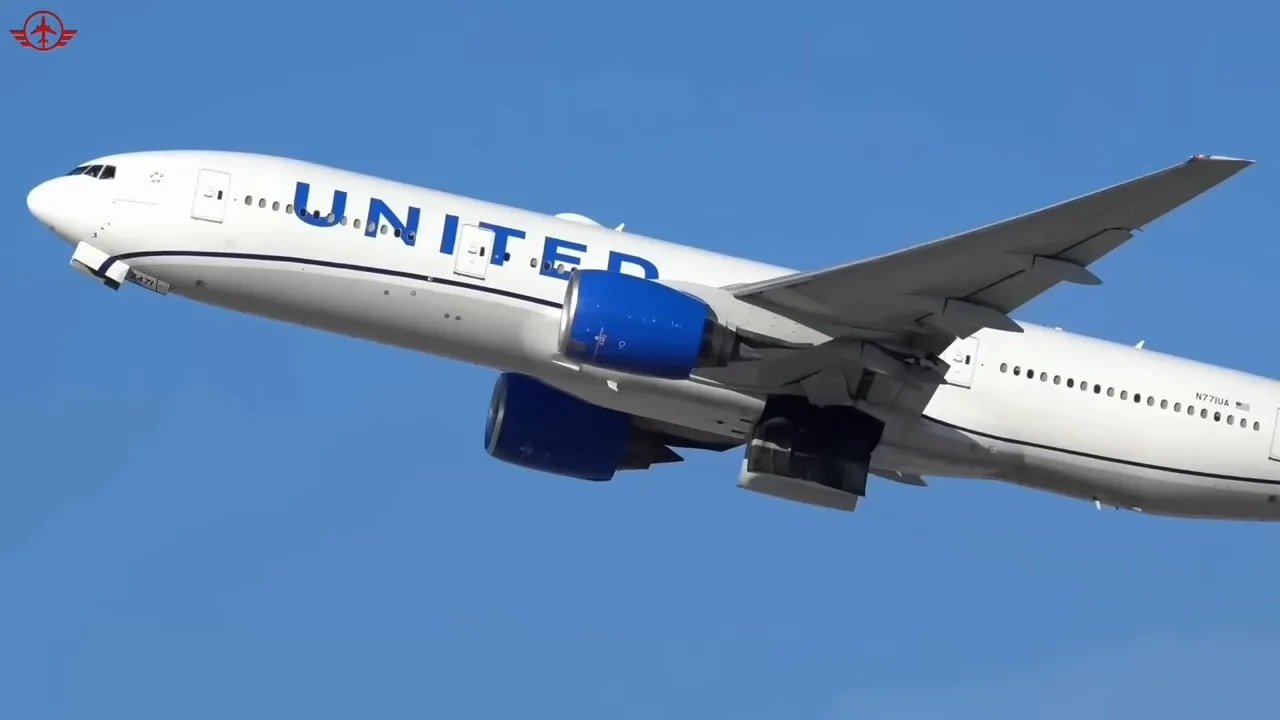
United has made the largest announced Dreamliner commitment in Boeing’s history. It ordered 100 firm 787s in December 2022, with options for another 100. In October 2023, it exercised 50 options for 787-9s and secured 50 additional options, bringing its firm order total to 150 at that time.
United already operates all three Dreamliner variants. That experience gives it the ability to assign different versions to different route types while benefiting from commonality within the family.
The verified order announcements do not support the claim that United converted a significant number of orders to the 787-10. Its publicly announced 2023 addition was specifically for 50 787-9s.
Delta Added the 787-10 Without Abandoning Airbus
On January 13, 2026, Delta announced an order for 30 Boeing 787-10s, with options for 30 more. Deliveries are scheduled to begin in 2031.
The 787 will be a new fleet type for Delta. The airline says it plans to use the aircraft on high-demand transatlantic and South American routes, with larger premium cabins and more cargo capability than the previous-generation aircraft it will replace.
This was a meaningful decision, but it was not a complete manufacturer reversal. Later in January 2026, Delta also ordered additional Airbus A330-900s and A350-900s. Its strategy is therefore better described as diversification: the airline is selecting different aircraft for different capacity, range, and replacement needs.
Alaska Is Expanding an Inherited Dreamliner Platform
Alaska’s move requires context. Through its combination with Hawaiian Airlines, Alaska Air Group already had 787-9 aircraft and widebody operating experience within the group.
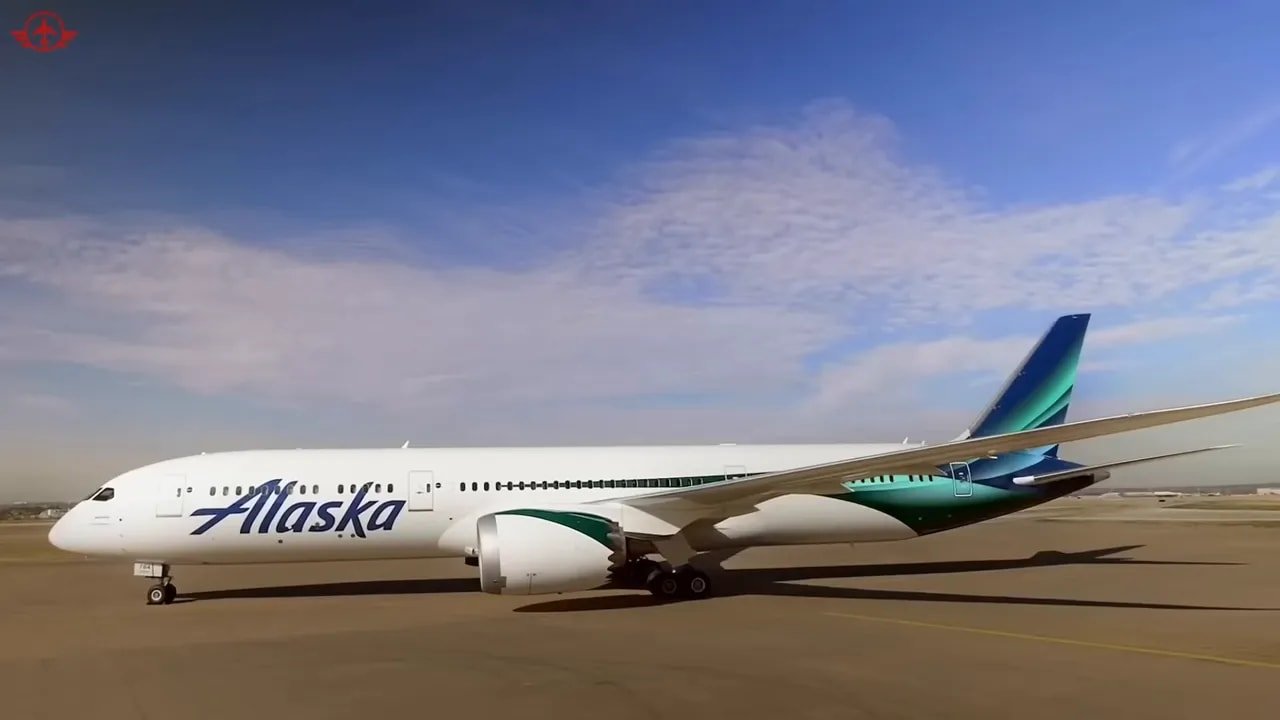
On January 7, 2026, Alaska announced five additional 787 orders. The company said the purchase brought its firm future Dreamliner fleet to 17, with five already operating across the network. It intended the five additional aircraft to be delivered as 787-10s, and the broader order secured aircraft deliveries extending through 2035.
Alaska is using the aircraft to build a larger international network from Seattle, including routes to Europe and Asia. This represents a major expansion of the Alaska brand, but it is not a narrowbody airline attempting long-haul flying without an existing widebody foundation.
International Airlines Are Following Their Own Versions of the Same Logic
Airlines outside the United States are also selecting the 787 for fleet replacement, network growth, and higher-capacity routes. Their missions vary widely. Some want the 787-9’s range, while others want the 787-10’s lower cost per seat and additional cargo space.
The large global order book does not mean every airline has reached the same conclusion about every route. It shows that the family is adaptable enough to support several business models:
- Full-service global hubs
- Point-to-point international networks
- Tourism-focused long-haul growth
- Replacement of older 767, 777, or A330 aircraft
- High-demand regional and medium-range widebody routes
Boeing’s Production Recovery Required Regulatory Proof
The Dreamliner’s commercial advantages did not erase concerns about how the aircraft was being produced.
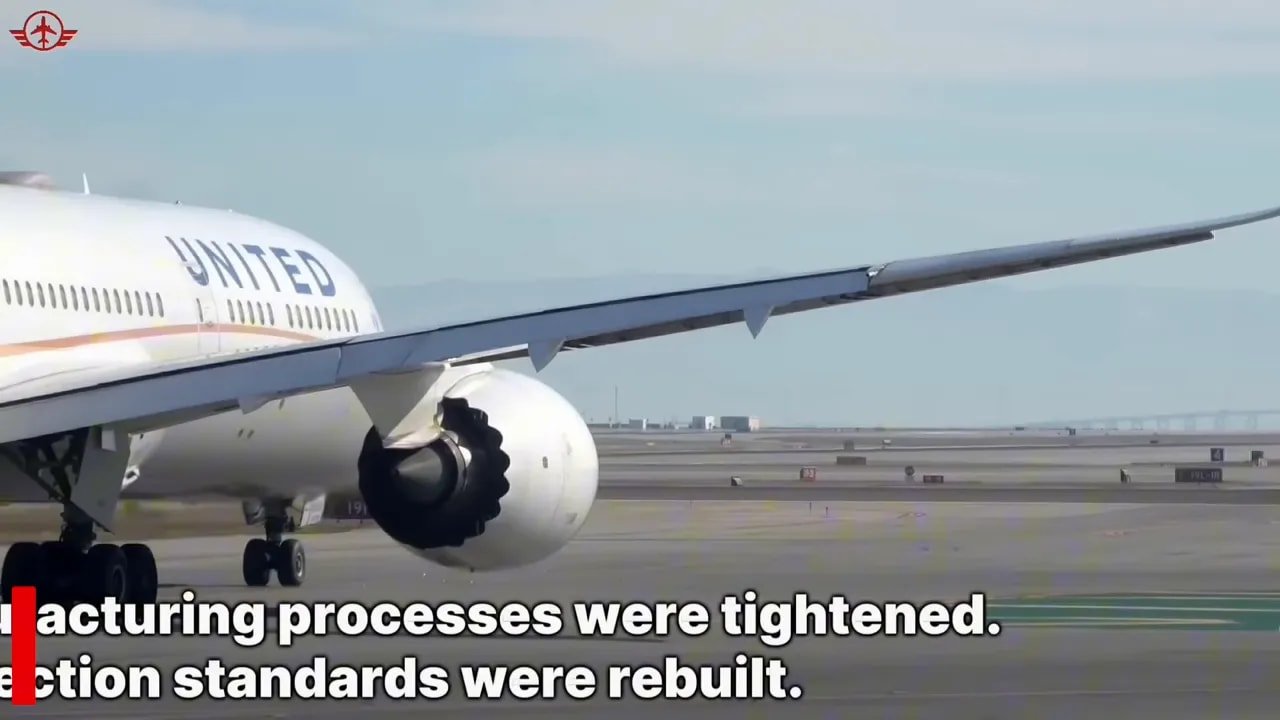
Boeing paused or slowed deliveries at different points while it addressed structural-conformity and production-quality issues. In 2022, the Federal Aviation Administration stopped allowing Boeing to issue airworthiness certificates for newly produced 787s. The FAA took responsibility for those certificates while increasing its oversight.
In September 2025, the FAA restored limited delegation. Boeing and the regulator then issued certificates on alternating weeks while the FAA compared production-quality findings.
On July 17, 2026, the FAA announced that Boeing could resume issuing airworthiness certificates for all new 737 MAX and 787 aircraft, effective July 20. The regulator said the decision followed eight months of data showing comparable production-quality findings during Boeing-issued and FAA-issued certification weeks.
Important: The FAA’s decision did not end regulatory oversight. The agency said it would continue inspections, audits, production monitoring, and reviews of Boeing’s safety management system and safety culture.
The change is still commercially important. Airlines need confidence that aircraft will be completed, certified, and delivered close to their planned schedules. More stable production reduces one source of fleet-planning uncertainty, although long backlogs and supply-chain constraints can still affect delivery timing.
Premium Cabins Increase the 787’s Revenue Potential
Airlines do not evaluate a widebody only by counting economy seats. Long-haul profitability can depend heavily on business class, premium economy, cargo, loyalty demand, and corporate travel.
The 787 gives airlines room to create different cabin layouts without forcing them to operate an aircraft as large as a 777-9 or Airbus A350-1000. On a medium-demand route, that can support a premium-heavy configuration while keeping the total seat count within a range the market can fill.
Passenger-oriented Dreamliner features include:
- Large electronically dimmable windows
- A lower cabin altitude than many older aircraft
- Higher cabin humidity
- Additional filtration for odors and contaminants
- Lighting systems designed for long flights
- Technology that senses and responds to turbulence
These features do not guarantee that every passenger will avoid fatigue, and an airline’s seat width, pitch, service, and cabin density still shape the experience. They do give carriers a modern platform that can support premium marketing and higher-value cabin products.
Delta, for example, has said its planned 787-10s will include large premium cabins. Alaska is introducing lie-flat suites with privacy doors on its long-haul Dreamliner operation. Those decisions show how the aircraft can support revenue growth as well as cost control.
Why the 787 Is Not the Automatic Choice for Every Airline
The Dreamliner has a strong order book, but no aircraft is automatically right for every carrier or route.
An airline must consider several trade-offs:
- Fleet complexity: Introducing a new aircraft type requires pilot training, maintenance qualifications, simulators, spare parts, tooling, manuals, and operational support.
- Range versus capacity: The 787-10 carries more passengers but has less published range than the 787-9.
- Delivery timing: A long backlog may force airlines to commit years before an aircraft enters service.
- Engine support: Engine condition, overhaul capacity, spare-engine access, and maintenance agreements can affect availability and ownership cost.
- Cabin configuration: A dense layout may lower cost per seat, while a premium-heavy layout may produce more revenue with fewer passengers.
- Route demand: A fuel-efficient aircraft can still lose money when an airline cannot fill enough seats or cargo space at acceptable fares.
- Existing commonality: An airline with a large Airbus fleet may obtain stronger operational benefits from adding more A350s instead of introducing the 787.
The Airbus A350 is also a modern composite widebody with strong range, capacity, and efficiency. Delta’s decision to order both additional Airbus widebodies and the 787-10 in January 2026 demonstrates that airlines do not always treat the two families as an all-or-nothing choice.
Pro Tip: When comparing aircraft orders, look beyond the headline quantity. Variant, delivery year, replacement aircraft, cabin layout, engine choice, options, and substitution rights often reveal more about the airline’s strategy.
Why the 787 Now Feels Essential to Many Airlines
The Dreamliner did not succeed because of one revolutionary feature. Its value comes from the way several advantages work together.
The 787 can help an airline:
- Replace older, less efficient widebody aircraft
- Reduce fuel use relative to previous-generation aircraft
- Lower certain corrosion and structural-inspection burdens
- Open thinner nonstop routes
- Match aircraft size more closely to passenger demand
- Carry more seats through an existing airport slot with the 787-10
- Build premium cabins without moving to a much larger aircraft
- Use multiple variants with a high degree of family commonality
The aircraft arrived before all of these pressures had fully aligned. Since then, fuel efficiency has become more important, airport access has become more constrained, older widebodies have moved closer to retirement, and airlines have become more precise about matching capacity to individual markets.
That is why the current order wave is more than a temporary trend. It reflects long-term fleet replacement, route expansion, and delivery planning. The 787 is not the only capable modern widebody, and it is not perfect for every mission. It has succeeded because its range of variants gives airlines several practical ways to solve the problems they now face.
Frequently Asked Questions
Why are airlines ordering so many Boeing 787s?
Airlines are using the 787 to replace older widebodies, reduce fuel consumption, open thinner nonstop routes, add premium capacity, and secure aircraft for future growth. The three variants also let carriers choose different balances of range and seat capacity.
What makes the 787 different from older widebody aircraft?
The Dreamliner combines a composite-heavy airframe, new-generation engines, advanced aerodynamics, long range, and a modern cabin. These features can reduce fuel use and some structural-maintenance requirements compared with many previous-generation widebodies.
What is the difference between the 787-8, 787-9, and 787-10?
The 787-8 is the smallest variant, the 787-9 offers the family’s longest published range, and the 787-10 carries the most passengers but has less range than the 787-9. Airlines select a variant based on route length, demand, cargo, and cabin strategy.
Why is the 787-10 attractive at slot-constrained airports?
The 787-10 can carry more passengers than the smaller variants. When an airline cannot obtain another desirable airport slot, using a larger aircraft may increase capacity and revenue from the departure it already controls.
How did the 787 change airline route planning?
Its long range and moderate capacity made some nonstop routes between smaller markets more practical. Airlines can serve city pairs that may not consistently support a larger widebody, although each route still needs sufficient passenger and cargo demand.
Why did Delta’s Boeing 787 order stand out?
The 787 will be a new fleet type for Delta. Its January 2026 order covered 30 787-10s with options for 30 more, with deliveries beginning in 2031. The order expands Delta’s choices rather than replacing its broader Airbus widebody strategy.
Does composite construction make the 787 cheaper to maintain?
It can reduce certain corrosion and fatigue-related structural inspection requirements. However, engines, landing gear, systems, cabin equipment, and the composite structure itself still require maintenance. Actual cost and downtime vary by operator.
Has Boeing resolved the 787’s production-quality problems?
The FAA restored Boeing’s authority to issue airworthiness certificates for all newly produced 787s effective July 20, 2026, after reviewing production-quality data. The FAA said it would continue inspections, audits, and monitoring, so regulatory oversight remains active.
Is the Boeing 787 better than the Airbus A350?
Neither aircraft is automatically better for every airline. The answer depends on route length, capacity, fleet commonality, engine and maintenance arrangements, acquisition terms, cabin design, and delivery availability. Some airlines operate or order both families.
Sources
- Boeing 787 Dreamliner — official variant specifications, order totals, customer count, and new-route figures.
- United Airlines Orders 50 More Boeing 787 Dreamliners — United’s verified 2023 order and firm-order total.
- Delta Adds Boeing 787 Dreamliner to Widebody Fleet — order quantity, options, delivery timing, and intended markets.
- Alaska Airlines Announces Largest Fleet Order in Its History — additional 787 order, future fleet size, variants, and delivery horizon.
- Federal Aviation Administration Airworthiness Certificate Decision — July 2026 production-quality review and continuing oversight.
- IATA Airport Slots — official explanation of scarce airport capacity and coordinated airports.


1 Comment
Pingback: Travel Pillow Shoulder Pain: Complete Guide [2026]