
Last Updated on July 24, 2026 by Tyler Morgan
The Airbus A380 stopped production in 2021, but the demand problem it was built to solve has not disappeared. Slot-constrained hubs still need more seats per departure, and Emirates is now backing a Boeing feasibility study for a larger 777X variant called the 777-10.
Quick Answer
The Boeing 777-10 is not yet a launched aircraft and cannot currently be called an A380 replacement. Emirates has secured conversion options tied to Boeing’s feasibility study, but Boeing has published no official size, range, seat count, price, or service date. The 777-9 must complete certification first.
Key Takeaways
- Boeing is studying the 777-10, but it has not formally launched the aircraft or released specifications.
- Emirates ordered 65 more 777-9s in November 2025 and gained options to convert them to the 777-8 or a future 777-10.
- The current 777-9 carries an official two-class range of 375 to 450 seats, below the capacity of many A380 layouts.
- A larger twin could help slot-constrained airlines, but certification, range, airport fit, engine performance, and customer demand will decide whether it is viable.
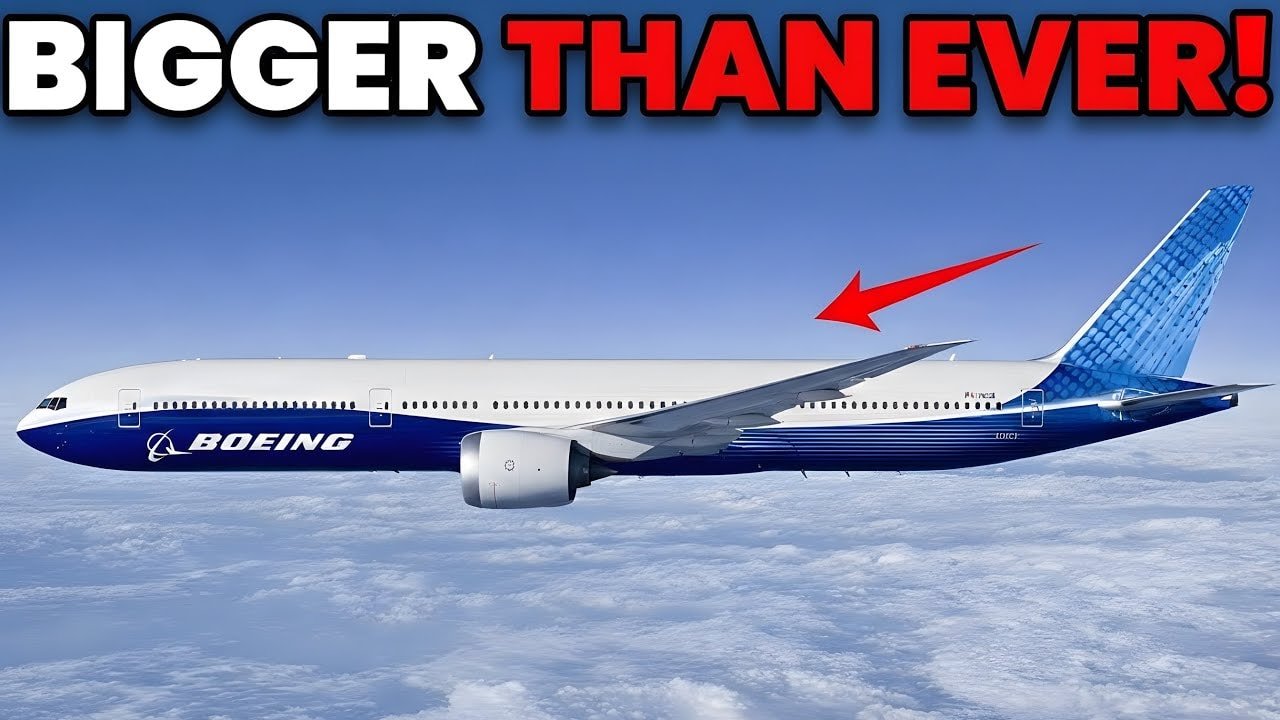
For several years, the industry appeared to have moved away from four-engine passenger jets in favor of smaller, more flexible twin-engine widebodies. The A380’s post-pandemic return made the picture less simple.
Emirates says it plans to operate its A380 fleet into the 2040s and is investing in long-term engine maintenance. British Airways currently lists 12 A380s in its fleet. Lufthansa Group reported eight A380s at the end of 2025 and is retrofitting all eight by mid-2027.
That creates a question the industry still does not have a clean answer for: if the A380 is finished as a production program, why do some airlines still need aircraft with similar capacity?
Disclosure: As an Amazon Associate I earn from qualifying purchases. Some links on this page are affiliate links, at no extra cost to you.
Why A380-Size Capacity Still Matters
The real issue is not nostalgia. It is the ability to move large numbers of passengers through airports where airlines cannot easily add more departures.
Airbus’ 2026 Global Market Forecast projects passenger traffic growth of 3.9% per year through 2045 and demand for 8,140 widebody deliveries. It also forecasts 19,820 replacement aircraft across the full commercial market. Those figures support a major fleet-renewal cycle, although they do not prove a specific need for nearly 1,000 A380-size replacements.
Demand is especially important on dense long-haul routes serving major hubs. When runway capacity, slots, curfews, or terminal limits prevent another flight, airlines can grow only by using more seats on each departure, improving load factors, or changing the schedule.

The A380 may be out of production, but the market pressure that created it remains. What has changed is the likely solution: airlines now want much of the capacity with the efficiency, maintenance profile, and flexibility of a twin-engine aircraft.
Note: A “successor” does not need to match the A380 seat for seat. It only needs to offer enough capacity, range, reliability, and operating efficiency to serve the same high-demand routes profitably.
What Emirates’ 777-10 Option Actually Means
The clearest public signal came from Emirates at the Dubai Airshow on November 17, 2025.
The airline ordered 65 additional Boeing 777-9 aircraft, powered by GE9X engines, in a deal valued at US$38 billion at list prices. Emirates said the agreement includes options to convert the new order to the smaller 777-8 or to a larger 777-10.
This wording matters. Emirates described the deal as strong backing for Boeing’s 777-10 feasibility study. That confirms serious customer interest, but it does not mean Boeing has formally launched the aircraft.
Emirates was not simply asking for more 777-9s. It was publicly telling Boeing that its long-term network may need a higher-capacity twin, especially as the airline keeps its A380s into the 2040s and prepares for their eventual retirement.
What the Boeing 777-9 Already Offers
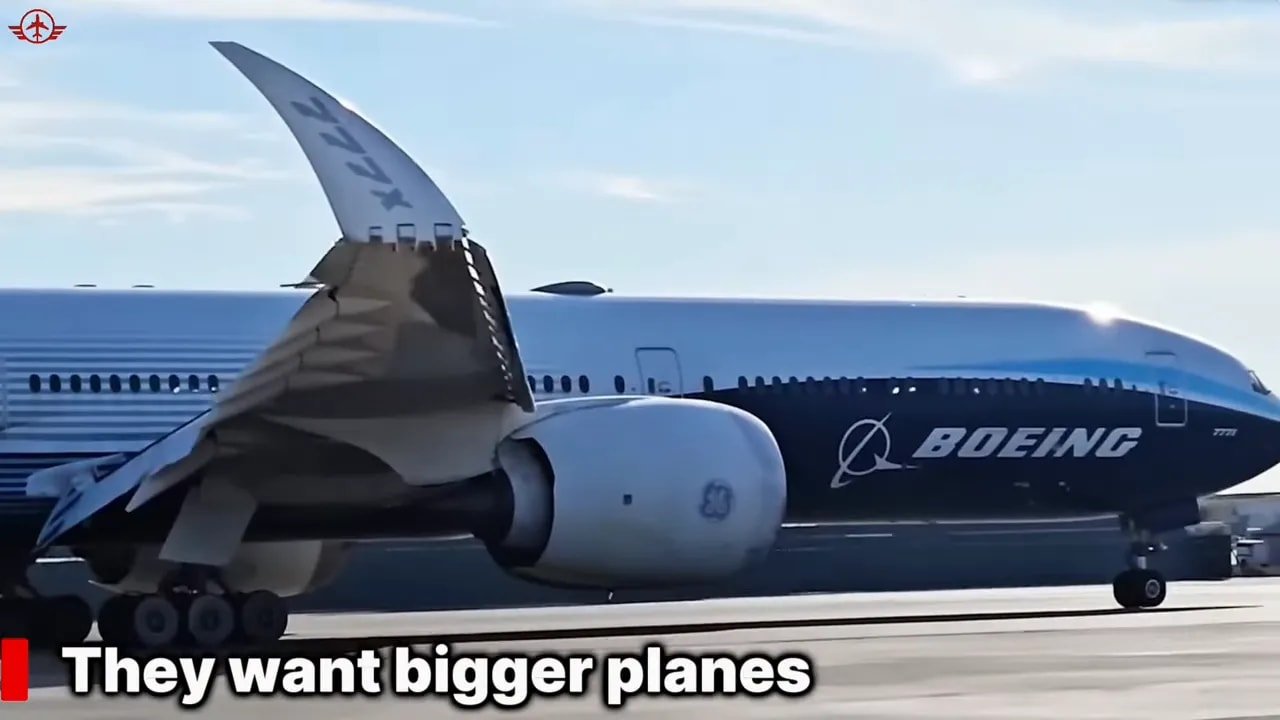
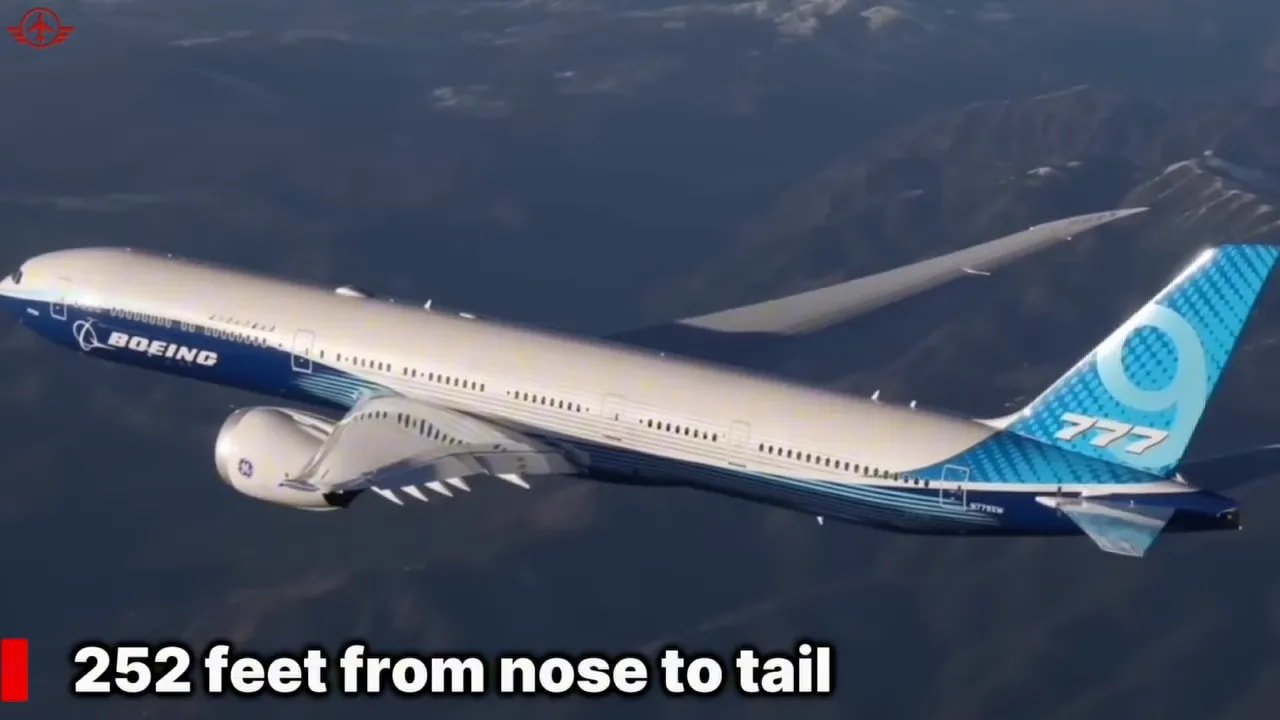
The 777-9 is already the world’s largest twin-engine passenger jet. According to Boeing’s current specifications, it is 76.7 meters, or 251 feet 9 inches, long. It has a maximum takeoff weight of 775,000 pounds, an advertised range of up to 8,000 nautical miles, and an official two-class capacity range of 375 to 450 passengers.
Its composite wing spans 71.8 meters in flight. Folding wingtips reduce the on-ground span to 64.8 meters, helping the aircraft use airport spaces designed around the current 777 family.
By normal widebody standards, the 777-9 is enormous. However, it still does not duplicate the A380’s combination of two full passenger decks and very high seat capacity. Cabin layouts also matter: adding premium cabins, lounges, larger galleys, or crew-rest areas reduces the number of sellable seats.
| Aircraft | Status | Published Capacity | Length | Engines |
|---|---|---|---|---|
| Airbus A380-800 | Production ended in 2021 | 545 typical four-class; 853 maximum certified | 72.7 m | Four |
| Boeing 777-9 | Certification in progress; first delivery anticipated in 2027 | 375-450 in two classes | 76.7 m | Two GE9X |
| Possible Boeing 777-10 | Feasibility study; not launched | Not published | Not published | Not published |
| Airbus A350-1000 | In service | 375-400 typical three-class; 480 maximum | 73.78 m | Two Trent XWB-97 |
The missing row is the most important one: Boeing has not published official 777-10 dimensions, capacity, range, weight, engine rating, price, or entry-into-service date. Any precise number circulating today is an estimate, not a Boeing specification.
Why a 777-10 Would Be More Than a Simple Stretch
It is tempting to imagine Boeing inserting extra fuselage sections into the 777-9. A derivative this large would require a much broader engineering and certification program.
- Structural weight: A longer fuselage adds structure, furnishings, passengers, baggage, and cargo. That can reduce range or payload unless other limits change.
- Takeoff rotation and tail clearance: More fuselage behind the landing gear can reduce tail-strike margin and may require design or control-law changes.
- Landing gear and brakes: A heavier aircraft may need revised loads, braking analysis, tires, gear components, or operating limits.
- Emergency evacuation: More passengers can require changes to doors, aisles, cabin layout, slides, and the certification evidence used to show safe evacuation.
- Range and engine margins: Extra drag and weight can reduce range, especially from hot airports or on missions carrying high payloads.
- Airport compatibility: Gates, taxiways, jet bridges, pavement loading, catering, baggage systems, and turnaround times all affect real-world usefulness.
The powerplant question is important, but the original 110,000-pound figure needs correction. GE Aerospace states that the GE9X is certified at 105,000 pounds of thrust. The engine produced more than 134,000 pounds during record testing, but a test-cell record is not the same as an approved service rating for a future aircraft.
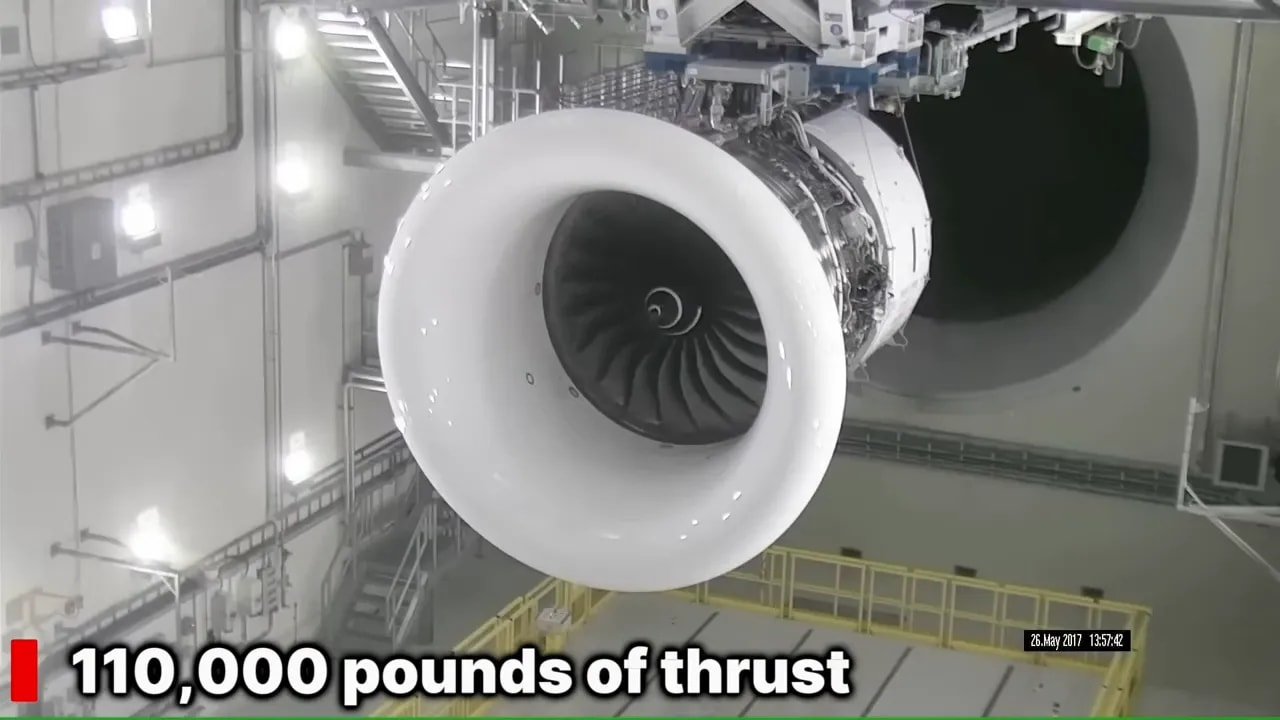
Warning: Do not treat record test thrust as proof that Boeing can use the same rating on a 777-10. A production engine rating must meet durability, temperature, maintenance, noise, emissions, and certification requirements throughout the operating envelope.
A workable 777-10 would need a careful balance of added seats, structural weight, range, engine capability, airport fit, certification cost, and airline revenue. A stretch that carries more passengers but loses too much range would miss the routes that make an A380 successor valuable.
Why 777-9 Certification Comes First
The 777X program has already taken far longer than Boeing originally expected. The first 777X flight took place on January 25, 2020, and formal certification flight testing began in July 2024.
In a July 16, 2026 certification update, Boeing said the 777-9 was reaching major milestones on the path to first delivery in 2027. Emirates separately said it expects its first 777-9s from the second quarter of 2027.

Boeing can continue feasibility work before the 777-9 enters service, but the baseline aircraft remains the immediate priority. Finishing certification, delivering customer aircraft, stabilizing production, and demonstrating in-service reliability would give Boeing a stronger technical and commercial foundation for a larger derivative.
Certification scrutiny has also changed since the two 737 MAX accidents. Newer human-factors guidance and compliance expectations require extensive evidence for flight-deck behavior, systems, structures, performance, and unusual operating conditions. A longer 777X would need its own approved certification plan rather than relying on assumptions that the 777-9 work automatically covers it.
That leaves Boeing with a narrow sequence: complete the 777-9, prove it in service, confirm enough demand for a larger model, and then decide whether the extra revenue justifies another development and certification program.
Airbus A350-2000: A Rival Concept, Not a Launched Aircraft
Boeing is not the only manufacturer that could address the upper end of the twin-engine widebody market. The name A350-2000 is commonly used for a possible stretch beyond the A350-1000, but Airbus has not formally launched that model or published official specifications for it.
At Airbus’ 2026 annual press conference, Chief Executive Guillaume Faury said the company sees demand for a larger aircraft and is seriously examining the potential for an A350 stretch, while making clear that Airbus had not reached a launch decision.
The aircraft that exists today is the A350-1000. Airbus lists 375 to 400 passengers in a standard three-class layout, a maximum of 480 seats, a length of 73.78 meters, and a range of up to 9,000 nautical miles.
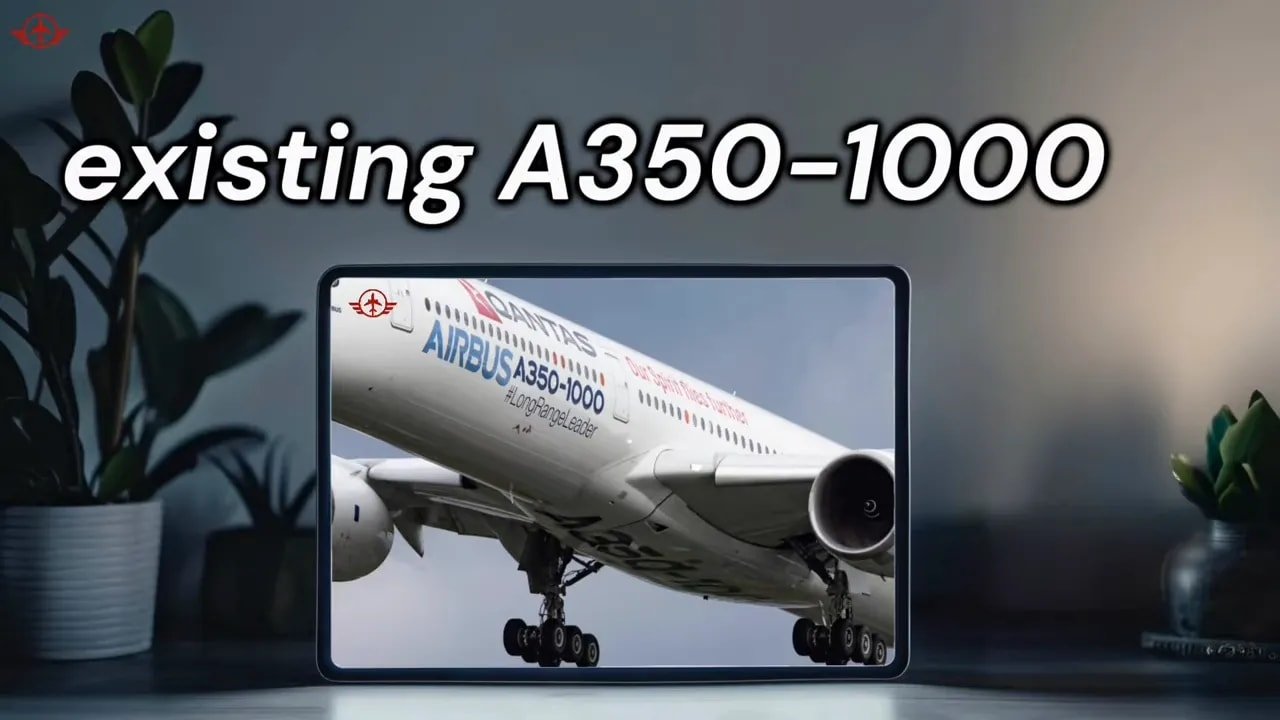
A larger A350 derivative could benefit from an established aircraft family:
- The A350-1000 is already certified and in airline service.
- Airbus has an active production line and a global A350 support network.
- Family commonality could reduce some training, maintenance, and fleet-integration costs for existing A350 operators.
Those advantages do not make a stretch automatic. Airbus would still need to validate structure, landing gear, evacuation, airport compatibility, range, and engine performance. The current Trent XWB-97 is rated at 97,000 pounds of thrust, but there is no official A350-2000 engine selection or performance target.
The key correction is simple: the A350-2000 should be presented as an unlaunched concept, not as a defined 430- to 450-seat program that is already moving toward production.
Why Larger Aircraft Still Matter at Crowded Airports
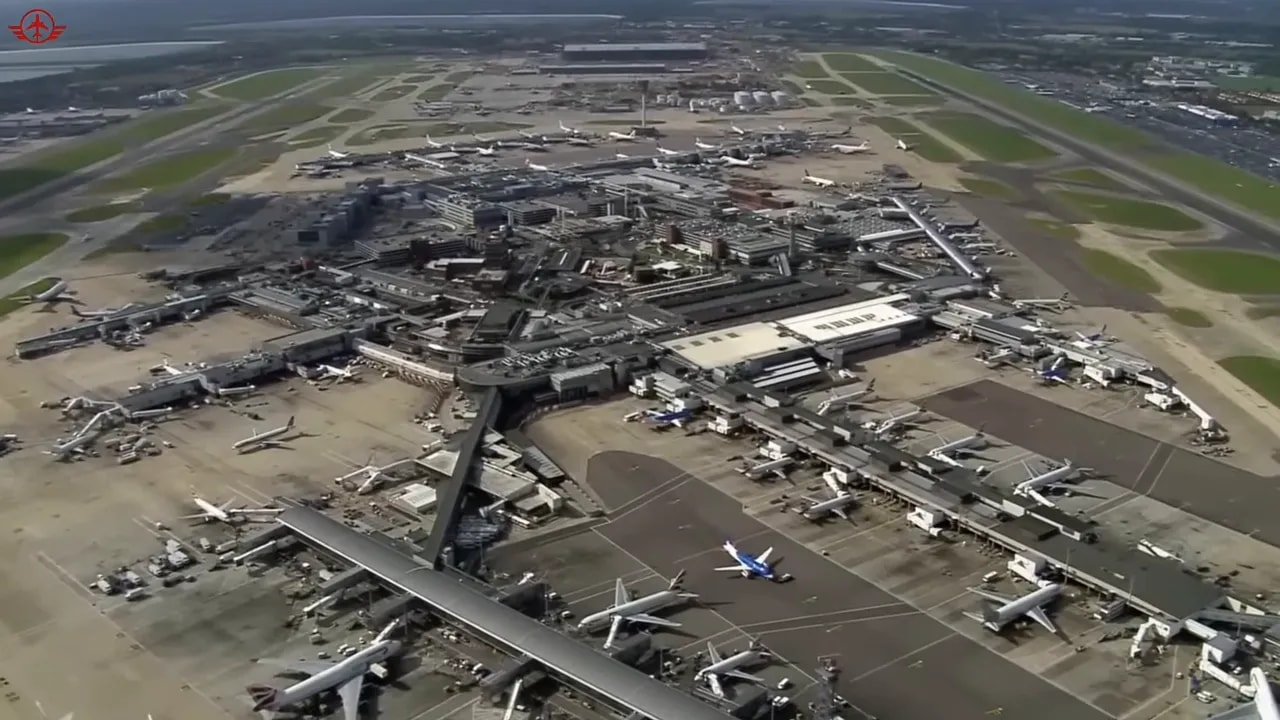
This debate is ultimately about airport constraints. Heathrow provides a clear example because the airport is legally capped at 480,000 air transport movements per year.
Heathrow recorded 477,894 flight movements in 2025, leaving very little room below its legal annual cap of 480,000.
The figures come from Heathrow’s official operational data. Other major hubs face different combinations of slot scarcity, runway limits, curfews, noise rules, terminal congestion, and peak-period restrictions.
When frequency cannot grow, capacity per movement becomes more valuable. That is one reason the A380 remains useful on selected routes: it allows an airline to place a very large number of seats into a single slot.
When a Bigger Aircraft Is Not the Better Choice
Size also creates tradeoffs. A very large aircraft works best when demand is strong in both directions and across much of the year. Otherwise, the airline risks flying empty seats or discounting too heavily.
- Schedule flexibility: Two smaller flights can offer passengers more departure times than one very large flight.
- Disruption risk: A cancellation involving 450 or more passengers is harder to recover than a smaller flight.
- Turnaround complexity: Boarding, catering, cleaning, baggage, and connections must be managed at greater scale.
- Airport fit: Not every gate, taxiway, terminal, or maintenance facility can handle the largest aircraft efficiently.
- Cargo and premium mix: Airlines need the right balance of seats, belly cargo, premium cabins, and range, not simply the highest possible passenger count.
This is why the market for an ultra-high-capacity twin would be much narrower than the market for standard widebodies.
A Perfect A380 Replacement May Not Be Necessary
Airlines do not necessarily need a one-for-one A380 replacement. They need an aircraft that preserves enough capacity on constrained routes while improving flexibility and economics.
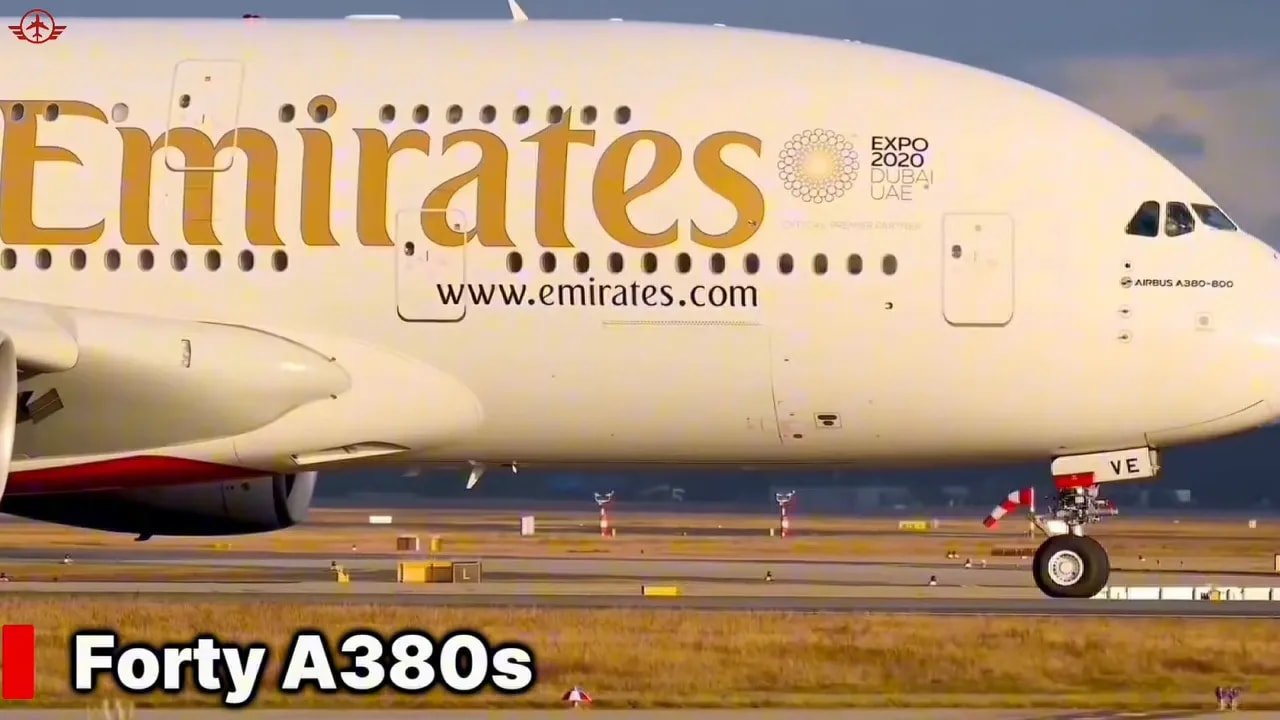
A simple seat illustration shows the difference. Forty aircraft with 500 seats each provide 20,000 seats. Matching that with a 450-seat aircraft would require about 45 departures, before accounting for cabin layout, load factor, cargo, range, or scheduling. That is an increase, but it may be manageable for some networks.
A future 777-10 could reduce that gap, but Boeing has not published a seat count. Claims that it will carry 460, 480, or 500 passengers should therefore be labeled as estimates rather than facts.
Boeing says the 777-9 is designed to use 20% less fuel and produce 20% fewer emissions than the aircraft it replaces. That is a manufacturer comparison, not a direct promise that every 777-9 or possible 777-10 will beat every A380 on a per-seat basis. Real results depend on seating density, route length, payload, weather, maintenance, and load factor.
The practical target is not a flawless A380 clone. It is an aircraft that delivers most of the useful capacity with lower trip risk and stronger economics across more routes.
Which Airlines Could Consider a Jet This Large?
Not every airline wants a nearly 500-seat twin. Many U.S. carriers prefer to spread demand across smaller widebodies and offer more departures, which can improve schedule choice and reduce the impact of a single disruption.
The strongest business case would come from airlines with several of these conditions:
- A large connecting hub with scarce peak-hour slots
- Multiple dense long-haul routes with year-round demand
- High premium-cabin and belly-cargo revenue
- Airport gates and ground systems that can handle the aircraft
- Enough fleet scale to justify training, spares, and maintenance support
A sensible watch list, not a purchase forecast, includes:
- Emirates
- Qatar Airways
- Turkish Airlines
- Singapore Airlines
- British Airways
- Lufthansa
Only Emirates is publicly tied in the official announcements reviewed here to a 777-10 feasibility option. The other airlines belong on the watch list because they operate large international hubs, dense long-haul networks, or very large widebody aircraft. That does not confirm purchase interest.
China and India will shape long-term air-travel growth, but national market growth alone does not guarantee demand for an ultra-large twin. The decisive question is whether enough passengers concentrate on the same route, at the same time, through airports where additional flights are difficult.
What Happens Next
The A380 is no longer being built, but the forces that justified it have not disappeared. Airport constraints remain, traffic is expected to grow, and a large replacement cycle is approaching.
That is why the 777-10 feasibility study matters. It is the clearest sign that Boeing and its largest 777X customer are examining a higher-capacity answer. It is not proof that the aircraft will be launched.
Four Milestones to Watch
- 777-9 certification: Boeing must complete the remaining work and achieve first delivery, currently anticipated in 2027.
- In-service performance: Airlines will want evidence on reliability, fuel use, maintenance, payload, and turnaround performance.
- Broader customer demand: Emirates’ backing is important, but Boeing would likely need enough commitments to cover development risk.
- Published specifications: A formal launch would need an official cabin range, length, weight, engine plan, range target, price, and service date.
Airbus could answer with higher-density A350-1000 layouts or study a larger derivative, but no A350-2000 has been formally launched. The race is therefore not between two production-ready A380 replacements. It is between possible ways to serve a narrow but valuable market.
The next battle in long-haul aviation may not be about building the biggest jet. It may be about producing the most efficient, certifiable, airport-compatible answer to a capacity problem the A380 managed but never eliminated.
Frequently Asked Questions
Why are airlines still flying the A380 if production ended?
Some routes still need very high capacity. At airports where airlines cannot easily add slots, a large aircraft can move more passengers per departure. Emirates is also investing in A380 maintenance and cabin upgrades to keep the fleet operating into the 2040s.
What is the Boeing 777-10?
The 777-10 is a proposed larger member of the 777X family that Boeing is studying. Emirates has options to convert part of its latest 777-9 order to the model if it is developed, but Boeing has not formally launched it.
How many passengers could a 777-10 carry?
Boeing has not published an official seat count. Figures such as 450 to 500 passengers are industry estimates and depend heavily on cabin layout. Until Boeing releases specifications, no precise capacity should be presented as fact.
Can the Boeing 777-9 replace the A380 today?
It can replace the A380 on some routes, but not seat for seat in most layouts. Boeing lists 375 to 450 seats for the 777-9 in two classes, while Airbus lists 545 seats as a typical four-class A380 figure. Airlines may need more 777-9 departures to provide the same total capacity.
Why not replace large jets with smaller widebodies?
Smaller aircraft work well when an airline can add more flights. At slot-constrained hubs, extra frequency may be unavailable, too expensive, or limited by curfews and terminal capacity. In those cases, more seats per departure can be more valuable.
Is Airbus building an A350-2000?
No formal A350-2000 program has been launched. The name refers to a possible stretch beyond the A350-1000. Airbus has not published official dimensions, capacity, engines, price, or an entry-into-service date for such an aircraft.
What is holding Boeing back from launching a 777-10?
Boeing’s immediate task is completing 777-9 certification and beginning deliveries. A larger derivative would also need enough customer demand, engineering resources, an approved certification plan, suitable engine performance, and economics strong enough to justify development.
When could the 777-10 enter service?
There is no official service date because the aircraft has not been launched. Any timeline would depend on 777-9 certification, Boeing’s launch decision, design maturity, regulatory approval, production planning, and customer commitments.
Sources
- Emirates: 65 additional 777X aircraft and 777-10 conversion options — confirms the November 2025 order, value, and feasibility-study backing.
- Boeing 777X technical specifications — supports 777-9 capacity, dimensions, weight, range, wingspan, and engine details.
- Boeing: July 2026 certification progress — supports the current path toward first 777-9 delivery in 2027.
- Airbus: end of A380 deliveries — confirms that A380 deliveries ended in 2021.
- Airbus A350-1000 specifications — supports current capacity, dimensions, range, and engine information.
- Heathrow operational data — confirms the 480,000-movement legal cap and 2025 movement total.

