
Last Updated on July 24, 2026 by Tyler Morgan
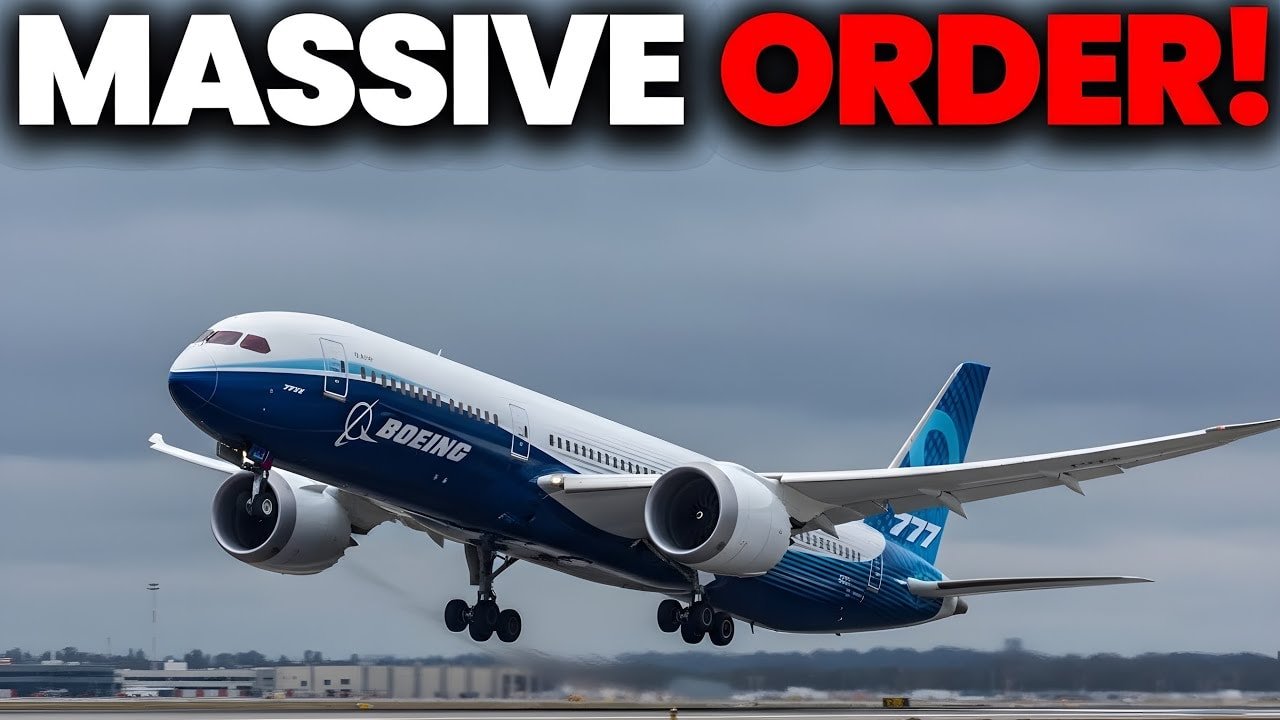
EVA Air’s decision to buy four more Boeing 787-9 Dreamliners is a meaningful repeat order, but the verified details are more measured than the “$2 billion game changer” framing suggests. Lufthansa’s separate sale of two 747-8s to support U.S. presidential-airlift operations also shows the value of scarce Boeing aircraft, although it is part of Lufthansa’s long-term fleet modernization rather than a renewed commitment to four-engine jets.
Quick Answer
EVA Air’s board approved four Boeing 787-9s on December 26, 2025, with a maximum disclosed value of $1.94 billion. No delivery dates were announced. Lufthansa is separately selling two 747-8s for U.S. Air Force training and parts support. Both deals show continued value in Boeing aircraft, but neither proves that Boeing’s wider recovery is complete.
Key Takeaways
- EVA Air’s board approved four 787-9s on December 26, 2025; Boeing recorded the four aircraft in its January 2026 order activity.
- The disclosed $1.94 billion was a maximum transaction value, not a confirmed amount paid or guaranteed Boeing revenue.
- EVA Air has not publicly announced delivery dates for the four aircraft.
- The order strengthens EVA Air’s existing Dreamliner operation, but the airline is also adding 24 Airbus A350-1000s.
- One former Lufthansa 747-8 is supporting U.S. Air Force training, while the second is being used to establish a parts pool.
- Lufthansa can continue operating other 747-8s while gradually replacing four-engine aircraft with newer twin-engine models.
Disclosure: As an Amazon Associate I earn from qualifying purchases. Some links on this page are affiliate links, at no extra cost to you.
What EVA Air Actually Approved
EVA Air’s board approved the acquisition of four Boeing 787-9 aircraft on December 26, 2025. The corporate disclosure placed the price of each aircraft at no more than $485 million, creating a maximum transaction value of $1.94 billion.
Note: A maximum disclosed transaction value is not the same as the final amount paid. Aircraft agreements can include negotiated pricing, equipment, engines, support, escalation clauses, and other commercial terms that are not fully disclosed.
The approval was followed by Boeing recording four 787 orders for EVA Airways in its January 2026 order activity. However, EVA Air did not publicly identify delivery dates for these four aircraft when the purchase was announced.

The transaction also formed part of a wider set of fleet decisions. EVA Air approved lease extensions for four Boeing 777-300ERs and cabin upgrades for six aircraft of that type. Those measures allow the airline to maintain current long-haul capacity while introducing newer aircraft over time.
| Transaction | Verified detail | What it means |
| EVA Air 787-9 purchase | Four aircraft; board approval on December 26, 2025; maximum disclosed value of $1.94 billion; delivery dates not announced | Expands an aircraft family EVA Air already operates and supports long-haul fleet planning |
| Lufthansa 747-8 sale | Two aircraft sold on what Lufthansa called very attractive terms | Provides one U.S. Air Force trainer and one source of parts while Lufthansa reduces four-engine aircraft over time |
Why the Repeat 787-9 Order Matters
EVA Air already operates both the 787-9 and the larger 787-10. Adding more 787-9s can preserve common training, maintenance, spare-parts, and operating procedures instead of introducing an unfamiliar aircraft type for the same missions.
According to EVA Air’s fleet data for July 1, 2026, the airline had nine 787-9s and 13 787-10s in service. It listed eight additional 787-9s and four 787-10s for future delivery.
That makes the four-aircraft purchase a continuation of an established fleet plan. It is more significant as a repeat-customer decision than as a stand-alone dollar figure.
Boeing’s Current Production Position
The original deal came after several difficult years for Boeing, including heightened regulatory scrutiny, production disruptions, certification delays, and public concern about manufacturing quality. Those issues remain relevant, but current data show a more mixed picture than a simple decline.

Boeing reported 600 commercial-aircraft deliveries and 1,173 net commercial orders in 2025. The company also said its commercial backlog had grown to more than 6,100 aircraft by the end of that year.
In its first-quarter 2026 results, Boeing said 787 production had stabilized at eight aircraft per month. At the same time, it moved the expected first delivery of the 777-9 to 2027, showing that recovery progress has not removed every schedule risk.
The EVA order is evidence that a repeat customer still sees value in the 787. It is not evidence that every Boeing quality, production, or certification problem has been solved.
Why the Boeing 787-9 Fits EVA Air
The 787-9 sits between smaller long-range aircraft and the highest-capacity widebody models. That position can help an airline serve major intercontinental routes without committing to the seat count of a larger aircraft on every flight.
Boeing’s current published specifications list a two-class seating range of 250 to 325 passengers and a range of up to 8,300 nautical miles. An airline’s usable range depends on configuration, payload, weather, routing, reserves, and operating conditions.
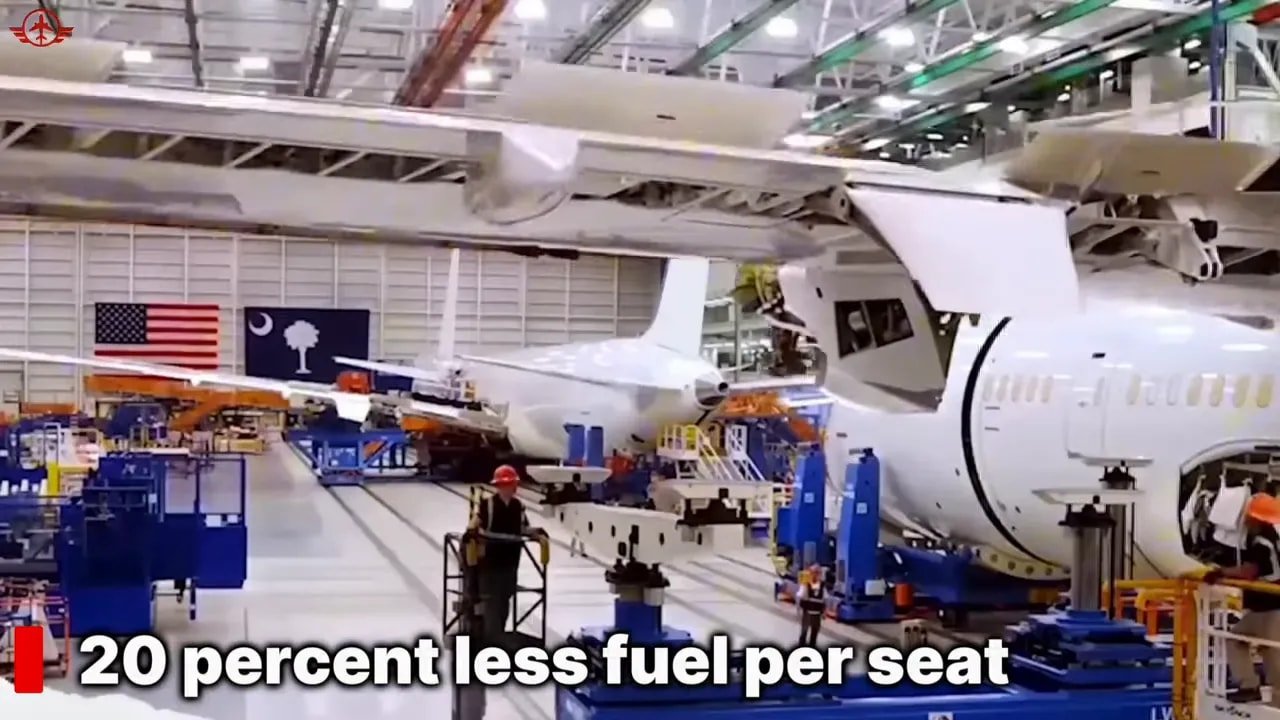
Boeing says the 787 family can provide up to 25% better fuel efficiency than the aircraft it typically replaces. That is a manufacturer comparison rather than a guaranteed saving on every route, but fuel efficiency remains one of the 787’s main selling points.
EVA Air’s current three-class 787-9 configuration has 278 seats: 26 in Royal Laurel Class, 28 in Premium Economy, and 224 in Economy. This gives the airline a defined premium and economy mix for long-haul markets.
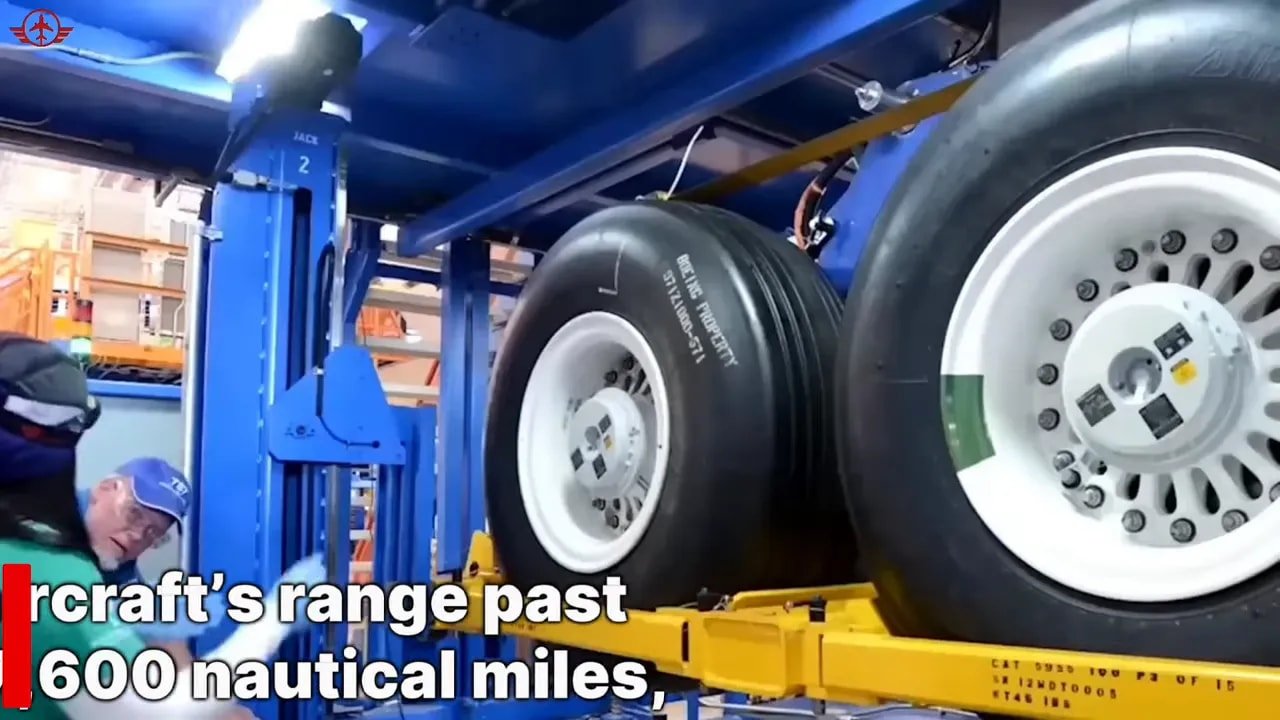
The 787 also uses a structure that is about 50% composite material by weight. Boeing says composites reduce corrosion and some inspection requirements compared with traditional aluminum structures. Actual maintenance costs still depend on utilization, engine condition, contracts, labor, parts availability, and each airline’s maintenance program.
What EVA Air Is Betting On
The order indicates that EVA Air expects the 787-9 to remain useful within its future network. The clearest reasons are fleet commonality, long-range performance, cabin flexibility, and the airline’s existing experience with the aircraft.
It is less certain that the order represents a precise judgment about when Boeing’s recovery will be complete. Because EVA Air did not announce delivery dates for the four aircraft, the public information does not support claims that the airline selected a specific recovery window.
The purchase is better understood as a long-term fleet decision made despite known manufacturer risks, not as a declaration that those risks no longer exist.
What the Order Does Not Prove
A four-aircraft repeat order does not prove that Boeing has regained complete industry confidence. It also does not establish that EVA Air expects flawless production or on-time delivery.
Airlines may accept manufacturer risk when an aircraft still offers the best combination of fleet compatibility, range, capacity, financing, and availability. They can also negotiate contractual protections, delivery terms, and support packages that are not visible in public announcements.

Freshness update: The image above refers to late 2024. Boeing’s full-year 2025 results provide a newer benchmark: 1,173 net commercial orders, 600 deliveries, and a commercial backlog of more than 6,100 aircraft.
EVA Air Is Still Diversifying Its Fleet
The 787-9 order should not be described as EVA Air choosing Boeing instead of spreading risk across manufacturers. The airline’s July 2026 fleet plan also listed 24 Airbus A350-1000s and 18 Airbus A321neo aircraft still to be delivered.
This means EVA Air is strengthening its Boeing 787 operation while also preparing to introduce a large fleet of Airbus A350-1000s. The strategy gives the airline access to different capacity levels and reduces complete dependence on one widebody manufacturer.
The four additional Dreamliners therefore represent confidence in a specific aircraft family, not an exclusive long-term commitment to Boeing.
The Geopolitical Interpretation Needs Caution
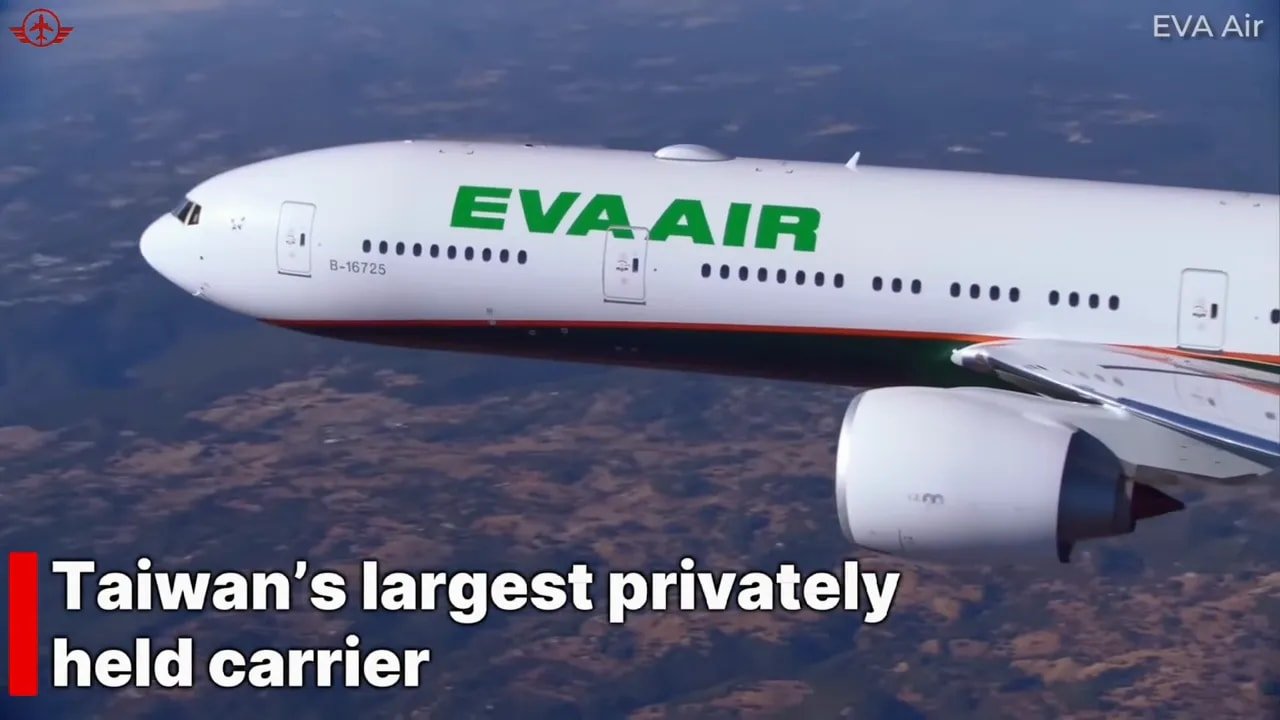
EVA Air is a major Taiwanese international carrier, and Boeing is a prominent U.S. exporter and defense contractor. A large commercial purchase may therefore receive political and diplomatic attention.
However, no public EVA Air filing, airline statement, or Boeing announcement identified geopolitical alignment as the reason for the four-aircraft purchase. The disclosed purpose was to meet the airline’s operating needs.
It is reasonable to note the broader Taiwan–United States commercial relationship. It is not reasonable to present political direction as a confirmed cause without supporting evidence.
What Lufthansa’s 747-8 Sale Actually Involves
Lufthansa disclosed an opportunity to sell two Boeing 747-8 aircraft during 2026 on what it called “very attractive conditions.” Reporting later connected the aircraft to a $400 million U.S. Air Force purchase supporting the transition to newer presidential-airlift equipment.
The two former Lufthansa aircraft are not the two heavily modified aircraft being built as the permanent VC-25B replacements.
According to the U.S. Air Force’s description of the program:
- One former Lufthansa 747-8 is a dedicated trainer for aircrew and maintainers.
- The second former Lufthansa 747-8 is being integrated into an aircraft-parts pool.
- A leased Atlas Air 747-8F was used for interim pilot qualification training.
- A separate former head-of-state 747-8 is serving as a bridge aircraft while the purpose-built VC-25Bs remain in development.
These different aircraft support related missions, but they are not interchangeable parts of one purchase.
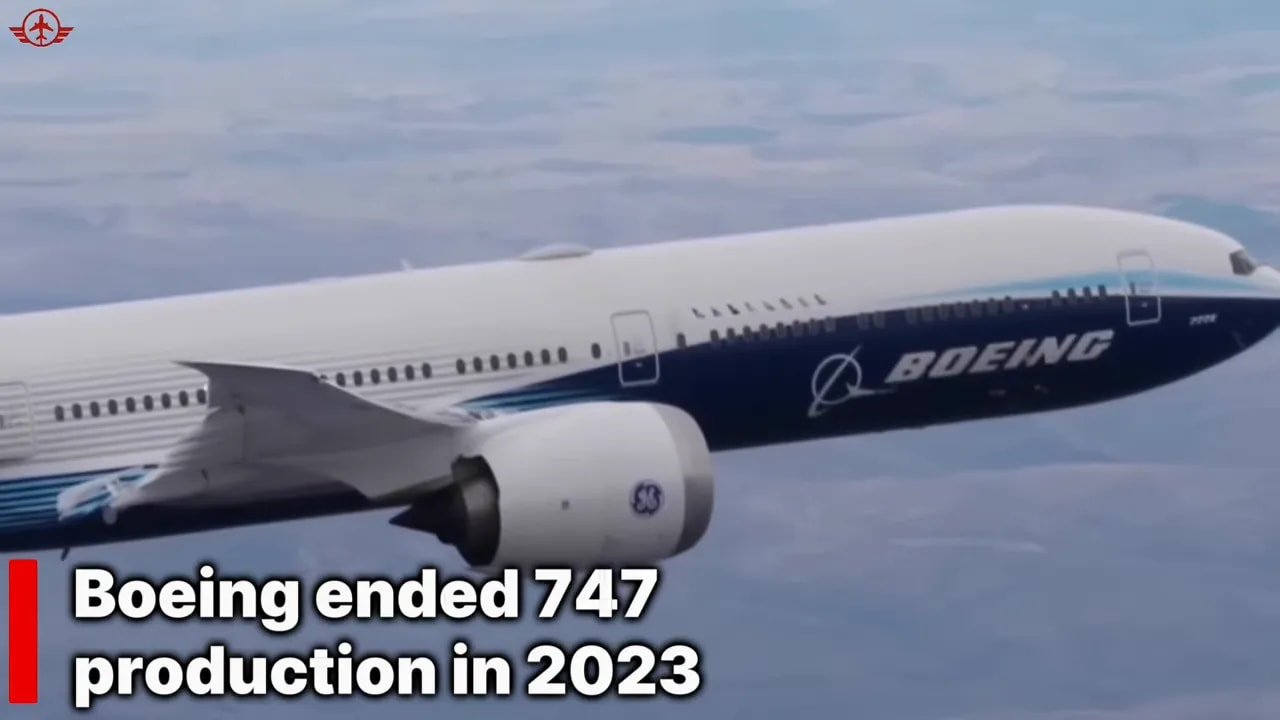
Boeing delivered the final newly built 747 in January 2023, ending a production run of 1,574 aircraft. With no new 747-8s being manufactured, suitable existing airframes, parts, and training assets have become harder to replace.
Why Lufthansa Can Sell Two 747-8s and Keep Others Flying
Selling two aircraft does not require Lufthansa to retire every 747-8 immediately. Airlines commonly reduce a fleet in stages while keeping the remaining aircraft on routes where their capacity, cargo volume, and operational availability remain useful.
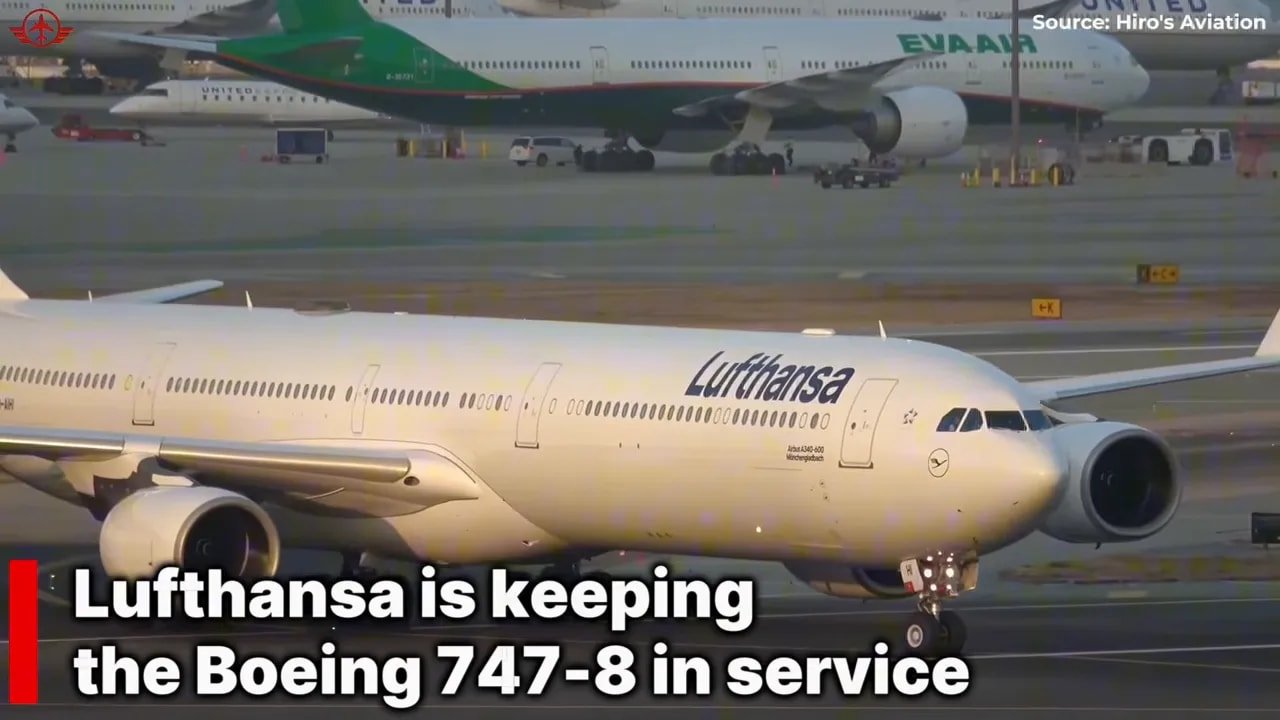
The Lufthansa Group reported 27 Boeing 747 aircraft across Lufthansa Airlines at the end of 2025, including both 747-400 and 747-8 models. The same annual report said the two aircraft being sold would be replaced by more efficient, newer-generation types.
The sale is therefore best understood as two things happening at once:
- Lufthansa continues using selected 747s where they still fit its network.
- The airline is gradually reducing its reliance on four-engine aircraft as newer twin-engine widebodies arrive.
High-capacity aircraft can remain useful on routes with strong passenger demand, valuable belly cargo, and limited airport slots. That does not make them the most efficient choice for every destination.
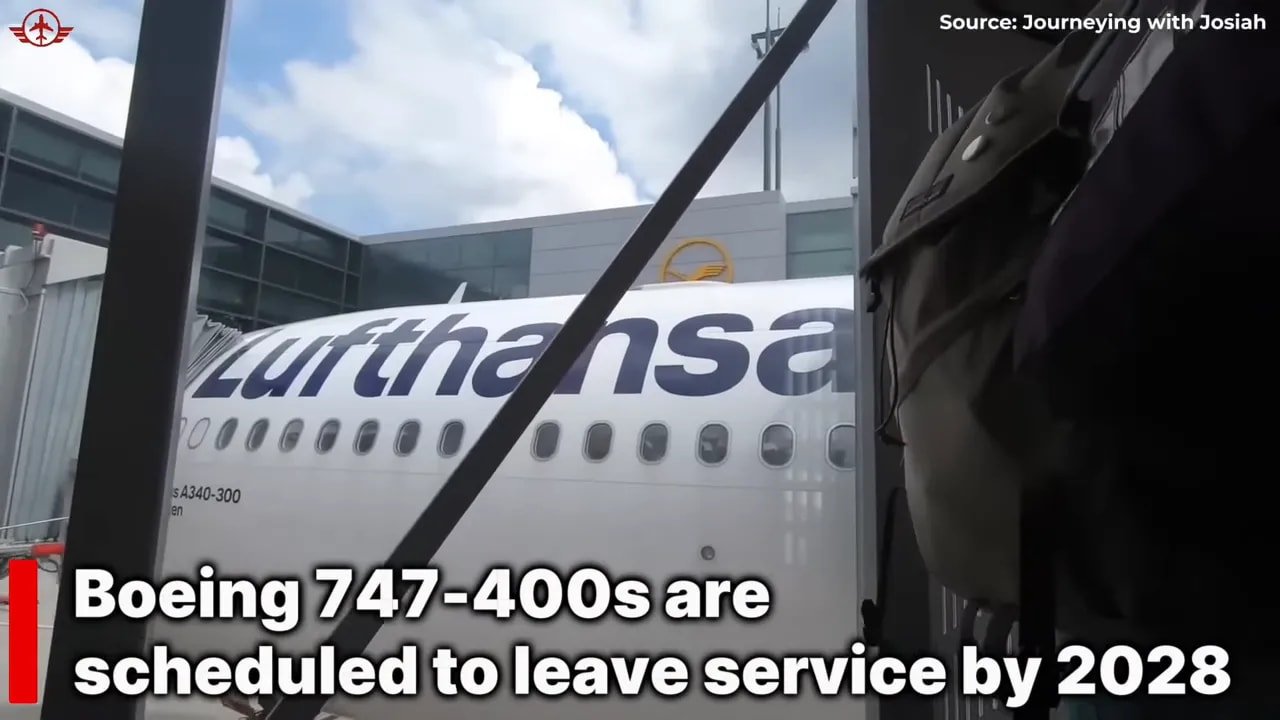
Schedule update: The image reflects an earlier 2028 phaseout expectation. In April 2026, Lufthansa announced that two more 747-400s would be grounded at the end of the 2026 summer schedule as it accelerated fleet modernization.
Scarcity Is Changing the Value of Existing 747-8s
The U.S. Air Force needs crews, maintainers, replacement components, and supply chains that understand the 747-8 platform. Because production has ended, it cannot order ordinary new-build aircraft to fill those support roles.
This creates a different kind of value. An aircraft may be less efficient than a new twin-engine jet in normal passenger service but still be highly valuable as a trainer or source of hard-to-find parts.
Third-party reporting described the approximately $400 million total purchase price as high compared with estimated commercial-market values. Lufthansa’s public reporting did not provide the individual sale price or a detailed independent valuation, so “above market” should be treated as an attributed estimate rather than an undisputed official fact.
Delays to replacement aircraft can increase the value of older types as well. Boeing said in its first-quarter 2026 results that it anticipated the first 777-9 delivery in 2027. When new aircraft arrive later than planned, airlines may retain older widebodies longer to protect capacity.
What Both Deals Say About Boeing
The EVA Air and Lufthansa transactions show two different forms of continuing demand for Boeing products.
EVA Air is buying new 787-9s because the aircraft already fits its fleet and long-haul operation. The U.S. Air Force is acquiring former Lufthansa 747-8s because the aircraft are scarce and useful for training and sustainment.
Neither transaction erases Boeing’s recent production, quality, or certification problems. They show that individual aircraft programs can retain commercial or strategic value even while their manufacturer faces wider challenges.
That distinction is important. Fleet decisions are based on aircraft capability, commonality, support, delivery positions, contracts, route demand, and replacement options. A buyer can see value in one Boeing product without giving the manufacturer an unlimited vote of confidence.
The Bigger Picture for Global Aviation
Modern long-haul fleet planning rarely follows a simple “new is good, old is bad” rule. EVA Air is combining additional Dreamliners with a major future Airbus A350 fleet. Lufthansa is selling two 747-8s while continuing to operate other 747s until replacement aircraft and network conditions allow further retirements.
For Boeing, the four-aircraft EVA order is positive evidence from an experienced Dreamliner operator. The Lufthansa sale also demonstrates the continuing support value of a discontinued aircraft family.
The most accurate conclusion is measured: Boeing aircraft remain deeply embedded in international airline and government operations, but continued demand for specific aircraft should not be confused with a complete resolution of Boeing’s wider manufacturing and program risks.
Frequently Asked Questions
When did EVA Air approve the four Boeing 787-9s?
EVA Air’s board approved the purchase on December 26, 2025. Some reports were published on December 28 or later, which may explain the conflicting date in earlier coverage.
How much is EVA Air’s 787-9 order worth?
The corporate disclosure set a maximum value of $485 million per aircraft and $1.94 billion for all four. That is a transaction ceiling, not confirmation that EVA Air will pay the full amount.
When will EVA Air receive the four new 787-9s?
EVA Air did not publicly announce delivery dates for these four aircraft when the purchase was disclosed. Current fleet data list additional 787-9s for delivery but do not assign a separate schedule to this transaction.
Why does EVA Air want more Boeing 787-9s?
EVA Air already operates the 787-9 and 787-10. More 787-9s can support long-haul growth while preserving common training, maintenance procedures, parts, and operating experience.
Is EVA Air choosing Boeing instead of Airbus?
No. EVA Air is adding more Boeing 787s while also preparing to receive 24 Airbus A350-1000s. Its future widebody strategy includes aircraft from both manufacturers.
What will the U.S. Air Force do with Lufthansa’s two 747-8s?
One former Lufthansa 747-8 is being used as a dedicated training aircraft for crews and maintainers. The second is being integrated into a parts pool to support the wider 747-8 presidential-airlift ecosystem.
Will the former Lufthansa aircraft become the new Air Force One planes?
No. They support training and sustainment. The two permanent VC-25B presidential aircraft are separate 747-8 airframes undergoing extensive modification.
Is Lufthansa retiring every Boeing 747-8?
No immediate full retirement has been announced. Lufthansa can continue operating remaining 747-8s on suitable routes while gradually replacing four-engine aircraft with newer twin-engine widebodies.
Do these transactions prove Boeing has fully recovered?
No. They show that specific Boeing aircraft still meet important commercial and government needs. Boeing continues to face production, certification, schedule, and trust-rebuilding work across its wider business.
Sources
- FlightGlobal: EVA Air board approves 787-9 purchase — supports the order date, aircraft quantity, and related 777 decisions.
- EVA Air fleet data — supports current in-service aircraft and future Boeing and Airbus deliveries.
- Boeing 787 Dreamliner specifications — supports current seating and range information.
- Boeing first-quarter 2026 results — supports the 787 production rate and updated 777-9 delivery outlook.
- Lufthansa Group Annual Report 2025: Fleet — supports the two 747-8 sales and Lufthansa’s fleet-modernization strategy.
- U.S. Air Force: VC-25B support-aircraft roles — supports the trainer and parts-pool assignments for the former Lufthansa aircraft.

