Last Updated on August 26, 2026 by Daniel Globe
Hanoi changes noticeably with the seasons, so choosing when to visit can shape everything from your sightseeing comfort to the festivals you experience. Vietnam’s capital combines the Old Quarter, historic temples, French-influenced architecture, lakes, museums, street food, and lively local neighborhoods, but heat, rain, winter chill, major holidays, and air quality all deserve consideration when planning your trip.
Quick Answer
For most travelers, September through November is the best time to travel to Hanoi because temperatures become more comfortable and skies are often clearer. March and April are also appealing for spring travel. June through August is hotter, more humid, and rainier, while December through February can be cool, misty, and occasionally chilly.
Key Takeaways
- September through November offers one of the best combinations of comfortable temperatures, clearer skies, food, and outdoor sightseeing.
- March and April are good spring alternatives, although conditions can shift quickly from cool and damp to warm.
- June through August is generally hot, humid, and rainy, so plan outdoor sightseeing for mornings and late afternoons.
- Tet can provide an exceptional cultural experience, but crowds, transport demand, and business opening hours can change around the holiday.
- Winter can be good for museums, temples, food, and lighter tourist crowds, but pack layers and check local air-quality conditions.
- Major year-round sights include Hoan Kiem Lake, the Old Quarter, Temple of Literature, Ho Chi Minh Mausoleum complex, Vietnam Museum of Ethnology, and Hoa Lo Prison Relic.
Disclosure: As an Amazon Associate I earn from qualifying purchases. Some links on this page are affiliate links, at no extra cost to you.
Best Time to Visit Hanoi at a Glance
Hanoi has a humid monsoon climate with meaningful differences between its hot rainy summer and cooler winter. According to official Vietnam tourism guidance, December through March tends to be cool to cold and often misty or cloudy; April through June becomes warm to hot; June through August is hot, humid, and rainy; and September through November is generally cooler with clearer skies.
| Period | Typical Conditions | Best For |
|---|---|---|
| January–February | Cool to chilly, sometimes misty or cloudy | Food, museums, Tet atmosphere, travelers who dislike heat |
| March–April | Spring transition from cool or damp weather toward warmer conditions | Walking, cultural sightseeing, spring festivals |
| May–June | Increasingly hot, with humidity and rainfall building | Travelers comfortable with heat and changing weather |
| July–August | Hot, humid, and rainy | Indoor attractions, food experiences, flexible itineraries |
| September–October | Cooling temperatures with increasingly pleasant outdoor conditions | Best all-around period for many visitors |
| November–December | Cooler and generally more comfortable, turning cooler toward winter | Walking, food, cultural events, photography |
Weather varies from year to year, so use these periods as planning guidance rather than a guarantee. Vietnam Tourism specifically highlights September and October as excellent months for visiting Hanoi as temperatures cool and skies tend to clear.
Spring: The Ideal Time for a Cultural Experience
Weather and Outdoor Activities
Spring is a rewarding time to explore Hanoi because conditions are generally more comfortable than peak summer. March can still feel cool or damp, while April warms quickly and late spring can become hot. This changing weather makes lightweight layers especially useful.
Comfortable mornings are well suited to walking around Hoan Kiem Lake, wandering the Old Quarter, visiting the Temple of Literature, and exploring Hanoi’s many smaller temples and historic streets. Carrying a light layer and compact rain protection makes it easier to adapt when the weather shifts.
Festivals and Cultural Events
The Lunar New Year, or Tet Nguyen Dan, falls according to the lunar calendar, usually in January or February. It is Vietnam’s most important traditional holiday and can transform Hanoi with flowers, decorations, ceremonies, special foods, and family celebrations.
Tet can be one of the most memorable times to experience Vietnamese culture, but it also requires planning. Transport demand increases, popular public areas can become crowded, and individual restaurants, shops, museums, and attractions may operate reduced or special holiday hours.
Pro Tip: If your Hanoi visit overlaps Tet, reserve important transport and accommodation early and verify attraction opening hours shortly before each visit. Do not assume normal weekly schedules apply during the holiday.
Immersing in Vietnamese Culture
Spring also brings the Perfume Pagoda Festival at the Huong Son scenic complex southwest of central Hanoi. Perfume Pagoda is a major Buddhist pilgrimage destination rather than a single temple. Its religious landscape includes pagodas, shrines, caves, mountains, and the traditional journey along Yen Stream.
The pilgrimage is closely associated with Quan Am, or Avalokiteshvara, the Buddhist bodhisattva of compassion. Festival dates follow the lunar calendar and therefore change each year. In 2026, Hanoi’s Department of Culture and Sports reported that festival activities ran from February 18 through May 11, with the formal opening ceremony on February 22.
Visitors who want to attend should expect a very different experience from an ordinary quiet temple visit. Spring festival periods can bring large pilgrim crowds, longer queues, and heavy transport demand, but they also provide an unusual opportunity to observe one of northern Vietnam’s major religious traditions.
Summer: Embracing the Vibrant Energy of Hanoi
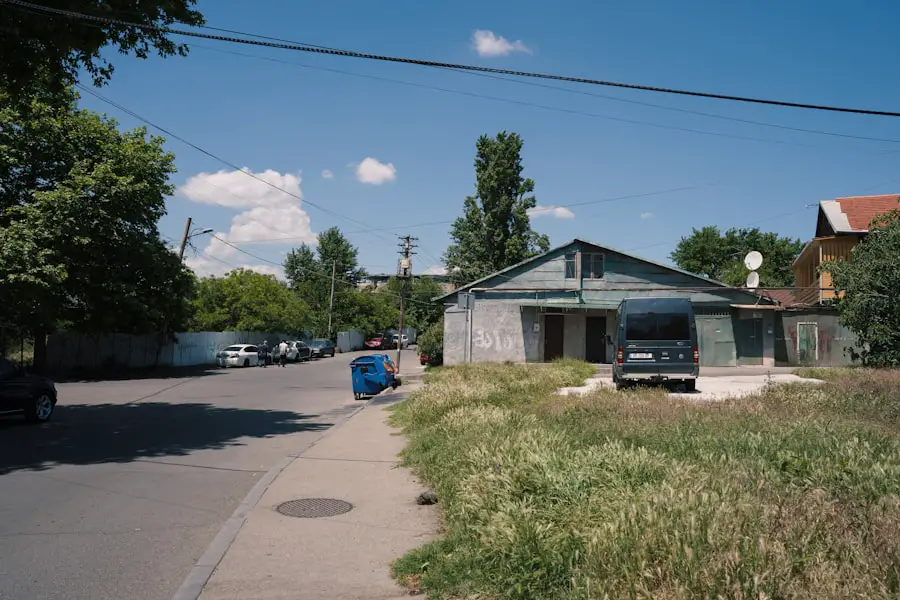
Summer in Hanoi, especially from June through August, is hot, humid, and rainy. Heat combined with high humidity can make long midday walks tiring, so a slower schedule works better than trying to cover the city continuously from morning until evening.
The city remains energetic despite the weather. Cafes, markets, street-food stalls, shopping areas, museums, and indoor cultural sites provide plenty of alternatives during the hottest or wettest part of the day.
Summer is also an excellent time to try seasonal fruits. Lychee, mango, longan, and other tropical fruits appear in markets and shops, while chilled drinks, smoothies, fruit dishes, and chè provide a refreshing break from the heat.
Instead of treating rain as a reason to avoid Hanoi completely, build flexibility into the day. Plan major outdoor walks early in the morning, keep one or two indoor attractions available as backups, and allow extra time when heavy rain slows traffic.
Weather Caution: June through August is Hanoi’s hot, humid, rainy period. Heavy downpours can temporarily affect streets and traffic, so check the daily forecast and avoid building an itinerary that depends on perfectly dry weather.
Hanoi also hosts performances, exhibitions, live music, and other cultural events throughout the year. However, the Hanoi International Film Festival should not be treated as a summer event. It is a biennial festival, and recent editions have taken place later in the year.
Fall: Witnessing the Charming Beauty of Hanoi
Fall is one of Hanoi’s most attractive periods. From September into November, the oppressive summer heat generally eases, walking becomes more comfortable, and clearer conditions become more common. Vietnam Tourism particularly recommends September and October for exploring the capital.
| Month | What to Expect | Planning Advice |
|---|---|---|
| September | A transition away from peak summer heat and rain | Keep rain protection available while enjoying improving outdoor conditions |
| October | Typically one of the most comfortable months for sightseeing | Excellent for Old Quarter walks, lakes, temples, and photography |
| November | Cooler conditions as Hanoi moves toward winter | Bring a light layer and begin checking air quality on hazier days |
Hoan Kiem Lake is particularly pleasant for morning or evening walks during this period. Local residents gather around the lake for exercise, conversation, and relaxation, while the surrounding streets provide easy access to the Old Quarter and central Hanoi attractions.
Seasonal foods also add to Hanoi’s autumn appeal. Roasted sweet potatoes, corn, noodle dishes, rice dishes, and regional snacks appear alongside the city’s year-round staples. Traditional dishes such as bún thang are especially satisfying as temperatures begin to cool.
The Mid-Autumn Festival takes place on the 15th day of the eighth lunar month, so its Gregorian date changes each year. Lanterns, mooncakes, children’s activities, lion dances, and community celebrations can make this an especially colorful time to visit.
2026 Event Update: The eighth Hanoi International Film Festival is scheduled for late November into early December 2026. Hanoi’s current plan includes an opening ceremony on November 28, public film activities, exhibitions, and screenings around the city. Travelers visiting during this period should check the latest festival schedule before arrival.
Winter: Exploring Hanoi’s Rich History and Traditions
Winter in Hanoi generally covers December through February, although cool conditions can extend into March. Temperatures are far lower than in summer, and official tourism guidance notes that winter can bring misty, cloudy weather and lows around 10°C during colder periods.
This can be an appealing season for travelers who dislike tropical heat. Museums, historic buildings, temples, cafes, and food-focused itineraries are easier to enjoy without summer humidity, although mornings can feel surprisingly chilly.
Ho Chi Minh Mausoleum is one of the city’s most important historical attractions. The surrounding Ba Dinh area also includes the One Pillar Pagoda, Presidential Palace relic complex, and other sites associated with modern Vietnamese history.
2026 Mausoleum Update: The Ho Chi Minh Mausoleum Command has announced a maintenance closure from September 4 through November 2, 2026, with visits scheduled to resume November 3. Maintenance dates can change from year to year, so future travelers should verify the official schedule before going.
The Temple of Literature is another essential historical stop. Founded in the 11th century, the complex reflects Vietnam’s long scholarly and Confucian traditions and provides a quieter contrast to the traffic and commerce of central Hanoi.
Winter is also ideal for warming dishes. A steaming bowl of phở is particularly satisfying on a cold morning or evening. Bánh chưng, the square sticky-rice cake strongly associated with Tet, becomes especially prominent around Lunar New Year, although variations can be found beyond the holiday period.
Check Air Quality During Winter and Early Spring
Cooler weather has one important disadvantage: Hanoi can experience episodes of poorer air quality during the winter–spring period. Hanoi authorities warned in August 2026 that pollution risk can rise during these months because weather conditions can make pollutants more difficult to disperse.
If the sky appears unusually hazy, check a reliable local air-quality reading before planning several hours of strenuous outdoor activity. Travelers who are particularly sensitive to air pollution may prefer to shift long walks to better-air-quality periods and keep indoor attractions available as alternatives.
Tips for Traveling to Hanoi in Different Seasons
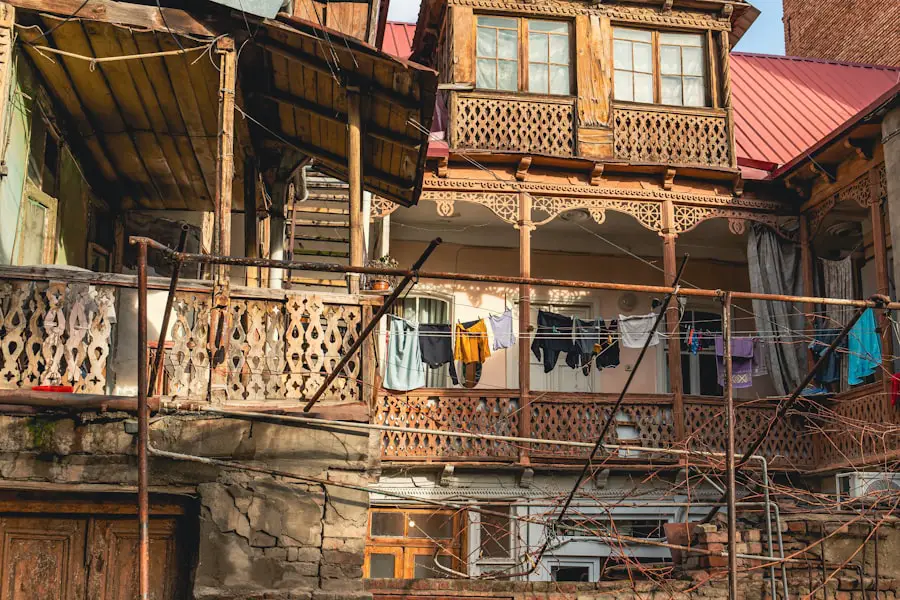
Spring in Hanoi: A Time for Celebration
If your trip falls around Tet or a major spring festival, book important accommodation and intercity transportation earlier than you would for an ordinary week. Hanoi can become extremely lively around Lunar New Year, while individual businesses may close, shorten their hours, or reopen on different days.
Spring is a strong season for cultural experiences, including traditional markets, decorations, religious visits, neighborhood celebrations, and the Perfume Pagoda pilgrimage. Respect worship spaces, follow posted photography rules, and expect large crowds at popular religious sites during festival days.
Summer in Hanoi: Staying Cool and Hydrated
During summer, carry drinking water, lightweight breathable clothing, sun protection, and compact rain protection. Schedule longer walks for early morning or late afternoon and use museums, cafes, restaurants, galleries, and shopping stops during periods of intense heat or heavy rain.
Traffic can slow considerably during downpours. Leave extra time when heading to the railway station, bus terminals, or Noi Bai International Airport rather than assuming travel times will remain normal.
Fall and Winter in Hanoi: Preparation Is Key
Fall usually offers the most comfortable conditions for long sightseeing days, but occasional rain is still possible, especially early in the season. A compact umbrella or lightweight rain jacket remains useful.
In winter, bring layers rather than relying only on warm-weather clothing. Hanoi’s damp cool weather can feel colder than the temperature alone suggests, particularly in the morning and evening.
From late fall through early spring, also check air quality if you plan extended outdoor exercise or walking. Conditions can vary considerably from one day to another.
Must-See Attractions in Hanoi Throughout the Year
Hanoi has enough indoor and outdoor attractions to make a trip worthwhile in every season. The key is matching your daily itinerary to the weather.
Old Quarter
The Old Quarter remains one of the city’s most distinctive areas. Narrow streets, traditional shopfronts, markets, cafes, restaurants, craft businesses, and street-food stalls provide a close-up view of everyday urban life. Bánh mì, phở, coffee, noodles, and small local dishes make food stops part of the experience rather than something separate from sightseeing.
Hoan Kiem Lake and Ngoc Son Temple
Hoan Kiem Lake is a central gathering place and one of Hanoi’s easiest areas to explore on foot. Early mornings and evenings are particularly atmospheric, with residents exercising and socializing around the waterfront. Ngoc Son Temple, reached by its distinctive red bridge, adds a cultural and historical stop to the walk.
Temple of Literature
The Temple of Literature is one of Hanoi’s most important historical sites and a valuable place to learn about Vietnam’s traditional education system, scholarship, architecture, and Confucian heritage.
Ho Chi Minh Mausoleum and Ba Dinh Area
The mausoleum and nearby historical sites provide context for understanding modern Vietnamese history. Because entry schedules and annual maintenance periods can change, check the official timetable before building a day around an interior mausoleum visit.
Vietnam Museum of Ethnology and Hoa Lo Prison Relic
The Vietnam Museum of Ethnology provides an introduction to Vietnam’s diverse ethnic communities and cultural traditions. Hoa Lo Prison Relic focuses on a very different part of the country’s history. Both are useful choices on hot, rainy, cold, or otherwise uncomfortable outdoor days.
Hanoi Opera House
The Hanoi Opera House is an important example of the city’s French-era architecture and remains a significant cultural landmark. Even when you are not attending a performance, the surrounding French Quarter can be included in a central Hanoi walking route.
Choosing the Best Time to Travel to Hanoi
For travelers who place comfortable sightseeing weather first, September through November is the strongest overall choice, with September and October particularly attractive for walking and outdoor exploration. March and April are good alternatives for spring weather and cultural activities, while late spring can offer clearer days with increasingly warm temperatures.
Summer should not automatically be ruled out, but June through August requires more flexibility because of heat, humidity, and rain. Winter offers cooler temperatures, warming food, museums, temples, and a different atmosphere, but travelers should pack layers and monitor air quality when conditions become hazy.
Festival-focused travelers may deliberately choose Tet, the Perfume Pagoda season, the Mid-Autumn Festival, or a scheduled cultural event such as HANIFF. These trips can be especially memorable, but they require more attention to crowds, holiday opening hours, transportation, and current event dates.
Ultimately, the best time to travel to Hanoi depends on whether you value comfortable weather, festivals, quieter sightseeing, food, or lower tolerance for heat and rain. Hanoi remains a year-round destination, but understanding its seasonal trade-offs makes it much easier to choose the right dates and build a realistic itinerary.
Frequently Asked Questions
What is the best time to travel to Hanoi?
September through November is one of the best periods for most travelers because Hanoi becomes cooler and outdoor sightseeing is more comfortable. March and April are also good choices if you prefer spring travel.
What is Hanoi’s weather like during the best months?
September through November generally becomes cooler and clearer as Hanoi moves away from its hottest, wettest summer period. Spring is more variable: March can remain cool or damp, while April becomes increasingly warm.
When is the rainy season in Hanoi?
Hanoi’s wettest, most humid period is concentrated in summer, particularly June through August. Rain often comes in heavy showers, so travelers should keep daily plans flexible and carry compact rain protection.
Is Tet a good time to visit Hanoi?
Yes, if experiencing Vietnamese New Year traditions is a priority. Hanoi can be highly atmospheric around Tet, but transportation demand rises and some businesses or attractions may follow special schedules. Book important arrangements early and verify opening hours.
What festivals can travelers experience in Hanoi?
Important seasonal experiences include Tet, the Perfume Pagoda Festival, and the Mid-Autumn Festival. Hanoi also hosts arts and cultural events such as the biennial Hanoi International Film Festival. Exact Gregorian dates can change, so verify them for your travel year.
What attractions should I visit in Hanoi?
Popular choices include Hoan Kiem Lake, the Old Quarter, Ngoc Son Temple, Temple of Literature, Ho Chi Minh Mausoleum complex, Vietnam Museum of Ethnology, Hoa Lo Prison Relic, and the Hanoi Opera House area.
Is winter a good time to visit Hanoi?
Winter can be excellent if you prefer cooler weather and food- or museum-focused sightseeing. Pack warm layers because Hanoi can feel chilly and damp, and check local air quality because pollution episodes are more likely during the winter–spring period.
What should I pack for Hanoi?
For summer, bring lightweight breathable clothing, rain protection, sun protection, and a reusable water bottle. For spring and fall, light layers work well. During winter, pack warmer layers and a light jacket because mornings and evenings can become surprisingly cool.
Sources
- Vietnam Tourism — Hanoi — official destination guidance covering Hanoi’s recommended visiting periods, weather, transport, and major sights.
- Hanoi Department of Culture and Sports — Perfume Pagoda Festival 2026 — festival dates and visitor information.
- Government of Vietnam — HANIFF VIII 2026 — current Hanoi International Film Festival schedule and activities.
- Ho Chi Minh Mausoleum Command — 2026 Maintenance Notice — official 2026 closure and reopening dates.
- Government of Vietnam — Hanoi Winter–Spring Air Quality — seasonal air-pollution risk and current monitoring information.