
Last Updated on July 24, 2026 by Daniel Globe
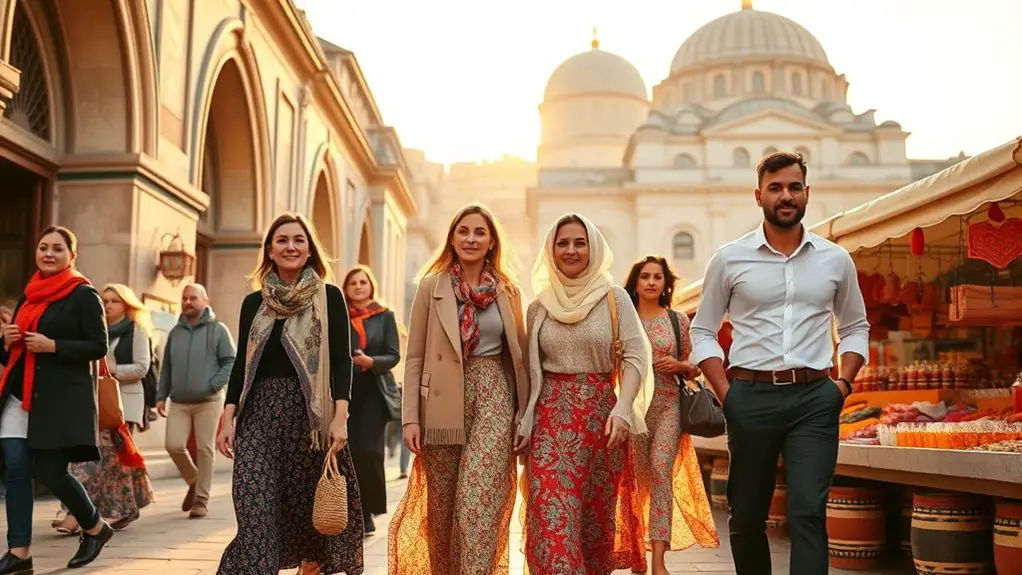
Istanbul combines modern neighborhoods, historic streets, active mosques, ferries, bazaars, and polished restaurants. You do not need to dress conservatively everywhere, but you do need comfortable shoes, weather-ready layers, and one modest outfit that lets you enter religious sites without changing your plans.
Quick Answer
For most days in Istanbul, wear comfortable street clothes, breathable layers, and supportive walking shoes. At active mosques, cover your shoulders and knees; women should also cover their hair. Pack a light scarf, socks, and easy-removal shoes. Add rain protection in spring and autumn, sun protection in summer, and warm waterproof layers in winter.
Key Takeaways
- Wear layers in spring and autumn because mornings, afternoons, and evenings can feel very different.
- At the Blue Mosque, everyone must cover their shoulders and knees, and women must cover their hair.
- Choose supportive shoes with good grip for hills, stone paving, stairs, and long sightseeing days.
- Carry a lightweight scarf or overshirt so you can add coverage when entering a religious site.
- Smart casual clothing suits most evening plans, but you should check the policy of a specific upscale restaurant or club.
Disclosure: As an Amazon Associate I earn from qualifying purchases. Some links on this page are affiliate links, at no extra cost to you.
Dressing for Different Seasons in Istanbul
Istanbul experiences four distinct seasons. The ranges below use monthly average low and high temperatures published by the Turkish State Meteorological Service. They are planning guides, not daily limits, so check the short-term forecast before you leave.
| Season | Typical Monthly Average Range | What to Wear |
|---|---|---|
| Spring March to May |
Average lows: about 5.5°C to 13.6°C (42°F to 56°F) Average highs: about 12.4°C to 22.3°C (54°F to 72°F) |
Long-sleeve tops, a sweater or cardigan, light trousers, and a packable water-resistant jacket |
| Summer June to August |
Average lows: about 18°C to 20.8°C (64°F to 69°F) Average highs: about 27.1°C to 29.7°C (81°F to 85°F) |
Breathable tops, loose trousers, skirts, dresses, shorts, sun protection, and a modest layer for mosque visits |
| Autumn September to November |
Average lows: about 9.9°C to 17.6°C (50°F to 64°F) Average highs: about 16.1°C to 25.9°C (61°F to 79°F) |
Mixed warm-weather and cool-weather layers, closed shoes, and a rain shell or compact umbrella |
| Winter December to February |
Average lows: about 4.2°C to 6.5°C (40°F to 44°F) Average highs: about 9.6°C to 11.8°C (49°F to 53°F) |
An insulated coat, warm mid-layers, long trousers, a scarf, and water-resistant shoes |
Istanbul’s summer average highs sit close to 30°C, while winter average highs are near 10°C. Packing the same wardrobe for every month will not work.
What to Wear in Spring
Spring begins cool and becomes much warmer by May. Wear a T-shirt or long-sleeve shirt under a cardigan, sweater, or light jacket. Choose trousers, jeans, a midi skirt, or a dress that works with tights on colder days.
Rain is possible, so bring a compact umbrella or a light waterproof shell. A thin scarf is useful for cool ferry rides and mosque visits.
What to Wear in Summer
Summer is warm and can become hot during sunny periods. Choose cotton, linen, or another light fabric that releases heat. Loose trousers, knee-length shorts, skirts, dresses, and breathable tops all work for ordinary sightseeing.
Carry a light overshirt, cardigan, or scarf if you plan to enter a mosque. This is easier than returning to your hotel to change. A hat, sunglasses, and sunscreen are also useful during long outdoor days.
What to Wear in Autumn
September can still feel like summer, while November is much cooler and wetter. Pack clothing that you can combine rather than one heavy outfit. A breathable base layer, light sweater, and water-resistant jacket will cover most conditions.
Closed shoes are more practical as rain becomes more common. Avoid shoes with smooth soles because wet stone can become slippery.
What to Wear in Winter
Winter is cool, damp, and sometimes windy. Wear a warm coat over a sweater or fleece, plus long trousers and thick socks. Thermal base layers help if you feel cold easily or expect to spend hours outside.
Rain is more common in the cooler months, and occasional snow is possible. Water-resistant shoes with a firm sole are more useful than thin fashion sneakers.
Note: Check Istanbul’s forecast again one or two days before departure. Averages help you choose a season, but the forecast tells you which jacket and shoes to pack for your actual dates.
Appropriate Attire for Religious Sites
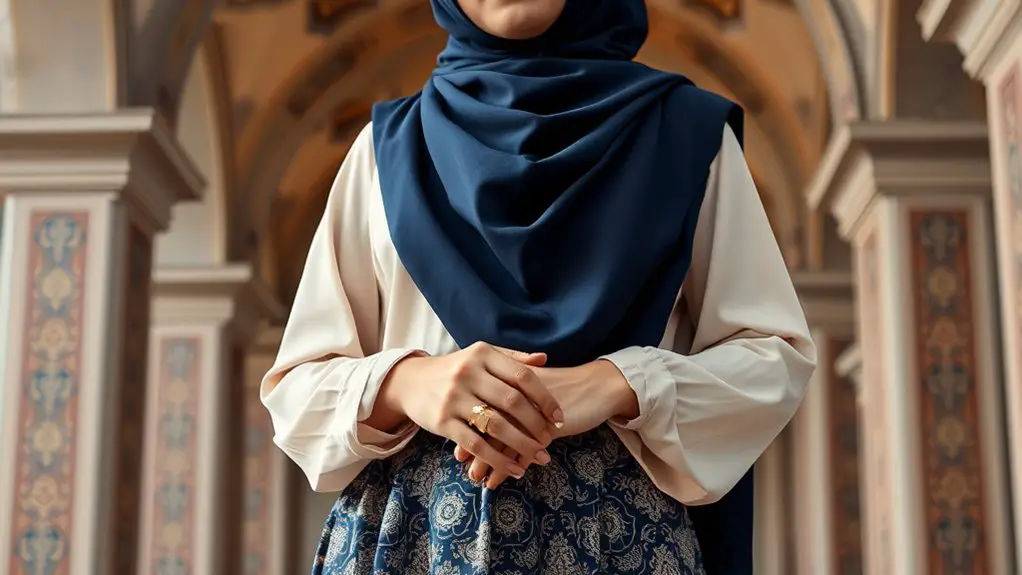
Istanbul’s historic mosques are active places of worship. Dressing modestly shows respect and helps you enter without delays. Rules may differ slightly by site, so follow the signs and staff instructions at the entrance.
The Blue Mosque’s published visitor rules require all visitors to cover their shoulders and knees. Women must also cover their hair. Long, loose clothing remains the safest option because it provides full coverage without needing an extra wrap.
Warning: If your clothing does not meet a mosque’s rules, staff may ask you to add a scarf or wrap before entering. Entry can be delayed or refused until you have suitable coverage, so carry your own lightweight layer when possible.
| Attire Element | Women | Men |
|---|---|---|
| Head covering | A scarf covering the hair is required at the Blue Mosque and commonly required in active mosques. | Not normally required. |
| Tops | Shoulders and chest covered. A loose long-sleeve or three-quarter-sleeve top is the safest choice. | Shoulders covered. A regular T-shirt, polo, or long-sleeve shirt is suitable. |
| Bottoms | Knees must be covered. Loose trousers, a long skirt, or a maxi dress offers the easiest entry. | Knees must be covered. Long trousers are the most reliable choice. |
| Footwear | Wear shoes that are easy to remove and carry. Bring socks if you do not want to walk barefoot. | Wear shoes that are easy to remove and carry. Bring socks if you do not want to walk barefoot. |
Remove your shoes before stepping onto the carpeted prayer area. Some mosques provide a bag for carrying them. Avoid stepping in front of people who are praying, keep your voice low, and follow any temporary visitor route.
Coverings may be available at popular mosques, but availability and hygiene standards can vary. Bringing your own scarf or light overshirt gives you more control and takes little suitcase space.
Exploring the City: Casual and Comfortable Clothing
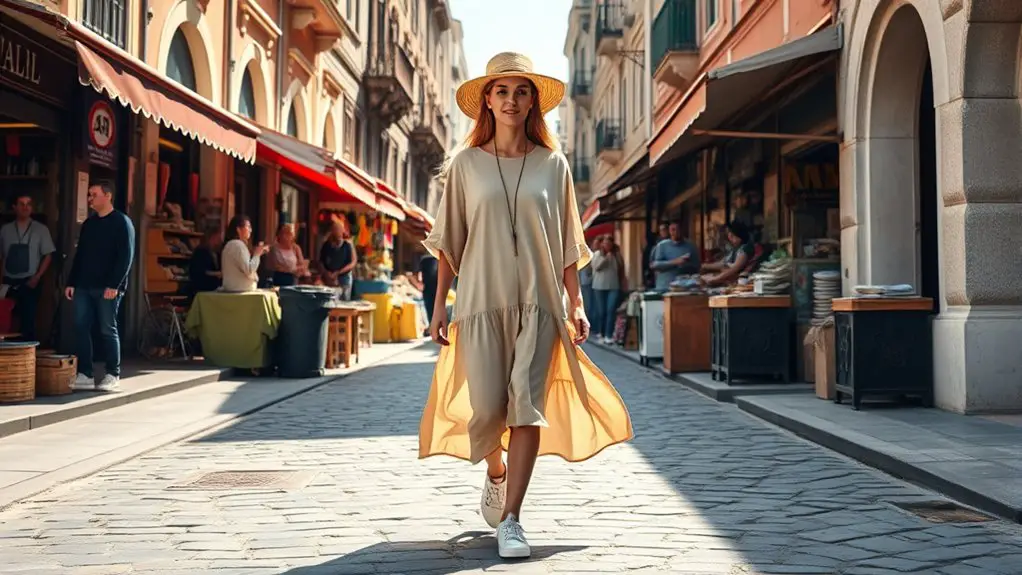
For ordinary city exploration, comfortable casual clothing is suitable. Jeans, chinos, loose trousers, T-shirts, blouses, skirts, dresses, and shorts are all practical choices depending on the weather.
The best sightseeing outfit is one that handles hills, changing weather, and an unplanned mosque visit without forcing you to return to your hotel.
Central districts and tourist areas have a wide range of clothing styles. More conservative standards may be noticeable near religious sites or in traditional neighborhoods. Current government travel guidance recommends modest dress at mosques and religious shrines rather than imposing one clothing standard for every public street.
Choose shoes with cushioning and a stable, slip-resistant sole. Istanbul includes steep streets, stairs, uneven paving, and long museum queues. Break in new shoes before the trip instead of testing them during your first full sightseeing day.
High heels, thin dress shoes, and smooth-soled sandals can be tiring on historic streets. They are better saved for a short evening outing than a full day in Sultanahmet, Galata, or the Grand Bazaar.
What to Wear for Common Istanbul Activities
Bosphorus Ferries and Rooftop Terraces
The air can feel cooler and windier near the water or on an exposed rooftop. Carry a light jacket, cardigan, or scarf even when the street temperature feels warm. In winter, add gloves and a warm scarf if you plan to sit outside on a ferry.
Bazaars and Historic Districts
Wear breathable clothing and shoes that can handle several hours of walking. A compact crossbody bag or zippered day bag is easier to manage in crowded lanes than a large open tote. Avoid trailing hems that can drag on wet or dusty paving.
Princes’ Islands and Seaside Areas
Casual summer clothing works well on the islands and waterfront. You may wear a swimsuit at a beach or pool, but add a dress, shirt, shorts, or another cover-up before returning to streets, restaurants, ferries, or religious areas.
Traditional Turkish Baths
Many established hamams provide a peştemal, slippers, and basic bathing items. For example, Hürrem Sultan Hamamı explains how its peştemal towels are used. Inclusions differ by venue and package, so check your reservation details. You may also bring swimwear or spare underwear if that makes you more comfortable.
Evening Wear for Dining and Nightlife
Istanbul’s evening scene ranges from casual cafés and waterfront bars to refined restaurants and private clubs. Your outfit should match the venue rather than one citywide rule.
Smart casual clothing works for most planned dinners. Men can wear a collared shirt or neat sweater with chinos, trousers, or dark jeans. Women can choose a dress, skirt, tailored trousers, or polished jeans with a blouse or stylish top.
Clean sneakers may be accepted at many modern venues, while formal restaurants or clubs may prefer dress shoes. Some places publish rules about sportswear, shorts, sandals, or jackets. Check the venue’s website or contact it directly when the evening is important.
Bring a light outer layer for rooftop dining or a waterfront table. Temperatures can feel cooler after sunset, especially when there is wind from the Bosphorus.
Packing Essentials for Your Istanbul Visit
Build your suitcase around clothing that can be combined. You do not need a separate outfit for every attraction.
- Breathable base layers: Pack T-shirts, blouses, or long-sleeve tops that work alone or under a sweater.
- Two or more versatile bottoms: Choose from trousers, jeans, skirts, dresses, or weather-appropriate shorts.
- One mosque-ready outfit: Bring clothing that covers your shoulders and knees, plus a headscarf for women.
- A weather layer: Pack a cardigan, fleece, light jacket, or insulated coat according to the season.
- Rain protection: A compact umbrella or packable rain shell is useful outside the driest summer period.
- Supportive walking shoes: Choose a pair with cushioning, grip, and enough room for long walking days.
- Socks: Carry a clean pair on mosque days if you do not want to walk on the carpet barefoot.
- Sun protection: Bring sunglasses, sunscreen, and a hat for warm, bright days.
- One smarter outfit: Add this only if you have a special restaurant, event, or nightlife plan.
Pro Tip: One supportive walking pair and one optional smart-casual pair cover most trips. Wear the bulkier shoes during travel to save suitcase space.
Note: A lightweight scarf is useful beyond mosque visits. It can add warmth on a ferry, cover your shoulders in strong sun, or improve a simple evening outfit.
Frequently Asked Questions
Is it okay for a woman to wear shorts in Istanbul?
Yes. Women can wear shorts in ordinary public areas, especially during summer. Choose a different outfit or add a wrap before entering a mosque because shoulders and knees must be covered. Longer shorts or loose linen trousers can be more versatile on mixed sightseeing days.
Do women need to wear a headscarf everywhere in Istanbul?
No. Visitors do not need a headscarf for ordinary streets, shops, public transport, restaurants, or most attractions. Women should cover their hair when entering the Blue Mosque and other active mosques that require it.
Can men wear shorts in Istanbul mosques?
Men must cover their knees and shoulders at the Blue Mosque. Long trousers are the safest choice because shorts near the knee may be judged differently by staff at different entrances or religious sites.
What are the dos and don’ts of dressing in Istanbul?
Do wear comfortable shoes, prepare for changing weather, and carry modest coverage for mosques. Do not wear beachwear away from beaches or pools, enter an active mosque with exposed shoulders or knees, or assume every upscale venue accepts sportswear.
Should I bring jeans to Turkey?
Jeans are useful in Istanbul during mild and cool weather, and they work for casual evenings. They can feel heavy during hot summer days or take a long time to dry after rain. Lightweight trousers are a better summer alternative.
Is there a strict dress code in Turkey?
There is no single everyday tourist outfit required across Istanbul. Clothing styles are varied in modern urban areas. Active mosques, religious shrines, private clubs, restaurants, and special venues can have their own entry rules, so follow posted guidance.
What shoes are best for Istanbul?
Wear supportive walking shoes with cushioning and a slip-resistant sole. Sneakers, walking shoes, and secure sandals can work depending on the season. Avoid using brand-new shoes, thin soles, or high heels for full sightseeing days.
Ready to Pack for Istanbul?
Your Istanbul wardrobe needs to handle three things: changing weather, long walking days, and the dress rules at active mosques. Start with supportive shoes and adaptable layers. Add one mosque-ready outfit, a lightweight scarf, and season-appropriate rain or sun protection.
You can wear ordinary modern clothing across most of the city. The key is to keep an extra layer nearby and adjust your outfit when entering a religious site or a venue with its own policy. With that simple plan, you can move from historic streets to ferry decks and evening restaurants without overpacking.
Sources
- Turkish State Meteorological Service: Istanbul Climate Statistics — monthly average temperatures, rainfall, and rainy-day data.
- Blue Mosque Visitor Information — shoulder, knee, head-covering, shoe-removal, and visitor-conduct rules.
- GOV.UK Turkey Travel Advice — current guidance on modest clothing at mosques and religious shrines.
- Australian Smartraveller Türkiye Advice — current information about local clothing and behavior standards.
- Hürrem Sultan Hamamı: What Is a Peştemal? — traditional hamam clothing and towel use.

