
Last Updated on September 11, 2026 by Daniel Globe
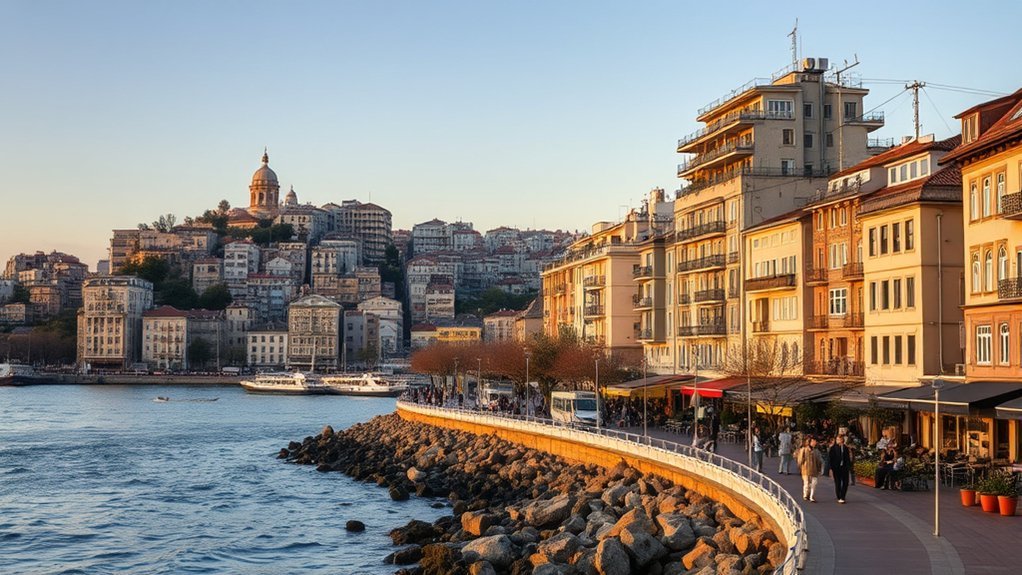
Crossing the Bosphorus to Istanbul’s Asian side (known locally as Anadolu Yakası) reveals a vibrant, residential, and culturally rich side of the city that most tourists miss. While the European side holds Byzantine and Ottoman imperial landmarks like the Hagia Sophia and Topkapı Palace, the Asian side delivers tree-lined pedestrian streets, bustling food markets in Kadıköy, tranquil Ottoman waterfront villages along the Bosphorus strait, and sweeping sunset views over the historic peninsula.
Quick Answer
To visit Istanbul’s Asian side, take a 20-minute public ferry from Eminönü, Karaköy, or Beşiktaş to Kadıköy or Üsküdar. Spend your time exploring the Kadıköy Market, strolling the coastal promenade in Moda, visiting historic Ottoman mosques in Üsküdar, and sampling authentic Anatolian cuisine at Çiya Sofrası.
Key Takeaways
- Effortless Transit: Public ferries operated by Şehir Hatları provide the most scenic and affordable 20-minute crossing between Europe and Asia.
- Distinct Neighborhoods: Kadıköy and Moda cater to modern café culture, arts, and culinary exploration, while Üsküdar and Kuzguncuk offer rich religious history, Ottoman architecture, and quiet village charm.
- Culinary Hotspot: From the regional Anatolian recipes at Çiya Sofrası to fresh street food and waterfront tea gardens, the Asian side offers some of Istanbul’s highest-rated dining experiences.
- Seamless Navigation: An Istanbulkart transit card covers all ferries, the Marmaray undersea train, the M4 metro line, and the historic T3 Moda tram.
Disclosure: As an Amazon Associate I earn from qualifying purchases. Some links on this page are affiliate links, at no extra cost to you.
Why Visit Istanbul’s Asian Side
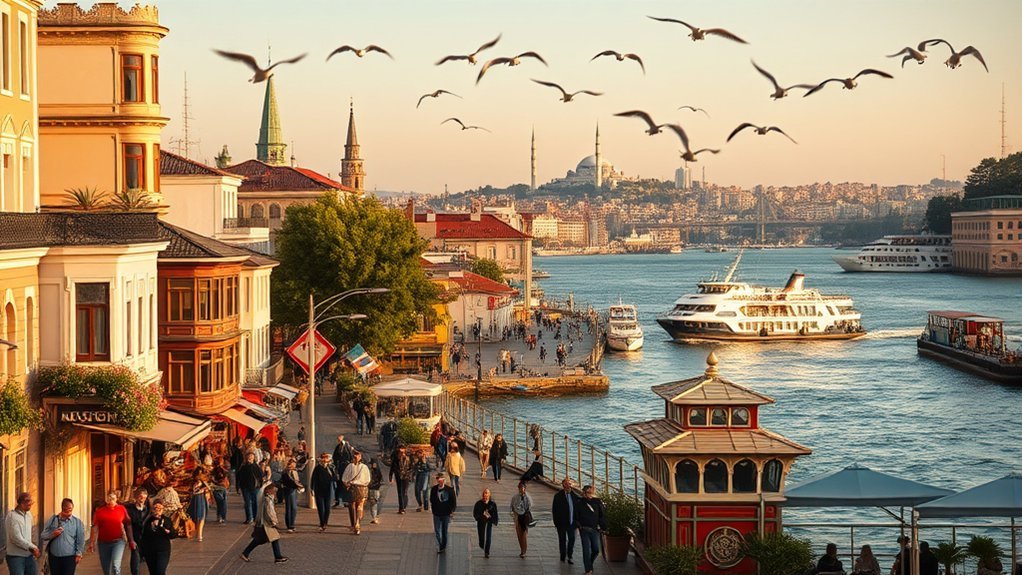
The Asian side offers an authentic glimpse into how Istanbul’s 16 million residents actually live, socialize, and dine. Free from the dense concentration of tour buses found in Sultanahmet, districts such as Kadıköy and Üsküdar allow travelers to explore broad coastal promenades, browse neighborhood fish markets, and enjoy an unhurried culinary scene.
Beyond the local ambiance, the transit journey itself is an essential Istanbul experience. Taking a public ferry across the Bosphorus offers open-air views of the Topkapı Palace skyline, Galata Tower, and the Maiden’s Tower (Kız Kulesi), complete with fresh sea breezes and simit-seeking seagulls following the boat.
Pro Tip: Buy a fresh simit (sesame-crusted bread ring) from a street vendor before boarding your ferry at Eminönü or Karaköy. You can enjoy it with hot Turkish tea served in classic tulip glasses on the open deck while crossing the continents.
Top Things to Do on Istanbul’s Asian Side
Each neighborhood along the Anatolian coastline possesses a distinct architectural and cultural character. Focusing your itinerary around these key hubs ensures a balanced mix of history, arts, and scenic leisure:
1. Immerse Yourself in Kadıköy and Moda
Kadıköy serves as the energetic commercial and cultural capital of the Asian side. Begin at the Kadıköy Historical Market (Kadıköy Tarihi Çarşısı), where narrow pedestrian alleys are packed with fishmongers, pickle shops (turşucu), spice merchants, and olive vendors. From the market, follow the antique shops along Tellalzade Street or walk up Bahariye Avenue to ride the heritage T3 Nostalgic Tramway loop down to the upscale, residential enclave of Moda. In Moda, you can relax in seaside parks (Moda Sahili) and visit the historic Barış Manço House Museum.
2. Explore Imperial History in Üsküdar and Salacak
Üsküdar sits directly opposite the historic peninsula and features some of the finest classical Ottoman architecture in Istanbul. Located right at the ferry square is the 16th-century Mihrimah Sultan Mosque, designed by the imperial architect Mimar Sinan for the daughter of Sultan Suleiman the Magnificent. Further south along the waterfront promenade in Salacak sits the world-famous Maiden’s Tower (Kız Kulesi), recently restored as a heritage museum by the Republic of Türkiye Ministry of Culture and Tourism.
3. Stroll the Colorful Streets of Kuzguncuk
Just a short bus or taxi ride north of Üsküdar lies Kuzguncuk, a peaceful neighborhood celebrated for its leafy streets, pastel-painted wooden Ottoman townhouses (yalı), and rich cosmopolitan heritage where historic mosques, Armenian churches, and Jewish synagogues stand side-by-side. Browse the artisan boutiques along İcadiye Avenue and stop for a freshly brewed Turkish coffee at a neighborhood bakery.
4. Tour Beylerbeyi Palace and Northern Bosphorus Villages
Situated just beneath the Bosphorus Bridge, Beylerbeyi Palace served as the opulent 19th-century summer residence for Ottoman sultans and visiting foreign dignitaries. Designed with French neo-baroque sensibilities and traditional Ottoman architectural layouts, its lavish interior features Bohemian crystal chandeliers, Hereke carpets, and manicured seaside gardens directly fronting the water.
5. Take in Panoramic Views from Grand Çamlıca Mosque
Perched atop Istanbul’s highest hill, the Grand Çamlıca Mosque (Büyük Çamlıca Camii) is the largest mosque in Turkey, capable of accommodating over 60,000 worshippers. The surrounding public gardens offer sweeping 360-degree panoramic views overlooking the entire Bosphorus Strait and European skyline.
Where to Eat on Istanbul’s Asian Side
The Asian side is widely recognized by culinary experts and locals as home to some of Istanbul’s most authentic food traditions, spanning street snacks to regional preservation dining:
- Çiya Sofrası (Kadıköy): Founded by culinary ethnographer Musa Dağdeviren, this world-renowned restaurant serves rare, rotating regional Anatolian dishes, including sun-dried eggplant stews, wild mountain herb salads, sour cherry kebabs, and candied regional desserts.
- Meşhur Dondurmacı Ali Usta (Moda): Operating in Moda since 1969, this iconic artisanal parlor is famous for rich, natural ice cream flavors ranging from mastic (damla sakızı) and roasted walnut to dark chocolate and sour cherry.
- Tarihi Çınaraltı Aile Çay Bahçesi (Çengelköy): This historic open-air tea garden is centered around a massive 800-year-old plane tree directly on the Bosphorus. Visitors can order hot tea and enjoy freshly baked pastries or cheese-filled börek purchased from nearby village bakeries.
- Tarihi Kanlıca Yoğurdu (Kanlıca Pier): Located in the quiet northern village of Kanlıca, these historic waterfront cafés serve dense, creamy regional sheep’s milk yogurt topped with a dusting of confectioner’s powdered sugar.
- Kadıköy Street Food & Midye Dolma: Along the market lanes, sample fresh midye dolma (plump mussels stuffed with spiced aromatic rice, currants, and pine nuts, finished with fresh lemon juice) and warm kokoreç.
Note: While modern third-wave coffee roasteries (like Walter’s Coffee Roastery and Montag Coffee) are abundant in Moda, traditional Turkish coffee cooked over hot sand or embers can be enjoyed along the cobblestone alleys of Kadıköy’s antique quarter.
How to Get Around Istanbul’s Asian Side
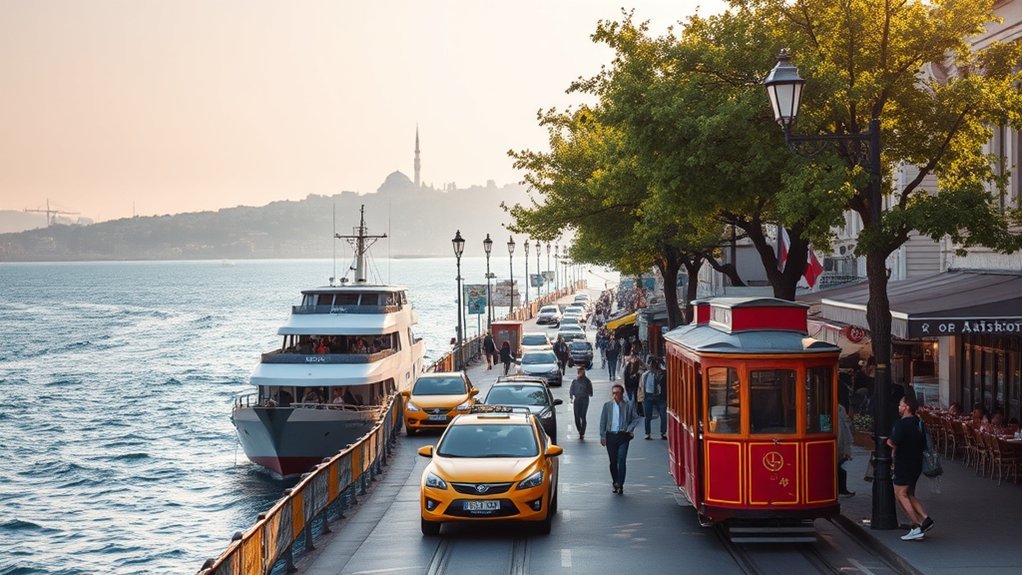
Getting to and navigating Istanbul’s Asian side is straightforward, cost-effective, and fully integrated with Istanbul’s unified public transit system:
- Public Ferries (Şehir Hatları): Regular ferries depart every 15 to 30 minutes from European terminals (Eminönü, Karaköy, Kabataş, and Beşiktaş) to Kadıköy and Üsküdar. Crossings take between 15 and 25 minutes.
- Marmaray Undersea Train: This high-capacity commuter rail line travels beneath the Bosphorus, linking Sirkeci on the European side with Üsküdar (4 minutes) and Ayrılık Çeşmesi/Kadıköy in under 10 minutes.
- M4 Metro Line (Kadıköy – Sabiha Gökçen Airport): Provides a direct subway connection from Kadıköy pier across the Anatolian plateau to Istanbul’s Sabiha Gökçen International Airport (SAW).
- Historic T3 Tramway: A scenic 2.6 km circular heritage loop connecting Kadıköy ferry square, Bahariye shopping avenue, and Moda’s residential streets.
- Bosphorus Buses: Public IETT buses (such as line 15 running along the coastal road from Üsküdar to Beykoz) connect northern Bosphorus villages like Kuzguncuk, Beylerbeyi, Çengelköy, and Kanlıca.
Best Tips for Visiting Istanbul’s Asian Side
To maximize your time on the Anatolian side, keep these essential transit and timing strategies in mind:
Asian Side Exploration Guide
| Recommended Duration | Full-day trip (allocate morning to Üsküdar/Kuzguncuk and afternoon/evening to Kadıköy/Moda). |
| Transit Payment | Use a rechargeable Istanbulkart or tap contactless credit/debit cards at all ferry turnstiles and metro gates. |
| Best Sunset Spot | The coastal promenade of Salacak (facing Maiden’s Tower) or the rocky shoreline of Moda Park. |
| Dress Code for Mosques | Modest dress required for historic mosques (covered knees and shoulders; headscarves provided for women at entrances). |
Warning: Avoid taking road taxis across the Bosphorus suspension bridges during weekday rush hours (07:30–09:30 and 17:00–20:00). Traffic gridlock can turn a 20-minute journey into a 90-minute crawl. Always opt for ferries or the Marmaray rail tunnel instead.
Frequently Asked Questions
Is the Asian side of Istanbul worth visiting?
Yes. The Asian side offers a far more authentic, neighborhood-oriented perspective on Istanbul compared to the heavily touristed historic peninsula. Visitors enjoy world-class culinary markets in Kadıköy, relaxed café streets in Moda, Ottoman seaside palaces in Beylerbeyi, and panoramic Bosphorus views without large crowds.
How do you get to the Asian side of Istanbul?
The most enjoyable and scenic method is taking a public Şehir Hatları ferry from European piers like Eminönü, Karaköy, or Beşiktaş to Kadıköy or Üsküdar (approx. 20 minutes). Alternatively, the subterranean Marmaray rail transit connects Sirkeci on the European side to Üsküdar in just 4 minutes.
How does the Asian side differ from the European side?
The European side houses major Byzantine and Ottoman imperial monuments (Hagia Sophia, Blue Mosque, Grand Bazaar) and major business districts, resulting in high tourist density and faster-paced streets. The Asian side is predominantly residential and green, featuring pedestrian-friendly shopping quarters, artistic hubs, local market culture, and relaxed coastal parks.
What are the top things to see on Istanbul’s Asian side?
Key highlights include the Kadıköy Food Market, the coastal parks and coffee roasteries of Moda, the restored Maiden’s Tower (Kız Kulesi) in Salacak, Mimar Sinan’s Mihrimah Sultan Mosque in Üsküdar, the historic colorful wooden townhouses of Kuzguncuk, Beylerbeyi Palace, and the Grand Çamlıca Mosque.
Conclusion
A visit to Istanbul remains incomplete without crossing the Bosphorus to experience the Asian side. Whether you spend your afternoon browsing regional spices in Kadıköy’s historic market, dining on traditional Anatolian specialties, or watching the sunset over the Golden Horn from the shores of Salacak, the Asian side delivers the city’s most authentic cultural rhythm. With regular ferries running day and night, hopping between continents is one of the easiest and most memorable adventures Istanbul has to offer.
Sources
- Şehir Hatları (Istanbul Ferry Lines) — Official timetable, routes, and fare information for Bosphorus transit.
- Republic of Türkiye Ministry of Culture and Tourism — Official ticketing and visitor guidelines for Maiden’s Tower (Kız Kulesi) and national heritage sites.
- IETT Istanbul Public Transport Authority — Official routing and payment guidelines for buses, Marmaray, and urban rail networks.
- GoTürkiye Tourism Portal — Cultural documentation for Istanbul’s historic Anatolian neighborhoods and architectural landmarks.
