
Last Updated on July 23, 2026 by Daniel Globe
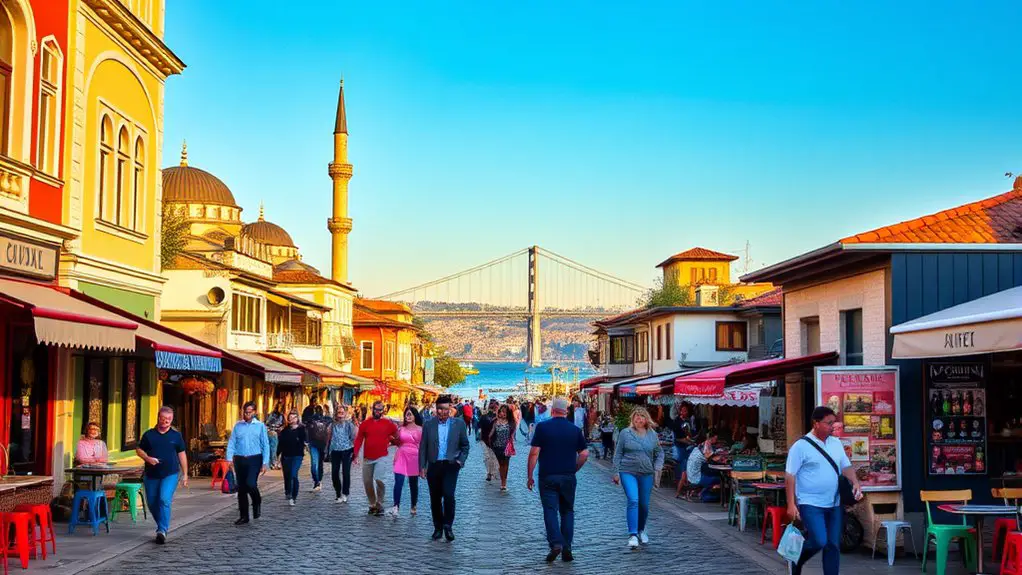
Ortaköy packs a remarkable amount into a compact stretch of Istanbul’s European Bosphorus shore. In one easy walking tour, you can visit the waterfront Büyük Mecidiye Mosque, photograph the 15 July Martyrs Bridge, try the neighborhood’s famous kumpir, browse small stalls, and explore side streets shaped by several religious and cultural communities.
Quick Answer
A self-guided Ortaköy walking tour usually takes two to four hours. Begin at Büyük Mecidiye Mosque and Ortaköy Square, follow the waterfront for Bosphorus views, stop for kumpir or a waffle, then browse the market lanes and nearby historic streets. Weekday mornings are calmer, while sunset is more atmospheric but busier.
Key Takeaways
- Start at Büyük Mecidiye Mosque, commonly called Ortaköy Mosque, and visit outside prayer times.
- Use the waterfront square for the classic mosque, Bosphorus, and 15 July Martyrs Bridge photo.
- Try kumpir first. Ortaköy is especially associated with this loaded baked potato, although waffles, simit, corn, and seasonal chestnuts are also common.
- Weekend artist markets are common, but stalls, workshop availability, and opening hours can change.
- Check same-day ferry and bus information because Istanbul timetables, traffic, and service notices can affect your route.
At a Glance
| Time Required | 2 to 4 hours; longer with a sit-down meal or an extended walk toward Beşiktaş or Kuruçeşme |
| Difficulty | Easy to moderate; the core route is compact, but crowds, paving changes, and steps can slow some visitors |
| Tools Needed | Comfortable shoes, modest mosque clothing, water, a charged phone, and a small bag for your shoes inside the mosque |
| Cost | The outdoor walk is free, and the mosque normally has no admission ticket. Budget separately for transport, food, drinks, shopping, or a private guide. |
What’s in This Article
- Plan Your Ortaköy Walking Tour
- Visit Ortaköy Mosque
- Walk Along the Bosphorus
- Explore Ortaköy Square
- Try Ortaköy’s Street Food
- Browse Art, Crafts, and Markets
- Find Quieter Nearby Stops
- Understand Ortaköy’s History
- Enjoy the Evening Atmosphere
- Shop Without Rushing
- Accessibility, Safety, and Practical Tips
- Frequently Asked Questions
Disclosure: As an Amazon Associate I earn from qualifying purchases. Some links on this page are affiliate links, at no extra cost to you.
Plan Your Ortaköy Walking Tour
Ortaköy is part of Beşiktaş on Istanbul’s European side. There is no metro station in the square itself, so most visitors arrive by bus, ferry, taxi, or a longer walk from Beşiktaş. Your best option depends on where you start and whether Bosphorus road traffic is heavy.
How to Get to Ortaköy
- From Kabataş or Beşiktaş: Use an IETT bus that serves the Ortaköy stops, or walk from Beşiktaş if you are comfortable with a longer waterfront route. Lines and service patterns can change, so confirm the trip in the official IETT stop information.
- From Eminönü: Şehir Hatları operates scheduled services that may connect Eminönü, Beşiktaş, and Ortaköy. Check the official Ortaköy ferry timetable on the day you travel.
- From the Asian side: Depending on the current schedule, a ferry may connect Ortaköy with Üsküdar or Kadıköy. A reliable alternative is to cross to Beşiktaş, Kabataş, or Eminönü and continue by bus or ferry.
Note: Do not build a tight itinerary around one ferry departure. Weather, maintenance, holidays, and operational notices can change service, while road traffic can delay buses and taxis.
Best Time and Suggested Route
For a calmer visit, arrive on a weekday morning. Weekend afternoons often bring more market activity and a livelier square, but also more queues and tighter walking space. Sunset produces beautiful light over the water, although it is usually one of the busiest times for photos and waterfront seating.
- Begin at Büyük Mecidiye Mosque and allow about 20 to 30 minutes for the exterior, interior, and waterfront view.
- Walk across Ortaköy Square and photograph the mosque with the bridge behind it.
- Follow the short waterfront promenade and watch the ferries and Bosphorus traffic.
- Return to the food lanes for kumpir, a waffle, simit, tea, or another snack.
- Browse the market stalls and side streets, then continue south toward Çırağan and Beşiktaş or north toward Kuruçeşme if you want a longer walk.
The Iconic Ortaköy Mosque
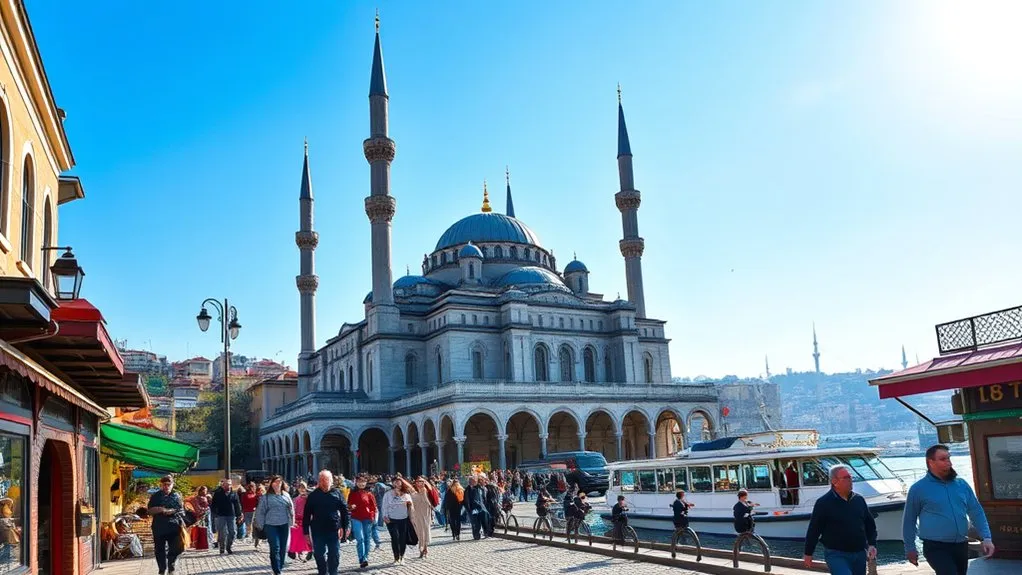
The waterfront mosque’s official name is Büyük Mecidiye Mosque, although almost everyone calls it Ortaköy Mosque. It was commissioned by Sultan Abdülmecid I and built in the mid-1850s. Official sources use slightly different dates, while the building is closely associated with Nigoğos Balyan and the Balyan architectural family. The result is one of Istanbul’s best-known late Ottoman, Neo-Baroque landmarks.
Look closely at the carved stone exterior, tall windows, twin minarets, chandeliers, marble details, and calligraphic panels. The mosque’s position directly beside the water is a major part of its appeal. From the square, the older imperial building and the modern suspension bridge share the same frame.
The bridge behind the mosque is officially the 15 July Martyrs Bridge. You may still hear its former name, the Bosphorus Bridge, in conversation and older travel material.
Warning: This is an active place of worship, not only a photo attraction. Avoid entering during prayers, keep your voice low, silence your phone, and never block worshippers or photograph them closely without permission.
Mosque Etiquette
- Dress modestly, with shoulders and knees covered. Women should carry a scarf for their hair.
- Remove your shoes before stepping onto the carpet and place them where staff direct.
- Visit between prayer periods when the interior is open to non-worshippers.
- Friday midday is especially busy, so choose another time for a quiet sightseeing visit.
- No standard admission ticket is normally required, but access can pause for prayers, religious events, maintenance, or crowd control.
Strolling Along the Bosphorus
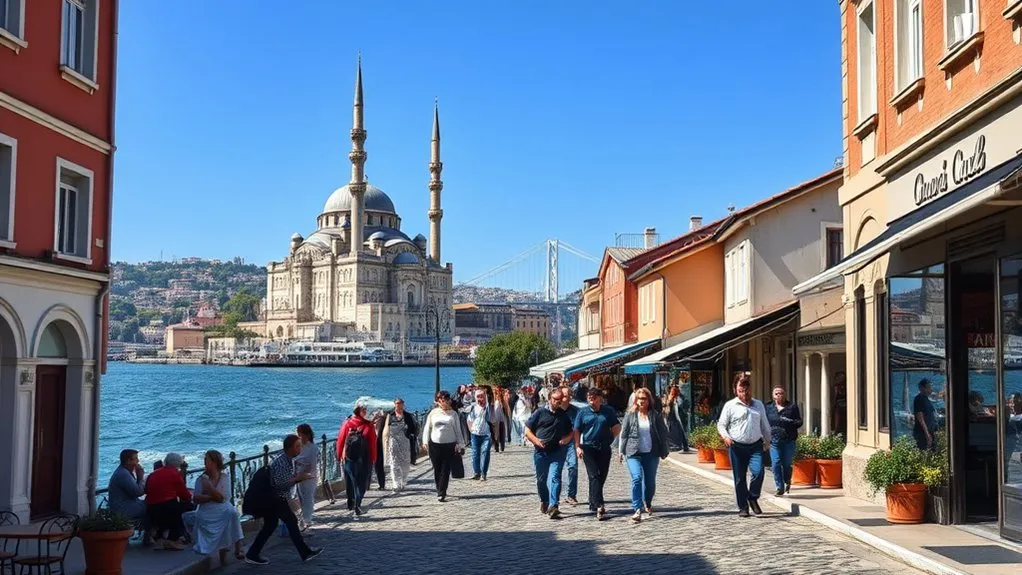
The waterfront section is short, but it gives you an open view across the Bosphorus and a close look at ferries, tour boats, fishing activity, and cross-strait traffic. The strait separates Istanbul’s European and Asian sides, so even a brief pause here helps you understand the city’s geography.
Scenic Waterfront Views
Morning light is often softer on the square, while late afternoon and sunset can bring warmer color behind the mosque and bridge. The promenade can become crowded quickly, so keep moving after taking your photos and leave room for other visitors.
Pro Tip: Arrive 30 to 45 minutes before sunset if photography is your priority. You will have time to choose a position before the best light, but expect more people rather than fewer.
Landmarks You Can See
The most recognizable view combines Büyük Mecidiye Mosque, the 15 July Martyrs Bridge, the Bosphorus, and the Asian shoreline. Depending on your position and visibility, you may also notice waterfront mansions and dense hillside neighborhoods across the water.
The classic Ortaköy photograph works because one frame captures an Ottoman mosque, a modern bridge, the Bosphorus, and two continents.
Exploring Ortaköy Square
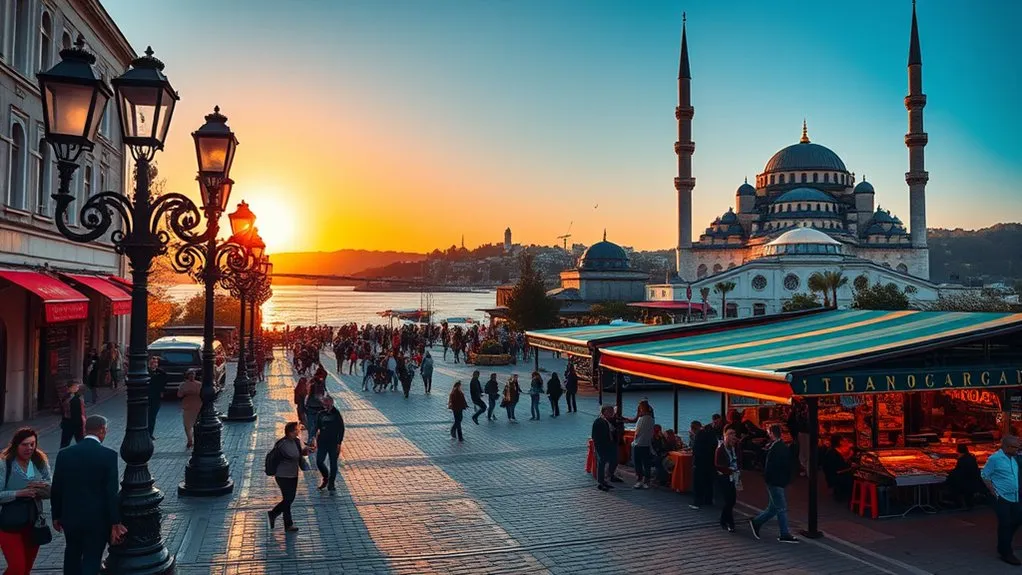
Ortaköy Square is the center of the walking tour. The mosque, food counters, small shops, waterfront seating, ferry pier, and market activity all sit close together. This makes the area easy to explore without a rigid route, although the same compact layout can feel congested at peak times.
Architecture and Photography
- Photograph the mosque from the waterfront edge with the bridge in the background.
- Step back into the square for a wider view that includes street life and market stalls.
- Use a normal or slightly wide lens rather than standing too close to worshippers or blocking entrances.
Street Markets
Official tourism information notes that artist markets are often held at weekends. What you find can vary by day and season, but typical items include jewelry, prints, small accessories, decorative objects, and souvenirs. Treat the market as a changing local feature rather than a permanent collection of specific stalls.
Tea and Bosphorus Views
One of the simplest Ortaköy experiences is to buy tea or a snack and pause by the water. Seating fills quickly at popular times, so a takeaway drink can be more practical than waiting for a prime table.
Sample Delicious Street Food
The original article placed kebabs and baklava at the center of Ortaköy’s street-food identity, but the neighborhood is most strongly associated with kumpir. This large baked potato is split open, mixed with butter and cheese, and finished with toppings you choose. GoTürkiye specifically identifies Ortaköy as one of the best-known places to try it.
| Food | What It Is | Buying Tip |
|---|---|---|
| Kumpir | A baked potato mixed with butter and cheese, then loaded with your choice of salads, vegetables, olives, sauces, and other toppings | Ask the total price before adding many extras, and choose toppings that look fresh and properly chilled |
| Ortaköy waffle | A sweet waffle commonly topped with fruit, chocolate, spreads, nuts, or candy | Share one if you are also trying kumpir because both can be filling |
| Simit | A sesame-coated bread ring that works as a quick, inexpensive snack | Look for a fresh, crisp ring rather than one that has been sitting uncovered for a long time |
| Roasted corn or chestnuts | Simple cart snacks; chestnuts are more common in cooler weather | Buy from a busy vendor with visible turnover |
| Turkish tea | Strong black tea served in a small glass | Check whether waterfront seating has a minimum order or service charge before sitting |
Note: Exact Turkish lira prices age quickly and differ by vendor, portion, toppings, and service style. Read the posted menu and confirm the total before ordering instead of relying on an old online price table.
Discover Local Art and Crafts
Ortaköy’s weekend market tradition adds color to the square, but the selection is not fixed. You may see handmade jewelry, prints, accessories, ceramics, textiles, books, or small decorative pieces. Some sellers are local makers, while others sell general souvenirs, so ask about the origin and materials when that matters to you.
How to Browse the Market
- Walk through once before buying so you can compare quality and prices.
- Ask permission before photographing a person, stall, or handmade design at close range.
- Carry small amounts of Turkish lira, but expect many established sellers to accept cards.
- Inspect fragile pieces before leaving and request secure wrapping.
Craft Workshops
Do not assume that walk-in pottery, weaving, or jewelry workshops run every day. Studios and cultural venues may offer scheduled classes or exhibitions, but availability changes. Book directly with the organizer and confirm the language, duration, materials, cancellation policy, and final price before paying.
Hidden Gems and Quieter Nearby Stops
To see more than the main photo spot, leave the waterfront for a short loop through the side streets. Ortaköy’s history includes mosques, churches, a synagogue, an Ottoman bath, schools, mansions, and later cultural venues. Some buildings remain active religious or private sites, so exterior viewing may be the only appropriate option.
- Side streets behind the square: Look for small cafés, galleries, neighborhood shops, and older building details away from the waterfront rush.
- Hüsrev Kethüda Hamamı area: This historic bath is associated with Mimar Sinan and reflects Ortaköy’s Ottoman past, although its use and public access have changed over time.
- Religious heritage: Ortaköy’s churches and synagogue show the neighborhood’s long multicultural character. Check access rules and never photograph security arrangements.
- Esma Sultan Mansion exterior: The waterfront ruin-and-glass structure near the mosque is a striking event venue, but public entry is not guaranteed.
Historical Significance of Ortaköy
Ortaköy grew from a Bosphorus settlement into a diverse urban neighborhood shaped by Ottoman court life, waterfront trade, religious communities, and modern entertainment. Its name means “middle village,” a fitting description for a place positioned between central Beşiktaş and northern Bosphorus districts.
The neighborhood’s heritage is broader than the mosque alone. Official tourism material highlights historic mosques, churches, a synagogue, a traditional bath, galleries, cafés, and boutiques. This mix helps explain why Ortaköy feels both historic and contemporary.
Büyük Mecidiye Mosque remains the visual centerpiece. Its late Ottoman design, imperial patronage, Balyan-family connection, and dramatic waterfront location represent the architectural changes of nineteenth-century Istanbul.
Enjoying the Nightlife and Atmosphere
After sunset, Ortaköy becomes more social than ceremonial. Cafés, restaurants, dessert shops, and bars stay active, while the illuminated bridge and mosque draw evening visitors to the waterfront. The exact nightlife mix changes frequently, so avoid planning around an old list of venues.
- Choose a waterfront café for tea, dessert, or a slower view of the Bosphorus.
- Check the same-day program for live music rather than assuming a venue performs nightly.
- Ask about cover charges, minimum spend, dress rules, and age restrictions before entering a bar or club.
- Use licensed transport or official public transport information for the trip back, especially late at night.
Shopping in Ortaköy: Markets and Boutiques
Shopping in Ortaköy ranges from temporary market tables to permanent boutiques and souvenir shops. Common finds include jewelry, small artworks, prints, textiles, accessories, ceramics, magnets, and Istanbul-themed gifts.
Take your time and compare similar items. A friendly conversation with a seller can explain how a piece was made, but you are never required to buy after asking questions. For expensive or supposedly antique goods, request written details and avoid relying only on a verbal claim.
Tips for Your Walking Tour
Accessibility and Mobility
The core square and waterfront are compact and mostly level, but they are not obstacle-free. Crowds, bollards, paving changes, curb transitions, restaurant furniture, and the mosque’s shoe-removal area can create difficulties for wheelchair users or anyone with limited balance. Bus and ferry accessibility can also vary by vehicle, pier, and operating conditions.
- Visit early on a weekday for more space.
- Check the current ferry or bus route and ask staff about boarding assistance.
- Use a companion if uneven surfaces or heavy crowds are a concern.
- Allow extra time rather than trying to complete the route during a short transport connection.
Weather and Clothing
The waterfront can feel windier and cooler than inland streets. Wear layers outside summer, carry sun protection in hot months, and choose shoes with grip when rain makes stone surfaces slippery. Bring modest clothing or a scarf if you plan to enter the mosque.
Safety and Courtesy
- Keep phones, wallets, and passports secure in dense crowds.
- Use marked crossings and stay alert near the busy coastal road.
- Do not sit on mosque steps, block entrances, or treat worship spaces as a photo set.
- Confirm menu prices, service charges, and taxi details before committing.
- Keep the waterfront clean and place food packaging in a bin.
Restrooms
Do not depend on one specific public restroom. Facilities and hours can change. Look for signed municipal or pier facilities when open, or use a customer restroom in a café or restaurant after making a purchase. Carry tissues and hand sanitizer for backup.
Pets
Pets may be walked in outdoor public areas where permitted, but keep them leashed and away from food preparation areas. Do not bring a pet into the mosque. Ask each café or shop before entering because policies differ, and confirm current rules separately for service animals.
Frequently Asked Questions
What is the best time to visit Ortaköy?
Weekday mornings are best for lighter crowds and easier walking. Weekend afternoons are livelier and more likely to have market activity. Sunset offers the most dramatic light, but the square and waterfront are usually busier.
How long does an Ortaköy walking tour take?
Allow two hours for the mosque, square, waterfront, and a quick snack. Three to four hours is more comfortable if you want a sit-down meal, shopping, side streets, or a longer walk toward Beşiktaş or Kuruçeşme.
Do you need to pay to enter Ortaköy Mosque?
A standard sightseeing ticket is not normally required. The mosque is an active place of worship, so tourist access may pause during prayers, Friday services, religious events, maintenance, or periods of heavy crowding.
How do you get to Ortaköy without a taxi?
Use an IETT bus from Kabataş, Beşiktaş, Taksim, or another connected district, or take a scheduled Şehir Hatları ferry when a suitable Ortaköy service is operating. Check the official timetable and route notice on the day of travel.
What food is Ortaköy famous for?
Kumpir is the signature choice. It is a large baked potato mixed with butter and cheese and finished with selected toppings. Sweet Ortaköy waffles are also popular, along with simit, tea, roasted corn, and seasonal chestnuts.
Is Ortaköy accessible for visitors with mobility issues?
The central area is compact and mostly level, but crowding, uneven transitions, bollards, steps, and mosque entry procedures can cause difficulties. Visit at a quieter time, allow extra time, and confirm accessible boarding for the specific bus or ferry you plan to use.
Are public restrooms available in Ortaköy?
Restroom availability and opening hours can change. Look for signed public or pier facilities, and keep a café or restaurant purchase as a practical backup. Do not assume every market stall or small shop has a customer restroom.
Can you combine Ortaköy with other nearby sights?
Yes. A southbound walk can connect Ortaköy with Çırağan, Yıldız, and Beşiktaş, while a northbound route can continue toward Kuruçeşme, Arnavutköy, or Bebek. Choose one direction rather than trying to cover both in a short visit.
Conclusion
Ortaköy is one of Istanbul’s most rewarding short neighborhood walks because its main experiences sit close together. Begin respectfully at Büyük Mecidiye Mosque, enjoy the Bosphorus and bridge views, try a kumpir, and browse the square without rushing. A weekday morning gives you more breathing room, while an evening visit adds lights and atmosphere. Check transport notices before leaving, then let the waterfront set the pace.
Sources
- GoTürkiye: Ortaköy — neighborhood overview, Neo-Baroque mosque, multicultural heritage, and weekend artist markets
- Beşiktaş Municipality: Ortaköy Mosque — mosque patronage, architect, construction history, damage, and restoration
- GoTürkiye: Istanbul Street Food — Ortaköy’s association with kumpir and how the dish is prepared
- Şehir Hatları: Ortaköy, Beşiktaş, and Eminönü Line — official ferry timetable and service information
- IETT: Ortaköy Stop — official bus lines serving the neighborhood and live service information
- General Directorate of Highways: History — official 15 July Martyrs Bridge name and 1973 opening

