

Last Updated on July 27, 2026 by Daniel Globe
Puerto Rico, a vibrant island in the Caribbean, is a territory of the United States that boasts a rich tapestry of culture, history, and natural beauty. With its stunning landscapes, from lush rainforests to pristine beaches, Puerto Rico offers a unique blend of experiences that cater to a wide range of travelers. The island’s capital, San Juan, is a bustling metropolis that showcases colonial architecture alongside modern amenities, making it a focal point for visitors. Beyond the urban allure, Puerto Rico is home to diverse ecosystems, including El Yunque National Forest—the only tropical rainforest in the U.S. National Forest System—and bioluminescent bays that light up at night, creating an enchanting spectacle.
Quick Answer
The overall best time to visit Puerto Rico is during the dry season from mid-December through April, when temperatures average 75°F to 85°F with low humidity and minimal rainfall. For budget travelers, the shoulder season from May to June offers lower hotel rates before peak hurricane season begins.
Key Takeaways
- Best Weather: December to April offers dry, warm days perfect for beach trips and hiking.
- Best for Budgets: May through November brings significant discounts on hotels and tours.
- Cultural Peak: January and February feature high-profile events like San Sebastián Street Festival and Ponce Carnival.
- Hurricane Caution: Peak tropical storm activity occurs between August and October; travel insurance is strongly advised.
Originally inhabited by the Taíno people, Puerto Rico was claimed by Christopher Columbus in 1493 and subsequently colonized by the Spanish. This colonial past left an indelible mark on the island’s culture, evident in its music, dance, and culinary traditions. Today, Puerto Rico is a melting pot of influences, where Afro-Caribbean rhythms blend with Spanish melodies, and traditional dishes like mofongo and lechón reflect its diverse heritage. As a U.S. territory, Puerto Rico offers the convenience of American infrastructure alongside a distinct cultural identity.
Disclosure: As an Amazon Associate I earn from qualifying purchases. Some links on this page are affiliate links, at no extra cost to you.
Weather and Climate in Puerto Rico
Seasonal Variations
The island experiences two main climatic seasons: a dry season from December to April and a wet season from May to November. During the dry season, visitors can expect plenty of sunshine and minimal rainfall, ideal for outdoor activities and beach outings. Conversely, the wet season brings increased humidity and tropical showers, particularly from August to October when Atlantic hurricane activity reaches its peak according to the National Hurricane Center.
Warning: Peak hurricane season runs from August through October. If traveling during these months, purchase comprehensive travel insurance that includes trip cancellation coverage for severe weather events.
Regional Climate Variations
Rainfall varies significantly across the island due to its mountainous topography. The northeastern region, including San Juan and Fajardo, tends to be drier compared to the mountainous interior and the western coast, which receive heavier precipitation. This variation creates distinct microclimates supporting diverse ecosystems, from arid coastal regions to lush rainforests.
Planning Around Microclimates
Travelers should consider these climatic differences when planning itineraries. For instance, while the central mountains may experience afternoon rain showers in late spring, coastal areas like Cabo Rojo often remain sunny and clear.
Best Time to Travel for Outdoor Activities

For those eager to explore natural landscapes through hiking and eco-tours, the dry season from December to April is the optimal window. During these months, trails inside El Yunque National Forest remain manageable and free of sudden mudslides, providing safer conditions for navigating paths to popular waterfalls like La Mina and Juan Diego Falls.
Water sports enthusiasts will also find calm sea conditions during this window, perfect for snorkeling and diving off Fajardo or Vieques. The surrounding marine reserves feature clear waters teeming with sea turtles and coral reefs.
Pro Tip: When booking a tour for bioluminescent bays like Mosquito Bay in Vieques or Laguna Grande in Fajardo, plan your trip around the new moon. Lower moonlight dramatically improves the visibility of the glowing dinoflagellates.
Best Time to Travel for Cultural Events and Festivals
Puerto Rico’s rich cultural heritage is celebrated through colorful festivals year-round. Visiting between December and March allows travelers to participate in traditional celebrations showcasing island music, dance, and gastronomy.
| Month | Festival / Event | Location |
|---|---|---|
| January | Fiestas de la Calle San Sebastián | Old San Juan |
| February | Ponce Carnival (Carnaval de Ponce) | Ponce |
| March | Festival de la Salsa | San Juan |
| June | Noche de San Juan | Island-wide Beaches |
| November | Festival del Yuca | Isabela |
| December | Parrandas & Navidades Celebrations | Island-wide |
One of the most notable celebrations is the San Sebastián Street Festival in January, held in Old San Juan. This vibrant event features live music, parades, and street vendors offering traditional dishes, creating an energetic atmosphere that draws visitors from around the world. Another key event is the Ponce Carnival in February, one of the oldest carnivals in the Caribbean, famous for its colorful vejigante masks and traditional bomba and plena rhythms.
Best Time to Travel for Budget-Friendly Options
The off-peak season from May to November presents excellent opportunities for budget-conscious travelers. During these months, hotel rates often drop by 20% to 40% as tourist demand tapers off due to warmer temperatures and increased rain showers.
In addition to lower lodging costs, tour operators frequently offer discounted rates on activities such as zip-lining in Toro Verde Adventure Park or guided historical walking tours of Old San Juan. Dining establishments also run lunch specials and promotional menus during quiet months, allowing visitors to experience local gastronomy at reduced prices.
Note: May and June offer an ideal sweet spot for budget travelers. Rain showers during these months are usually brief afternoon bursts, leaving mornings clear for outdoor exploration before peak storm season arrives in late summer.
Best Time to Travel for Beach Vacations
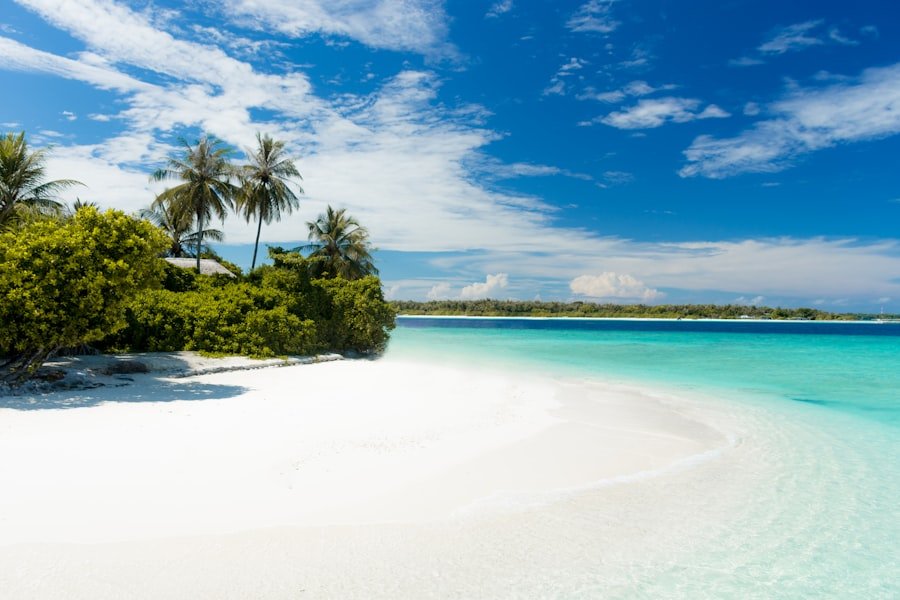
For a classic tropical beach vacation, the dry season from December to April is ideal. World-renowned coastal spots like Flamenco Beach on Culebra Island, Luquillo Beach, and Crash Boat Beach in Rincón experience warm, reliable weather with clear skies during these months.
Ocean conditions along the southern and eastern coasts remain tranquil, making them optimal for swimming, paddleboarding, and family outings. Coastal kiosks, such as the famous Kioskos de Luquillo, stay fully operational, offering authentic local street food right along the shoreline.
Best Time to Travel for Adventure Seekers
While the dry season is optimal for hiking and ziplining, wave-seekers and surf enthusiasts will find winter months (December through March) best for big swells along the northwest coast near Rincón and Isabela.
Conversely, scuba divers often prefer late spring or mid-summer when coastal waters are warm and underwater clarity reaches peak visibility outside of rainy storm days. Adventure lovers should align their specific interests with seasonal conditions:
- Surfing: November to March (best winter swells along the northwest coast).
- Hiking & Ziplining: December to April (dry trails and comfortable forest temperatures).
- Scuba Diving: April to July (warm waters and excellent visibility).
Conclusion and Final Tips for Traveling to Puerto Rico
Puerto Rico offers diverse experiences tailored to different travel preferences throughout the year. Whether you seek outdoor adventures, cultural celebrations, budget savings, or beach relaxation, understanding seasonal weather patterns ensures a successful trip. For comprehensive travel updates and regional entry details, consult official tourism resources at Discover Puerto Rico.
Frequently Asked Questions
What is the overall best time to travel to Puerto Rico?
The best overall time to visit Puerto Rico is between December and April, when the weather is warm, dry, and sunny with comfortable humidity levels.
What is the weather like in Puerto Rico during peak season?
During peak season (December to April), daily high temperatures average between 75°F and 85°F. Rain is minimal, and humidity levels remain lower than during summer months.
Are there major festivals during the winter months?
Yes, key winter festivals include the San Sebastián Street Festival in Old San Juan (January) and the historic Ponce Carnival (February).
Is Puerto Rico crowded during the dry season?
Yes, December through April is peak tourist season. Popular beaches and attractions experience higher foot traffic, and accommodations should be booked several months in advance.
What are the downsides of visiting during the peak season?
Higher demand leads to elevated prices for flights, hotel stays, and rental cars, along with busier tourist sites and beaches.
Sources
- USDA Forest Service — El Yunque National Forest official visitor guidelines and trail reports
- NOAA National Hurricane Center — Atlantic basin seasonal hurricane forecasts and tropical weather data
- Discover Puerto Rico — Official tourism board for local events, cultural schedules, and regional travel advisories

1 Comment
Pingback: Are Vasque Hiking Boots Good For Your Outdoor Adventures?