
Last Updated on September 10, 2026 by Daniel Globe
Vasque has been associated with hiking footwear since 1964, when Red Wing Shoe Company launched the outdoor brand under the original “Voyaguer” name. Over the decades, Vasque became known for supportive hiking boots, leather backpacking models, waterproof footwear, and lighter trail shoes. The buying picture has changed, though: Red Wing announced plans to sunset the traditional Vasque outdoor business in 2024, while a limited selection of Vasque-branded footwear is still sold through Irish Setter in 2026.
Quick Answer
Yes, Vasque hiking boots can still be a good choice when the fit and model match your terrain. However, the buying picture changed after Red Wing announced the Vasque sunset in 2024. In July 2026, a limited selection of Vasque-branded boots and shoes is still sold through Irish Setter, with model-specific waterproofing, cushioning, and outsoles.
Key Takeaways
- Vasque still has branded hiking footwear listed through Irish Setter, but the range is smaller and different from the older Vasque lineup.
- Construction varies by model: the current St. Elias uses GORE-TEX and Vibram Megagrip, while the current Breeze uses VasqueDry waterproofing and a Vasque Trail Strider outsole.
- Vasque remains strongest for hikers who value structured support, durable uppers, waterproof options, and traditional hiking-boot construction.
- Fit matters more than the brand name. Check length, width, toe room, heel hold, socks, and the individual model before committing to a long hike.
- Older Breeze AT, Talus XT GTX, Saga GTX, and other discontinued models may still be available, but their specifications and support should not be confused with the current lineup.
Disclosure: As an Amazon Associate I earn from qualifying purchases. Some links on this page are affiliate links, at no extra cost to you.
Is Vasque Still Making Hiking Boots in 2026?
The answer requires some context. In October 2024, Red Wing Brands of America announced that it had decided to sunset the Vasque brand and its traditional outdoor business. The company cited changes in what outdoor consumers buy and how they shop. You can read the contemporary report quoting Red Wing’s announcement at SGB Media.
That announcement did not make Vasque-branded footwear disappear immediately. As of July 27, 2026, the old Vasque website redirects visitors to the official Irish Setter Hike Footwear section, which lists nine Vasque product results. The products shown there include versions of the St. Elias, Breeze, Juxt, and Horizon.
As of July 27, 2026, Vasque-branded hiking footwear is still officially listed for sale through Irish Setter, even though Red Wing previously announced the sunset of the standalone Vasque outdoor business.
For shoppers, that means the question is no longer simply whether Vasque made good hiking boots. It is also important to distinguish current Vasque-branded footwear from discontinued models that may still appear at retailers, clearance outlets, and secondhand marketplaces.
Durability and Quality of Vasque Hiking Boots
Durability has long been one of Vasque’s strengths, especially in its more substantial leather hiking boots. However, it is more accurate to judge construction model by model than to assume every Vasque boot uses the same materials.
For example, the current St. Elias G7244 uses 1.8–2.0 mm full-grain, oiled and waxed leather, a polyurethane footbed, a dual-density EVA midsole, and a Vibram Megagrip outsole. That construction favors protection and durability for hikers who prefer a more traditional, substantial boot.
The current Breeze G7752 takes a different approach. It combines waterproof nubuck leather with recycled polyester mesh, a dual-density EVA footbed, an Enduralast Bio EVA midsole, and a Vasque Trail Strider outsole. The result is a more mixed-material design rather than an all-leather backpacking boot.
The Juxt and Horizon also use different combinations of suede or nubuck, EVA cushioning, and proprietary Vasque outsoles. This variety is important because durability depends on the materials, terrain, mileage, maintenance, and individual construction of the model you buy.
Note: Do not assume every Vasque boot has full-grain leather, GORE-TEX, or a Vibram outsole. Current specifications vary substantially between models.
Comfort and Support of Vasque Hiking Boots
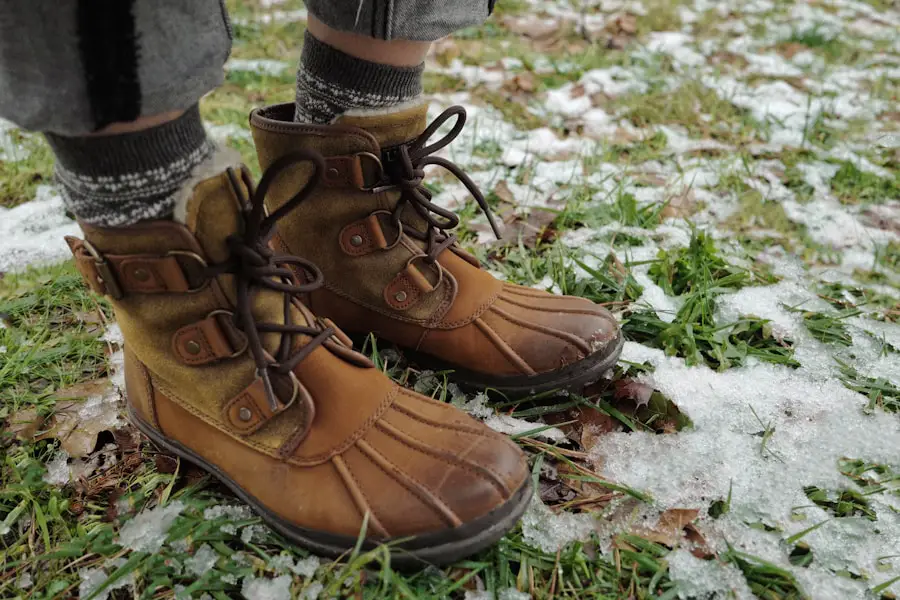
Vasque has offered everything from flexible hiking shoes to more structured backpacking boots, so the amount of cushioning and support differs across the range.
The current St. Elias uses a polyurethane footbed with a dual-density EVA midsole. The current Breeze uses a dual-density EVA footbed and Enduralast Bio EVA midsole. The Juxt combines a dual-density EVA footbed with a molded EVA midsole and TPU plate. Those components can provide cushioning and underfoot structure, but comfort still depends heavily on how the boot matches your foot.
A higher collar or stiffer platform can feel supportive on rough trails and when carrying a pack, but no boot can guarantee protection from ankle injuries, blisters, or hot spots. Poor sizing, heel movement, cramped toes, unsuitable socks, and excessive mileage before break-in can make even a well-built boot uncomfortable.
Pro Tip: Follow the same fit test recommended in REI’s hiking-boot guidance: the boot should feel snug but not tight, your toes should be able to wiggle, and there should be enough length that your toes do not strike the front on descents. Try boots with the socks and insoles you plan to hike in.
Fit and Break-In
There is no reliable rule that all Vasque hiking boots are “true to size.” Different lasts and constructions can create different amounts of heel room, midfoot volume, width, and toe-box space. Several current men’s listings offer both regular and wide options, but width labels alone do not guarantee the right fit.
Try hiking footwear later in the day when your feet may be slightly larger, wear your normal hiking socks, and walk on an incline if possible. Check for heel lifting, toe impact, pressure across the instep, and rubbing around the ankle.
More flexible shoes may need very little break-in. Heavier leather hiking boots can take considerably longer. REI recommends breaking hiking boots in gradually by wearing them around the house, then on short walks, and finally on increasingly longer hikes before committing to a major trip.
Traction and Grip of Vasque Hiking Boots
Traction depends on the outsole compound, lug design, trail surface, wear, mud, moisture, and hiking technique. For that reason, broad ratings such as “excellent” or “very high” are less useful than knowing which outsole a specific model actually uses.
| Current Model | Waterproofing | Midsole / Outsole | Good Match For |
|---|---|---|---|
| St. Elias G7244 | GORE-TEX Extended Comfort | Dual-density EVA / Vibram Megagrip | Rugged hiking, rough terrain, and hikers who prefer a substantial leather boot |
| Breeze G7752 | VasqueDry | Enduralast Bio EVA / Vasque Trail Strider | General trail hiking and hikers seeking a mixed leather-and-mesh design |
| Juxt 7000 | No waterproof membrane listed on the current specification page | Molded EVA with TPU plate / Vasque OTG | Local trails, camping, and lower-cut versatility |
| Horizon 7970 | VasqueDry | EVA midsole; outsole not specified on the current official tech-spec page | Lighter everyday hiking and outdoor-to-casual use |
The current St. Elias is the clearest example of a Vasque model using Vibram Megagrip, a compound designed for grip on wet and dry terrain. That does not mean every Vasque boot uses the same compound or will perform identically on wet rock, mud, loose soil, snow, or pavement.
What About the Breeze AT Mid GTX, Talus XT GTX, and Saga GTX?
The Breeze AT Mid GTX, Talus XT GTX, and Saga GTX are important parts of the older Vasque lineup, but they should be treated as legacy models rather than used to describe every current Vasque boot.
The older Breeze AT Mid GTX combined waterproof nubuck, a GORE-TEX membrane, an all-terrain midsole, a TPU shank, and a Vibram outsole with Megagrip compound. The Talus XT GTX also paired waterproof leather and GORE-TEX with a Vibram Mega Nuasi outsole using Megagrip. The Saga GTX was a backpacking-oriented design that also used Vibram Megagrip.
Those specifications explain why older reviews often praise Vasque traction, but buyers should verify the exact model number rather than assume a current Breeze or another Vasque boot uses the same construction.
Waterproofing and Breathability of Vasque Hiking Boots
Waterproofing is another area where the technology depends on the model. The current St. Elias uses GORE-TEX waterproof and breathable footwear technology. The current Breeze and Horizon use VasqueDry waterproofing instead. The current Juxt specification does not list a waterproof membrane.
GORE-TEX footwear is designed to block liquid water while allowing water vapor to move outward. That is useful in rain, wet vegetation, mud, and shallow water crossings, but waterproof footwear still has limits. Water can enter over the collar, and a wet exterior can reduce the feeling of breathability.
There is also a real comfort tradeoff. Waterproof hiking boots are generally warmer and less ventilated than highly breathable, non-waterproof hiking shoes. Hikers in hot, dry environments may prefer ventilation and fast drying, while hikers in persistent rain, mud, slush, or wet vegetation may place a higher value on waterproof protection.
Warning: Waterproof membranes and high-traction rubber do not make a boot slip-proof or guarantee dry feet in every situation. Water can enter over the cuff, worn tread reduces grip, and wet rock, ice, mud, roots, and loose ground can still be slippery.
Versatility and Performance of Vasque Hiking Boots
Adaptable Design
Vasque’s current offerings cover more than one type of hiker. The St. Elias is the most traditional option among the current listings, with full-grain leather, GORE-TEX, and a Vibram outsole. The Breeze uses mixed materials and VasqueDry waterproofing, while the Juxt is a lower-cut hiking shoe. The Horizon is positioned as an athletic-inspired, everyday waterproof hiker.
This variety matters because a boot that feels ideal under a heavier pack on rough ground may feel excessive for a short, smooth trail. Likewise, a lightweight shoe that feels comfortable for an easy day hike may not provide the structure someone wants for rocky terrain and a loaded backpack.
Exceptional Performance
Performance should be matched to the task rather than judged by the Vasque name alone. A stiff platform, durable leather, and protective upper can be useful on rough trails but add weight. Softer EVA cushioning and more flexible construction can feel easier during casual hikes but may provide less of the firm underfoot feel preferred by some backpackers.
The current St. Elias is a good example of the traditional approach. Independent testing of an earlier St. Elias generation praised its support, protection, waterproofing, and durability while criticizing its weight and reduced breathability. That is a useful reminder that even a strong-performing hiking boot can have meaningful tradeoffs.
Customized Experience
The best Vasque model is therefore the one that fits your foot and matches your trail conditions. Consider your pack weight, terrain, climate, preferred flexibility, waterproofing needs, and how much boot weight you are willing to carry.
Pros and Cons of Vasque Hiking Boots
Strengths
- Durable material options: Current models include substantial full-grain leather, waterproof nubuck, suede, mesh, and protective underfoot structures.
- Waterproof choices: Buyers can choose between GORE-TEX and VasqueDry-equipped models.
- Structured options: Models such as the St. Elias suit hikers who prefer a traditional, protective hiking boot.
- Different hiking formats: The current range includes mid-height boots and lower-cut hiking shoes.
- Current Red Wing support: Vasque-branded footwear remains covered by a published Red Wing limited warranty when its conditions are met.
Tradeoffs
- The product line is in transition: Older reviews frequently discuss models or generations that are no longer part of the current official selection.
- Technology is inconsistent across models: A current Breeze is not constructed like an older Breeze AT GTX, for example.
- Heavier models may feel excessive: Leather backpacking boots can provide structure and protection at the cost of weight and ventilation.
- Fit varies: A model that works well for one hiker’s heel, instep, or toe shape may fit another hiker poorly.
- Legacy availability can be confusing: Clearance and secondhand listings may mix old and current specifications.
How to Choose the Right Vasque Hiking Boot
- Start with your terrain. Smooth local trails need less structure than rocky, steep, or heavily rooted routes.
- Consider your load. If you regularly carry a heavier backpack, you may prefer a firmer and more protective boot such as the St. Elias.
- Decide whether you need waterproofing. Waterproof boots can be valuable in wet climates but tend to run warmer than highly breathable non-waterproof footwear.
- Check the exact model specifications. Do not assume every Vasque boot uses GORE-TEX, Vibram, leather, or the same midsole.
- Prioritize fit over reputation. Check toe room, heel hold, width, foot volume, and pressure points while wearing your normal hiking socks.
- Break the boots in before a major trip. Increase walking distance and pack weight gradually rather than wearing a new pair for the first time on a long trek.
Customer Reviews and Feedback on Vasque Hiking Boots
Customer feedback on Vasque boots is best interpreted model by model. Older Vasque products developed loyal followings, but that does not mean every generation has the same shape, weight, materials, or durability.
For example, independent testing of an earlier St. Elias praised its structure, support, foot protection, water resistance, and durability but identified its weight and lower breathability as drawbacks. Retailer reviews of legacy models such as the Talus XT GTX also show that experiences vary substantially between wearers.
Fit explains some of these differences. A boot may feel exceptionally supportive to someone whose foot matches the last but create heel movement, toe pressure, or hot spots for someone with a different foot shape. Reviews are therefore most useful when the reviewer describes foot width, terrain, mileage, pack weight, climate, and the exact model being tested.
The safest conclusion is not that Vasque boots receive universally positive or negative reviews. It is that several Vasque designs have earned strong reputations for structure, durability, waterproofing, and trail protection while also receiving criticism for weight, warmth, stiffness, and model-specific fit.
Warranty, Availability, and Buying Older Vasque Boots
Red Wing currently publishes a limited warranty for Vasque-branded footwear. The policy states that Vasque products are covered against defects in workmanship and materials for 12 months from purchase when the defect occurs during normal use. The warranty applies to the original purchaser, is not transferable, and requires the original receipt.
That is particularly important now because buyers may encounter a mixture of current inventory, clearance merchandise, old stock, and used Vasque footwear.
Warning: Be more cautious with secondhand or long-stored legacy boots. Check for sole separation, cracking, hardened outsole rubber, damaged waterproof liners, compressed cushioning, missing receipts, and other signs of age or storage damage before relying on them for a long or remote hike.
Buying an older Vasque model can still make sense if you already know that particular model fits you well and the footwear is in good condition. However, buying solely because an older boot carries the Vasque name is less sensible than verifying its exact construction, condition, return policy, and warranty status.
Are Vasque Hiking Boots Good for Your Outdoor Adventures?
Vasque hiking boots can still be good footwear, particularly for hikers who prefer structured support, durable uppers, waterproof choices, and a more traditional hiking-boot feel. The current St. Elias is the strongest example of that approach, while the Breeze offers a different mix of waterproof nubuck, mesh, EVA cushioning, and a proprietary outsole. The Juxt and Horizon serve lighter or more casual hiking roles.
The key is to avoid judging every Vasque boot by the specifications or reputation of an older model. The current product range differs from the Breeze AT, Talus XT GTX, Saga GTX, and other legacy designs that appear throughout older reviews.
For a current purchase, check the official specification page, make sure the boot fits with your hiking socks, consider the terrain and climate where you hike, and give structured models enough time to break in. When those factors line up, a current Vasque boot can still be a reliable choice for outdoor use.
If you are considering purchasing a pair of Vasque hiking boots for a trip, you may also be interested in reading about the best time to travel to Puerto Rico in this seasonal guide. Matching your footwear to the season and expected trail conditions can help you plan more comfortably.
Frequently Asked Questions
What are Vasque hiking boots?
Vasque hiking boots are outdoor footwear originally developed by Red Wing Shoe Company for hiking, backpacking, and related trail use. Vasque launched in 1964, originally under the Voyaguer name. Current Vasque-branded footwear is listed through Irish Setter.
Are Vasque hiking boots good for hiking?
Yes, several Vasque models can be good hiking footwear. Their strengths can include durable uppers, supportive midsoles, waterproof options, and trail-oriented outsoles. The best choice depends on the exact model, your foot shape, terrain, weather, pack weight, and preferred boot weight.
Is Vasque still in business in 2026?
Red Wing announced in 2024 that it would sunset the traditional Vasque outdoor business. However, as of July 27, 2026, the Vasque website redirects to Irish Setter, where a limited range of Vasque-branded hiking boots and shoes remains officially listed for sale.
What features do Vasque hiking boots have?
Features vary by model. Current examples include GORE-TEX or VasqueDry waterproofing, EVA midsoles and footbeds, full-grain or nubuck leather, suede and mesh uppers, TPU support components, Vibram Megagrip on the St. Elias, and proprietary Vasque outsoles on models such as the Breeze and Juxt.
Are Vasque hiking boots true to size?
There is no universal true-to-size rule for every Vasque model. Foot length, width, instep volume, socks, insoles, and the model’s last all affect fit. A hiking boot should feel snug without squeezing, leave room for your toes, hold your heel securely, and prevent your toes from hitting the front on descents.
Do Vasque hiking boots need to be broken in?
It depends on the model. Flexible hiking shoes may need little break-in, while substantial leather boots can require more time. Wear new boots on short walks and hikes first, then gradually increase distance and pack weight before using them on a long trip.
How do Vasque hiking boots compare with other brands?
Vasque has traditionally competed through durable trail construction, supportive boots, waterproof options, and leather models such as the St. Elias. Other brands may offer lighter, more breathable, wider, softer, or more aggressively technical alternatives. Fit and intended use are more important than choosing a brand based on reputation alone.
Sources
- Red Wing Shoe Company — History — verifies the 1964 launch of the Vasque brand under the Voyaguer name.
- Irish Setter — Vasque Hike Footwear — current official Vasque-branded product availability and model listings.
- Irish Setter / Red Wing — Warranty Policy — current warranty terms for Vasque-branded footwear.
- GORE-TEX — Footwear Technology — waterproof and breathable membrane information.
- REI Co-op — How to Choose Hiking Boots and Shoes — footwear fit, terrain, support, and waterproof-versus-breathability guidance.
- SGB Media — Red Wing Vasque Announcement — documents Red Wing’s October 2024 decision to sunset the traditional Vasque outdoor business.
