
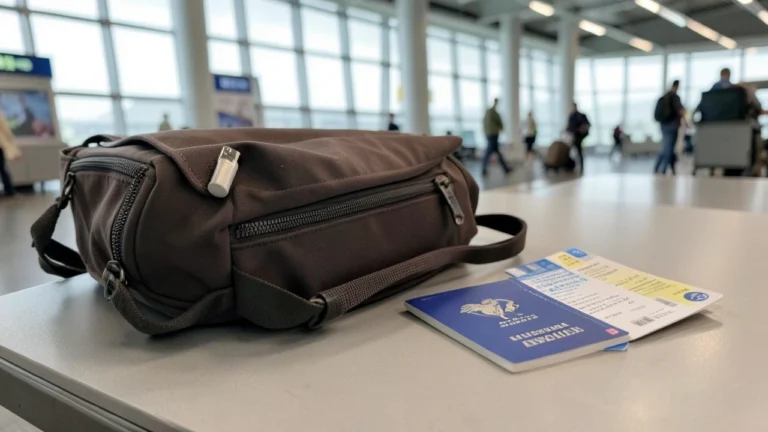
Smokers, campers and candle lovers often ask can you bring a lighter on a plane. In most cases you can, but the type of lighter matters more than the airline. A standard disposable or refillable pocket lighter is usually allowed, while torch and blue-flame lighters are banned outright. Lighter fluid is also restricted.
Below you will find what TSA and the FAA permit, how many lighters you can carry, how to handle camping lighters and matches, and what changes when you fly abroad.
Quick Answer
Yes, you can usually bring one standard lighter, such as a disposable or Zippo-style pocket lighter, on a plane, carried on your person or in your carry-on. Torch and blue-flame lighters are not allowed. Lighter fluid and fuel are not permitted in the cabin.
Key Takeaways
- One common pocket lighter is the normal limit, carried with you rather than in checked baggage.
- Torch and blue-flame lighters are prohibited in both carry-on and checked bags.
- Lighter fluid, butane refills and similar fuels are not allowed in the cabin.
- Electric arc lighters have a battery and must follow lithium battery rules.
- Rules at foreign airports can be stricter, so check before an international flight.
What TSA and the FAA Allow
Federal rules separate lighters into two groups. Ordinary lighters that use a small amount of liquid or gas fuel, such as a Bic, are permitted for passengers to carry through security. The FAA’s guidance is that a passenger may carry one lighter on their person, and that lighters should not go in checked baggage unless they are properly contained as TSA directs.
Torch lighters, which produce a hot blue flame that can burn through packaging, are classed as dangerous goods and cannot be taken on the plane in either carry-on or checked bags. If an officer is unsure about your lighter, expect it to be tested or surrendered.
Lighter Types at a Glance
| Lighter type | Carry-on | Checked bag |
|---|---|---|
| Disposable (Bic style) | Allowed, one per person | Avoid; carry on you |
| Refillable pocket (Zippo style) | Allowed if fuel-free or sealed | Follow TSA packaging rules |
| Torch or blue-flame | Not allowed | Not allowed |
| Electric arc or USB lighter | Allowed, battery rules apply | Not allowed (battery) |
| Lighter fluid or butane | Not allowed | Not allowed |
| Safety matches (one book) | Allowed on person | Not allowed |
Rules at individual airports and airlines occasionally differ in the details, so treat the table as a guide and confirm with the TSA What Can I Bring? page for your exact lighter.
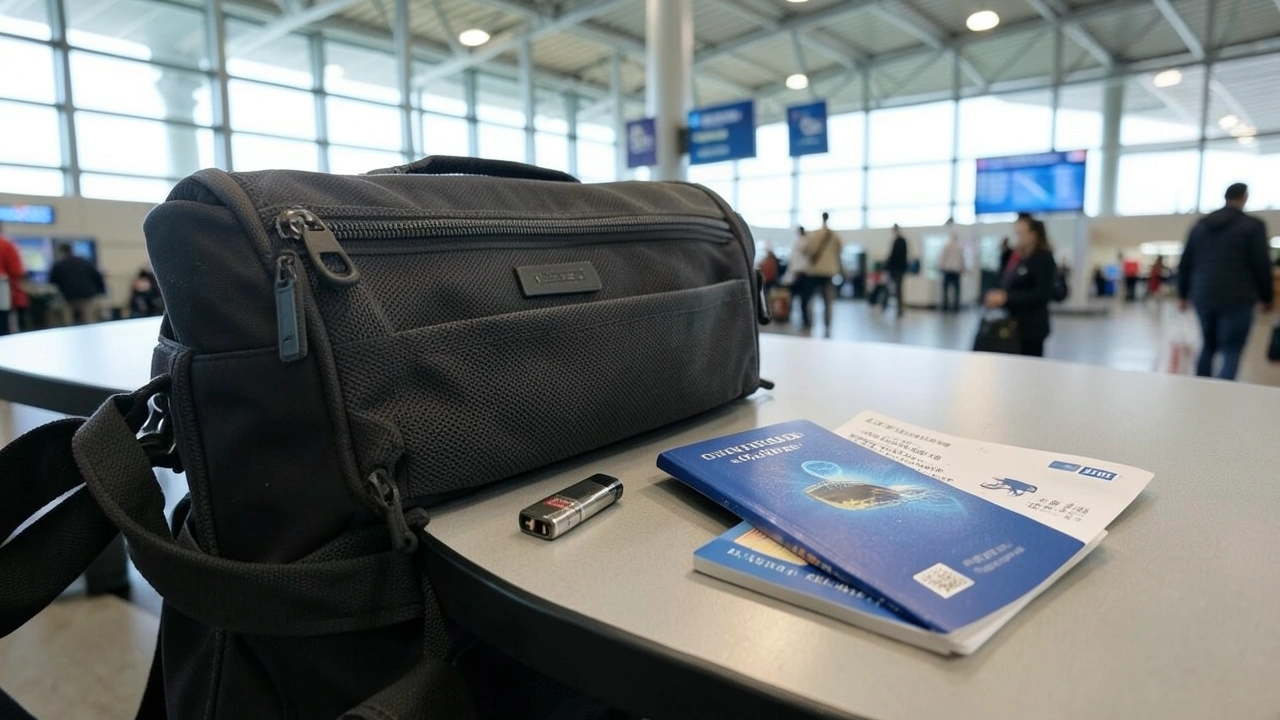
How to Pack a Lighter for a Flight
Keep the lighter in a pocket or in an easy-to-reach part of your carry-on, because officers often ask to see it. Do not tuck it inside a checked bag expecting it to be fine. If a checked lighter is spotted on the scanner, the bag can be opened, delayed or the lighter taken.
- Take only one lighter; extras can be left at home or bought at the destination.
- Empty fluid from refillable models and ship fuel separately if you need it.
- Use a lighter with a child lock or put it in a zip bag so it cannot be pressed in your pocket.
- Pack a camping lighter in your carry-on only if it is a normal, non-torch design.
If you are preparing for a trip that mixes flying with camping, see our guide on the best camping lighters for travel-friendly options.
Electric and USB Lighters
Plasma and arc lighters have no flame fuel, which makes them attractive for travel. They do contain lithium batteries, so they follow the same rule as other battery gadgets: carry them in the cabin, not in checked bags. Many of them also have a fire-safety lock, and officers may ask you to demonstrate that the lighter cannot fire by accident.
Do not charge an electric lighter on the aircraft. Airlines handle overheating batteries as a serious safety event.
Flying Internationally With a Lighter
Other countries apply their own limits. Some airports allow only one lighter per person, others ban lighters at the gate entirely, and a few countries require you to leave all lighters in a sealed bag at check-in. Connecting flights add another layer because you may be re-screened under different rules.
Before you travel abroad, read the airline’s dangerous goods page and the government aviation site for your departure and transit airports. Our security screening tips help you keep your carry-on tidy at the checkpoint.
Frequently Asked Questions
Can you bring a lighter in your carry-on?
Yes. A standard pocket lighter can go in your carry-on or in your pocket. Torch lighters and lighter fluid are not allowed.
Can you put a lighter in checked luggage?
Generally not recommended. FAA guidance is that lighters should travel with you, and TSA allows checked lighters only when properly packaged in an approved case. Torch lighters are never allowed.
How many lighters can you bring on a plane?
Plan on one. Federal guidance is built around one lighter per passenger, and extra lighters can be confiscated.
Can you bring a Zippo on a plane?
A Zippo-style lighter is allowed as a regular lighter, but lighter fluid is not. Empty it before you fly or leave the fuel at home.
Are matches allowed on a plane?
One book of safety matches is allowed on your person. Strike-anywhere matches are prohibited.
Conclusion
So, can you bring a lighter on a plane? One ordinary lighter on your person is the safe answer, and a torch lighter or a bottle of fuel is not. When in doubt, leave the extra lighter behind and check the TSA item page before you pack.
Keep Reading
- Can You Bring a Vape on a Plane? TSA Rules Explained: The related rules for vape pens and batteries
- How to Pack Liquids for Flights 2026: TSA Rule Guide: Liquids rules that apply to lighter fluid and toiletries
- Best Camping Lighters of 2026: Compact camping lighters worth packing
- TSA Rules for Backpacks: Quick Guide & Helpful Tips: Backpack and carry-on screening basics
Sources
- TSA: Accepted identification at airport checkpoints
