Last Updated on July 24, 2026 by Daniel Globe
Washington State can feel like several destinations in one. The Pacific coast, Puget Sound, Cascade Mountains, San Juan Islands, and dry eastern valleys all follow different weather patterns. For most travelers, July through September offers the easiest access, but the best month depends on whether you want tulips, high trails, fall larches, quiet coastal towns, or deep mountain snow.
Quick Answer
July through September is the best overall time to visit Washington State for hiking, islands, camping, and national parks. Choose late March through April for tulips, late September through early October for golden larches, and December through March for skiing and snowshoeing. Always check current smoke, road, and trail conditions.
The main trade-off is simple: summer gives you the widest access but also the largest crowds, while spring and fall offer quieter travel with less predictable mountain conditions. Winter is rewarding for snow sports and city breaks, although Cascade travel requires extra preparation.
Key Takeaways
- July through September provides the best odds of open mountain roads, snow-free trails, mild island weather, and long days.
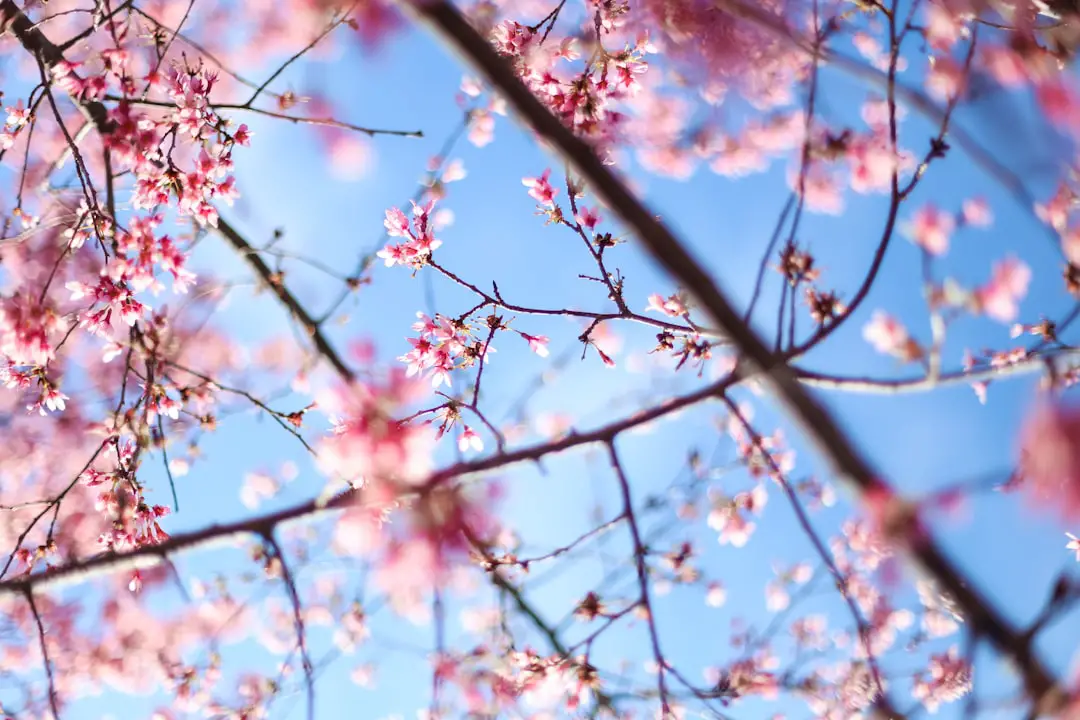
- Late March through April is best for Skagit Valley tulips, lowland blossoms, and strong waterfall flow, but bloom timing changes every year.
- Late September through early October is the core window for high-country larches, cooler hiking, and harvest-season trips.
- December through March suits skiing, snowshoeing, storm watching, and winter city breaks.
- July through September can also bring heat and wildfire smoke, especially east of the Cascades, so check air quality and fire restrictions before outdoor trips.
Disclosure: As an Amazon Associate I earn from qualifying purchases. Some links on this page are affiliate links, at no extra cost to you.
Best Time to Visit Washington State by Season
| When | Best for | What to expect |
|---|---|---|
| March–May | Tulips, waterfalls, city breaks, lower-elevation walks | Frequent west-side rain and deep snow on many high trails |
| June | Long days, lower trails, islands, lighter crowds | Some high roads and trails may still have snow |
| July–September | Mountain hiking, camping, national parks, lakes, islands | Peak demand, busy trailheads, possible heat and wildfire smoke |
| Late September–October | Larches, fall color, wine country, harvest trips | Shorter days, variable rain, and possible early mountain snow |
| November–March | Skiing, snowshoeing, storm watching, city getaways | Wet west-side weather and rapidly changing mountain travel |
How Washington’s Regions Change the Best Time to Visit
The Cascade Mountains divide Washington into two very different travel climates. Western Washington has a milder, wetter marine climate, while eastern Washington is generally drier, hotter in summer, and colder in winter. Elevation creates another layer of variation, so conditions in Seattle may tell you little about a trail near Mount Rainier or North Cascades National Park.
You can review the broader regional patterns through the Washington State Climate Office.
A sunny forecast in Seattle does not guarantee a snow-free Cascade trail, and cool weather near Puget Sound does not mean eastern Washington will be cool.
| Region | Best general window | Why go then |
|---|---|---|
| Seattle and Puget Sound | May–September | Longer days and more dependable outdoor weather |
| Olympic Peninsula and Pacific coast | July–September for hiking; November–March for storm watching | Drier summer travel or dramatic winter coastal weather |
| Cascade Mountains and national parks | July–September | The greatest access to high trails and seasonal roads |
| San Juan Islands | May–September | Good conditions for kayaking, cycling, walking, and ferry travel |
| Eastern Washington and wine country | April–June and September–October | Comfortable temperatures and fewer midsummer heat concerns |
Spring in Washington: March to May
Tulips and Lowland Blooms
The Skagit Valley Tulip Festival schedules its main festival season for April, but the flowers do not follow an exact calendar. Warm conditions can bring early blooms in March, while cool weather can delay peak color. Check the official bloom information shortly before your visit and leave room to adjust your plans.
View current Skagit Valley Tulip Festival dates and events.
Note: April is the safest general month for a tulip trip, but late March may be better in an unusually warm year. Garden opening dates and field conditions can differ.
Waterfalls and Lower-Elevation Trails
Spring rain and melting mountain snow often create strong waterfall flow. Snoqualmie Falls, approximately 268 feet high, offers upper and lower viewpoints and is an easy day trip from Seattle. Stay on marked paths and obey closures near fast-moving water.
Check official Snoqualmie Falls trail information.
Spring also works well for Seattle, Tacoma, Spokane, and lower-elevation state parks. Mountain trails are a different story. Snow can remain deep well into summer, and some roads, visitor centers, campgrounds, and trailheads will still be closed.
Summer in Washington: June to September
Hiking, Lakes, and Islands
Summer is the easiest season for combining several parts of Washington in one trip. You can hike, camp, kayak, visit lakes, explore the San Juan Islands, and travel between the west and east sides of the Cascades with fewer weather-related disruptions.
June brings long days and somewhat lighter crowds, but it is not always true summer in the mountains. High-elevation snow can remain into July, and trails may be muddy, flooded, or difficult to follow. July through September is more dependable for high-country hiking.
Pro Tip: Vehicle reservations are available and recommended for the Anacortes–San Juan Islands and Port Townsend–Coupeville ferry routes. Walk-on passengers and cyclists can usually travel without a vehicle reservation, but they should still check schedules and service alerts.
Review Washington State Ferries travel forecasts and reservation guidance.
Mount Rainier Wildflower Season
Mount Rainier’s subalpine wildflowers are highly dependent on snowmelt and summer temperatures. In most years, many flowers are blooming by mid-July, and meadows can be especially impressive around late July and early August.
Check the current Mount Rainier wildflower report.
Note: Mount Rainier does not require timed-entry reservations in 2026. Campgrounds, lodging, wilderness trips, and some other activities may still require reservations or permits, and popular parking areas can fill early.
Wildfire Smoke, Heat, and Burn Restrictions
Summer provides the broadest access, but it can also bring wildfire smoke and extreme heat. Smoke season most often affects July through September, although it can begin earlier or continue into October. Conditions can change from one valley to the next and may shift within a day.
Before a long hike, check the Washington Department of Health air-quality resources, park alerts, and local fire restrictions. Carry a backup plan for an indoor attraction, lower-intensity activity, or unaffected region.
Warning: Avoid strenuous outdoor exercise when smoke pushes air quality into unhealthy levels. Smoke can also reduce road visibility and cause trail, campground, or fire closures.
Fall in Washington: September to November
Fall Color and Golden Larches
Early fall can bring clear skies, cool mornings, and comfortable hiking temperatures. The core high-country larch window is usually late September through early October, although elevation, weather, wind, and overnight freezes can shift the timing.
| Area | Typical window | Highlights |
|---|---|---|
| North Cascades high country | Late September–early October | Subalpine larches and mountain views |
| Alpine Lakes and Leavenworth area | Late September–mid-October | Larch hikes, lakes, and changing shrubs |
| Walla Walla and Yakima Valley | September–October | Harvest activity, vineyards, and cooler days |
| Columbia River Gorge, Washington side | October | Maples, waterfalls, and river views |
Popular larch trailheads can be as crowded as midsummer destinations. Start early, park only in legal spaces, and choose a backup hike in case the first lot is full. Check recent trail reports because early snow can arrive before fall color has finished.
Harvest Season and Fall Events
September and October are strong months for eastern Washington wine country, farmers markets, harvest events, and scenic drives. Temperatures are often more comfortable than in July or August, although evenings cool quickly.
Event dates change each year, so verify them through official tourism or event calendars before booking nonrefundable travel.
Winter in Washington: December to March
Skiing and Snowboarding
Winter is prime time for Cascade snow sports. Major ski areas include Crystal Mountain, Stevens Pass, The Summit at Snoqualmie, and Mount Baker. Snow quality, opening dates, lift operations, and road conditions vary, so check the resort and highway reports before leaving.
For a holiday atmosphere, Leavenworth’s Village of Lights is scheduled to run from November 26, 2026, through February 28, 2027. Future schedules may change, so confirm the dates on the official Leavenworth event page.
Warning: Mountain pass conditions can change within hours. Check current restrictions before every Cascade drive, carry chains or an approved alternative traction device, and know how to install them. Cancel or delay nonessential travel during severe storms.
Check current Washington mountain-pass conditions.
Snowshoeing and Nordic Trails
Groomed Nordic routes and designated snowshoe areas offer a quieter alternative to downhill resorts. Before entering avalanche terrain, check the forecast, carry the correct safety equipment, and choose a route that matches your training.
Hurricane Ridge in Olympic National Park can provide winter snowshoeing and skiing, but it is not a guaranteed daily-access destination. The road is generally scheduled for selected winter days, weather permitting, and every vehicle must carry chains. Visitors should also prepare for limited indoor services, food, water, and warming space.
Review current Hurricane Ridge winter operations.
Seasonal Mountain-Road Closures
Some mountain highways close for months. State Route 20 through the North Cascades commonly closes in late fall because of snow and avalanche danger and generally reopens in April or early May. Other roads may open much later depending on elevation and snowpack.
Crowds, Costs, and Reservation Timing
July and August bring the highest demand around national parks, islands, campgrounds, and well-known trailheads. September can offer a better balance of open trails and lighter family-travel crowds, especially after major holiday weekends.
- Washington State Parks: Reservations can generally be made up to nine months before the first day of a trip. Popular summer weekends may fill soon after their booking window opens.
- Washington State Ferries: Vehicle reservations apply only to selected routes and may be released in several batches. A ferry ticket alone does not reserve a vehicle space.
- National parks: Day-use, campground, wilderness, climbing, and lodging rules differ by park and can change from year to year.
- Hotels and cabins: Lodging near Mount Rainier, Olympic National Park, Leavenworth, and the San Juan Islands often has less availability during summer and major event weekends.
Review Washington State Parks reservation windows and rules.
Pro Tip: For lower demand, consider May, early June, late September, or October. You may find quieter roads and more lodging choices, but mountain access is less predictable than in peak summer.
Where to Go in Washington at Any Time of Year
Seattle works as a year-round base because museums, markets, restaurants, ferries, and many nearby attractions remain available in every season. Expect the best outdoor weather from late spring through early fall and wetter, shorter days in winter.
Coastal towns and Olympic Peninsula rainforests are also open throughout much of the year. Summer is easier for hiking and camping, while winter attracts storm watchers. Spring and fall provide quieter visits but bring a greater chance of heavy rain, wind, flooding, and road closures.
The San Juan Islands are busiest in summer. Spring and fall can feel calm and scenic if you pack for cool wind and rain and confirm ferry service before traveling.
Warning: On the Olympic coast, carry a tide table and know when headlands or beach routes become impassable. Stay away from floating or rolling beach logs and never turn your back on large waves.
Read Olympic National Park’s tide and coastal-safety guidance.
What to Pack for Each Season
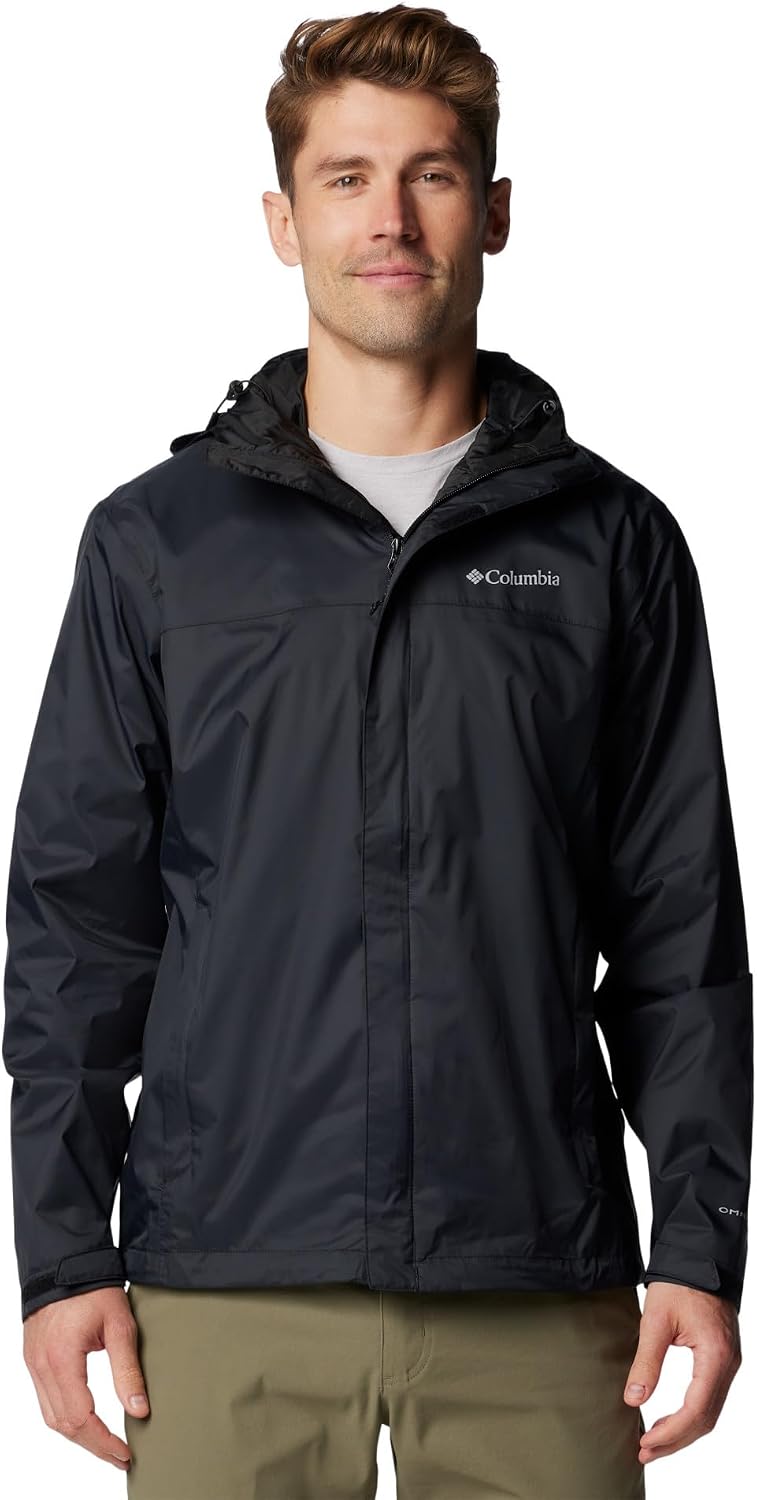
- Spring: Wear layers and bring a waterproof jacket, waterproof shoes, and a dry bag for electronics. Carry traction equipment if you will cross a mountain pass.
- Summer: Pack sun protection, extra water, rain protection, and an air-quality backup plan. Bring warm layers for high elevations even when the lowlands are hot.
- Fall: Carry a headlamp because daylight shortens quickly. Pack gloves, a warm layer, rain gear, and traction suitable for possible early snow.
- Winter: Carry chains, warm clothing, blankets, food, water, a phone charger, and basic emergency supplies for mountain drives.
Gear Tips for Backpackers and Campers
If you camp or backpack, carry enough battery capacity for navigation and emergency communication. A small power bank is usually more dependable under tree cover, while a solar charger may help on long, exposed trips with enough daylight. See our guide to choosing a solar charger for backpacking.
Do not depend on a phone as your only navigation tool. Download maps before leaving service areas, carry a physical backup when appropriate, and protect electronics from rain and cold.
Frequently Asked Questions
What is the best time to visit Washington State for outdoor activities?
July through September is usually best for outdoor activities because more mountain roads, campgrounds, and high-elevation trails are accessible. July and August offer the most dependable access, while September often brings cooler weather and somewhat lighter crowds.
When is the best time to see tulips in Washington?
April is the main festival month in the Skagit Valley, but bloom timing depends on the weather. Tulips may begin opening in March during a warm year or peak later after a cool spring. Check the official bloom report before traveling.
When do Mount Rainier wildflowers peak?
Many wildflowers are usually blooming by mid-July, and the meadows can be especially impressive around late July and early August. Snowpack, temperature, and elevation cause the exact timing to change each year.
When is the best time for fall colors in Washington?
Late September through October is the main fall-color period. High-elevation larches often turn gold from late September through early October, while lower-elevation maples and other deciduous trees may color later in October.
Is winter a good time to visit Washington State?
Yes. Winter is good for skiing, snowshoeing, Leavenworth lights, city breaks, rainforest waterfalls, and Pacific storm watching. Mountain roads can close suddenly, so carry winter equipment and check official road reports before every trip.
How far in advance should I book a summer trip to Washington?
Book popular lodging and campsites when their reservation windows open. Washington State Parks generally accepts reservations up to nine months ahead. Ferry vehicle reservations use separate release schedules, while national-park permits and campgrounds follow their own rules.
Is June a good month to visit Washington?
June is good for cities, islands, waterfalls, long days, and lower-elevation hikes. It is less reliable for high mountain trails because snow can remain into July. Check each road and trail rather than assuming summer access.
When is a quieter or lower-cost time to visit Washington?
May, early June, late September, and October can have lighter demand than July and August. Winter can also be quieter in cities and coastal towns, although holiday periods and ski weekends may still be busy or expensive.
Do I need a reservation to visit Mount Rainier?
Mount Rainier does not require timed-entry reservations in 2026. You still need to pay the entrance fee or use a valid pass, and reservations or permits may be required for campgrounds, lodging, wilderness camping, climbing, and other activities.
Plan Your Washington State Visit
July through September gives most visitors the easiest access to Washington’s mountains, islands, lakes, and campgrounds. April is better for tulips and lowland spring scenery, while late September and early October bring cooler hiking weather, fall color, and golden larches. Winter is the right choice for snow sports, storm watching, and quieter city trips.
Choose your main activity first, then match it to the right region and elevation. Reserve limited lodging, campsites, permits, and ferry vehicle spaces through their official systems. Before every outdoor day, check the weather, trail status, road conditions, fire restrictions, air quality, and tide information that applies to your destination.
Sources
- Washington State Climate Office: Washington’s Climate: Regional differences between western and eastern Washington
- Skagit Valley Tulip Festival Events: Festival dates and current spring event information
- Mount Rainier National Park Wildflower Status: Typical bloom timing and current meadow reports
- Washington State Ferries Travel Guidance: Busy sailing periods and vehicle-reservation information
- Washington Department of Health Air-Quality Resources: Wildfire-smoke timing, forecasts, and health guidance
- Washington Mountain Pass Reports: Current restrictions, road conditions, and winter travel alerts