
Last Updated on July 28, 2026 by Daniel Globe
Japan is a year-round destination, but the best time to travel depends on what you want to experience. Spring brings cherry blossoms, summer is packed with festivals and fireworks, autumn offers colorful foliage and comfortable walking weather, and winter is ideal for skiing, snow festivals, hot springs, and seasonal food. Crowds, rainfall, regional climate, and holiday periods can be just as important as temperature when choosing your dates.
Quick Answer
For most first-time visitors, spring and autumn offer the easiest combination of comfortable weather and seasonal scenery. Choose late March through April for cherry blossoms in many major cities, October through November for autumn travel, January or February for skiing, and July or August for major festivals and summer activities.
Key Takeaways
- Cherry blossoms move across Japan from warmer southern areas toward northern Japan, so bloom dates vary by region and year.
- Summer is excellent for festivals, fireworks, beaches, and mountain trips, but much of Japan is hot and humid.
- Autumn combines cooler temperatures with fall foliage and is one of the easiest seasons for sightseeing, hiking, and cycling.
- Winter is best for powder snow, skiing, snow festivals, onsen, and winter food, especially in Hokkaido, Nagano, and Niigata.
- Golden Week, New Year, and the summer Obon period can bring heavier domestic travel and tighter accommodation availability.
- There is no single nationwide “off-season.” Crowds and prices vary by destination, weekday, weather, festival calendar, and activity.
There is no single best month for every Japan trip. The right dates depend on your destination, tolerance for crowds and weather, and the experiences you care about most.
Disclosure: As an Amazon Associate I earn from qualifying purchases. Some links on this page are affiliate links, at no extra cost to you.
Japan by Season at a Glance
| Season | Best For and What to Expect |
| Spring | Cherry blossoms, gardens, comfortable sightseeing, and hanami. Popular blossom areas can be crowded and expensive. |
| Summer | Festivals, fireworks, beaches, and high-elevation escapes. Expect heat, humidity, a rainy-season transition, and possible typhoon disruption later in summer. |
| Autumn | Fall foliage, hiking, cycling, temple visits, and comfortable city sightseeing. Peak foliage varies greatly by latitude and elevation. |
| Winter | Skiing, snowboarding, snow festivals, onsen, and seasonal food. Northern and mountain regions can receive heavy snow. |
Spring: Cherry Blossoms and Comfortable Sightseeing
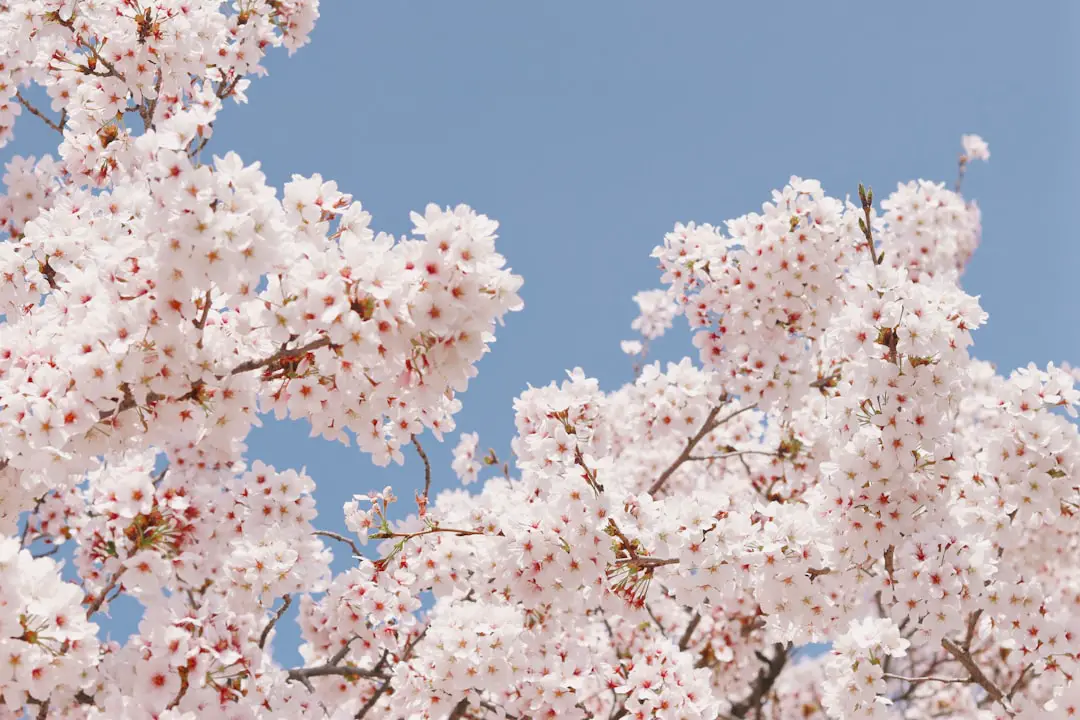
Spring is one of Japan’s most popular travel seasons, largely because of sakura. The timing is not fixed nationwide. According to the Japan National Tourism Organization’s cherry blossom forecast, blooming progresses from warmer parts of Japan toward Tohoku and Hokkaido, so the national viewing season can stretch from March into early May.
Somei Yoshino is among the country’s most common cherry varieties. Its pale blossoms create the familiar pink-and-white scenes associated with spring in cities such as Tokyo, Kyoto, Osaka, and Hiroshima. Farther north, travelers can continue finding blossoms weeks after petals have fallen in central Japan.
Hanami, or flower viewing, is a long-standing spring tradition. Families, friends, and coworkers gather beneath flowering trees to picnic, talk, and enjoy the brief bloom. Cherry blossoms are also often associated with impermanence in Japanese culture, an idea that complements the broader concept of mono no aware, or sensitivity to the passing nature of things.
Ueno Park in Tokyo and Maruyama Park in Kyoto are well-known blossom-viewing areas. During peak periods, parks can become busy social gathering places, especially on pleasant evenings and weekends.
Note: Do not plan a cherry-blossom trip around a fixed calendar date months in advance. Bloom timing changes with weather, location, and elevation. Check the current annual forecast shortly before your trip.
Pro Tip: If seeing sakura is your top priority, build some geographic flexibility into your itinerary. A train ride north or to a higher-elevation area can sometimes extend your chances of finding blossoms.
Spring demand can be high in famous sightseeing areas. Reserving popular hotels and long-distance transportation early is sensible, especially when your dates overlap peak blossom periods or Golden Week.
Summer: Festivals and Fireworks
Summer in Japan brings matsuri, fireworks, mountain trips, beaches, and long evenings outdoors. It also brings challenging weather. The Japan National Tourism Organization describes much of Japan’s summer as hot and humid, particularly across Honshu and Kyushu.
June often overlaps with the rainy season in much of the country, although timing varies by region. Okinawa generally enters the rainy period earlier, while Hokkaido is much less affected. By July, rainfall patterns begin changing in many areas as temperatures and humidity rise.
Summer Festivals: A Celebration of Tradition
Summer festivals, known as matsuri, take place throughout Japan and can include traditional music, dancing, shrine events, food stalls, processions, and decorated floats.
One of the most famous examples is Kyoto’s Gion Matsuri. The festival’s origins go back to 869, when a religious ritual was held in response to an epidemic. Today, events take place throughout July, and the best-known yamaboko float processions are held on July 17 and July 24.
A History Steeped in Tradition
The yamaboko are elaborate historic floats closely associated with Kyoto’s neighborhoods and festival culture. Rather than describing the present floats themselves as ninth-century objects, it is more accurate to trace the festival tradition back to 869 and recognize the float processions as part of its later development.
Festive Nights: Fireworks and Community
Fireworks festivals, or hanabi taikai, are another hallmark of Japanese summer. Families and groups gather near rivers, parks, and waterfronts to watch large displays while enjoying foods such as yakitori and shaved ice.
Tokyo’s Sumidagawa Fireworks Festival is one of the country’s best-known urban fireworks events. It is generally held on the last Saturday of July and draws very large crowds around Asakusa and the Sumida River.
Warning: Summer heat and humidity can be intense. Carry water, take cooling breaks, limit strenuous sightseeing during the hottest part of the day, and pay attention to local heat and severe-weather advisories.
Autumn: Stunning Fall Foliage
As summer gives way to autumn, Japan’s landscapes change from green to shades of red, orange, and gold. The timing varies by region, elevation, and yearly temperatures. The Japan National Tourism Organization’s foliage guidance shows that autumn color can begin in northern and high-elevation areas in late September or October and continue into early December in many southern or urban areas.
The phenomenon is commonly called koyo, while momijigari refers to going out to enjoy the changing leaves. For many travelers, the appeal of autumn goes beyond foliage: cooler temperatures can make long days of walking, temple visits, hiking, and cycling more comfortable than midsummer.
Popular destinations include Kyoto’s Arashiyama district and Nikko National Park. Nikko’s varied elevations mean foliage changes at different times across its lakes, waterfalls, forests, and temple areas.
Temples, shrines, gardens, and historic districts can be especially photogenic when seasonal leaves frame traditional architecture. Some destinations also offer evening illuminations, although dates and admission rules should always be checked with the individual venue.
Winter: Skiing, Snow Festivals, and Onsen
Winter gives Japan a different character. Northern regions and mountain areas receive substantial snowfall, while many large Pacific-side cities remain comparatively dry. Travelers can combine snow sports with hot springs, winter food, illuminations, and seasonal festivals.
The official JNTO skiing guide says Japan’s ski season generally runs from December into April, depending on resort and location, with January and February offering the most consistently snowy conditions in many major ski areas.
| Japan Winter Destination | Why Visit |
| Hokkaido | Niseko, Furano, and other resorts are known for powder snow. Sapporo also hosts its major snow festival in early February. |
| Nagano | Hakuba and other mountain areas combine skiing, alpine scenery, hot springs, and relatively convenient access from central Honshu. |
| Niigata | Areas such as Echigo-Yuzawa and Myoko offer skiing and snowboarding, with several options accessible from Tokyo by rail. |
Beyond skiing and snowboarding, travelers can try snowshoeing and other resort-based snow activities where offered. Japan’s hot springs are particularly appealing after a cold day outdoors, while dishes such as nabe hot pot and ramen provide a warming end to winter sightseeing.
The Sapporo Snow Festival is one of Japan’s best-known winter events. Held in early February, it features large snow and ice sculptures and attracts around two million visitors in a typical festival week.
Off-Peak Seasons: Avoiding Crowds and Saving Money
Japan does not have one universal off-season. A quiet period in Tokyo may be peak season at a ski resort, while a rainy month that discourages city sightseeing may still work well for indoor cultural activities.
JNTO identifies June’s rainy season and some January and February weekdays as relatively quieter periods, but there are important exceptions. New Year is a major domestic holiday, ski destinations can be busy in midwinter, and Sapporo becomes crowded during its snow festival.
The second half of May can also be appealing because it follows the Golden Week rush and comes before the height of summer in much of the country. Late autumn can be pleasant, but famous foliage destinations may still be crowded while leaves are at their best.
Accommodation rates can sometimes be lower when local demand drops, but savings vary by city, hotel, weekday, festival, and booking date. Transportation products do not automatically become cheaper just because tourist demand is lower.
Note: The nationwide JAPAN RAIL PASS is priced by validity period and travel class rather than by a seasonal “off-peak” rate. Compare the pass against individual rail fares for your actual itinerary before purchasing.
Pro Tip: For fewer crowds without giving up comfortable weather, consider weekdays in the second half of May or destinations outside the most famous cherry-blossom and foliage corridors. Always check local festivals before assuming a date will be quiet.
Golden Week: Japan’s Busiest Travel Period
Golden Week is one of Japan’s major domestic travel periods. It centers on a cluster of national holidays from late April into early May, including Showa Day on April 29, Constitution Memorial Day on May 3, Greenery Day on May 4, and Children’s Day on May 5.
Because many residents use the holiday period for vacations and family travel, trains, airports, highways, hotels, and major sightseeing destinations can become much busier than usual. The Japan National Tourism Organization specifically warns travelers to expect crowded or fully booked transportation during major holiday periods.
Travel during Golden Week is still possible, but advance planning matters. Reserve accommodation early and book long-distance trains as soon as reservations become available for your trip. Consider less famous destinations if avoiding crowds is a priority.
Golden Week also overlaps with seasonal events in different parts of Japan, including flower festivals and late cherry blossoms in colder northern areas. Check official destination calendars rather than assuming the same events occur nationwide every year.
Typhoon Season: Weather Considerations for Travel
Tropical cyclones can affect Japan during the warmer months, with travel disruption becoming a greater concern in late summer and early autumn. The Japan Meteorological Agency’s climatology shows that tropical-cyclone activity and approaches to Japan are concentrated mainly from summer into autumn, while JNTO particularly cautions travelers about August and September.
A typhoon does not mean every trip during these months will be disrupted. Conditions depend on the storm’s path and destination. However, strong winds and heavy rain can affect flights, trains, ferries, roads, beaches, and outdoor attractions with relatively little notice.
Warning: Never continue an exposed hike, beach outing, ferry trip, or other outdoor activity because an itinerary is prepaid when severe weather is approaching. Follow Japan Meteorological Agency alerts and instructions from transport operators and local authorities.
For trips during higher-risk months, avoid scheduling every connection with no buffer. Flexible hotel and transportation reservations can make itinerary changes less expensive and stressful. Travel insurance may also be worth considering, but coverage varies, so read the policy terms before buying.
Regional Differences Matter
Japan stretches across a large north-to-south range, so national seasonal advice can hide major local differences.
Hokkaido
Hokkaido warms later in spring, allowing cherry-blossom viewing after blossoms have disappeared from many central Japanese cities. Summers are generally cooler than in Tokyo, Kyoto, or Osaka, while winter brings substantial snowfall and some of Japan’s best-known ski areas.
Tokyo, Kyoto, Osaka, and Central Honshu
For many first-time itineraries, late March and April are associated with spring flowers, while November and early December can offer strong autumn color. July and August are typically hot and humid, and famous attractions can be crowded during blossom season, Golden Week, and major summer events.
Okinawa and Southern Islands
Okinawa’s subtropical climate produces different seasonal patterns from mainland Japan. The rainy season begins earlier, and warm-weather activities can start sooner in the year. Summer brings excellent beach conditions on suitable days, but tropical-cyclone forecasts deserve close attention.
Best Time for Outdoor Activities: Hiking, Cycling, and Water Sports
Spring and autumn are excellent seasons for many low- and mid-elevation outdoor activities because temperatures are often more comfortable than midsummer. National parks, rural walking routes, and mountain areas can offer very different scenery as flowers, fresh greenery, and autumn foliage move through the country.
Conditions in the Japanese Alps depend heavily on altitude, snow cover, and trail access, so a comfortable city forecast does not guarantee safe mountain conditions.
Warning: Mount Fuji is an important exception to general spring-and-autumn hiking advice. Official summit routes operate only during the designated summer climbing season, generally from early July to early September. Outside that season, summit trails are closed and conditions can be extremely dangerous. Check the official Mount Fuji climbing website before planning an ascent.
Cycling is another excellent way to see both cities and rural areas. The Shimanami Kaido is one of Japan’s best-known routes, linking Onomichi on Honshu with Imabari on Shikoku across islands and bridges in the Seto Inland Sea. The main cycling route is about 70 kilometers long, and riders can complete the entire route or choose shorter sections.
Summer provides opportunities for kayaking, swimming, snorkeling, surfing, and other coastal activities. Okinawa is especially well known for clear water and coral environments, but heat, thunderstorms, sea conditions, and tropical-cyclone forecasts should always be checked before going out.
Best Time to Visit Japan by Travel Goal
| Travel Goal | Good Time to Consider |
| Cherry Blossoms | Late March through April in many popular central-Japan destinations; later in northern and high-elevation areas. Check the annual forecast. |
| Autumn Foliage | October through early December, depending strongly on latitude and elevation. |
| Skiing and Snowboarding | January and February for the most consistent snow at many major resorts; individual seasons often extend from December into spring. |
| Festivals and Fireworks | July and August, with major local festivals also held throughout the rest of the year. |
| General Hiking and Cycling | Spring and autumn for many routes, subject to altitude, snow, rainfall, and local trail conditions. |
| Mount Fuji Summit Climb | Only during the official summer climbing season; verify current opening dates and restrictions before travel. |
| Fewer Crowds | Selected weekdays in June, January, and February or the latter half of May, while avoiding holiday periods and destination-specific peak seasons. |
When planning your trip to Japan, practical gear can also make long travel days easier. If fishing is part of your itinerary, see The Best Travel Fishing Pole. For luggage organization, 5 Must-Have Packing Cubes for Your Spring 2025 Getaway covers space-saving options. For walking-heavy itineraries, Merino Wool Travel Socks can help with comfort and moisture management.
Frequently Asked Questions
What is the best time to travel to Japan?
Spring and autumn are the easiest choices for many first-time travelers because they combine seasonal scenery with generally comfortable sightseeing weather. Spring is famous for cherry blossoms, while autumn brings colorful foliage. Winter is better for snow sports, and summer is best for travelers prioritizing festivals, fireworks, beaches, and mountain activities.
What is the weather like during the best times to visit Japan?
Spring and autumn are generally milder than midsummer or midwinter, but Japan’s climate varies greatly by region. Hokkaido stays cooler, central cities such as Tokyo and Kyoto can become hot and humid in summer, and Okinawa follows a warmer subtropical pattern.
Are there festivals during the best times to travel to Japan?
Yes. Spring includes cherry-blossom celebrations and seasonal flower events, summer has some of Japan’s biggest matsuri and fireworks displays, autumn brings harvest and foliage-related events, and winter includes snow and illumination festivals. Event dates should be checked each year.
What are the drawbacks of visiting Japan in spring or autumn?
Popularity is the main drawback. Famous cherry-blossom and autumn-foliage destinations can be crowded, and hotel prices may rise when demand is high. Booking accommodation and important transportation early can reduce stress.
What activities are best in spring and autumn?
Popular choices include city walking, temple and garden visits, cycling, lower-elevation hiking, scenic train trips, hot springs, cherry-blossom viewing in spring, and foliage trips in autumn. Mountain conditions should always be checked separately from city weather.
When is Japan least crowded?
There is no nationwide quietest month, but selected weekdays in June, January, and February can be less busy in many sightseeing areas. Avoid New Year, Golden Week, Obon, major festivals, and destination-specific peak periods if minimizing crowds is your priority.
Is June a bad time to visit Japan?
Not necessarily. June overlaps with the rainy season in much of Japan, so outdoor plans require flexibility, but attractions can be less crowded than during peak spring periods. Hokkaido receives much less influence from the traditional rainy season and can be a good alternative.
Can I climb Mount Fuji in spring or autumn?
Do not plan a normal summit climb outside the official climbing season. Mount Fuji’s summit routes operate during a limited summer period, generally from early July to early September. Outside that season, routes are closed and conditions can be extremely dangerous. Always check the official climbing website for current dates and restrictions.
Sources
- Japan National Tourism Organization — Weather & Geography — seasonal weather, rainfall, heat, typhoons, and regional conditions.
- Japan National Tourism Organization — Cherry Blossom Forecast — regional sakura timing and annual variation.
- Japan National Tourism Organization — Business Hours & Holidays — Golden Week and other major holiday travel periods.
- Japan Meteorological Agency — Tropical Cyclone Climatology — historical tropical-cyclone formation, approaches, and landfalls.
- JAPAN RAIL PASS — Official Prices — current pass types and pricing.
- Official Website for Mt. Fuji Climbing — Climbing Season — summit-route opening periods and out-of-season safety restrictions.

