

Last Updated on July 30, 2026 by Caleb Warren
Packing cubes can make a backpack easier to organize, but they work best when you match the cube sizes to your bag, group items with a clear system, and load the finished cubes in the right order. The goal is not to force in more gear. It is to keep your load tidy, balanced, and easy to access throughout the trip.
Quick Answer
Use packing cubes by sorting clothes into small, medium, and large groups, rolling soft items and folding structured garments, then placing heavier cubes near the center of your back. Keep toiletries, electronics, rain gear, and documents easy to reach. Compression cubes reduce volume, but they do not reduce weight.
Key Takeaways
- Choose cubes by their actual dimensions, not only labels such as small, medium, or large.
- Use one clear system: by clothing type, outfit, traveler, climate, or clean-versus-dirty items.
- Load dense cubes close to your back and near the middle of the backpack for better balance.
- Do not overfill compression cubes; saved space can tempt you to exceed baggage or comfort limits.
- Follow the cube maker’s care instructions because washing methods vary by material and construction.
At a Glance
| Time Required | About 10–20 minutes after you choose your clothing |
| Difficulty | Easy |
| Tools Needed | Backpack, packing cubes, packing list, and optional shoe or laundry bag |
| Cost | $0 with cubes you already own; otherwise varies by brand, size, and material |
Disclosure: As an Amazon Associate I earn from qualifying purchases. Some links on this page are affiliate links, at no extra cost to you.
Benefits of Using Packing Cubes in a Backpack
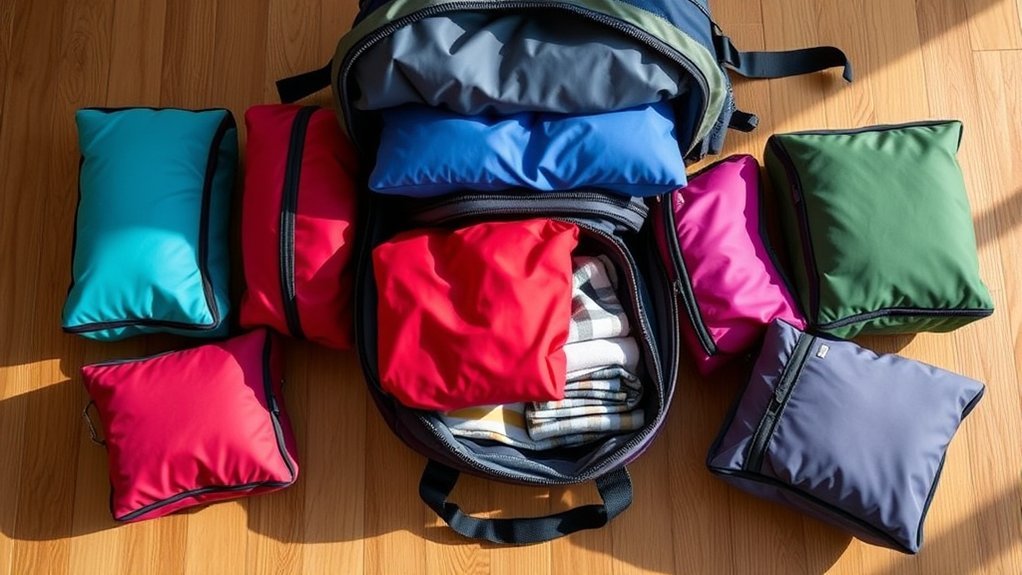
Packing cubes divide one large backpack compartment into smaller, predictable sections. Instead of digging through loose clothing, you can remove one cube, find what you need, and return it without disturbing the rest of the load.
- Faster access: Keep underwear, shirts, sleepwear, or full outfits in separate cubes.
- Easier unpacking: Move a cube into a drawer or shelf rather than unpacking every item.
- Cleaner separation: A clean/dirty cube or laundry sack keeps worn clothing away from fresh clothing.
- Better load control: Filled cubes can reduce shifting when they fit the backpack closely.
- Flexible organization: Use the same cubes for a carry-on, hiking pack, duffel, or hotel drawer.
Packing cubes may help you use awkward space more neatly, especially when the cubes fit the backpack well. However, standard cubes mainly organize. Compression cubes can reduce clothing volume, but neither type makes the contents weigh less.
Note: Packing cubes are optional organizers, not a requirement. Soft pouches, zippered sacks, or a simple laundry bag can work better in narrow or irregularly shaped backpacks.
Types of Packing Cubes to Consider

Packing cubes come in several designs. Choose the type that solves a real packing problem rather than buying the largest set available.
| Type | Best Use | Main Trade-Off |
|---|---|---|
| Standard fabric cube | Everyday clothing organization | Little or no extra compression |
| Compression cube | Bulky shirts, pants, and soft layers | Adds zipper stress and can increase wrinkles |
| Mesh-panel cube | Quick identification and ventilation | Offers little protection from spills |
| Clean/dirty cube | Separating worn and unworn clothing | A divider can reduce usable space |
| Water-resistant cube | Light splashes and damp environments | Not necessarily waterproof or submersible |
| Specialty pouch | Shoes, cables, toiletries, or delicate gear | Less flexible than a general clothing cube |
Check the product description carefully. Terms such as weatherproof, water-resistant, and waterproof are not interchangeable. A water-resistant fabric may handle a small splash while the zipper and seams still allow water inside.
Recommended Sizes for Optimal Organization

The most useful set usually combines two or three sizes. Measure the backpack’s usable main compartment before buying cubes because size labels are not standardized across brands.
Cube Size Selection
Match each cube to a specific job:
- Small cubes: Socks, underwear, swimwear, scarves, and small accessories.
- Medium cubes: T-shirts, shorts, sleepwear, gym clothes, or two to three compact outfits.
- Large cubes: Pants, sweaters, jackets, or clothing for more than one person.
- Slim cubes: Cables, belts, rolled base layers, or narrow spaces beside other cubes.
A separate shoe sack helps keep soles away from clean clothing. A dedicated tech pouch prevents chargers and cables from tangling, but batteries and devices should remain accessible when flying.
Optimal Size Combinations
Start with fewer cubes than you think you need. One medium cube for tops, one small cube for underwear and socks, and one separate laundry or shoe pouch is enough for many short trips. For a longer trip, add a second medium cube for bottoms, layers, or climate-specific clothing.
Test the arrangement before travel. The cubes should sit flat, leave room for the backpack’s zipper path, and allow quick access to documents, medication, rain gear, toiletries, and electronics. If a cube creates empty corners or forces the pack into a barrel shape, try two smaller cubes instead of one large cube.
Pro Tip: Place the empty cubes inside your backpack before packing clothing. This dry fit shows whether the handles, zippers, and cube dimensions match the bag’s shape.
How to Pack Packing Cubes in a Backpack
- Check the backpack and travel limits. Measure the main compartment and confirm your airline’s current carry-on rules when flying. The Federal Aviation Administration recommends checking directly with the airline because size and item limits can vary.
- Lay out everything first. Remove duplicate or “just in case” items before filling any cube. Packing cubes can hide overpacking by making a large amount of clothing look tidy.
- Choose one organizing system. Sort by clothing type, complete outfit, traveler, activity, climate, or clean-versus-dirty items.
- Roll or fold by fabric. Roll soft knitwear, workout clothing, pajamas, and other flexible pieces. Fold structured shirts, trousers, dresses, and garments that need a flatter shape.
- Fill without forcing the zipper. Spread clothing evenly into the corners. The cube should close with firm but smooth zipper movement. Remove an item if the seams bow or the zipper must be pulled hard.
- Load the backpack by weight and access. Put soft, less-needed clothing low in the bag. Place dense or heavy cubes near the middle and close to your back. Keep often-used items near the top or in exterior pockets. This follows the same general load-zone approach described in REI’s backpack-loading guidance.
- Test the full pack. Zip the backpack, tighten its compression straps, put it on, and walk for several minutes. Rebalance the cubes if the bag pulls backward, leans to one side, or presses hard objects into your back.
Warning: Compression creates room, not a lighter load. Weigh the finished backpack and stay within airline limits and your own comfortable carrying range.
Packing Techniques: Folding vs. Rolling
Rolling and folding both work, and a mixed method is usually more practical than choosing only one. Fabric, garment structure, cube shape, and how tightly you compress the cube all affect the result.
Benefits of Rolling Technique
Rolling works well for soft, flexible clothing because it creates compact rows that are easy to see and remove. It can fill narrow spaces and may reduce sharp fold lines in some casual fabrics, but it does not guarantee wrinkle-free clothing.
| Benefit | Practical Use |
|---|---|
| Easy visibility | Arrange rolls side by side so each item remains visible. |
| Flexible shape | Use small rolls to fill gaps around larger garments. |
| Simple access | Remove one item without lifting a full stack. |
| Good for thin fabrics | Use for T-shirts, leggings, underwear, workout gear, and pajamas. |
Advantages of Folding Method
Folding is better for garments that need a flat shape, including button-down shirts, tailored trousers, dresses, denim, and thick sweaters. A neat stack also makes sense in shallow or rectangular cubes.
- Use broad, smooth folds rather than many narrow creases.
- Place the most wrinkle-prone garment on top so it is not crushed by the full stack.
- Do not use maximum compression on formal or structured clothing.
- For bulky items, fold to match the cube’s width rather than forcing the garment into the corners.
The best method is the one that keeps each garment stable, visible, and easy to remove without overfilling the cube.
Ways to Organize Packing Cubes
Choose a system that matches how you will use the clothes during the trip:
- By clothing type: Tops in one cube, bottoms in another, and underwear in a small cube.
- By outfit: Pack a complete day’s clothing together for fast hotel changes or early departures.
- By activity: Separate hiking, beach, business, sleep, or gym clothing.
- By climate: Keep warm-weather clothing separate from rain or cold-weather layers.
- By traveler: Use different colors or labels when several people share one bag.
- By cleanliness: Reserve one cube or divided compartment for worn clothing.
Avoid changing systems halfway through the trip. Consistent categories make repacking faster and help you notice when an item is missing.
Common Packing Cube Mistakes
- Using too many cubes: Extra fabric, zippers, and unused gaps can waste space and add weight.
- Overstuffing: A strained zipper or bowed seam is a sign that the cube is too full.
- Ignoring backpack shape: Large rectangular cubes may fit poorly in a tapered hiking pack.
- Burying essentials: Keep medication, documents, rain gear, snacks, and a warm layer accessible.
- Mixing liquids with clothing: Use a leak-resistant toiletry bag. For U.S. airport screening, carry-on liquids generally must follow the TSA 3-1-1 rule.
- Hiding batteries deep in the bag: The FAA says spare lithium batteries and power banks must remain in carry-on baggage and accessible.
- Assuming water resistance equals waterproofing: Check seam, zipper, and submersion claims before trusting a cube with electronics or dry clothing.
- Leaving insulated gear compressed: Do not store down or synthetic insulation tightly compressed for long periods.
Tips for Maintaining Your Packing Cubes
Empty and air out packing cubes after each trip. Shake out sand and debris, wipe spills promptly, and allow damp cubes to dry fully before storage. Store them flat or loosely nested so the zippers and seams are not under tension.
Cleaning instructions vary. Eagle Creek says its packing cubes can be washed in cold water on a gentle cycle or hand-washed, then air-dried. Other manufacturers may require hand-washing and may warn against machine washing. Always follow the label or official care page for your exact product.
- Close or secure zipper pulls before washing if the care label allows machine washing.
- Use mild detergent and avoid bleach unless the manufacturer permits it.
- Air-dry fully; heat can damage coatings, mesh, foam, or plastic hardware.
- Repair small tears and loose seams before they spread.
- Stop using a cube if the zipper repeatedly separates or catches fabric.
Essential Accessories to Pair With Packing Cubes
Packing cubes work best as part of a simple system. Add only the accessories that solve a separate problem:
- Shoe sack: Keeps dirty soles away from clothing.
- Laundry bag or clean/dirty cube: Separates worn items and simplifies unpacking at home.
- Toiletry pouch: Contains leaks and keeps liquids easy to remove at airport security.
- Tech pouch: Organizes chargers, adapters, and cables while keeping battery-powered items accessible.
- Document wallet: Protects passports, tickets, and reservations without burying them in clothing.
- Small empty pouch: Holds receipts, souvenirs, or items collected during the trip.
Do not put every small item into its own pouch. Too many organizers create extra layers to open and can make a backpack slower to use.
Frequently Asked Questions
Can packing cubes be used for carry-on luggage as well?
Yes. Packing cubes can organize a carry-on backpack or suitcase, but they do not change the airline’s size, weight, or item limits. Check the airline’s current rules before packing, and keep liquids, documents, medication, and battery-powered devices accessible.
How do I clean my packing cubes after use?
Check the care label first. Some cubes allow a cold, gentle machine wash, while others require hand-washing. Use mild detergent, avoid high heat, and let the cube dry completely before storage. Never assume every nylon or polyester cube has the same care instructions.
Are packing cubes suitable for different types of travel?
Yes. They can help with backpacking, business travel, family trips, road trips, and weekend travel. The best design depends on the bag and trip: ultralight cubes suit weight-conscious travelers, clean/dirty cubes help on longer trips, and water-resistant pouches are useful in damp conditions.
Can I use packing cubes for non-clothing items?
Yes, but use the right protection. Soft cubes can organize snacks, cables, toys, or dry toiletries. Fragile electronics need padding, liquids need leak containment, and spare lithium batteries must be protected from short circuits and carried according to airline safety rules.
Do packing cubes add extra weight to my backpack?
Yes. Every cube adds some weight, even when it is made from thin fabric. Lightweight cubes may add only a small amount, while structured, padded, or compression models add more. Weigh the complete backpack rather than assuming organized gear is lighter.
Do packing cubes actually save space?
Standard cubes mainly improve organization and may help you fill the bag more neatly. Compression cubes can reduce the volume of soft clothing by squeezing out air, but the result depends on the fabric, cube design, and how fully it is packed. Neither type reduces the weight of the contents.
How many packing cubes should I use in a backpack?
Use the fewest cubes that create useful categories. Many travelers can start with one medium clothing cube, one small underwear cube, and one laundry or shoe pouch. Add another cube only when it improves access or separates a clear category.
Conclusion
Packing cubes can turn a loose pile of clothing into a simple, repeatable backpack system. Choose sizes that fit the bag, sort items in a way that matches your trip, and combine rolling with folding instead of relying on one method for every garment. Most importantly, keep the pack balanced, accessible, and within its weight limit. A well-organized backpack should make travel easier—not encourage you to carry more than you need.
Sources
- REI: How to Pack and Hoist a Backpack — backpack load zones, balance, and access.
- Federal Aviation Administration: Carry-On Baggage Tips — airline size checks, safe stowage, and accessible devices.
- Transportation Security Administration: Liquids, Aerosols, and Gels Rule — carry-on liquid screening requirements.
- Federal Aviation Administration: Lithium Batteries in Baggage — rules for spare batteries, power banks, and devices.
- Eagle Creek: Packing Cube Questions — compression, added weight, rolling, folding, and product care.
- Peak Design: How to Clean Your Product — manufacturer-specific hand-washing and drying precautions.

