
Last Updated on July 28, 2026 by Daniel Globe
Japan can be a great destination in every season, but the best weather depends heavily on where you go and what you want to do. The country stretches from snowy Hokkaido in the north to subtropical Okinawa in the south, so there is no single temperature range that describes Japan as a whole. For most travelers focused on comfortable sightseeing, spring and autumn offer the strongest balance of mild weather, scenery, and outdoor activities.
Quick Answer
The best times to visit Japan for comfortable weather are generally late March through April and October through November. Spring offers cherry blossoms and mild days, while autumn brings lower humidity and colorful foliage. Avoid Golden Week if you dislike crowds. June and July are rainier, while July and August are hot and humid.
Key Takeaways
- Spring and autumn usually provide the easiest weather for city sightseeing, walking, and hiking.
- Cherry blossom dates vary widely by latitude, elevation, and annual weather, so late March to early April does not describe the entire country.
- June and early July bring the Baiu rainy season to much of Japan, although Hokkaido does not have an officially defined Baiu season.
- July and August bring festivals but also intense heat and humidity in many major cities.
- August and September have the highest average number of tropical cyclones approaching Japan, so flexible plans are helpful.
- Golden Week, Obon, and New Year can make transportation and accommodation much busier than usual.
Disclosure: As an Amazon Associate I earn from qualifying purchases. Some links on this page are affiliate links, at no extra cost to you.
Best Time to Visit Japan for Good Weather
For a first trip centered on Tokyo, Kyoto, Osaka, and other parts of central Honshu, late March through April and October through November are usually the most comfortable periods. Days are generally milder than midsummer, outdoor sightseeing is easier, and each period comes with major seasonal scenery.
Spring is especially appealing for cherry blossoms, while autumn offers fall foliage and lower humidity. However, both seasons can become busy at famous viewing spots.
Mid-May can also be an excellent choice after Japan’s Golden Week holidays have ended. Temperatures are warmer, spring greenery is well established, and much of central Japan has not yet entered the heart of the rainy season.
Pro Tip: If weather matters more than seeing peak cherry blossoms, consider mid-May or October. You may avoid some of the intense blossom-season demand while still getting comfortable conditions in many parts of central Japan.
Japan’s Climate Varies by Region
Japan’s climate ranges from subarctic conditions in northern Hokkaido to subtropical conditions in Okinawa. Elevation and proximity to the Sea of Japan or Pacific Ocean also create major differences in snow, rain, humidity, and temperature. The Japan Meteorological Agency’s 1991–2020 climate normals show how large those differences can be.
| Region | Typical Weather Pattern |
| Hokkaido | Colder winters, significant snow, and generally cooler summers than central and southern Japan. |
| Tokyo, Kyoto and Osaka | Four distinct seasons, humid summers, a rainy period in early summer, and generally cool winters. |
| Sea of Japan side and mountains | Some areas receive very heavy winter snow, making them popular for skiing but requiring winter travel preparation. |
| Kyushu | Generally warmer than central Honshu, with an earlier rainy season and greater exposure to some tropical cyclones. |
| Okinawa | Subtropical weather, mild winters, an early rainy season, hot summers, and relatively frequent tropical-cyclone approaches. |
Spring: Cherry Blossoms and Mild Temperatures
Spring is one of Japan’s most celebrated travel seasons. Warmer weather returns, gardens and parks come back to life, and cherry blossoms create some of the country’s most famous seasonal scenery.
Cherry blossoms do not bloom everywhere at the same time. The flowering front moves through Japan according to latitude, elevation, variety, and that year’s weather. In many parts of central Japan, including Tokyo and Kyoto, late March and early April are often important viewing periods, but blossoms can appear much earlier in southern areas and continue into May in colder northern regions. The Japan National Tourism Organization recommends checking current regional conditions rather than relying on a single nationwide date.
Hanami, or flower viewing, is a cherished tradition in which families and friends gather beneath flowering trees. Popular parks can become extremely crowded during peak bloom, particularly on weekends.
Spring also suits hiking, temple visits, historic districts, and festivals. The Takayama Spring Festival is known for its ornate floats, while Hirosaki is famous for cherry blossoms around its castle grounds and evening illuminations.
Note: Sakura forecasts are predictions rather than fixed schedules. Warm or cold spells can move flowering dates, so check the latest regional forecast shortly before your trip.
Summer: Festivals and Hot, Humid Weather
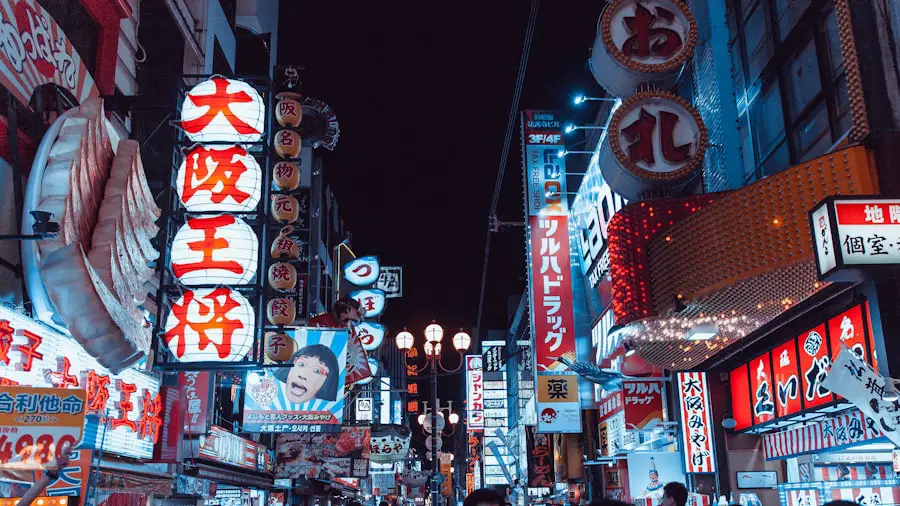
Summer brings some of Japan’s biggest festivals, fireworks displays, mountain activities, and beach trips, but weather can be challenging. Much of central and western Japan becomes hot and very humid after the early-summer rainy season.
According to JMA’s 1991–2020 climate normals, the average daily maximum in August is about 31.3°C (88.3°F) in Tokyo and 33.7°C (92.7°F) in Osaka. Individual hot days can be considerably warmer.
Japan’s summer weather is highly regional: August’s normal daily maximum is about 26.4°C (79.5°F) in Sapporo but 33.7°C (92.7°F) in Osaka, according to JMA climate normals.
The heat coincides with a lively festival calendar. Kyoto’s Gion Matsuri runs through July, with its major float processions on July 17 and July 24. Osaka’s Tenjin Matsuri reaches its climax on July 25 with a river procession and fireworks.
Seasonal treats such as kakigori, or shaved ice, are popular, and evening festivals can feel more comfortable than sightseeing during the hottest part of the afternoon.
Warning: Summer heat and humidity can make long days of walking much harder than the thermometer alone suggests. Schedule strenuous sightseeing for mornings or evenings, take regular air-conditioned breaks, drink fluids regularly, and follow local heat and severe-weather advisories.
Fall: Vibrant Foliage and Pleasant Temperatures
| Area | Typical Foliage Period | What to Expect |
| Hokkaido and high elevations | Late September into October | Japan’s earliest major autumn color, with cool conditions arriving quickly. |
| Tohoku and mountain regions | October into November | Strong hiking opportunities, with higher elevations changing before valleys and cities. |
| Tokyo, Kyoto and much of central Honshu | November into early December | Comfortable sightseeing weather and colorful parks, temple gardens, and hillsides. |
| Warmer southern areas | Late November into early December | Later color than northern Japan, with timing varying by elevation and annual temperatures. |
Autumn is one of Japan’s best seasons for travelers who want comfortable outdoor weather without summer’s intense humidity. The changing leaves, known as koyo, begin in colder northern and high-elevation areas before moving south.
JNTO describes the broader national foliage season as running from roughly late September to early December. Peak color therefore depends much more on location than on a fixed week of the season.
Popular places include Nikko, mountain areas across central Japan, and the Arashiyama district in Kyoto, where surrounding hills and temple gardens add autumn color to the area’s famous scenery.
The season is also rich in cultural events. The Takayama Autumn Festival features decorated floats, while harvest-season foods such as chestnuts, persimmons, mushrooms, and new-season rice appear across the country.
Winter: Snowy Landscapes and Cold Temperatures
Winter creates completely different travel experiences depending on the region. Hokkaido, the Japanese Alps, and many areas along the Sea of Japan receive substantial snow, while Pacific-side cities such as Tokyo and Osaka generally experience less snow and more clear winter days.
Skiing and snowboarding draw visitors to resorts such as Niseko and the Hakuba area. After a day outside, an onsen offers one of Japan’s classic winter experiences.
The Sapporo Snow Festival is another major attraction. The event fills parts of Sapporo with huge snow and ice sculptures and, according to JNTO, has attracted around two million visitors during its festival week in recent years.
Travelers who want a warmer winter can look south. Okinawa remains much milder than northern Japan; JMA’s climate normal for January in Naha is 17.3°C (63.1°F), compared with -3.2°C (26.2°F) in Sapporo.
Japan’s Rainy Season: What to Expect
Japan’s early-summer rainy period is known as Baiu. It does not begin everywhere at once, and it does not mean continuous rain every hour of every day. However, travelers should expect more clouds, humidity, and periods of heavy rainfall.
The Japan Meteorological Agency calculates climatological Baiu dates using 1991–2020 data:
| Region | Typical Baiu Onset | Typical End |
| Okinawa | Around May 10 | Around June 21 |
| Southern Kyushu | Around May 30 | Around July 15 |
| Kanto/Koshin, including Tokyo area | Around June 7 | Around July 19 |
| Northern Tohoku | Around June 15 | Around July 28 |
Note: Hokkaido is the major exception. JMA does not identify an official Baiu rainy season for Japan’s northernmost main island.
June can still be worthwhile for travelers who prefer fewer crowds and do not mind carrying rain gear. Gardens and rural scenery are often especially green, but outdoor plans should stay flexible.
Products Worth Considering

[Material & Waterproof Function]: Crafted from high-density 100% polyester with a PU 5000MM waterproof coating and heat-sealed seams, this poncho keeps you dry in heavy rain, snow, or wind. OEKO-TEX STANDARD 100 certified, it’s eco-friendly and safe for all-day wear, ensuring you stay protected without compromise

【FOR OUTDOOR ACTIVITY】The adult rain poncho extremely light weight and easily be folded up to carry in a purse, backpack, luggage and briefcase and take up no space! They can suitable for theme parks, rainy days, water rides, camping, riding, hiking, fishing, travelling, picnic, etc.

WATERPROOF – 100% waterproof, seam taped, lightweight and durable non woven Polypropylene material perfect for year after year use. PFAS free, no forever chemicals in materials or production
Typhoon Season: What Travelers Should Know
Peak Activity and Travel Disruptions
Tropical cyclones can affect Japan during several months of the year, but the risk is highest in late summer and early autumn. According to JMA’s 1991–2020 climatology, an average of 25.1 tropical cyclones form in the western North Pacific each year, 11.7 approach Japan, and about 3.0 make landfall in Japan.
August and September have the highest average numbers of approaches to Japan. A storm can bring strong winds, intense rainfall, high waves, flooding, landslides, flight cancellations, and temporary suspension of rail services.
Regional Impact and Resilience
Okinawa and other southern areas experience tropical-cyclone approaches more frequently than many northern locations, although serious storms can affect large parts of the country. Coastal areas may also face high waves and storm-surge concerns.
A typhoon threat does not automatically mean an entire trip should be canceled. Storm tracks change, many systems never make landfall, and impacts are usually concentrated over a limited period. Travelers visiting in late summer or early autumn should simply build more flexibility into transportation and outdoor plans.
Staying Safe in Major Cities
Do not assume that being in Tokyo, Osaka, Kyoto, or another large city removes severe-weather risk. Public transportation can be suspended and local authorities may issue warnings or evacuation instructions.
Warning: When severe weather is forecast, follow Japan Meteorological Agency warnings and local instructions, avoid unnecessary outdoor travel, and check your airline and railway operator before leaving your accommodation.
JNTO’s Staying Safe in Japan page links travelers to official disaster information and safety resources. Checking these sources is more reliable than relying on a general seasonal rule.
Best Times for Outdoor Activities
The ideal season depends on the activity and region.
- Walking and city sightseeing: Spring and autumn generally provide the easiest temperatures in much of central Japan.
- Hiking: Spring and autumn are excellent at lower and middle elevations, but snow can keep high mountain routes closed well outside winter.
- Beaches and water activities: Summer is the main season across much of the country, while Okinawa has a longer warm-weather period.
- Summer mountain trips: Higher elevations and Hokkaido can offer relief from the heat affecting Tokyo, Kyoto, and Osaka.
- Skiing and snowboarding: Winter is best in Hokkaido, Nagano, Niigata, and other snowy mountain regions.
- Onsen trips: Hot springs are enjoyable year-round, but outdoor baths surrounded by snow are particularly memorable in winter.
Routes such as the historic Nakasendo can be especially pleasant during mild spring and autumn weather. In summer, early-morning starts are often more comfortable for hikes and long walks.
Considerations for Crowds and Accommodation Availability
Weather is only one part of choosing when to visit Japan. Domestic holidays and famous seasonal events can have a major effect on trains, attractions, hotels, and prices.
According to JNTO’s holiday guidance, three periods deserve particular attention:
- New Year: Late December through early January is a major domestic holiday period.
- Golden Week: A cluster of national holidays from late April into early May produces heavy domestic travel.
- Obon: Mid-August brings another major period of family and holiday travel.
Cherry-blossom and autumn-foliage weekends can also fill popular destinations even when there is no national holiday. Kyoto, Tokyo, Nikko, and well-known blossom or foliage sites may feel substantially busier during peak viewing periods.
Booking accommodation and important long-distance transportation ahead of time is wise if your dates overlap one of these periods. Travelers who value quiet streets more than seasonal spectacles may prefer weekdays, parts of June, or winter weekdays outside the New Year period.
What to Pack for Japan’s Weather
Your packing list should match both the season and region rather than Japan as a whole.
- Spring: Bring light layers, comfortable walking shoes, and a compact rain shell. Early mornings and evenings can still feel cool.
- Summer: Choose lightweight, breathable clothing, sun protection, and shoes that can handle rain. A small umbrella is useful during Baiu.
- Autumn: Pack layers. October may remain warm in southern Japan while northern and mountain regions can already be cold.
- Winter: Bring a warm coat and insulating layers. Snowy destinations may require waterproof footwear with good traction.
Because Japan’s weather varies so much from Hokkaido to Okinawa, check a location-specific forecast shortly before departure instead of packing from a single nationwide temperature estimate.
If weather is your main concern, spring and autumn remain the easiest starting points for planning a Japan trip. Choose late March or April for blossoms, October or November for comfortable sightseeing and foliage, winter for snow sports, or summer for festivals and beaches. The right choice depends on which experience matters most and which regional weather tradeoffs you are comfortable with.
Products Worth Considering

WINDPROOF & FLIP-SAFE DESIGN: Engineered with 8 reinforced fiberglass ribs and fail safe flip technology; resists high winds by inverting-not breaking-under pressure; say goodbye to flimsy umbrellas that snap in a gust. This heavy duty stick umbrella offers safety from rain, and offers big shade on clear days too - portable, sturdy, and dependable, it’s your reliable shield against rain whenever you’re on the go

【Sturdy & Windproof】The travel umbrella compact perfectly combines upgraded aluminum shafts and fiberglass ribs. The kids umbrella forms a strong structure that protects you from wind and rain. Besides, the high-density flexible fabric of the mini umbrella adds an extra layer of durability, so you can easily handle sudden changes in weather.

A sturdy FRP fiberglass frame and ribs, with a black electrostatic steel shaft increase wind-strength, life, and durability; All black Umbrella with Auto Open/Close Function for single-handed, hassle-free ease of use
Frequently Asked Questions
What is the best time to travel to Japan for good weather?
For most travelers visiting central Japan, late March through April and October through November offer the strongest combination of comfortable temperatures and outdoor sightseeing conditions. Spring is popular for cherry blossoms, while autumn offers foliage and lower humidity. Exact conditions vary by region.
What is the weather like in Japan during spring?
Spring gradually becomes warmer, but conditions differ greatly between Hokkaido, central Honshu, Kyushu, and Okinawa. Tokyo’s 1991–2020 mean temperature rises from 9.4°C (48.9°F) in March to 18.8°C (65.8°F) in May. Cherry-blossom timing also changes by region and year.
What is the weather like in Japan during autumn?
Autumn generally becomes cooler and less humid as the season progresses. October and November are particularly comfortable for sightseeing in much of central Japan. Foliage begins in colder northern and high-elevation areas before spreading south, with color visible nationally from roughly late September into early December.
When is the rainy season in Japan?
The Baiu rainy season reaches different regions at different times. JMA’s climatological dates put Okinawa around May 10 to June 21, southern Kyushu around May 30 to July 15, and the Tokyo region around June 7 to July 19. Hokkaido does not have an officially identified Baiu season.
What is the weather like in Japan during summer?
Much of Japan is hot and humid from July through August, particularly major cities in central and western Japan. Summers are cooler in Hokkaido and at higher elevations. Summer is also a major festival season, but travelers should prepare for heat, rain, and possible tropical-cyclone disruptions.
What is the weather like in Japan during winter?
Winter conditions vary sharply. Hokkaido, mountain regions, and many areas along the Sea of Japan receive substantial snow, while Tokyo and other Pacific-side cities often have colder but relatively dry and sunny periods. Okinawa remains much milder and is a good option for travelers who want to avoid severe winter cold.
Is September a good time to visit Japan?
September can work well, especially later in the month and in northern Japan, but early September can remain very hot and humid. Tropical-cyclone approaches are also climatologically frequent during September, so flexible transportation and outdoor plans are important.
Are there any months you should avoid visiting Japan?
There is no month that everyone should avoid. June can be rainy, July and August can be very hot, and August and September have higher tropical-cyclone risk. Golden Week, Obon, and New Year can also be crowded. Each of those periods still offers worthwhile experiences if they match your priorities.
Sources
- Japan Meteorological Agency — Climatological Normals 1991–2020 — regional temperature and precipitation data.
- Japan Meteorological Agency — Baiu Climatology — regional rainy-season onset and withdrawal dates.
- Japan Meteorological Agency — Tropical Cyclone Climatology — average tropical-cyclone formation, approaches, and landfalls.
- Japan National Tourism Organization — Weather & Geography — official overview of Japan’s seasonal weather.
- Japan National Tourism Organization — Business Hours & Holidays — Golden Week, Obon, and holiday travel guidance.
- Japan National Tourism Organization — Staying Safe in Japan — official severe-weather and disaster preparedness resources.
