

Last Updated on June 14, 2026 by Daniel Globe
A stuck zipper can trap you inside your tent at 3 a.m. in the rain. Most zipper failures don’t happen overnight — they build up from moisture, dirt, and neglect across dozens of trips. This guide gives you a simple routine to clean, dry, lubricate, and store your tent zippers so they keep working every time you need them.
Quick Answer
To dry and protect tent zippers, wipe them clean after each use, air dry them fully in a ventilated spot away from direct sunlight, and lubricate with paraffin wax or silicone spray. Store your tent with zippers partially closed in a cool, dry place to prevent corrosion and extend their life.
Key Takeaways
- Clean tent zippers with a damp cloth and mild detergent after every trip to stop dirt buildup and corrosion.
- Air dry zippers fully before storage to prevent mold growth and slider stiffening.
- Lubricate with paraffin wax or silicone spray before and after each camping trip for smooth operation.
- Handle zippers with two hands and avoid forcing them to protect teeth and slider from damage.
- Store your tent partially zipped in a cool, dark, breathable bag — not a stuff sack — to reduce strain on zipper components.
What’s in This Article
Disclosure: As an Amazon Associate I earn from qualifying purchases. Some links on this page are affiliate links, at no extra cost to you.
What You’ll Need
Estimated time: 10–15 minutes after each trip. A full deep-clean takes about 30 minutes.
- Clean cloth or rag
- Mild dish soap or detergent
- Old toothbrush or soft-bristle brush
- Fresh water for rinsing
- Paraffin wax, beeswax, or silicone-based spray lubricant
- Breathable storage bag (not a stuff sack)
Why Keeping Zippers Dry Matters
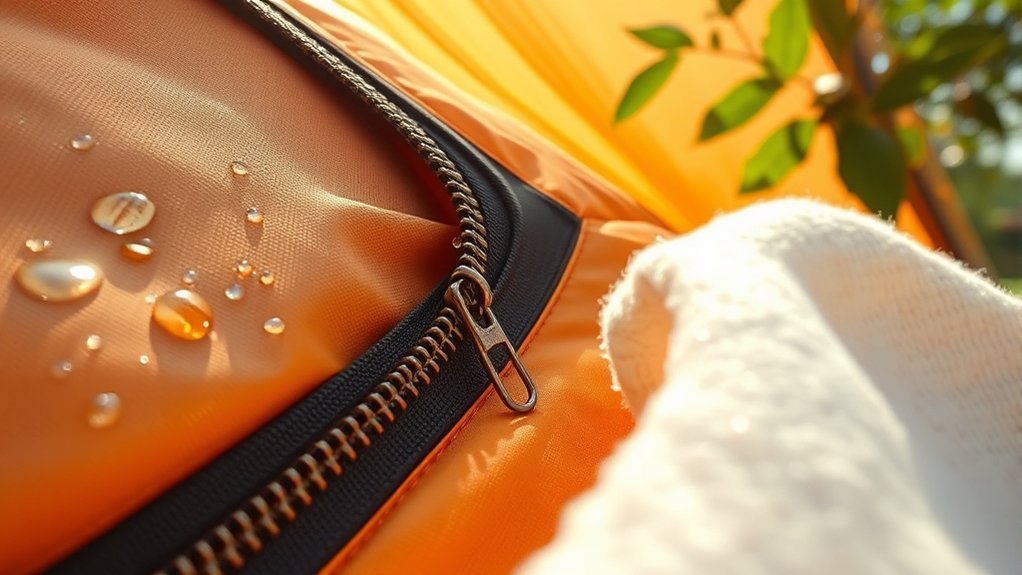
Moisture trapped in a zipper leads to corrosion that weakens the teeth and slider over time. Wet zippers also become breeding grounds for mold, which breaks down the surrounding fabric and shortens your tent’s useful life.
Drying your zippers after use in humid or rainy conditions keeps the slider moving freely without the risk of damage from excessive force. It also prevents grit and debris from bonding to damp surfaces, which causes jams that lead to costly repairs.
How to Clean Zippers After Use
Cleaning your tent zippers after each trip removes the dirt that causes wear and jams. Start with a damp cloth to wipe away surface debris. For tougher grime, use a mild detergent and an old toothbrush to scrub the slider and teeth. Rinse thoroughly to remove soap residue, then lubricate the zipper before storing.
Regular Cleaning Practices
Build a consistent cleaning habit to prevent dirt and debris from packing into the zipper teeth. Wipe zippers with a damp cloth after every outing to clear surface grime. For stubborn dirt, scrub gently with a mild detergent solution and an old toothbrush, reaching every crevice. Rinse thoroughly to flush out soap residue — leftover soap attracts more dirt and speeds up corrosion.
After cleaning, apply a silicone-based lubricant to protect the zipper and keep it running smoothly. Inspect the teeth and slider for damage like bends or stiff spots so you can fix small problems before they grow.
Effective Cleaning Techniques
Follow these three steps to clean tent zippers properly:
- Wipe zippers with a damp cloth to remove light dirt and debris, stopping grit from building up and grinding down the teeth.
- For caked-in dirt or sand, scrub the slider and inner surfaces with a mild detergent solution and a soft brush to prevent corrosion.
- Rinse zippers thoroughly with fresh water to flush out all soap residue, which can attract dirt and cause jams later.
Use soft tools like a toothbrush for gentle debris removal. Avoid metal tools — they scratch the teeth and damage the slider coating.
Lubrication for Longevity
Three steps extend zipper life most: cleaning, rinsing, and lubrication. After each use, clean zippers with a damp cloth or mild detergent to remove dirt. If you camped near sand or saltwater, rinse with fresh water to stop corrosion before it starts.
Apply paraffin wax or a silicone-based lubricant for smooth operation and protection against dirt buildup. Avoid petroleum-based lubricants — they degrade zipper materials and stain tent fabric.
Warning: Don’t use WD-40 on tent zippers — it attracts dirt and breaks down the lubricating properties zippers need, leaving them worse than before.
Effective Drying Techniques for Tent Zippers
Taking a few extra minutes to dry your zippers after a trip extends their life significantly. Use these three techniques to keep them in top shape:
- Wipe Down: Use a clean cloth to remove moisture from the zipper, especially after rain exposure.
- Air Dry: Open the zippers fully and place them in a well-ventilated area. Keep them out of direct sunlight to prevent the zipper materials from degrading.
- Clean Debris First: Use a soft toothbrush to scrub dirt from the zipper teeth before drying. Removing debris before it dries prevents corrosion and makes the next zip smoother.
Pro tip: Set your tent up in a shaded, breezy spot to air dry zippers fully before packing — even 20 minutes makes a real difference to long-term zipper health.
Regular Lubrication for Zipper Longevity
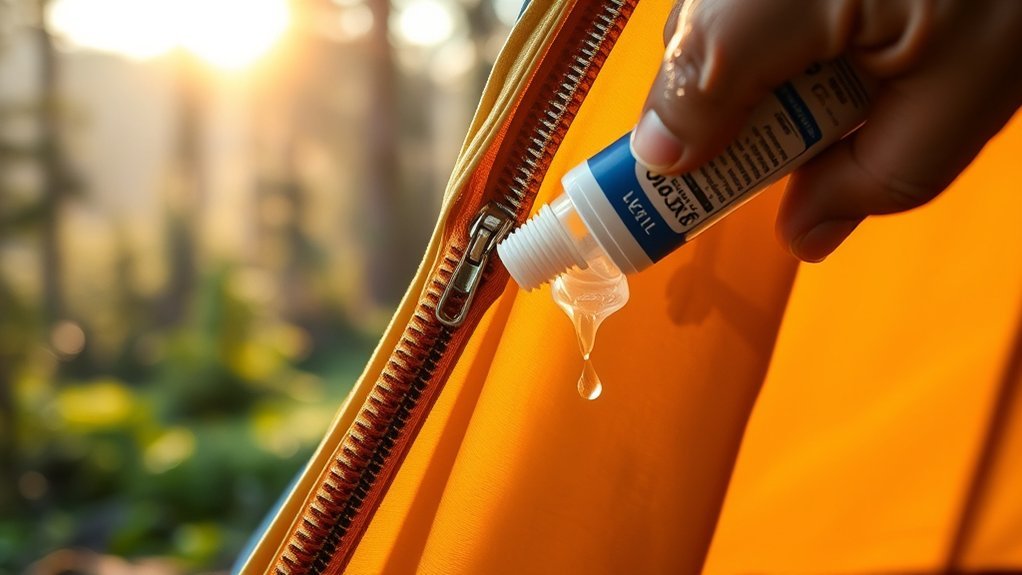
Regular lubrication keeps tent zippers running smoothly and blocks dirt from jamming the slider. Use paraffin wax or silicone-based sprays to reduce friction and prevent dirt buildup. Lubricate before and after each camping trip for best performance and a longer lifespan.
Apply a small amount of lubricant, focusing on high-stress areas where the slider moves most. Too much lubricant attracts excess dirt and clogs the teeth. Choose eco-friendly lubricants to protect your tent fabric while safeguarding the zipper mechanism.
How to Handle Zippers Without Damaging Them
How you use a zipper matters as much as how you clean it. Rough handling misaligns teeth and wears out sliders faster than dirt ever will. Follow these three habits to protect your zippers:
- Use Two Hands: Always zip with both hands to distribute tension evenly and minimize wear on the zipper mechanism.
- Don’t Yank: Forcing a zipper open or closed misaligns the teeth and damages the slider. If it snags, stop and find the cause before pulling harder.
- Inspect Before Zipping: Check for fabric or obstructions caught in the teeth before you zip. A quick look prevents strain that compromises the zipper’s integrity.
Protecting Zippers From the Elements
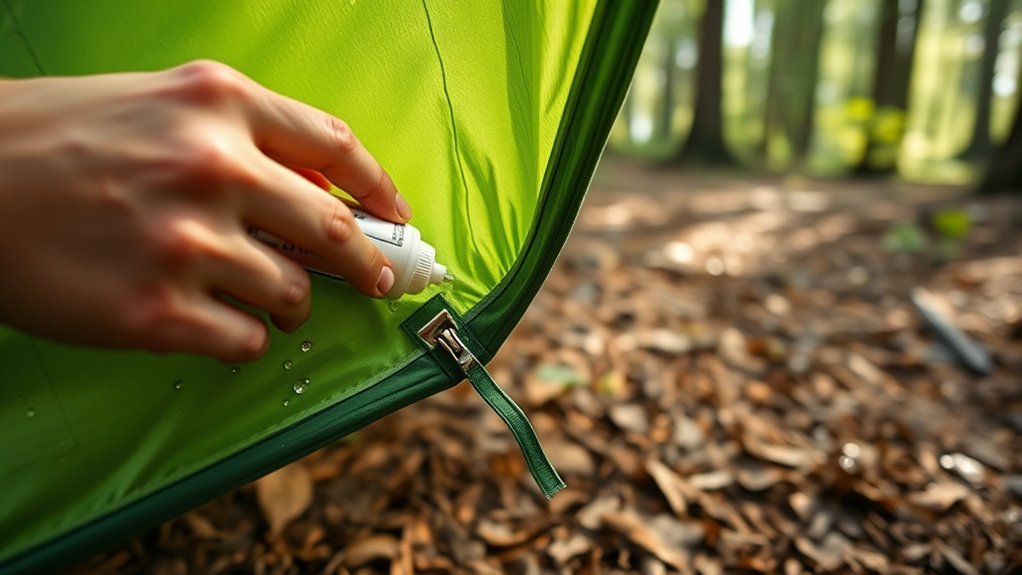
Dust, dirt, and moisture are the biggest threats to zipper longevity. Regular cleaning and thorough drying before storage tackle all three at once.
How to Minimize Dust Accumulation
Dust and grit grind down zipper teeth and clog the slider over time. Use these three strategies to keep dust out:
- Regular Wiping: Use a damp cloth to wipe zippers after each trip, removing surface dust before it packs into the teeth.
- Soft Brushing: A soft toothbrush dislodges accumulated dirt and keeps the slider moving freely.
- Rinse After Sandy Trips: After camping in sandy or dusty areas, rinse zippers with fresh water to flush out abrasive particles.
How to Prevent Moisture Damage
Rinse your zippers with fresh water after exposure to salty or dusty environments to stop corrosion before it starts. Make sure zippers are completely dry before storing your tent — lingering moisture leads to mold that weakens both the zipper and the surrounding fabric.
Use a rainfly to shield zippers from direct water exposure during bad weather. Apply a silicone-based lubricant periodically to create a moisture barrier and keep the mechanism moving freely. Store your tent in a cool, dry place for long-term corrosion prevention.
How to Repair Common Zipper Issues
Tent zipper problems are common, but most have a simple fix if you catch them early. Prompt attention prevents small issues from becoming expensive gear failures. Here are the three issues you’ll most likely face:
- Stuck Zipper: Clean the zipper teeth and gently work any caught fabric free to restore movement. Apply lubricant to help the slider run.
- Missing Pull: Create a temporary zipper pull with a safety pin, paperclip, or zip-tie until you can find a proper replacement.
- Bent Teeth: Carefully straighten bent teeth with pliers. Work slowly to avoid snapping the tooth off entirely.
Missing or broken teeth usually mean the whole zipper needs replacing. If the slider breaks, check your tent brand’s manual for the correct replacement part and installation steps.
Best Practices for Storing Tent Zippers
How you store your tent between trips affects zipper health as much as field care does. Start by cleaning zippers thoroughly — wipe away all dirt and debris. Make sure zippers are completely dry before you pack, as any trapped moisture causes mold and premature deterioration.
Keep zippers partially closed during storage to relieve stress on the zipper components. Choose a breathable storage bag over a stuff sack to prevent moisture buildup. Store your tent in a cool, dark place away from direct sunlight to prevent UV damage to both the zipper materials and the surrounding fabric.
Frequently Asked Questions
Can I use WD-40 to lubricate my tent zippers?
No — WD-40 attracts dirt and breaks down the lubricating properties that zippers need. Use silicone spray, beeswax, or paraffin wax instead for smooth, long-lasting performance.
How often should I lubricate my tent zippers?
Lubricate your tent zippers before and after each camping trip. At minimum, do a full clean and lubrication once per season to keep them running without friction.
Are tent zippers brand-specific?
Yes — different tent brands use different zipper types and sizes. When replacing a zipper, check your tent’s documentation to find the right specification for your model.
What should I do if my tent zipper gets stuck?
Gently wiggle the slider back and forth while applying a small amount of lubricant. Check for fabric caught in the teeth or debris blocking the slider. Never pull hard — you risk bending teeth and making the problem significantly worse.
Can extreme temperatures affect zipper performance?
Yes. High heat can warp zipper components, while freezing temperatures cause materials to contract and stiffen. Regular lubrication helps zippers perform reliably across a wide range of temperature conditions.
Keep Your Zippers Ready for the Next Trip
A few minutes of zipper care after each trip prevents the frustrating failures that hit at the worst moments. Clean them, dry them fully, and lubricate them before you pack your tent away. Your zippers will run smoothly for years and give you one less thing to worry about when you’re out in the field.

