
Last Updated on July 24, 2026 by Daniel Globe
Hiking, trekking, and mountaineering all involve traveling through natural landscapes, but the terms describe different levels of commitment, remoteness, and technical skill. The boundaries are not universal, and a difficult hike may be harder than an easy trek. In general, hiking focuses on walking, trekking usually means a longer multi-day journey, and mountaineering adds technical mountain hazards such as steep snow, ice, glaciers, exposed rock, or ropes.
Quick Answer
Hiking is usually a walk on a planned route that lasts a few hours or a day. Trekking is commonly a longer, multi-day journey through more remote terrain. Mountaineering involves technical mountain travel and may require ropes, crampons, an ice axe, glacier skills, and advanced risk management.
Key Takeaways
- Hiking can range from an easy park walk to a hard backcountry route, so the word alone does not tell you the difficulty.
- Trekking usually lasts several days and requires planning for food, water, navigation, shelter, lodging, and changing weather.
- Mountaineering is defined more by technical mountain hazards and skills than by altitude alone.
- Technical gear only protects you when it matches the route and you know how to use it correctly.
- Choose an activity by route conditions, experience, fitness, time, support, and acceptable risk, not by the label alone.
What’s in This Article
Disclosure: As an Amazon Associate I earn from qualifying purchases. Some links on this page are affiliate links, at no extra cost to you.
Hiking vs. Trekking vs. Mountaineering at a Glance
| Feature | Hiking | Trekking | Mountaineering |
|---|---|---|---|
| Main activity | Walking on a planned route | Long-distance walking over several days | Technical travel or climbing in mountain terrain |
| Typical duration | A few hours to a full day, sometimes longer | Several days to several weeks | One long day to several weeks |
| Route | Often marked, but may include backcountry or off-trail sections | Often remote, with trails ranging from clear to faint | May include steep rock, snow, ice, glaciers, or exposed ridges |
| Overnight needs | Usually none for a day hike | Camping gear, huts, lodges, or supported accommodation | Route-specific camps, huts, bivouacs, or expedition support |
| Technical skills | Basic route planning and trail safety | Navigation, camp systems, pacing, and multi-day planning | May include rope work, belaying, snow travel, self-arrest, glacier travel, and rescue |
| Risk level | Low to high, depending on route and conditions | Moderate to high because of distance and remoteness | High when technical hazards, exposure, weather, or altitude are involved |
Note: These are practical definitions, not fixed international rules. A route may be called a hike in one country and a trek in another. Read the route description, elevation profile, technical grade, season, and required skills before deciding whether it suits you.
Equipment and Gear
Hiking Essentials
Hiking calls for footwear that matches the surface, weather, distance, and load. A paved nature path may only require comfortable walking shoes, while rocky, wet, or loose ground may justify grippy hiking shoes or boots. Most hikers carry a daypack with water, food, navigation, sun protection, insulation, a light, emergency shelter, and a first-aid kit.
The U.S. National Park Service recommends adapting the Ten Essentials to the route and conditions. A phone can help, but it should not replace a map, emergency plan, or other essential equipment because batteries fail and backcountry service is unreliable.
Trekking Gear
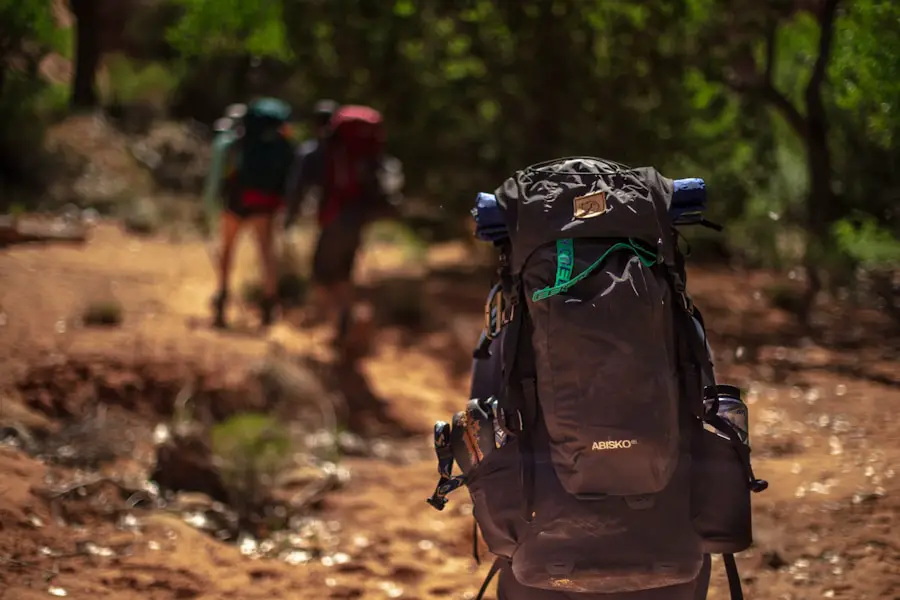
Trekking demands more planning because you must cover your needs for several days. Self-supported trekkers may carry a multi-day backpack, sleeping bag, sleeping pad, shelter, stove, fuel, food, water-treatment supplies, repair items, and layered clothing. A supported trek may use huts, teahouses, lodges, porters, or pack animals, which can reduce the load but does not remove the need for weather protection, navigation, water planning, and emergency supplies.
A well-fitted pack with stable weight distribution can reduce discomfort on long days. Use moisture-managing base layers, insulating layers for cold conditions, and a waterproof shell when rain or wet snow is possible. Confirm whether the route requires special food storage, permits, waste systems, or water treatment.
Pro Tip: Test your loaded pack on local walks before a trek. There is no universal safe percentage of body weight for every person. Pack weight should reflect your conditioning, body size, route, terrain, trip length, and any joint or back concerns. Carry only what you can control comfortably and reduce unnecessary weight.
Mountaineering Equipment
Mountaineering equipment depends on the route. A dry summer scramble may require a helmet and basic climbing protection, while steep snow or glacier travel may require a harness, rope, carabiners, ice axe, crampons, anchors, and crevasse-rescue equipment. The National Park Service warns that glacier travel requires specialized skills and that hidden crevasses make solo glacier travel especially dangerous.
Technical equipment is not a substitute for training. Learn route finding, belaying, rope systems, self-arrest, crampon technique, avalanche awareness, and rescue skills that match the objective. When buying life-safety equipment, check applicable UIAA safety standards and certified-equipment information, follow the manufacturer’s instructions, and inspect gear before every trip.
Terrain and Difficulty
Hiking terrain ranges from flat, maintained paths in city parks to steep, rugged backcountry routes. Some hikes include loose rock, stream crossings, snow, exposure, or major elevation gain. This range makes hiking accessible to many people, but it does not mean every hike suits every fitness or experience level.
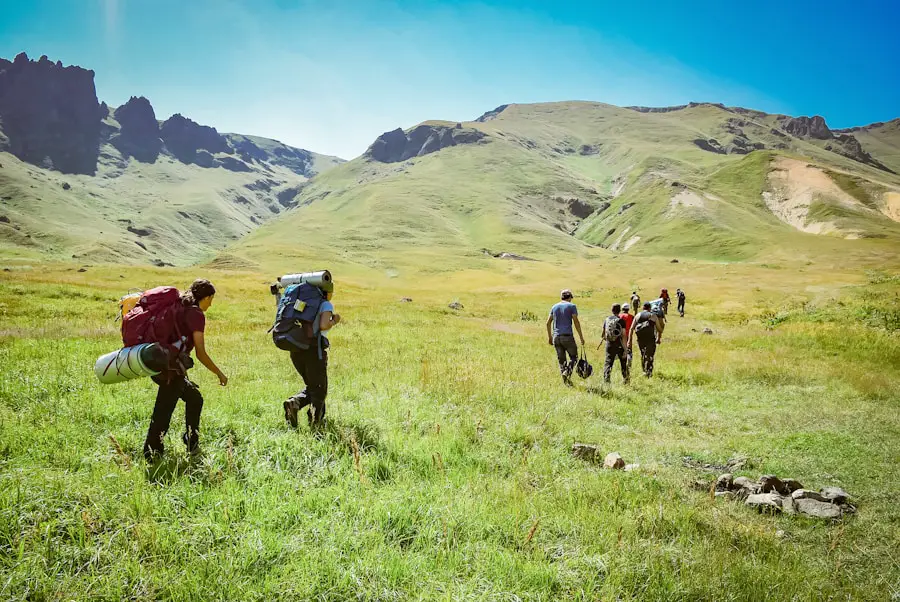
Trekking usually involves longer travel through mountains, forests, alpine meadows, deserts, or rural areas. Trails may be clearly marked, faint, or absent for short sections. Remoteness, repeated elevation gain, changing weather, river crossings, and the need to navigate day after day can make a trek harder than its technical grade suggests.
Mountaineering begins when the route requires technical mountain movement or protection. Climbers may face steep rock, hard snow, ice, glaciers, crevasses, avalanche terrain, rockfall, and exposed ridges. High altitude can add another hazard, but mountaineering can also take place on lower peaks where technical terrain is the main challenge.
Duration and Intensity
| Activity | Common Duration | Typical Preparation | Possible Intensity |
|---|---|---|---|
| Hiking | A few hours to a full day, sometimes multiple days | Beginner to advanced, depending on route | Low to high |
| Trekking | Several days to several weeks | Moderate to advanced endurance and planning | Moderate to very high |
| Mountaineering | One day to several weeks | Advanced route-specific technical training | High to extreme |
Hiking often fits into a single day. A half-day walk can deliver time in nature without overnight logistics, while a steep or exposed day hike may still demand excellent fitness, careful pacing, and an early turnaround time. Multi-day hiking also exists, so duration alone does not define the activity.
Trekking asks your body to repeat long walking days while recovering each night. Trekkers may camp or stay in huts, lodges, or village accommodation. Baseline cardiovascular fitness, leg strength, foot care, and practice with the expected pack weight can make the trip safer and more comfortable.
Mountaineering may involve a long single-day ascent or an expedition lasting several weeks. The workload can include climbing, carrying equipment, route finding, building anchors, managing cold, and making safety decisions while tired. On high peaks, reduced oxygen and acclimatization needs add further strain.
Purpose and Goals
Most hikers head outside to enjoy nature, exercise, spend time with friends or family, and clear their minds. Hiking also works well for interests such as birdwatching, wildlife viewing, geology, and landscape photography.
Trekkers often seek remote landscapes, long-distance goals, and cultural experiences. The Inca Trail in Peru, for example, combines sustained walking with archaeological sites and a destination at Machu Picchu. Other trekkers choose hut-to-hut routes, pilgrimage paths, desert crossings, or wilderness journeys as personal challenges.
Mountaineering focuses on moving safely through technical mountain terrain and, often, reaching a summit or completing a route. Goals may range from a local alpine ridge to major peaks such as Mount Everest or K2. Bigger objectives require progressive training, route research, logistics, weather judgment, and a willingness to turn around when conditions are unsafe.
How to Choose the Right Activity
Do not choose from the name alone. Compare the actual route with your skills, fitness, schedule, and support. Before committing, check the following:
- Distance and elevation: Review total distance, daily distance, ascent, descent, and the highest sleeping altitude.
- Technical grade: Look for scrambling, exposure, glacier travel, fixed ropes, climbing moves, snow slopes, or avalanche terrain.
- Navigation: Confirm whether the route is marked and whether you can use the required map, compass, GPS, or offline mapping tools.
- Support level: Decide whether you will camp, stay in huts, use a guide, hire a porter, or join an organized group.
- Conditions: Check the season, forecast, trail alerts, river levels, snowpack, daylight, and recent route reports.
- Emergency options: Know the turnaround points, communication limits, evacuation plan, rescue coverage, and local emergency contacts.
Beginners can start with a short, well-marked hike and build distance and elevation gradually. The next step may be an overnight hike or supported trek. Before mountaineering, take formal instruction for the specific terrain and practice under qualified supervision. Hiring a reputable guide is sensible when the route exceeds your current skills or local knowledge.
Environmental Impact
Heavy foot traffic can widen trails, compact soil, damage vegetation, and increase erosion. Parks may harden trail surfaces, close damaged areas, or reroute paths to protect sensitive resources. Hikers can help by following signs and staying on durable surfaces where required.
Trekking through remote ecosystems calls for careful waste, camp, fire, food, and water practices. The official Leave No Trace Seven Principles cover planning, durable surfaces, waste, natural objects, campfires, wildlife, and consideration for others. Local rules take priority because ecosystems and waste systems differ by region.
Mountaineering can create waste at high camps and damage fragile alpine terrain. Climbers should follow route-specific human-waste rules, pack out required waste, avoid abandoned equipment, minimize unnecessary fixed gear, and support official clean-up programs where available.
Safety and Preparation
Hiking Safety
Day hikers should leave a trip plan with a trusted person, check weather and official alerts, carry the Ten Essentials, know the route, and set a turnaround time. Choose footwear and clothing for the expected surface and conditions. Carry enough water or a reliable treatment method, and do not assume every natural water source is safe to drink.
Research wildlife, heat, lightning, flash-flood, hunting-season, and water-crossing risks that apply to the area. A phone may not work, so remote routes may justify a satellite messenger or personal locator beacon. Know what the device can and cannot do before relying on it.
Trekking Safety
Trekkers need the same habits plus a day-by-day plan for food, water, camps, lodging, permits, resupply, weather delays, and evacuation. Condition your feet and body before departure, test the pack, and avoid increasing distance and load too quickly. In culturally significant areas, follow local rules, use authorized routes, and respect community guidance.
Warning: Any unacclimatized traveler sleeping at about 2,450 m (8,000 ft) or higher can develop altitude illness. A headache with nausea, dizziness, unusual fatigue, or poor appetite may indicate acute mountain sickness. Do not sleep higher while symptoms are present. Descend if symptoms worsen at the same elevation. Confusion, loss of coordination, breathlessness at rest, or severe weakness can signal a life-threatening emergency that requires urgent descent and medical help.
The CDC Yellow Book guidance on altitude illness recommends gradual ascent. It notes that spending at least two to three nights around 2,450 to 2,750 m (8,000 to 9,000 ft) before going higher can reduce acute mountain sickness risk. Above 3,000 m (9,800 ft), sleeping altitude should generally increase slowly, with extra acclimatization days built into the itinerary.
Mountaineering Safety
Mountaineering requires route-specific technical training, reliable partners, careful weather decisions, and an emergency plan. Climbers should practice rope management, anchors, belaying, self-arrest, crampon movement, navigation, and rescue skills before using them in consequential terrain. Glacier travel adds hidden crevasses, while snow routes may add avalanche and long-fall hazards.
Check official route conditions, closures, permits, and rescue arrangements. Inspect equipment, confirm compatibility, and know when to retreat. A summit is optional; a safe return is the goal. People with medical conditions should discuss high-altitude plans with a clinician familiar with altitude medicine when the route creates added health risk.
Cultural and Social Aspects
Hiking often brings people together. Group hikes let friends and families share natural settings, and completing a trail can build strong memories. Many hikers also find outdoor time mentally restorative, although the experience differs from person to person.
Trekking frequently overlaps with cultural exploration. Routes may pass through Indigenous territories, villages, agricultural land, sacred places, or protected heritage sites. Learn access rules, ask before photographing people or ceremonies, use authorized guides where required, buy local services fairly, and follow community expectations rather than treating settlements as attractions.
Mountaineering builds a distinct form of teamwork. Climbers may depend on one another for belays, route decisions, rescue systems, pacing, and hazard observation. Trust matters, but it should be supported by verified competence, clear communication, shared expectations, and the confidence to question an unsafe decision.
Frequently Asked Questions
What is the difference between hiking and trekking?
Hiking usually describes a walk completed in a few hours or a day, while trekking commonly describes a journey that continues for several days. The terms overlap, so route distance, elevation, remoteness, overnight needs, and difficulty matter more than the label.
What terrain does hiking typically cover?
Hiking can take place on paved park paths, maintained forest trails, rocky mountain routes, beaches, desert tracks, or backcountry terrain. Some routes are easy and clearly marked, while others involve steep climbs, exposure, stream crossings, or difficult navigation.
What terrain does trekking typically cover?
Trekking often crosses remote mountains, forests, deserts, high plateaus, rural regions, or jungles over several days. Trails may be clear, faint, or briefly absent, and the route may include steep slopes, river crossings, changing weather, and limited services.
How long does a typical hiking trip last?
Many hikes last a few hours to a full day. Some people also use the term for overnight or multi-day routes. Duration does not determine difficulty, because a short exposed climb can be more demanding than a long, gentle walk.
How long does a typical trekking trip last?
A trek commonly lasts several days to several weeks. Daily distance, elevation, rest days, accommodation, weather, and acclimatization determine the schedule. High-altitude treks often need extra days even when the walking distance looks modest.
What gear do you need for hiking?
Use footwear and clothing suited to the route, then carry navigation, sun protection, insulation, light, first aid, fire or an emergency heat source where legal, repair items, food, water or treatment, and emergency shelter. Add route-specific items such as insect protection, traction, or a communication device.
What gear do you need for trekking?
Trekking usually requires a multi-day pack, layered clothing, food, water treatment, navigation, first aid, lighting, repair supplies, and an emergency plan. Self-supported routes may also require a tent, sleeping system, stove, fuel, and special food or waste storage. Supported routes may provide lodging or baggage transport.
What gear do you need for mountaineering?
Mountaineering gear is route-specific. It may include a helmet, harness, rope, climbing protection, ice axe, crampons, anchors, avalanche equipment, glacier-rescue tools, technical clothing, and emergency shelter. Get instruction before using technical gear in terrain where a mistake could cause a serious fall.
Is trekking always harder than hiking?
No. Trekking usually demands more endurance because it lasts several days, but a short hike can be steeper, more exposed, or more technical than an easy supported trek. Compare the route profile and hazards instead of relying on the activity name.
Does mountaineering always involve high altitude?
No. High altitude is common on major peaks, but technical terrain is the more useful distinction. A lower mountain can still require ropes, crampons, glacier skills, or exposed climbing, while a high trail may remain a nontechnical trek.
Can a beginner go trekking or mountaineering?
A fit beginner may complete a well-supported trek after suitable training and preparation. Mountaineering should begin with formal instruction, easy objectives, experienced partners, or a qualified guide. Progress gradually and do not use a guided trip as a substitute for honest medical and fitness preparation.
Hiking, trekking, and mountaineering each offer something distinct. Hiking is often the easiest entry point, but route difficulty still matters. Trekking adds repeated days, logistics, and remoteness. Mountaineering adds technical hazards that demand training and disciplined decisions. Whichever path you choose, prepare for the actual route, respect local rules and communities, protect the environment, and be willing to turn around.
For broader travel planning, you may also find it useful to read about the best time to visit the Bahamas, traveling safely with your puppy in the car, and stopping distances at highway speeds for road trips to trailheads.
Sources
- U.S. National Park Service: Ten Essentials – essential hiking equipment and emergency preparation.
- U.S. National Park Service: Hike Smart – route planning, personal limits, weather, trip plans, and hiking safety.
- Olympic National Park: Wilderness Travel Basics – glacier hazards, mountaineering skills, river crossings, and wilderness preparation.
- CDC Yellow Book: High-Altitude Travel and Altitude Illness – altitude-risk thresholds, symptoms, acclimatization, and descent guidance.
- Leave No Trace: The Seven Principles – minimum-impact outdoor practices.
- International Climbing and Mountaineering Federation: Climber Safety – mountaineering equipment standards, certification, recalls, and safety resources.

