

Last Updated on July 23, 2026 by Daniel Globe
Half Dome rises nearly 5,000 feet above Yosemite Valley, and reaching its summit requires a very strenuous hike followed by a steep, exposed climb on two steel cables. Thousands of people complete the route, but fatal falls, lightning, exhaustion, and rapidly changing weather make careful preparation essential. Here is what official guidance, incident records, and published research show about Half Dome deaths and the risks of the cable route.
Quick Answer
Half Dome is a very strenuous, exposed hike, but prepared hikers can reduce the risk by avoiding wet rock and thunderstorms. The NPS says wet cables or granite are the leading cause of fatal cable-route falls. A permit limits crowding, but an early start, proper gear, good judgment, and turning around remain essential.
What’s in This Article
- What Makes the Half Dome Hike So Dangerous?
- How Many People Have Died on the Half Dome Cables?
- How Has Yosemite Responded to the Risk?
- What Safety Rules Are in Place on the Cables Today?
- How Should You Prepare for Half Dome?
- How Do You Get a Half Dome Hiking Permit?
- Remembering the Hikers Who Have Lost Their Lives
- What Does the Future Hold for Half Dome Hiking?
- Frequently Asked Questions
Key Takeaways
- The standard Half Dome hike is approximately 14 to 16 miles round trip, gains about 4,800 feet, and usually takes 10 to 12 hours.
- The National Park Service says wet rock or cables are the leading cause of fatal falls from the cable route.
- There is no single official public running total for cable deaths; published counts vary according to the location, activity, and type of death included.
- A permit is required beyond the base of the subdome whenever the cables are up, with no more than about 300 permit holders allowed per day.
- Starting early helps, but thunderstorms can form at any time. Turn around if the granite is wet, storm clouds are nearby, or conditions are deteriorating.
At a Glance
| Distance and Elevation | Approximately 14–16 miles round trip with about 4,800 feet of elevation gain |
| Time Required | Usually 10–12 hours; some hikers need longer |
| Difficulty | Extremely strenuous, with steep stairs, high elevation, exposure, and a 45- to 60-degree cable slope |
| Essential Gear | High-traction footwear, sturdy gloves, headlamp with spare batteries, food, water, electrolytes, layers, rain gear, map, and compass |
| Permit Cost | $10 nonrefundable lottery application fee, plus $10 per person when a permit is awarded |
Disclosure: As an Amazon Associate I earn from qualifying purchases. Some links on this page are affiliate links, at no extra cost to you.
What Makes the Half Dome Hike So Dangerous?
The danger is not only the distance. It comes from combining a long, tiring approach with altitude, changing weather, exposed terrain, and a final cable climb where a slip can have severe consequences.
According to the National Park Service Half Dome guide, the standard route is approximately 14 to 16 miles round trip and gains about 4,800 feet. Most hikers need 10 to 12 hours, although some take longer.
By the time you reach the base of the cables, you have already completed most of that elevation gain. Fatigue can weaken your grip, slow your decisions, and make the final 400-foot ascent harder than it appears in photographs. Published research describes the granite cable slope as approximately 45 to 60 degrees.
Wet Granite and Rapidly Changing Weather
Dry granite can provide useful traction, but rain, hail, ice, or snow can make both the rock and steel cables extremely slick. The NPS identifies being on wet rock or cables as the leading cause of fatal falls from the cable route.
Thunderstorms are more common during the afternoon, especially in summer, but they can occur at any time. Half Dome’s exposed summit is also dangerous during lightning because there is no substantial building or hard-topped vehicle nearby for safe shelter.
Warning: Do not begin the cable climb if the granite is wet, storm clouds are nearby, thunder is audible, or the cables are down. A permit or clear weather earlier in the day does not make deteriorating conditions safe.
Other Risks Along the Route
Falls are not the only concern. The NPS also warns hikers about dehydration, heat exhaustion, low electrolyte levels, altitude sickness, cold temperatures, darkness, ankle injuries, blisters, and slippery rock near rivers and waterfalls.
Half Dome reaches approximately 8,800 feet above sea level. Severe headache or nausea can indicate altitude sickness, and descending is the effective response. The summit may also be 15°F to 20°F cooler than Yosemite Valley, with stronger wind and sudden rain.
How Many People Have Died on the Half Dome Cables?
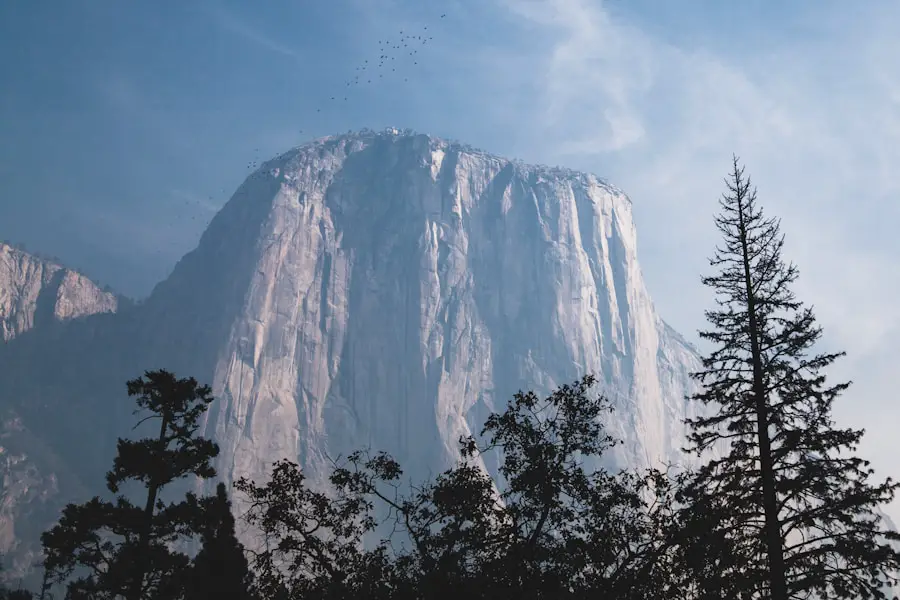
There is no single official public running total that answers this question with complete certainty. Public reports published after the July 2024 fatality commonly placed the number of cable-section deaths at roughly 10, but reports differ on whether the newest incident is included and on where the cable section begins and ends.
A 2018 peer-reviewed study of Half Dome fatalities identified 29 confirmed deaths and two likely deaths over an 85-year period. That broader total included technical climbing accidents, suicides, hiking incidents, medical deaths, cable-hand-rail incidents, and BASE jumping. About 16% of the study’s cases involved the cable handrails.
This explains why online figures may range from approximately 10 cable-related fatalities to more than 30 deaths associated with Half Dome as a whole. Those numbers are measuring different things and should not be treated as interchangeable.
NPS guidance says relatively few people have fallen and died on the cables since 1919, but the leading cause of fatal cable-route falls is being on wet rock or wet cables.
Documented Fatal Incidents
On July 31, 2011, a 26-year-old hiker fell approximately 600 feet while descending the cables. An NPS incident release reported that severe lightning, thunder, and rain had affected Half Dome for several hours and made the granite very slick.
On July 13, 2024, 20-year-old Grace Rohloff died after slipping while descending during a rapidly developing rainstorm. Her death received national attention and renewed debate about the spacing of the wooden crossboards and the limits of the current cable design.
Lightning has also caused deaths on the summit. The NPS lightning-safety page reports that a July 1985 strike killed two people and injured three others at Half Dome.
Note: “Cable deaths,” “fatal cable falls,” and “all Half Dome deaths” are different categories. A source may count only falls from the raised cables, while another includes the subdome, summit, climbing routes, medical emergencies, suicides, and BASE jumping.
How Has Yosemite Responded to the Risk?
Yosemite has primarily responded by reducing crowding and helping hikers make safer decisions rather than closing the route.
Before permits, NPS studies recorded peak use of approximately 1,100 to 1,200 hikers in a single day. That does not mean 1,200 people were on the cables simultaneously. The park documented up to 131 people on the cable section at one time during peak unregulated use.
Crowding matters because queues can delay hikers who are trying to leave the summit before a storm. An NPS safety analysis found that heavy congestion could create a 45-minute wait to access the cables and extend the total summit descent to approximately 83 minutes.
The permit program began in 2010. The current system allows a maximum of approximately 300 hikers per day beyond the base of the subdome: about 225 day hikers and 75 backpackers.
The latest lottery statistics published by NPS cover the 2024 season. The park received 35,289 preseason applications, with a 22% application success rate, and 35,561 daily-lottery applications, with a 19% application success rate. These are separate application processes and do not necessarily represent unique individuals.
Rangers also check permits near the subdome and regularly assist hikers experiencing illness, injury, darkness, exhaustion, or other problems on the Half Dome trail.
What Safety Rules Are in Place on the Cables Today?
The cable route consists of two steel cables supported by posts, with wooden crossboards at intervals to provide resting points and footholds. The route does not remove the exposure or prevent falls, so each hiker must decide whether conditions and personal ability are suitable.
While Using the Cables
- Take your time and remain patient with slower hikers.
- Stay on the inside of the cables.
- Allow faster hikers to pass only when it is safe.
- Maintain a secure grip and avoid carrying loose items in your hands.
- Do not push, rush, or pressure another hiker to move faster.
- Pack out gloves and all other trash.
Turn Around or Do Not Start When
- The rock or cables are wet.
- Storm clouds, thunder, lightning, hail, or increasing wind are nearby.
- The cables are down for the season.
- You are already exhausted, dizzy, nauseated, injured, or unable to maintain a secure grip.
- Crowding would prevent you from moving at a controlled pace.
- You have passed your planned turnaround time.
The cables are normally available from the Friday before Memorial Day through the day after the second Monday in October, but installation and removal dates can change with weather and trail conditions. Check the current Yosemite conditions before leaving.
What If a Storm Develops Near the Summit?
Do not continue toward the summit when a storm is approaching. If you are already in the summit area, leave the exposed area while descending carefully. Do not wait for rain to begin, and do not assume the wooden crossboards will provide safe footing once the granite is wet.
If you hear thunder, the storm is already close enough to present a lightning risk. NPS guidance says the only reliably safe shelter is a substantial building or hard-topped vehicle, neither of which is available on the summit.
How Should You Prepare for Half Dome?
Complete several long hikes with sustained elevation gain before attempting Half Dome. Training should prepare you to continue making controlled decisions after many hours of climbing, not merely to reach the summit.
Essential Equipment
- Water: The NPS suggests a minimum of one gallon, or four liters, per person for the full Half Dome hike. Individual needs vary with heat, pace, and body size.
- Food and electrolytes: Carry enough food for a long day and include salty snacks or another appropriate electrolyte source.
- Footwear: Wear broken-in hiking footwear with reliable traction and support. Do not test new shoes on this hike.
- Gloves: Use sturdy gloves with a secure grip on steel cables, and pack them out afterward.
- Lighting: Carry a real headlamp or flashlight with spare batteries. A phone light is not an adequate substitute.
- Weather protection: Carry rain gear and warm layers even when Yosemite Valley is hot.
- Navigation: Bring a detailed map and compass and know how to use them. Do not rely only on phone service or battery-powered navigation.
- Emergency supplies: Carry a basic first-aid kit, sun protection, and any personal medication you may need.
Treated drinking water is normally available only at the Vernal Fall Footbridge during summer. River water farther along the route must be properly treated before drinking.
Pro Tip: Set a non-negotiable turnaround time before starting. The NPS gives 3:30 p.m. as an example, but an earlier turnaround may be necessary because of weather, pace, fatigue, daylight, or crowding.
How Do You Get a Half Dome Hiking Permit?
A permit is required 24 hours a day, seven days a week to proceed beyond the base of the subdome whenever the cables are up. The permit controls access, but it is not proof that a person is fit, experienced, or prepared for the hike.
Preseason Lottery
Day hikers can apply through the Half Dome preseason lottery from March 1 through March 31. Results are normally released in mid-April.
- An application may request permits for up to six people.
- You may list several date choices or date ranges.
- You should name an alternate permit holder during the application process.
- The permit holder and alternate cannot be changed after submission.
- Each person may appear on only one preseason application as either the permit holder or alternate.
Daily Lottery
A smaller number of permits is offered through a daily lottery based on cancellations and expected underuse. Applications are submitted two days before the desired hiking date, normally between midnight and 4 p.m. Pacific time. Results are issued later that evening.
The daily lottery allows a permit holder but does not allow an alternate.
Fees and Permit Checks
- The lottery application fee is $10 per application and is nonrefundable.
- An additional $10 fee is charged for each person when a permit is awarded.
- The per-person fee can be refunded when the permit is canceled by 11:59 p.m. Pacific time on the day before the hike or when the cables are not available.
- The permit holder or accepted alternate must be present with the full group.
- The permit holder or alternate must carry matching government-issued photo identification and the permit confirmation.
- Permits are not transferable.
Backpackers who will camp in Little Yosemite Valley or elsewhere in Yosemite wilderness should request Half Dome access through their wilderness-permit application instead of entering the day-hiker lottery.
Remembering the Hikers Who Have Lost Their Lives
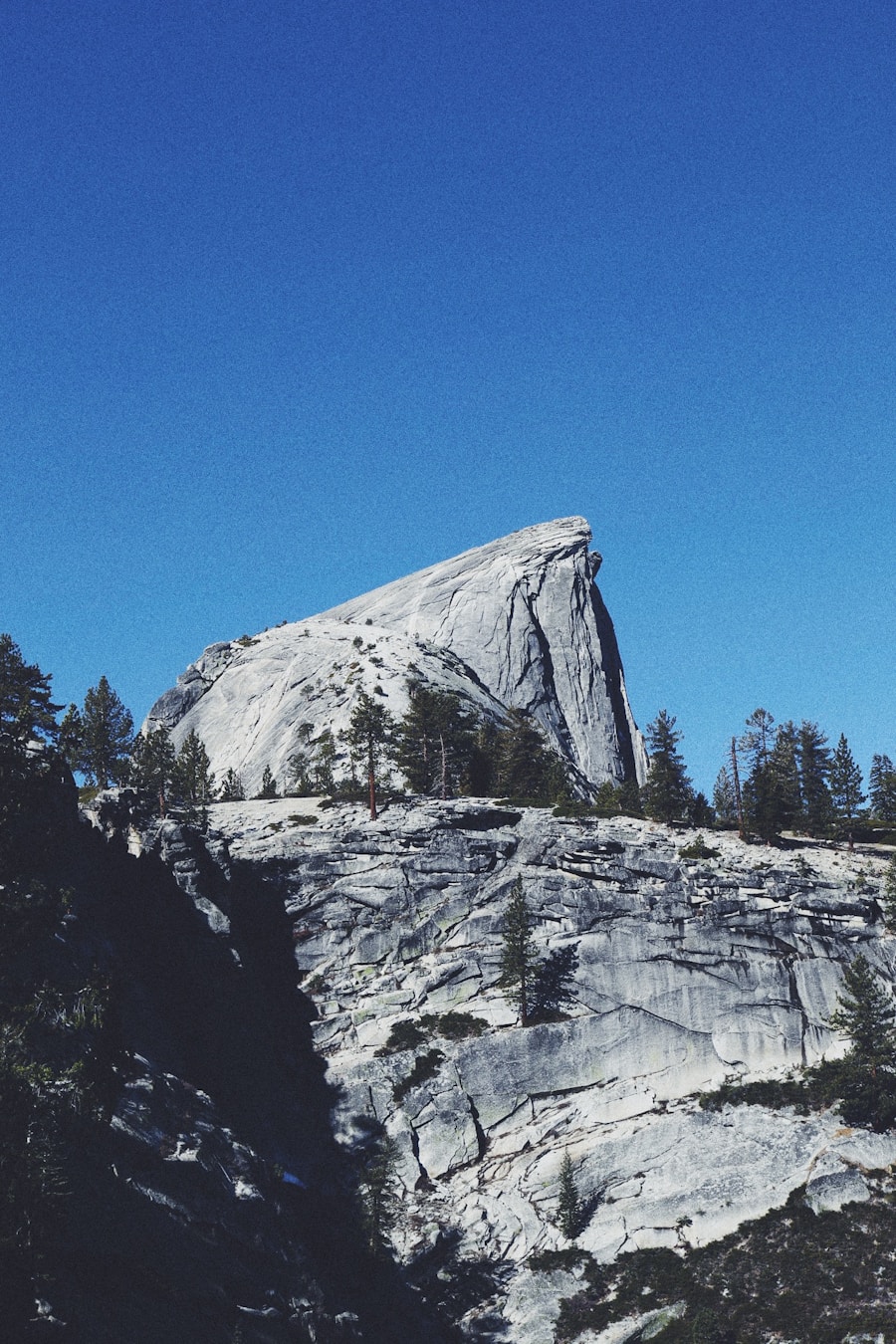
Discussions about Half Dome safety are connected to real people and families. Fatal incidents should not be reduced to statistics or used to suggest that every victim was careless or unprepared.
After his daughter’s death in 2024, Jonathan Rohloff publicly asked Yosemite to consider adding more wooden crossboards to reduce the long stretches of exposed granite between footholds. His proposal received both support and criticism from hikers who disagreed about how much the route should be modified.
Hiking communities also share incident reports and personal experiences to help others understand how quickly weather, crowding, fatigue, and traction can change. These discussions can improve awareness, but official NPS conditions and safety guidance should remain the primary sources for trip decisions.
What Does the Future Hold for Half Dome Hiking?
Yosemite’s current public approach continues to center on permits, reduced crowding, visitor preparation, weather awareness, and personal decision-making. Its public Half Dome planning pages do not announce a redesigned cable system.
Proposals for more wooden crossboards or other hardware changes may continue to be debated. Any major change would need to consider safety, wilderness protection, visitor behavior, maintenance, environmental effects, and whether added infrastructure might create a false sense of security.
For hikers, the immediate safety guidance remains unchanged: check current conditions and the forecast, start early, carry the necessary equipment, avoid wet rock, and turn around when conditions are no longer suitable.
Love travel? Join Our Facebook Community For More Tips.
Frequently Asked Questions
How many people have died on the Half Dome cables?
There is no definitive public NPS running total. Reports published in 2024 commonly placed cable-section fatalities at roughly 10, but counts differ according to whether they include the newest case, the subdome, the summit, climbing accidents, medical deaths, or other incidents.
What is the most common cause of fatal falls on Half Dome?
The National Park Service says being on wet rock or wet cables is the leading cause of fatal falls from the cable route. Lightning, climbing accidents, medical emergencies, and other incidents have also caused deaths associated with Half Dome.
Do I need a permit to hike Half Dome?
You need a permit to proceed beyond the base of the subdome whenever the cables are up. Day hikers use the preseason or daily lottery, while eligible backpackers request Half Dome access with their Yosemite wilderness permit.
How long does the Half Dome hike take?
Most hikers need approximately 10 to 12 hours for the 14- to 16-mile round trip, although weather, fitness, rest stops, route choice, crowding, and trail conditions may make the hike longer.
Is Half Dome safe for kids?
The NPS does not publish a minimum age. A young hiker would need exceptional endurance, secure cable grip, sound judgment, comfort with severe exposure, and prior experience on long, strenuous hikes. Adults should not use age alone to decide whether a child is ready.
What should I do if rain is forecast?
Consider canceling or changing your plans. Do not begin the cables when the granite is wet or storm clouds are nearby. A permit can be used only on its assigned date, but reaching the summit is never more important than turning around safely.
Can I climb Half Dome when the cables are down?
The NPS advises hikers not to attempt the cable route when the cables are down. The posts and wooden crossboards are removed or lowered, creating a far more technical and dangerous climb that is not suitable for a standard day hike.
Safety Disclaimer: This article is for informational purposes only and does not replace current National Park Service guidance, weather information, ranger instructions, or your judgment on the trail. Conditions can change quickly. Check official alerts and forecasts before hiking, and turn back whenever conditions become unsafe.
Half Dome’s cable route is unforgiving when granite becomes wet, weather deteriorates, or fatigue affects judgment. A permit reduces crowding, but it cannot guarantee safe conditions or determine whether a hiker is prepared. Check the forecast and current trail status, start early, carry the right equipment, and be willing to turn around below the cables. The summit will still be there another day.
Sources
- National Park Service: Half Dome Day Hike — route distance, elevation gain, hiking time, cable safety, water, equipment, weather, and altitude guidance
- National Park Service: Half Dome Permits for Day Hikers — daily quota, lottery timing, fees, identification, group limits, and permit rules
- National Park Service: Half Dome Plan Safety Issues — crowding, evacuation delays, storm exposure, and permit-management rationale
- National Park Service: Lightning Safety — thunderstorm guidance and the July 1985 Half Dome lightning fatalities
- Death on the Dome: Epidemiology of Recreational Deaths on Half Dome — peer-reviewed analysis of Half Dome fatalities and activity types
- Los Angeles Times: Fatal 2024 Half Dome Fall and Safety Debate — reporting on Grace Rohloff’s death and the subsequent proposal for additional crossboards
