

Last Updated on July 22, 2026 by Daniel Globe
Layering is the single most effective strategy for staying warm, dry, and comfortable on the trail, especially in cold or unpredictable weather like a 40-degree hike. Instead of relying on one heavy garment, a layering system uses multiple lighter pieces that work together to regulate temperature, manage sweat, and block wind and rain — so you can adjust on the fly as your body heat and the weather change throughout the day.
Quick Answer
For hiking in cold or 40-degree weather, wear three layers: a moisture-wicking base layer (merino wool or synthetic), an insulating mid layer (fleece, down, or synthetic fill), and a waterproof, windproof outer shell. Add a hat, gloves, and warm socks, and avoid cotton, which stays wet and cold once damp.
Key Takeaways
- Layering lets you regulate body temperature and stay comfortable as conditions and activity level change.
- Choose a base layer made of moisture-wicking material like merino wool or synthetic fabric to keep sweat off your skin.
- The mid layer provides insulation — fleece, down, or synthetic fill all work, each with different trade-offs.
- The outer layer should be waterproof and windproof to protect against rain, snow, and wind.
- Avoid cotton in any layer — it absorbs moisture, dries slowly, and pulls heat away from your body when wet.
- Pack a hat, gloves, and a neck gaiter or scarf to protect extremities from cold and wind chill.
At a Glance: Cold-Weather Layering
| Base Layer | Merino wool or synthetic (polyester/nylon) — moisture-wicking, never cotton |
| Mid Layer | Fleece, down, or synthetic insulation for warmth |
| Outer Layer | Waterproof, windproof, breathable shell (10,000mm+ rating recommended) |
| Accessories | Insulated hat, gloves, neck gaiter or scarf |
| Footwear | Waterproof, insulated hiking boots with good tread |
The layering system typically consists of three main components: the base layer, mid layer, and outer layer. Each layer plays a role in maintaining body heat, wicking away moisture, and protecting you from wind, rain, or snow.
If one layer gets wet from sweat or rain, the others can still keep you warm and dry. This adaptability matters most on longer hikes, where conditions and your own exertion level can change quickly — you might overheat on an uphill climb and then chill fast once you stop for a break.
Disclosure: As an Amazon Associate I earn from qualifying purchases. Some links on this page are affiliate links, at no extra cost to you.
Base Layer: Choosing the Right Material
Material Options for Base Layers
Common base-layer materials include synthetic fabrics like polyester and nylon, as well as natural fibers such as merino wool. Each has advantages and trade-offs, so the right choice depends on conditions and personal preference.
Note: Whichever material you choose, avoid cotton in your base layer. Cotton absorbs sweat and rain, dries very slowly, and loses almost all of its insulating value once wet — a major factor in cold-weather discomfort and hypothermia risk.
Synthetic Base Layers: Quick-Drying and Durable
Synthetic base layers are favored for their quick-drying properties and durability. They wick moisture away from the skin effectively, which helps regulate body temperature during high-intensity activity. A polyester-blend base layer, for example, pulls sweat away from the body during a strenuous hike, helping keep you dry and comfortable.
Natural Insulation with Merino Wool
Merino wool is known for its natural insulating properties and odor resistance. It provides warmth even when wet, making it a strong choice for colder or damp conditions. It’s also soft against the skin, which reduces the risk of chafing on long hikes.
Mid Layer: Insulation and Warmth
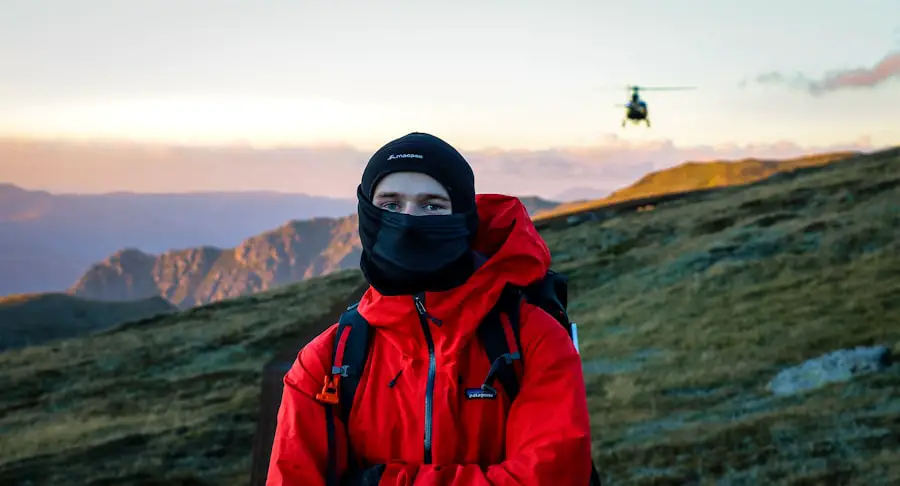
The mid layer’s job is to trap the warm air your body generates. Three common fill types offer different trade-offs:
- Fleece — lightweight, breathable, dries quickly, and still insulates when damp; less compressible than down.
- Down — the best warmth-to-weight ratio and most compressible for packing, but loses most of its insulating power when wet and dries slowly.
- Synthetic insulation — slightly heavier and less compressible than down, but retains a meaningful amount of warmth even when wet, making it a reliable choice in damp climates. See REI’s guide to synthetic insulation for a deeper comparison.
Pro Tip: If you’ll be working hard on the way up and cooling down quickly at rest stops, pack a compressible synthetic or down layer you can add the moment you stop moving — you lose body heat fastest right after you stop exerting.
Outer Layer: Protection from the Elements
| Product | Waterproof Rating (mm) | Breathability Rating (g/m2/24h) | Windproof |
|---|---|---|---|
| Jacket A | 10,000 | 10,000 | Yes |
| Jacket B | 20,000 | 15,000 | Yes |
| Jacket C | 30,000 | 20,000 | Yes |
The outer layer is your shield against wind, rain, snow, and other environmental challenges. It’s designed to be both waterproof and breathable, keeping outside moisture out while letting sweat vapor escape from within. A jacket’s waterproof rating (measured in millimeters via a hydrostatic-head test) and breathability rating (measured in grams of vapor per square meter per day) tell you how it will perform: generally, 10,000mm+ waterproofing and 10,000g/m²/24h+ breathability are solid benchmarks for hiking in wet, cold conditions.
Gore-Tex is one of the most recognized materials in high-performance outer layers, valued for combining strong waterproofing with breathability. Jackets made from it are well suited to rainy or snowy hikes because they keep water out while still letting perspiration escape. Not all waterproof materials perform equally, though — seam sealing and fabric weight also affect how well a jacket holds up.
Wind resistance matters just as much as waterproofing, since cold wind can sap body heat quickly. Many modern shells combine waterproofing and windproofing in a single garment. When choosing an outer layer, also look at features like adjustable hoods, cuffs, and pit-zip ventilation, which add comfort and control on the trail.
Accessories: Hats, Gloves, and Scarves
Accessories complete the layering system and protect the parts of your body most exposed to cold and wind chill. Hats, gloves, and scarves help retain warmth and prevent frostbite on extremities, which cool faster than your core.
A well-fitted hat matters because a meaningful amount of body heat escapes through the head. Wool or synthetic beanies are popular for warmth without bulk, and brimmed hats add sun or rain protection in changing conditions.
For colder climates, look for hats that cover the ears or include a face mask for wind protection. Insulated gloves or mittens keep hands warm, though it’s worth balancing warmth against the dexterity you need for things like adjusting gear or using trekking poles; gloves with removable liners offer flexibility as temperatures shift through the day. A scarf or neck gaiter adds extra warmth around the neck and blocks wind — a detail that meaningfully reduces heat loss and frostbite risk in extreme conditions.
Footwear: Choosing the Right Hiking Boots
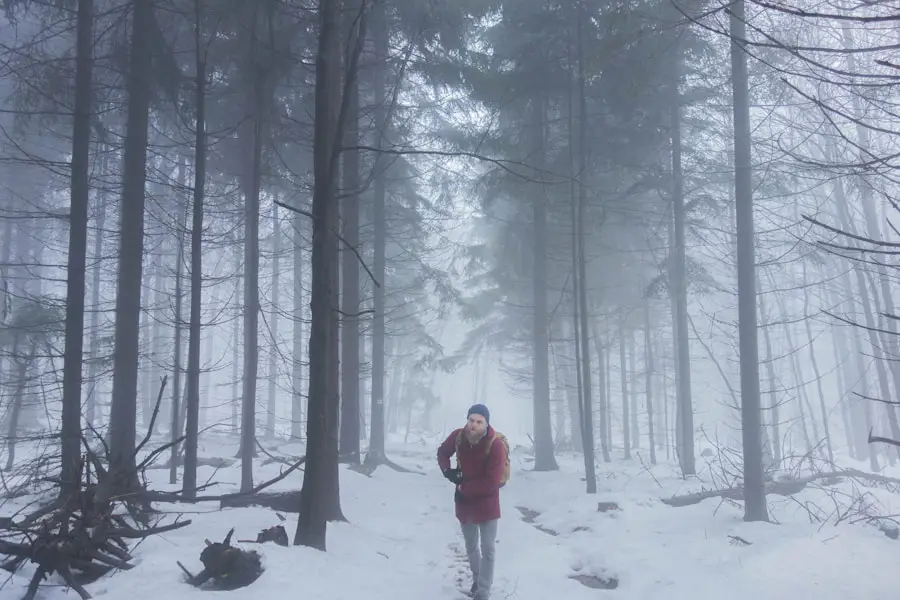
Footwear is one of the most critical pieces of gear for any hike. The right boots provide support, traction, and protection across different terrain. Key factors to weigh: fit, material, ankle support, and tread pattern.
A proper fit is essential — boots should feel snug but not tight, since feet swell on long hikes. Try boots on with the socks you plan to wear. Lightweight trail runners suit well-maintained paths, while heavier backpacking boots offer more support on rugged terrain or with a loaded pack.
Material affects performance too. Leather boots are durable and water-resistant but need a break-in period. Synthetic materials like nylon or mesh are lighter and more breathable but generally less durable than leather. Tread pattern matters as well: deeper lugs grip better on mud or rock, while flatter soles are fine for groomed trails.
Packing Essentials: What to Bring in Your Backpack
A well-planned pack keeps you safe and comfortable without unnecessary weight. Hydration comes first — carry enough water, and keep a bottle or hydration pack easily accessible to encourage regular drinking. Electrolyte tablets or sports drinks help replenish minerals lost during exertion.
Pack lightweight, energy-dense food like trail mix, energy bars, or jerky. A first aid kit should include adhesive bandages, antiseptic wipes, pain relievers, and blister treatment. Bring navigation tools — a map, compass, or GPS device — to help you stay on course. A multi-tool or knife covers food prep and minor gear repairs, and extra clothing layers should be packed based on the day’s forecast so you’re ready for sudden temperature swings.
Tips for Staying Comfortable and Safe on the Trail
Monitor your body’s signals and adjust your layers as soon as you notice you’re too hot or too cold, rather than waiting for discomfort to build. Pace yourself to conserve energy over long distances, and take regular breaks to hydrate, refuel, and rest.
Warning: Watch for early signs of hypothermia (shivering, slurred speech, fatigue, confusion) and frostbite (numbness, white or grayish-yellow skin on fingers, toes, ears, or nose). If you or a hiking partner shows these signs, get out of the wind and wet clothing, add dry insulating layers, and seek warmth immediately — these conditions can escalate quickly in cold, wet weather.
Check weather forecasts before heading out so you can prepare for rain or snow accumulation on trails, and familiarize yourself with local wildlife precautions so you know how to respond if you encounter animals like bears or snakes. Hiking with a buddy or group adds a layer of safety in case of emergencies and makes the experience more enjoyable. With the right layering system and gear, you can stay comfortable and safe no matter what the trail throws at you.
Frequently Asked Questions
What should I wear when hiking in 40-degree weather?
Dress in layers: a moisture-wicking base layer, an insulating mid layer, and a waterproof, windproof outer layer. Add a hat, gloves, and warm socks, and skip cotton in favor of wool or synthetic fabrics.
What are the best materials for hiking in 40-degree weather?
Moisture-wicking and insulating materials like merino wool, polyester, and fleece work best — they help keep you dry and warm during exertion and at rest.
Should I wear waterproof clothing when hiking in 40-degree weather?
Yes. A waterproof, windproof outer layer protects against rain, snow, and wind, helping you stay dry and warm throughout the hike.
What type of footwear is best for hiking in 40-degree weather?
Waterproof, insulated hiking boots with good traction keep your feet warm and dry and help prevent slipping on wet or icy trails.
Do I need to wear sunscreen when hiking in 40-degree weather?
Yes. UV rays remain strong even in cold weather, and snow reflects and intensifies them, raising the risk of sunburn — especially at higher altitudes.
Sources
- REI Expert Advice: Synthetic Insulation — comparison of synthetic vs. down insulation performance
- REI Expert Advice: Layering Basics — base, mid, and outer layer fundamentals
- National Weather Service: Frostbite and Hypothermia — warning signs and safety guidance for cold-weather exposure
- REI Expert Advice: How to Choose Hiking Boots — fit, material, and tread guidance

