

Last Updated on September 11, 2026 by Logan Reeves
Disclosure: This article contains Amazon affiliate links. We may earn a commission on qualifying purchases at no extra cost to you.
If plantar fasciitis limits your time on the trail, the right footwear can make a measurable difference in pain, recovery, and how far you can comfortably hike. This guide focuses on boots and a supportive sleeve that prioritize arch support, heel cushioning, stable heel counters, and fit so you can reduce strain on the plantar fascia and enjoy longer, more confident outings.
Not medical advice: this guide covers gear choices only. If your heel or arch pain is severe, persistent, or worsening, talk to a podiatrist before choosing footwear or an orthotic.
Top Picks
|
Category |
Product |
Score |
|---|---|---|
|
🏆 Best for Technical Trails |
90/100 |
|
|
🎯 Best Low-Drop Cushioning |
86/100 |
|
|
🔰 Best Budget Support |
78/100 |
Selection Criteria
We evaluated features that directly affect plantar fasciitis symptoms on the trail: firm arch support, a cushioned heel cradle, a stable heel counter, and midsoles that prevent excessive torsion. Traction, rock protection and a roomy toe box were also important so your foot does not jam forward on descents.
La Sportiva Raptor
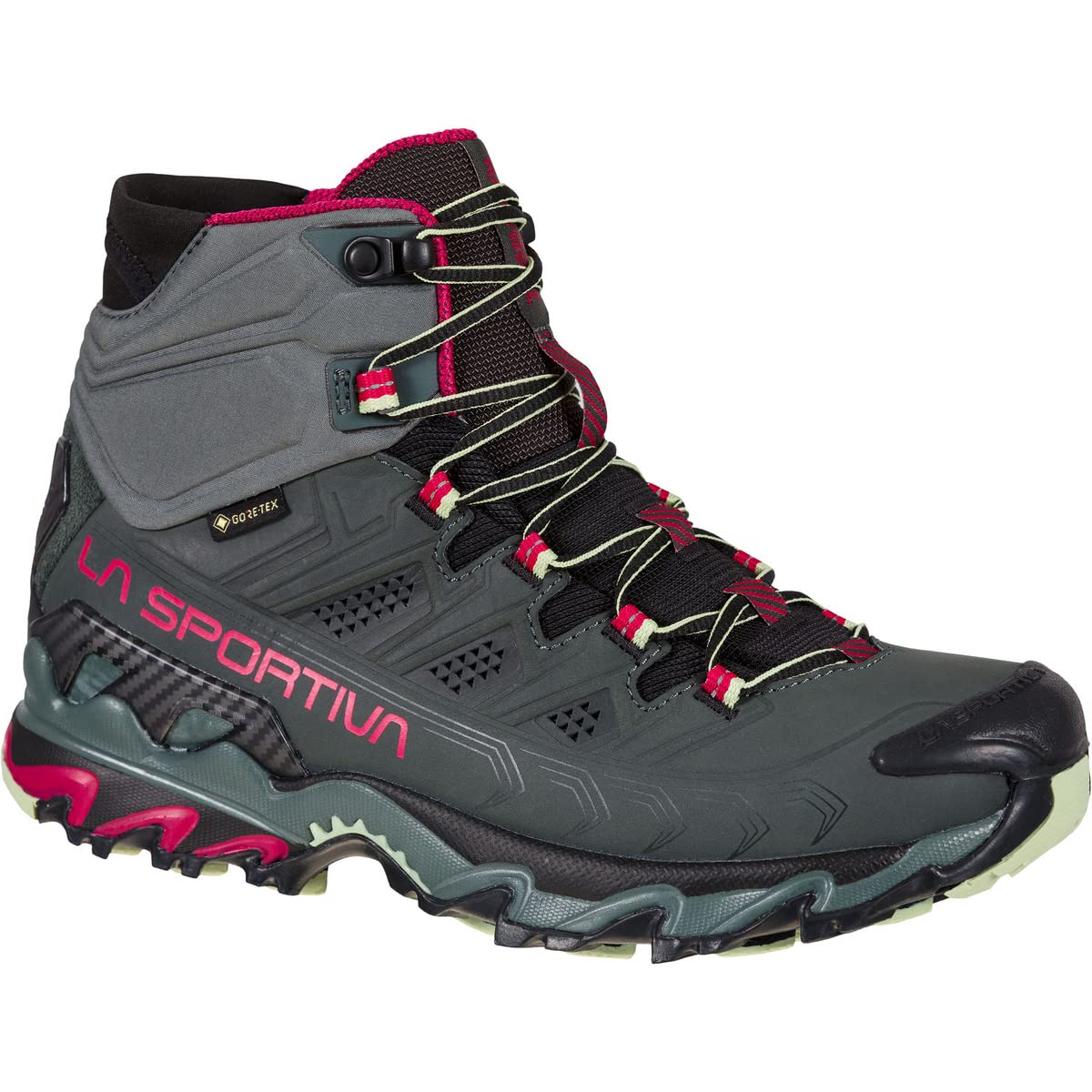
Quick verdict: The most stable, technical-trail-ready option here — best if you want a firm, controlled platform over rugged terrain.
This mid-height trail shoe blends aggressive traction with a firm, supportive platform that helps control your foot on technical terrain. You get a rugged rubber sole and reinforced toe protection that make it useful for rock-strewn routes and fast mountain days, yet it’s lighter than many old-school leather boots.
The footbed is on the firmer side, which can be good for reducing excessive pronation and stabilizing the heel if you’re managing plantar fasciitis, though you may prefer a custom insert for extra cushioning. Waterproofing may vary by listing/version, so double-check the specific listing’s waterproof rating before you buy if that matters for your conditions, or pair it with a quick-dry sock when you expect wet patches. If you want a stable, grippy boot for steep, uneven trails and value ankle support, this is a strong option to consider.
Who should avoid this: if you need plush out-of-the-box cushioning or a confirmed waterproof rating without checking the listing, this may not be the best fit.
What People Say
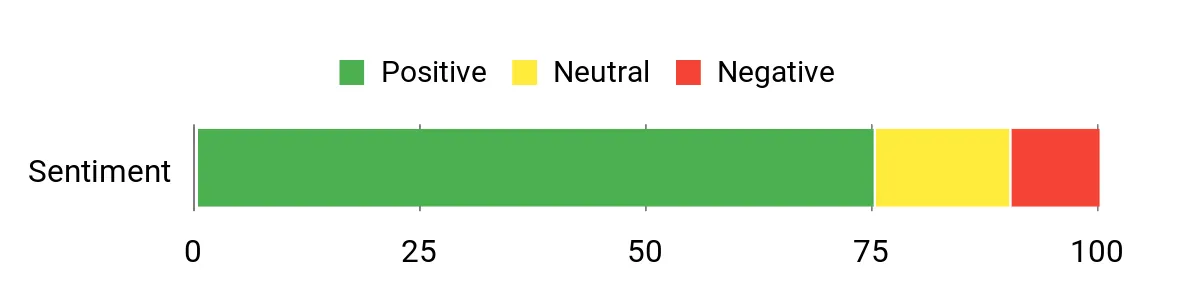
Customers commonly praise the shoe’s traction and ankle support, saying it performs well on rocky, technical trails. Many note the footbed is quite firm, which some hikers like for stability while others swap in softer insoles. Fit is a recurring theme: you’ll often see advice to size up and consider a wide if you’re between sizes. A number of users also point out the solid toe protection and overall build quality.
Overall Sentiment: Positive
|
Pros |
Cons |
|---|---|
|
✅ Excellent grip and outsole traction |
❌ Toe box can feel tight; many recommend sizing up |
|
✅ Stable, supportive midsole and heel cup |
❌ Footbed is rigid and may need a cushioned insole for some |
|
✅ Durable toe cap and solid construction |
❌ Confirm waterproof rating on the listing before buying |
|
✅ Relatively lightweight compared with traditional hiking boots |
Durability
The synthetic upper and reinforced toe area hold up well on abrasive trails, and the rubber outsole shows strong long-term wear resistance. You can expect good durability on off-trail routes and frequent use.
Comfort
Comfort comes from the shoe’s stability rather than plush cushioning. You’ll notice a firm platform and strong ankle support right away; that helps reduce excessive foot motion but may feel stiff until you break them in.
If your plantar fasciitis needs more heel cushioning, plan to test orthotic inserts to fine-tune comfort.
Key Benefits
- Tacky rubber sole for confident traction on varied terrain
- Firm, stable platform that helps control pronation and heel movement
- Reinforced toe protection and durable synthetic upper
- Mid-height design that adds ankle security without bulk
Rating: 4.3 (total: 242+) — check the current rating on Amazon, as it may have changed.
Topo Ultraventure
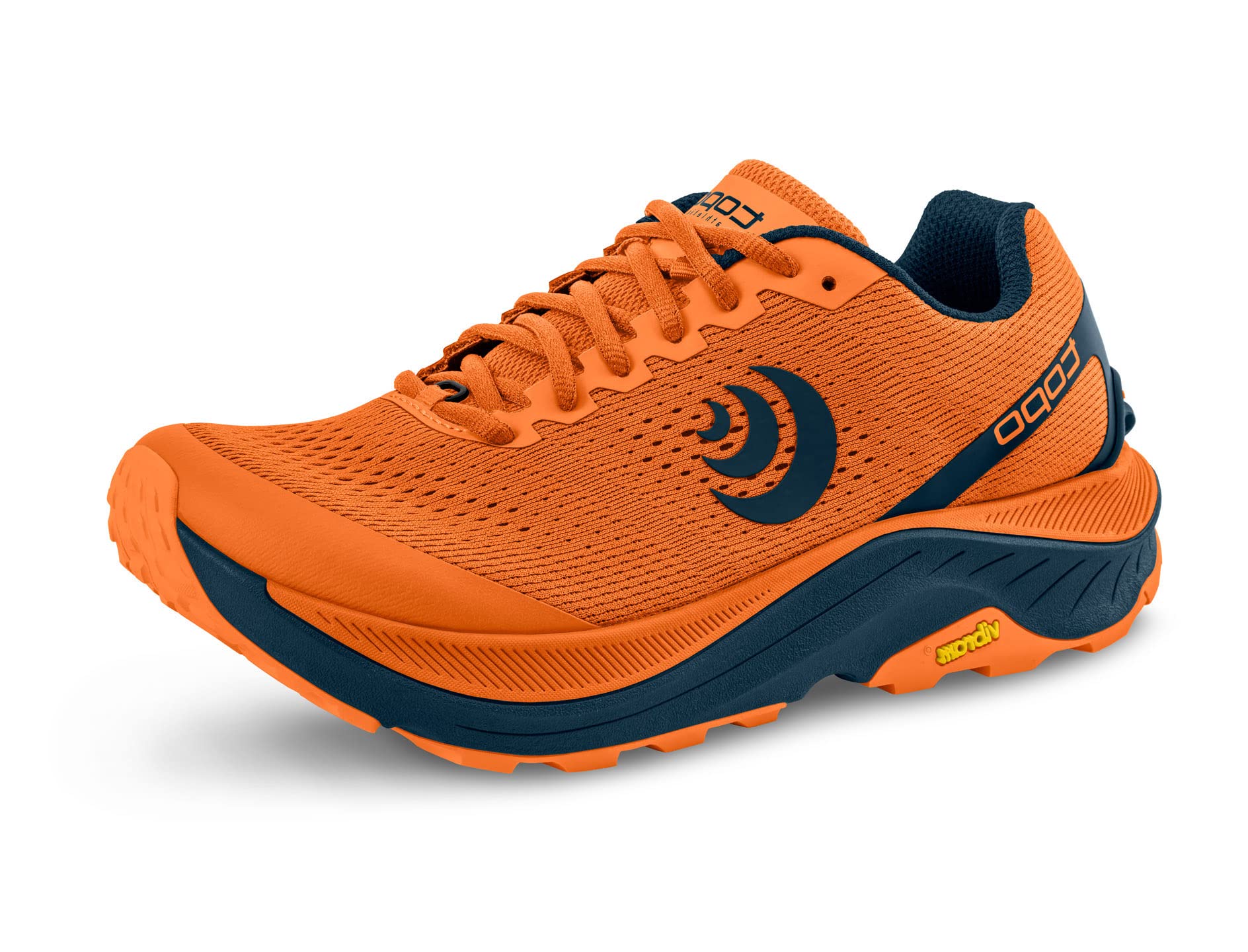
Quick verdict: The lightest, most natural-feeling option — best if you want a low-drop shoe for faster, longer miles.
You get a light, low-drop trail shoe that encourages a more natural stride while still offering moderate cushioning for longer miles. The breathable mesh keeps your feet cooler on warm days and the rubber outsole is grippy enough for most dirt and gravel routes.
It’s a great pick for daily trail runs, fastpacking days and mixed-surface hikes where you want a nimble feel rather than a heavy, built-up boot. If your plantar fasciitis flares with high-impact landings, try these with a supportive insole to add targeted heel cushioning while keeping the shoe’s natural ride.
Who should avoid this: if you need maximum cushioning for severe heel pain, or heavy-duty rock protection, this lighter shoe may not offer enough support on its own.
What People Say
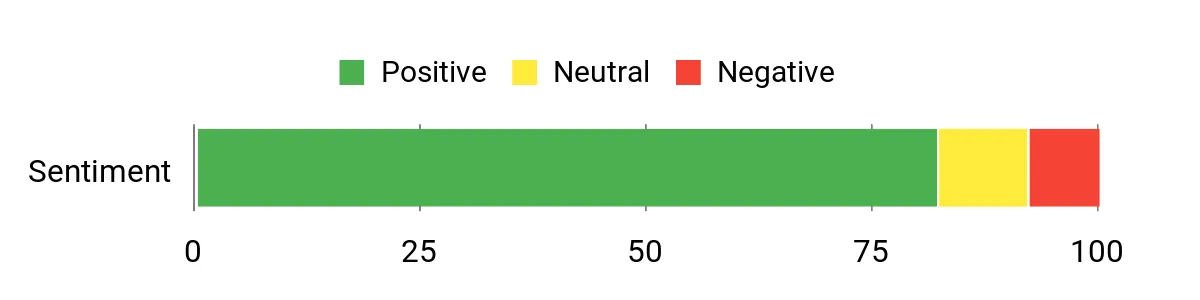
Users often highlight how light the shoe feels and appreciate the low-drop platform for a more natural running stride. Reviewers also note the breathable mesh and comfortable fit for everyday trail miles, while a few mention wanting a bit more cushion for very long hikes or severe heel pain.
Fit tends to be true to size, but some add custom insoles for extra heel support.
Overall Sentiment: Positive
|
Pros |
Cons |
|---|---|
|
✅ Very lightweight and responsive |
❌ Moderate cushioning may not suit severe plantar fasciitis without added insoles |
|
✅ Supports natural foot mechanics with a 5mm drop |
❌ Less protection on very rocky or wet routes |
|
✅ Breathable mesh keeps feet cool |
❌ Not designed as a heavy-duty hiking boot |
|
✅ Good for fast trail days and mixed terrain |
Durability
The mesh upper and rubber sole balance weight and wear; you’ll get plenty of life for regular trail runs but heavy, abrasive use on sharp rocks may accelerate wear compared with thicker leather boots.
Comfort
Comfort rides on the shoe’s natural feel and moderate cushion. You’ll likely like the roomy toe box and flexible forefoot, and if your plantar fasciitis needs more heel cushioning you can add an orthotic without sacrificing the shoe’s low-drop benefits.
Key Benefits
- Lightweight construction that reduces fatigue on longer outings
- 5mm drop supports a natural gait and can lower heel strike stress
- Breathable mesh upper for warm-weather comfort
- Moderate cushioning suitable for mixed trails and daily use
Rating: 4.5 (total: 166+) — check the current rating on Amazon, as it may have changed.
TechWare Sleeve

Quick verdict: The most affordable, portable option — best for managing flare-ups inside your existing shoes rather than replacing them.
This slim compression sleeve slips on easily and gives targeted pressure where your arch and heel need it most. You can wear it inside sneakers or hiking shoes to add extra stability on walks and short hikes, and it’s light enough for daily use around town or during recovery days. The fabric blends nylon and spandex for firm, flexible support, but it’s not a replacement for a molded orthotic if you need rigid arch control.
If you want a portable, low-profile way to manage flare-ups and add gentle support during activity, this is a practical option to keep in your kit.
Who should avoid this: if you need rigid, custom arch control or have severe, persistent pain, a molded orthotic (and a podiatrist’s guidance) will likely serve you better than a compression sleeve alone.
What People Say
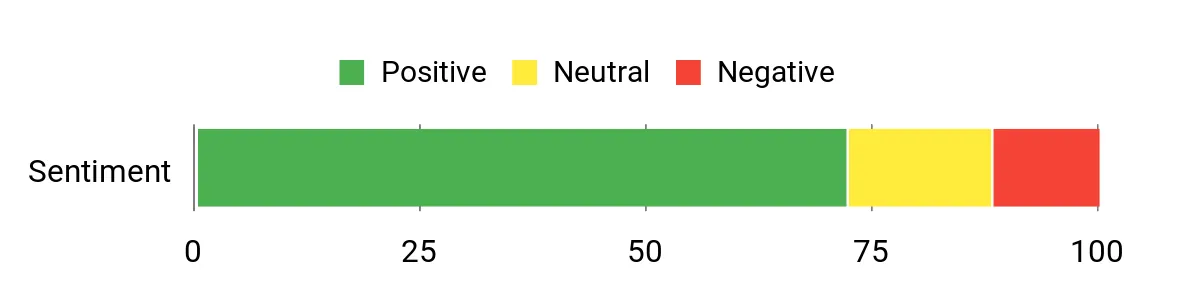
Buyers frequently mention noticeable relief from morning heel pain and reduced discomfort during walks or light activity. Fit and sizing come up often, so many recommend checking the size chart before you order. People also appreciate that the sleeve can be worn under shoes and that it feels supportive without being bulky, though some note the elastic can loosen after heavy use.
Overall Sentiment: Positive
|
Pros |
Cons |
|---|---|
|
✅ Provides consistent, targeted compression |
❌ Sizing can be tricky; check the chart carefully |
|
✅ Low-profile design works with most footwear |
❌ Not a substitute for rigid orthotics for severe cases |
|
✅ Lightweight and easy to wear for daily use |
❌ Elasticity may diminish with heavy, prolonged use |
|
✅ Popular choice with a large number of reviewers |
Durability
Made from nylon and spandex, it stands up well to regular wear if you follow the hand-wash care instructions, but heavy daily use can gradually reduce compression over months.
Comfort
The sleeve feels snug and secure, giving a steady, supportive pressure that can lessen heel strain during movement. It may feel tight at first, so allow a short break-in period and size up if you’re between measurements.
Key Benefits
- Targeted compression for arch and heel support
- Thin profile fits comfortably inside most shoes
- Lightweight and suitable for everyday activity
- Machine-care caution: hand wash to preserve elasticity
Rating: 4.2 (total: 10974+) — check the current rating on Amazon, as it may have changed.
FAQ
How Do I Choose Hiking Boots?
Look for boots that combine a stable heel counter, firm midsole and a supportive but not cramped toe box so your foot stays secure without jamming forward on descents. Prioritize arch support and a cushioned heel cradle to reduce strain on the plantar fascia, and try them with the socks and any insoles you plan to use.
Fit matters more than brand: test for comfort after a short walk and break them in gradually on easier trails.
Can I Use Insoles Or Orthotics?
Yes, adding a removable insole or a custom orthotic can make a big difference if the factory footbed is too rigid or lacks heel cushioning. Make sure the boot has a removable liner and enough volume in the toe box to accept the insert without creating pressure points, and trial different stiffness levels to find the balance between support and shock absorption. If your pain is severe or persistent, consult a podiatrist for a tailored orthotic prescription.
Should I Prefer Low-Drop Or Cushioned Shoes?
Low-drop shoes promote a more natural gait and can reduce heel-first impact, but they may increase calf load if you switch suddenly. For plantar fasciitis you’ll often get the best results from shoes that combine a moderate drop with good heel cushioning and a stable midsole; this reduces heel strain while still supporting natural mechanics. Transition gradually when changing drop or cushion levels and test on short walks before tackling long hikes.
Is A Compression Sleeve Enough On Its Own?
A compression sleeve like the TechWare can help manage mild to moderate discomfort and add support inside your existing shoes, but it isn’t a substitute for supportive footwear or a rigid orthotic if your pain is more severe. Many people use a sleeve alongside supportive shoes rather than as a stand-alone fix.
Customer Preferences
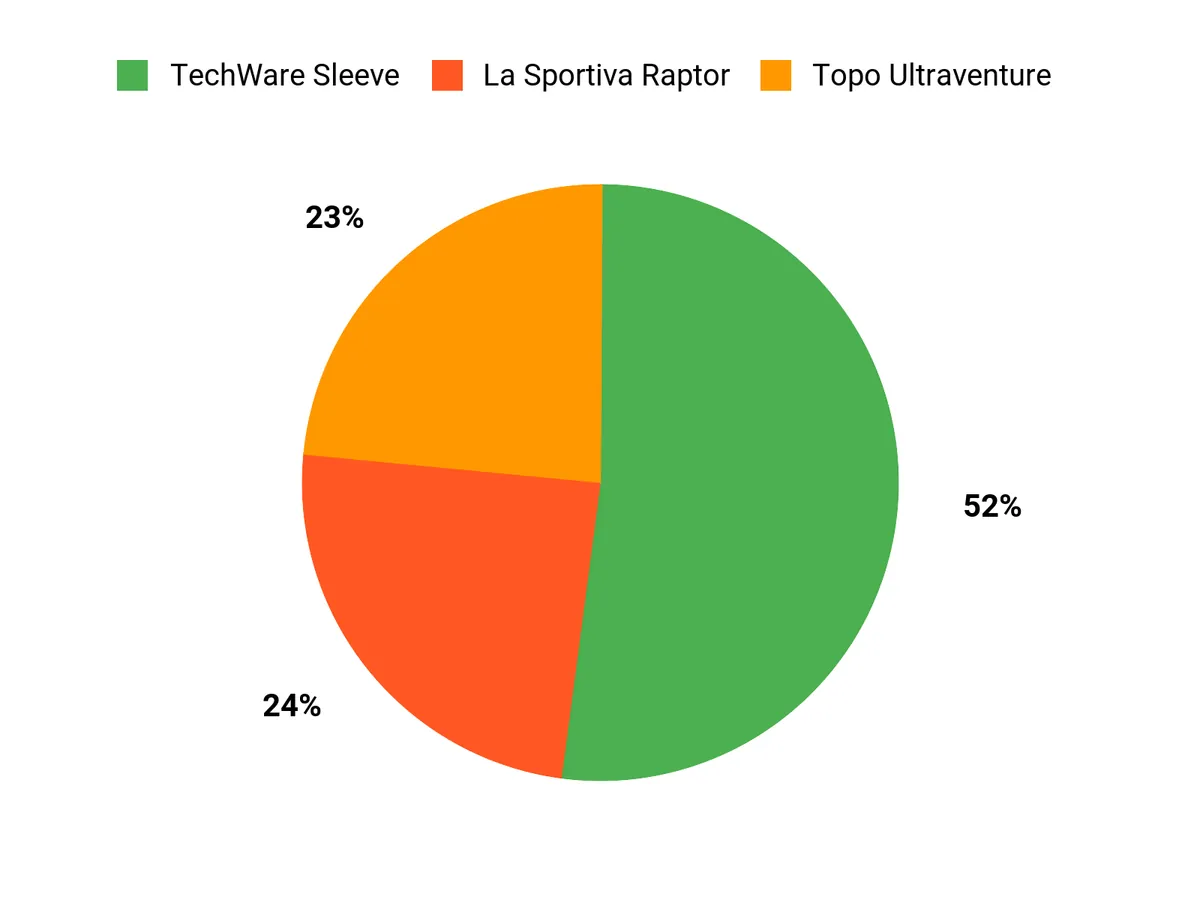
You typically prioritize what problem you need solved: on technical routes you want the La Sportiva Raptor for its stable platform, ankle support and aggressive traction, while for faster, lighter miles you’ll favor the Topo Ultraventure’s low-drop, responsive feel and breathable mesh. If your immediate need is flare-up management rather than a new shoe, the TechWare Sleeve is chosen for targeted compression and easy use inside your existing footwear.
You’ll also look for proper fit, a removable footbed to accept orthotics, and enough heel cushioning to reduce morning pain and impact on descents.
Before You Buy: Quick Checklist
- Confirm the removable footbed can fit your orthotic or insole if you use one
- Check the toe box width, especially if you plan to size up
- Verify the waterproof rating on the specific listing if that matters for your trails
- Break new footwear in gradually on short walks before a long hike
- If pain is severe or persistent, check with a podiatrist before choosing gear
Wrapping Up
Choose a boot that matches the terrain and the support your foot needs. The La Sportiva Raptor delivers strong ankle support and aggressive traction for technical routes, making it a top choice when stability and protection matter most.
The Topo Ultraventure gives you lightweight, low-drop cushioning for a more natural stride and reduced strain on the plantar fascia during longer miles. The TechWare sleeve is a low-cost, portable option you can wear inside shoes to add compression and mild arch support for pain flare-ups.
When deciding, prioritize fit: allow extra toe room for descents, confirm orthotic compatibility if you use inserts, and break new footwear in on short hikes to make sure the combination of support and comfort works for your foot.
| La Sportiva Mens Ultra Raptor II Mid GTX Hiking Shoe | Topo Athletic Men’s Lightweight Comfortable 5MM Drop Ultraventure 3 Trail Running Shoes | TechWare Pro Ankle Brace Compression Sleeve | |
|---|---|---|---|
|
|
|
|
|
| Rating | 4.3/5 (242 reviews) — verify current rating on Amazon | 4.5/5 (166 reviews) — verify current rating on Amazon | 4.2/5 (10,974 reviews) — verify current rating on Amazon |
| Material | Synthetic Upper, Rubber Sole | Mesh Upper, Rubber Sole | 80% Nylon, 20% Spandex |
| Weight | 1360 grams (3 Pounds) | 0.85 Kilograms (1.874 Pounds) | 1.13 ounces |
| Special Highlights |
|
|
|
| Check Price on Amazon | Check Price on Amazon | Check Price on Amazon |
This Roundup is reader-supported. When you click through links we may earn a referral commission on qualifying purchases.

