
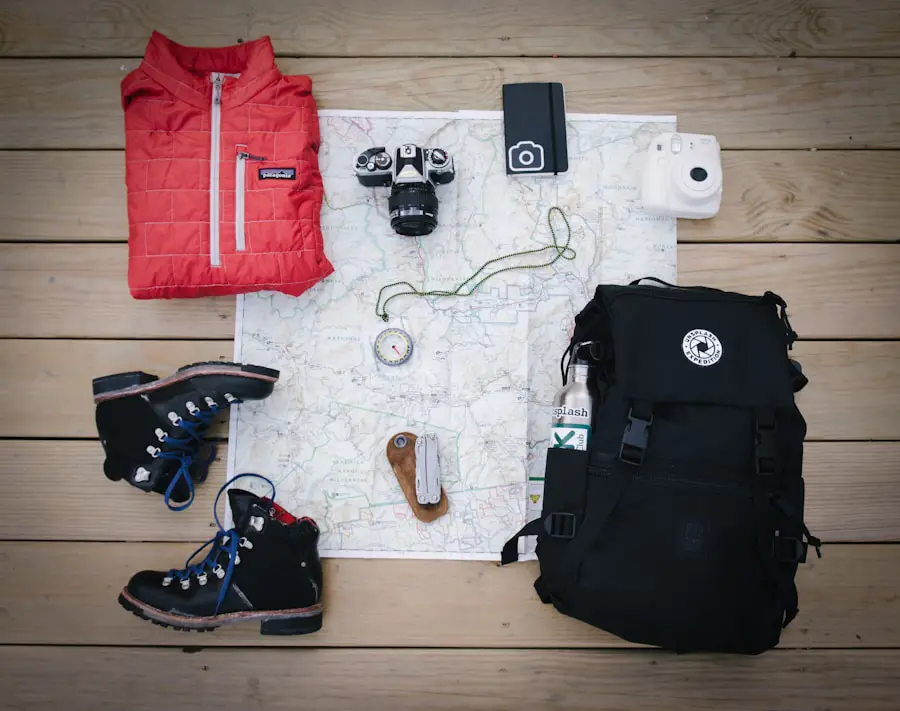
Last Updated on September 10, 2026 by Daniel Globe
Cold-weather hiking is much more comfortable when your clothes work as a system instead of relying on one heavy jacket. The basic approach is simple: wear a moisture-managing base layer, add insulation for warmth, and carry a shell that blocks wind and precipitation. Then add or remove layers as your effort level and the weather change. The goal is not to feel as warm as possible at every moment. It is to stay warm enough while avoiding sweat that can leave you chilled when you slow down or stop.
Quick Answer
For cold-weather hiking, wear a wool or synthetic base layer, an adjustable insulating layer such as fleece or a puffy jacket, and a wind- and weather-resistant shell. Add warm socks, suitable boots, gloves or mittens, a hat, and neck protection. Carry spare insulation and dry clothing in your pack.
Key Takeaways
- Use three functional layers: a moisture-managing base layer, an insulating mid layer, and a protective outer shell.
- Choose wool or synthetic fabrics next to your skin and avoid cotton when getting wet could leave you cold.
- Fleece and synthetic insulation are useful for active or damp conditions; down is especially light and warm for its weight but needs protection from soaking.
- Protect your head, ears, hands, neck, and feet, but make sure socks, gloves, and boots are not so tight that they restrict circulation.
- Carry extra dry layers, traction when ice or packed snow is possible, navigation, a headlamp, food, water, first aid, and emergency shelter.
Disclosure: As an Amazon Associate I earn from qualifying purchases. Some links on this page are affiliate links, at no extra cost to you.
How Cold-Weather Hiking Layers Work
A good layering system lets you control heat and moisture throughout the hike. During a steep climb, your body may produce enough heat that you need to unzip your jacket or remove an insulating layer. At a windy viewpoint or rest stop, you may need to put that insulation back on immediately.
The three main layers have different jobs:
- Base layer: moves perspiration away from your skin and helps you stay dry.
- Insulating layer: traps warm air around your body.
- Outer shell: protects the layers underneath from wind, rain, and wet snow.
The National Park Service winter-hiking guidance also recommends dressing in layers, carrying warm waterproof clothing, and packing spare dry clothing in case what you are wearing gets wet.
Pro Tip: Adjust layers before you become sweaty. If you feel yourself getting hot on a climb, vent your shell or remove a mid layer early. Put insulation back on before a long stop so you do not cool down rapidly.
Base Layers: Choosing the Right Material
The base layer sits directly against your skin, so moisture management matters more than bulk. A close-fitting layer can move perspiration away from your body without being tight enough to restrict movement or circulation.
Synthetic materials such as polyester and nylon are common choices because they move moisture effectively and usually dry quickly. They work well for high-output hiking, especially if you tend to sweat heavily.
Merino wool is another strong option. It feels softer than many traditional wool fabrics, offers useful temperature regulation, and generally manages odor well on multi-day trips. Merino may take longer to dry than some lightweight synthetics, so the best choice depends on your activity and personal comfort.
Caution: Avoid relying on cotton as a cold-weather base layer when rain, snow, or heavy sweating is possible. Cotton holds moisture and dries slowly, which can leave you chilled when your activity level drops.
Base layers also come in different weights. Lightweight fabric is often sufficient for hard uphill hiking, while midweight or heavier options may be more comfortable during lower-output activity or colder conditions. There is no universal temperature rule because wind, humidity, precipitation, sun exposure, pace, and individual metabolism all affect how warm you feel.
Insulating Layers: Fleece, Synthetic Insulation, and Down
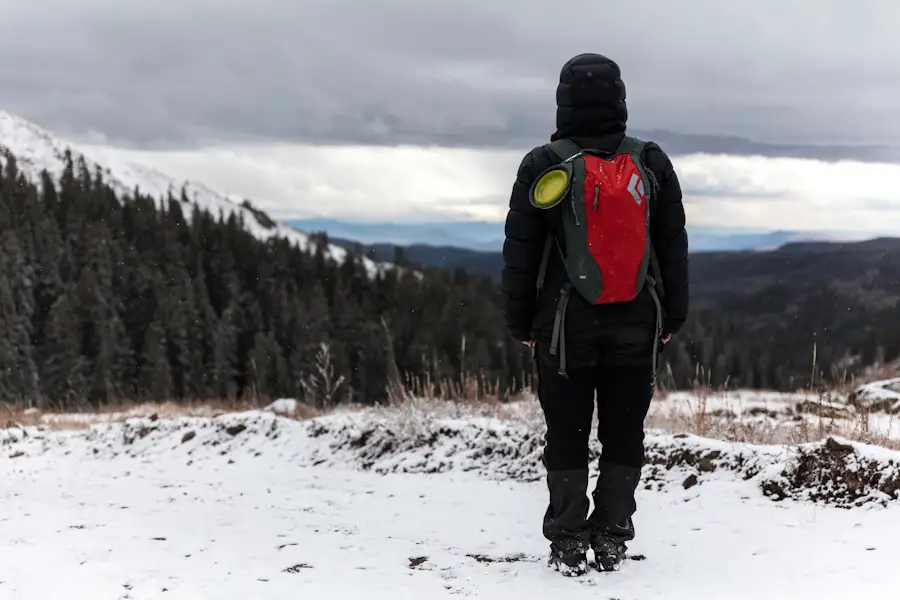
Your insulating layer traps warm air around your body. Fleece, synthetic insulated jackets, and down jackets can all work, but each performs differently.
| Insulation | Best qualities | Main limitation |
| Fleece | Breathable, quick drying, comfortable while moving | Wind passes through many fleece fabrics unless a shell is added |
| Synthetic puffy | Dries relatively quickly and continues to provide useful insulation when damp | Usually heavier and bulkier than down for similar warmth |
| Down puffy | Excellent warmth-to-weight ratio and high compressibility | Loses much of its insulating performance when saturated and dries slowly |
Down is fine insulating plumage found beneath the exterior feathers of ducks or geese. Its structure creates small air spaces that provide impressive warmth without much weight. That makes a down jacket especially useful as a packable layer for cold, relatively dry conditions.
Water-resistant treatments can help down tolerate light moisture, but treated down still needs protection from prolonged rain or saturation. For frequently wet conditions, synthetic insulation is often more forgiving because it dries faster and retains more insulating ability when damp.
A practical system may use a breathable fleece while you are moving and a warmer puffy jacket that comes out of your pack at rest stops.
Outer Layers: Protecting Against Wind, Rain, and Snow
The outer layer protects the rest of your clothing from wind and precipitation. In wet or exposed conditions, a waterproof and windproof shell can reduce heat loss while allowing some moisture vapor from inside your clothing to escape.
For example, the original GORE-TEX product range is designed to provide waterproof, windproof, and breathable protection. Other manufacturers use different waterproof-breathable technologies, so compare the actual garment rather than assuming all membranes perform identically.
| Shell specification | What it tells you | What to remember |
| Waterproof rating (mm) | A laboratory measure of resistance to water pressure | Test methods and garment construction matter, so a single number does not tell the whole story |
| Breathability / moisture-vapor rating | Indicates how readily moisture vapor can move through the material under a particular test | Numbers from different test methods are not always directly comparable |
| Wind protection | Reduces convective cooling in exposed conditions | A fully windproof shell offers more protection, while an air-permeable soft shell may feel more comfortable during hard exertion in dry weather |
Features such as an adjustable hood, cuffs, and hem help limit wind and blowing snow. Pit zips or other ventilation openings can also be valuable because they let you dump heat before perspiration builds up.
Your shell should fit over the layers you plan to wear without compressing the insulation underneath or restricting your movement.
What to Wear on Your Legs in Cold Weather
Your lower-body system should be just as adaptable as your upper layers. For many hikes, a wool or synthetic base-layer tight under breathable hiking pants provides enough warmth while you are moving.
Soft-shell hiking pants can work well in cold, mostly dry weather because they block some wind while remaining breathable. When rain, sleet, wet snow, or strong wind is likely, carry waterproof shell pants that can go over your hiking pants.
Insulated pants can be useful in severe cold or during low-output activities, but they may be too warm for a steep hike. Choose enough insulation for the conditions without making yourself sweat excessively.
Note: There is no single pair of “winter hiking pants” that is best for every trip. A flexible base-layer-plus-pant-plus-shell system is easier to adjust when temperatures, wind, precipitation, and exertion change.
Accessories: Hats, Gloves, Mittens, and Neck Protection
Your head, ears, face, fingers, and other exposed areas can lose heat quickly in cold wind, so covering them matters. That does not mean the head automatically loses a uniquely large percentage of total body heat; any exposed skin can contribute to heat loss.
A wool or synthetic beanie can protect your scalp and ears while managing moisture. In stronger wind or lower temperatures, a neck gaiter or face covering adds protection for the cheeks, chin, and neck.
For your hands, lightweight gloves may be enough during vigorous hiking, while insulated gloves or mittens are better during colder conditions and stops. Mittens generally keep fingers warmer because the fingers share heat within one compartment, although gloves provide better dexterity.
A useful cold-weather system is to carry a thin liner glove plus a warmer outer glove or mitten. A spare dry pair can be valuable if the first set becomes soaked.
Footwear: Choosing Boots and Socks for Cold Weather

Cold-weather footwear needs to keep your feet reasonably warm, dry, and stable without squeezing them. Waterproof hiking boots are especially useful when you expect snow, slush, puddles, or wet vegetation. Insulated boots may be worthwhile in colder temperatures or for people who tend to get cold feet, but heavy insulation is not necessary for every winter hike.
Wear wool or synthetic hiking socks rather than cotton. Choose a thickness that works with your boots while still leaving room to move your toes. Adding extremely thick socks to already-snug boots can reduce circulation and make your feet colder rather than warmer.
Warning: Do not overtighten boots, gaiters, socks, or glove cuffs. Restricted circulation can make fingers and toes more vulnerable to cold injury. Change wet socks when practical and address numbness instead of simply pushing on.
Gaiters can keep snow from entering the tops of your boots. If you may encounter ice or hard-packed snow, carry a traction device that is appropriate for the trail. The National Park Service recommends over-the-shoe traction devices for winter hiking on ice and snow.
How to Adjust Layers During the Hike
Cold-weather clothing works best when you adjust it throughout the day rather than putting everything on at the trailhead and leaving it unchanged.
- During a hard climb: open vents, remove a hat, or take off an insulating layer before your clothing becomes soaked with sweat.
- On exposed ridges: put on your wind-resistant shell before strong wind strips away heat.
- In rain or wet snow: use your waterproof shell and protect insulation from getting saturated.
- At rest stops: add a puffy or other warm layer before you become chilled.
- After getting wet: change into dry clothing when practical and protect yourself from further wind and precipitation.
A useful rule is to dress for what you will be doing next. The clothing that feels perfect while climbing may be far too light when you stop for 20 minutes.
Packing Essentials: What to Bring on a Cold-Weather Hike
Cold-weather hiking requires more than clothing. A small delay, navigation mistake, injury, or sudden weather change can turn a routine outing into a much longer day outside.
The National Park Service Ten Essentials provide a useful packing framework:
- Navigation: map, compass, and/or GPS that you know how to use.
- Sun protection: sunglasses, sunscreen, and appropriate head protection.
- Insulation: extra clothing, warm layers, hat, gloves, and rain protection.
- Illumination: a headlamp or flashlight with adequate battery power.
- First aid: supplies for injuries, blisters, and personal medical needs.
- Fire: an appropriate fire-starting method where its use is safe and permitted.
- Repair kit and tools: basic items that can address common gear failures.
- Food: enough energy-dense food for the outing plus an emergency margin.
- Hydration: enough water for the trip and a treatment method when appropriate.
- Emergency shelter: a lightweight bivy, tarp, emergency blanket, or other suitable shelter.
For winter conditions, also consider spare dry socks and gloves, traction devices, trekking poles, and extra insulation. Keep vulnerable electronics and water protected from extreme cold.
A reliable backpack makes it easier to organize spare layers and safety gear. For additional pack-selection ideas, see 5 Must-Have Minimalist Travel Backpacks for Spring Adventures 2025.
Tips for Staying Comfortable and Safe on Cold-Weather Hikes
Check the forecast, wind, expected precipitation, trail conditions, daylight, and relevant local advisories before leaving. The National Weather Service wind-chill guidance explains how wind increases heat loss from exposed skin in cold conditions.
Do not assume your phone will always provide navigation or communication. Winter trails can look very different under snow, and cell coverage may be unavailable. Carry appropriate navigation tools, tell someone where you are going and when you expect to return, and be willing to turn around if weather or trail conditions deteriorate.
If your route enters avalanche terrain, check the appropriate local avalanche forecast before traveling and recognize that specialized winter backcountry knowledge and equipment may be required. Clothing alone does not make avalanche terrain safe.
Keep eating and drinking during the hike. Cold weather can make thirst less noticeable, but you still lose fluid through exertion and breathing. Sunglasses and sunscreen also remain important because snow can produce intense reflected sunlight.
Hypothermia can occur even when temperatures are above 40°F if rain, sweat, or cold-water exposure leaves a person chilled.
According to the CDC’s hypothermia guidance, warning signs in adults include shivering, exhaustion, confusion, fumbling hands, memory loss, slurred speech, and drowsiness. Hypothermia is a medical emergency.
The CDC’s frostbite guidance lists warning signs such as numbness and skin that becomes white or grayish-yellow, unusually firm, or waxy. Frostbite most often affects exposed areas and extremities such as the nose, ears, cheeks, fingers, and toes.
Warning: Suspected hypothermia requires urgent medical attention. Seek medical care for suspected frostbite as well. Get out of the cold, protect the person from further exposure, and follow current emergency guidance rather than attempting to “tough it out” on the trail.
Note: This guide provides general outdoor-safety information. Conditions vary by location, elevation, weather, and individual health. Follow local park, weather, avalanche, and emergency guidance for the route you plan to hike.
Love travel? Join Our Facebook Community For More Tips.
Frequently Asked Questions
What are the essential clothing items for hiking in cold weather?
Start with a wool or synthetic base layer, add fleece or another insulating mid layer, and carry a wind- and weather-resistant shell. Add appropriate hiking pants, wool or synthetic socks, suitable boots, gloves or mittens, a warm hat, and neck or face protection when conditions require it.
What materials are best for hiking in cold weather?
Merino wool and synthetic fabrics such as polyester are good base-layer materials because they manage moisture better than cotton. Fleece, synthetic insulation, and down can all provide warmth. Synthetic insulation is more forgiving in damp conditions, while down offers excellent warmth for its weight when kept dry.
How should I layer my clothing for hiking in cold weather?
Wear a moisture-managing base layer next to your skin, an insulating layer over it, and a protective shell when you need wind or precipitation protection. Adjust the system during the hike by removing or venting layers before you become sweaty and adding insulation before rest stops.
What type of pants are suitable for hiking in cold weather?
A wool or synthetic base-layer tight under breathable hiking or soft-shell pants works for many cold hikes. Add waterproof shell pants when wet snow, rain, or strong wind is likely. Heavily insulated pants are most useful in severe cold or lower-output situations rather than every winter hike.
What accessories should I bring for hiking in cold weather?
Bring a hat, gloves or mittens, neck or face protection, wool or synthetic socks, and spare dry clothing. Sunglasses and sunscreen are useful around snow, while gaiters can keep snow out of boots. Carry traction devices when ice or hard-packed snow may be present.
What footwear is recommended for hiking in cold weather?
Choose hiking boots that match the temperature and trail conditions. Waterproof boots are useful for snow and slush, while insulated boots may be appropriate in colder conditions. Wear wool or synthetic socks and make sure the combination leaves enough room to move your toes without restricting circulation.
Is cotton okay for cold-weather hiking?
Cotton is a poor choice when you may become wet from sweat, rain, or snow because it absorbs moisture and dries slowly. Wool and synthetic fabrics are generally more suitable for base layers, socks, and other clothing where moisture management matters.
Do I need waterproof pants for a winter hike?
Not on every hike. Breathable hiking or soft-shell pants may be more comfortable in cold, dry weather. Carry waterproof shell pants when rain, wet snow, deep snow, or strong wind is possible so you can add protection without wearing a heavily waterproof layer all day.
Sources
- National Park Service — Winter Hiking Tips — winter clothing, traction, navigation, spare dry clothing, and trip planning.
- National Park Service — Ten Essentials — navigation, insulation, illumination, first aid, food, water, emergency shelter, and other core safety systems.
- CDC — Preventing Hypothermia — hypothermia risk, warning signs, and emergency guidance.
- CDC — Preventing Frostbite — frostbite symptoms, prevention, and response.
- National Weather Service — Understanding Wind Chill — effects of cold and wind on exposed skin.
- GORE-TEX — Product Technology — waterproof, windproof, and breathable shell technology.

