
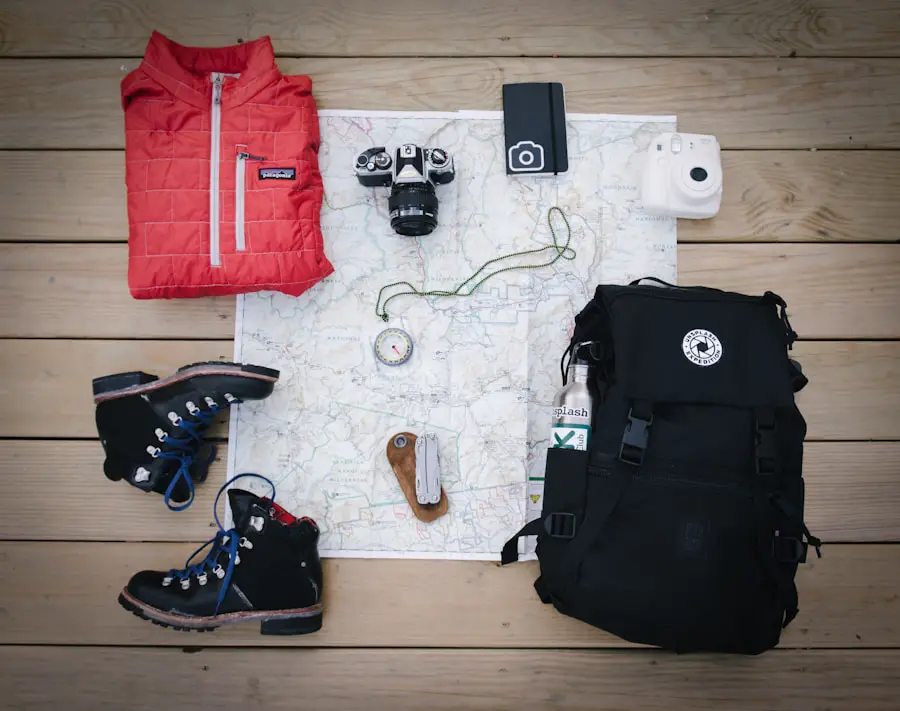
Last Updated on July 27, 2026 by Daniel Globe
Cold-weather hiking can be comfortable and rewarding when your clothing keeps you warm without trapping too much sweat and your pack covers the risks that come with snow, ice, wind, and shorter daylight hours. A good system combines adjustable layers, weather-appropriate footwear, protection for your hands and head, traction when needed, and enough emergency gear to handle an unexpected delay.
Quick Answer
For cold-weather hiking, wear a moisture-managing base layer, an insulating midlayer, and a wind- and water-resistant shell. Add warm socks, weather-appropriate boots, gloves or mittens, and head protection. Carry traction, water, food, navigation, a headlamp, spare dry clothing, first aid, and an emergency shelter.
Key Takeaways
- Use adjustable layers so you can add warmth when you stop and vent heat before sweat soaks your clothing.
- Choose wool or synthetic base layers and socks rather than cotton for wet, cold conditions.
- Use waterproof winter-capable footwear, adding insulation according to the temperature, snow depth, hike length, and your personal cold tolerance.
- Protect your hands, ears, head, neck, and face, but remember that no single body part accounts for a fixed percentage of total heat loss.
- Winter safety gear should include navigation, a headlamp, food, water, extra clothing, first aid, emergency shelter, and traction appropriate for the trail.
Disclosure: As an Amazon Associate I earn from qualifying purchases. Some links on this page are affiliate links, at no extra cost to you.
How to Layer Clothing for Cold-Weather Hiking
Layered clothing is the foundation of dressing for cold-weather hiking because conditions and activity levels can change quickly. You may feel chilly at the trailhead, become hot while climbing, and cool rapidly when you stop. Instead of relying on one heavy garment, use several layers that can be added, removed, or vented as conditions change.
Base Layer
The base layer sits next to your skin. Choose merino wool or a synthetic performance fabric that manages moisture and dries more effectively than ordinary cotton. A close but comfortable fit works well because the fabric can move moisture away from your skin without restricting movement.
Cotton is usually a poor choice for cold, wet hiking because it absorbs moisture and can remain wet for a long time. The National Park Service winter hiking guidance recommends wool or synthetic clothing and advises carrying an extra set of dry clothing.
Insulating Midlayer
The middle layer traps warm air. Fleece, synthetic insulated jackets, and down garments are common choices. Fleece is breathable and convenient during active hiking. Puffy insulation is especially useful during rest stops, exposed ridges, lunch breaks, or other times when your body is no longer producing as much heat through movement.
Down offers excellent warmth for its weight when kept dry. Synthetic insulation generally handles damp conditions better. The best choice depends on precipitation, humidity, pack space, and the length of the trip.
Outer Shell
Your outer layer protects the insulating layers from wind, rain, sleet, and wet snow. A wind-resistant and waterproof or highly water-resistant shell with a hood is useful when the forecast calls for precipitation or strong wind.
Do not assume that a waterproof shell means you cannot get wet from the inside. Hard climbing can produce enough sweat to overwhelm even breathable fabrics, so open pit zips, loosen cuffs, remove a layer, or slow your pace before you become soaked.
Pro Tip: Start a winter hike feeling slightly cool rather than fully bundled and warm. Add insulation when you stop, and vent or remove a layer as soon as you begin sweating heavily.
Layer Your Lower Body Too
Your legs need the same weather-based approach. In moderate cold, moisture-managing hiking pants may be enough while you are moving. In colder conditions, add synthetic or wool long underwear. For wind, wet snow, or rain, use wind-resistant or waterproof shell pants.
Avoid wearing so many tight layers that circulation or movement is restricted. Warm clothing works best when it can trap air without squeezing your body.
Insulated Waterproof Boots
Waterproof winter-capable hiking boots help protect your feet from snow, slush, mud, and cold water. In very cold conditions, insulation is also valuable. Current CDC/NIOSH cold-stress guidance specifically recommends waterproof insulated boots for extreme cold exposure.
That does not mean the heaviest insulated boot is always the best choice. A fast-moving hiker on a mild winter day may be more comfortable in lighter waterproof footwear, while a slow snowshoe trip in deep cold may call for substantial insulation.
Fit matters as much as insulation. Your toes should have room to move, even with your hiking socks on. Boots that become too tight when paired with thick socks can reduce circulation and make your feet feel colder. Try the boots with the socks you expect to wear on the trail and make sure your heel remains secure while your toes do not strike the front during descents.
Look for an outsole that provides dependable grip and that works safely with any traction device you expect to carry.
Wool Socks
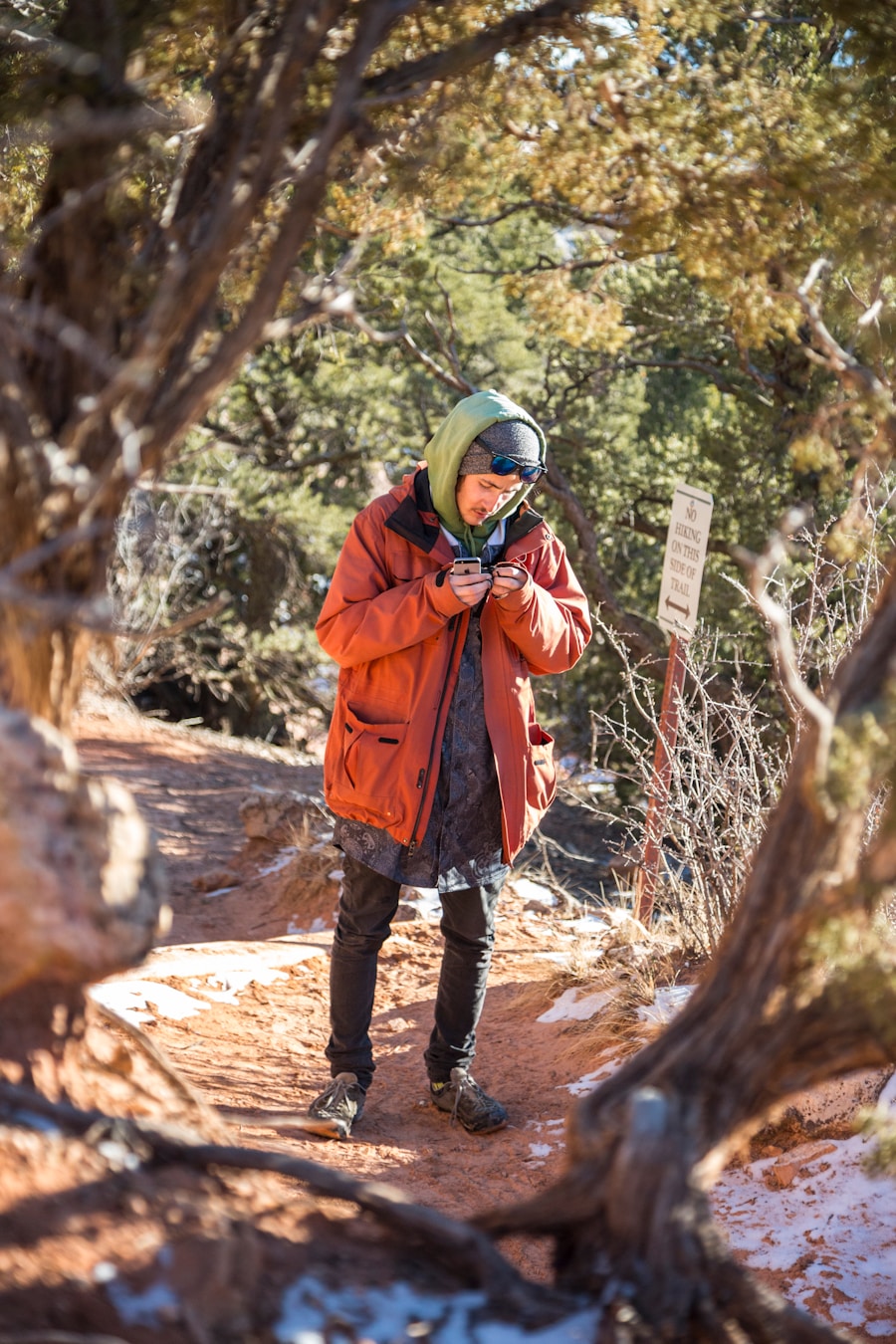
Wool socks are popular for cold-weather hiking because wool can manage moisture vapor, provide insulation, and remain comfortable across a wide range of temperatures. Merino wool is especially common because its fine fibers tend to feel softer against the skin than coarser wool.
Wool also tends to retain less body odor than many synthetic fabrics. This effect is related to the fiber’s moisture-management and odor-binding properties rather than simply the lanolin found in raw wool. The Woolmark Company explains wool’s odor resistance in terms of the structure and moisture behavior of the wool fiber.
Choose sock thickness according to the boot and weather. A very thick sock is not automatically warmer if it makes the boot too tight. Carrying a spare dry pair in a sealed bag is also valuable if your socks become wet from sweat, snow, or a stream crossing.
Thermal Gloves and Mittens
| Type | Typical Material | Dexterity | Weather Protection | Best Use |
|---|---|---|---|---|
| Liner gloves | Merino wool or synthetic | High | Low | Mild cold or under a heavier glove |
| Insulated gloves | Synthetic insulation with fleece or brushed lining | Medium | Medium to high | General winter hiking |
| Mittens or over-mitts | Insulation with windproof or waterproof shell | Low | High | Very cold, windy conditions and rest stops |
Thermal gloves should balance warmth, weather protection, and dexterity. Gloves are convenient when you need to operate trekking poles, adjust buckles, use a zipper, or handle navigation equipment. Mittens are usually warmer because your fingers share heat instead of being separated into individual compartments.
A flexible system works well: use thin liner gloves for dexterity, then add insulated gloves or mittens as temperatures fall. Waterproof or windproof outer mitts can provide another layer of protection during blowing snow, sleet, or strong wind.
Touchscreen compatibility is convenient, but warmth and weather protection should take priority. Carrying a spare dry pair is often more valuable than relying on one elaborate glove for every condition.
Fleece Hat and Neck Protection
A fleece, wool, or synthetic hat helps reduce heat loss from exposed skin and protects the scalp and ears from cold wind. The head does not lose a fixed or uniquely large percentage of total body heat, but leaving it uncovered while the rest of your body is insulated can still make a noticeable difference in comfort.
Choose a hat that fits under a hood or helmet when necessary. In strong wind or very low temperatures, a neck gaiter, balaclava, or face covering can protect the cheeks, nose, chin, and neck as well.
A lightweight hat is easy to remove during a hard climb and put back on during breaks, which makes it especially useful for temperature regulation.
Cold-Weather Hiking Pants and Gaiters
Cold-weather hiking pants should block enough wind for the conditions while allowing you to move freely. Soft-shell hiking pants work well in many dry winter conditions because they combine stretch, moderate wind resistance, and breathability. Add a wool or synthetic base layer underneath when temperatures drop.
Waterproof shell pants become more important in wet snow, freezing rain, strong wind, or prolonged exposure.
Gaiters cover the gap between your pants and boots. They help keep snow, mud, and debris from entering the top of the boot and are particularly helpful in deep snow or when wearing lower-cut winter footwear. The National Park Service includes gaiters among its recommended winter hiking equipment.
Insulated Water Bottle
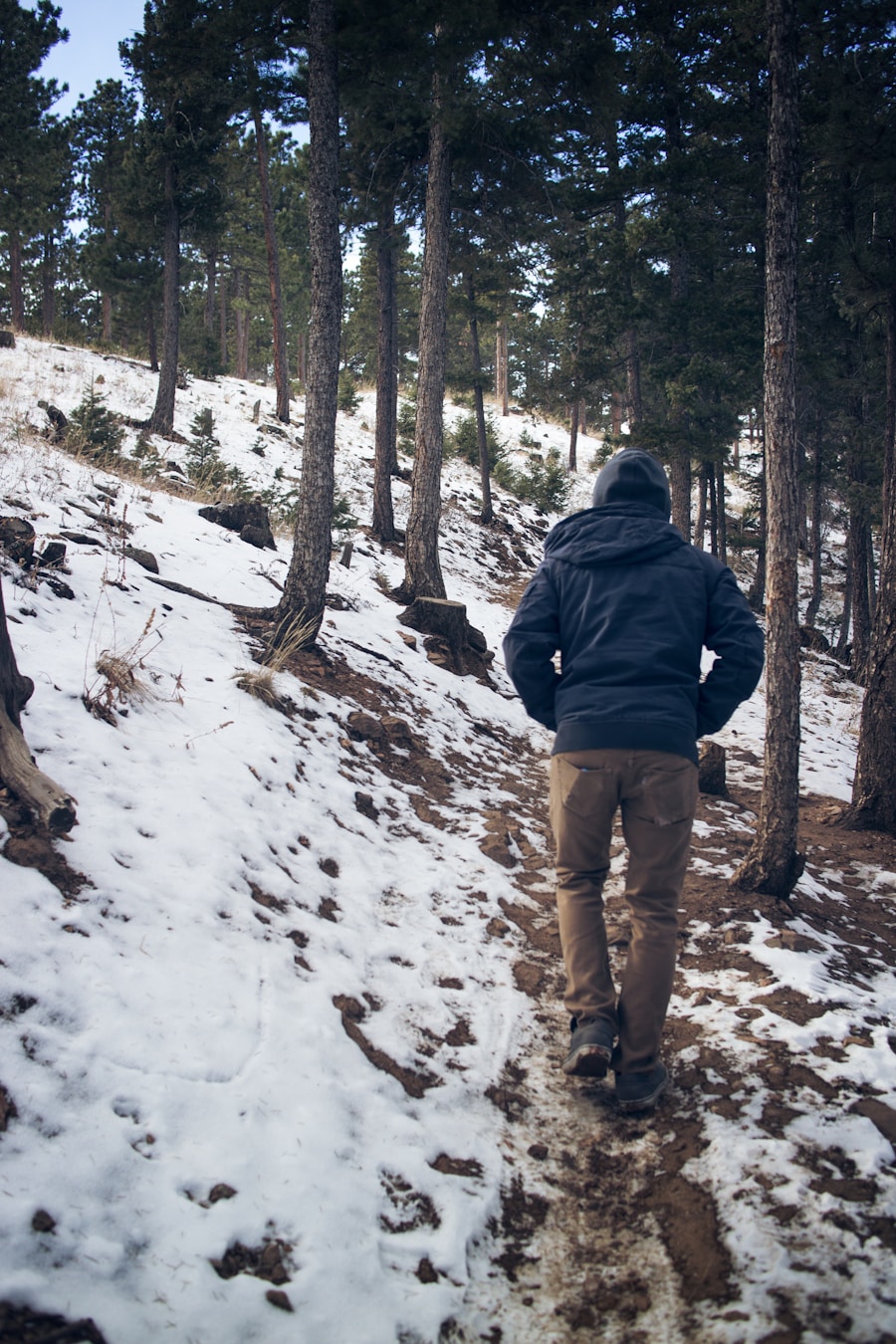
Hydration still matters in cold weather. Exercise, dry air, breathing, and sweat all contribute to fluid loss, while cold conditions may make normal thirst cues easier to ignore.
An insulated bottle can slow heat transfer and help keep water from freezing as quickly as it would in an uninsulated container. Stainless steel vacuum-insulated bottles are common, but whatever bottle you use should be compatible with the temperatures and liquids recommended by its manufacturer.
Hydration hoses and bite valves can freeze quickly in subfreezing weather. For colder trips, a wide-mouth bottle stored inside an insulating sleeve or inside the main body of the pack can be easier to manage.
Note: Do not wait until you feel intensely thirsty to start drinking. Take regular drink breaks and carry enough water for the route, with a treatment method when your plan depends on natural water sources.
Emergency Blanket
An emergency blanket is a compact form of emergency shelter and a useful backup for cold-weather hikers. Reflective blankets can reduce radiant heat loss and can also help block wind and precipitation when used correctly.
Some commercial emergency blankets advertise the ability to reflect about 90% of radiated body heat, but that figure is product-specific and should not be treated as a guaranteed specification for every blanket. What matters most is using the blanket as part of a broader strategy to reduce exposure, block wind, insulate yourself from the ground, and replace wet clothing when possible.
The National Park Service Ten Essentials includes a space blanket, tarp, tent, or bivy as an emergency-shelter option.
Hand Warmers
Hand warmers can provide extra comfort during cold hikes, especially during rest stops or when circulation to your fingers is reduced by the cold. Disposable air-activated warmers commonly produce heat through oxidation of iron-containing material. Rechargeable electric warmers use batteries.
Another reusable design contains a supersaturated sodium-acetate solution and a small metal disc. Flexing the disc triggers crystallization, which releases heat. Afterward, the pack can be reset by heating it according to the manufacturer’s directions until the crystals dissolve again.
Hand warmers are a supplement rather than a replacement for proper gloves or mittens. Do not use intense direct heat to treat suspected frostbite. Numb tissue can be damaged or burned without the person realizing it.
Traction, Hiking Poles, and Snow Travel Gear
Warm clothing will not prevent a fall on ice. If a trail has packed snow or icy sections, carry traction appropriate for the terrain. The National Park Service recommends over-the-shoe traction devices for snowy and icy winter hiking. Trekking poles can also improve balance on slippery sections.
Different conditions require different equipment:
- Light over-shoe traction: useful on relatively level trails with packed snow or ice.
- Snowshoes: useful where deep, soft snow causes your boots to sink with every step.
- Trekking poles: helpful for balance and for testing uncertain footing.
- Technical crampons and ice tools: intended for steeper, more consequential terrain and require appropriate footwear, training, and judgment.
If the route becomes more technical than your training or equipment can safely handle, turn around rather than trying to improvise.
Food, Hydration, and Winter Sun Protection
Cold-weather hiking still requires regular food and water. Carry more food than the minimum needed for your planned mileage so an unexpected delay does not leave you without energy. Foods that can be eaten without cooking are useful because they remain available even if a stove fails or conditions become too severe to stop for long.
Keep snacks where they are easy to reach so you do not have to unpack your entire bag in strong wind or blowing snow.
Winter sun can also be intense, especially when light reflects from snow. Pack sunglasses or goggles with appropriate UV protection, sunscreen, and lip protection. Snow glare can make route-finding uncomfortable and can injure unprotected eyes during prolonged exposure.
Winter Hiking Essentials Checklist
Clothing is only one part of a safe winter system. The National Park Service Ten Essentials framework is a useful starting point for deciding what belongs in your pack.
- Navigation: map, compass, GPS device, or offline mapping tool that you already know how to use.
- Sun protection: sunglasses, sunscreen, and protective clothing.
- Insulation: spare warm layers, gloves or mittens, hat, and weather protection.
- Illumination: headlamp or flashlight plus adequate battery capacity.
- First aid: supplies appropriate for the group and length of the trip.
- Fire: a legal and appropriate fire-starting method where conditions and regulations allow its use.
- Repair tools: basic tools and materials for fixing critical gear.
- Food: extra food beyond the minimum needed for the planned hike.
- Hydration: water plus treatment supplies when your route depends on natural sources.
- Emergency shelter: bivy, tarp, tent, or emergency blanket appropriate to the trip.
For winter conditions, also consider gaiters, traction, poles, spare dry socks, an extra pair of gloves, and a dry clothing layer stored in a waterproof bag.
Plan Before You Leave the Trailhead
Winter conditions can turn an easy summer route into a serious outing. Snow can hide trail markers, slow walking speed, cover hazards, and shorten the distance you can safely travel before dark.
Before leaving:
- Check the weather forecast and expected wind.
- Check current trail closures and local ranger or land-management alerts.
- Check avalanche information if your route approaches avalanche terrain.
- Download or carry navigation information before losing cell service.
- Tell a reliable person your route, destination, and expected return time.
- Leave enough daylight and energy for the return trip.
- Turn around early if conditions deteriorate or your group cannot remain warm and dry.
The National Park Service specifically warns winter hikers not to rely only on cell phones and recommends carrying a map and compass or GPS, knowing how to use them, checking local safety information, and being willing to turn around when conditions change.
Warning: Avalanche terrain requires specialized judgment and training. Check the local avalanche forecast before entering relevant backcountry terrain, and do not enter conditions that exceed your skills, equipment, or experience.
Recognize Hypothermia and Frostbite
Cold-weather clothing is safety equipment because prolonged exposure can lead to hypothermia or frostbite. Risk is not limited to extremely low air temperatures. According to the CDC’s hypothermia guidance, hypothermia can occur even at temperatures above 40°F when someone becomes chilled by rain, sweat, or cold-water exposure.
Signs of Hypothermia
Warning signs in adults can include:
- Shivering
- Extreme tiredness or exhaustion
- Confusion
- Fumbling hands
- Memory problems
- Slurred speech
- Drowsiness
Hypothermia is a medical emergency. Move the person toward shelter, replace wet clothing with dry insulation when possible, warm the center of the body gradually, and seek emergency medical care.
Signs of Frostbite
The CDC lists frostbite warning signs that include numbness, pale or gray-yellow skin, and skin that feels unusually firm or waxy. Early redness or pain can also be a warning that exposed skin is becoming dangerously cold.
Protect the affected area and seek medical care. Do not rub or massage frostbitten tissue, and do not place numb skin directly against a heating pad, stove, fire, or other high-temperature heat source.
Note: This guide provides general outdoor-safety information. Local ranger guidance, avalanche advisories, emergency instructions, and medical professionals should take priority when conditions or symptoms require them.
Electronics in Cold Weather
Cold temperatures can reduce the useful runtime of phones, cameras, GPS units, and other battery-powered electronics. Keep essential devices protected from moisture and, when practical, carry them in an inside pocket where body heat can help keep the battery warmer. A small power bank can provide useful backup capacity.
Do not make a phone your only navigation or emergency plan. Download maps before leaving service and carry a backup navigation method appropriate for the route.
When preparing for cold-weather hiking, it can also make sense to think about electronics used before and after the trip. A lightweight laptop for travel, such as the models discussed in this article, can be useful at a hotel, vehicle, or base location for route planning, photo backup, and trip notes. A laptop is not an essential item to carry on an ordinary winter day hike and should never replace safety equipment, water, food, insulation, or navigation gear.
Frequently Asked Questions
What should I wear for cold-weather hiking?
Use a three-part system: a wool or synthetic base layer, an insulating midlayer such as fleece or a puffy jacket, and a wind- and weather-resistant shell. Add weather-appropriate pants, wool or synthetic socks, boots, gloves or mittens, and protection for your head, ears, and neck.
What materials are best for cold-weather hiking?
Merino wool and synthetic fabrics work well for base layers because they manage moisture and continue to provide useful insulation in damp conditions. Fleece, synthetic insulation, or down can provide midlayer warmth. Use an appropriate weather shell for wind, rain, sleet, or snow.
What type of pants are best for cold-weather hiking?
Choose hiking pants according to the conditions. Soft-shell pants work well in many dry winter environments. Add wool or synthetic long underwear for colder temperatures and waterproof shell pants when you expect wet snow, rain, or severe wind.
What footwear is suitable for cold-weather hiking?
Use hiking footwear that keeps your feet dry and provides enough warmth for the expected temperature, snow depth, and trip length. Waterproof boots are valuable in snow and slush. In colder conditions, choose insulated boots and make sure thick socks do not make the fit so tight that circulation is restricted.
What accessories should I bring for cold-weather hiking?
Bring a warm hat, gloves or mittens, neck protection, sunglasses, sunscreen, spare dry socks, and extra insulation. Depending on the trail, you may also need gaiters, traction devices, trekking poles, or snowshoes. Carry the Ten Essentials as well.
Should I wear cotton while winter hiking?
Cotton is usually a poor choice for active cold-weather hiking because it absorbs moisture and can stay wet. Wool and suitable synthetic fabrics are generally better choices for base layers, socks, and insulating clothing in conditions where sweat, snow, or rain may make clothing damp.
Do I always need insulated boots for a winter hike?
No single insulation level works for every hike. Mild temperatures and fast-paced hiking may require less insulation, while deep snow, long rest periods, very low temperatures, or poor circulation may call for much warmer boots. Waterproofing, fit, sock choice, and traction compatibility also matter.
How do I know when it is too cold to keep hiking?
There is no universal temperature cutoff because wind, moisture, elevation, clothing, fitness, terrain, and experience all affect risk. Turn around when you cannot stay warm and dry, conditions exceed your equipment or skills, visibility deteriorates, or anyone begins showing signs of hypothermia or frostbite.
Sources
- U.S. National Park Service — Winter Hiking Tips — clothing, traction, gaiters, navigation, water, food, changing conditions, and winter hiking preparation.
- U.S. National Park Service — Ten Essentials — navigation, insulation, lighting, first aid, food, hydration, repair equipment, and emergency shelter.
- CDC/NIOSH — Cold and Work: Types, Causes, Preparation — cold stress prevention, layering, waterproof insulated boots, and protection of the hands, feet, face, and ears.
- CDC — Preventing Hypothermia — hypothermia risks, symptoms, and emergency response.
- CDC — Preventing Frostbite — frostbite warning signs and safe response guidance.
- The Woolmark Company — Wool Is Naturally Odour Resistant — moisture and odor-management properties of wool fibers.

