
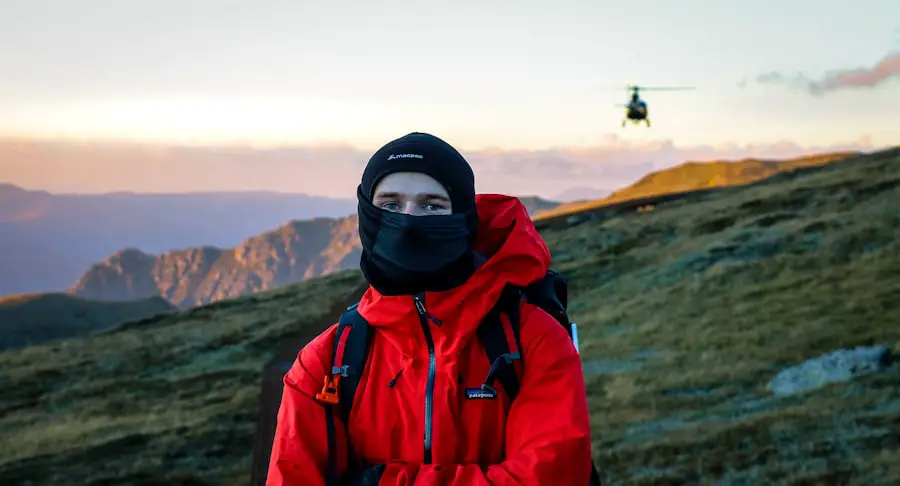
Last Updated on September 10, 2026 by Daniel Globe
Hiking in 60-degree weather can feel nearly perfect, but the right outfit still depends on wind, sun, rain, elevation, trail exposure, and how hard you are moving. A calm 60°F afternoon may feel warm once you start climbing, while the same temperature with wind or rain can feel surprisingly cool. The safest approach is to wear light, moisture-managing clothing and carry layers you can add or remove.
Quick Answer
For hiking in 60-degree weather, wear a lightweight moisture-wicking shirt, breathable hiking pants or shorts, wool or synthetic socks, and comfortable trail shoes. Carry a light fleece or similar insulating layer plus a rain or wind shell. Add a brimmed hat, sunglasses, sunscreen, water, and the other day-hike essentials.
Key Takeaways
- Dress in light layers so you can adjust as your effort level and the weather change.
- Choose wool or quick-drying synthetic fabrics instead of cotton when cool or wet conditions are possible.
- Wear footwear that fits well and provides suitable traction for the trail rather than choosing a boot solely by height or brand.
- Carry a rain or wind shell even when the trailhead feels comfortable.
- Protect yourself from UV exposure with a hat, sunglasses, protective clothing, and broad-spectrum SPF 30+ sunscreen.
- Pack the Ten Essentials, including water, food, navigation, first aid, extra clothing, illumination, and emergency shelter.
Disclosure: As an Amazon Associate I earn from qualifying purchases. Some links on this page are affiliate links, at no extra cost to you.
What to Wear Hiking in 60-Degree Weather
For many day hikes around 60°F, you do not need a heavy winter outfit. The goal is to start with enough protection for the conditions without dressing so warmly that you become soaked in sweat once you begin climbing.
| Shirt | Lightweight synthetic or merino wool T-shirt or long-sleeve hiking shirt. |
| Bottoms | Breathable hiking pants, convertible pants, leggings made for hiking, or shorts when trail and weather conditions allow. |
| Warm Layer | Light fleece, wool layer, or lightweight insulated jacket carried in your pack for cool starts, rest stops, wind, or higher elevations. |
| Weather Layer | Packable rain shell or wind-resistant shell appropriate for the forecast. |
| Socks | Wool or synthetic hiking socks that fit smoothly inside your footwear. |
| Footwear | Well-fitting trail shoes or hiking boots with tread suited to the terrain. |
| Sun Protection | Brimmed hat, UV-protective sunglasses, protective clothing as needed, and broad-spectrum SPF 30+ sunscreen. |
Pro Tip: Avoid dressing for how you feel while standing beside the car. Hiking uphill produces much more body heat. A light layer you can unzip or remove is usually more useful than one heavy jacket.
How the Layering System Works
Layering allows hikers to adapt to changing conditions without carrying one bulky piece of clothing for every situation. The basic system uses a base layer for moisture management, a middle layer for insulation, and an outer shell for protection from wind and precipitation.
Base Layer
The base layer sits closest to the skin. During physical exertion, its job is to help move moisture away from your body so damp clothing does not remain against your skin when you slow down or the weather cools.
Merino wool and synthetic materials such as polyester or polypropylene are common choices. The National Park Service recommends wool or synthetic under-layers for changing outdoor conditions and advises avoiding cotton when wet or cool weather is possible.
Middle or Insulating Layer
The middle layer provides warmth. In mild 60°F weather, you may spend much of the hike with this layer in your backpack, especially during sustained climbs. A light fleece or wool layer is easy to add during breaks, on exposed ridges, or when the temperature falls.
Lightweight insulated jackets can also work. Down offers excellent warmth for its weight, but it should be protected from heavy moisture because its insulating performance drops when it becomes wet. In wet conditions, fleece or synthetic insulation can be easier to manage.
Outer Shell
The outer layer protects the other layers from rain and wind. Depending on the forecast, this might be a light wind shell or a waterproof rain jacket. Useful features include an adjustable hood, ventilation openings, and sealed seams on waterproof models.
According to the National Park Service Ten Essentials guidance, hikers should carry extra clothing that prepares them for sudden changes in weather, including a rain shell when appropriate.
Choosing the Right Fabrics
Fabric choice matters because hiking produces heat and sweat even when the air temperature feels cool. Clothing that becomes wet and stays wet can turn an otherwise comfortable 60°F hike into a cold one once you stop moving.
Cotton is soft and comfortable for everyday wear, but it absorbs moisture and dries slowly. For hiking where rain, wind, falling temperatures, or long periods outdoors are possible, quick-drying wool and synthetic materials are more dependable choices.
Merino wool is popular because it can provide warmth while remaining comfortable across a range of conditions. Synthetic fabrics such as polyester and nylon are also widely used because they can be light, durable, and quick drying.
When comparing hiking shirts and pants, also consider stretch and weight. Lightweight stretch fabrics can improve freedom of movement on climbs, rocky trails, and routes that require large steps.
Note: Cotton is not automatically dangerous on every mild walk, but it is a poor choice when becoming wet could leave you cold for an extended period. This matters more on remote trails, exposed terrain, rainy days, and hikes where temperatures may fall.
Should You Wear Shorts or Pants at 60°F?
Either can work. Choose based on the trail rather than the temperature alone.
- Choose shorts for warm, dry, lower-elevation hikes when you prefer maximum ventilation and the trail has little brush or insect exposure.
- Choose lightweight hiking pants when you expect wind, cool shade, brush, insects, rough vegetation, or a significant temperature drop.
- Choose convertible pants when conditions may change enough that you want both options.
A sunny 60°F trail can feel much warmer while climbing. A windy ridge at the same air temperature can feel considerably cooler, so carrying an extra layer remains useful even when you begin in shorts.
Footwear for Support and Traction
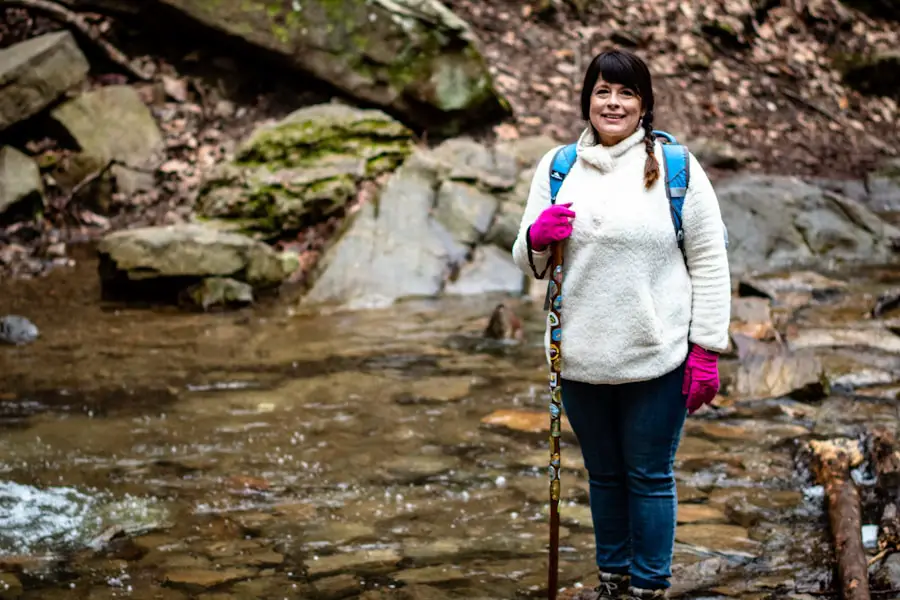
Footwear is one of the most important parts of a hiking outfit because fit and traction affect comfort on every step. The best choice depends on the terrain, distance, pack weight, and your feet rather than the outdoor temperature by itself.
For maintained and relatively smooth trails, a well-fitting trail-running shoe or low hiking shoe may provide everything you need. Rough, rocky, muddy, or off-trail terrain may justify a sturdier hiking shoe or boot. The National Park Service recommends matching footwear to the route and specifically calls for rugged, supportive footwear on demanding off-trail terrain.
Look for an outsole with a tread pattern suited to the ground you expect to encounter. Deeper lugs can be useful on mud or loose soil, while fit, sole compound, and tread design all influence grip. No particular outsole brand guarantees traction on every wet rock, root, or loose surface.
Wear your hiking footwear before a longer outing so you know how it fits during extended walking. Your heel should feel secure, your toes should have room, and your socks should not bunch or create pressure points.
Do Not Forget Hiking Socks
Wool or synthetic hiking socks help manage moisture better than ordinary cotton socks. Choose a thickness that fits comfortably inside your shoes without making them tight. Carrying a spare pair can be especially useful when rain, puddles, or stream crossings are possible.
Protecting Yourself from the Elements
| Element | Protection |
| Sun | Broad-spectrum SPF 30+ sunscreen, sunglasses, a hat, and protective clothing. |
| Rain | Pack a waterproof jacket; add rain pants when prolonged rain or wet vegetation is likely. |
| Wind | Use a wind-resistant shell and add insulation when exposed conditions make you cold. |
| Cold | Add a fleece, wool, or insulated layer and keep dry clothing available. |
| Heat | Remove unnecessary layers, use breathable clothing, rest as needed, and drink enough water for the conditions and hike. |
Rain can turn a comfortable hike cold quickly, especially when combined with wind. A reliable rain shell therefore deserves space in your pack whenever showers are possible. Waterproof pants can also help during prolonged rain or when a trail passes through wet vegetation.
Sun exposure matters even when the air temperature is only 60°F. The CDC notes that UV rays can reach you on cool and cloudy days and can reflect from surfaces including water, sand, and snow.
Warning: A mild trailhead temperature does not guarantee mild conditions for the entire hike. Check the forecast and trail conditions before leaving, and turn around when changing weather makes continuing unsafe.
Accessories for Sun Protection
Sunglasses, a brimmed hat, protective clothing, and sunscreen work together to reduce UV exposure. Choose sunglasses labeled for UVA and UVB protection. Polarized lenses can reduce glare, although polarization itself is separate from UV protection.
A wide-brimmed hat can shade your face, ears, and neck better than a narrow-brimmed cap. Lightweight long sleeves can also provide useful sun coverage without requiring a heavy layer.
For exposed skin, the CDC Yellow Book recommends broad-spectrum SPF 30 or higher. Reapply sunscreen about every two hours and more often when sweating or after water exposure according to the product directions.
A lightweight neck gaiter or bandana can add sun coverage and may also be useful as a general trail accessory. In hot conditions, some hikers dampen one with water for temporary cooling.
How Wind, Rain, Sun, and Elevation Change a 60°F Outfit
The number on the weather app is only the starting point. Consider the conditions along the whole route.
Sunny and Calm
A short-sleeve or lightweight long-sleeve moisture-managing shirt may be enough while you are moving. Carry your warmer layer instead of wearing it from the start if you tend to run hot.
Windy
A light wind-resistant shell can make a bigger comfort difference than adding a thick insulating layer. Exposed ridges, open fields, and shorelines can feel much cooler than sheltered woods.
Rainy
Prioritize staying dry. Wear or carry a waterproof shell and avoid relying on cotton clothing. Add rain pants when the forecast, trail vegetation, or duration of exposure justifies them.
Higher Elevation
Do not assume the temperature and wind at the trailhead will match conditions higher on the route. Bring enough insulation and weather protection for the coldest plausible conditions you expect to encounter.
Early Morning or Evening
Temperatures can be cooler before the afternoon high and after sunset. If your hike starts early or could run late, carry another layer rather than planning only for the warmest forecast temperature.
A 60°F forecast does not describe the whole hike. Wind, precipitation, elevation, shade, exertion, and time of day can change what feels comfortable.
Packing Essentials for a Day Hike
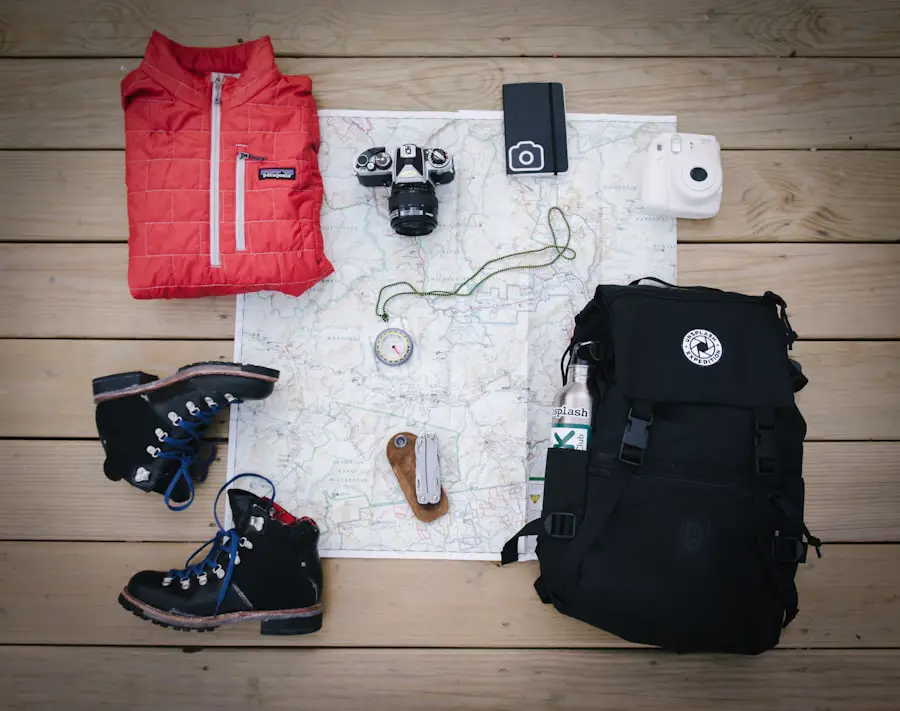
Efficient packing means carrying enough to handle foreseeable problems without filling your pack with unnecessary gear. A comfortable daypack should have room for your clothing layers, food, water, safety equipment, and personal items.
The National Park Service recommends the Ten Essentials as a foundation for outdoor trip preparation:
- Navigation: map, compass, GPS, or another appropriate navigation system, with a backup plan.
- Sun protection: sunglasses, sunscreen, hat, and protective clothing as needed.
- Extra clothing: insulation and weather protection suitable for the worst reasonable conditions on your route.
- Illumination: headlamp or flashlight plus adequate battery power.
- First aid: a kit matched to your trip and personal medical needs.
- Fire: appropriate emergency fire-starting equipment where legal and useful.
- Repair kit and tools: items such as tape, a knife, scissors, or a multi-tool based on your trip.
- Nutrition: enough food for your planned hike plus extra for an unexpected delay.
- Hydration: enough water for the route and conditions, plus treatment supplies when you may need to rely on natural water sources.
- Emergency shelter: a lightweight option such as an emergency bivy, tarp, or space blanket.
Your first-aid kit may include adhesive bandages, wound-cleaning supplies, blister care, and personal medications. The exact contents should match the duration, remoteness, group size, and hazards of the hike.
A multi-tool or knife can help with small repairs and other trail tasks. An emergency blanket or bivy adds little bulk but can provide valuable protection if an injury, navigation problem, or unexpected delay keeps you outdoors longer than planned.
Note: Water needs are not the same for every hike. Temperature, humidity, elevation, duration, pace, body size, and water availability all matter. Plan your supply before leaving instead of relying on one universal quantity.
Dressing for Variable Weather Conditions
Check the forecast before heading out, but do not treat it as a guarantee. Hiking routes can cross different elevations and exposures, and conditions can change during the hours you are on the trail.
For a cool morning around 60°F, you might begin with a light long-sleeve shirt or fleece and remove that layer as your body warms. If the afternoon will be sunny and dry, keep the removed layer in your pack for rest stops or the return trip.
When rain is possible, keep a lightweight waterproof jacket where you can reach it quickly instead of burying it at the bottom of the pack. In windy conditions, a shell may be more useful than adding another thick layer because it limits heat loss from moving air.
At higher elevations or on exposed routes, carry warmer clothing than you would for a flat, sheltered trail with the same trailhead temperature.
What to Do About Thunderstorms
Check the weather before leaving and pay attention to changing skies while hiking. The National Weather Service warns that there is no completely safe place outdoors when thunderstorms are nearby.
Warning: If you hear thunder, treat it as a safety problem rather than merely a clothing problem. Move toward appropriate safe shelter when available, and avoid exposed summits, ridges, isolated trees, and other high-risk locations.
Tips for Staying Comfortable on the Trail
Adjust Layers Before You Are Soaked With Sweat
Do not wait until you are overheating to remove a layer. Open a zipper, roll up sleeves, or take off an insulating layer as your effort increases. Add it again before a long rest or when you enter colder, windier terrain.
Stay Hydrated
Carry enough water for the route and conditions and drink regularly during the hike. The National Park Service advises outdoor visitors to plan their water before the trip and to drink often during physical activity, especially in warmer weather.
Pace Yourself
Choose a pace appropriate for your fitness level and the trail. Charging uphill until you are overheated and exhausted can make temperature management harder. Slow down, rest when necessary, and pay attention to how your body is responding.
Keep Dry Clothing Dry
When rain is possible, protect an important warm layer or spare clothing inside your pack. Having one reliably dry layer available can make a major difference if the clothes you are wearing become wet.
Take Care of Your Feet
Stop when you notice rubbing or a developing hot spot rather than waiting for a blister. Adjust your socks or footwear and use appropriate blister care from your first-aid kit before the irritation becomes worse.
What Not to Wear Hiking in Cool or Wet Conditions
Avoid building your outfit around clothing that becomes uncomfortable or ineffective when wet. Heavy cotton jeans and sweatshirts can absorb significant moisture and dry slowly, so they are poor choices when rain, stream crossings, wind, or falling temperatures are realistic possibilities.
You also do not need to wear heavy insulated clothing simply because 60°F sounds cool. Overdressing can lead to excessive sweating during climbs. A lighter modular system is easier to manage.
Finally, avoid new or poorly fitting footwear on a long hike. Even technically excellent shoes can cause problems if they do not fit your feet.
Pro Tip: Pack each layer with a job in mind: one for moisture management, one for warmth, and one for wind or rain. If two heavy items do the same job, you may be carrying more than you need.
If your 60-degree hike is part of a longer trip that includes hotel stays, campgrounds with powered accommodations, or other travel, you may also be planning for sleep away from home. A portable white-noise machine is a travel comfort item rather than a hiking essential; this guide to a portable white noise machine for travel covers options for travelers who use background sound while sleeping.
Love travel? Join Our Facebook Community For More Tips.
Frequently Asked Questions
What should I wear for hiking in 60 degree weather?
Wear a lightweight synthetic or merino shirt, breathable hiking pants or shorts, wool or synthetic socks, and comfortable trail footwear. Carry a light fleece or similar warm layer plus a rain or wind shell so you can adjust when conditions change.
Do I need a jacket for hiking in 60 degree weather?
You may not need to wear a jacket while actively hiking in calm, dry 60°F weather, but carrying one is smart. A light fleece or insulating layer helps during cool starts and rest stops, while a rain or wind shell protects you if the weather changes.
What type of pants are suitable for hiking in 60 degree weather?
Lightweight, breathable hiking pants work well around 60°F. Convertible pants are useful when temperatures change. Shorts can also be comfortable on warm, dry trails, while long pants provide more coverage from wind, brush, insects, and sun.
What kind of footwear is appropriate for hiking in 60 degree weather?
Choose footwear for the terrain rather than the temperature. Trail shoes may work well on maintained trails, while rough, muddy, rocky, or off-trail terrain may call for sturdier hiking shoes or boots. Fit, comfort, and appropriate tread matter most.
Can I wear shorts hiking in 60 degree weather?
Yes. Shorts can be comfortable on a dry, sunny 60°F hike, especially during strenuous climbing. Lightweight pants may be better when you expect wind, cool shade, brush, insects, or lower temperatures later in the day.
What accessories should I bring for hiking in 60 degree weather?
Bring a brimmed hat, UV-protective sunglasses, broad-spectrum SPF 30+ sunscreen, water, food, navigation, first aid, extra clothing, a headlamp, repair tools, emergency shelter, and the other gear appropriate for your route.
Are there any specific considerations for hiking in 60 degree weather?
Yes. A 60°F forecast can feel very different depending on wind, rain, sun, elevation, shade, and exertion. Check the forecast and trail conditions, use removable layers, carry rain protection, stay hydrated, and keep enough extra clothing for unexpected changes.
Sources
- National Park Service — Ten Essentials — navigation, clothing, first aid, food, hydration, tools, illumination, and emergency preparation.
- Denali National Park — Discovery Hike Preparation — layering, quick-drying fabrics, cotton avoidance, footwear, and changing conditions.
- Great Smoky Mountains National Park — Hiking — current day-hike preparation and Ten Essentials guidance.
- CDC Yellow Book — Sun Exposure in Travelers — broad-spectrum SPF 30+ sunscreen, sunglasses, protective clothing, and reapplication guidance.
- National Weather Service — Lightning Safety — thunderstorm and outdoor lightning-safety guidance.
