Last Updated on September 10, 2026 by Daniel Globe
Hiking in 40–50°F weather can feel pleasantly cool while you are moving and surprisingly cold when you stop, enter shade, reach a windy ridge, or get wet. The best approach is not one heavy outfit. Wear light, adjustable layers that manage sweat, hold warmth when needed, and protect you from wind and rain.
Quick Answer
For hiking in 40–50°F weather, start with a moisture-wicking synthetic or merino wool shirt, add a light fleece or similar insulating layer when needed, and carry a wind- and rain-resistant shell. Wear quick-drying hiking pants, wool or synthetic socks, suitable trail footwear, and pack light gloves and a hat.
Key Takeaways
- Use adjustable layers instead of one heavy jacket so you can respond to changes in exertion, wind, rain, and temperature.
- Choose merino wool or quick-drying synthetic fabrics for the layers next to your skin, especially when wet weather is possible.
- Carry a rain shell even when you do not expect to wear it for the whole hike.
- Choose footwear for the terrain, traction, fit, and expected moisture rather than assuming a high-cut boot automatically prevents ankle injuries.
- Pack extra clothing and basic hiking essentials because getting wet in cool weather can become a safety problem.
What to Wear at a Glance
| Base Layer | Light synthetic or merino wool shirt that manages sweat |
| Mid Layer | Light fleece or other breathable insulation, especially near 40°F or during stops |
| Outer Layer | Packable wind and rain shell appropriate for the forecast |
| Pants | Quick-drying hiking pants or tights; add a light base layer underneath only when conditions call for it |
| Feet | Wool or synthetic hiking socks plus trail shoes or boots suited to the terrain |
| Pack | Rain shell, warm layer, light gloves, hat, water, food, navigation, first aid, headlamp, and other trip-specific essentials |
Disclosure: As an Amazon Associate I earn from qualifying purchases. Some links on this page are affiliate links, at no extra cost to you.
How to Layer for Hiking in 40–50 Degree Weather
Layering gives you more control than wearing one thick coat. Your clothing should help with three jobs: moving sweat away from your skin, providing enough insulation, and protecting you from wind or precipitation.
The Occupational Safety and Health Administration recommends a similar layered approach for cold environments: a moisture-managing inner layer, an insulating middle layer, and an outer layer that protects against wind and rain while allowing ventilation.
Base layer: manage sweat
Your base layer sits closest to your skin. Lightweight merino wool, polyester, polypropylene, and other quick-drying synthetic fabrics work well because they help move moisture away from your body.
Avoid relying on cotton when you may become wet or chilled. Cotton can hold moisture and lose much of its insulating usefulness when wet. The National Park Service’s Denali hiking guidance recommends synthetic or wool layers and warns against cotton for wet, changeable conditions.
Middle layer: add warmth when you need it
A light fleece is a practical mid layer around 40–50°F because you can wear it during a cool start, remove it during a hard climb, and put it back on when you stop. A light insulated vest or jacket can also work, depending on your personal cold tolerance and the weather.
You do not need to wear every layer at the same time. The point is to have enough options to stay comfortable without becoming soaked in sweat.
Outer layer: block wind and precipitation
Your outer layer protects you from wind and rain. In dry conditions, a light wind shell may be enough while moving. When rain is possible, carry a genuinely waterproof rain jacket.
Waterproof-breathable technologies such as GORE-TEX are designed to block outside water and wind while allowing water vapor to escape. Breathability still has limits, so ventilation features such as front zippers and underarm vents can help during hard climbs.
Pro Tip: Do not wait until your shirt is soaked to remove a layer. If you begin feeling hot during a climb, unzip your jacket or take off your fleece early. Staying comfortably cool while moving can help keep your clothing drier for the colder rest periods that follow.
What to Wear at 40°F vs. 50°F
There is no single perfect outfit because people produce different amounts of body heat. Wind, sunshine, rain, trail difficulty, elevation, and pack weight also matter. Use these examples as starting points and adjust as you move.
Around 50°F
During an active hike in calm, dry weather, many hikers will be comfortable in a lightweight synthetic or merino shirt with quick-drying hiking pants. A light fleece may begin in your pack rather than on your body.
Carry a rain or wind shell, especially if you will be away from easy shelter. Light gloves or a thin hat can be useful for a windy summit or long stop even if you do not wear them during the climb.
Around 40°F
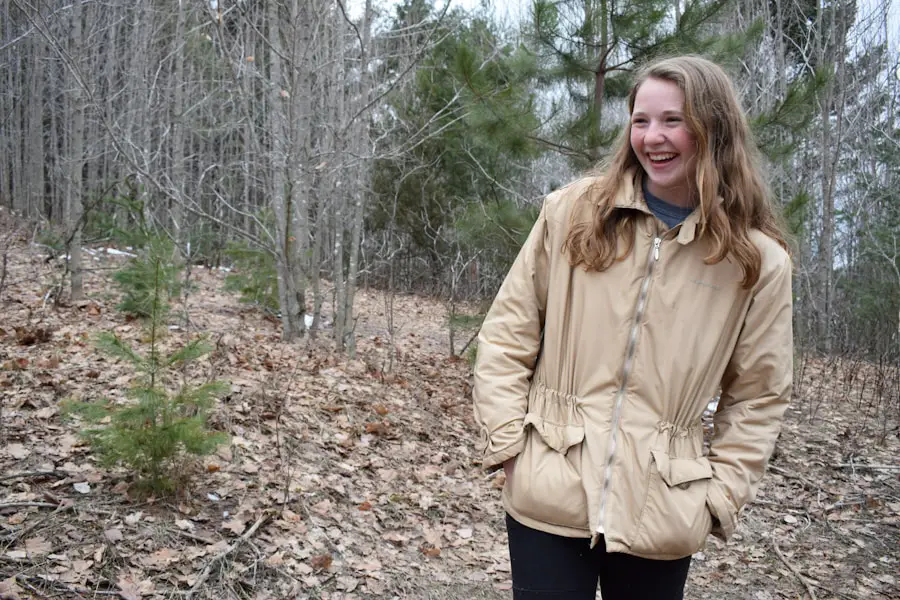
At about 40°F, a long-sleeve moisture-wicking base layer plus a light fleece is a useful starting combination for many hikers. Carry a shell for wind and rain and consider light gloves and a beanie or headband.
If the hike is steep, you may quickly become warm enough to remove the fleece. If the trail is easy, windy, shaded, or wet, you may need more insulation.
Note: The thermometer is only part of the decision. A windy 45°F ridge can feel very different from a sunny, sheltered 45°F forest. Check the forecast for the actual trail area and plan for the coolest, wettest conditions you could reasonably encounter.
Choose Moisture-Wicking Fabrics
Moisture management is especially important in cool weather because a shirt soaked with sweat can make you feel much colder when your activity level drops.
Polyester, polypropylene, nylon blends, and merino wool are common options for active clothing. They dry more effectively than ordinary cotton and can be used for shirts, underwear, tights, socks, and other layers.
Fit matters too. A base layer should sit close enough to your body to manage moisture without restricting movement. Flat or smooth seams can also reduce rubbing beneath backpack straps.
Merino wool is popular because it can provide warmth while managing moisture. Synthetic fabrics are also practical because they are durable and usually dry quickly. You do not need an expensive fabric system; the important point is to use clothing that stays comfortable as your activity level changes.
What Pants to Wear Hiking in 40–50 Degree Weather
Quick-drying hiking pants are a good default for this temperature range. Look for enough stretch to step over rocks and logs comfortably and a fit that does not restrict your knees or hips.
In mild, dry conditions near 50°F, lightweight hiking pants may be all you need. Near 40°F, in strong wind, or if you tend to get cold easily, slightly heavier pants or a thin synthetic or merino base layer underneath can add warmth.
Convertible hiking pants are another option when the day is expected to warm significantly. Leggings or hiking tights can work too, provided they offer the durability, warmth, and weather protection your trail requires.
Avoid ordinary denim when cold rain is possible. Once soaked, it can remain wet for a long time and become uncomfortable in falling temperatures.
Don’t Forget a Waterproof Jacket
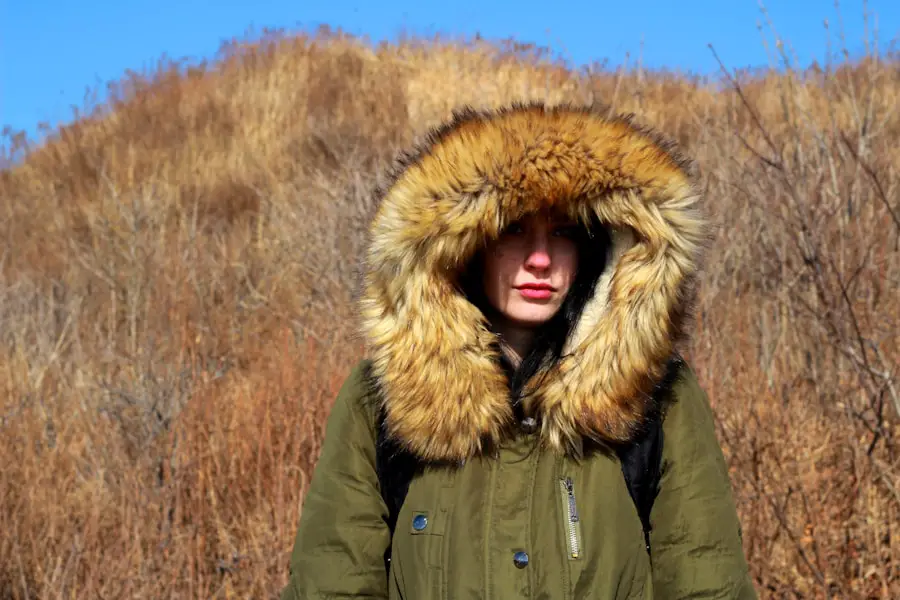
A rain jacket is one of the most useful pieces to carry on a cool-weather hike because wet clothing can turn an otherwise manageable temperature into a serious problem.
Look for a jacket that fits over your base and mid layers without restricting movement. Useful trail features include an adjustable hood, cuffs, a drawcord hem, protected pockets, and ventilation zippers.
Water-resistant and waterproof are not the same thing. A water-resistant wind shell may handle a short light shower, but sustained rain calls for a jacket designed for waterproof protection.
Your rain shell does not need to stay on all day. Keep it accessible so you can put it on quickly when rain starts, wind increases, or you become chilled during a stop.
Opt for Comfortable, Supportive Footwear
| Trail Conditions | Practical Footwear Choice |
| Dry, maintained trail | Well-fitting trail-running shoes or hiking shoes with suitable traction |
| Rocky or uneven trail | Stable hiking shoes or boots with a secure fit and outsole suited to the terrain |
| Wet, muddy, or slushy trail | Footwear with appropriate wet-surface traction; waterproof footwear may be useful when water exposure is likely |
Footwear has a major effect on comfort because every step depends on fit, traction, cushioning, and stability. Choose your shoes or boots according to the terrain, distance, expected moisture, pack weight, and your own foot shape.
Higher-cut boots may feel more supportive on rough ground, but ankle height alone should not be treated as guaranteed protection against sprains. Research on high-top footwear has not established a consistent injury-prevention benefit. A secure fit, appropriate traction, sensible pacing, and careful movement on uneven terrain remain important.
Leave enough toe room for descents and make sure your heel does not slide excessively. Try footwear with the same socks you plan to use on the trail.
Wool or synthetic hiking socks can help manage moisture and provide cushioning. Carrying a dry spare pair is particularly useful when rain, stream crossings, mud, or snow are possible.
Protect Your Extremities
Your hands, feet, ears, and head can become uncomfortable quickly when wind picks up or you stop moving. Lightweight accessories are easy to store and can make a large difference without forcing you to wear a heavier jacket.
Light gloves are often enough for 40–50°F hiking. Mittens generally retain more warmth because your fingers share heat, while gloves provide better dexterity for adjusting straps, opening food, or handling navigation equipment.
For your feet, use socks made for active use rather than thick cotton socks that may stay damp. Make sure the combination of sock and shoe does not make the footwear overly tight, because cramped toes can become uncomfortable on a long hike.
A light beanie, ear-covering headband, or hood can be useful in wind and during rest breaks. You can remove it quickly once you warm up.
Consider a Hat and Sunglasses
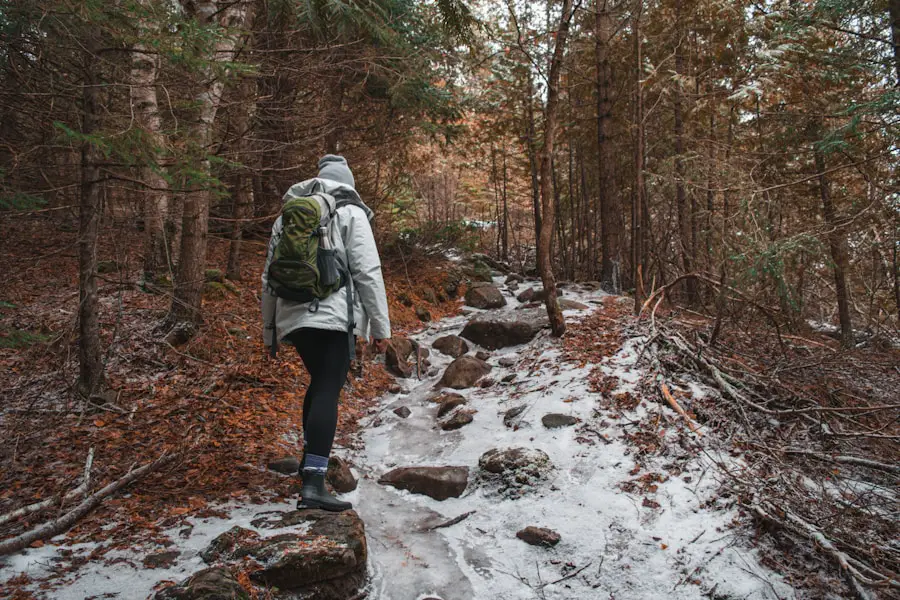
Cool temperatures do not eliminate ultraviolet exposure. The CDC recommends sun protection when UV exposure is significant, including protective clothing, a hat, sunglasses, shade, and broad-spectrum sunscreen.
A brimmed hat can protect your face, ears, and neck when the trail is exposed. In colder or windier conditions, a beanie may be more useful for warmth, so choose according to the conditions you expect.
For sunglasses, UV protection matters more than lens darkness. The U.S. Food and Drug Administration recommends sunglasses labeled UV400 or 100% UV protection, which block more than 99% of UVA and UVB radiation.
Polarized lenses can reduce glare from reflective surfaces such as water or snow, but polarization by itself does not guarantee UV protection. Check the UV rating separately.
Eye protection becomes especially important around snow because reflected ultraviolet radiation can increase exposure and contribute to photokeratitis, commonly called snow blindness.
Pack a Daypack for Essentials
A daypack gives you somewhere to store layers as conditions change. A pack around 15–30 liters often works well for ordinary day hikes, but the correct capacity depends on your route, weather, season, duration, and required safety equipment.
Adjust the shoulder straps and hip or sternum straps, when provided, so the load remains stable and comfortable. Pockets can keep frequently used items such as water, snacks, gloves, and your rain shell easy to reach. A hydration reservoir is convenient if you prefer drinking through a hose while walking.
Clothing is only part of your preparation. The National Park Service Ten Essentials framework recommends preparing for unexpected delays and sudden weather changes.
Depending on the trip, your daypack should account for:
- Navigation, such as a map, compass, GPS device, or downloaded map
- Sun protection
- Extra clothing and rain protection
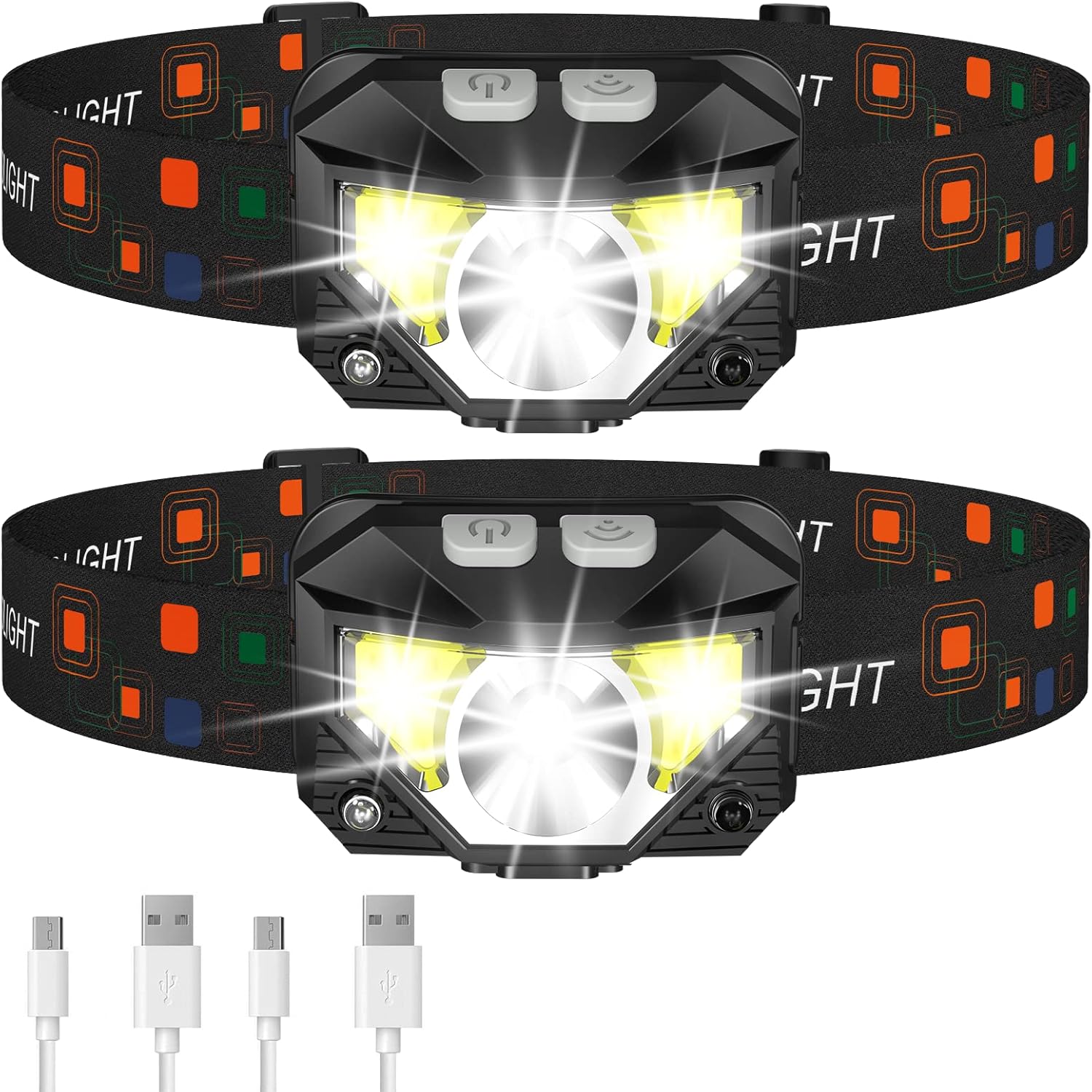
- A headlamp or flashlight
- First-aid supplies
- Fire-starting equipment where appropriate and permitted
- Basic repair tools
- Extra food
- Water and an appropriate way to obtain or treat additional water when necessary
- Emergency shelter appropriate for the trip
Tell someone your route and expected return time before heading into an area where help may be difficult to reach.
Be Prepared for Changing Conditions
Outdoor temperatures can change quickly, and the forecast for a nearby town may not describe the exact conditions on your trail. Elevation, wind exposure, shade, precipitation, and local terrain can all affect how cold you feel.
Check the forecast and any park or trail alerts before leaving. Carry enough clothing for a realistic change in weather rather than dressing only for the temperature expected at the trailhead.
Navigation tools are also important when clouds, fog, darkness, or changing weather reduce visibility. A phone can be useful, but a downloaded or physical map and adequate battery power provide useful backup.
Warning: Hypothermia is not limited to bitterly cold weather. OSHA and the National Weather Service warn that it can occur at temperatures above 40°F when a person becomes chilled by rain, sweat, or cold-water exposure. Uncontrollable shivering, confusion, slurred speech, poor coordination, unusual drowsiness, or worsening weakness are warning signs. Get the person out of the cold and wet, replace wet clothing with dry insulation, and seek emergency medical help for suspected hypothermia.
For current cold-weather safety information, review guidance from the National Weather Service. Turning around early is usually safer than continuing into conditions for which your clothing or equipment is not adequate.
If you’re planning a hiking trip in 40–50°F weather, build your outfit around adjustable, moisture-managing layers rather than a single heavy garment. Carry your rain protection and extra warmth even when the trailhead feels comfortable, choose footwear for the actual terrain, and leave enough space in your pack to remove layers before you become overheated.
Frequently Asked Questions
What should I wear for hiking in 40–50 degree weather?
Wear a lightweight synthetic or merino wool base layer, carry or wear a light fleece for insulation, and pack a weather-resistant shell. Quick-drying hiking pants, wool or synthetic socks, appropriate trail footwear, light gloves, and a hat provide a flexible setup for changing conditions.
What are some examples of moisture-wicking base layers?
Common options include lightweight merino wool, polyester, polypropylene, and synthetic-blend shirts or thermal tops. Choose a weight that matches your activity level rather than automatically choosing the warmest garment.
What are some examples of insulating layers for 40–50 degree weather?
A lightweight fleece, breathable synthetic insulated jacket, vest, or light wool layer can provide extra warmth. For an active uphill hike, the insulating layer may spend part of the day in your backpack and come out during breaks or colder sections.
What should I look for in a waterproof and windproof outer layer?
Look for reliable weather protection, a hood, enough room for your insulating layer, and useful ventilation. Adjustable cuffs, a drawcord hem, protected zippers, and underarm vents can improve comfort in changing conditions.
What type of pants are suitable for hiking in 40–50 degree weather?
Quick-drying hiking pants are a versatile choice. Lightweight pants may be comfortable around 50°F, while cooler, windy conditions may call for slightly heavier pants or a thin merino or synthetic layer underneath. Convertible pants can be useful when temperatures are expected to rise.
What kind of footwear is recommended for hiking in 40–50 degree weather?
Choose well-fitting hiking shoes, trail-running shoes, or boots based on the terrain and expected moisture. Prioritize suitable traction, comfort, enough toe room, and a secure fit. Waterproof footwear can help on wet or slushy trails, but ankle height alone does not guarantee protection against sprains.
What accessories should I bring for hiking in 40–50 degree weather?
Useful accessories include light gloves, a beanie or headband, a sun hat when exposed, UV-blocking sunglasses, and sunscreen when UV exposure warrants it. A neck gaiter and spare pair of dry socks can also be useful in windy or wet conditions.
Can you get hypothermia while hiking when it is above 40°F?
Yes. Hypothermia can occur in cool temperatures above 40°F when rain, sweat, wind, or cold-water exposure causes the body to lose heat faster than it can replace it. Staying dry and carrying extra insulation are therefore important even when the forecast does not look extremely cold.
Should I avoid cotton when hiking in cool weather?
Cotton is a poor choice when becoming wet and chilled is a realistic possibility because it holds moisture and dries slowly. Wool and quick-drying synthetic fabrics are generally better choices for cool, wet, or changeable trail conditions.
Sources
- U.S. National Park Service — Ten Essentials — hiking preparedness, extra clothing, navigation, food, water, light, first aid, and emergency equipment.
- U.S. National Park Service — Denali Discovery Hikes — layering, synthetic/wool clothing, rain protection, footwear, and avoiding cotton in wet conditions.
- Occupational Safety and Health Administration — Cold Stress Guide — layering, moisture management, cold exposure, and protective clothing.
- National Weather Service — Cold Weather Safety — cold exposure, hypothermia, frostbite, wind, and outdoor preparation.
- Centers for Disease Control and Prevention — Sun Safety — UV exposure, hats, sunglasses, clothing, and sunscreen.
- U.S. Food and Drug Administration — Sun and Sunglasses Safety — UV400, UVA/UVB protection, reflected UV, and sunglasses selection.