Last Updated on September 10, 2026 by Daniel Globe
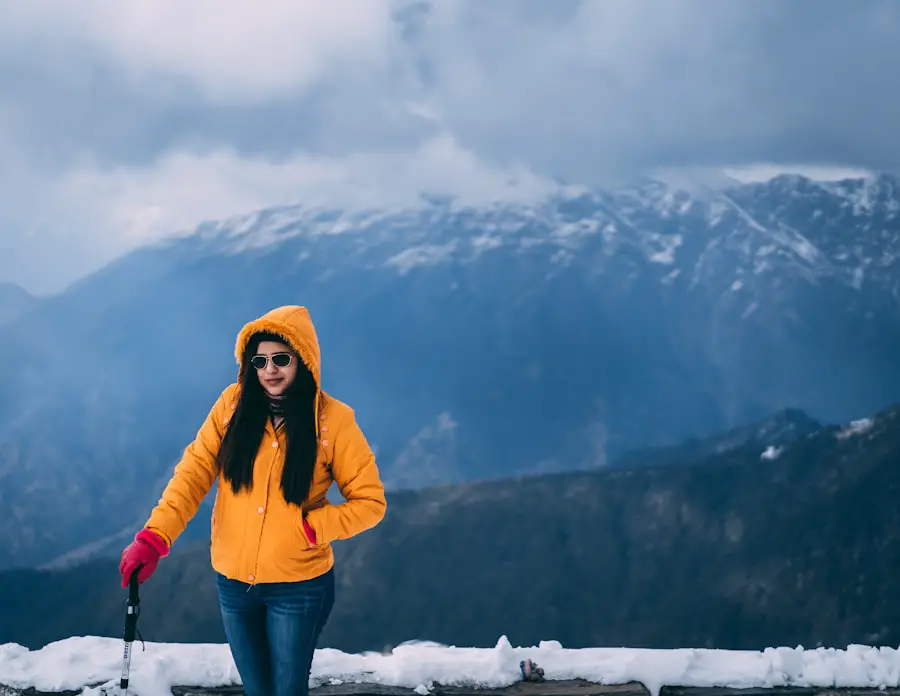
Hiking in 50-degree weather can be extremely comfortable, but the right outfit depends on more than the thermometer. At 50°F (10°C), a sunny climb can feel warm while a windy ridge or steady rain can leave you chilled. The best approach is to wear light, moisture-managing layers that you can add, remove, or vent as your pace and the weather change.
Quick Answer
For hiking in 50-degree weather, wear a moisture-wicking synthetic or merino wool shirt, lightweight fleece or similar insulating layer, hiking pants or leggings, hiking socks, and trail shoes or boots with good traction. Carry a waterproof rain shell, and add a hat or light gloves if it is windy, wet, or you tend to get cold.
Key Takeaways
- Dress in adjustable layers instead of relying on one heavy jacket.
- Choose merino wool, polyester, nylon, fleece, or other quick-drying performance fabrics for cool-weather hiking.
- Avoid relying on cotton or denim when rain, sweat, or falling temperatures could leave the fabric wet.
- Choose footwear for the terrain and moisture level; waterproof footwear is most useful when the trail is genuinely wet.
- A waterproof shell is more useful in sustained rain than a basic windbreaker or merely water-resistant jacket.
- Light gloves, a beanie, or a neck gaiter can be useful in wind, rain, at exposed viewpoints, or during long breaks.
- Carry an extra dry or insulating layer because trail weather can change quickly.
- Wet clothing and sweat matter: hypothermia can occur in cool temperatures well above freezing when a person becomes chilled.
Disclosure: As an Amazon Associate I earn from qualifying purchases. Some links on this page are affiliate links, at no extra cost to you.
What Does 50-Degree Weather Feel Like on a Hike?
Fifty degrees Fahrenheit is about 10°C, but that number alone does not tell you how warm or cold you will feel. Hiking uphill produces a surprising amount of body heat. Standing still at a viewpoint, walking into strong wind, or getting soaked by rain produces the opposite effect.
The National Weather Service defines its wind-chill calculation for temperatures at or below 50°F when wind speeds exceed 3 mph. That makes wind especially relevant to this temperature range. A sheltered 50°F trail in sunshine may feel mild, while an exposed ridge at the same air temperature can feel much colder. National Weather Service wind-chill guidance explains how moving air increases heat loss from exposed skin.
Note: Check the forecast for the trail itself, not only the nearest town. Elevation, exposed ridges, shade, rain, and wind can make trail conditions very different from conditions at your starting point.
Best Layering System for Hiking in 50-Degree Weather
A practical hiking outfit uses three functional layers: a moisture-managing base layer, an insulating midlayer, and a weather-resistant outer shell. You may not need to wear all three at the same time, but having them available lets you adjust as conditions change.
1. Base Layer
Your base layer sits against your skin. For an active hike around 50°F, a lightweight synthetic or merino wool T-shirt or long-sleeve hiking shirt is usually a good starting point.
Polyester, nylon blends, and merino wool are useful because they manage perspiration better than ordinary cotton and tend to dry faster. The National Park Service recommends fleece, polypropylene, other synthetics, or wool for changing cool conditions and warns that cotton and jeans can remain wet and provide little insulation. See the National Park Service’s Denali hiking guidance.
2. Insulating Midlayer
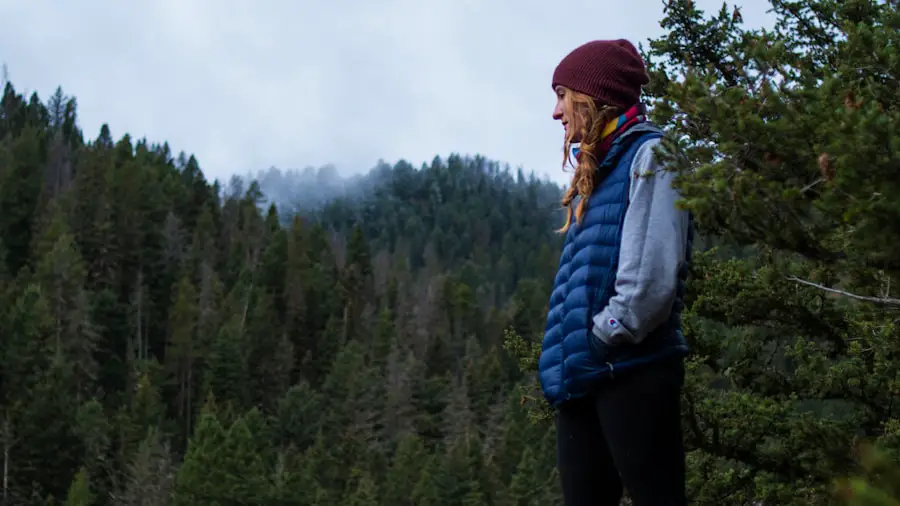
A lightweight fleece, grid fleece, wool sweater, or light insulated jacket can provide warmth when your pace slows. During a steady uphill climb, you may carry the midlayer instead of wearing it. Put it on at breaks, on exposed ridges, during descents, or whenever you begin to cool down.
A lightweight puffy jacket can also work, especially for people who run cold or spend long periods standing still. For sustained hiking at 50°F, however, a heavy insulated jacket may trap too much heat and cause unnecessary sweating.
3. Outer Shell
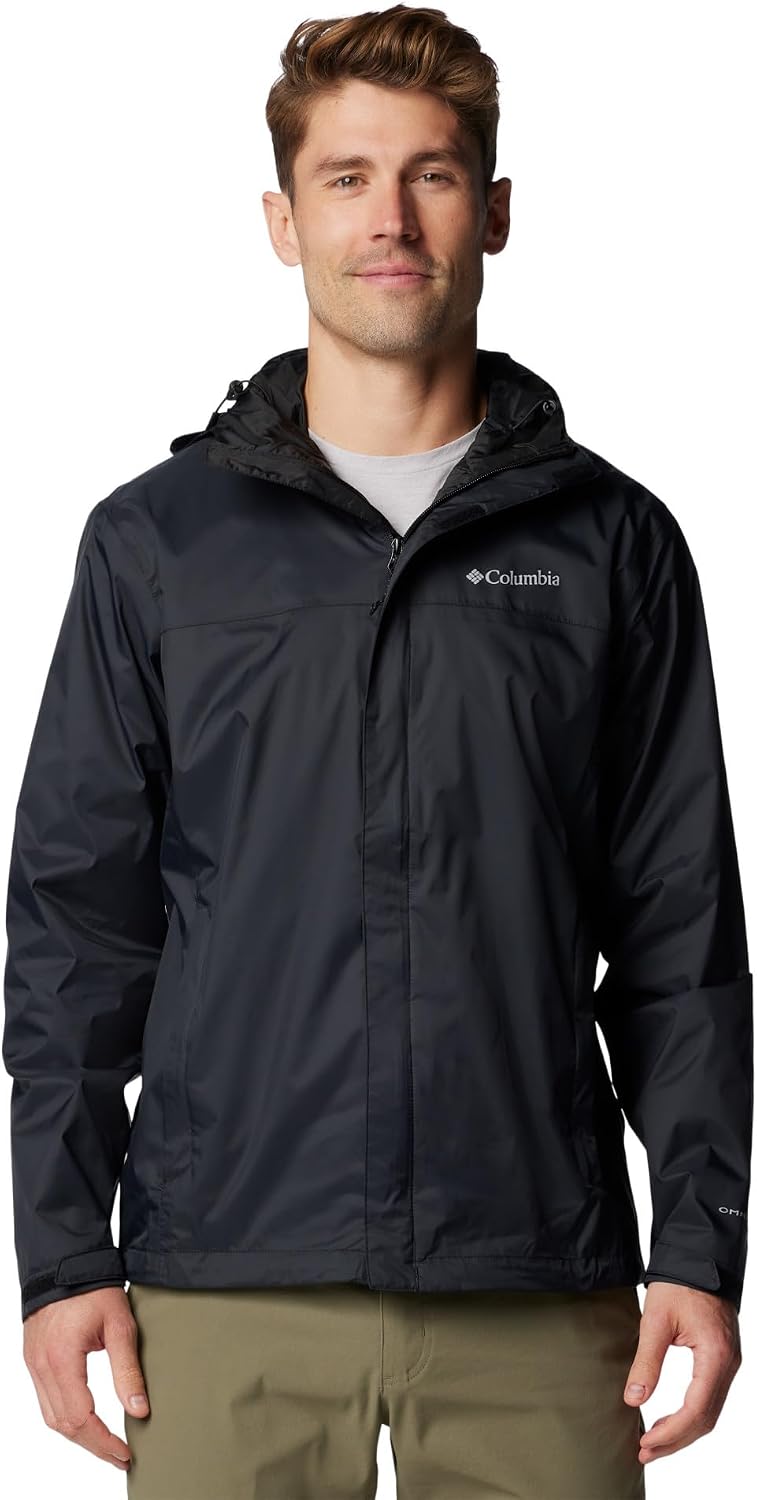
A shell blocks wind and precipitation. In dry but breezy weather, a lightweight wind-resistant layer may be enough. When meaningful rain is possible, carry a waterproof rain jacket rather than assuming a basic windbreaker or water-resistant jacket will keep you dry.
The American College of Sports Medicine likewise recommends a layered system with a moisture-managing inner layer, insulating middle layer, and windproof/waterproof outer layer for cold-weather activity. See ACSM’s cold-weather exercise guidance.
Pro Tip: Start a vigorous hike feeling slightly cool rather than perfectly warm. Once you begin climbing, your body will produce more heat. Open vents or remove a layer before you become sweaty, then put that layer back on when you stop.
Materials to Consider
Material choice matters because hiking clothing has to manage both heat and moisture. Wool and synthetic performance fabrics are generally more useful than ordinary cotton when temperatures are cool or weather is uncertain.
Merino wool is commonly used for base layers and hiking socks because it can absorb and release moisture while still providing insulation. It also tends to resist odor well during repeated wear. Lightweight merino works especially well for hikers who want a soft natural fiber next to the skin.
Polyester and nylon are also strong choices. They are lightweight, durable, quick-drying, and commonly used in base layers, hiking pants, fleece, and outer shells. Many hiking garments combine synthetic fibers with elastane for greater stretch and freedom of movement.
Cotton requires more caution. Cotton T-shirts, sweatshirts, jeans, twill pants, and other cotton-heavy garments absorb water and can remain wet for a long time. That may be acceptable on a short, dry walk close to shelter, but it is a poor safety margin for a cool hike where rain, heavy sweat, wind, or falling temperatures are possible.
Footwear Options
At 50°F, temperature alone rarely determines whether you need hiking shoes or boots. Focus first on terrain, distance, fit, traction, expected moisture, and how much support you prefer.
For maintained trails in dry conditions, well-fitting trail-running shoes or lightweight hiking shoes can be comfortable and breathable. Rough, rocky, muddy, or brushy terrain may justify more protective hiking shoes or boots. The National Park Service recommends sturdy, appropriate footwear for unpaved trails and carrying extra clothing layers for changing conditions. NPS hiking basics provides similar trail-preparation guidance.
Waterproof footwear becomes more useful when you expect sustained rain, puddles, wet vegetation, mud, or cold standing water. The CDC recommends waterproof shoes with good traction for wet cold conditions. In dry weather, however, non-waterproof trail footwear may breathe better and dry faster after minor moisture exposure.
Choose Hiking Socks Carefully
Wear wool or synthetic hiking socks that fit your footwear without bunching. A single properly fitted pair is usually simpler than adding multiple thick sock layers. Extra socks can make a boot too tight, so only use a liner-and-outer-sock system when the footwear has enough room and you already know the combination works comfortably.
If rain is likely or the hike is long, carrying a spare dry pair of socks in a waterproof bag can be more useful than wearing excessive sock thickness from the start.
Headwear and Accessories
| Accessory | When It Helps | Good Choice for 50°F Hiking |
|---|---|---|
| Hats | Wind, cold breaks, sun, or rain | Light beanie, cap, or brimmed hiking hat |
| Sunglasses | Bright sun, exposed ridges, reflective terrain | Comfortable UV-protective sunglasses |
| Scarves / neck gaiters | Wind or chilly starts and stops | Lightweight synthetic or merino neck gaiter |
| Gloves | Cold hands, wind, rain, long breaks | Light fleece or synthetic gloves |
Headwear and accessories are easy ways to fine-tune warmth without changing your entire outfit. A light beanie can be useful on a windy morning or during a break, while a brimmed hat offers sun protection when skies are clear.
A lightweight neck gaiter is generally easier to manage on a hike than a bulky fashion scarf. It can cover the neck in wind and be removed quickly when you warm up. Light gloves are not mandatory for everyone at 50°F, but hikers with cold hands may appreciate them, especially in rain or strong wind.
Accessories also let you adjust your comfort in small increments. Removing a beanie or opening a neck gaiter may be all you need when climbing, while putting them back on can make a noticeable difference at a windy summit.
Outerwear Choices
Your outer layer should match the actual weather hazard. For a mild, dry 50°F hike, a light wind-resistant jacket may be enough. For persistent rain, choose a waterproof shell. For colder starts, long stops, or hikers who get cold easily, add a light insulating layer beneath the shell.
Fleece is a useful active midlayer because it breathes reasonably well and continues to insulate when damp. Down offers an excellent warmth-to-weight ratio but is often best saved for breaks or lower-output use around this temperature. Synthetic insulated jackets are another option and can be useful in damp climates.
Look for practical features such as an adjustable hood, cuffs, front zipper, and ventilation. Pit zips or other vents can release heat without forcing you to remove the entire jacket.
The important distinction is that insulation and weather protection perform different jobs. A fleece or puffy jacket helps retain body heat; a shell primarily protects against wind and precipitation. Using separate layers gives you more control than relying on one heavy coat.
Bottoms for 50-Degree Weather
Heavier Fabrics for Warmth
Most active hikers do not need heavy insulated pants at 50°F. Medium-weight hiking pants made from nylon or polyester blends usually offer a useful balance of warmth, breathability, stretch, and protection from brush.
Heavier twill, cotton joggers, chinos, or jeans may feel comfortable for casual outdoor use, but cotton-heavy bottoms are less suitable when you expect rain or substantial sweating because they can remain wet. Reserve them for short, dry outings where getting chilled is unlikely.
Layering for Comfort
Synthetic or wool-blend leggings can work well by themselves on mild trails. Thin thermal tights can also be worn beneath hiking pants when you run cold, expect long stationary periods, or will start the hike in substantially colder temperatures.
Avoid automatically adding thermal tights merely because the forecast says 50°F. Too much insulation can cause sweating on climbs, leaving you colder later when your pace drops.
Moisture-Wicking Properties
For demanding hiking, bottoms made from quick-drying synthetic fabrics are often more practical than everyday cotton clothing. Stretch panels and articulated knees can also make scrambling, climbing steps, and navigating uneven terrain more comfortable.
What to Wear in Different 50°F Conditions
| Conditions | Suggested Outfit |
|---|---|
| Dry and sunny | Synthetic or merino shirt, hiking pants or leggings, hiking socks, trail shoes, and a light fleece carried in your pack. |
| Cool and windy | Base layer, light fleece, wind-resistant shell, hiking pants, and optional light beanie or gloves. |
| Rainy | Quick-drying base layer, light insulation as needed, waterproof rain jacket, synthetic hiking pants or rain pants, wool/synthetic socks, and wet-weather footwear appropriate for the trail. |
| Steep or fast-paced hike | Light base layer and breathable pants while moving; carry the fleece and shell so you can add them during stops. |
| Slow hike or long stops | Base layer plus warmer fleece or light insulated jacket, with a shell available for wind or rain. |
Considerations for Rainy Weather
Rain changes the clothing equation more than a small temperature difference does. Once your clothes become soaked, evaporative and conductive heat loss can leave you feeling much colder, especially when wind is present.
For steady rain, use a waterproof shell with a hood and enough room for your insulating layer. Rain pants can be worthwhile on exposed trails, during prolonged rain, or when wet vegetation will repeatedly brush against your legs.
Waterproof hiking shoes or boots can help when the trail is muddy or saturated. A compatible water-repellent treatment may improve water beading on some footwear, but it does not automatically turn non-waterproof shoes into waterproof footwear. Follow the footwear manufacturer’s care instructions.
A compact umbrella can work on broad, easy trails in gentle rain, but it is less useful in strong wind, brush, scrambling terrain, or situations where you need both hands. A waterproof pack cover or waterproof liner can help protect spare clothing and other gear.
Warning: Do not dismiss cold stress simply because the air temperature is around 50°F. The CDC states that hypothermia can occur at temperatures above 40°F when a person becomes chilled by rain, sweat, or cold-water exposure. If someone develops persistent shivering, confusion, fumbling hands, slurred speech, unusual exhaustion, or drowsiness, get them out of the cold and seek medical help.
Cool weather does not have to be freezing to become dangerous: CDC guidance notes that rain, sweat, or cold-water exposure can contribute to hypothermia even when the air temperature is above 40°F.
Tips for Staying Comfortable
The most effective clothing system is one you adjust before you become noticeably hot or cold. Pay attention to your effort level throughout the hike rather than waiting until your clothes are soaked with sweat.
- Vent early: Open your jacket or remove a midlayer as soon as you start overheating.
- Layer up at stops: Put your fleece or insulated jacket back on before you become chilled.
- Keep rain protection accessible: Do not bury your rain shell at the bottom of your pack if showers are possible.
- Protect spare clothing: Store an extra dry layer and socks in a waterproof bag or pack liner.
- Check exposed areas: Wind can make your hands, ears, and face feel colder even when your core remains warm.
- Adjust for elevation: Mountain temperatures and wind can differ sharply from conditions in the valley or at the trailhead.
- Choose clothing that moves: Hiking pants, leggings, and shirts should allow a full stride without rubbing or bunching.
Small adjustments can make a large difference. Removing a hat, rolling up sleeves, opening ventilation zippers, or slowing your pace may prevent excess sweat. When activity decreases, reverse those changes before you cool down.
What to Pack Beyond Your Clothing
Even on a mild day hike, clothing is only part of your preparation. The National Park Service recommends carrying the Ten Essentials, including navigation, sun protection, extra clothing, illumination, first-aid supplies, fire, repair tools, food, hydration, and emergency shelter. Review the NPS Ten Essentials before heading into remote terrain.
For a 50°F hike, your clothing-related backup kit may include a rain shell, warmer layer, dry socks, hat, and light gloves. Longer, higher, wetter, or more remote hikes deserve a larger safety margin than short walks close to roads or buildings.
Note: A forecast high of 50°F does not mean the entire hike will occur at 50°F. Early starts, sunset, elevation gain, passing fronts, shade, and rain can expose you to substantially colder conditions.
If you’re planning a hiking trip in 50-degree weather, choosing versatile gear is more useful than simply choosing the warmest gear. For more general travel equipment ideas, you can also see this article on the best travel gifts for women.
Love travel? Join Our Facebook Community For More Tips.
Frequently Asked Questions
What should I wear for hiking in 50-degree weather?
Start with a lightweight synthetic or merino wool shirt, add a light fleece or similar insulating layer, and carry a wind or rain shell. Wear hiking pants or leggings, wool or synthetic socks, and trail footwear suited to the terrain. Adjust layers as your activity level changes.
What type of base layer is best for hiking in 50-degree weather?
A lightweight polyester, nylon-blend, or merino wool base layer works well because it manages perspiration and dries faster than ordinary cotton. Choose short sleeves for higher-output or sunnier hikes and long sleeves when you want additional warmth or coverage.
What insulating layer should I wear for hiking in 50-degree weather?
A lightweight fleece is a versatile choice. A light synthetic or down jacket may be useful for breaks, low-output hiking, or people who run cold, but a heavy insulated jacket can be too warm during sustained climbing at 50°F.
What outer layer is recommended for hiking in 50-degree weather?
Use a wind-resistant layer in dry, breezy weather and a waterproof, breathable rain shell when sustained precipitation is possible. The shell should fit comfortably over your base and midlayers without restricting movement.
What pants are suitable for hiking in 50-degree weather?
Quick-drying synthetic hiking pants or leggings are good choices. Medium-weight hiking pants add some protection from wind and brush. Avoid depending on cotton jeans or sweatpants when wet weather is possible because cotton can remain wet and leave you chilled.
What footwear is best for hiking in 50-degree weather?
Choose footwear according to terrain and trail conditions rather than temperature alone. Trail-running shoes or hiking shoes can work well on maintained dry trails, while boots may provide more protection on rough terrain. Waterproof footwear is most useful when rain, mud, puddles, or wet vegetation are expected.
Can I wear shorts hiking in 50-degree weather?
Some warm-running hikers are comfortable in shorts at 50°F during strenuous, dry hikes. Pants provide a larger comfort margin in wind, rain, brush, and during long stops. Carry an extra layer if you choose shorts and conditions could deteriorate.
Is 50 degrees too cold for hiking?
No. For many hikers, 50°F is comfortable hiking weather when they are properly dressed. Wind, rain, elevation, duration, and activity level matter, however. Wet clothing can increase cold stress, so carry suitable rain protection and an extra layer.
Should I avoid cotton when hiking at 50°F?
For cool, wet, remote, or strenuous hiking, wool and synthetic fabrics are safer choices because they dry faster and manage moisture better. Cotton can be acceptable for a short dry walk close to shelter, but it provides less margin for error if it becomes soaked by sweat or rain.
Sources
- U.S. National Park Service — Ten Essentials — extra clothing, weather preparation, navigation, and other hiking essentials.
- U.S. National Park Service — Denali Discovery Hikes — layering, wool and synthetic clothing, rain protection, and avoiding cotton in cool wet conditions.
- Centers for Disease Control and Prevention — Preventing Hypothermia — hypothermia risk in cool temperatures, including exposure involving rain and sweat.
- CDC Travelers’ Health — Cold Weather and Travel — staying dry, adjusting clothing during activity, and waterproof footwear for wet conditions.
- National Weather Service — Understanding Wind Chill — how wind affects perceived cold and the wind-chill range that includes 50°F.
- American College of Sports Medicine — Exercising in Cold Weather — base, insulating, and weather-protection layering principles for physical activity.