

Last Updated on October 27, 2026 by Caleb Warren
You want a down jacket that keeps you warm without adding unnecessary weight to your pack. The best down jackets in 2026 combine efficient insulation, practical features, and comfortable fits for different activities. Whether you need a lightweight hiking layer, a warm winter jacket, or a technical option for climbing, choosing the right design makes cold-weather adventures more comfortable.
This guide compares eight down jackets from Big Agnes, Marmot, FORLOH, Mountain Hardwear, Arc’teryx, Fjällräven, and Rab. You’ll learn how their insulation, packability, weather resistance, and construction compare so you can choose a jacket that fits your needs.
Disclosure: As an Amazon Associate I earn from qualifying purchases. Some links on this page are affiliate links, at no extra cost to you.
Quick Answer: Which Down Jacket Should You Choose?
The Rab Microlight Alpine is a versatile choice for hiking and outdoor adventures because it combines 700-fill down, a protective shell, and a practical design for layering. If you want premium insulation with excellent packability, consider the Arc’teryx Cerium.
For women’s everyday winter wear, the Big Agnes Luna offers a comfortable balance of warmth and style. The Rab Mythic Alpine Light is particularly appealing to climbers who prioritize low weight and mobility.
These are recommendations based on product specifications and intended use, not independent laboratory testing. The best choice depends on your weather conditions, activity level, fit, and budget.
Jump to: Top Picks | Selection Criteria | Buying Guide | Detailed Comparison
Key Takeaways
- Best for versatile mountain use: Rab Microlight Alpine balances warmth, mobility, and everyday practicality.
- Best premium option: Arc’teryx Cerium combines high-fill down with synthetic insulation in moisture-prone areas.
- Best women’s option: Big Agnes Luna provides packable warmth with a practical everyday fit.
- Best for low-weight climbing: Rab Mythic Alpine Light prioritizes technical movement and compact packing.
- Important: Fill power alone does not determine warmth. Down quantity, construction, fit, and weather protection also matter.
- Wet-weather caution: Water-repellent down jackets are not substitutes for waterproof rain shells.
Top Picks
| Category | Product | Main Advantage |
|---|---|---|
| Best Women’s Down Jacket | Big Agnes Luna | Comfortable everyday warmth and packability |
| Best for Everyday Winter Warmth | Marmot Guides | Substantial insulation and a versatile hooded design |
| Best for Hunting | FORLOH ThermoNeutral | Treated down and durable outdoor construction |
| Best Lightweight Travel Layer | Ghost Whisperer/2 | Ultralight insulation and compact storage |
| Best Premium Down Jacket | Arc’teryx Cerium | 850-fill down and strategic synthetic insulation |
| Best for Packable Winter Layering | Fjällräven Expedition | Packable down with reinforced shoulder insulation |
| Best Versatile Alpine Jacket | Rab Microlight Alpine | Practical warmth, weather resistance, and movement |
| Best for Ultralight Climbing | Rab Mythic Alpine Light | 900-fill down and exceptionally low weight |
Selection Criteria
Choosing a down jacket starts with understanding how you plan to use it. A jacket designed for climbing may prioritize mobility and low weight, while an everyday winter jacket may place greater emphasis on insulation coverage and comfort.
For this comparison, we focused on the following factors:
- Insulation: Down fill power, insulation construction, and available fill-weight information.
- Warmth-to-weight: How efficiently the jacket provides insulation without excessive bulk.
- Weather resistance: Water-repellent fabrics, treated down, and synthetic insulation in vulnerable areas.
- Packability: How easily the jacket can be carried in a backpack or travel bag.
- Fit and mobility: Room for layering, arm movement, hood design, and overall comfort.
- Durability: Fabric construction, abrasion resistance, and care requirements.
- Material responsibility: Recycled fabrics and documented down-sourcing practices where available.
How these picks were evaluated: This guide uses published product information and practical use-case comparisons. It does not claim independent temperature testing, measured warmth rankings, or hands-on durability testing. Specifications can vary by product generation, size, and listing variation.
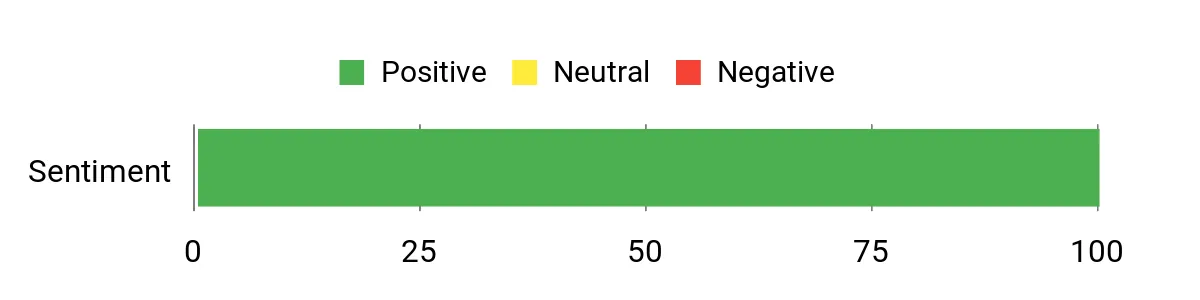
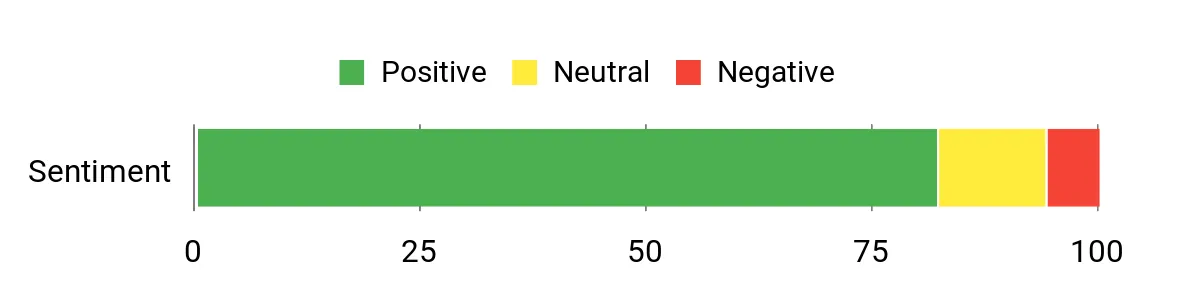
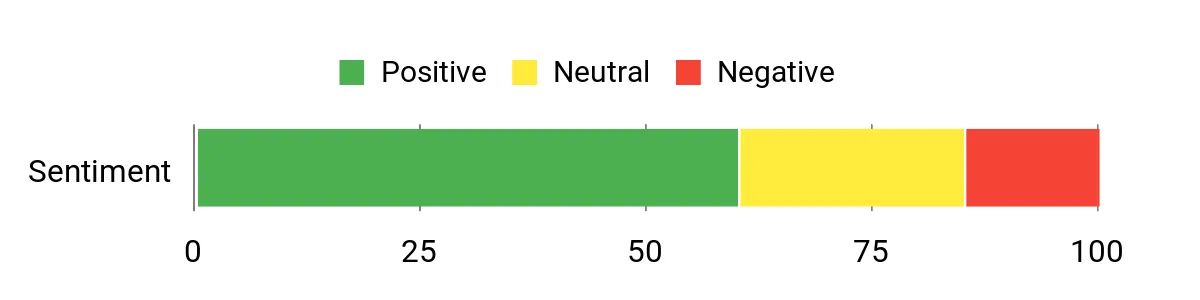
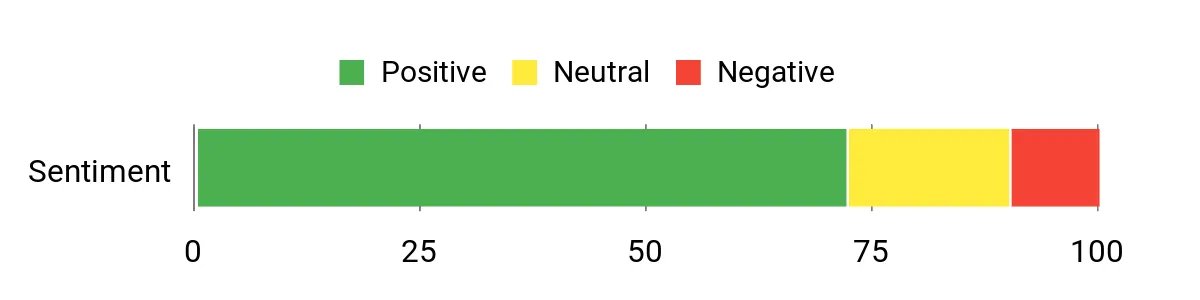
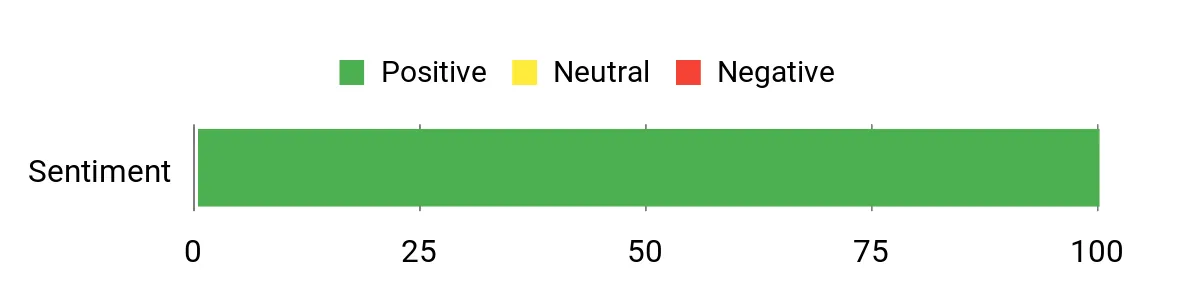
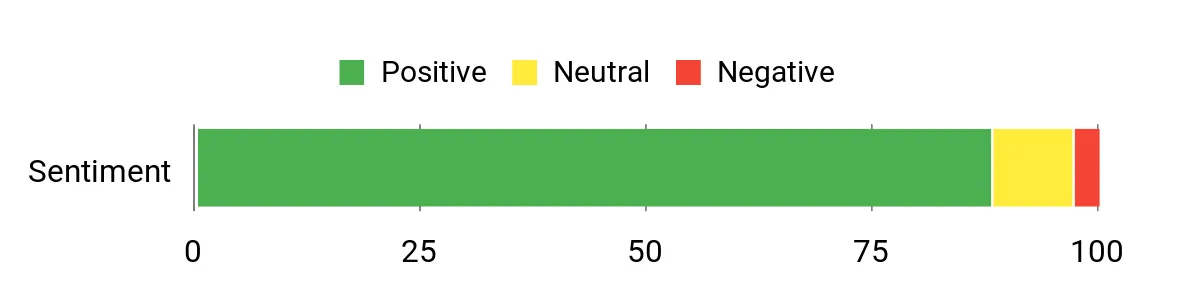
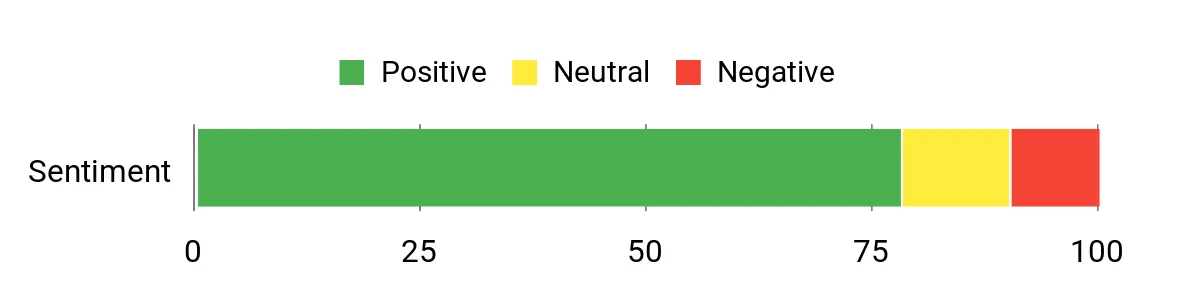
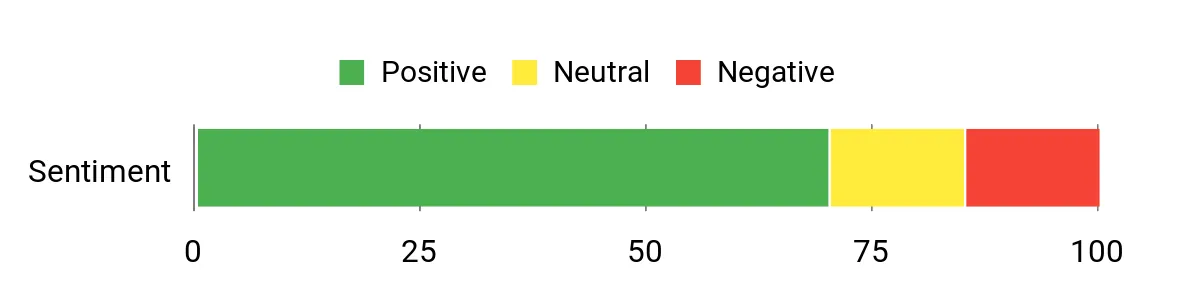
Review graphic note: The original article’s sentiment graphics are retained below, but their sampling methods and collection dates were not provided. They should not be treated as verified current customer-review results.
Big Agnes Luna
Best for: Women’s everyday winter wear and casual outdoor activities.

The Big Agnes Luna is a practical choice when you want a warm women’s down jacket that works for both everyday errands and outdoor adventures. Its quilted construction offers a comfortable balance of insulation and manageable bulk.
The current Luna design uses 650-fill DownTek water-repellent down and a recycled nylon ripstop shell. Its adjustable hood, regular fit, and convenient pockets make it suitable for daily winter use. It also packs down for easier storage when traveling.
The main appeal is versatility. You can wear it over a base layer on cool days or combine it with additional layers when temperatures drop. Check the exact Amazon listing generation before relying on specific fabric or insulation details.
Why You’ll Like It
- Comfortable warmth for everyday winter activities.
- Packable construction for travel and outdoor trips.
- Regular fit that allows practical layering.
- Water-repellent insulation on the current design.
- Quilted styling that works beyond the campsite.
Who Should Buy This?
Choose the Luna if you want one women’s down jacket for commuting, walking, camping, and casual winter outings. It is especially useful when comfort and everyday styling matter as much as technical performance.
Who Should Avoid This?
Consider a more specialized jacket if you need insulation for demanding mountaineering, prolonged exposure to severe cold, or heavy rain. The Luna is not a substitute for a waterproof protective shell.
What to Check in Customer Feedback
Before purchasing, check recent buyer comments about sizing, sleeve length, warmth, zipper performance, and how the jacket fits over sweaters. Reviews for different Luna generations may describe different construction details.
Seasonal Benefits
The Luna is suited to cool fall weather, winter errands, and outdoor activities where adjustable layering is useful. Its packability makes it convenient for travel when temperatures vary throughout the day.
For prolonged rain or wet snow, wear a compatible waterproof shell over the jacket. For severe cold, choose your complete layering system based on exposure time, wind, and activity level.
Durability
The ripstop shell on the current model is designed for lightweight outdoor use, but it should still be protected from sharp branches and rough surfaces. Follow the care label for your specific jacket to protect the insulation and fabric finish.
Key Benefits
- Comfortable down insulation
- Packable design
- Regular fit for layering
- Hooded winter protection
- Practical everyday styling
Buying Tip: Check the size chart and confirm whether the Amazon listing is the same Luna generation described by the current manufacturer specifications.
Marmot Guides
Best for: Everyday winter warmth, cold commutes, and casual outdoor activities.
The Marmot Guides Down Hoody is a strong option if you want substantial insulation in a jacket that works both around town and outdoors. Its generous puffer construction helps create a warm layer for cold-weather activities.
Guides models feature down insulation, a protective hood, and practical zippered storage. Recent Guides Down 2.0 versions use a 700-fill down and plant-fiber blend with a recycled polyester shell. However, older versions may use different materials, so confirm the specifications of the linked product.
This jacket makes sense when dependable warmth matters more than achieving the lowest possible pack weight. It is suitable for winter walks, campsite breaks, and general cold-weather use.
Why You’ll Like It
- Substantial insulation for cold-weather comfort.
- Hooded construction helps reduce heat loss.
- Zippered pockets keep small items secure.
- Versatile design for everyday and outdoor activities.
- Practical layering option for winter trips.
Who Should Buy This?
The Guides is suitable for people who need a warm winter puffer for commuting, camping, walking, or casual outdoor use. It is especially appealing if you prefer a substantial insulated feel over an extremely minimalist design.
Who Should Avoid This?
If every ounce matters during backpacking or technical climbing, consider a lighter alternative. The Guides can be bulkier than ultralight jackets, and it does not provide fully waterproof protection.
What to Check in Customer Feedback
Look for recent comments about overall warmth, shoulder fit, hood adjustment, zipper durability, and packing size. Be careful when comparing reviews across older Guides models and the newer Guides Down 2.0.
Seasonal Benefits
The Guides is most useful during colder fall days and throughout winter. It can serve as an outer insulating layer in suitable dry conditions or as part of a larger cold-weather clothing system.
During sustained precipitation, use a waterproof shell. Adjust your insulation layers during strenuous activity to avoid excessive sweating.
Durability
Guides models use practical outdoor fabrics, although durability depends on the specific generation and shell material. Protect the jacket from abrasion and maintain the down according to the manufacturer’s instructions.
Benefits
- Warm down-based insulation
- Adjustable hood on applicable models
- Useful zippered storage
- Comfortable everyday versatility
- Suitable for winter layering
Buying Tip: Check the model name carefully. A Guides Down Hoody and a Guides Down 2.0 Hoody may have different insulation blends and specifications.
FORLOH ThermoNeutral
Best for: Hunting, field use, and cold-weather outdoor activities.
The FORLOH ThermoNeutral is designed for outdoor users who want warm insulation without sacrificing freedom of movement. Its technical construction makes it particularly relevant for hunting, hiking, and other activities involving changing levels of exertion.
The current ThermoNeutral Down Hooded Jacket uses 800-fill treated down and a 40D ripstop nylon shell. The insulation is designed to manage moisture better than untreated down, while the outer fabric provides wind resistance and protection against light moisture.
Its underarm gussets support movement, and the hood and adjustable hem help reduce drafts. This combination is useful when you alternate between walking and standing still outdoors.
Why You’ll Like It
- 800-fill down on the current manufacturer model.
- Treated insulation for improved moisture management.
- Ripstop nylon shell suited to outdoor use.
- Movement-friendly design with underarm gussets.
- Useful hood and storage features.
Who Should Buy This?
Choose the ThermoNeutral if you regularly hunt, hike, or spend time outdoors in cold and changing conditions. It is especially relevant when you want a technical insulating layer that can also work under additional weather protection.
Who Should Avoid This?
If you mainly need an inexpensive casual jacket, this technical design may offer more features than necessary. It is also not intended to replace a waterproof rain jacket during persistent precipitation.
What to Check in Customer Feedback
Review recent comments about fit, pocket access, hood comfort, durability, and performance during changing activity levels. Confirm the exact insulation and pocket configuration of the linked variation.
Seasonal Benefits
The ThermoNeutral is useful for cold-weather hunting, fall hikes, and winter activities. Treated down provides an advantage when incidental moisture is a concern, although it cannot prevent insulation problems during complete saturation.
For prolonged rain or wet snow, combine it with suitable waterproof outerwear.
Durability
Its ripstop nylon construction is intended for outdoor use and offers a more substantial shell than some minimalist ultralight options. Nevertheless, sharp branches, repeated abrasion, and improper cleaning can damage insulated garments.
Benefits
- Technical down insulation
- Moisture-management treatment
- Wind-resistant ripstop shell
- Freedom of movement for active use
- Versatile outdoor layering
Buying Tip: Confirm the exact ThermoNeutral model and pocket layout before ordering. Features can differ between product versions.
Mountain Hardwear Ghost Whisperer/2
Best for: Lightweight backpacking, hiking, and travel.
The Mountain Hardwear Ghost Whisperer/2 is designed for people who value low weight and compact storage. It delivers useful insulation without the bulk of a traditional heavy winter jacket, making it appealing for hiking, backpacking, and travel.
This model is known for its ultralight shell, down insulation, and compact design. Its recycled fabric construction and responsibly sourced down are additional considerations for shoppers who pay attention to material sourcing.
The biggest advantage is convenience. You can carry an insulating layer in your pack and put it on when temperatures drop or you stop moving. However, its lightweight fabric requires more careful handling than a heavier outdoor shell.
Why You’ll Like It
- Very low bulk for travel and backpacking.
- Efficient down insulation for its lightweight design.
- Packable construction.
- Hooded protection.
- Recycled materials used in the product line.
Who Should Buy This?
The Ghost Whisperer/2 is an appealing choice for backpackers, hikers, and travelers who want a compact insulated layer. It is particularly useful when pack space and carried weight are important.
Who Should Avoid This?
Choose a more durable outer layer if you regularly move through dense brush or rough terrain. If you expect prolonged exposure to harsh winter conditions while standing still, a more heavily insulated jacket may be appropriate.
What to Check in Customer Feedback
Look for recent comments on fabric durability, warmth during rest stops, fit over base layers, and packing convenience. Confirm that reviews refer to the Ghost Whisperer/2 rather than a newer Ghost Whisperer version.
Seasonal Benefits
This jacket works well in cool fall weather, during shoulder-season adventures, and as an insulating layer in winter. Its small packed size makes it especially convenient for trips with changing temperatures.
It performs best when protected from sustained moisture. A waterproof shell is advisable during wet weather.
Durability
The ultralight fabric is a deliberate weight-saving feature, but it can be more vulnerable to punctures and abrasion. Avoid direct contact with sharp rocks, branches, and rough equipment.
Benefits
- Ultralight warmth
- Excellent packability
- Compact travel-friendly design
- Hooded insulation
- Responsible material considerations
Buying Tip: Compare the weight, size, and insulation specifications of the exact Ghost Whisperer generation before buying.
Arc’teryx Cerium
Best for: Premium lightweight insulation, mountain travel, and technical layering.
The Arc’teryx Cerium is designed for people who want efficient insulation in a lightweight, packable jacket. Its refined construction makes it suitable for mountain activities, cold-weather travel, and layering under a protective shell.
Current Cerium Hoody models use 850-fill down combined with Coreloft synthetic insulation in areas where moisture may accumulate. This strategic combination helps balance insulation efficiency and moisture management.
The jacket has a fitted profile and an insulated hood. Its compact construction is useful when you need warmth but want to avoid carrying a bulky outer layer.
Why You’ll Like It
- 850-fill down provides efficient loft.
- Strategic synthetic insulation improves resilience in selected areas.
- Packable design for mountain travel.
- Insulated hood adds coverage.
- Fitted construction supports technical layering.
Who Should Buy This?
Consider the Cerium if you prioritize premium materials, efficient insulation, and compact packing. It is particularly well suited to hikers, climbers, and travelers who use a layered clothing system.
Who Should Avoid This?
If you need a jacket for constant abrasion, heavy rain, or rough everyday work, the lightweight shell may not be ideal. The fitted cut may also feel restrictive if you prefer wearing thick sweaters underneath.
What to Check in Customer Feedback
Look at recent comments about the fitted silhouette, shoulder movement, zipper durability, and overall comfort. Check the exact version and size chart before relying on reviews of older Cerium designs.
Seasonal Benefits
The Cerium works well as an outer insulating layer on cold, dry days or as a warm midlayer during more demanding winter conditions. Its compact design is also helpful during shoulder-season trips when temperatures change quickly.
Use a waterproof shell during prolonged rain or wet snow. Synthetic insulation in selected areas does not make the entire jacket waterproof.
Durability
The lightweight shell supports excellent packability, but it can be more vulnerable to abrasion than thicker outdoor fabrics. Avoid unnecessary friction against rough surfaces and follow Arc’teryx care instructions for your specific model.
Benefits
- High-fill down insulation
- Strategic synthetic insulation
- Compact, lightweight construction
- Insulated hood
- Comfortable technical layering
Buying Tip: Confirm the product generation, sizing, and insulation specifications of the Amazon listing. Cerium models have changed over time.
Fjällräven Expedition Pack Down Hoodie
Best for: Packable winter layering, trekking, and cold-weather travel.
The Fjällräven Expedition Pack Down Hoodie is designed as a versatile insulating layer for cold-weather outdoor activities. It provides packable warmth without the size and bulk of a heavy expedition parka.
The jacket uses 700-fill down with synthetic insulation over the shoulders. This construction is useful because backpack straps can compress insulation and expose shoulder areas to moisture.
Its recycled nylon construction, adjustable hood, and practical pocket arrangement support winter hiking and travel. The jacket can also pack into its own pocket for easier storage.
Why You’ll Like It
- 700-fill down insulation.
- Synthetic shoulder reinforcement.
- Packable construction for travel.
- Adjustable hood for cold-weather comfort.
- Three practical pockets on the manufacturer’s current model.
Who Should Buy This?
This jacket is useful for winter hikers, travelers, and outdoor enthusiasts who want a packable insulating layer. It is a practical choice when you plan to wear down insulation over a base layer or combine it with a weatherproof shell.
Who Should Avoid This?
Do not treat this jacket as a standalone solution for extreme expedition temperatures. Despite its name, the Pack Down Hoodie is a relatively lightweight insulation piece rather than a heavy-duty expedition parka.
What to Check in Customer Feedback
Look for comments about fit over multiple layers, hood adjustment, zipper quality, pocket access, and long-term durability. Confirm that the listing is specifically for the Expedition Pack Down Hoodie.
Seasonal Benefits
The Expedition Pack Down Hoodie is useful for fall and winter hiking, camping, and travel. Its packability makes it convenient to carry as an extra insulation layer when temperatures drop.
It can work over or under other layers depending on the activity and garment fit. During prolonged wet weather, use a waterproof shell.
Durability
The recycled nylon shell and synthetic shoulder insulation are practical design features for outdoor use. However, the jacket still requires appropriate care and protection from abrasion.
Manufacturer instructions for current models allow gentle machine washing under specified conditions. Always follow the care label on your exact jacket.
Benefits
- 700-fill down insulation
- Packable winter design
- Synthetic shoulder reinforcement
- Adjustable hood
- Practical layering versatility
Buying Tip: This is a packable down hoodie, not the much heavier Expedition Down Jacket. Make sure you are comparing the correct product.
Rab Microlight Alpine
Best for: Hiking, trekking, alpine travel, and versatile outdoor layering.
The Rab Microlight Alpine is a practical all-around down jacket for people who spend time hiking, trekking, and exploring mountain environments. It balances insulation, mobility, and weather resistance without relying on an extremely bulky design.
The current Microlight Alpine Hoody uses 700-fill hydrophobic down and a Pertex Quantum shell with a durable water-repellent treatment. Its body-mapped baffles are designed to distribute insulation while allowing movement.
The hooded design, regular fit, and practical construction make it a versatile option for outdoor activities. It can serve as an outer layer in suitable dry conditions or as part of a larger layering system when the weather becomes more demanding.
Why You’ll Like It
- 700-fill hydrophobic down insulation.
- Pertex Quantum fabric for lightweight protection.
- Practical mobility for hiking and climbing.
- Useful hood and pocket features.
- Versatile design for different outdoor activities.
Who Should Buy This?
The Microlight Alpine is a strong choice for hikers, trekkers, and outdoor travelers who want one jacket for several activities. It is particularly appealing when you need a balance of warmth, mobility, and packability.
Who Should Avoid This?
If you need a jacket for prolonged standing in extreme cold, a more heavily insulated design may be appropriate. For persistent rain, you still need waterproof outer protection.
What to Check in Customer Feedback
Review comments about hood fit, chest and shoulder sizing, zipper function, pocket access, and durability. Check whether reviews refer to the Microlight Alpine or a different Microlight model.
Seasonal Benefits
The Microlight Alpine works well across fall, winter, and colder shoulder-season conditions. Its insulation can be useful during hiking breaks, mountain travel, and cool campsite evenings.
For snow, rain, or windy conditions requiring stronger protection, combine it with an appropriate shell. Water-repellent fabric can help with light moisture but does not provide complete waterproofing.
Durability
The Pertex Quantum shell is designed to balance low weight with outdoor practicality. It is suitable for routine use but should be protected from sharp rocks, branches, and repeated abrasion.
Benefits
- Versatile warmth-to-weight balance
- Hydrophobic down insulation
- Packable outdoor construction
- Mobility-focused design
- Useful weather-resistant finish
Buying Tip: Confirm that you are purchasing the Microlight Alpine model. Rab also offers other Microlight versions with different features and protection levels.
Rab Mythic Alpine Light
Best for: Ultralight climbing, alpine hiking, and technical mountain layering.
The Rab Mythic Alpine Light is built for outdoor users who want impressive insulation efficiency while carrying as little weight as possible. Its technical construction makes it particularly attractive for climbing, mountaineering, and fast-moving alpine activities.
Rab specifies 900-fill down combined with synthetic insulation in selected areas. The jacket uses lightweight 10D Pertex Quantum ripstop fabric and articulated sleeves designed to support movement.
The manufacturer’s listed weight is approximately 252 grams for a men’s medium, although actual weight varies by size. This makes the Mythic Alpine Light one of the most weight-focused options in this roundup.
Why You’ll Like It
- 900-fill down provides efficient insulation.
- Very low jacket weight.
- Synthetic insulation in strategic areas.
- Articulated sleeves for technical movement.
- Packable construction for alpine use.
Who Should Buy This?
Choose the Mythic Alpine Light if you climb, hike in alpine environments, or want a lightweight insulation layer for technical adventures. It is particularly relevant when reducing pack weight is an important part of your gear selection.
Who Should Avoid This?
It may be unnecessary if you only need a casual winter coat. The ultralight shell is also less suitable for frequent contact with abrasive surfaces or rough work environments.
What to Check in Customer Feedback
Look for comments about the slim fit, sleeve movement, fabric durability, warmth during rest stops, and comfort with climbing equipment. Make sure the reviews refer to the Mythic Alpine Light rather than another Mythic model.
Seasonal Benefits
The Mythic Alpine Light works well as a technical insulating layer for alpine adventures, including colder shoulder-season trips and appropriate winter conditions. Its low weight and packability make it easy to carry until extra insulation is needed.
Use a suitable shell during wet weather. For prolonged stationary exposure to extreme cold, consider whether a more heavily insulated jacket is required.
Durability
The 10D Pertex Quantum ripstop shell is designed to be light and packable, but its thin construction requires care around abrasive terrain. Keep the jacket away from sharp equipment and follow the manufacturer’s cleaning instructions.
Benefits
- 900-fill down insulation
- Exceptional low-weight construction
- Technical movement-friendly fit
- Strategic synthetic insulation
- Compact alpine packability
Buying Tip: Compare the manufacturer’s size chart with your intended base layers. A technical, closer-fitting jacket may leave less room for bulky clothing.
How to Choose the Best Down Jacket
The right down jacket depends on much more than fill power. Before buying, compare the insulation, fit, weight, weather protection, and intended activity.
1. Understand Fill Power and Fill Weight
Fill power measures the loft of down under standardized test conditions. Higher-fill down generally provides more insulation volume for a given weight of down.
However, higher fill power does not automatically mean a warmer finished jacket. The total amount of down, insulation distribution, construction, and fit all affect warmth.
At a Glance: Fill Power
- Around 650 fill: Can provide practical warmth for everyday and outdoor use.
- Around 700 fill: Common in versatile hiking and winter jackets.
- Around 800 to 850 fill: Often chosen for efficient warmth-to-weight performance.
- Around 900 fill: Useful in premium designs where reducing weight and packed volume is a major priority.
These are general characteristics, not fixed temperature ratings. Compare fill weight and overall construction before judging which jacket will be warmer.
2. Choose the Right Jacket Weight
If you carry all your equipment in a backpack, total jacket weight matters. Lightweight down jackets are easier to pack and can be convenient for hiking, travel, and climbing.
Heavier jackets may offer more insulation coverage, thicker fabrics, or additional features. Consider whether you need minimum weight or greater comfort during long periods of inactivity.
3. Check Weather Resistance
Down loses much of its insulating performance when saturated. Some jackets use hydrophobic-treated down, water-repellent fabrics, or synthetic insulation in areas exposed to moisture.
These features improve practical versatility, but they do not make a normal down jacket fully waterproof.
Important Weather Note: If you expect prolonged rain or wet snow, use a waterproof and suitably breathable outer shell. Do not rely on a DWR-treated down jacket as your only rain protection.
4. Consider Fit and Layering
A down jacket should allow comfortable arm movement without excessive gaps that let cold air enter. Check the size chart and consider which layers you plan to wear underneath.
A closer-fitting technical jacket may work well over a thin base layer, while a roomier jacket can accommodate thicker clothing. Avoid compressing down excessively because compression reduces its insulating loft.
5. Compare Hood and Pocket Features
An insulated hood helps reduce heat loss in cold conditions. Adjustable hoods can improve comfort, especially when wind and changing weather are concerns.
Pockets also matter. Zippered hand pockets, internal storage, and accessible chest pockets can make a jacket more useful for everyday activities and outdoor trips.
6. Think About Durability
Very thin fabrics reduce weight but can be more vulnerable to abrasion. If you regularly encounter rough terrain, dense brush, or heavy equipment, consider the shell construction carefully.
For everyday wear, look for strong zippers, practical stitching, and materials suitable for your expected use.
7. Consider Responsible Down Sourcing
Some manufacturers provide documentation about down sourcing and recycled materials. The Responsible Down Standard, commonly called RDS, addresses specific animal-welfare and traceability requirements for certified down.
If sourcing matters to you, confirm the certification or material claims for the exact jacket and product generation rather than relying on general brand statements.
Before You Buy: Down Jacket Checklist
- Check the exact product model and generation.
- Confirm whether the jacket contains genuine down insulation.
- Compare fill power and fill weight where available.
- Check the size chart for your intended layers.
- Review the hood, cuffs, hem, and pocket layout.
- Determine whether you need a waterproof shell.
- Consider fabric durability and typical abrasion exposure.
- Read the manufacturer’s washing and drying instructions.
- Confirm the exact size, color, and product details on Amazon.
- Check current pricing, seller details, and return conditions before ordering.
FAQ
How Do I Choose the Right Fill and Warmth?
Start by considering how you will use the jacket. If you travel light or hike frequently, prioritize efficient insulation and manageable weight. If you spend long periods standing still in cold conditions, you may need more total insulation.
Compare fill power and fill weight whenever possible. A jacket with lower fill power but more down can be warmer than one with higher fill power and less insulation. Construction, fit, wind, and layering also affect warmth.
Are Down Jackets Suitable for Wet Weather?
Down jackets can handle some moisture when they use appropriate fabric treatments or hydrophobic down, but most are not fully waterproof.
During prolonged rain or wet snow, wear a waterproof outer shell. If your activities frequently involve sustained wet conditions, synthetic insulation may be worth considering because it generally retains more insulating ability when damp.
How Do I Care for and Store a Down Jacket?
Always follow the care instructions provided for your specific jacket. Many modern down jackets allow gentle machine washing, while others require special treatment.
Use an appropriate detergent and dry thoroughly according to the care label. Where permitted, low-temperature tumble drying with clean dryer balls can help restore loft.
Store the jacket loosely rather than keeping it compressed in a stuff sack for long periods.
Is 700-Fill or 850-Fill Down Better?
850-fill down generally provides more loft per unit of down weight than 700-fill down. This can help manufacturers create lighter or more compact insulated jackets.
However, the warmer jacket cannot be determined from fill power alone. You must also consider the amount of down, jacket construction, and intended use.
Can I Wear a Down Jacket While Hiking?
Yes. Lightweight down jackets are useful during cool hikes, rest breaks, and low-activity periods. However, vigorous hiking can create excess heat and perspiration.
Adjust your layers during strenuous movement and keep your down jacket protected from heavy moisture. A breathable active layer may be more comfortable during sustained high-output activity.
How Should a Down Jacket Fit?
A down jacket should fit comfortably over your planned base layers without compressing the insulation. You should be able to move your arms and shoulders naturally.
Technical models may have a closer fit, while everyday jackets can provide more layering room. Always compare measurements with the manufacturer’s size chart.
Do I Need a Waterproof Shell Over a Down Jacket?
A waterproof shell is recommended when you expect prolonged rain, wet snow, or other conditions that could saturate the insulation. For dry, cold weather, a down jacket may work as an outer layer without an additional shell.
How Long Does a Down Jacket Last?
A well-maintained down jacket can provide useful service for many years, but its lifespan depends on fabric quality, frequency of use, cleaning, storage, and exposure to damage.
Protect the shell from sharp objects, repair small tears promptly, and avoid prolonged compression to help maintain performance.
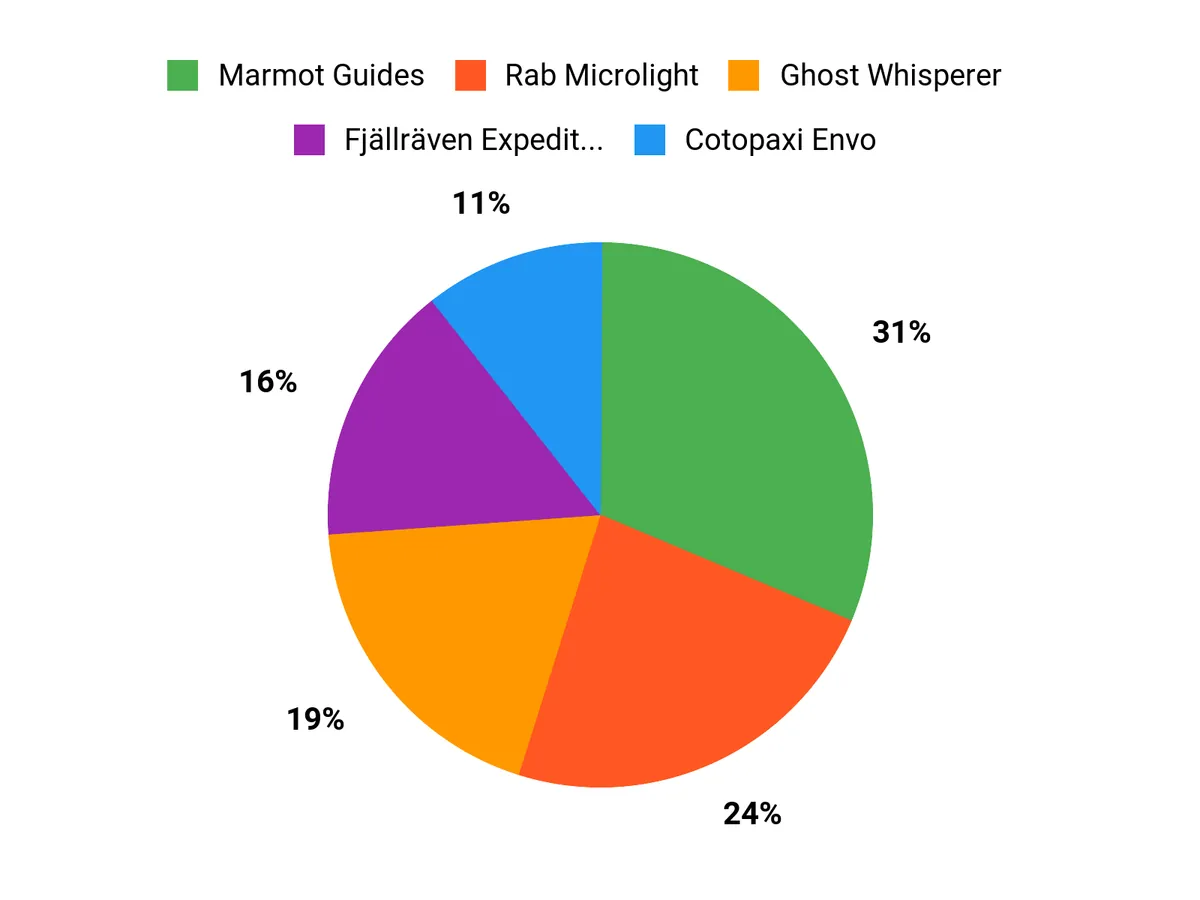
Customer Preferences
Different buyers prioritize different features, so the most suitable down jacket depends on your intended activities.
If everyday warmth and comfortable styling matter most, the Big Agnes Luna and Marmot Guides are worth comparing. Both are aimed at practical cold-weather use, although they serve different fit and style preferences.
For technical mountain activities, the Rab Microlight Alpine offers a versatile combination of insulation and mobility, while the Rab Mythic Alpine Light emphasizes the lowest possible weight.
The Arc’teryx Cerium appeals to shoppers who prioritize premium lightweight insulation. The FORLOH ThermoNeutral is more specifically oriented toward hunting and outdoor field use.
For packable insulation, compare the Mountain Hardwear Ghost Whisperer/2 and Fjällräven Expedition Pack Down Hoodie. The better choice depends on whether minimum weight or practical winter layering is your higher priority.
Note: The following graphic is retained from the original article. Its underlying preference data and methodology were not provided, so use the product specifications and buying guidance above when making a decision.
Wrapping Up
The best down jacket for you is the one that matches your activity, climate, and preferred layering system. A lightweight technical jacket can be excellent for hiking but may not provide the same comfort as a more substantial puffer during long periods of inactivity.
For versatile outdoor use, the Rab Microlight Alpine is a strong starting point. If premium lightweight insulation is your priority, consider the Arc’teryx Cerium. The Big Agnes Luna is worth comparing for women’s everyday winter wear, while the Rab Mythic Alpine Light is designed for people who place a high value on low pack weight.
Before purchasing, compare the exact product version, fit, insulation, weather resistance, and care requirements. These details will help you choose a jacket that delivers practical warmth and comfort for your intended use.
Detailed Down Jacket Comparison
Use this table to compare the eight down jackets side by side. Specifications describe the identified product families or current manufacturer models where available. Confirm details for the exact Amazon listing, especially when multiple generations exist.
| Product Name | Image | Insulation | Shell / Weather Protection | Pockets / Features | Best For |
|---|---|---|---|---|---|
| Luna Women’s Coat by Big Agnes |
|
650-fill DownTek down on current model | Recycled nylon ripstop with water-repellent treatment on current model | Hood, zippered storage, packable design | Women’s everyday winter wear |
| MARMOT Men’s Guides Down Hoody Jacket |
|
Down-based insulation; formulation varies by generation | Weather-resistant shell on applicable models; not waterproof | Hood and zippered pockets | Everyday winter warmth |
| FORLOH Men’s ThermoNeutral Down Jacket |
|
800-fill treated down on current model | 40D ripstop nylon with water-repellent treatment on current model | Movement-friendly construction, hood, practical pockets | Hunting and field use |
| Mountain Hardwear Men’s Ghost Whisperer/2 Hoody |
|
Lightweight down insulation | Ultralight shell; best protected from sustained moisture | Hood, compact packing, lightweight construction | Backpacking and travel |
| Arc’teryx Cerium Hoody |
|
850-fill down with strategic Coreloft synthetic insulation on current model | Lightweight recycled nylon shell with moisture-resistant finish | Insulated hood, fitted layering design | Premium technical insulation |
| Fjällräven Expedition Pack Down Hoodie |
|
700-fill down with synthetic shoulder insulation | Recycled nylon with water-repellent treatment | 3 pockets, adjustable hood, packs into pocket | Packable winter layering |
| Rab Men’s Microlight Alpine 700-Fill Down Hooded Puffer Jacket |
|
700-fill hydrophobic down on current model | Pertex Quantum with water-repellent finish | Hooded design, practical pockets, mobility-focused fit | Hiking and alpine activities |
| Rab Men’s Mythic Alpine Light Jacket |
|
900-fill down with strategic synthetic insulation | 10D recycled Pertex Quantum ripstop with DWR | Articulated sleeves, lightweight hood, approximately 252 g in men’s medium | Ultralight alpine climbing |
