
Last Updated on September 10, 2026 by Daniel Globe
What you wear hiking affects comfort, mobility, and how well you handle heat, rain, wind, cold, sun, and rough trail conditions. You do not need a closet full of technical gear, but your clothing should fit well, manage moisture, and match the weather and terrain. A few well-chosen layers can make a short day hike or a longer trail day much more comfortable.
Quick Answer
For most hikes, wear a moisture-wicking shirt, flexible quick-drying pants or shorts, wool or synthetic hiking socks, and comfortable trail footwear with good traction. Carry an insulating layer and a waterproof rain shell when conditions may change. Add a hat, sunglasses, sun protection, and insect protection as needed.
Key Takeaways
- Choose hiking clothes for the expected weather, trail surface, distance, and your own comfort.
- Wool and synthetic fabrics are usually better than cotton for managing sweat and staying comfortable in wet or cool conditions.
- Use layers so you can add or remove insulation as your activity level and the weather change.
- Your footwear should fit well and provide enough traction and protection for the terrain.
- Sun protection, rain protection, and insect protection can be just as important as the shirt and pants you start the hike wearing.
Disclosure: As an Amazon Associate I earn from qualifying purchases. Some links on this page are affiliate links, at no extra cost to you.
What to Wear Hiking: Basic Clothing Checklist
A simple hiking outfit starts with clothes that let you move freely and do not stay soaked when you sweat. You can then add protection for cold, wind, rain, sun, insects, or rough vegetation.
| Clothing Item | What to Look For |
| Shirt or base layer | Breathable merino wool or synthetic fabric that moves moisture away from your skin. |
| Pants, shorts, or leggings | Flexible, quick-drying material. Choose more leg coverage for brush, insects, strong sun, or cool weather. |
| Underwear | Comfortable, supportive, breathable material that minimizes rubbing and trapped moisture. |
| Hiking socks | Wool or synthetic socks that fit without bunching and rise above the top of your footwear. |
| Footwear | Comfortable trail runners, hiking shoes, or boots with suitable traction and protection. |
| Warm layer | Fleece, wool, or an insulated jacket appropriate for the expected temperature. |
| Outer shell | A waterproof, wind-resistant shell when rain, snow, or exposed windy conditions are possible. |
The National Park Service Ten Essentials also includes insulation and sun protection among the basic systems hikers should prepare for. What you actually wear at the trailhead can be light, but carrying another layer may give you options if conditions change.
Choosing the Right Footwear for Hiking
Footwear is one of the most important parts of a hiking outfit because it affects traction, comfort, and how well your feet are protected from rocks, roots, mud, and uneven ground. The best choice is not always the heaviest hiking boot. Match your footwear to the trail and make comfort the priority.
| Footwear Type | Often Works Well For | Tradeoff |
| Trail runners | Maintained trails, warm weather, and hikers who prefer light footwear. | Usually less protection around the ankle and upper foot. |
| Hiking shoes | Day hikes and mixed terrain where more protection than a trail runner is useful. | Heavier than many trail runners but lighter than most boots. |
| Hiking boots | Rocky terrain, rough trails, colder conditions, or situations where you want more coverage and protection. | Typically heavier and less ventilated. |
The National Park Service recommends proper walking shoes and specifically advises against heels, open-toed shoes, and flip-flops for ordinary hiking. It also recommends wool or synthetic socks for longer hikes. See the NPS Hike Smart guidance.
Fit matters just as much as footwear category. Try hiking footwear with the socks you plan to use. Your heel should feel secure, your toes should not be jammed against the front, and the shoe should not create obvious rubbing points. Walk in the footwear before relying on it for a long hike.
Waterproof footwear can be useful in cold mud, shallow wet conditions, or repeated exposure to moisture, but waterproof membranes can reduce ventilation. In hot weather or on trails where shoes are likely to become fully soaked, some hikers prefer faster-draining, non-waterproof footwear. There is no single correct choice for every trail.
Pro Tip: Carry a spare pair of hiking socks on longer or wet hikes. Changing out of soaked socks can improve comfort and gives you a dry pair if your first pair becomes saturated.
Layering for Comfort and Protection
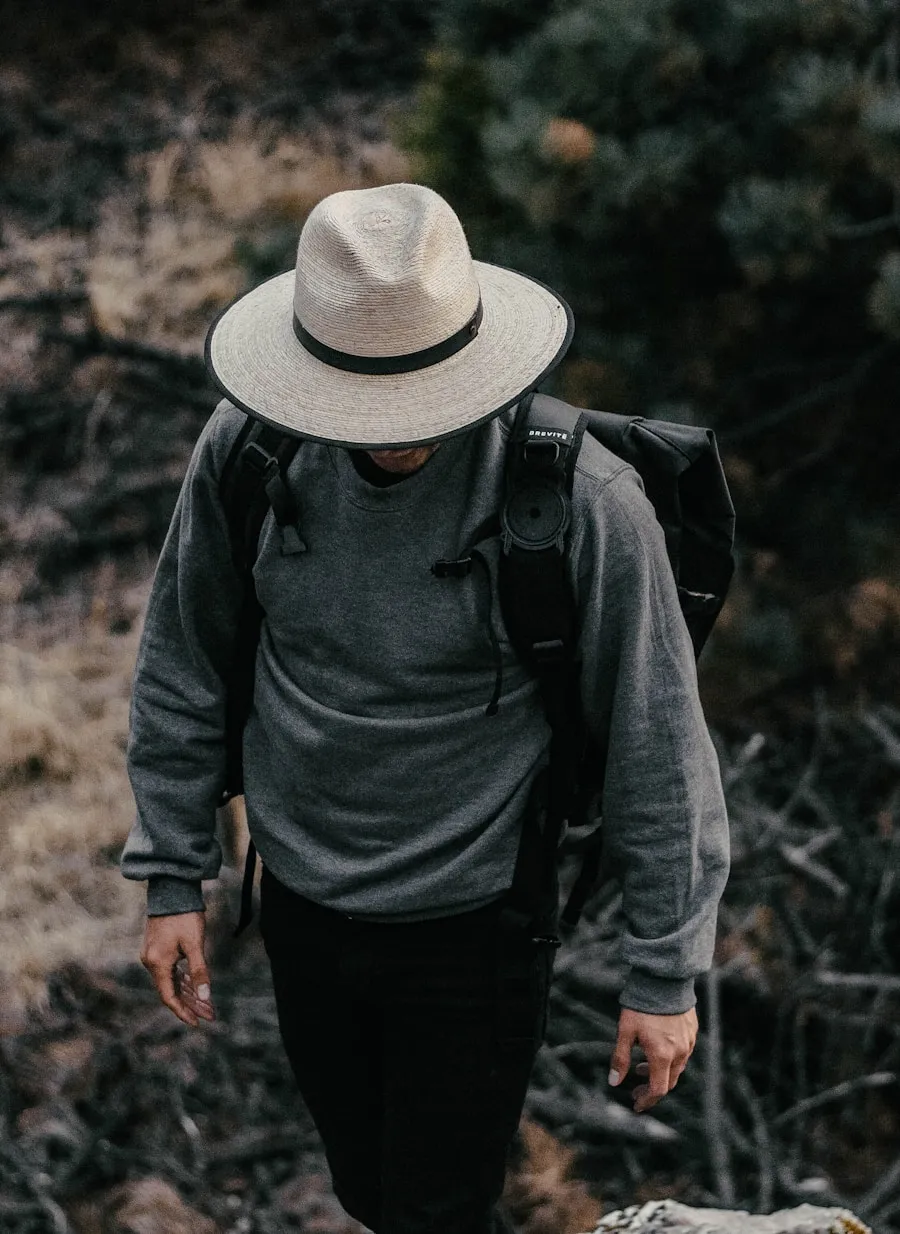
Layering lets you adjust your clothing without having to predict one exact temperature for the entire hike. A common system uses three functional layers: a base layer, an insulating middle layer, and a weather-protective outer shell.
Base Layer
The base layer sits next to your skin and should manage sweat. Merino wool and synthetic materials such as polyester are common choices. In cool or wet conditions, avoid relying on cotton as your next-to-skin layer because cotton holds moisture and loses much of its insulating usefulness when wet. The National Park Service specifically recommends wicking layers and advises hikers to avoid cotton and jeans when hypothermia is a concern.
Insulating Layer
The middle layer helps retain the heat your body produces. A fleece jacket, wool layer, synthetic insulated jacket, or appropriate down garment can work depending on temperature and moisture. You may not need to wear this layer while climbing hard, but carrying it gives you insulation during breaks or when the weather cools.
Outer Shell
The outer layer protects you from wind and precipitation. A waterproof, breathable rain jacket is a useful choice when rain or wet snow is possible. Rain pants can also be worthwhile for sustained rain, cold wet weather, or trails with wet vegetation.
Note: Layering works best when you adjust early. Remove insulation before you become heavily sweaty on a climb, then add it again when you slow down, stop, or enter colder and windier conditions.
The Best Fabrics for Hiking Clothing
| Fabric Type | Features | Best Use |
|---|---|---|
| Merino Wool | Manages moisture, regulates temperature, and resists odor | Base layers and socks in a wide range of temperatures |
| Polyester | Lightweight, durable, and generally quick-drying | Shirts, base layers, fleece, and quick-drying hiking clothing |
| Nylon | Strong, abrasion-resistant, and commonly quick-drying; water resistance varies by construction and treatment | Hiking pants, shorts, shells, and garments used around brush or rock |
| Spandex / Elastane | Adds stretch when blended with other fibers | Stretch hiking pants, leggings, shirts, and other fitted garments |
| Cotton | Comfortable when dry but absorbs and holds substantial moisture | Generally avoid as a primary hiking layer when wet or cold conditions are possible |
Synthetic fabrics such as polyester and nylon are popular for hiking because they can be durable, lightweight, and quick to dry. Merino wool is another useful option, especially for base layers and socks, because it can help regulate temperature and control odor.
Do not assume a garment provides strong UV protection simply because it is synthetic. The CDC’s sun-safety guidance notes that tightly woven clothing offers better protection and that some garments are specifically rated for UV protection. For long hours in strong sun, look for good coverage and a stated UPF rating when available.
Warning: Cotton shirts, sweatshirts, socks, and jeans can become a problem when they are wet in cool or windy weather. NPS guidance warns that wet cotton does not insulate well and can contribute to chilling. Carry appropriate dry and weather-resistant layers when conditions could turn cold.
Essential Accessories for Hiking
A few accessories can make hiking clothing work better. In strong sun, a wide-brimmed hat can shade the face, ears, and neck. Sunglasses that block UVA and UVB rays protect the eyes, while sunscreen protects exposed skin that clothing does not cover.
A comfortable backpack lets you carry water, food, a first-aid kit, navigation equipment, and clothing layers you are not currently wearing. Adjustable shoulder straps and an appropriate fit help keep the load stable. Longer hikes may benefit from a pack with more support and organization.
Trekking poles can also improve stability on uneven terrain and provide another point of contact during steep climbs or descents. Gaiters are useful when you want additional protection around the lower legs and boot openings from loose debris, mud, snow, or brush.
Clothing is only part of hiking preparation. The National Park Service Ten Essentials also includes navigation, illumination, first aid, food, water, emergency shelter, and other items that can matter if a routine hike takes longer than planned.
Considerations for Different Types of Weather
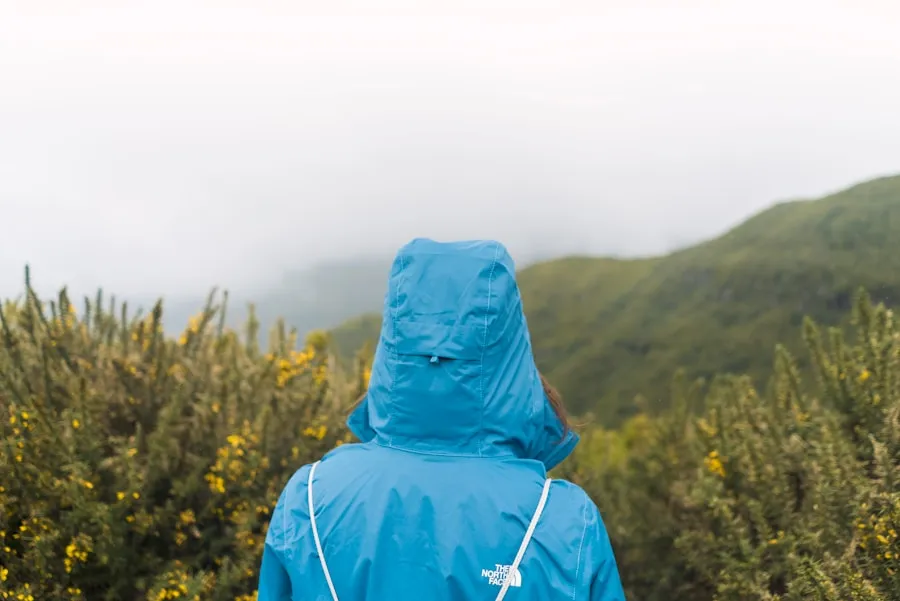
Check the forecast and trail conditions before leaving, but do not dress for the forecast alone. Elevation, wind, shade, precipitation, and changing weather can make the trail feel very different from the parking area.
Hot and Sunny Weather
In hot weather, choose loose or flexible clothing made from breathable, quick-drying material. Shorts can be comfortable on open maintained trails, while lightweight pants provide more protection from sun, brush, and insects.
Light-colored clothing may feel cooler in strong sunshine, but color alone does not determine UV protection. For sun safety, prioritize adequate coverage and tightly woven or UPF-rated fabric.
The CDC recommends broad-spectrum SPF 15 or higher sunscreen on exposed skin, along with protective clothing, a wide-brimmed hat, and sunglasses. Sunscreen should be reapplied after extended exposure and after swimming, heavy sweating, or toweling off.
UV exposure does not disappear when the air feels cool. The EPA notes that UV intensity increases with elevation, so sun protection remains important on high mountain trails.
Rain and Wet Weather
For rain, use a waterproof shell over quick-drying layers. A breathable rain jacket is especially helpful when you are working hard because it provides weather protection while allowing some heat and moisture to escape. In prolonged or cold rain, rain pants can provide valuable additional coverage.
Keep at least one dry insulating layer protected inside your pack when wet and cold conditions are possible. If your clothing becomes soaked and temperatures fall, having dry insulation can become much more important than simply staying comfortable.
Cold Weather
Cold-weather hiking usually requires a moisture-managing base layer, an insulating mid layer, and a protective outer shell. Add a warm hat, gloves or mittens, suitable socks, and footwear appropriate for the temperature and trail surface.
Avoid becoming soaked with sweat. Remove a mid layer or open vents before a hard climb, then put insulation back on when you stop or enter colder terrain. The National Park Service hypothermia guidance recommends wicking layers, avoiding cotton and jeans, and carrying waterproof/rainproof protection.
Windy and High-Elevation Conditions
Wind increases heat loss from exposed skin. The National Weather Service explains that stronger wind can make cold temperatures feel substantially colder, which is why a wind-resistant outer layer can be important on exposed ridges and winter hikes.
High elevations can also combine lower temperatures, stronger wind, and greater UV exposure. The EPA notes that UV intensity rises with elevation. Pack sun protection and an extra layer even when the trailhead feels mild.
Preparing for the Unexpected
Weather can change quickly, especially in mountain environments. Carry enough clothing to handle a reasonable change in conditions rather than relying only on what you are wearing when you leave the trailhead.
The appropriate backup gear depends on the location and season, but it may include a rain shell, dry insulating layer, warm hat, gloves, extra socks, and emergency shelter. Always check local park or land-management guidance for conditions specific to your route.
Tips for Dressing for Safety on the Trails
Choose clothing that makes sense for the hazards you expect. Bright or contrasting colors can make you easier for other people to see, while long pants and sleeves can reduce direct contact with thorny plants, brush, and insects.
Tick protection deserves extra attention in grassy, brushy, or wooded areas. The CDC recommends long-sleeved shirts and pants, EPA-registered insect repellents, and clothing or gear treated with products containing 0.5% permethrin. Permethrin products intended for clothing or gear should not be applied directly to skin.
After hiking in tick habitat, check your clothing, gear, and body for ticks. Long pants can also protect your legs from scratches and reduce direct exposure to poison ivy and other irritating vegetation.
Gaiters can help keep small rocks, dirt, snow, mud, and vegetation out of footwear. They are especially useful on loose, overgrown, muddy, or snowy trails.
What Not to Wear Hiking
There are few absolute fashion rules on a trail, but certain choices are more likely to cause problems when conditions become wet, cold, hot, or rough.
- Cotton or denim in wet/cold conditions: These materials hold water and can leave you chilled when temperatures drop.
- Poorly fitting shoes: Shoes that slip, squeeze, or rub can become painful as the miles add up.
- Flip-flops or loose open footwear on ordinary trails: They offer limited protection and traction on rocks, roots, and uneven surfaces.
- Heavy, non-breathable clothing in hot weather: It can trap excessive heat and sweat.
- Clothing that restricts movement: You should be able to step up, squat, and climb without the garment pulling or binding.
Cotton is not dangerous simply because it is cotton. On a dry, hot, low-risk walk close to shelter, a cotton shirt may be perfectly comfortable. The concern grows when a hiker could become wet, cold, exposed to wind, or far from an easy exit.
How to Dress for Different Types of Hikes
Short, Easy Day Hikes
On a maintained trail in stable mild weather, comfortable athletic clothing and suitable walking shoes may be enough. You still need to consider sun, water, insects, and the possibility that the weather changes before you return.
Long Day Hikes
For longer mileage, moisture management and fit become more important. Wear reliable socks and footwear, and carry extra layers instead of assuming you will be moving continuously. A spare pair of socks and a weather shell become more valuable as you move farther from the trailhead.
Brushy or Buggy Trails
Lightweight long sleeves and pants give more coverage from vegetation and insects. Consider insect repellent and tick-prevention measures appropriate to the area.
Mountain and Exposed Trails
Pack for wind, temperature changes, precipitation, and stronger UV exposure. A warm layer and rain shell can be useful even when the lower trail starts warm and sunny.
Sustainable and Eco-Friendly Hiking Attire Options
Hiking clothing does not have to be replaced every season. One of the simplest ways to reduce the environmental impact of your trail wardrobe is to buy fewer pieces, choose durable items that fit your actual needs, and repair them when practical.
Many outdoor brands now use recycled fibers in jackets, shirts, fleece, and other clothing. Recycled content can reduce demand for virgin material, but it should not be the only factor in a purchase. Fit, durability, repairability, and how often you will actually use the garment also matter.
Second-hand hiking clothing can be another practical option. Thrift shops, outdoor consignment stores, resale sites, and gear swaps may offer quality fleece, shells, pants, and other apparel at lower cost. Footwear requires more care because its fit and remaining sole life matter, but many clothing layers can work well second-hand.
When replacing gear, consider whether an existing garment can be patched, re-waterproofed, or otherwise repaired first. A durable piece that remains useful for years may be a better environmental choice than repeatedly buying new clothing marketed as “eco-friendly.”
When planning what to wear while hiking, it is important to consider the rest of your outdoor equipment as well. Proper clothing and footwear do not replace basic safety gear. One item that can be useful when a hike leads into an overnight camping trip is a solar-powered camping lantern. This article from TakeTravelInfo explains the benefits of using a solar-powered lantern while camping or hiking. It can provide campsite lighting without relying solely on disposable batteries.
Love travel? Join Our Facebook Community For More Tips.
Frequently Asked Questions
What should I wear while hiking?
For a typical hike, wear a moisture-wicking shirt, flexible quick-drying pants or shorts, comfortable underwear, wool or synthetic socks, and trail footwear with good traction. Carry an insulating layer and rain shell when the weather may change.
What type of footwear is best for hiking?
The best footwear depends on the terrain and your preferences. Trail runners work well for many maintained trails, hiking shoes add protection without the bulk of a boot, and hiking boots provide more coverage for rough, rocky, cold, or demanding conditions. Fit and traction matter more than choosing the heaviest option.
What type of socks should I wear while hiking?
Choose wool or synthetic hiking socks that manage moisture, fit smoothly without bunching, and extend above the top of your footwear. Avoid cotton socks when your feet may become wet or cold. Carrying a spare pair is useful on long or rainy hikes.
What accessories should I consider wearing while hiking?
Useful accessories include a sun hat, sunglasses, sunscreen, a rain jacket, gloves or a warm hat in cold weather, and gaiters when the trail is muddy, snowy, loose, or overgrown. A backpack should carry water, food, navigation, first aid, and extra layers appropriate to the route.
What should I avoid wearing while hiking?
Avoid poorly fitting footwear, restrictive clothing, and heavy non-breathable clothing in hot weather. Cotton and denim are poor choices when wet or cold conditions are possible because they absorb water and can leave you chilled.
Can I wear jeans hiking?
Jeans can work for a short, dry, easy walk in mild weather, but they are a poor choice when rain, stream crossings, cold temperatures, or long exposure are possible. Denim absorbs water, dries slowly, and can become uncomfortable and cold when wet.
Should I wear shorts or pants for hiking?
Shorts are comfortable in warm weather on open, maintained trails. Lightweight hiking pants provide more protection from sun, insects, scratches, and brush. Choose based on temperature, trail conditions, insect activity, and how much coverage you prefer.
Sources
- National Park Service — Ten Essentials — hiking preparation, insulation, sun protection, and emergency gear.
- National Park Service — Hike Smart — footwear, hiking socks, and trail preparation.
- Centers for Disease Control and Prevention — Sun Safety Facts — protective clothing, sunglasses, sunscreen, and UV exposure.
- Centers for Disease Control and Prevention — Preventing Tick Bites — clothing, repellents, permethrin, and tick checks.
- U.S. Environmental Protection Agency — Learn About the UV Index — UV intensity and the effect of elevation.
- National Weather Service — Understanding Wind Chill — wind-driven heat loss and cold-weather exposure.

