
Last Updated on September 10, 2026 by Daniel Globe
What you wear hiking in summer should keep you cool without leaving you unprepared for sun, rain, wind, insects, rough vegetation, or sudden temperature drops. A good summer hiking outfit starts with breathable, quick-drying clothing and properly fitted footwear, then adds sun protection and a light weather layer that matches the trail and forecast.
Quick Answer
For summer hiking, wear a lightweight synthetic or merino shirt, quick-drying shorts or hiking pants, moisture-managing socks, and well-fitted trail shoes or boots. Add a wide-brimmed hat, UV-blocking sunglasses, broad-spectrum SPF 30+ sunscreen, and a light rain or wind shell for changing conditions.
Key Takeaways
- Choose lightweight synthetic or merino clothing that moves moisture away from your skin and dries faster than cotton.
- Match footwear to the terrain, weather, pack weight, and your feet instead of assuming every summer hike requires waterproof boots.
- Carry a rain or wind layer even on warm days because summer weather can change quickly, especially in the mountains.
- Protect exposed skin and eyes with a wide-brimmed hat, UV-blocking sunglasses, protective clothing, and broad-spectrum SPF 30+ sunscreen.
- Know the signs of heat illness and adjust your pace, clothing, water, food, and route when conditions become dangerously hot.
Disclosure: As an Amazon Associate I earn from qualifying purchases. Some links on this page are affiliate links, at no extra cost to you.
Summer Hiking Clothing Checklist
A simple head-to-toe system works for most warm-weather day hikes. Adjust each item for the forecast, trail surface, elevation, vegetation, insects, and how long you expect to be outside.
| Upper body | Lightweight synthetic or merino T-shirt, long-sleeve hiking shirt, or sun hoodie |
| Lower body | Quick-drying hiking shorts or lightweight pants with enough stretch for climbing and stepping |
| Underwear | Breathable, quick-drying underwear that does not bunch or rub |
| Socks | Synthetic or merino hiking socks; carry a dry spare pair on longer outings |
| Footwear | Trail runners, hiking shoes, or boots with dependable traction and a secure fit |
| Sun protection | Wide-brimmed hat, UV-blocking sunglasses, protective clothing, and broad-spectrum SPF 30+ sunscreen |
| Weather layer | Packable rain shell or wind shell; add light insulation for cool mornings, high elevations, or exposed routes |
Comfort matters as much as the fabric label. Clothing that fits well and does not rub lets you concentrate on your footing and surroundings instead of adjusting straps, waistbands, or damp fabric throughout the hike.
Choosing the Right Footwear for Hiking
Choosing the Right Style
There is no single best summer hiking shoe. Trail runners can work well on maintained trails because they are light, flexible, and often highly breathable. Hiking shoes add structure and protection without the weight of a traditional boot. Boots can make more sense on rough terrain, during off-trail travel, in cold or wet conditions, or when you prefer additional structure around the foot and ankle.
The National Park Service recommends sturdy, rubber-soled footwear for hiking and notes that supportive boots are appropriate on many dirt, gravel, and rough routes. The important point is to match the shoe to the trail instead of choosing solely by season. See the NPS Hike Smart guidance before heading onto unfamiliar terrain.
Waterproof footwear also involves a tradeoff. A waterproof membrane can help in persistent rain, wet vegetation, shallow mud, or snow, but it usually breathes less and can take longer to dry after water gets inside. On hot, dry trails, many hikers prefer ventilated shoes that release heat and dry quickly.
The Importance of Fit
Fit is more important than brand or shoe category. Your heel should feel secure, your toes should have room to move, and the shoe should not pinch the forefoot or arch. Try hiking footwear with the socks you intend to use on the trail because sock thickness can change how the shoe fits.
Feet can swell during long, hot hikes, so a shoe that feels cramped before you start is unlikely to become more comfortable later. Walk on an incline if the store provides one. Your toes should not repeatedly strike the front of the shoe while descending.
Socks and Blister Prevention
Choose synthetic or merino hiking socks that fit without wrinkles. Damp skin and repeated friction make hot spots more likely, so change into a dry pair if your socks become soaked during a long outing. The National Park Service also recommends wool or synthetic moisture-managing socks for longer hikes and suggests carrying an extra pair.
Pro Tip: Stop when you first feel a hot spot. Dry the area and cover it before repeated friction turns it into a painful blister.
Additional Features to Consider
Terrain and hike duration determine which extra features are useful. A protective toe cap helps on rocky trails. Deeper lugs can improve grip on loose dirt or mud. A cushioned midsole may feel better on long, hard-packed routes, while a firmer platform can feel more stable under a heavier pack.
The goal is not to buy the heaviest shoe available. It is to choose footwear that provides the traction, protection, fit, and underfoot support you need without adding unnecessary heat or weight.
Layering for Comfort and Protection
Layering is useful even in summer because temperature and weather can change with elevation, wind, cloud cover, storms, and time of day. A flexible system lets you remove clothing while climbing and add protection when you stop or conditions deteriorate.
Base Layer
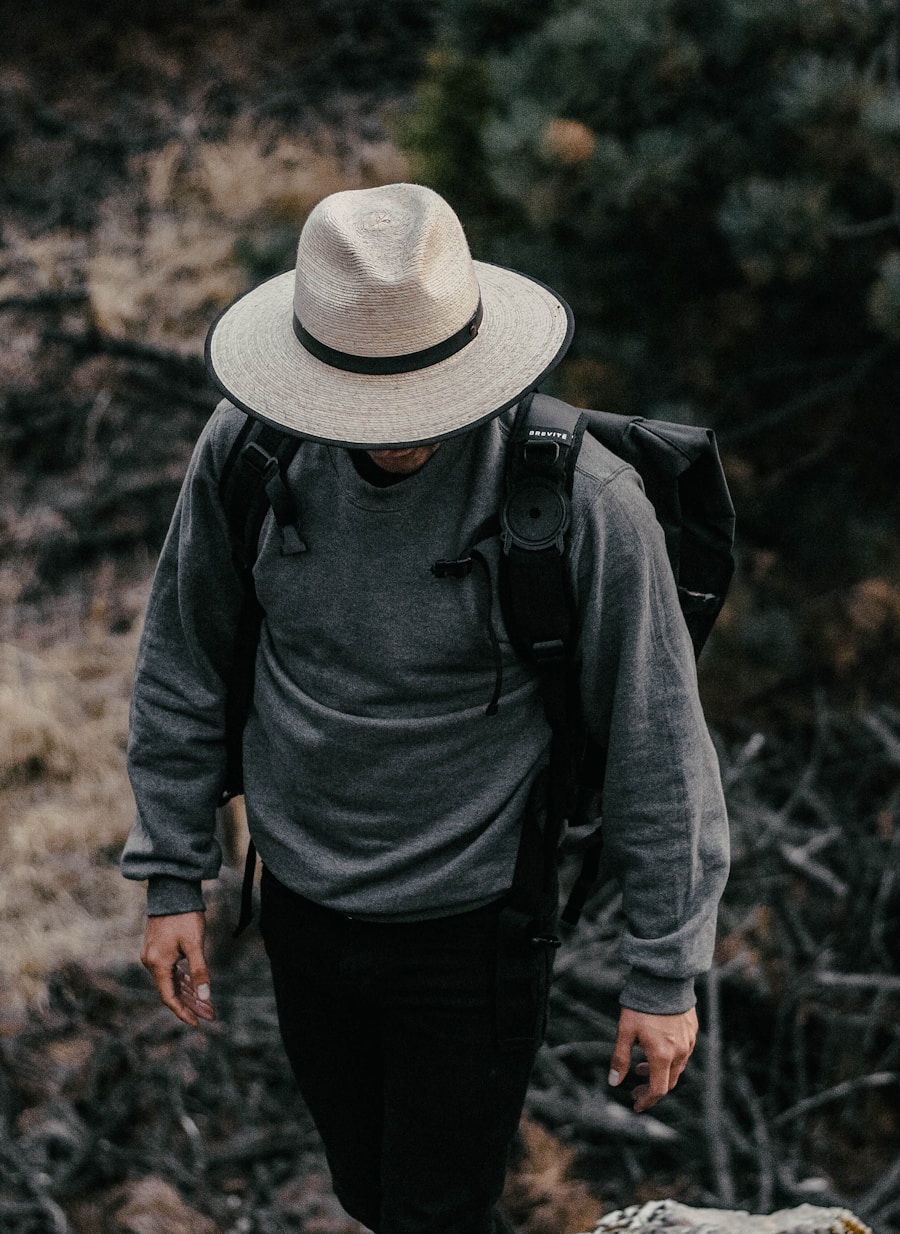
Your next-to-skin layer should manage sweat and dry reasonably quickly. Lightweight polyester, nylon blends, and merino wool are common choices. A short-sleeve shirt maximizes airflow, while a thin long-sleeve shirt or sun hoodie provides more coverage from UV, insects, and brush.
Avoid relying on heavy cotton when cool, wet, or windy conditions are possible. Cotton absorbs water and dries slowly. The National Park Service recommends wool or synthetic layers over cotton in conditions where staying warm while damp matters.
Insulating Layer
You may not need to wear insulation while hiking on a hot afternoon, but a lightweight fleece or compact insulated layer can be valuable for high elevations, windy overlooks, early starts, late finishes, and sudden temperature drops.
Choose the amount of insulation based on the lowest temperature you could realistically encounter, not simply the temperature at the trailhead when you leave.
Outer Shell
A lightweight shell protects against rain and wind. For routes with a meaningful chance of rain, use a waterproof rain jacket. In dry climates where wind is the main concern, a breathable wind shell may be enough.
The National Park Service Ten Essentials includes extra clothing and protection for sudden weather changes. That guidance applies even when the forecast looks warm at the start of a summer day.
Note: Put a rain layer on before your clothing is soaked. Staying dry is much easier than trying to warm up after wind and rain have chilled wet clothing.
Sun Protection: Hats, Sunglasses, and Sunscreen
| Item | What to Look For | Why It Helps | Important Note |
| Sunscreen | Broad-spectrum SPF 30+; water-resistant when heavy sweating is expected | Protects exposed skin from UVA and UVB radiation | Reapply at least every two hours and follow the label’s 40- or 80-minute water-resistance directions |
| Hat | Wide brim, closely woven fabric, or a labeled UPF-rated design | Shades the scalp, face, ears, and neck | Do not assume every hat is UPF 50+ |
| Sunglasses | UV400 or 99–100% UVA/UVB protection | Reduces UV exposure to the eyes | Dark tint alone does not prove UV protection |
Sun protection is especially important on exposed summer trails. The U.S. Environmental Protection Agency recommends broad-spectrum SPF 30+ sunscreen along with protective clothing, a wide-brimmed hat, sunglasses, shade, and attention to the daily UV Index.
A long-sleeve sun shirt can reduce the amount of skin that needs sunscreen. If you buy clothing marketed for sun protection, check its UPF label rather than assuming that every lightweight shirt or hat provides the same level of protection. Fabric construction, coverage, stretch, and whether the material is wet can all affect UV protection.
For sunglasses, choose a pair labeled UV400 or 100% UV protection. According to the U.S. Food and Drug Administration, that labeling indicates more than 99% blockage of UVA and UVB radiation. Lens darkness by itself is not a reliable measure of UV protection.
Apply sunscreen to exposed areas such as the face, ears, neck, hands, and any uncovered legs or arms. FDA guidance says to reapply at least every two hours and more frequently when sweating or swimming. Sunscreen cannot be labeled “waterproof.” Water-resistant products must state whether their labeled protection lasts for 40 or 80 minutes while swimming or sweating.
Sun protection works best as a system: clothing, shade, a wide-brimmed hat, UV-blocking sunglasses, and sunscreen for skin that remains exposed.
Selecting the Best Fabric for Hiking Clothing
Fabric determines how quickly clothing dries, how it feels against sweaty skin, and how well it performs when temperatures change.
Synthetic Fabrics
Polyester and nylon are common in hiking shirts, pants, shorts, and underwear because they can be lightweight, durable, and quick-drying. Many garments also include elastane or similar stretch fibers for easier movement.
Synthetics are particularly useful in humid climates and on strenuous hikes where you expect to sweat heavily. Their main drawback is that some fabrics hold odor more readily than wool, although treatments and fabric construction vary.
Merino Wool
Merino wool manages moisture well, remains comfortable across a broad temperature range, and tends to resist odor better than many untreated synthetic fabrics. Lightweight merino shirts and socks are useful on long days and multi-day trips, although wool can cost more and may dry more slowly than very thin synthetic material.
Cotton
Cotton can feel comfortable around town, but it absorbs substantial moisture and dries slowly. That becomes a problem when sweat, rain, wind, or falling temperatures leave clothing wet. On trails where cool or wet weather is possible, synthetic or wool clothing provides a larger safety margin.
Note: No fabric stays perfectly comfortable in every climate. In hot weather, prioritize breathability, fit, airflow, and drying speed while still carrying enough protection for the coolest and wettest conditions you could encounter.
Shorts or Hiking Pants for Summer?
Shorts maximize airflow and are comfortable on hot, open trails with little vegetation. Lightweight hiking pants provide more protection from sun, brush, insects, poison ivy, abrasive rock, and loose debris.
For exposed desert hiking, thin long pants can provide valuable sun coverage without requiring heavy fabric. For humid forest trails, breathable pants can also reduce direct contact with ticks and vegetation. Convertible pants offer both options but are useful only if the zippers and seams remain comfortable under your pack and while walking.
Whichever you choose, make sure the waistband works with your backpack’s hip belt and that the fabric allows a full stride without pulling at the knees or crotch.
Essential Accessories for Summer Hiking
Hydration and Food
Carry enough water for the route and conditions, along with a way to treat additional water when your plan depends on natural sources. Hot weather, direct sun, high exertion, and dry air can increase fluid needs significantly.
Food matters too. Regular snacks provide energy and help replace some of the sodium lost through sweat. During prolonged, strenuous activity in hot conditions, an electrolyte-containing drink can be useful in addition to water and food. Avoid trying to compensate for heat by forcing excessive amounts of plain water.
Stability and Support
Lightweight trekking poles can improve stability on loose terrain, steep descents, stream crossings, and uneven trails. Research has also found reductions in some lower-extremity forces during downhill walking with poles, although poles do not guarantee protection from injury.
Adjust pole length and learn how to plant the tips safely before relying on them on difficult terrain.
Minor Injuries and Ailments
A compact first-aid kit can help manage small cuts, scrapes, hot spots, and blisters until you reach appropriate care. Useful items include adhesive bandages, blister treatment, gauze, antiseptic supplies, and any personal medication you may need.
First-aid supplies are only one part of preparation. The National Park Service’s Ten Essentials also include navigation, sun protection, extra clothing, illumination, fire, tools or repair supplies, extra food, extra water, and emergency shelter.
Insect and Tick Protection
Wooded, grassy, and brushy trails can expose hikers to ticks and biting insects. Long pants and sleeves provide a physical barrier when conditions allow. The CDC recommends tick-prevention measures that include treating clothing and gear with products containing 0.5% permethrin or using commercially pretreated gear according to the product directions.
After hiking in tick habitat, check your clothing, equipment, pets, and body for ticks. Showering after returning indoors can also make it easier to find ticks that have not yet attached firmly.
Be Prepared for the Unexpected
Summer daylight can make a short outing feel low-risk, but delays still happen. A navigation backup, headlamp, extra food and water, weather layer, and emergency supplies can make an unexpected late return much easier to manage.
Check the current forecast and trail alerts before leaving, and tell someone where you are going and when you expect to return.
Considerations for Different Types of Hiking Trails
The best summer hiking clothing changes with the environment. The temperature at home or the trailhead does not always describe the conditions you will experience several miles away or thousands of feet higher.
Hot, Dry, and Exposed Trails
Prioritize sun coverage and airflow. A loose long-sleeve sun shirt, light hiking pants or shorts, a broad-brimmed hat, sunglasses, and sunscreen provide a practical starting point. Carry more water than you would for a shaded hike and plan around the hottest part of the day.
Humid or Wooded Trails
Choose highly breathable, quick-drying clothing. Long pants can help protect against ticks, brush, and irritating plants. Carry insect repellent where biting insects are common and expect clothing to remain damp longer than it would in an arid climate.
Rainy or Muddy Trails
A light waterproof shell becomes more important when showers are likely. Choose footwear with reliable wet-surface traction. Waterproof shoes may help in shallow mud and wet vegetation, while non-waterproof shoes can be preferable when repeated soaking is unavoidable and rapid drainage is more useful.
High-Elevation and Exposed Mountain Trails
Pack for wind and lower temperatures even when the valley is hot. A lightweight insulating layer and rain shell can become important after sunset, at exposed passes, or when clouds and storms move in.
Warning: Summer thunderstorms can create serious lightning danger on exposed ridges and peaks. If you hear thunder, move toward safe shelter instead of continuing higher. The National Weather Service states that no place outdoors is safe when thunderstorms are in the area and advises leaving elevated terrain immediately when caught outside.
Tips for Staying Cool and Hydrated on the Trails
Hot-weather hiking requires more than choosing a thin shirt. Plan your route and pace around the conditions. When possible, hike during cooler parts of the day, choose shaded routes during extreme heat, reduce your pace, and take breaks before you feel exhausted.
Loose, breathable clothing supports airflow. Light-colored garments can also be comfortable in strong sun, although color alone does not determine UV protection. For reliable sun protection, look at coverage, fabric construction, and any tested UPF rating.
Drink regularly and carry enough fluid for your route. Long or strenuous hikes in heavy heat may also justify electrolyte-containing food or drinks, especially when you are sweating for hours. At the same time, more water is not always better: excessive fluid intake can create its own problems, so avoid forcing large quantities beyond your needs.
Rest in shade when possible and pay attention to how everyone in the group is feeling. Heat exhaustion can cause heavy sweating, weakness, dizziness, headache, nausea, cramps, and cool or clammy skin.
Warning: Confusion, altered mental status, slurred speech, seizures, loss of consciousness, or very high body temperature can signal heat stroke. Heat stroke is a medical emergency. Call 911, move the person to a cooler or shaded location, remove excess outer clothing, and begin rapid cooling while emergency help is on the way. See the CDC heat-illness guidance for current first-aid recommendations.
When planning what to wear for a summer hike, practical storage can also be helpful. Lightweight hiking or travel pants with secure pockets give you a convenient place for small items without relying on loose pockets that may drop gear. For additional options, see this guide to travel pants with hidden pockets.
Love travel? Join Our Facebook Community
Frequently Asked Questions
What should I wear when hiking in the summer?
Wear a lightweight synthetic or merino shirt, quick-drying shorts or pants, moisture-managing socks, and properly fitted trail shoes or boots. Add a wide-brimmed hat, UV-blocking sunglasses, broad-spectrum SPF 30+ sunscreen, and a packable weather layer.
What type of footwear is best for summer hiking?
Choose footwear based on terrain and fit. Breathable trail runners or hiking shoes can work well on maintained trails, while rough or off-trail routes may justify more protective hiking shoes or boots. Good traction and a secure, comfortable fit matter more than choosing the heaviest option.
Do I need waterproof hiking shoes in summer?
Not always. Waterproof footwear can help in persistent rain, wet grass, mud, and shallow snow, but it is usually less breathable. In hot conditions or on trails where shoes are likely to become fully soaked, ventilated footwear that drains and dries quickly may be more comfortable.
Should I wear layers when hiking in the summer?
Yes. You may hike in only one layer during the warmest part of the day, but carrying a rain or wind shell and an appropriate insulating layer helps you handle cool mornings, exposed ridges, storms, high elevations, or an unexpectedly late return.
Are shorts or pants better for summer hiking?
Shorts provide excellent airflow on hot, open trails. Lightweight pants provide more protection from UV exposure, ticks, insects, brush, poison ivy, and rough terrain. Choose based on the trail rather than temperature alone.
What socks are best for summer hiking?
Synthetic or lightweight merino hiking socks are good choices because they manage moisture better than typical cotton socks. Make sure they fit smoothly without folds, and consider carrying a dry spare pair on long or wet hikes.
What accessories should I bring for summer hiking?
Bring water, food, sun protection, navigation, a headlamp, first-aid supplies, extra clothing, and appropriate emergency gear. A hat, sunglasses, insect protection, trekking poles, and a compact rain shell may also be useful depending on the trail.
Are there clothing items I should avoid when hiking in summer?
Avoid clothing that traps excessive heat, restricts movement, rubs under backpack straps, or remains wet for long periods. Heavy cotton is a poor choice when rain, wind, or cooler temperatures are possible because it absorbs moisture and dries slowly.
Sources
- National Park Service — Ten Essentials — hiking preparedness, sun protection, extra clothing, water, food, navigation, first aid, and emergency equipment.
- National Park Service — Hike Smart — footwear, hiking preparation, socks, hydration, and trail-safety guidance.
- U.S. Environmental Protection Agency — UV Index Overview — SPF 30+, protective clothing, hats, sunglasses, shade, and UV Index recommendations.
- U.S. Food and Drug Administration — Tips to Stay Safe in the Sun — broad-spectrum sunscreen, reapplication, water-resistance labeling, hats, and UV-blocking sunglasses.
- Centers for Disease Control and Prevention — Preventing Tick Bites — tick-season precautions and treatment of clothing and gear.
- CDC/NIOSH — Heat-related Illnesses — heat-exhaustion and heat-stroke symptoms and emergency response.
