
Last Updated on September 10, 2026 by Daniel Globe
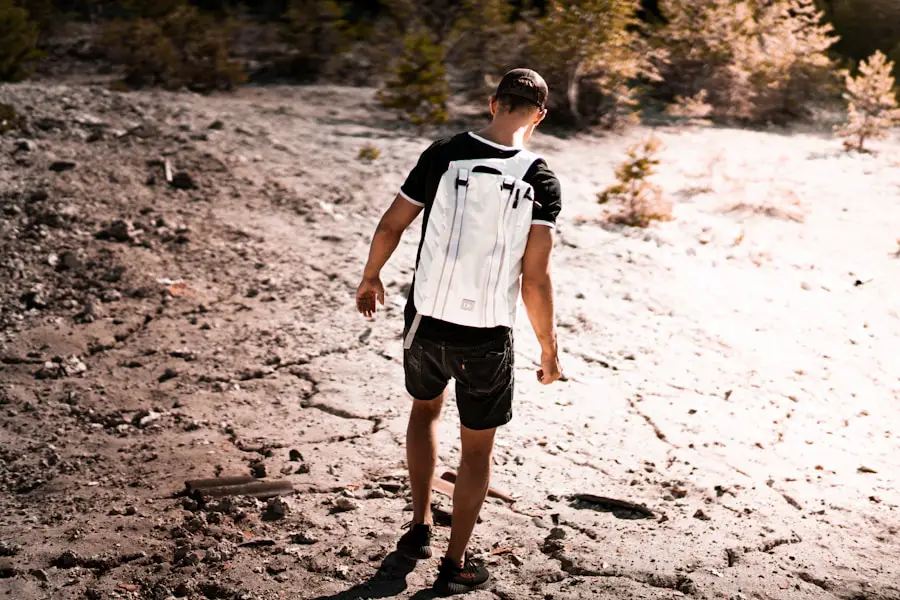
Summer hiking is more comfortable and safer when your clothing manages sweat, protects you from sun and insects, and still works if the weather changes. The best setup is usually lightweight, quick-drying clothing paired with well-fitting trail footwear, moisture-wicking socks, sun protection, enough water, and a small pack containing the essential gear you may need if the hike takes longer than planned.
Quick Answer
For summer hiking, wear a lightweight moisture-wicking shirt, breathable hiking shorts or pants, moisture-wicking socks, and well-fitting trail shoes or hiking boots with dependable traction. Add a wide-brimmed hat, UV-protective sunglasses, sunscreen, and a light rain shell. Carry water, food, first aid, navigation, a headlamp, and emergency supplies even on a day hike.
Key Takeaways
- Choose lightweight polyester, nylon, or lightweight merino clothing that manages sweat and dries quickly.
- Wear footwear that fits well and provides the traction and underfoot protection needed for your trail.
- Use a hat, UV400 or 100% UV-protection sunglasses, protective clothing, and broad-spectrum SPF 30 or higher sunscreen.
- Carry enough water for the route and conditions, and have a water-treatment plan when appropriate.
- Pack more than clothing: navigation, food, first aid, a headlamp, rain protection, emergency shelter, and other essentials can matter when plans change.
- In extreme heat, slow down, take shaded breaks, and recognize heat-stroke warning signs before they become life-threatening.
Disclosure: As an Amazon Associate I earn from qualifying purchases. Some links on this page are affiliate links, at no extra cost to you.
Summer Hiking Footwear: Fit, Traction, and Socks
Proper footwear is a cornerstone of hiking comfort. Rocky paths, loose gravel, roots, mud, and steep grades all place different demands on your feet, so choose footwear for the terrain rather than assuming one type is best for every hike.
Trail-running shoes are often lightweight and breathable and can work well on maintained trails. Hiking shoes provide more underfoot protection, while hiking boots may offer greater coverage and structure for rough terrain or heavier loads. A taller boot should not be treated as a guarantee against ankle injuries; fit, traction, terrain, fatigue, conditioning, and the weight you carry also matter.
Your shoes should hold the heel securely without crushing your toes. Feet often swell as the day goes on, so trying hiking footwear later in the day can help you judge fit more realistically. Wear the same type and thickness of socks you plan to use on the trail. REI also recommends this approach when fitting hiking footwear.
Moisture-wicking hiking socks made from wool blends or synthetic fibers help manage sweat. Mayo Clinic notes that friction, pressure, heat, and moisture can contribute to blisters and recommends well-fitting shoes and moisture-wicking socks. Change into dry socks if yours become soaked.
Pro Tip: Do not ignore a hot spot on your heel or toes. Stop early, dry the area, adjust your sock or lacing, and cover the irritated spot with a blister bandage or moleskin before friction turns it into a painful blister.
Choosing the Right Clothing for Hot Weather
For summer hiking, prioritize lightweight clothing that breathes, moves with you, and dries quickly. Polyester, nylon, and lightweight merino wool are dependable options because they manage moisture better than ordinary cotton when you are sweating heavily or get caught in rain.
Cotton can feel comfortable in dry heat, but it absorbs moisture and dries slowly. That makes it a poor all-purpose hiking choice when you expect heavy sweating, stream crossings, rain, cool evenings, high elevations, or sudden temperature drops.
Shirts and Base Layers
A lightweight short-sleeve hiking shirt works for shaded or relatively mild trails. In strong sun, a loose long-sleeve hiking shirt or sun hoodie can provide more skin coverage without requiring heavy fabric. Look for breathable construction, quick-drying material, and a UPF rating when sun exposure is a major concern.
Loose clothing generally allows more airflow than a very tight garment. Light colors can also be comfortable in direct sun, although fabric weight, weave, ventilation, humidity, and sun protection matter more than color alone.
Shorts or Hiking Pants?
Shorts maximize ventilation and freedom of movement, but they expose more skin to sun, brush, insects, and scratches. Lightweight hiking pants provide better coverage and may be the smarter choice on exposed, overgrown, tick-prone, or abrasive trails.
Convertible pants can provide both options. Whatever you choose, make sure the waistband stays comfortable under your backpack’s hip belt and the fabric does not restrict climbing or large steps.
Underwear and Hiking Socks
Quick-drying synthetic or merino underwear can reduce the amount of damp fabric sitting against the skin during a long hike. Avoid seams or waistbands that rub beneath your pack.
Pair your footwear with moisture-wicking hiking socks rather than ordinary cotton socks. Carrying a spare dry pair is especially useful on long hikes, humid trails, or routes with water crossings.
Sun Protection: Hats, Sunglasses, and Sunscreen
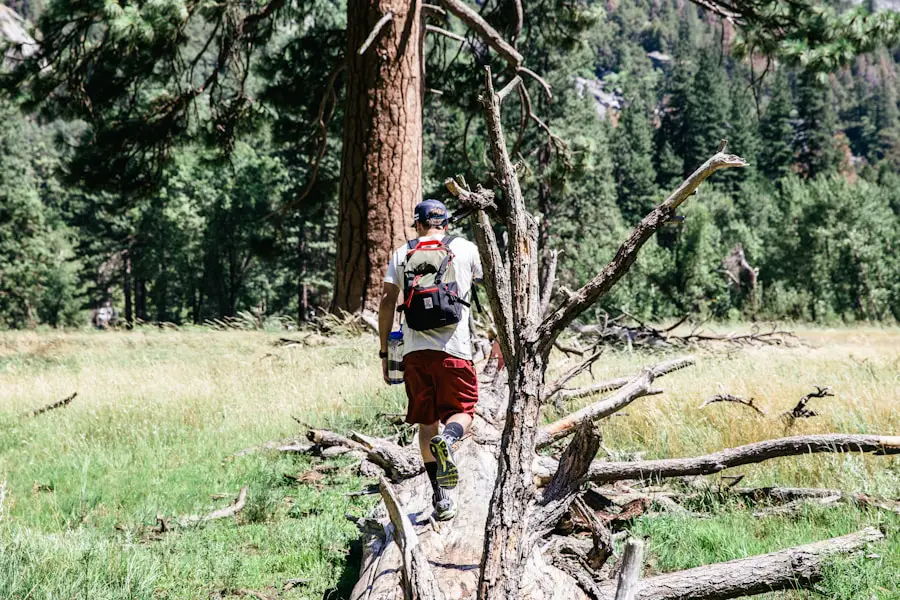
Sun protection should be part of your summer hiking clothing system, not an afterthought. A wide-brimmed hat can shade the face, ears, and neck, while lightweight long sleeves and pants reduce the amount of skin exposed to ultraviolet radiation.
The U.S. Environmental Protection Agency recommends broad-spectrum sunscreen with an SPF of at least 30, along with shade, protective clothing, a wide-brimmed hat, and UV-protective sunglasses.
For sunglasses, look for a label stating UV400 or 100% UV protection. The U.S. Food and Drug Administration says these sunglasses block more than 99% of UVA and UVB radiation. Dark lenses are not automatically UV-protective. Polarized lenses can help reduce glare, but polarization is separate from UV protection.
Apply broad-spectrum SPF 30 or higher sunscreen generously to uncovered skin before exposure. Reapply at least every two hours and follow the product label for reapplication after swimming, heavy sweating, or towel drying. No sunscreen replaces protective clothing and shade.
Summer sun exposure is not limited to obviously hot days. Check the UV Index as well as the temperature when planning your hike, especially on exposed trails and at higher elevations.
Hydration: Water Bottles and Hydration Packs
| Product / Example | Capacity | Material | Price |
|---|---|---|---|
| Nalgene 32 oz bottle | 32 oz | Lightweight plastic | Varies by model and retailer |
| CamelBak hydration pack | Varies by pack and reservoir | Pack materials vary by model | Varies by model and retailer |
| Hydro Flask 24 oz bottle | 24 oz | Stainless steel | Varies by model and retailer |
| Osprey hydration pack | Varies by pack and reservoir | Pack materials vary by model | Varies by model and retailer |
Staying hydrated is vital during summer hiking because physical activity and hot conditions increase fluid loss. How much water you need depends on temperature, humidity, elevation, exertion, body size, hike duration, access to reliable water sources, and individual needs.
For trip planning, the National Park Service’s current Ten Essentials guidance for Great Smoky Mountains National Park uses at least 1 liter of water per two hours of hiking as a planning benchmark while emphasizing that more may be needed depending on the hike and conditions. Hot or arid routes can require substantially more.
Water bottles are simple, easy to refill, and let you see how much water remains. Stainless-steel insulated bottles keep drinks cool but weigh more. Lightweight plastic bottles reduce pack weight.
Hydration packs place a reservoir inside the backpack and use a drinking tube for convenient sipping while moving. They can encourage regular drinking, but it is harder to judge the remaining volume without checking the reservoir.
Research your route before depending on streams, springs, or other natural water. Carry a suitable filter, purifier, or other treatment method when your plan depends on backcountry water.
Note: Water needs vary too much for one universal hiking formula. Plan conservatively for the specific trail, weather, distance, elevation gain, water-source reliability, and your own experience.
Backpacks and Daypacks for Carrying Essentials
A reliable daypack makes it easier to carry water, food, first aid supplies, extra clothing, navigation equipment, and emergency gear without overloading your pockets.
For shorter hikes, a compact daypack may be all you need. Look for comfortable shoulder straps, a stable fit, accessible water storage, and enough room for the essentials required by your route and weather.
For longer trips or heavier loads, a larger backpack with a supportive hip belt and adjustable harness can distribute weight more comfortably. Ventilated back panels can improve airflow, although no pack will completely prevent sweating in hot weather.
Useful features can include compression straps, external pockets, hydration-reservoir compatibility, rain covers, and attachment points for trekking poles. Fit matters more than the number of features: the pack should stay stable without causing painful pressure on the shoulders, lower back, or hips.
Lightweight and Breathable Outerwear
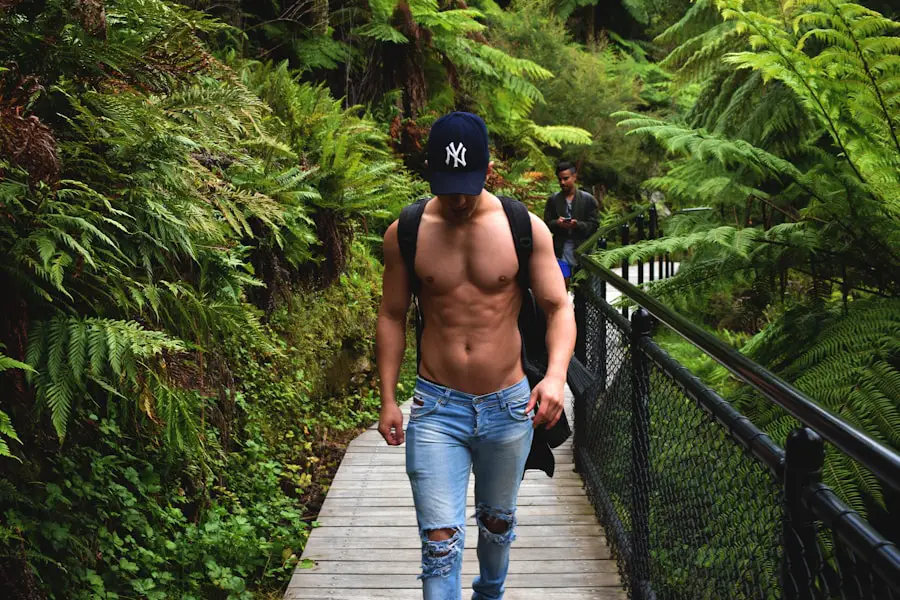
Summer does not guarantee stable weather. Mountains and exposed terrain can bring wind, rain, thunderstorms, and rapid temperature changes even when the trailhead is hot.
A lightweight waterproof-breathable shell can provide protection from rain and wind while packing into a relatively small space. Jackets using membrane-based waterproof fabrics, including products such as GORE-TEX, are common choices. In hot and humid weather, however, any rain shell can feel warm because the amount of moisture your body produces may exceed what the fabric can move outward.
Features such as pit zips, adjustable cuffs, a functional hood, and a hem drawcord can improve ventilation and weather protection. A lightweight wind shell may be enough when rain is unlikely but exposed ridges are breezy.
Do not leave your insulating layer behind simply because the trailhead is warm. Higher elevations, storms, sunset, injury, or an unexpected delay can change the conditions quickly.
Essential Accessories: Insect Repellent and First Aid Kit
Mosquitoes and ticks can turn a pleasant summer hike into a health concern. The CDC recommends EPA-registered insect repellents containing active ingredients such as DEET, picaridin, IR3535, oil of lemon eucalyptus/PMD, or 2-undecanone. Follow the product label, including age restrictions. CDC advises against OLE or PMD products for children younger than 3.
If you use both sunscreen and insect repellent, CDC advises applying sunscreen first and repellent second. Long pants and long sleeves can provide additional protection on brushy or tick-prone trails.
A hiking first aid kit should match the size of your group, length of the trip, remoteness of the route, and your training. Useful basics include:
- Adhesive bandages and sterile gauze
- Medical tape
- Antiseptic supplies
- Blister treatment such as moleskin or blister dressings
- Tweezers
- Small scissors or trauma shears
- Any personal medications you may need
- Gloves and other items appropriate to your first-aid training
Warning: Do not rely on a snakebite suction kit. CDC/NIOSH advises seeking emergency medical attention immediately after a suspected venomous snakebite and specifically warns against cutting the wound, sucking out venom, applying a tourniquet, using electric shock, or applying ice. Keep the person calm, remove restrictive jewelry before swelling develops, and follow emergency medical instructions.
Hot-Weather Hiking Safety
Clothing and gear cannot make every temperature safe for strenuous hiking. Before leaving, check the forecast, heat conditions, trail exposure, available shade, water sources, and the UV Index. When possible, hike during cooler parts of the day rather than pushing through peak heat.
The CDC recommends staying cool, staying hydrated, taking breaks, and shifting outdoor activity toward cooler periods during hot conditions. Pace yourself more conservatively than you would in mild weather.
Signs of Heat Exhaustion
Heat exhaustion can involve heavy sweating, weakness, dizziness, headache, nausea, muscle cramps, fatigue, or faintness. Stop strenuous activity, move to a cool or shaded area, loosen excess clothing, cool the body, and sip fluids when the person is alert and able to drink.
Signs of Heat Stroke
Heat stroke is a medical emergency. CDC/NIOSH lists confusion or altered mental status, slurred speech, loss of consciousness, seizures, very high body temperature, and hot skin or profuse sweating among possible warning signs.
Warning: Call 911 for suspected heat stroke. Move the person to a cooler or shaded location, remove excess outer clothing, and begin rapid cooling while emergency help is on the way. Do not make a person with altered consciousness drink.
Navigation Tools and Emergency Communication Devices
Navigation and communication are critical parts of outdoor preparedness. A paper map and compass do not depend on battery power, but they only help when you know how to use them. GPS devices and offline phone maps can add useful location information, so long as their batteries last.
Before a hike, study the route, trail junctions, distance, elevation gain, turnaround points, and possible exit routes. Leave your route and expected return time with someone who is not on the hike.
The National Park Service warns hikers not to rely solely on a cell phone because cellular reception may be unavailable in remote areas. Keeping a phone in airplane mode when service is poor can also help conserve battery until it is needed.
For remote travel, a satellite communication device or personal locator beacon may provide an additional emergency option. A 406 MHz PLB is designed for distress signaling rather than ordinary conversation. NOAA’s SARSAT program specifically identifies PLBs as suitable for wilderness hikers and other remote travelers. Register and maintain any beacon according to its official instructions.
A whistle is another simple signaling tool. Its low weight and independence from batteries make it useful as a backup, but it should complement rather than replace a complete emergency plan.
Summer Hiking Essentials Checklist
Clothing is only part of summer hiking preparation. The National Park Service recommends carrying the Ten Essentials and adjusting them for the route, weather, duration, and location.
- Navigation: map, compass, GPS or offline mapping as appropriate
- Sun protection: sunscreen, sunglasses, hat, and protective clothing
- Insulation: an extra layer plus rain or wind protection
- Illumination: a headlamp or flashlight with sufficient battery power
- First aid: a kit matched to the trip and your training
- Fire: appropriate emergency fire-starting equipment where legal and safe
- Repair kit and tools: basic equipment appropriate for your gear
- Food: enough for the planned hike plus a reasonable emergency reserve
- Hydration: carried water plus treatment supplies when the route requires them
- Emergency shelter: a compact emergency bivy, space blanket, tarp, or other suitable shelter
For a summer day hike, also consider insect repellent, blister treatment, a charged phone, a whistle, identification, personal medications, and a satellite emergency device when the remoteness of the route justifies one.
Taken together, proper footwear, breathable clothing, sun protection, hydration, weather layers, first aid, navigation, and emergency supplies make summer hiking more comfortable and give you more options when conditions change. The best kit is not the one with the most equipment; it is the one that fits the trail, weather, duration, your experience, and the consequences of an unexpected delay.
If you’re planning a summer hiking trip, you’ll want to make sure you have the right gear, including comfortable and breathable clothing. For some additional travel essentials, check out this article on 3 Portable Phone Chargers You Need for Your Next Getaway. A charged phone is useful for maps, photos, and communication, but it should not be your only emergency tool when hiking outside cellular coverage.
Love travel? Join Our Facebook Community For More Tips.
Frequently Asked Questions
What should I wear for summer hiking?
Wear lightweight, moisture-wicking clothing made from materials such as polyester, nylon, or lightweight merino wool. A breathable shirt, hiking shorts or lightweight pants, moisture-wicking socks, suitable trail footwear, a sun hat, and UV-protective sunglasses make a practical starting outfit. Carry a lightweight weather layer even when the trailhead is hot.
What type of shirt is best for summer hiking?
A lightweight synthetic or merino hiking shirt that moves sweat and dries quickly works well. Short sleeves maximize airflow, while a loose long-sleeve UPF-rated shirt or sun hoodie provides greater sun coverage on exposed trails.
What pants are suitable for summer hiking?
Choose lightweight, flexible, quick-drying hiking pants or shorts. Pants provide more protection from UV radiation, brush, ticks, and scratches, while shorts provide maximum ventilation. Convertible pants are useful when conditions change during the hike.
What kind of footwear is recommended for summer hiking?
Choose trail-running shoes, hiking shoes, or hiking boots that fit correctly and provide traction and underfoot protection suitable for your trail. Trail runners can be excellent for maintained trails and light loads, while rougher terrain or heavier loads may favor more protective footwear. Pair them with moisture-wicking hiking socks.
What accessories should I bring for summer hiking?
Useful summer accessories include a wide-brimmed hat, UV400 or 100% UV-protection sunglasses, broad-spectrum SPF 30 or higher sunscreen, insect repellent, a suitable backpack, water bottles or a hydration reservoir, a headlamp, first aid supplies, navigation equipment, and emergency gear appropriate to the route.
Are there specific considerations for hot-weather hiking?
Yes. Check the forecast and heat conditions, start during a cooler part of the day when possible, slow your pace, rest in shade, carry enough water, and watch yourself and your companions for signs of overheating. Stop strenuous activity if you become faint, weak, dizzy, or nauseated.
What should I avoid wearing for summer hiking?
Avoid heavy, restrictive, poorly ventilated clothing and footwear that does not fit correctly. Cotton is not always uncomfortable in warm weather, but it absorbs moisture and dries slowly, so it is a poor default for sweaty, rainy, humid, high-elevation, or changeable hiking conditions. Quick-drying synthetic or lightweight merino clothing is usually more versatile.
How much water should I carry on a summer hike?
There is no single amount that works for every person or trail. The National Park Service uses at least 1 liter per two hours of hiking as one planning benchmark, while stressing that needs change with heat, exertion, duration, terrain, and the availability of reliable water. Research the specific route and carry extra when conditions demand it.
When is overheating a hiking emergency?
Confusion, altered mental state, slurred speech, seizures, loss of consciousness, or other signs of suspected heat stroke require emergency medical help. Call 911, move the person into a cooler or shaded area, remove excess outer clothing, and begin rapid cooling while waiting for emergency services.
Sources
- National Park Service — Hiking and the Ten Essentials — hiking equipment, hydration, navigation, sun protection, lighting, food, first aid, and emergency preparation.
- CDC — About Heat and Your Health — hot-weather activity, hydration, shade, breaks, and heat safety.
- U.S. Food and Drug Administration — Sunscreen and Sunglasses — sunscreen use, reapplication, UV400 sunglasses, and UV protection.
- CDC — Preventing Tick Bites — EPA-registered insect repellents and tick-bite prevention.
- CDC/NIOSH — Venomous Snakes — current snakebite first aid and actions to avoid.
- Mayo Clinic — Blisters: First Aid — footwear fit, moisture-wicking socks, blister prevention, and treatment.
