
Last Updated on July 27, 2026 by Daniel Globe
Summer hiking is more comfortable when your clothing manages heat and sweat without leaving you exposed to strong sun, insects, sudden rain, or cooler conditions at elevation. For most warm-weather hikes, start with lightweight, quick-drying clothing, supportive trail footwear, hiking socks, a sun hat, UV-protective sunglasses, and enough pack space for water, food, weather layers, navigation, and emergency essentials.
Quick Answer
For summer hiking, wear lightweight, quick-drying clothing, moisture-managing socks, comfortable trail shoes or hiking boots suited to the terrain, a brimmed hat, and UV-protective sunglasses. Carry sunscreen, water, food, a rain layer, navigation tools, first aid, and emergency supplies even when the forecast looks clear.
Key Takeaways
- Choose lightweight, breathable, quick-drying clothing and adjust coverage for heat, sun, insects, and trail conditions.
- Trail runners, hiking shoes, and boots can all work in summer; fit, terrain, pack weight, and personal support needs matter more than one “best” style.
- Use a brimmed hat, UV-rated sunglasses, protective clothing, shade when possible, and broad-spectrum, water-resistant SPF 30+ sunscreen on exposed skin.
- Carry enough water for your route and conditions. Electrolytes are most useful when prolonged heat and heavy sweating increase salt losses, not automatically on every hike.
- Pack for problems as well as comfort: navigation, first aid, extra food, weather layers, illumination, emergency shelter, and other trail essentials still belong in a summer pack.
Disclosure: As an Amazon Associate I earn from qualifying purchases. Some links on this page are affiliate links, at no extra cost to you.
Choosing Footwear for Summer Hiking
Selecting appropriate hiking footwear can significantly affect comfort, traction, and confidence on the trail. Summer does not automatically mean you need a heavy hiking boot. The best choice depends on the trail surface, expected weather, pack weight, trip length, and how much structure your feet and ankles prefer.
Lightweight trail-running shoes or hiking shoes can work well on maintained trails when you are carrying a light load. Mid- or high-cut hiking boots can make more sense on rocky, loose, steep, or off-trail terrain, especially when carrying heavier gear. Manufacturers use different outsole systems: for example, some Merrell footwear uses Vibram rubber, while Salomon uses technologies such as Contagrip. The brand name matters less than whether the outsole has suitable traction for the terrain you expect.
Fit is more important than choosing the most rugged-looking shoe. A hiking shoe or boot should feel secure through the heel and midfoot without painful pressure, while leaving enough room for your toes to move. Trying footwear later in the day can help account for normal foot swelling. Wear the same type and thickness of hiking socks you expect to use on the trail.
Pro Tip: Test new footwear on short walks before a long hike. A short break-in period can reveal heel movement, toe pressure, rubbing, or lacing problems, but breaking in a shoe cannot fix a fundamentally poor fit.
Waterproof or Breathable Footwear?
Waterproof footwear can be useful on consistently wet trails, muddy routes, or hikes with prolonged exposure to rain. In hot, dry weather, however, a non-waterproof hiking shoe often allows better ventilation and may dry faster after getting wet. There is no universal winner; choose according to the conditions rather than assuming waterproof is always better.
Do Not Forget Hiking Socks
Wear socks that fit smoothly without bunching or creating pressure points. Synthetic or merino-blend hiking socks generally manage moisture and dry more reliably than ordinary cotton socks when your feet become sweaty or wet. Carrying a spare pair can be worthwhile on long hikes or routes with stream crossings.
Clothing: Lightweight and Breathable Options for Summer Hiking
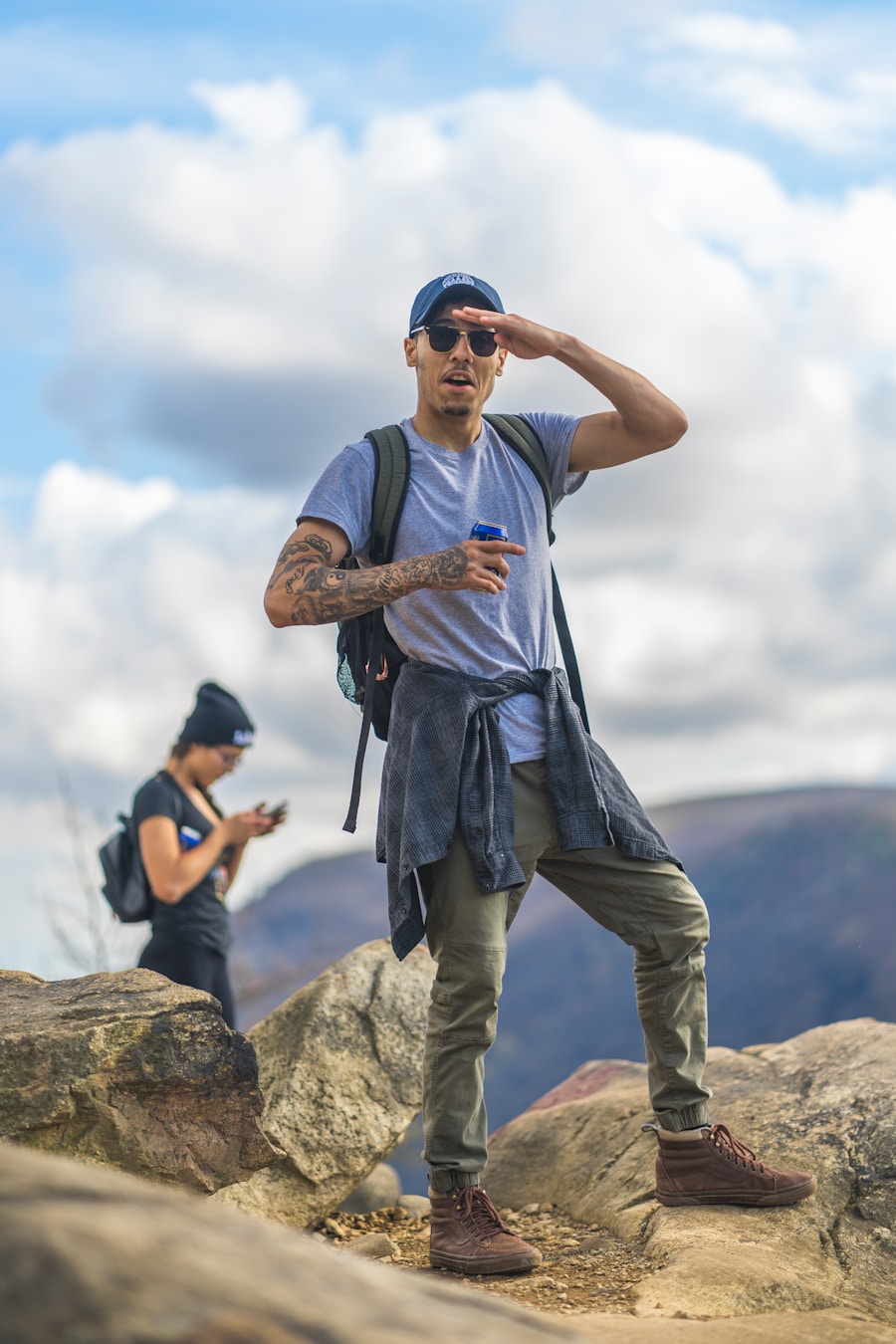
Summer hiking clothing should help your body release heat while protecting you from sun, brush, insects, and changing weather. Lightweight synthetic fabrics and lightweight merino wool are common choices because they manage moisture and generally dry faster than ordinary cotton.
A simple summer system usually starts with a breathable shirt and hiking pants or shorts. A long-sleeved sun shirt can provide more UV coverage, while a short-sleeved shirt may feel cooler in shade or humid conditions. Lightweight hiking pants provide added protection from sun, brush, ticks, and abrasive vegetation; shorts maximize airflow but leave more skin exposed.
Layering still matters in summer. Rather than wearing an insulating mid-layer all day, carry a lightweight fleece or similar layer when your route includes exposed ridges, high elevation, cool mornings, or rapidly changing mountain weather. A lightweight rain shell also deserves space in the pack when rain or storms are possible.
| Item | Good Summer Choice | Why |
|---|---|---|
| Shirt | Lightweight synthetic, merino blend, or UPF sun shirt | Manages sweat and can add sun coverage |
| Bottoms | Quick-drying shorts or lightweight hiking pants | Choose airflow or extra protection based on conditions |
| Socks | Synthetic or merino-blend hiking socks | Better moisture management and faster drying |
| Outer layer | Packable rain shell | Protection from unexpected rain and wind |
| Extra layer | Light fleece or insulating layer when conditions warrant | Useful at elevation, after sunset, or during sudden weather changes |
Brands such as Columbia and Patagonia make lightweight hiking apparel, but fabric performance, fit, coverage, and comfort are more important than the logo. Clothing with a UPF rating can provide predictable UV protection and is particularly useful on exposed trails.
Sun Protection: Hats, Sunglasses, and Sunscreen for Outdoor Adventures
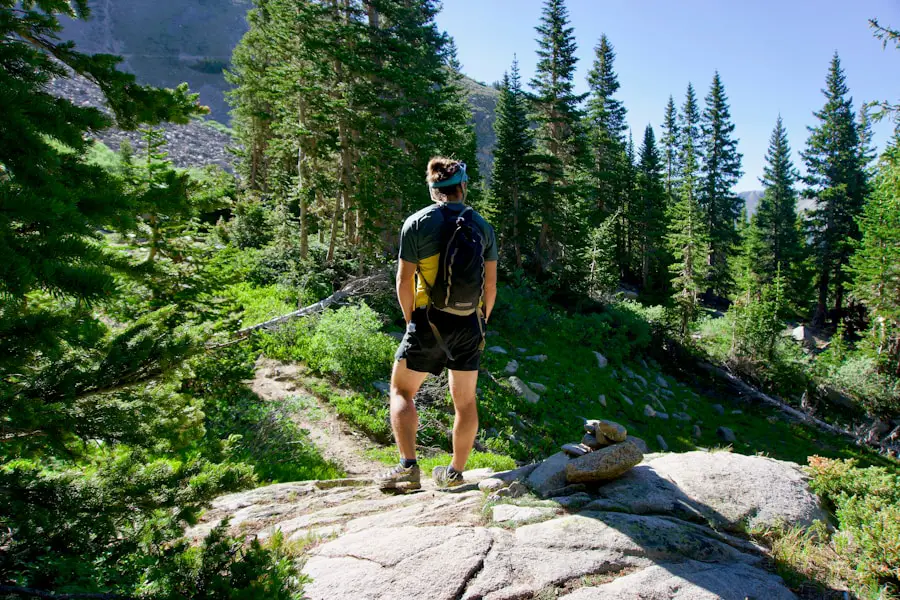
Sun protection is an important part of summer hiking because exposure can accumulate over several hours on an open trail. A hat with a brim that shades the face, ears, and neck provides more coverage than a standard baseball cap. Breathable construction and a secure fit make the hat easier to keep on during long hikes or windy conditions. Outdoor Research and Tilley are examples of companies that make outdoor hats, while the Skin Cancer Foundation’s guidance on sun-protective hats explains what effective coverage looks like.
Sunglasses should be chosen for UV protection first. The National Eye Institute recommends lenses that provide 99% to 100% protection from UVA and UVB or carry a UV400 rating. Polarized lenses can reduce reflected glare from water, rock, or other bright surfaces, but polarization is separate from the UV rating.
For exposed skin, the American Academy of Dermatology recommends a broad-spectrum, water-resistant sunscreen with SPF 30 or higher. Apply it before prolonged exposure and reapply about every two hours outdoors, or sooner after swimming, heavy sweating, or towel drying according to the product label. See the American Academy of Dermatology sunscreen guidance for application details.
Note: Sunscreen is only one part of sun protection. Shade, clothing coverage, a brimmed hat, and UV-rated sunglasses reduce how much exposed skin and eye tissue must rely on sunscreen alone.
Hydration: Water Bottles, Hydration Packs, and Electrolytes
| Option | Typical Use | Main Advantage | Main Trade-Off |
|---|---|---|---|
| Reusable water bottle | Short to full-day hikes | Easy to inspect, refill, and track | May require stopping or reaching a side pocket |
| Multiple bottles | Longer or hotter routes | Simple backup if one container leaks | Takes more pack space |
| Hydration reservoir | Frequent sipping while moving | Hands-free drinking through a hose | Remaining volume can be harder to judge |
| Electrolyte drink or mix | Prolonged exertion with substantial sweating | Can help replace sodium and other electrolytes | Usually unnecessary as a replacement for plain water on shorter, moderate outings |
Staying hydrated helps you manage physical activity in hot weather, but there is no single water quantity that is correct for every hiker. Temperature, humidity, elevation, pace, duration, body size, shade, and water availability all affect needs. Plan before leaving and carry extra capacity when a route is exposed or water sources are unreliable.
Water bottles are simple to refill and make it easy to see how much water remains. Hydration reservoirs offer hands-free drinking and can encourage frequent small sips. Brands such as CamelBak make reservoirs and hydration packs in several capacities, but the best system is the one you can refill, clean, monitor, and use consistently.
Plain water is usually appropriate for shorter or moderate outings. During prolonged hiking in heat with substantial sweating, electrolyte-containing drinks or salty foods can help replace losses. CDC travel-medicine guidance cautions against assuming that everyone needs electrolyte products during ordinary exertion and also warns against forcing excessive fluid intake. Balance hydration with your actual conditions and needs.
If your plan depends on streams, lakes, or backcountry water sources, include a suitable water-treatment method rather than assuming natural water is safe to drink. The National Park Service Ten Essentials guidance includes both drinking water and water-treatment supplies under hydration.
Backpacks: Choosing the Right Size and Features for Hiking
Select a backpack based on what you actually need to carry rather than choosing capacity by trip length alone. Small packs can work for short hikes in predictable conditions, while full-day outings need enough room for water, food, weather layers, navigation, first aid, and emergency equipment.
As a practical range, many short day hikes can be handled with roughly 10–25 liters, while full-day hikes commonly use about 20–35 liters. Overnight and multi-day trips often require larger packs because shelter, sleep systems, extra clothing, food, and additional equipment take up considerable space. Exact capacity depends on how compact your gear is.
Brands such as Osprey and Deuter make packs with different torso lengths, suspension systems, hip belts, ventilation designs, and load capacities. A comfortable fit matters more than simply buying a particular liter size. For heavier loads, a supportive hip belt and correctly sized torso can improve weight transfer and stability.
External pockets can keep water, snacks, sunscreen, or maps easy to reach. A hydration-reservoir sleeve is useful if you prefer a drinking hose. In wet climates, a pack liner, waterproof bags, or rain cover can help protect clothing and emergency equipment even when the backpack fabric itself is only water resistant.
Navigation: Maps, Compasses, and GPS Devices for Trail Exploration
Topographic Maps: Understanding Elevation Changes
Topographic maps show terrain and elevation information that can help you judge climbs, descents, ridges, drainages, and other features that affect route difficulty. The U.S. Geological Survey’s topographic mapping resources explain how these maps represent terrain and why they are useful for outdoor activities.
A compass remains a reliable tool when you know how to use it with a map. It can help orient the map, identify direction, and provide a backup when electronic navigation fails.
GPS Technology: Convenience and Limitations
Dedicated GPS units and smartphone navigation apps can make route finding convenient. Garmin and other manufacturers offer handheld satellite-navigation devices that can determine location in remote areas without ordinary cellular service. However, downloaded maps, app functions, messaging, weather data, and other features may have separate connectivity requirements.
Before leaving, download any maps needed for offline use and make sure the device is charged. Cold, heat, constant screen use, and GPS tracking can reduce battery life, so a power bank may be useful on longer routes.
Importance of a Backup Navigation Plan
Do not make one battery-powered device your only navigation method on a remote route. Carry an appropriate physical map and compass and know the basics of using them. Also tell someone where you are going, your planned route, and when you expect to return.
Summer Heat and Weather Safety
Hot weather changes the difficulty of a hike. A route that feels moderate on a cool morning can become demanding when exposed terrain heats up later in the day. Check the forecast, temperature, UV conditions, trail alerts, water availability, and elevation before leaving. Starting earlier can reduce exposure to peak heat, but local weather hazards such as afternoon thunderstorms must also be considered.
Warning: Weakness, faintness, dizziness, headache, nausea, unusual heavy sweating, confusion, or worsening cramps can indicate heat-related illness. Stop strenuous activity, move to a cooler or shaded place, cool the person, and seek medical help when symptoms are severe or worsening. Heat stroke is a medical emergency.
The CDC’s guidance for physical activity in heat recommends pacing yourself, drinking regularly, and shifting strenuous activity away from the hottest part of the day when possible.
Pro Tip: Set a turnaround time before you start. Reaching a summit or viewpoint is optional; getting back before extreme heat, darkness, or dangerous weather is more important.
Safety Gear: First Aid Kits, Whistles, and Emergency Supplies
Safety equipment should match the route, but even an uncomplicated day hike deserves more preparation than a phone and water bottle. A first aid kit can help manage minor cuts, scrapes, blisters, and other common trail problems. Useful contents may include adhesive bandages, gauze, tape, antiseptic supplies, blister care, and any personal medications you require.
A whistle is a lightweight signaling tool that can save your voice when you need to attract attention. A headlamp is also valuable even when you expect to finish before sunset because delays, wrong turns, injuries, or a slower-than-expected pace can leave you on the trail after dark.
A summer pack should prepare you for an unexpected delay, not just for the conditions you expect during the first hour of the hike.
Pack the Ten Essential Systems
The National Park Service organizes basic outdoor preparation into ten systems. Adapt the amount and type of equipment to your route:
- Navigation: map, compass, GPS or appropriate combination.
- Sun protection: sunglasses, sunscreen, hat, and protective clothing.
- Insulation: an extra layer and weather protection.
- Illumination: headlamp or flashlight with adequate power.
- First aid supplies.
- Fire-starting equipment where appropriate and legally permitted.
- Repair tools and supplies.
- Extra food.
- Water and water-treatment supplies.
- Emergency shelter such as an emergency bivy, tarp, or space blanket appropriate to the trip.
A multi-tool can be useful for repairs and small tasks, while an emergency blanket or compact shelter can provide added protection during an unexpected delay. Equipment alone is not enough; learn how to use important navigation, first-aid, and emergency items before relying on them.
Extras: Insect Repellent, Trekking Poles, and Portable Snacks for Long Hikes
Insect protection can matter as much as sun protection in some summer environments. For mosquitoes and ticks, the CDC recommends EPA-registered repellents containing active ingredients such as DEET, picaridin, IR3535, oil of lemon eucalyptus (OLE), PMD, or 2-undecanone. Always follow the product label. Pure lemon eucalyptus essential oil is not the same as an EPA-registered OLE or PMD repellent.
When ticks are a concern, stay toward the center of trails where practical, use appropriate repellent, and check your body and clothing after the hike. Permethrin-treated clothing or gear can be another option when used according to its product directions.
Trekking poles can improve balance on loose, steep, or uneven terrain and may reduce some lower-body loading during climbs and descents. Adjustable poles also let you change length for different terrain. They are optional rather than mandatory, so practice with them before depending on them on a technical route.
Portable snacks help maintain energy on longer hikes. Trail mix, energy bars, sandwiches, dried fruit, jerky, nut or seed butter packets, and similar foods are easy to carry. Choose foods that tolerate the expected temperature and pack enough for delays rather than carrying only the exact amount you expect to eat.
For longer summer hikes where your phone is used for offline maps, photos, or emergency communication, a reliable power bank can also be useful. TakeTravelInfo has additional general travel information on TakeTravelInfo. Travelers shopping for broader trip-related gifts can also see the site’s travel gift guide.
What to Check Before a Summer Hike
- Check the day’s weather, heat, UV conditions, trail closures, and local hazards.
- Choose clothing and footwear for the actual terrain rather than the season alone.
- Bring sun protection even when part of the trail is shaded.
- Carry enough water capacity and identify whether reliable refill points exist.
- Bring water treatment if you may need to use natural sources.
- Download offline navigation data before losing cellular service.
- Carry a physical navigation backup on remote routes.
- Pack food, first aid, illumination, weather protection, and emergency supplies.
- Tell someone your route and expected return time.
- Be willing to shorten or turn around when heat, storms, injury, fatigue, or water supply make continuing unsafe.
Frequently Asked Questions
What should I wear for hiking in the summer?
Wear lightweight, quick-drying clothing that matches the heat, sun exposure, insects, vegetation, and terrain. A breathable shirt, hiking shorts or lightweight pants, hiking socks, suitable trail footwear, a brimmed hat, and UV-protective sunglasses make a practical starting outfit. Carry rain and insulating layers when conditions could change.
What type of shirt is best for summer hiking?
A lightweight synthetic, merino-blend, or purpose-made sun shirt works well for most hikers. Choose a fabric that dries quickly and feels comfortable when sweaty. Long sleeves or a UPF-rated shirt provide extra sun coverage, while short sleeves provide less coverage but may feel preferable in some humid conditions.
What kind of pants are suitable for summer hiking?
Lightweight, quick-drying hiking pants are useful when you want protection from sun, brush, ticks, or abrasive terrain. Shorts provide more airflow when those hazards are less important. Convertible pants can offer both options in one garment.
What is the best footwear for summer hiking?
There is no single best type. Trail runners and low hiking shoes are lightweight choices for many maintained trails, while more structured hiking boots can be useful for rough terrain, heavy loads, or hikers who prefer added support. Proper fit and appropriate traction matter more than simply choosing the highest boot.
What accessories should I consider for summer hiking?
Useful accessories include a brimmed hat, UV-protective sunglasses, sunscreen, water bottles or a hydration reservoir, navigation tools, a headlamp, first aid supplies, insect repellent where needed, and trekking poles for hikers who find them useful on steep or uneven terrain.
Are there any specific clothing items to avoid for summer hiking?
Avoid relying on heavy, poorly ventilated clothing that becomes uncomfortable in heat. Ordinary cotton dries slowly when saturated, so quick-drying synthetics or merino blends are generally more dependable when sweat, rain, stream crossings, or cooler temperatures are possible.
Do I need waterproof hiking shoes in summer?
Not always. Waterproof footwear is useful when prolonged rain, mud, or wet vegetation is expected. In hot, mostly dry conditions, breathable non-waterproof footwear may feel cooler and can dry more quickly if water gets inside. Match the footwear to the route and forecast.
Do I need electrolytes on a summer hike?
Not on every hike. Plain water is usually appropriate for shorter or moderate outings. Electrolyte-containing drinks or salty foods become more useful during prolonged exertion in heat when you are sweating heavily. Avoid treating electrolyte products or excessive water intake as a substitute for pacing, shade, rest, and sensible heat management.
Should I still carry a jacket in summer?
Often, yes. Mountain weather, wind, rain, elevation, shade, and an unexpected delay can make conditions much cooler than they were at the trailhead. A lightweight rain shell and an appropriate extra layer are sensible on routes where weather can change quickly.
Sources
- U.S. National Park Service — Ten Essentials — navigation, hydration, sun protection, emergency equipment, food, illumination, and shelter.
- CDC Yellow Book — Heat and Cold Illness in Travelers — hot-weather clothing, fluid intake, and electrolyte guidance.
- American Academy of Dermatology — How to Apply Sunscreen — SPF, broad-spectrum coverage, water resistance, and reapplication.
- National Eye Institute — Protecting Your Eyes From UV Light — UV400, UVA/UVB protection, fit, and polarization.
- CDC — Preventing Tick Bites — EPA-registered repellents, clothing protection, and tick prevention.
- U.S. Geological Survey — Topographic Mapping — interpretation and outdoor use of topographic maps.

