Last Updated on July 27, 2026 by Daniel Globe
Hiking in Hawaii can take you from hot, exposed lava fields to humid rainforests and cool, windy high-elevation trails in the same trip. The best clothing and gear depend on the specific trail, elevation, forecast, and recent rainfall. Start with traction-focused footwear, quick-drying layers, sun and rain protection, enough water and food, and a plan for changing conditions.
Quick Answer
For most Hawaii hikes, wear sturdy closed-toe hiking shoes or trail runners with good traction, moisture-wicking clothes, breathable socks, a sun hat, and UV-protective sunglasses. Carry a lightweight rain shell, sunscreen, water, snacks, navigation, a headlamp, and a small first aid kit. Check trail closures and weather before leaving.
Key Takeaways
- Choose footwear for the trail surface. Good traction matters more than automatically choosing a heavy boot.
- Wear lightweight, quick-drying layers and carry a rain shell because conditions can change with elevation and location.
- Use broad-spectrum, water-resistant SPF 30+ sunscreen, a brimmed hat, and sunglasses with UV protection.
- Carry enough water and food for the route, heat, elevation, and expected hiking time; do not rely on untreated stream water.
- Check official trail status and weather, tell someone your plan, stay on signed managed trails, and turn around when conditions become unsafe.
At a Glance
| Footwear | Closed-toe hiking shoes, trail runners, or boots with dependable traction; use sturdier protection on sharp lava or rough terrain. |
| Clothing | Moisture-wicking shirt, quick-drying shorts or pants, breathable socks, and an extra light layer for cooler elevations. |
| Weather Protection | Lightweight waterproof or water-resistant shell, sun hat, SPF 30+ sunscreen, and UV-protective sunglasses. |
| Pack Essentials | Water, snacks, first aid supplies, offline navigation plus a backup, headlamp, whistle, phone, and insect repellent where mosquitoes are active. |
Disclosure: As an Amazon Associate I earn from qualifying purchases. Some links on this page are affiliate links, at no extra cost to you.
Choose the Right Footwear for Hiking in Hawaii
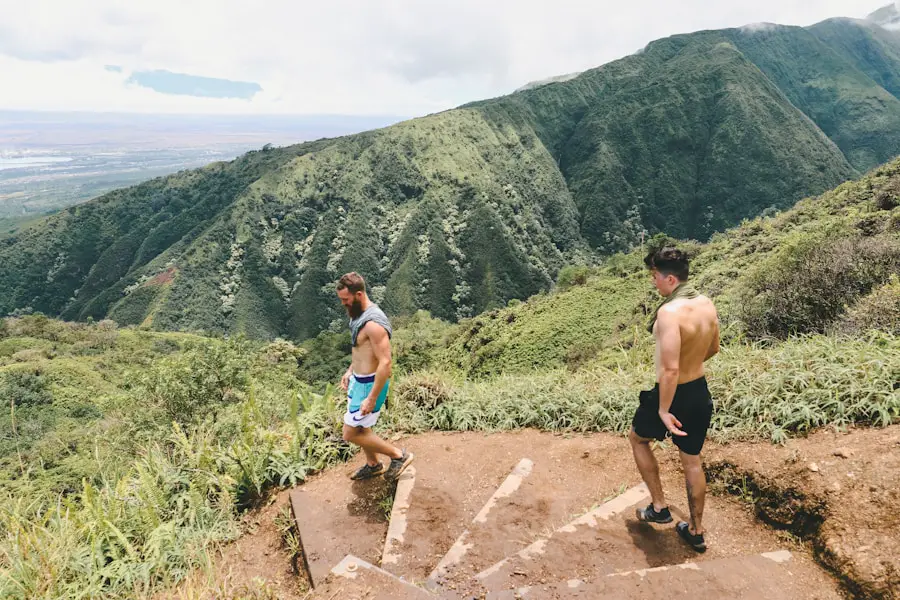
Selecting the appropriate footwear is one of the most important comfort and safety decisions for an outdoor adventure. The terrain should guide the choice. On rocky, muddy, root-covered, or uneven trails, choose sturdy footwear with a grippy outsole and enough protection for the surface. Hawaii’s Nā Ala Hele Trail & Access Program specifically advises hikers to wear sturdy, comfortable shoes with good traction.
Heavy hiking boots are not automatically required for every trail, and ankle support alone does not make a shoe safe. Trail runners or low hiking shoes can work well on many maintained day hikes because they are lighter and often dry faster. On sharp volcanic rock, rough backcountry routes, or hikes with a heavier pack, a more protective hiking shoe or boot may be the better choice. Brands such as Merrell, Salomon, and Vasque offer both lighter hiking shoes and traditional boots, but fit and traction matter more than the logo.
Try footwear on with the socks you plan to hike in. Your toes should not hit the front on descents, and your heel should not slide enough to create hot spots. Some boots need a break-in period, so wear new footwear on shorter walks before a long hike.
Pro Tip: Hawaii trails can switch from dry dirt to slick mud, wet roots, or jagged lava. Choose outsole grip and foot protection for the hardest part of the route, not the easiest first mile.
Clothing for Variable Weather
Hawaii is tropical, but hiking conditions are not uniform. A warm coastal trail can feel very different from a rainy windward forest or a high-elevation route. Hawaiʻi Volcanoes National Park notes that hikers can encounter hot, dry, wet, windy, and even winter-like conditions at higher elevations. Dressing in adjustable layers makes it easier to stay comfortable without carrying unnecessary bulk.
Base Layer
Start with a lightweight moisture-wicking shirt made from polyester, nylon, merino wool, or a similar quick-drying fabric. These materials move moisture away from the skin and generally dry faster than a heavy cotton shirt. Quick-drying shorts or hiking pants are usually more comfortable in humid conditions.
Insulating Layer
For warm low-elevation hikes, you may not need insulation at all. For sunrise starts, exposed ridges, windy lookouts, or high-elevation routes, pack a light fleece or synthetic insulating layer. Down can provide excellent warmth for its weight, but it is a less forgiving choice if it becomes soaked, so protect it from rain.
Rain and Wind Layer
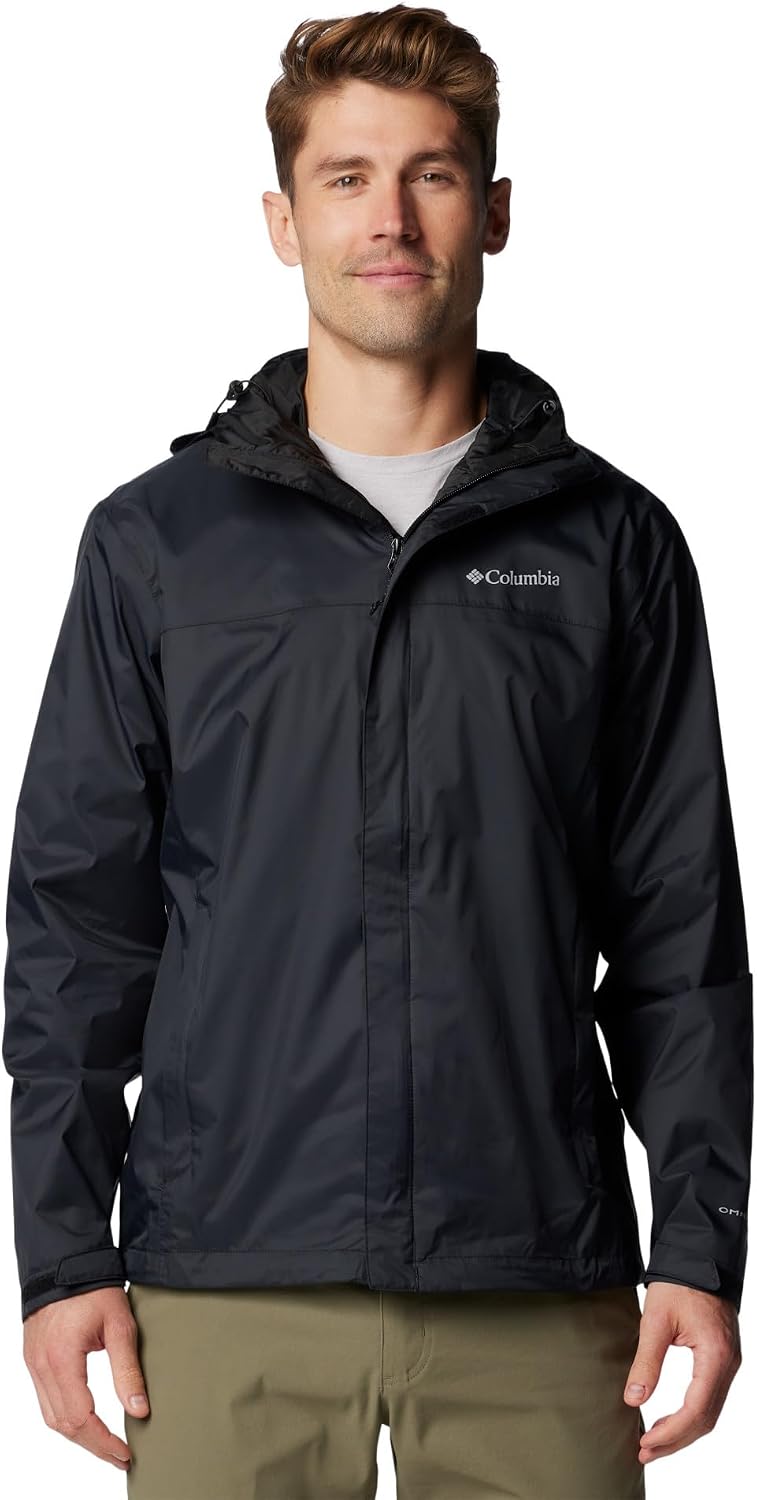
Carry a lightweight waterproof or water-resistant shell when showers are possible. A breathable membrane such as Gore-Tex or an equivalent can reduce rain exposure while allowing some body heat and moisture to escape. A poncho can work for simple day hikes, but a fitted rain jacket is usually easier to manage in wind or on narrow trails.
Note: Do not assume Hawaii means shorts-and-T-shirt weather everywhere. Check the forecast for the trail’s actual elevation and side of the island, not only the nearest beach town.
Sun Protection

Strong sun exposure is a concern on open ridges, coastal routes, and lava fields. Ultraviolet radiation can cause sunburn and long-term skin damage, while heat, humidity, and exertion can contribute to heat illness. These are related outdoor risks, but they are not the same thing.
The American Academy of Dermatology recommends broad-spectrum, water-resistant sunscreen with SPF 30 or higher. Apply it to exposed skin about 15 minutes before going outdoors and reapply about every two hours, or sooner after swimming or heavy sweating according to the product label.
Clothing adds another layer of protection. A lightweight long-sleeved shirt, pants, or clothing with a UPF rating can reduce direct sun exposure. A wide-brimmed hat helps shade the face, ears, and neck. Choose sunglasses labeled for UV protection; polarization can reduce glare from water or bright surfaces, but polarization by itself does not guarantee UV protection.
On exposed Hawaii trails, sun protection is hiking gear—not an optional beach extra.
Hydration and Snacks
| Water | Plan for the route, heat, humidity, elevation, and duration. For hot hiking, Hawaiʻi Volcanoes National Park advises frequent drinking and notes that roughly 1/2 to 1 quart per hour may be needed in heat. |
| Electrolytes | Useful on long, hot, sweaty hikes for some people; food and salty snacks also help replace energy and electrolytes. |
| Snacks | Pack easy-to-eat carbohydrates plus protein or fat, such as trail mix, energy bars, jerky, fruit, a sandwich, or a wrap. |
| Freshwater | Do not assume a stream is safe to drink. Carry your own water and follow local guidance before treating or using backcountry water. |
Maintaining hydration is important because dehydration and heat stress can reduce comfort, judgment, and physical performance. There is no single “eight glasses a day” rule that tells a hiker how much to carry. A short shaded walk and a long exposed climb have very different needs. The Hawaiʻi Volcanoes National Park Hike Smart guidance tells hikers not to wait until they are very thirsty and to drink small amounts regularly in hot conditions.
A hydration reservoir or easy-to-reach water bottle can make regular drinking simpler. Pack enough for the hike plus a reasonable reserve rather than planning to refill from an unknown stream. For longer outings, combine water with food and, when appropriate, electrolytes. Trail mix, energy bars, jerky, dried fruit, sandwiches, and wraps are practical because they pack easily and provide a mix of carbohydrates, protein, fat, and salt.
Warning: Do not push through dizziness, confusion, faintness, severe weakness, or other signs of heat illness. Stop exertion, move to a cooler place when possible, and seek emergency help for severe or worsening symptoms.
Backpack and Gear Essentials
Choose a backpack that fits your torso, carries the load comfortably, and has enough room for the conditions you expect. A 20–30 liter daypack is a common starting range for day hikes, while multi-day trips often require roughly 50–70 liters depending on water, shelter, food, and equipment. Capacity is only a guideline; fit and the actual gear list matter more than a number.
What to Pack for a Hawaii Day Hike
- Water appropriate for the route and a little reserve
- Energy snacks or a meal for longer hikes
- Light rain shell or poncho
- Sun protection: hat, SPF 30+ sunscreen, and UV-protective sunglasses
- Trail map or downloaded offline map plus a backup navigation method
- Headlamp or flashlight, even if you expect to finish before dark
- Small first aid kit and blister care
- Whistle or another simple signaling device
- Fully charged phone and, for longer trips, a power bank
- Insect repellent where mosquitoes are active
- Small trash bag so everything you carry in can be carried out
A multi-tool or knife can be useful for food preparation or gear repairs when it is appropriate and legal for the place you are visiting. A lightweight emergency blanket or compact shelter can add protection during an unexpected delay. A stove or cooking system is generally a multi-day or backcountry item rather than a day-hike essential; use it only where regulations allow.
Navigation Tools
Navigation starts before the hike. Download or carry a current map, confirm the correct trailhead, and know your turnaround point. GPS devices and smartphone apps are convenient, but batteries can die and reception can disappear. On longer or less obvious routes, a paper topographic map and compass provide a useful backup if you know how to use them.
Practice basic map orientation and compass skills before relying on them in the field. GPS features such as waypoints and route tracking can help, but they do not make an unofficial route safe. Hawaii DLNR advises hikers to stay on signed and managed trails, pay attention to posted warnings, and backtrack when the route becomes confusing.
Check Trail Status, Weather, and Hawaii-Specific Hazards
Before leaving, check the official trail or park page and a current forecast. Closures can change because of flooding, high surf, wildfire, volcanic activity, damaged infrastructure, or maintenance. Do not rely on an old blog post, saved social-media video, or map screenshot to decide whether a trail is open.
Heavy Rain, Streams, and Flash Flooding
Rain falling uphill can raise streams quickly even when the weather at your location looks manageable. The National Weather Service Hawaii flood-safety page explains that flash flooding can rapidly raise streams and low-lying areas. Avoid stream crossings during heavy rain or when water is rising, muddy, or fast. Turn around rather than trying to “beat” worsening conditions.
Volcanic Rock and Exposed Terrain
Lava rock can be jagged, unstable, and abrasive. On volcanic terrain, closed-toe footwear and more skin coverage can reduce minor cuts and scrapes. Stay away from cracks, unstable cliff edges, steam vents, and closed areas. At Hawaiʻi Volcanoes National Park, follow posted instructions for volcanic gas, eruption, and trail hazards.
Freshwater and Mud
Wet tropical trails can be muddy and slippery. Hawaii also has a specific freshwater health concern: the Hawaiʻi Department of Health warns that leptospirosis can be contracted through freshwater streams, ponds, wet soil, or plants contaminated by animal urine. Avoid swimming or wading in freshwater, especially with open cuts or sores, and never drink untreated stream water.
Mosquitoes
Mosquitoes can be common on wet, shaded trails. The CDC recommends EPA-registered insect repellents with active ingredients such as DEET, picaridin, IR3535, oil of lemon eucalyptus/PMD, or 2-undecanone. Follow the product label. When using both sunscreen and repellent, the CDC advises applying sunscreen first and insect repellent second.
Tell Someone Your Plan
Leave the trail name, starting point, expected route, and expected return time with someone who is not on the hike. Hike with a partner when possible, keep the group together, and decide on a turnaround time before you are tired or running out of daylight.
First Aid Kit
A compact first aid kit is useful on any hike. Include adhesive bandages in several sizes, antiseptic wipes, gauze, medical tape, blister care, and any personal medications you may need. Pain relievers such as ibuprofen or acetaminophen may be reasonable for people who can safely take them; follow the label and your own clinician’s advice.
Customize the kit for your route and training. Antihistamines or hydrocortisone cream may be useful for people who normally use them for minor allergic or insect-bite symptoms. On more remote trips, trained hikers may carry a compact splint, elastic wrap, or additional wound-care supplies. Gear is not a substitute for first aid knowledge, and serious injuries require professional help.
Check the kit before each trip. Replace used supplies, damaged packaging, and expired medications. Keep critical items dry and easy to reach rather than buried at the bottom of the pack.
Leave No Trace Principles
Responsible hiking protects fragile trails, native plants, wildlife, cultural sites, and the experience of other visitors. The Leave No Trace principles provide a practical framework for minimizing impact:
- Plan ahead and learn local rules before the trip.
- Use established trails and durable surfaces.
- Pack out trash, food scraps, and other waste.
- Leave rocks, plants, cultural objects, and natural features where they are.
- Reduce fire impacts and follow all fire restrictions.
- Observe wildlife from a distance and never feed animals.
- Be considerate of other visitors and local communities.
In Hawaii, staying on designated trails is especially important around fragile vegetation, steep ridges, volcanic features, and private land boundaries. Follow all posted closures and access rules.
If you are planning a broader Hawaii trip, timing can still affect crowds, prices, rain, and trail conditions. The site’s complete guide on the best time to travel to Hawaii discusses spring and fall shoulder periods. For hiking, however, do not treat any month as automatically “best”; island, elevation, recent rain, and same-day warnings matter more for trail safety.
Frequently Asked Questions
What should I wear when hiking in Hawaii?
Wear lightweight, moisture-wicking clothing that suits the trail and provides enough sun or brush protection. A quick-drying shirt, hiking shorts or pants, breathable socks, a hat, and grippy closed-toe hiking shoes or trail runners work for many day hikes. Carry a rain shell and an extra light layer when elevation or weather calls for it.
What type of footwear is best for hiking in Hawaii?
Choose footwear with dependable traction and enough protection for the terrain. Trail runners or hiking shoes work well on many maintained trails, while rugged lava, rough backcountry routes, or heavier loads may justify sturdier boots. Flip-flops are a poor choice for most hiking trails because they provide little protection or secure traction.
Should I bring a rain jacket when hiking in Hawaii?
Yes, when rain is possible or the route crosses wet, windy, or high-elevation terrain. A lightweight waterproof or water-resistant shell packs small and can make a sudden shower much easier to manage. Always check the route-specific forecast before leaving.
What accessories should I bring when hiking in Hawaii?
Useful essentials include a daypack, water, snacks, SPF 30+ sunscreen, a brimmed hat, UV-protective sunglasses, a headlamp, first aid supplies, navigation, a whistle, and a charged phone. In mosquito-prone areas, add EPA-registered insect repellent.
Are there any clothing items I should avoid wearing when hiking in Hawaii?
Avoid relying on flip-flops for most trails, and avoid heavy cotton clothing when you expect rain, sweat, wind, or cooler temperatures because it can stay wet and uncomfortable. Also avoid clothing that restricts movement or footwear you have never worn before.
Should I wear shorts or pants for Hawaii hikes?
Either can work. Shorts are cooler on open, maintained trails, while lightweight hiking pants add protection from sun, brush, mosquitoes, mud, and sharp lava. Choose based on the specific route rather than Hawaii’s general climate.
How much water should I bring on a Hawaii hike?
There is no single amount for every hike. Plan around distance, time, heat, humidity, elevation, shade, and your own needs. For hot conditions, Hawaiʻi Volcanoes National Park advises frequent drinking and notes that about 1/2 to 1 quart per hour may be needed in heat. Carry extra rather than assuming you can refill from a stream.
Is it safe to hike in Hawaii after heavy rain?
Not always. Heavy rain can create mud, landslides, fast stream crossings, and flash flooding. Check official trail notices and National Weather Service alerts. Postpone the hike or turn around when flooding, rising water, closures, or unsafe trail conditions are present.
Sources
- Hawaiʻi DLNR Nā Ala Hele Trail & Access Program — official trail-safety guidance, footwear, route planning, weather checks, and staying on managed trails.
- Hawaiʻi Volcanoes National Park — Hike Smart — hydration, sun, rain, navigation, lava-terrain, and day-hike essentials.
- National Weather Service — Flooding in Hawaii — flash-flood and stream-rise hazards.
- American Academy of Dermatology — How to Apply Sunscreen — SPF 30+, broad-spectrum protection, application timing, and reapplication.
- Hawaiʻi Department of Health — Leptospirosis — freshwater and open-cut exposure precautions.
- CDC — Preventing Mosquito Bites — EPA-registered repellents and sunscreen/repellent application order.