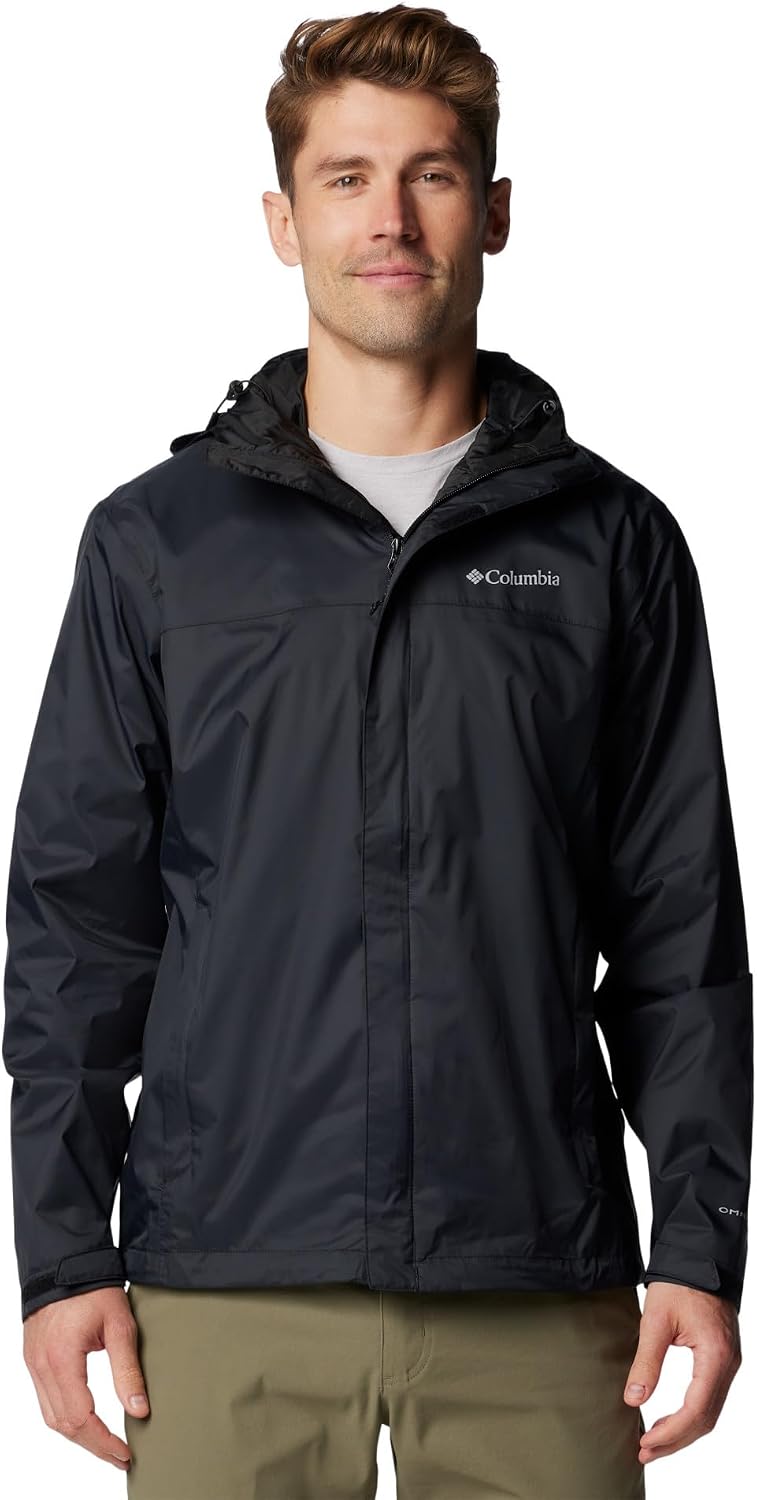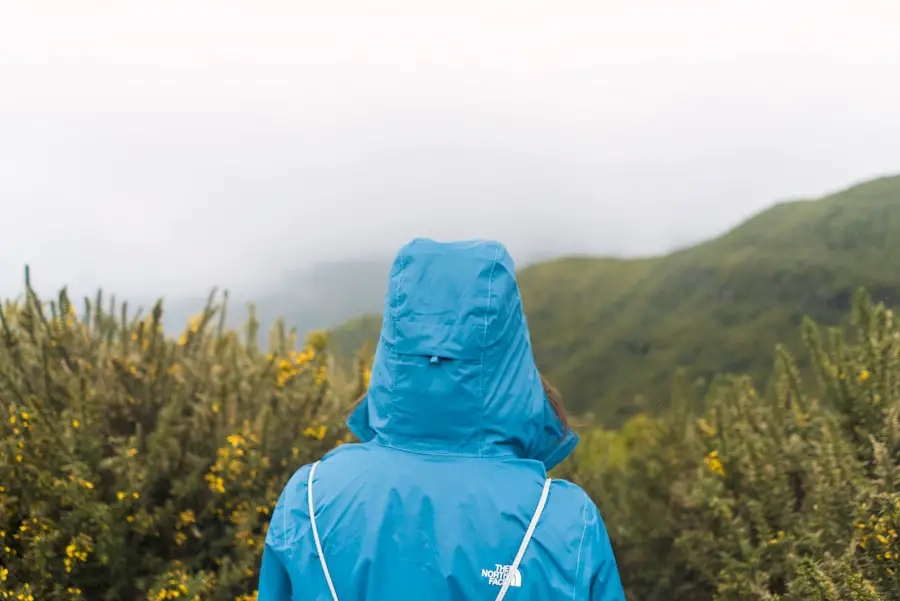
Last Updated on September 10, 2026 by Daniel Globe
What you should wear hiking in Europe depends less on the country name and more on the trail, elevation, season, and forecast. A summer coastal walk in Portugal calls for very different clothing than a high trail in the Alps or a wet hill day in Ireland. The safest approach is to wear quick-drying layers and carry enough protection for conditions to change.
Quick Answer
For most hikes in Europe, wear a moisture-wicking base layer, quick-drying hiking pants or shorts, hiking socks, and grippy trail shoes or boots suited to the terrain. Carry a warm mid-layer plus a waterproof jacket, and add waterproof pants, gloves, a hat, and extra insulation for mountains, wet climates, or colder seasons.
Key Takeaways
- Choose footwear for the trail surface, weather, and pack weight rather than assuming every European hike requires heavy boots.
- Use a moisture-wicking base layer, an insulating layer, and a waterproof/windproof shell so you can adjust as conditions change.
- Avoid cotton and denim on cold, wet, or mountain hikes because they dry slowly once soaked.
- Carry sun protection, including sunscreen, a brimmed hat, and sunglasses labeled UV400 or 100% UV protection.
- Bring a waterproof jacket on mountain hikes and consider waterproof over-trousers when sustained rain, strong wind, or cold conditions are possible.
- Pack navigation, water, food, first aid, a headlamp, emergency protection, and the other essentials appropriate for your route.
- Check a route-specific weather forecast shortly before you leave because mountain conditions can change quickly.
At a Glance
| Base Clothing | Synthetic or merino top, quick-drying pants or shorts, hiking socks |
| Weather Layers | Fleece or other insulating mid-layer plus a waterproof/windproof shell |
| Footwear | Grippy trail shoes, hiking shoes, approach shoes, or boots matched to the terrain |
| Typical Daypack | About 10–40 liters depending on hike length, weather, and the amount of gear required |
Disclosure: As an Amazon Associate I earn from qualifying purchases. Some links on this page are affiliate links, at no extra cost to you.
Choosing Hiking Footwear for Europe
Select footwear based on the trail rather than buying the heaviest boot you can find. A well-maintained path, Camino-style walking route, or dry lowland trail may be comfortable in trail runners or lightweight hiking shoes. Rockier mountain terrain, mud, snow, heavier packs, and poor weather may justify a stiffer hiking shoe or boot with a more supportive sole and aggressive tread.
Mountaineering Ireland similarly notes that lighter approach shoes or soft boots can work on simple tracks, while more rugged terrain calls for sturdier footwear. The goal is grip, comfort, and enough protection for the route—not ankle height for its own sake.
A waterproof membrane can be useful on cold, wet, muddy, or snowy routes, but it is not essential for every hike. In hot, dry parts of southern Europe, a more breathable non-waterproof shoe may feel cooler and dry faster if it becomes wet. In prolonged rain or boggy terrain, waterproof footwear may be more comfortable.
Brands such as Merrell and Salomon offer everything from lightweight trail shoes to more supportive hiking boots, but fit matters more than the logo. Your shoes should feel secure without pinching, your heel should not slide excessively, and your toes need room during descents.
Pro Tip: Try hiking footwear toward the end of the day while wearing the same type of socks you plan to hike in. Feet commonly swell during the day and on long walks. Both REI and Salomon recommend fitting hiking footwear this way.
Choose the Right Pants, Socks, and Underlayers
For most European hikes, choose pants or shorts that stretch, breathe, and dry quickly. Lightweight synthetic hiking pants work well across a wide range of temperatures. Shorts can be comfortable in hot conditions, but long pants provide more protection from sun, vegetation, insects, wind, and cool weather.
In cold or wet mountains, avoid jeans and other heavy cotton clothing. Once soaked, they dry slowly and can leave you cold. Synthetic fabrics and merino wool manage moisture better for active use.
Hiking socks should fit smoothly without bunching. Merino-wool blends and synthetic hiking socks are common choices because they manage moisture better than ordinary cotton socks. Carrying a dry spare pair can make a big difference on long or wet hikes.
Underwear should also be comfortable, breathable, and quick-drying. Flat seams can help reduce rubbing during long days, especially when you are carrying a backpack.
Layering for Changing Weather
Layering lets you adapt as temperatures, wind, rain, and activity levels change. This matters throughout Europe, but especially in mountains where conditions can feel very different from the valley below. A practical system has three main parts: a base layer, an insulating layer, and an outer weatherproof layer.
Base Layer
The base layer sits next to your skin and should move sweat away rather than hold it. Merino wool, polyester, polypropylene, and other technical fabrics are common choices. Mountaineering Ireland specifically recommends synthetic or merino base layers and advises hikers to avoid cotton for wet mountain conditions.
Insulating Layer
The insulating layer helps retain warmth. Fleece is versatile because it breathes well and still provides useful insulation when damp. Synthetic insulated jackets are another practical choice for variable conditions. Down offers excellent warmth for its weight but needs more protection from moisture because wet down loses much of its insulating performance.
A lightweight fleece can be enough for a mild summer hike, while high mountains, early starts, shoulder seasons, and cold rest stops may call for additional insulation. Brands such as The North Face and Patagonia are examples of companies that make these types of outdoor layers, but many other brands and budget options can work just as well when the fabric and fit suit the conditions.
Outer Layer
Your outer shell protects you from wind and precipitation. For exposed hills and mountain routes, look for a waterproof jacket with a hood, enough room for the layers underneath, and useful ventilation. Breathable waterproof fabrics can reduce moisture buildup, although no shell eliminates sweating during hard exercise.
Warning: Do not dress only for the temperature at your hotel, trailhead, or valley town. Wind, cloud, precipitation, elevation, and reduced activity during a rest or emergency can make exposed mountain terrain much colder.
What to Wear Hiking in Europe by Region and Season
Europe covers a wide range of climates, so no single outfit works everywhere. Use the following examples as starting points, then adjust them to the actual route forecast.
Alps, Pyrenees, Carpathians, and Other Mountain Areas
Wear a moisture-wicking base layer, quick-drying hiking pants, and grippy trail shoes or boots. Carry a fleece or light insulated jacket plus a waterproof shell. Even in summer, a warm hat or light gloves can be worth packing on high or exposed routes if the forecast is cool, windy, or unstable.
UK, Ireland, and Atlantic Europe
Expect wet and windy conditions to be possible even when the day begins calmly. Quick-drying clothing, a waterproof hooded jacket, and grippy footwear are especially useful. On longer upland walks, waterproof over-trousers and a warm layer deserve space in the pack. Mountaineering Ireland advises carrying waterproof and windproof outer protection for hillwalking because weather can change rapidly.
Mediterranean Europe
For lower-elevation summer hikes in Spain, Portugal, Italy, Greece, southern France, and similar climates, lightweight breathable clothing and strong sun protection may matter more than heavy insulation. Carry plenty of water and use a sun hat, sunscreen, and UV-protective sunglasses. A lightweight shell can still be useful if thunderstorms or wind are forecast, especially in mountainous areas.
Scandinavia and Iceland
Wind, rain, and rapidly changing temperatures can make a robust layering system especially useful. Bring a warm layer and reliable waterproof outerwear, and choose footwear suited to wet or rocky terrain. Gloves and a warm hat can be useful outside winter when conditions are cold or exposed.
Winter and Snow
Winter hiking can require insulated clothing, warmer footwear, gaiters, waterproof gloves, and additional emergency equipment. Snow or ice may also require specialist traction equipment and skills that go beyond ordinary hiking clothing.
Note: Always check a current local or mountain forecast for the exact route. Season alone is not enough to predict conditions at elevation.
Packing the Right Backpack
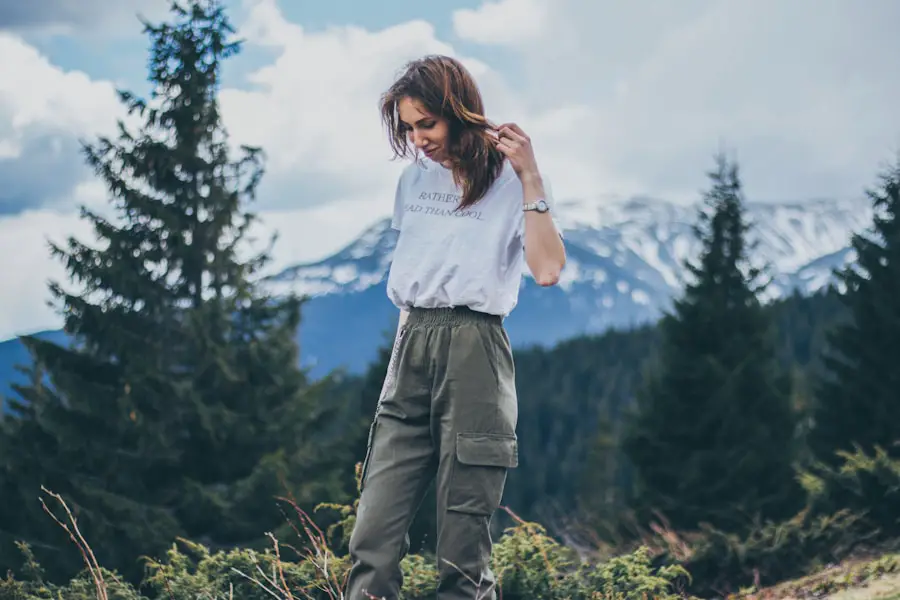
Choosing the right backpack matters because it has to carry your clothing, water, food, navigation equipment, and emergency supplies without becoming unnecessarily bulky.
Current REI daypack guidance places hiking daypacks roughly in the 10–40 liter range. A compact 10–20 liter pack may work for short outings in stable weather, while roughly 21–35 liters gives many hikers enough room for food, water, extra clothing, and safety gear on a full-day hike. Larger daypacks can make sense for winter outings or activities requiring more equipment.
For overnight backpacking, capacity depends on how compact your shelter, sleep system, food, and clothing are. Trips of roughly three to five nights often use packs around 50–80 liters. European hut-to-hut hikers may need less volume than campers carrying a tent, sleeping system, stove, and several days of food.
Look for a pack that fits your torso, sits securely against your body, and has comfortable shoulder straps. A supportive hip belt becomes increasingly useful as loads grow heavier. Ventilated back panels can improve comfort in warm weather.
Organization also matters. Keep water, snacks, a shell jacket, sun protection, and navigation tools where you can reach them without emptying the whole pack. External loops can hold trekking poles, but avoid hanging loose gear where it can catch on rocks or vegetation.
Essential Accessories: Hats, Sunglasses, and Gloves
| Accessory | Why It Helps | When to Carry It | What to Look For |
| Hat | Sun protection or warmth | Sun hat in exposed weather; warm hat in cold or windy conditions | Secure fit, breathable material, useful brim or insulation |
| Sunglasses | Protects eyes from UV radiation and bright reflected light | Sunny and high-exposure hikes; especially useful around snow, water, and exposed terrain | UV400 or 100% UV protection; polarization is optional for glare reduction |
| Gloves | Protects hands from cold and wind | Cold, windy, high-elevation, shoulder-season, and winter routes | Enough warmth for the forecast while retaining needed dexterity |
A wide-brimmed hat can shade the face, ears, and neck, while a lightweight cap can work when combined with sunscreen on uncovered areas. For colder hikes, a beanie or other warm hat can help keep you comfortable when temperatures fall.
Sunglasses should be selected for UV protection first. The U.S. Food and Drug Administration recommends sunglasses labeled UV400 or “100% UV protection.” Polarized lenses can reduce glare from water, wet rock, or snow, but polarization is separate from UV protection.
According to the FDA, UV400 or “100% UV protection” sunglasses block more than 99% of UVA and UVB radiation.
Gloves should match the expected temperature and wind. Lightweight gloves preserve dexterity, while insulated or waterproof gloves are better for cold and wet conditions. Columbia and Outdoor Research are examples of brands offering different glove, hat, and sun-protection options.
Protecting Yourself from the Sun
Sun protection matters on European hiking routes even when the air feels cool. Exposure can be significant on open ridges, coastal trails, high elevations, snowfields, and long summer hikes.
Use a broad-spectrum sunscreen. SPF 30 or higher is a practical choice for extended outdoor use. FDA guidance says sunscreen should generally be applied about 15 minutes before sun exposure and reapplied at least every two hours, with more frequent application when swimming or sweating. Water-resistant products should be reapplied according to the time stated on the label.
Covering skin reduces the amount that needs sunscreen. Lightweight long sleeves, hiking pants, a brimmed hat, and clothing designed for UV protection can all help. Seek shade when practical, especially around midday when UV exposure is stronger.
Remember exposed areas such as ears, the back of the neck, hands, lips, and the tops of feet when wearing sandals around camp. Sunscreen is only one part of sun protection; clothing, shade, hats, and sunglasses also matter.
Rain Gear: Jackets and Pants
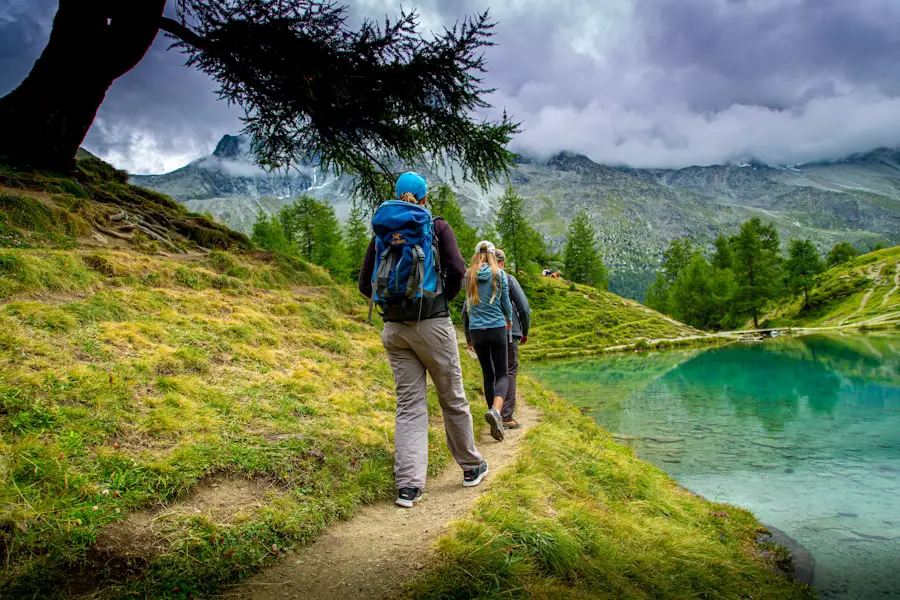
A waterproof jacket is one of the most useful layers for European mountain hiking because it also provides wind protection. Look for a hood that stays secure without blocking your view, sealed construction, enough room for your insulating layer, and ventilation that helps release heat while you move.
Waterproof pants are most useful when prolonged rain, wet vegetation, strong wind, cold temperatures, or exposed mountain conditions are likely. They are less necessary for every warm, lowland summer walk, but lightweight over-trousers can provide valuable protection when the forecast is unstable.
Side zippers make rain pants easier to pull over hiking footwear and can provide extra ventilation. Keep waterproofs somewhere accessible in your pack rather than burying them below gear you will have to unpack in a downpour.
REI Co-op and Marmot are examples of brands that make lightweight and more protective rainwear. More important than the brand is whether the garment fits over your other layers, allows movement, and provides enough protection for the forecast and route.
Navigation Tools: Maps and Compass
Phones and GPS devices are excellent hiking tools, but they should be prepared before you leave. Download the route and offline maps when the app allows it, fully charge the phone, and consider carrying a power bank on longer outings.
A lack of cellular service does not automatically prevent a phone from receiving GPS positioning. However, map data may be unavailable if it was not downloaded beforehand, and a dead, damaged, cold, or lost phone is no help at all.
The National Park Service Ten Essentials includes map, compass, and GPS among its navigation systems and stresses knowing how to use them. A physical map and compass are valuable backups on remote, exposed, or poorly marked routes, but carrying them is useful only if you understand basic navigation.
Topographic maps help you understand contours, slopes, valleys, water features, and other terrain. A compass can then help you orient the map and follow a bearing when visibility or trail markings are poor.
Note: Do not blindly follow a crowd-sourced GPS track into terrain that looks unsafe. Confirm that your planned route matches your ability, current conditions, and the mapping information available to you.
First Aid and Emergency Supplies
A basic hiking first aid kit should match the length and remoteness of your route. Useful items can include adhesive bandages, sterile gauze, tape, antiseptic supplies, blister treatment, tweezers, small scissors, and any personal medication you normally require and know how to use safely.
Emergency supplies should extend beyond first aid. The National Park Service groups its commonly recommended Ten Essentials into navigation, sun protection, insulation, illumination, first aid, fire, repair tools, food, hydration, and emergency shelter.
A whistle can help you signal without exhausting your voice. A headlamp is usually more convenient than holding a flashlight and leaves both hands free. Carry spare power or batteries appropriate for your equipment.
A multi-tool or small repair tool can help with minor gear problems. Extra food, water, an emergency bivy or shelter, and a spare warm layer become increasingly important when routes are remote, conditions are cold, or an unexpected delay could keep you outside after dark.
Warning: Clothing and equipment cannot make every route safe. Turn around when weather, daylight, terrain, fatigue, or your skill level makes continuing a poor decision.
When planning what to wear hiking in Europe, also consider whether your route is a day hike, hut-to-hut trek, or camping trip. For overnight routes where stove use is permitted, a compact camping stove can provide hot food and drinks. Take Travel Info also has a guide to portable camping stoves for outdoor adventures. Always check local fire restrictions and stove rules before using one.
Love travel? Join Our Facebook Community For More Tips.
Frequently Asked Questions
What should I wear for hiking in Europe?
For most hikes, wear a moisture-wicking top, quick-drying hiking pants or shorts, hiking socks, and trail shoes or boots with suitable grip. Carry a warm mid-layer and waterproof shell. Add a warm hat, gloves, waterproof pants, or extra insulation when the route is mountainous, wet, windy, or cold.
What type of outerwear should I bring for hiking in Europe?
A lightweight waterproof and windproof shell is the most versatile outer layer. In colder conditions, carry a fleece or insulated jacket underneath it. Waterproof over-trousers are especially useful on wet, windy, high-elevation, and shoulder-season hikes.
What accessories should I bring for hiking in Europe?
Useful accessories include a sun hat, UV400 sunglasses, sunscreen, gloves when cold weather is possible, a suitable daypack, water, food, navigation equipment, a first aid kit, and a headlamp. Longer or more remote hikes may also call for emergency shelter, extra food, and a power bank.
What should I avoid wearing when hiking in Europe?
Avoid footwear with poor grip and clothing that becomes heavy and slow to dry when wet. Cotton T-shirts and denim are poor choices for cold, wet, or exposed mountain hikes. Also avoid starting a long hike in brand-new footwear that you have never tested.
Do I need hiking boots for Europe?
Not always. Trail runners or hiking shoes can work well on maintained paths and lighter terrain. Sturdier boots become more useful on rough, wet, snowy, muddy, or highly uneven routes and when you need a stiffer sole or greater protection.
Do I need waterproof pants for hiking in Europe?
It depends on the route and forecast. Waterproof over-trousers are valuable for sustained rain, cold wind, wet vegetation, and exposed mountain terrain. For a short, warm, dry lowland hike, they may not be necessary.
Sources
- Mountaineering Ireland — How to Start Hiking — footwear, layering, waterproofs, navigation, and mountain-weather guidance.
- U.S. National Park Service — Ten Essentials — navigation, sun protection, insulation, first aid, illumination, food, water, and emergency gear.
- U.S. Food and Drug Administration — Sun and Sunglasses Safety — sunscreen use and UV400/100% UV-protection guidance.
- REI Expert Advice — How to Choose Daypacks — current hiking daypack capacity and fit guidance.
- REI Expert Advice — Hiking Boots and Shoes — footwear fit and end-of-day fitting guidance.
- British Mountaineering Council — Hill Walking Clothing and Layers — base, insulating, waterproof, and wind-protection principles.