Last Updated on July 27, 2026 by Daniel Globe
Hiking in Alaska means dressing for change, not for a single forecast. A mild trailhead can turn into a cold, windy, wet ridge within hours, and some routes add mud, brush, stream crossings, snowfields, or long stretches far from help. The safest approach is a layered clothing system backed by rain gear, reliable footwear, dry spare clothing, and the right safety equipment for the route.
Quick Answer
For most Alaska hikes, wear a moisture-wicking wool or synthetic base layer, a fleece or light insulated mid-layer, quick-drying pants, wool or synthetic socks, and grippy hiking footwear. Carry a waterproof rain jacket and rain pants, plus a warm hat, gloves, sun protection, insect protection, and at least one dry spare layer.
Key Takeaways
- Dress in layers so you can add warmth before you get cold and remove layers before you sweat heavily.
- Choose wool or quick-drying synthetic clothing instead of cotton for cold, wet conditions.
- Carry a waterproof jacket and rain pants even when the forecast looks good; Alaska weather can change quickly.
- Match footwear to the route. Waterproof boots are useful for wet, rough, off-trail terrain, while well-fitting trail shoes can work on easier maintained trails.
- Pack for more than clothing: navigation, first aid, food, water treatment, insect protection, bear safety, and emergency communication may all matter.
Disclosure: As an Amazon Associate I earn from qualifying purchases. Some links on this page are affiliate links, at no extra cost to you.
How to Layer for Hiking in Alaska
The basic layering system has three jobs: move moisture away from your skin, hold warmth when you need it, and block rain and wind. The National Park Service Alaska gear guidance recommends warm, quick-drying clothing such as polypropylene, nylon, fleece, or wool and specifically advises avoiding cotton for backcountry travel.
Base Layer: Manage Sweat
Wear a light wool or synthetic shirt next to your skin. In cooler conditions, add long underwear bottoms. The goal is not to feel hot; it is to move perspiration away from your skin and dry faster than cotton.
Mid-Layer: Add Warmth
A fleece jacket, wool layer, or light insulated jacket works well as a mid-layer. Fleece and synthetic insulation are practical in damp conditions. Down can provide excellent warmth for its weight, but it must be protected from rain and saturation.
Outer Layer: Block Rain and Wind
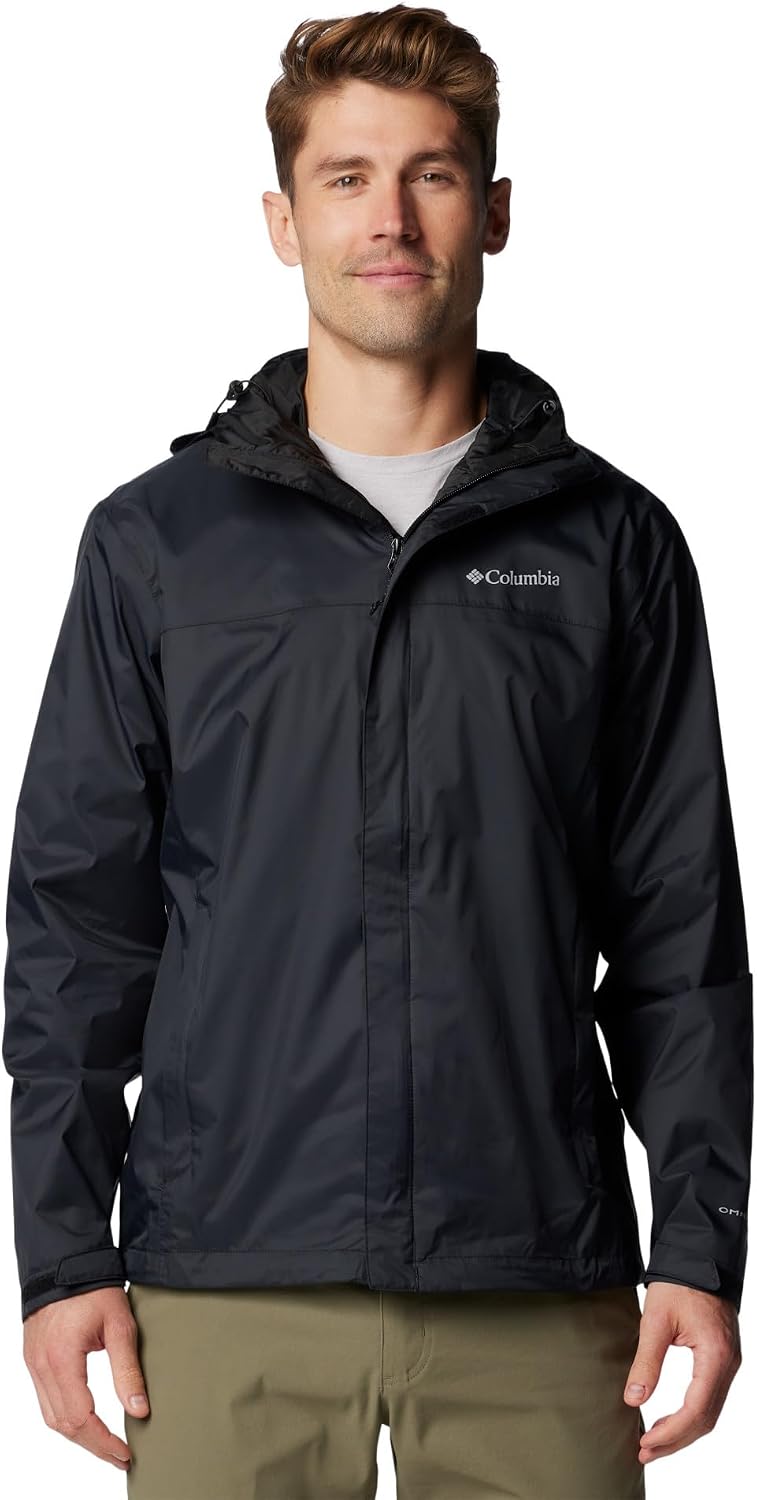
Your outer layer should be a waterproof shell that fits over the layers beneath it. A hood, adjustable cuffs, and ventilation help in wind and rain. Pair the jacket with waterproof rain pants when the route is exposed, brushy, or likely to stay wet.
In Denali, the National Park Service advises summer backcountry visitors to be ready for temperatures roughly from 30°F to 80°F (-1°C to 27°C). Conditions elsewhere in Alaska can differ, so check the exact park, elevation, route, and forecast before leaving.
Warning: Hypothermia is not only a winter problem. Cold rain, wind, wet clothing, fatigue, and cool temperatures can create dangerous conditions. The National Park Service lists shivering, numbness, poor coordination, weakness, and confusion among early warning signs. Get out of wind and rain, replace wet clothing with dry layers, and seek emergency help for severe symptoms.
Pro Tip: Keep one warm layer and at least one pair of dry socks inside a waterproof bag or pack liner. A rain cover alone may not keep the contents of a pack dry during prolonged rain or a stream crossing.
What to Wear by Season
There is no single Alaska hiking outfit for every month or region. Summer offers the longest daylight and is the most common hiking season, but mountain weather can still bring cold rain, strong wind, or snow. Spring and fall demand more insulation, while winter travel may require specialized cold-weather and traction equipment.
Summer
- Light wool or synthetic base shirt
- Quick-drying hiking pants or durable hiking tights
- Fleece or light insulated jacket
- Waterproof rain jacket and rain pants
- Wool or synthetic socks
- Trail shoes or hiking boots matched to the route
- Warm hat and light gloves in the pack
- Sun hat, sunglasses, and sunscreen
- Insect repellent and, in buggy areas, a head net
Spring and Fall
Add a warmer mid-layer, warmer gloves, a beanie, and more substantial insulation. Days can become shorter quickly outside midsummer, so carry a headlamp even when you expect to finish before dark.
Winter and Snow Travel
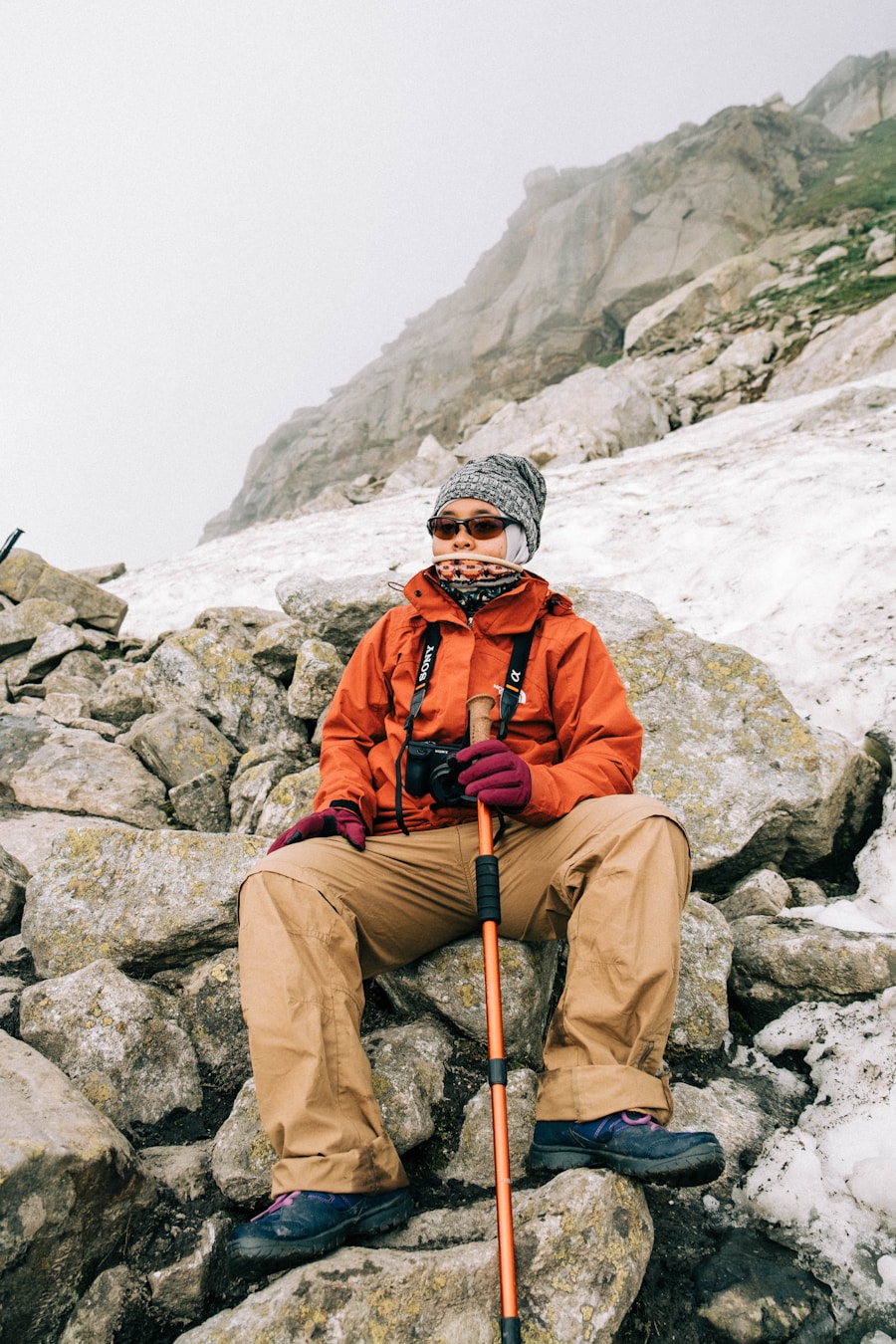
Winter hiking can require insulated boots, heavier base layers, a warm puffy jacket, insulated gloves or mittens, face protection, and route-specific traction. Microspikes, snowshoes, or crampons are not interchangeable: snowshoes spread your weight on soft snow, while crampons are designed for firmer snow or ice and require appropriate boots, terrain judgment, and technique. Choose traction based on the surface and route, and do not treat glacier travel as ordinary hiking.
Note: Snowfields and glaciers can hide serious hazards. The National Park Service notes that some Alaska glacier and snowfield travel requires specialized equipment such as crampons, ropes, helmets, and ice axes. Get route-specific guidance or professional instruction when those hazards are present.
Footwear for the Terrain
Select footwear for the actual trail, not for Alaska as a whole. Maintained trails may be comfortable in supportive trail-running shoes or light hikers, while wet tundra, muddy routes, steep off-trail ground, loose rock, and repeated stream crossings often favor sturdier waterproof hiking boots.
For rough off-trail terrain, ankle-high boots can add structure and protection, but a high collar is not a guarantee against ankle injury. Fit, traction, stability, and your experience matter more than a single design feature. Waterproof footwear can help in mud and wet vegetation, but no boot stays dry if water enters over the top.
Outsole brands such as Vibram are common on hiking footwear, but the brand name alone does not guarantee superior grip. Look at the lug pattern, rubber compound, shoe fit, and the surfaces you expect to cross.
Pair footwear with wool or synthetic hiking socks. Carry a spare pair so you can change out of saturated socks when conditions allow. Gaiters are useful in mud, wet brush, loose debris, and shallow snow.
Protection from the Sun
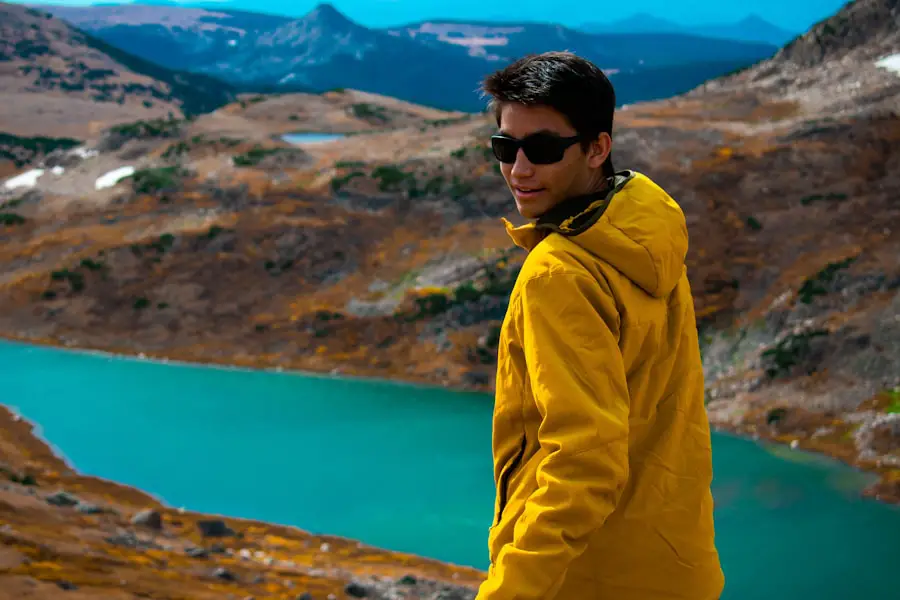
Cold air does not eliminate ultraviolet exposure. Use sunglasses that block UV, a brimmed hat, and clothing that covers exposed skin. For uncovered skin, the American Academy of Dermatology recommends broad-spectrum, water-resistant sunscreen with SPF 30 or higher, while the FDA advises broad-spectrum sunscreen and reapplication at least every two hours, more often when swimming or sweating.
Pay attention to easy-to-miss areas such as the ears, neck, hands, and tops of the feet. Snow and water can increase glare, making sunglasses especially valuable around glaciers, snowfields, lakes, and rivers.
Rain and Wind Gear
| Gear | Water Protection | Ventilation | Best Use |
|---|---|---|---|
| Rain Jacket | Choose a fully waterproof shell; seam-taped construction is useful for sustained rain. | Look for a breathable fabric and/or mechanical vents such as pit zips. | Core protection from rain and wind; carry it even on fair-weather days. |
| Rain Pants | Fully waterproof pants protect legs from rain and soaked vegetation. | Side zips or venting can reduce overheating and make them easier to pull over boots. | Wet brush, exposed ridges, prolonged rain, and colder conditions. |
| Windbreaker | Usually water-resistant, not a substitute for a waterproof shell. | Often more breathable than rain shells. | Dry, windy conditions when rain protection is not needed. |
Alaska weather can change rapidly. The National Park Service advises visitors to plan for changing weather and notes that frost and snow can occur at any time in some areas. A waterproof jacket and rain pants are therefore more dependable than a light windbreaker when the forecast is uncertain.
Choose shells roomy enough to fit over your base and insulating layers without restricting movement. Gaiters can help keep mud, debris, and wet vegetation away from socks and boot openings.
Insect Protection
Mosquitoes and other biting insects can be intense in parts of Alaska during the warmer months. The National Park Service recommends insect repellent and/or a head net as part of an Alaska backcountry kit. Long sleeves and long pants also provide a physical barrier.
Pack insect protection before entering remote areas, where replacements may not be available. Follow the repellent label, especially when applying it around children or when combining it with sunscreen.
Backpack and Gear Carrying Options
A well-fitted backpack should keep the load close to your body and transfer much of the weight to the hips. Padded shoulder straps, an adjustable hip belt, and simple organization make it easier to carry extra layers, rain gear, food, water, and emergency supplies.
For many hikers, a 20- to 30-liter daypack is a practical starting range for a day hike, while a 50- to 70-liter pack is a common starting range for multi-day travel. These are rough capacity ranges, not safety standards: the correct size depends on weather, route length, shelter, food-storage rules, and how bulky your equipment is.
A hydration reservoir sleeve or easy-to-reach bottle pockets can make drinking on the move easier. Use a waterproof pack liner or dry bags for clothing, insulation, electronics, and other critical gear. External attachment points can be useful for trekking poles or bulky camp gear, but avoid hanging loose equipment where brush can snag it.
Navigation and Safety Essentials
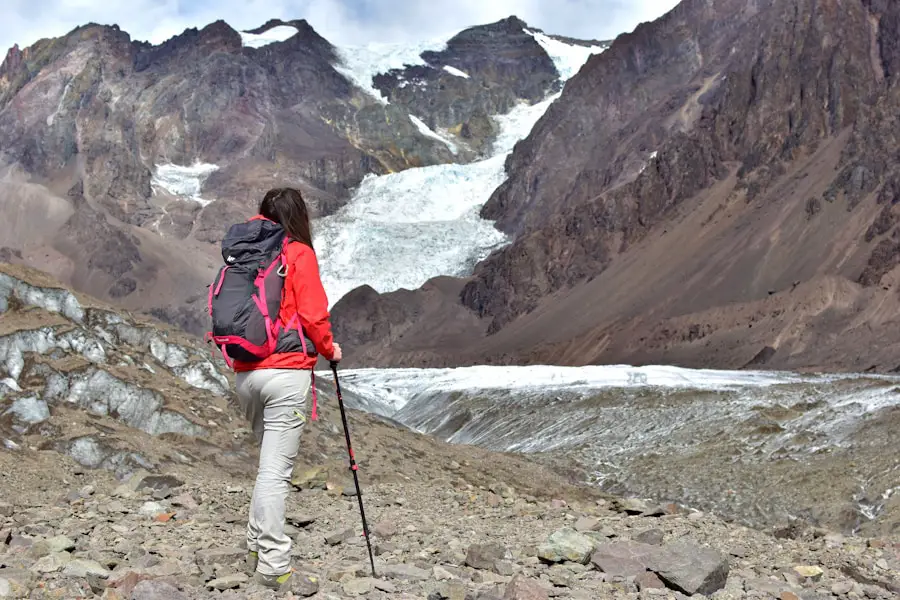
Navigation in Alaska can be more demanding than following a marked trail. Carry a topographic map and compass and know how to use them. GPS and offline phone maps are useful, but the National Park Service recommends using GPS to supplement, not replace, a topographic map.
Also carry a first aid kit, headlamp, repair items, whistle, fire-starting supplies where legal and appropriate, extra food, and extra clothing. A basic first aid kit may include adhesive bandages, gauze, antiseptic supplies, blister care, pain relievers you can safely use, and personal medications. A multi-tool or knife can help with repairs and camp tasks.
Before leaving, give a responsible person your route, backup plan, and expected return time. In remote backcountry where cellular coverage is unreliable or absent, consider a two-way satellite messenger or satellite phone and carry backup power.
Ten Essentials Checklist
- Navigation: map, compass, GPS, or offline map
- Sun protection: sunglasses, sunscreen, and hat
- Extra clothing and rain protection
- Headlamp plus spare power
- First aid supplies and personal medications
- Fire-starting method where conditions and regulations allow
- Repair kit and multi-tool
- Extra food
- Extra water and a treatment method when relying on natural sources
- Emergency shelter such as a lightweight bivy or emergency blanket
Bear and Wildlife Safety
Wildlife safety belongs on an Alaska hiking checklist. Make noise in brush, near rushing water, and in other places where a bear may not hear or see you coming. Never approach wildlife, and do not run from a bear. In Alaska national parks, the National Park Service wildlife guidance tells visitors to stay 300 yards from bears and at least 25 yards from other animals, dens, and nests.
Bear spray is recommended for many Alaska backcountry trips, and Denali National Park strongly encourages hikers to carry it. Keep it immediately accessible rather than buried in a pack, learn how to use it before the trip, and check transportation rules because bear spray cannot simply be carried onto a commercial flight.
For overnight travel, check the specific park or land manager’s food-storage rules. Bear-resistant food containers may be required, and scented items can count as attractants.
River Crossings and Keeping Critical Gear Dry
Many Alaska backcountry routes involve streams or rivers, and cold water can turn a minor mistake into an emergency. The National Park Service Alaska river-crossing guidance warns that these waters can be extremely cold even when the air is warm.
Never cross barefoot. Look for a wider, shallower, slower section and be willing to wait or turn around when the water is too high or fast. Trekking poles can improve stability on some crossings. Keep emergency communication, fire-starting supplies, and other critical survival items protected from water; for remote crossings, NPS recommends waterproofing essential gear carefully.
Warning: A river crossing is optional; survival is not. If a crossing looks too deep, fast, cold, or unstable for your skills, turn back or wait for safer conditions.
Hydration and Snack Supplies
Carry enough water for the route and weather. On longer backcountry trips, bring a treatment method if you plan to refill from natural sources. The National Park Service recommends a water filter or water-treatment tablets for Alaska backcountry travel because clear-looking water can still contain microorganisms.
Pack calorie-dense food that is easy to eat while moving, such as trail mix, energy bars, jerky, nut or seed butter packets, or dried fruit. Bring more than the exact amount you expect to eat when delays, weather, or a slower-than-planned pace are realistic possibilities. Planned snack and water breaks can help you notice fatigue, cold stress, and changing weather before they become bigger problems.
Other Essential Gear for Alaska Hiking
Trekking poles can improve balance on uneven terrain, share some of the load during descents, and add stability on loose rock, steep slopes, and some stream crossings. A reliable LED headlamp is useful even during long summer days because delays can push a hike later than planned, and spring, fall, and winter daylight can be limited. Carry spare power.
A compact emergency shelter or blanket, repair supplies, and spare batteries add resilience if weather changes or the group has to stop unexpectedly. A camera or binoculars can make wildlife viewing more enjoyable, but observe animals from a safe distance and never move closer for a photograph.
For many visitors, June through August provides the longest daylight and the broadest access to popular hiking areas, but it is not automatically the safest or “best” period for every Alaska route. Conditions vary by region, elevation, snowpack, rain, wildfire activity, and local closures. Check the exact park or land manager’s current conditions shortly before the hike.
Final Alaska Hiking Clothing Checklist
- Wool or synthetic base-layer top
- Base-layer bottoms when temperatures call for them
- Fleece or light insulated mid-layer
- Waterproof rain jacket
- Waterproof rain pants
- Quick-drying hiking pants
- Wool or synthetic hiking socks plus a dry spare pair
- Trail shoes or hiking boots suited to the route
- Warm hat and gloves
- Sun hat, sunglasses, and sunscreen
- Insect repellent and optional head net
- Gaiters when mud, wet brush, loose debris, or snow make them useful
- Dry bag or pack liner for spare layers and electronics
Frequently Asked Questions
What should I wear for hiking in Alaska?
Wear a wool or synthetic base layer, a fleece or light insulated mid-layer, quick-drying pants, wool or synthetic socks, and footwear suited to the route. Carry a waterproof rain jacket and rain pants, plus a warm hat, gloves, sun protection, and a dry spare layer.
What type of clothing is best for hiking in Alaska?
Wool and quick-drying synthetic fabrics are usually the best choices because they manage moisture and retain useful insulation better than cotton when damp. Avoid relying on jeans or cotton sweatshirts in cold, wet backcountry conditions.
Do I need a hat and gloves when hiking in Alaska?
They are smart pack items even on many summer hikes, especially in the mountains, on exposed ridges, or when rain and wind are possible. Use the forecast and route conditions to choose how warm they need to be.
Should I wear sunscreen and sunglasses when hiking in Alaska?
Yes. UV exposure still matters in cool or cloudy conditions, and glare from snow or water can be intense. Use UV-blocking sunglasses and broad-spectrum sunscreen; SPF 30 or higher is a practical choice for exposed skin.
What type of footwear is recommended for hiking in Alaska?
Choose footwear by terrain. Supportive trail shoes may be fine on maintained trails, while waterproof hiking boots are often more comfortable for mud, wet tundra, loose rock, off-trail hiking, and repeated stream crossings. Insulated boots are generally a cold-weather choice, not a universal summer requirement.
Do I need rain pants for hiking in Alaska?
Rain pants are strongly worth carrying when the route is remote, exposed, brushy, or likely to stay wet. They protect against both falling rain and soaked vegetation, which can wet hiking pants quickly.
Should I carry bear spray while hiking in Alaska?
Bear spray is recommended for many Alaska backcountry trips and is strongly encouraged for hikers in Denali. Keep it accessible, learn how to use it, follow local rules, and remember that prevention—making noise, avoiding surprise encounters, and storing food correctly—comes first.
Sources
- National Park Service — Appropriate Gear for Alaska — clothing, footwear, rain gear, water treatment, insect protection, and backcountry equipment.
- National Park Service — Alaska Weather — rapid weather changes, wind, frost, snow, and trip flexibility.
- National Park Service — River Crossing in Alaska — cold-water hazards and safer crossing practices.
- Denali National Park — Bear Safety — bear spray, food storage, and hiking behavior in bear country.
- Kenai Fjords National Park — Hypothermia — prevention, early symptoms, and response to cold exposure.
- U.S. Food and Drug Administration — Sun Safety — sunscreen, protective clothing, hats, and sunglasses.