Last Updated on July 27, 2026 by Daniel Globe
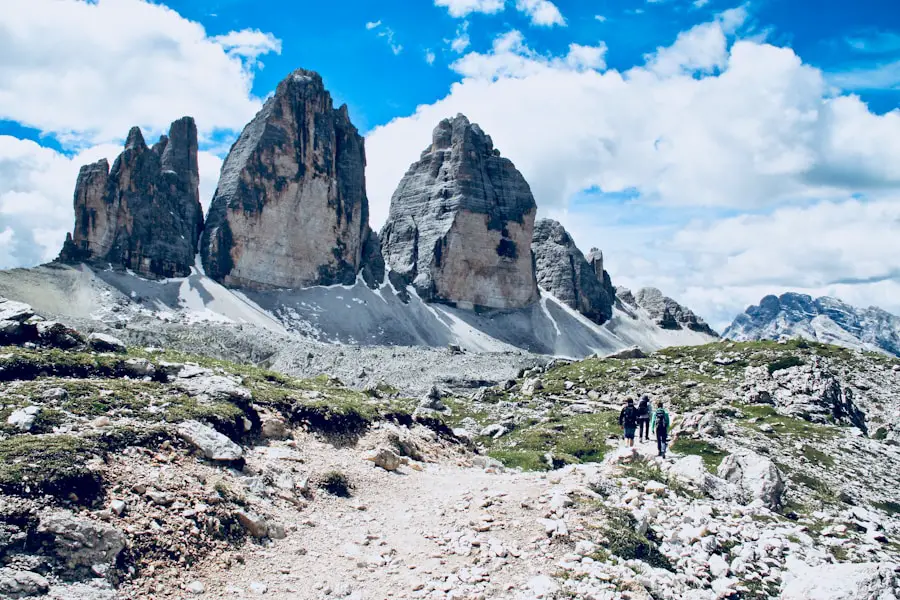
Hiking in the Dolomites can mean anything from an easy valley walk to a steep, rocky mountain route above 2,000 meters. What you wear should match the trail, season, forecast, and conditions underfoot. For most day hikes, the safest approach is grippy footwear, moisture-managing clothing, an insulating layer, a waterproof shell, sun protection, and enough emergency gear to handle an unexpected delay.
Quick Answer
Wear grippy hiking shoes or boots, moisture-wicking socks and clothing, a light insulating layer, and a waterproof windproof shell when hiking in the Dolomites. Also carry sun protection, water, food, navigation, a headlamp, and emergency layers. Choose sturdier footwear and additional equipment for rocky, snowy, exposed, or technical routes.
Key Takeaways
- Choose footwear for the actual trail: grippy hiking shoes can work on maintained paths, while rough, wet, snowy, or highly technical terrain may justify a stiffer hiking boot.
- Use a three-part clothing system: moisture-managing base clothing, an insulating layer, and a waterproof windproof shell.
- Carry extra warmth and rain protection even when the valley weather looks pleasant.
- Bring water, food, navigation, a first-aid kit, headlamp, sun protection, and emergency insulation on a day hike.
- Check the mountain forecast and current trail conditions before leaving, especially in early summer, autumn, and winter.
- A via ferrata is not an ordinary hike and requires dedicated climbing-safety equipment and the skills to use it.
Disclosure: As an Amazon Associate I earn from qualifying purchases. Some links on this page are affiliate links, at no extra cost to you.
Best Footwear for Hiking in the Dolomites
Footwear is one of the most important choices for a Dolomites hike because trails range from smooth forest paths to loose scree, exposed rock, mud, and lingering snow. Instead of choosing footwear by brand alone, start with the terrain and route difficulty.
For maintained, non-technical trails in dry summer conditions, a well-fitted hiking shoe or supportive trail shoe with a grippy lugged outsole can be comfortable and light. For rougher trails, long descents, loose rock, cold or wet conditions, or routes where you want more underfoot protection, a hiking boot with a more supportive sole can be the better choice.
Waterproof footwear is useful when the forecast includes prolonged rain, when trails are muddy, or when snow is likely. In hot and mostly dry weather, however, a breathable non-waterproof shoe may feel cooler and dry faster after perspiration. Waterproofing should therefore be treated as a condition-specific feature rather than a universal requirement.
Brands such as Salomon, Merrell, and Lowa produce footwear designed for mountain use, including waterproof models, but fit matters more than the logo. Your heel should remain secure without painful pressure, your toes should have room during descents, and the shoe should not pinch across the forefoot.
Pro Tip: Test hiking footwear on hills and stairs before your trip, wearing the same socks you plan to use in the Dolomites. Long descents often reveal heel movement or toe pressure that is not obvious when walking around a shop.
Technical mountain routes may demand more than ordinary hiking footwear. The Italian Alpine Club classifies hiking routes by difficulty, and official Dolomites listings distinguish easy routes from trails intended for experienced hikers. Match your shoes, equipment, skills, and route choice rather than assuming every marked Dolomites trail is a simple walk. See the Italian Alpine Club hiking difficulty classifications for additional context.
Layering for Changing Weather in the Dolomites
Mountain weather can change quickly, and temperatures generally become cooler as you climb. A simple layering system makes it easier to add or remove clothing without carrying one bulky jacket.
Base layer
Wear a synthetic or merino-wool shirt that moves perspiration away from your skin and dries reasonably quickly. A lightweight long-sleeve sun shirt can be useful on exposed trails. Heavy cotton clothing is less practical when cold or wet conditions are possible because it can remain damp for a long time.
Insulating layer
Carry a light fleece, synthetic insulated jacket, or packable down layer appropriate to the forecast. You may not need to wear it while climbing, but it can become valuable during windy stops, at a high pass, or if you have to wait because of an injury or route problem.
Outer shell
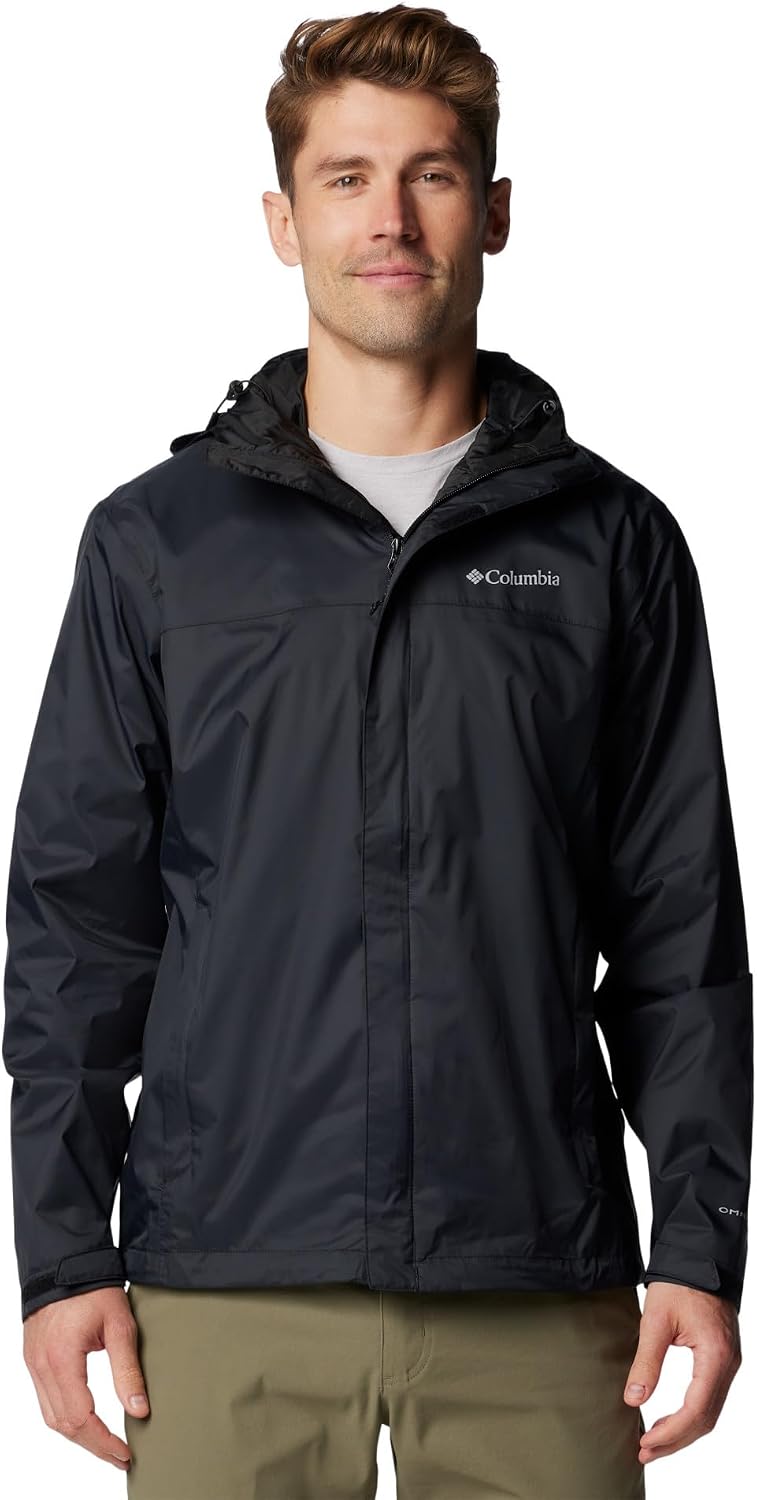
A waterproof, wind-resistant shell belongs in the pack on mountain hikes where rain or rapidly changing weather is possible. Ventilation features can make the jacket more comfortable during strenuous climbs.
The Italian Alpine Club’s mountain-safety guidance also emphasizes layered clothing, weather protection, appropriate equipment, and checking the forecast before setting out.
The Importance of Breathable and Moisture-Wicking Clothing
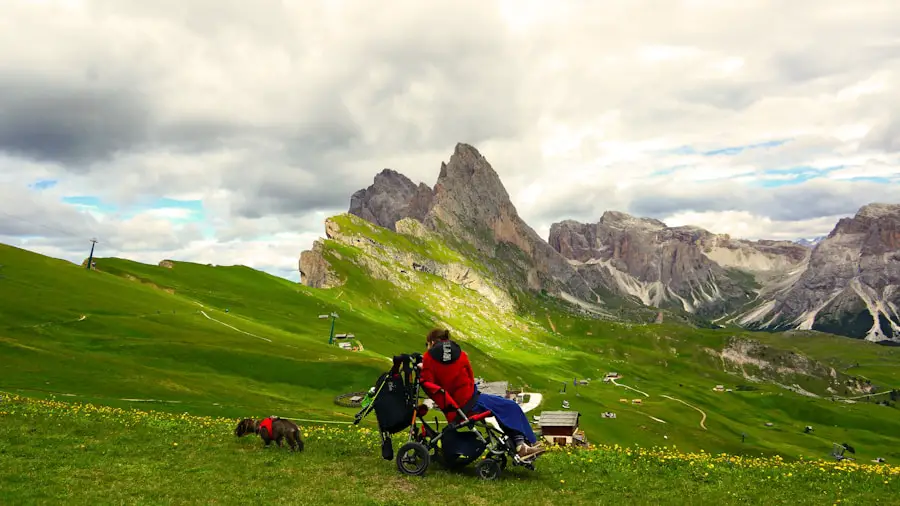
Breathable hiking clothing helps manage sweat while you climb and makes it easier to stay comfortable when your effort level changes. Polyester, nylon, and merino-wool garments are common choices because they can manage moisture better than heavy everyday clothing.
Merino wool is useful for base layers and socks because it can remain comfortable across a wide range of temperatures. Synthetic fabrics usually dry quickly and can be especially useful on warm or high-output hikes.
For your legs, lightweight hiking pants provide abrasion and sun protection without the weight of jeans. Shorts can be comfortable on easy summer trails, but long pants offer more protection from sun, vegetation, cold wind, and rough rock.
Hiking socks should fit without wrinkles and should not bunch inside the shoe. Merino-wool and synthetic blends are both practical options. Carrying a spare dry pair is worthwhile on wet routes or long days.
What to Pack for a Day Hike in the Dolomites
Day-Hike Essentials at a Glance
| Backpack | 1 comfortable daypack sized for your layers, food, water, and safety equipment |
| Water | Enough for the route, weather, exertion, and dependable refill points |
| Snacks | Trail mix, energy bars, fruit, sandwiches, or other compact food plus a small reserve |
| Map / Navigation | Paper map where appropriate plus an offline digital map or GPS device |
| Compass | 1, with the knowledge to use it when relevant to the route |
| Sunscreen | Broad-spectrum SPF 30 or higher |
| Sunglasses | UV400 or 100% UV protection |
| First-Aid Kit | Compact kit appropriate to the group and trip |
| Rain Jacket | 1 waterproof, wind-resistant shell |
| Extra Clothing | Insulating layer plus season-appropriate hat and gloves |
| Whistle | 1 |
| Multi-Tool or Knife | 1 compact tool if useful for your trip |
| Headlamp | 1, even when you expect to finish before dark |
| Emergency Insulation | Emergency blanket or compact bivy |
| Phone / Power | Charged phone; power bank for long or remote routes |
Pack enough water for your actual itinerary instead of relying on a universal number. Consider hiking time, temperature, exposure to sun, elevation gain, your normal consumption, and whether reliable potable refill points are operating.
Do not assume that clear alpine streams are safe to drink. The U.S. Centers for Disease Control and Prevention notes that mountain water can contain disease-causing organisms even when it looks clean. If the safety of a natural source is uncertain, boiling is the most reliable treatment; when boiling is impractical, the CDC recommends choosing treatment methods carefully and notes that filtering followed by disinfection offers broader protection than many filters or chemical products used alone. See the CDC backcountry water-treatment guidance.
Bring food that is easy to eat on the move, such as sandwiches, wraps, fruit, nuts, trail mix, or energy bars. A little extra food is sensible in case the route takes longer than planned.
Download your map for offline use before leaving mobile coverage. For longer or more isolated hikes, tell someone where you are going, your intended route, and when you expect to return.
Sun Protection and Sunglasses for High-Altitude Hiking
UV exposure becomes more significant at higher elevations because there is less atmosphere above you to absorb ultraviolet radiation. Snow, water, and other bright surfaces can add reflected exposure. That makes sun protection important even when temperatures feel cool.
Higher elevation can increase UV exposure, while snow and other reflective surfaces can increase the amount of UV reaching your skin and eyes.
Use broad-spectrum sunscreen with SPF 30 or higher on exposed skin and reapply according to the label, particularly after heavy sweating. Pay attention to the nose, ears, lips, neck, hands, and other easily missed areas.
For your eyes, choose sunglasses labeled UV400 or 100% UV protection. Polarized lenses can reduce glare, which is useful around snow and water, but polarization is not a substitute for verified UV protection. The FDA’s sun and sunglasses guidance recommends UV400 or 100% UV-protective sunglasses.
A brimmed hat or cap and a lightweight long-sleeve shirt add useful coverage, particularly on exposed routes with little shade.
What to Wear in Different Dolomites Seasons
Summer
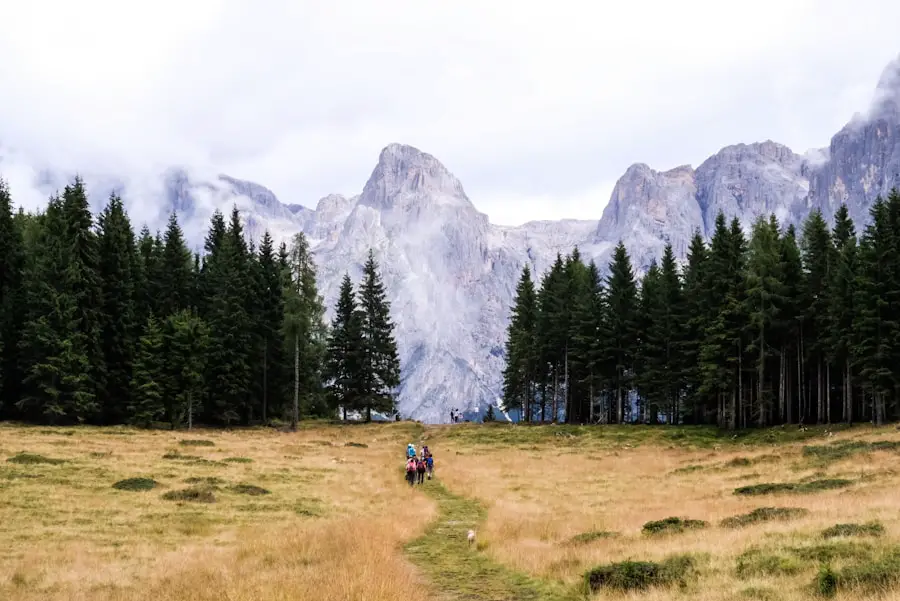
Summer is the main hiking season for many high routes, but that does not guarantee stable weather. Wear light hiking clothing and carry a fleece or other insulating layer plus a waterproof shell. A sun hat, sunscreen, sunglasses, and sufficient water are especially important on exposed terrain.
Check an official mountain forecast on the morning of your hike and again if conditions are changing. The South Tyrol provincial mountain-weather service is one official source for the South Tyrol part of the Dolomites; use the appropriate regional forecast for the area in which you are hiking.
Note: A sunny valley forecast does not guarantee suitable conditions at a high pass or summit. Check the mountain forecast, route status, remaining snow, wind, and expected precipitation for the elevation you plan to reach.
Spring and Early Summer
Spring can bring mud, rain, cold mornings, and lingering snow higher on the mountain. Even at the beginning of the summer season, official South Tyrol route information warns that some high sections may remain snow-covered depending on conditions.
Water-resistant or waterproof footwear becomes more useful in these conditions, but snow travel may require traction equipment and skills beyond ordinary hiking. Ask a local tourism office, refuge, mountain guide, or other reliable local source about current route conditions when snow is still present.
Autumn
Autumn can bring beautiful hiking conditions, but daylight becomes shorter and temperatures can drop quickly after the sun disappears. Pack warmer insulation, gloves, and a warm hat when the forecast warrants them, and start with a realistic turnaround time.
Winter
Winter hiking should be treated as a different activity from summer trail walking. Some routes are maintained winter paths, while others enter uncontrolled snow-covered terrain. Snowshoes, simple traction devices, mountaineering crampons, ice axes, and avalanche-rescue equipment serve different purposes and should not be treated as interchangeable.
Warning: Do not enter avalanche terrain simply because you own snowshoes, spikes, or an avalanche beacon. Check the official bulletin for the region, choose terrain that matches your training, and use a qualified mountain guide when conditions or route demands exceed your experience. For Veneto, consult the ARPAV snow and avalanche bulletin; South Tyrol and Trentino are also covered by the regional Euregio Avalanche Report.
Useful Accessories for Dolomites Hiking
Trekking poles can improve stability on loose ground and make long climbs and descents more comfortable. They are particularly useful when carrying a pack or crossing uneven terrain, although they do not replace careful foot placement.
A hydration bladder provides hands-free access to water, while ordinary bottles make it easier to see exactly how much water remains. Either system works if it encourages you to drink regularly and lets you monitor your supply.
A smartphone can provide offline navigation, photography, and communication, but it should not be your only safety plan. Battery life drops with heavy navigation and camera use, so a compact power bank can be worthwhile on longer hikes.
A lightweight camera is optional, while a headlamp should be considered basic safety equipment. Delays caused by route-finding problems, weather, crowds, injury, or slower-than-expected progress can turn a daytime hike into an evening return.
Safety Gear and Emergency Essentials
Your daypack should contain enough equipment to manage minor problems and remain warm while waiting for help. A first-aid kit, whistle, headlamp, emergency blanket or bivy, extra insulation, navigation, charged phone, water, and reserve food offer more practical value on most day hikes than carrying heavy survival equipment.
A multi-tool or knife can help with simple gear repairs or food preparation. A fire starter should not be treated as a universal Dolomites hiking essential: local fire restrictions and environmental rules must be respected, and shelter, insulation, communication, and an early emergency call are normally more important if you become stranded.
If a serious accident occurs in Italy, call 112, the European emergency number. It is available free of charge throughout the EU. Give the operator your location as accurately as possible, explain that the incident is in the mountains, describe the injuries, state how many people are involved, and follow the operator’s instructions. See the European Commission’s 112 information.
Do not depend on mobile reception being available everywhere. Save offline maps, keep your battery protected, stay on the planned route when practical, and make sure someone outside your group knows your itinerary.
Via Ferrata Requires Different Equipment
Warning: A via ferrata is not an ordinary hiking trail. Standard hiking clothing and boots are not sufficient protection for the fixed cables, ladders, exposure, and fall potential found on these routes.
Standard via ferrata equipment includes a climbing helmet, properly fitted climbing harness, and a purpose-built energy-absorbing via ferrata lanyard/set. The equipment must be compatible with the user and used correctly. The German Alpine Club identifies the helmet, harness, and via ferrata set as basic equipment, while current UIAA standards cover energy-absorbing systems designed specifically for via ferrata use.
Beginners should learn correct clipping technique and route procedures from a qualified instructor or mountain guide rather than attempting to improvise with ordinary slings or hiking equipment. See the German Alpine Club via ferrata equipment guidance.
Check Conditions Before You Leave
Equipment is only part of safe Dolomites hiking. Before setting out, confirm the route difficulty, elevation gain, expected hiking time, current trail conditions, weather forecast, remaining snow, and your turnaround time. Check whether any lift or refuge you plan to rely on is actually operating.
The Italian Alpine Club recommends selecting routes according to your physical and technical ability, carrying suitable clothing and emergency equipment, checking the weather, and turning back when conditions or difficulty exceed your abilities.
If you are planning travel in other climates as well, seasonal conditions can change packing decisions dramatically. This separate best time to travel to Hawaii seasonal guide provides another example of how destination and season affect what travelers should prepare for.
Frequently Asked Questions
What should I wear for hiking in the Dolomites?
For a typical non-technical day hike, wear grippy hiking footwear, moisture-wicking socks, lightweight hiking pants or shorts, and a synthetic or merino top. Carry an insulating layer, waterproof wind-resistant shell, hat, sunglasses, and season-appropriate gloves. Adjust the system to the route, elevation, forecast, and current conditions.
What type of footwear is best for hiking in the Dolomites?
There is no single best shoe for every Dolomites trail. Hiking shoes or supportive trail shoes can work well on maintained dry trails, while rough rock, loose terrain, wet weather, snow, or heavier loads may favor a more protective hiking boot with a supportive sole and good traction.
Do I need waterproof hiking boots in the Dolomites?
Not for every route. Waterproof footwear is useful in prolonged rain, mud, wet grass, cold conditions, and some snow. In warm, mostly dry summer weather, breathable hiking shoes can be more comfortable. Choose according to the forecast and terrain rather than assuming waterproof boots are always required.
What should I consider when choosing hiking socks for the Dolomites?
Choose socks that fit smoothly inside your footwear, manage moisture, and provide enough cushioning for your shoes and route. Merino-wool and synthetic blends are common choices. Test the combination before your trip and consider carrying a spare dry pair on long or wet hikes.
Are there specific clothing items I should bring for hiking in the Dolomites?
Bring a moisture-managing shirt, hiking pants or shorts, insulating layer, waterproof shell, sun hat, UV-protective sunglasses, and appropriate socks. A warm hat and gloves can also be useful at higher elevations or in cool seasons even when the valley feels mild.
What should I consider when choosing a backpack for hiking in the Dolomites?
Choose a comfortable daypack that can carry your water, food, rain shell, insulating layer, first-aid kit, navigation, sun protection, headlamp, and emergency equipment without being overstuffed. Adjustable shoulder and sternum straps help stabilize the load, and a hip belt can improve comfort with heavier day-hike loads.
Do I need special equipment for a via ferrata in the Dolomites?
Yes. A via ferrata requires equipment beyond an ordinary hiking kit, including a climbing helmet, harness, and purpose-built energy-absorbing via ferrata set. You also need to know how to use the equipment correctly. Beginners should consider instruction or a qualified mountain guide.
Sources
- Club Alpino Italiano — Mountain Safety and Hiking Guidance — clothing, equipment, weather checks, and safe trip planning.
- Autonomous Province of Bolzano — Mountain Weather — official mountain forecasts for South Tyrol.
- U.S. Food and Drug Administration — Sun and Sunglasses Safety — sunscreen, UV exposure, and UV-protective sunglasses.
- Centers for Disease Control and Prevention — Backcountry Water Treatment — safe treatment of uncertain natural water sources.
- European Commission — 112 Emergency Number — European emergency-call information.
- German Alpine Club — Via Ferrata Equipment — helmet, harness, and energy-absorbing via ferrata equipment.