
Last Updated on July 27, 2026 by Daniel Globe
Hiking boots are built for rough ground, long walks, changing weather, and the extra protection that outdoor travel can demand. That does not mean they have to stay in the closet between hikes. A comfortable pair can also work for commuting, outdoor jobs, travel, errands, and other everyday activities, provided the boots fit correctly and suit the surfaces you walk on most.
Quick Answer
Yes, you can wear hiking boots every day if they fit well and feel comfortable for your normal activities. Lightweight hiking boots are usually easier to live with than stiff backpacking or mountaineering boots. For long hours on pavement or in hot weather, a lighter, more breathable walking or hiking shoe may be more comfortable.
Key Takeaways
- Hiking boots can be good everyday footwear when their fit, weight, flexibility, and breathability match your routine.
- Light day-hiking boots are generally easier to wear daily than stiff backpacking or mountaineering boots.
- A high boot collar can provide a supportive feel, but hiking boots do not guarantee protection from ankle sprains.
- Waterproof boots are useful in wet conditions but can feel warmer than highly ventilated footwear.
- Regular cleaning, proper drying, and rotating heavily used footwear can help keep boots comfortable and usable longer.
Disclosure: As an Amazon Associate I earn from qualifying purchases. Some links on this page are affiliate links, at no extra cost to you.
What Makes Hiking Boots Different?
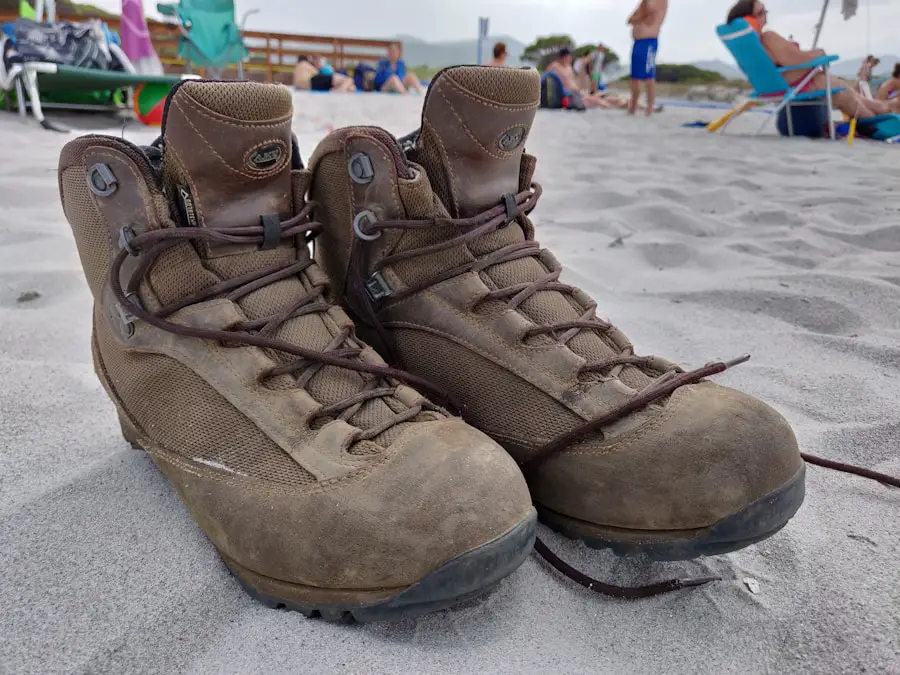
Hiking boots are designed to handle surfaces and conditions that ordinary casual shoes may not handle as well. Compared with many everyday sneakers, they often use tougher uppers, more protective toe areas, deeper outsole tread, firmer midsoles, and higher collars.
The exact design varies widely. A flexible day-hiking boot can feel close to an athletic shoe, while a heavy backpacking boot may be noticeably stiffer. Mountaineering boots are more specialized again and are generally excessive for normal daily walking.
According to REI’s current hiking-footwear guide, lighter hiking shoes and day-hiking boots work well for easier terrain, while backpacking and mountaineering boots add structure and durability for more demanding conditions and heavier loads.
Can You Wear Hiking Boots Every Day?
For many people, yes. The important question is not simply whether the footwear is labeled a hiking boot. It is whether that particular boot works for the way you spend your day.
A lightweight, flexible hiking boot can be practical if you walk on mixed surfaces, work outdoors, spend time in wet conditions, commute on foot, or regularly move between sidewalks and trails. A heavy leather backpacking boot may still be comfortable for some people, but its extra weight and stiffness can feel unnecessary during a full day on smooth pavement.
The National Park Service similarly distinguishes between sturdy hiking footwear for dirt and gravel trails and ordinary athletic footwear for paved urban paths. The best daily choice therefore depends heavily on where you actually walk.
The best everyday hiking boot is not necessarily the toughest one. It is the boot that fits your foot, matches your daily surfaces, and remains comfortable after hours of wear.
Everyday Wear at a Glance
| Factor | What It Means for Everyday Wear |
| Fit | Most important factor. Toes should not be cramped, the heel should feel secure, and there should be no painful pressure points. |
| Weight | Lighter boots usually feel less tiring during long days on pavement or indoors. |
| Flexibility | Moderately flexible boots generally feel more natural for ordinary walking than very stiff backpacking or mountaineering footwear. |
| Breathability | Important for warm weather and indoor use. Waterproof membranes may feel warmer than highly ventilated mesh footwear. |
| Outsole | Deep trail lugs are useful off-road but may be unnecessary for mostly smooth pavement and can wear as miles accumulate. |
| Waterproofing | Helpful for rain, mud, wet grass, and slush. In dry or hot conditions, a non-waterproof model may feel cooler. |
Comfort and Support
Comfort matters more for everyday use than almost any technical feature. Boots that feel acceptable for a one-hour walk may reveal pressure points after a full day of standing or commuting.
A properly fitted boot should feel secure without crushing the foot. American Academy of Orthopaedic Surgeons guidance emphasizes choosing footwear that matches the shape of the foot and the activities you perform. Shoes that are too tight, too loose, or poorly suited to the activity can contribute to discomfort and foot problems.
Everyday Fit Checklist
- Toe room: Your toes should be able to move without being pinched against the sides or front.
- Heel security: The heel should remain reasonably secure instead of repeatedly sliding and rubbing.
- Width: Do not compensate for a boot that is too narrow simply by buying an excessively long size.
- Socks: Try the boots with the same thickness of socks you expect to wear regularly.
- Pressure points: Persistent pinching, numbness, burning, or rubbing is a fit problem, not something you should simply tolerate.
Pro Tip: Try hiking boots later in the day, when feet may be slightly larger, and walk on both level ground and an incline if the store provides one. Wear the socks and insoles you plan to use regularly.
Hiking boots may also provide a firmer platform and a higher collar than ordinary walking shoes. That can make them feel stable on broken ground, especially when carrying gear. However, a tall boot should not be treated as a guarantee against ankle injury or as a substitute for medical bracing when that is needed.
Durability and Longevity
Durability is one reason people consider using hiking boots every day. Hiking footwear is commonly built to tolerate abrasion, dirt, rough surfaces, and changing weather better than lightweight casual shoes.
Material matters. Full-grain leather is generally durable and abrasion-resistant but tends to be heavier and less breathable. Synthetic uppers such as nylon and polyester can be lighter, dry more quickly, and require less break-in, although construction and material quality still determine how long an individual boot lasts. These tradeoffs are outlined in REI’s hiking boot guide.
The outsole also affects durability and traction. Rather than assuming every sole from one manufacturer behaves the same, look at the actual rubber compound and tread pattern. For example, Vibram Megagrip is specifically designed as an outdoor compound for traction on wet and dry terrain.
Daily use still consumes the boot’s useful life. Pavement miles can gradually wear trail lugs, while repeated flexing, moisture, heat, and dirt affect the upper, midsole, adhesives, and lining. A rugged boot may last a long time, but no boot is immune to wear.
Style and Fashion
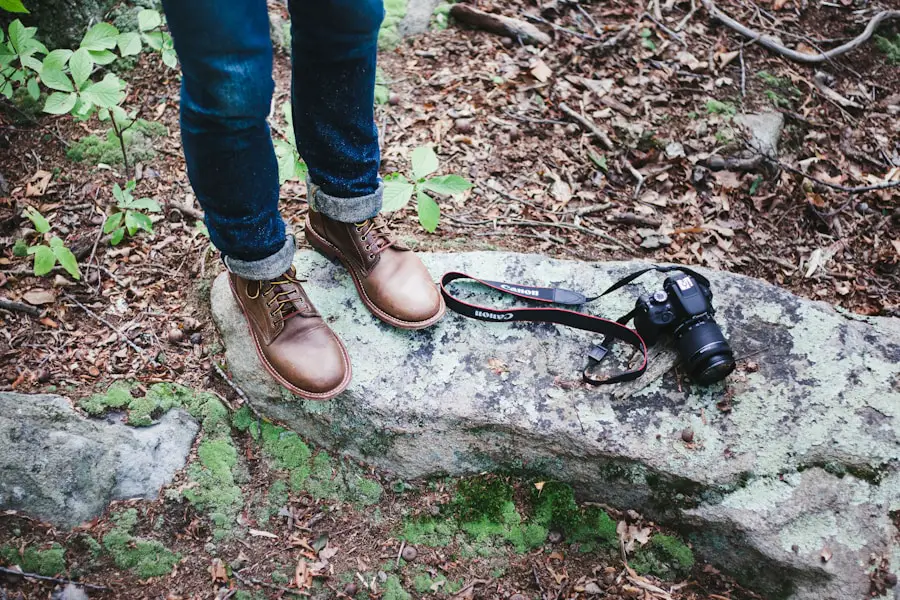
Modern hiking boots range from traditional full-leather designs to athletic-looking trail models. That variety makes everyday wear much easier than it once was. A low-profile or lightweight hiking boot can pair naturally with jeans and casual clothing, while a large backpacking or mountaineering boot tends to look more technical.
Style should remain secondary to fit and function. If the boots look good but become hot, stiff, or uncomfortable during your normal routine, they are not a good everyday choice. Conversely, someone who works outdoors or regularly walks on poor surfaces may find that a rugged appearance is a small tradeoff for useful protection and grip.
Versatility and Functionality
Hiking boots can be useful well beyond formal hiking trails. Depending on the model, they may work for dog walking, travel, yard work, outdoor jobs, wet-weather commuting, camping, festivals, sightseeing, and mixed urban-and-trail days.
Waterproof models add another layer of versatility. Genuine GORE-TEX footwear, for example, is designed to provide waterproof protection while allowing water vapor to escape. The tradeoff is that waterproof footwear often feels less ventilated than an open-mesh non-waterproof shoe, especially during hot weather.
Some hiking boots also accept removable insoles or orthotics, allowing the fit to be adjusted for an individual foot. Always make sure that an added insole does not reduce toe-box volume so much that the foot becomes cramped.
If your hiking boots also serve as camping footwear, remember that footwear is only one part of a practical outdoor setup. Appropriate lighting is also useful after dark, such as the solar-powered camping lanterns discussed elsewhere on the site.
When Hiking Boots Are a Good Everyday Choice
Daily hiking-boot use tends to make the most sense when your routine includes conditions where their extra structure or protection is useful.
- You regularly walk on gravel, dirt, uneven sidewalks, construction areas, or trails.
- You work outdoors and need durable footwear without specialized workplace safety requirements.
- You live in an area with frequent rain, mud, snow, or slush and use an appropriate weather-resistant boot.
- Your commute combines sidewalks with unpaved paths.
- You prefer a firmer, more protective shoe and remain comfortable in it for a full day.
- You want one casual pair that can move between errands, travel, light hiking, and outdoor recreation.
When Another Shoe May Be Better
Hiking boots are not automatically the healthiest or most comfortable option simply because they are supportive. Footwear should match the activity.
A walking shoe, running shoe, or lightweight hiking shoe may be more comfortable when most of your day involves smooth pavement, indoor floors, or long-distance city walking. Lighter footwear generally allows easier flexion and can reduce the feeling of carrying unnecessary weight.
Cleveland Clinic walking-footwear guidance recommends considering cushioning, support, material, and the type of walking you actually do rather than using one shoe design for every situation.
You may want an alternative to heavy hiking boots when:
- you spend nearly all day on smooth indoor floors or pavement;
- your boots feel noticeably heavy by the end of the day;
- your feet become excessively hot or sweaty;
- the stiff sole interferes with comfortable natural walking;
- your workplace requires formal footwear;
- the aggressive outsole is unnecessary for your normal surfaces.
Breaking In Hiking Boots for Everyday Wear
Not every hiking boot needs a long break-in period. Lightweight synthetic models may feel comfortable almost immediately, while burly leather boots may gradually soften with use.
According to REI’s hiking-boot break-in guidance, the safest approach is gradual: first wear the boots around the house, then on short walks, then increase distance and load only if they remain comfortable.
Warning: Break-in can soften stiffness, but it should not be used to justify a boot that is clearly the wrong size or shape. Stop if you develop persistent pain, numbness, severe rubbing, or repeated blisters.
A boot that squeezes the toes, creates strong pressure on one area, or lets the heel slide excessively is more likely a fit problem than a break-in problem.
Maintenance and Care
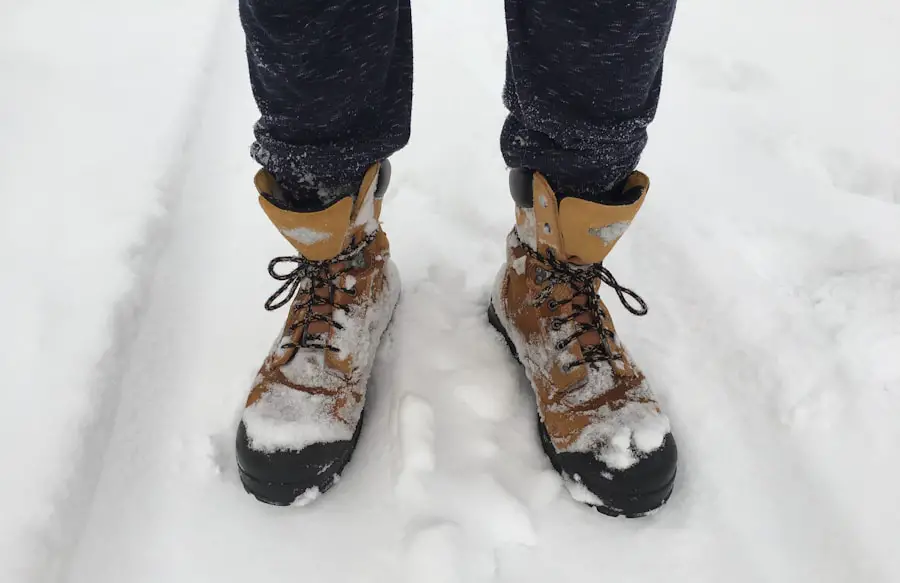
Daily wear exposes boots to more dirt, sweat, pavement, and moisture than occasional hiking. Regular care therefore becomes even more important. Good maintenance will not make boots last forever, but it can prevent avoidable deterioration.
Cleaning and Removing Dirt
Brush away loose dirt and mud before it becomes packed into seams and creases. For deeper cleaning, remove the laces and use water with a cleaner that is approved for the boot’s materials.
REI’s hiking-boot care guidance recommends using a brush for dirt, following product-specific cleaner instructions, and avoiding a washing machine. After cleaning, rinse away cleaner residue as directed.
Caring for Leather Boots
Full-grain leather may need an appropriate conditioner when the leather becomes dry. Do not assume that one leather treatment is suitable for every boot. Suede, nubuck, fabric panels, waterproof membranes, and factory finishes can have different care requirements.
Check the manufacturer’s care instructions before applying waxes, conditioners, oils, or waterproofing products. Over-conditioning some leather can soften the boot more than intended.
Inspection and Storage
Inspect the outsole, seams, upper, laces, lining, and bonding areas periodically. Worn tread, separating soles, torn fabric, cracking leather, or a boot that has lost its supportive feel can signal that repair or replacement is approaching.
Remove wet insoles when appropriate and let boots air-dry at normal room temperature. Avoid radiators, campfires, hair dryers, or other strong heat sources because excessive heat can damage leather and weaken footwear adhesives.
Store dry boots in a ventilated area away from prolonged heat and direct sunlight.
Note: If you wear boots heavily every day, alternating between two suitable pairs can give each pair time to air out and dry between uses. This can also make it easier to notice when one pair has become worn or uncomfortable.
Potential Drawbacks
Hiking boots have advantages, but daily use also exposes their compromises.
Extra Weight
Some hiking and backpacking boots are considerably heavier than walking shoes or sneakers. That extra weight may not matter on rough ground where their protection is useful, but it can feel unnecessary during a long day on smooth surfaces.
Stiffness
Stiff midsoles and uppers help certain boots handle rugged terrain and heavier loads. The same stiffness can make ordinary walking feel less natural, particularly if the boot was designed for backpacking or mountaineering rather than casual hiking.
Heat and Moisture
Waterproof membranes and thick leather can reduce ventilation compared with lightweight mesh footwear. People in warm climates may prefer a breathable non-waterproof boot or hiking shoe for everyday use.
Tread Wear
Aggressive trail tread is designed for outdoor surfaces. Frequent pavement use gradually wears the outsole just as hiking mileage does, and deep lugs may offer little practical advantage inside offices, stores, or other smooth environments.
Break-In Requirements
Traditional leather hiking boots may need gradual wear before they reach their most comfortable flex. Modern lightweight models often need far less break-in, so do not assume discomfort is unavoidable.
How to Tell When Hiking Boots Are No Longer Good for Daily Wear
Boot life cannot be reduced to one universal number because construction, body weight, walking style, terrain, weather, and maintenance all affect wear. Inspect the actual boot instead.
Consider repair or replacement when you notice:
- outsole tread worn smooth in important contact areas;
- uneven wear that makes the boot feel unstable;
- midsole cushioning that feels permanently flattened or harsh;
- cracks, tears, or holes in the upper;
- sole separation or failing adhesive;
- persistent leakage in footwear that previously kept water out;
- new heel slip or loss of structure;
- pain or pressure that was not present when the boots were in better condition.
Health and Safety Considerations
A supportive-looking boot is not automatically a good fit for every foot. The American Academy of Orthopaedic Surgeons recommends selecting footwear based on fit, foot shape, and activity rather than appearance alone.
Do not assume that a higher collar guarantees protection from ankle sprains. Hiking boots can provide structure and may feel more stable on rough ground, but ankle injuries are influenced by terrain, previous injuries, strength, balance, fatigue, and other factors.
Warning: Persistent foot or ankle pain, numbness, recurrent blisters, skin breakdown, or difficulty walking normally deserves professional evaluation rather than simply changing lacing or trying to “break in” the problem.
Frequently Asked Questions
What are hiking boots?
Hiking boots are outdoor footwear designed for walking on trails and uneven terrain. Depending on the model, they may use durable uppers, protective toe areas, firmer midsoles, deeper tread, higher collars, and waterproof or water-resistant materials.
Can you wear hiking boots every day?
Yes. Hiking boots can be worn every day when they fit properly and remain comfortable for your routine. Lightweight day-hiking boots are generally easier to use daily than heavy backpacking or mountaineering boots.
Are hiking boots suitable for everyday use?
They can be, especially for outdoor work, wet weather, mixed pavement-and-trail walking, travel, and people who prefer sturdy footwear. For long days entirely on smooth pavement, a lighter walking shoe or hiking shoe may feel more comfortable.
What should you consider when wearing hiking boots every day?
Focus on fit, weight, flexibility, breathability, cushioning, weather protection, outsole design, and the surfaces you walk on most. A boot that is excellent on rocky trails may be unnecessarily stiff or hot for an office commute.
Are hiking boots comfortable for walking on pavement?
Lightweight, flexible hiking boots can be comfortable on pavement. Heavy backpacking boots may feel stiff and cumbersome, while deep trail lugs provide little extra benefit on smooth surfaces. A hiking shoe or walking shoe may be preferable when pavement makes up nearly all of your walking.
Should everyday hiking boots be waterproof?
Waterproofing is useful if you regularly encounter rain, wet grass, mud, or slush. In dry or hot weather, a non-waterproof boot can provide better airflow and may feel cooler during extended wear.
Do hiking boots need to be broken in before daily use?
Some do. Lightweight models may require very little break-in, while stiff leather boots can soften gradually. Increase wear time slowly, but do not expect break-in to fix a boot that is too narrow, too short, or painful.
Is it better to rotate hiking boots instead of wearing one pair every day?
For heavy daily use, rotating between two comfortable pairs can be useful because each pair has more time to air out and dry. Rotation also prevents you from being left without suitable footwear when one pair becomes wet or needs cleaning.
Sources
- REI — How to Choose Hiking Boots and Hiking Shoes — boot types, materials, terrain, fit, weight, breathability, and everyday-wear tradeoffs.
- REI — How to Clean Hiking Boots — cleaning, drying, storage, and material care.
- U.S. National Park Service — Hike Smart — choosing footwear appropriate for trails and paved walking.
- American Academy of Orthopaedic Surgeons — Shoes: Finding the Right Fit — shoe fit, toe room, support, and activity-appropriate footwear.
- Cleveland Clinic — How To Find the Best Walking Shoes — cushioning, breathability, support, walking use, and footwear rotation.
- GORE-TEX — Footwear Technology — waterproof and breathable footwear technology.

