
Last Updated on July 27, 2026 by Daniel Globe
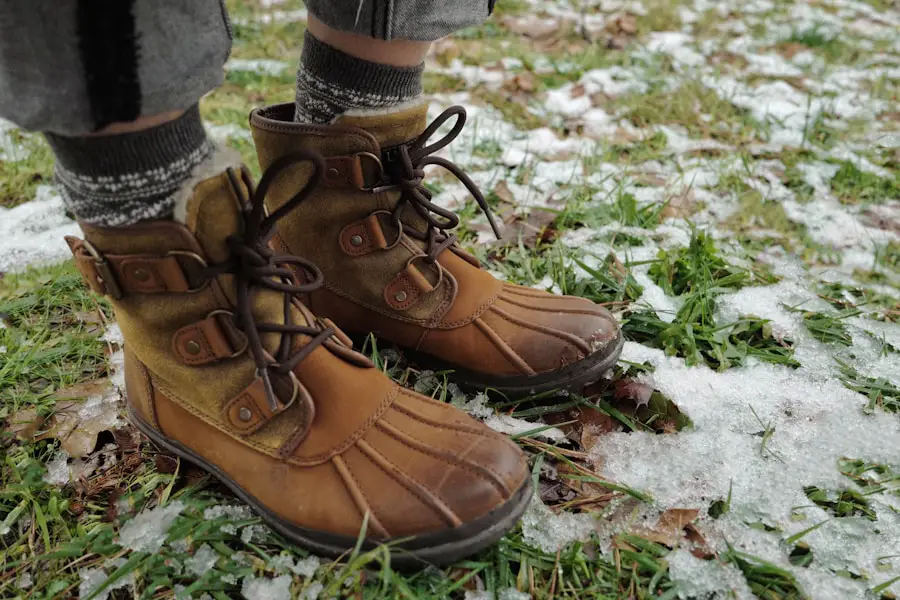
Hiking boots can work for mountain biking in some situations, especially if you already own a pair and ride with flat platform pedals. They offer foot protection, durable uppers, and useful grip when you have to get off the bike and walk. However, a hiking outsole is designed primarily to grip dirt and rock, not to lock onto bicycle pedal pins.
Quick Answer
Yes, you can wear hiking boots for mountain biking on flat pedals, particularly for short or casual rides. Choose boots with a secure fit, moderate sole stiffness, good pedal contact, and securely tucked laces. For technical trails, frequent riding, or clipless pedals, purpose-built mountain biking shoes are usually the safer and better-performing choice.
Key Takeaways
- Hiking boots can work with flat mountain bike pedals, but ordinary hiking boots are not substitutes for clipless MTB shoes.
- Purpose-built flat-pedal shoes use outsole shapes and rubber compounds designed to grip pedal platforms and pins.
- Deep hiking lugs, bulky soles, excess weight, or slippery rubber can reduce pedal feel and make foot repositioning harder.
- Tie and tuck conventional boot laces so they cannot reach the chain, chainring, crank, or pedal.
- Do not cut the boot collar, drill the sole, glue on improvised rubber, or install cleats in footwear that was not designed for them.
Disclosure: As an Amazon Associate I earn from qualifying purchases. Some links on this page are affiliate links, at no extra cost to you.
Differences Between Hiking Boots and Mountain Biking Shoes
Hiking boots and mountain biking shoes solve different problems. Hiking boots are designed primarily for walking over uneven ground. Their tread patterns help grip dirt, mud, rock, and loose surfaces, while their uppers emphasize durability and foot protection. Higher-cut models also provide more coverage around the ankle.
Some hiking boots use waterproof membranes, while others prioritize ventilation. Insulation is mainly associated with winter or cold-weather footwear rather than hiking boots as a whole. The REI hiking-footwear guide shows how hiking shoes and boots vary considerably in weight, flexibility, waterproofing, and intended terrain.
Mountain biking footwear is designed around the connection between the rider and the pedal. According to REI’s cycling-shoe guidance, mountain bikers can choose between two main systems: flat-pedal shoes and clipless shoes.
- Flat-pedal MTB shoes have broad rubber outsoles that sit directly on platform pedals. Their rubber and tread patterns are designed to interact with pedal pins.
- Clipless MTB shoes accept compatible cleats that mechanically engage with clipless pedals. Mountain bike cleats are commonly recessed to make walking easier than with many road-cycling shoes.
Cycling footwear also tends to provide more underfoot support for the repetitive load of pedaling. A relatively supportive or stiff sole can improve power transfer; stiffness itself is not the disadvantage originally suggested. What matters is whether the sole gives you useful pedal contact, stability, comfort, and enough feel to control the bike.
Pedal Compatibility Comes First
Before deciding whether to use hiking boots for mountain biking, identify your pedal system.
Flat or Platform Pedals
Flat pedals do not require a cleat, so hiking boots can physically be used with them. However, compatibility varies widely. Modern mountain bike flats often use a broad platform and metal pins that press into the shoe outsole. Shimano’s flat-pedal design guidance emphasizes a wide shoe-to-pedal interface, platform shape, and traction pins as important parts of grip and control.
A relatively flat section of rubber under the forefoot generally gives pedal pins more surface to contact. By comparison, a hiking boot with large, widely spaced lugs can leave some pedal pins sitting in gaps between the tread blocks. Depending on the boot and pedal, that can make the shoe feel less planted or make repositioning awkward.
Clipless Pedals
Ordinary hiking boots cannot be clipped into a clipless mountain bike pedal. Clipless systems require shoes manufactured with the correct cleat mounting interface and compatible cleats.
Warning: Do not drill holes in a hiking boot or attempt to fabricate a cleat mount. Use footwear specifically designed and rated for your clipless pedal and cleat system.
Pros and Cons of Wearing Hiking Boots for Mountain Biking
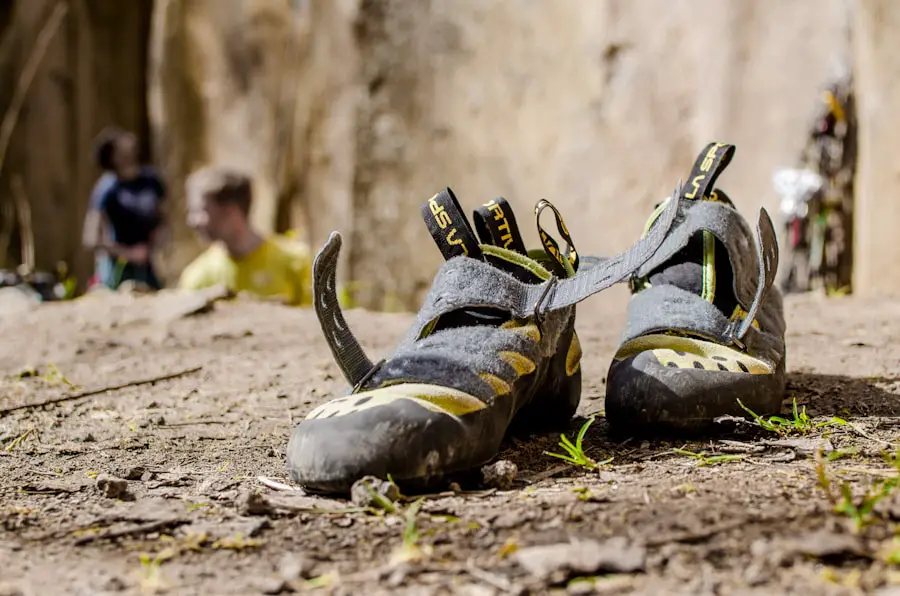
Hiking boots have several practical advantages when used with suitable flat pedals. Their sturdy uppers can protect the feet from brush, small rocks, and trail debris. Many models also have reinforced toe areas, which can be useful when riding narrow or rocky trails.
A hiking outsole is also much better for walking than a road-style cycling sole. If your rides include frequent hike-a-bike sections, trail exploration, or stops away from the bicycle, comfortable walking performance can be valuable.
Another advantage is simple convenience. A new or occasional rider may already own hiking boots and may not want to buy MTB footwear before discovering how often they will ride.
The disadvantages become more noticeable as terrain and speed increase. Hiking boots can be heavier and bulkier than MTB shoes. A deep lug pattern may not make consistent contact with pedal pins, and some hiking rubber compounds are optimized for ground traction rather than pedal grip.
Sharp pedal pins may also mark or accelerate wear on a hiking outsole. This is especially worth considering if the boots are expensive or are your main pair for hiking.
Pedal feel is another factor. Purpose-built flat-pedal shoes are engineered to balance underfoot support, grip, and enough sensitivity to help the rider feel where the foot sits on the platform. A very thick or bulky hiking boot can make that connection feel less precise.
Pro Tip: Before riding a technical trail, try the boot-and-pedal combination on an easy path or open area. Make sure the forefoot sits securely on the platform, the tread does not rock noticeably on the pins, and you can lift and reposition your foot without the lugs catching unexpectedly.
Tips for Choosing Hiking Boots for Mountain Biking
If hiking boots are your only option, prioritize pedal compatibility rather than choosing the most rugged hiking boot available. A giant backpacking or mountaineering boot is usually less suitable than a lighter hiking shoe or moderately supportive day-hiking boot.
| Factor | What to Look For |
| Fit | Secure heel hold with comfortable toe room. Your foot should not slide inside the boot while pedaling. |
| Sole Support | Enough support to prevent the pedal from creating uncomfortable pressure under the forefoot, without excessive bulk. |
| Outsole Shape | A reasonably broad, stable forefoot area that makes consistent contact with the pedal platform and pins. |
| Tread Depth | Avoid extremely deep or widely spaced lugs if they prevent the pedal pins from contacting rubber consistently. |
| Protection | A reinforced toe and durable upper are useful on rocky or brushy trails. |
| Laces | Use a secure closure and tuck away every loose lace end so nothing can reach the chain, crank, or pedal. |
| Breathability | Prefer breathable footwear in warm weather. Waterproof membranes are useful mainly when your riding conditions justify them. |
| Weight | Lighter footwear generally feels less cumbersome during repeated pedaling and technical foot movements. |
Try the boots with the same socks you expect to wear while riding. Your heel should remain stable, your toes should not strike the front of the boot on descents, and there should be no painful pressure point where the pedal sits beneath the foot.
Waterproofing is useful for cold, wet, or muddy rides, but it is not automatically an advantage. A waterproof boot may feel warmer and dry more slowly from internal moisture in hot conditions. Match the footwear to the weather rather than treating waterproof construction as mandatory.
How to Adapt Hiking Boots for Mountain Biking Safely
You do not need to cut or permanently alter hiking boots to make them safer for occasional mountain biking. The most useful changes are simple and reversible.
Secure the Laces
Conventional hiking-boot laces can be much longer than cycling-shoe closures. Tie them securely and tuck the loops and loose ends underneath the crossed laces, a lace keeper, or another secure part of the boot. The National Highway Traffic Safety Administration specifically advises cyclists to tuck and tie shoelaces and pant legs so they do not become caught in the bicycle chain.
Adjust the Fit, Not the Structure
Use the boot’s normal lacing zones to improve heel hold and prevent internal foot movement. Do not ride with the upper intentionally loose simply to gain ankle movement; an unstable fit can create rubbing and reduce control.
If you already use a supportive replacement insole that fits the boot correctly, it can remain in place. There is no need to install a special “cycling” insole just to make a hiking boot usable for a short ride.
Use an Appropriate Flat Pedal
A broad platform generally gives a hiking outsole more support than a very small pedal. Pedal pins can improve grip, but aggressive metal pins may also chew into softer hiking rubber over time. Inspect your soles periodically for cuts, torn lugs, or excessive wear.
Note: Never cut down the ankle collar, grind away tread blocks, glue an improvised outsole to the boot, or drill the sole for cycling cleats. If the boot does not work with your pedal safely in its original construction, change the footwear or pedal rather than modifying the boot structurally.
Potential Risks of Wearing Hiking Boots for Mountain Biking
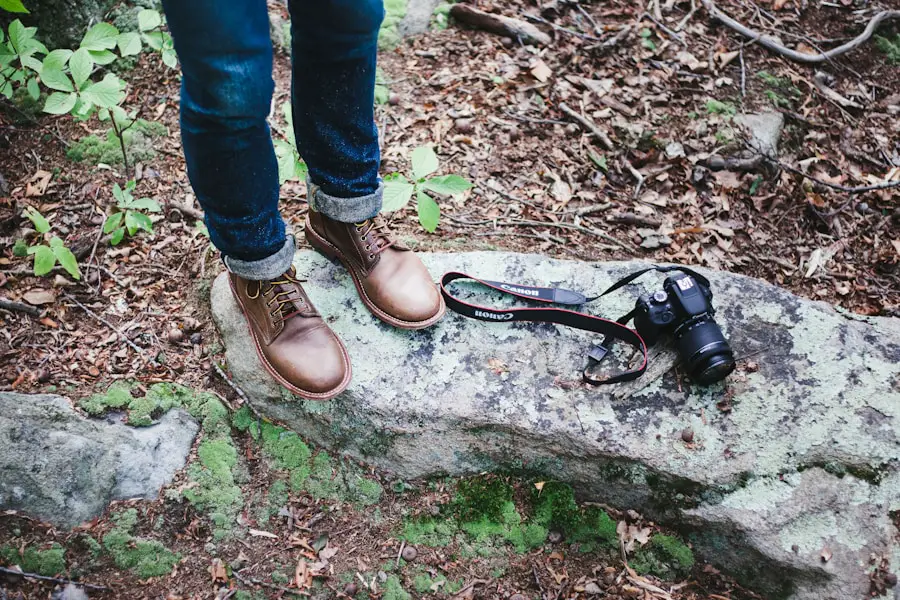
The main risk is not the absence of a clipless mechanism. Flat pedals are a legitimate mountain biking system. The real concern is using a shoe that does not interact predictably with the particular pedal underneath it.
A hiking outsole with deep or oddly positioned lugs may contact only part of a flat pedal. The foot may then rock on the tread or shift when the trail becomes rough. At the opposite extreme, some lugs can catch strongly around aggressive pins and make quick foot repositioning more difficult.
Heavy or bulky boots may also reduce pedal feel and make precise foot placement harder. This becomes more noticeable during fast descents, jumps, drops, or repeated technical maneuvers.
Loose laces create another preventable hazard because they can reach moving drivetrain components. Secure every lace end before riding.
Finally, repeated contact with sharp flat-pedal pins can damage hiking-boot tread. Inspect the outsole before each ride, especially if you notice torn rubber, missing tread blocks, or a sudden change in grip.
Warning: If your feet repeatedly slip, rock on the pedals, or become difficult to reposition, stop using that boot-and-pedal combination for technical riding. Uncertain grip tends to become more consequential as speed, impacts, and trail difficulty increase.
When Hiking Boots Are Good Enough
Hiking boots can be a reasonable temporary choice when all of the following are true:
- You use flat or platform pedals rather than clipless pedals.
- The ride is casual, short, or on relatively smooth terrain.
- The sole sits securely across the pedal without excessive rocking.
- The tread and pedal pins provide predictable grip.
- The boots fit securely without uncomfortable pressure under the forefoot.
- All laces are tied and tucked away from moving parts.
They become less attractive as your rides grow longer, faster, steeper, or more technical. Frequent riders can usually benefit from footwear designed around their chosen pedal system.
Alternatives to Hiking Boots for Mountain Biking
Purpose-built mountain biking shoes are the obvious alternative, but that does not mean every rider needs a rigid racing shoe.
Flat-Pedal MTB Shoes
Flat shoes are designed for platform pedals and typically combine a broad sole, pedal-oriented tread, durable uppers, and rubber formulated for grip. Manufacturers such as Shimano and adidas Five Ten design flat shoes specifically around pedal contact and pins.
These shoes are a strong choice for trail, enduro, downhill, recreational riding, and riders who prefer being able to remove a foot immediately without unclipping.
Clipless MTB Shoes
Clipless footwear is appropriate when you use a compatible clipless pedal. The shoe accepts a cleat that engages with the pedal and gives the rider a mechanically retained foot position.
Always match the shoe, cleat, and pedal system. Do not assume that every clipless shoe works with every pedal.
Ride-and-Hike or Touring Shoes
There is also a useful middle ground for riders who spend substantial time off the bike. Cycling-specific touring and trail shoes can combine better pedal support with walkable soles.
For example, some modern flat-pedal trail shoes are deliberately designed for both riding and hike-a-bike use. This type of footwear is often a better long-term solution than trying to turn a heavy hiking boot into a cycling shoe.
Final Thoughts on Using Hiking Boots for Mountain Biking
Hiking boots can serve as temporary mountain biking footwear, particularly on easy rides with flat pedals. Their protection, walking comfort, and rugged construction can be useful when you are getting started or combining riding with hiking.
The important question is not simply whether the boot feels sturdy. It is whether the outsole makes reliable contact with your particular pedal, whether you can position and release your foot naturally, and whether the boot remains comfortable after repeated pedaling.
For frequent or technical mountain biking, dedicated flat-pedal or clipless MTB shoes provide a more purpose-built connection between your feet and the bicycle. Choose the system that matches your pedals, terrain, riding style, and comfort rather than assuming clipless footwear is automatically required.
If you are also preparing equipment for a broader outdoor trip that combines cycling with camping, this guide to portable camping stoves for outdoor adventures covers another part of camp setup.
Frequently Asked Questions
Can you wear hiking boots for mountain biking?
Yes. Hiking boots can work for casual or temporary mountain biking with flat pedals if the sole makes secure contact with the pedal. They are generally less ideal for regular technical riding than footwear designed specifically for mountain biking.
What are the advantages of wearing hiking boots for mountain biking?
Hiking boots offer durable uppers, useful toe protection, good walking traction, and convenient off-bike comfort. They can be practical for short rides, bikepacking, or trips that involve significant walking.
What are the disadvantages of wearing hiking boots for mountain biking?
They may be heavier and bulkier than MTB shoes, and deep hiking tread may not interact well with flat-pedal pins. Some boots also provide less precise pedal feel, and aggressive pedal pins can accelerate outsole wear.
Can hiking boots be used as a temporary solution for mountain biking?
Yes. They are a reasonable temporary option on suitable flat pedals while you decide whether you need cycling-specific shoes. Test the combination on easy terrain before relying on it for rough or technical trails.
What should I consider when choosing hiking boots for mountain biking?
Look for a secure fit, moderate weight, sufficient underfoot support, a broad forefoot contact area, manageable tread depth, toe protection, and laces that can be completely secured away from the drivetrain.
Can hiking boots be used with clipless mountain bike pedals?
Ordinary hiking boots cannot engage a clipless pedal because they do not have the required cleat interface. Use cycling footwear manufactured for the correct cleat and pedal system rather than trying to modify hiking boots.
Do flat mountain bike pedals require special shoes?
No special attachment is required, so many types of footwear can physically be used. However, dedicated flat-pedal MTB shoes use rubber compounds and sole patterns designed to grip the pedal platform and pins more predictably.
Can flat-pedal pins damage hiking boots?
They can. Sharp metal pins repeatedly pressing into a hiking outsole may mark, cut, or accelerate wear in the rubber. Check the soles regularly if you use valuable hiking boots for mountain biking.
Are waterproof hiking boots better for mountain biking?
Only in conditions where water protection is useful. Waterproof boots can be comfortable in cold, wet weather, but they may feel warmer than more breathable footwear during hot rides. Pedal grip and fit matter more than waterproofing alone.
Sources
- REI Co-op — How to Choose Bike Shoes — flat versus clipless MTB shoes, cycling-shoe construction, cleat compatibility, and fit.
- Shimano — Flat Pedal Technology — pedal platforms, traction pins, shoe contact, grip, and control.
- REI Co-op — How to Choose Hiking Boots and Hiking Shoes — hiking-footwear construction, flexibility, waterproofing, weight, and intended terrain.
- National Highway Traffic Safety Administration — Bicycle Safety — bicycle safety guidance including securing shoelaces and pant legs.
- adidas Five Ten — Mountain Biking Shoes — flat-pedal and clipless footwear, pedal compatibility, and purpose-built outsole grip.

