
Last Updated on September 10, 2026 by Daniel Globe
Women do not need a complicated or highly specialized outfit to hike comfortably. The best hiking clothes are simply pieces that fit well, move with you, manage sweat, and protect you from the conditions you expect to meet. Your trail surface, temperature, chance of rain, sun exposure, trip length, and personal comfort should guide every choice. Footwear matters, but so do your socks, base layers, bottoms, outer shell, sun protection, and the extra layer you carry in your pack.
Quick Answer
For most hikes, women should wear a moisture-wicking top, supportive sports bra, quick-drying pants, shorts, or leggings, well-fitting hiking socks, and grippy trail shoes or boots. Add an insulating layer and waterproof shell when conditions may turn cool or wet, plus sun protection. Choose every piece for the trail, forecast, duration, and your comfort.
Key Takeaways
- Choose hiking footwear for the terrain and fit rather than assuming everyone needs heavy boots.
- Use a base layer, insulating layer, and weather shell so you can adjust as conditions change.
- Choose bottoms and tops that dry quickly, move easily, and provide the sun, brush, or bug protection your trail requires.
- Wear well-fitting hiking socks, a comfortable sports bra, and quick-drying underwear to reduce rubbing and moisture buildup.
- Carry sun protection, water, an extra layer, rain protection, and the other essentials appropriate for your route.
Disclosure: As an Amazon Associate I earn from qualifying purchases. Some links on this page are affiliate links, at no extra cost to you.
Choose Hiking Footwear That Fits the Trail
Selecting appropriate footwear is one of the most important clothing decisions a hiker can make. The right shoes can improve comfort, traction, and stability, but there is no single footwear style that is best for every woman or every trail.
For well-maintained trails and lighter day hikes, trail-running shoes or lightweight hiking shoes are often comfortable because they are flexible, breathable, and relatively light. They should still have a secure fit and an outsole designed to grip the surfaces you expect to encounter.
For rocky terrain, rough off-trail travel, mud, snow, or trips with a heavier pack, a more protective hiking shoe or boot may be useful. A higher cuff can provide extra coverage and support for some hikers, but it should not be treated as a guarantee against ankle injuries. Research involving long-distance hikers has not shown footwear type by itself to clearly prevent musculoskeletal injuries.
Brands such as Merrell and Salomon make footwear ranging from lightweight trail shoes to higher hiking boots, but the logo matters far less than fit. Shoes that are too tight can create pressure and rubbing, while shoes that are too loose can allow the heel or foot to slide.
Try hiking footwear with the same socks you plan to use on the trail. Your toes should have room to move without striking the front on descents, your heel should feel secure, and there should be no obvious pressure points. Trying shoes later in the day can also be useful because feet may be slightly larger after normal daily activity.
Pro Tip: Do not make a long hike the first full day you wear new footwear. Test shoes on shorter walks first so you can catch rubbing, heel slip, or pressure points before they become trail problems.
Layering for Comfort and Protection
Layering lets you adjust your clothing as the temperature, wind, precipitation, and your activity level change. A practical hiking system usually includes a base layer, an insulating layer, and an outer shell.
Base Layer
The base layer sits next to your skin and helps manage sweat. Merino wool and synthetic fabrics such as polyester or nylon blends are common choices because they can move moisture away from the skin and generally dry faster than ordinary cotton clothing.
Your base layer can be as simple as a lightweight hiking shirt in warm weather. In cold conditions, long underwear or thermal leggings can provide additional warmth beneath your hiking pants.
Insulating Layer
The insulating layer holds warmth when temperatures drop. Fleece jackets, synthetic insulated jackets, and down jackets are common choices. The amount of insulation you need depends on temperature, wind, elevation, how hard you are working, and whether you tend to run warm or cold.
A light fleece may be enough for a mild day, while colder conditions may call for a warmer puffy jacket. Pack the layer even when you do not expect to wear it while moving; rest stops can feel much colder once your body stops producing as much heat.
Outer Layer
The outer layer protects you from wind and precipitation. A waterproof-breathable rain shell is a versatile choice when rain is possible because it blocks outside moisture while allowing some heat and water vapor to escape.
A shell and an insulating jacket normally perform different jobs. Keeping them as separate layers gives you more control: you can wear the shell alone in warm rain, the insulation alone in cool dry weather, or both when conditions are cold and wet.
Warning: Wet, windy weather can cool you much faster than a mild forecast suggests. Carry a dry insulating layer and rain protection when conditions could change, especially in mountains or remote areas.
Sports Bras, Underwear, and Hiking Socks
Comfort begins with the clothing closest to your skin. These items are easy to overlook, but poor fit or wet fabric can become much more noticeable after several hours of walking.
Sports Bras
Choose a sports bra that provides enough support for your body and the intensity of your hike without creating pressure points beneath backpack shoulder straps. Breathable fabric, smooth seams, and straps that stay in place can improve comfort on longer outings.
The best support level is personal. A gentle trail may not require the same support as fast hiking or trail running, so focus on a secure fit that allows you to breathe and move normally.
Hiking Underwear
Quick-drying synthetic or merino-blend underwear can help manage sweat. Look for a close but comfortable fit, flat seams, and a waistband that does not sit painfully beneath your backpack hip belt.
If inner-thigh chafing is an issue, longer-cut underwear or fitted shorts beneath your hiking bottoms can reduce skin-to-skin rubbing.
Hiking Socks
Hiking socks should fit snugly without bunching or creating pressure. Merino wool and synthetic blends are popular because they manage moisture and provide cushioning without relying on slow-drying cotton.
Match sock height to your footwear. Low trail shoes can work with ankle socks, while boots generally pair better with crew-height socks that extend above the boot collar and protect the skin from rubbing.
Note: More cushioning is not automatically better. Thick socks can make an otherwise well-fitting shoe too tight, so always evaluate your socks and footwear as a system.
Selecting the Best Bottoms
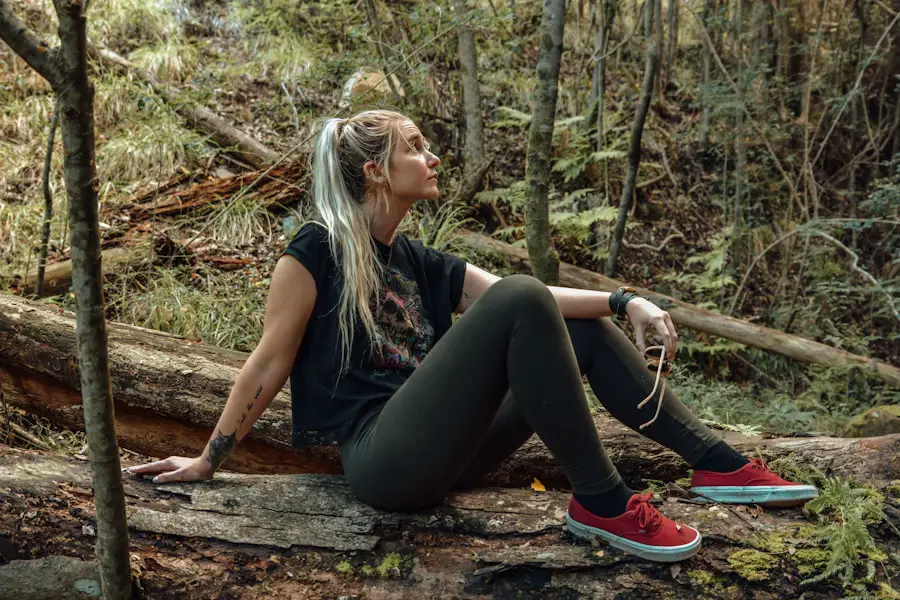
Comfort and function should guide your choice of hiking bottoms. Hiking pants come in many styles, including convertible pants that zip off into shorts. This design can be useful when a cool morning turns into a warm afternoon.
Look for lightweight, quick-drying fabric with enough stretch or room through the knees and hips to climb steps, cross rocks, and walk uphill comfortably. Durability matters on trails with rough rock, brush, or frequent scrambling. Brands such as Columbia and The North Face offer many hiking-specific designs, but fabric, mobility, fit, and weather protection should guide the final choice.
Shorts can be comfortable for warm, open trails because they provide excellent airflow. The tradeoff is exposed skin. Longer shorts, pants, or leggings can provide more protection from sun, brush, scratches, poison ivy, and insects.
Leggings are another comfortable option for many hikers because they stretch easily and reduce loose fabric around the legs. However, thin yoga-style leggings may offer limited protection from sharp rock or thorny vegetation. Choose a more durable hiking or trail fabric when abrasion is likely.
For sunny trails, pants or leggings with a UPF rating can add useful ultraviolet protection. In areas with ticks or dense brush, long pants also reduce exposed skin.
Picking the Perfect Tops
| Category | What to Look For |
| Fit | Enough room to reach, climb, and move your arms without excess fabric bunching beneath backpack straps. |
| Comfort | Breathable fabric, smooth seams, and no pressure or rubbing beneath backpack shoulder straps. |
| Style | Short sleeves for airflow, long sleeves for added sun or brush coverage, or hooded sun shirts for exposed terrain. |
| Material | Quick-drying synthetic or merino fabric for most hiking; UPF-rated fabric when sun exposure is high. |
| Price | Prioritize fit and useful features over premium branding; an inexpensive technical shirt can work well if it fits and dries quickly. |
A hiking top directly affects how comfortable you feel as temperatures and exertion change. Moisture management and freedom of movement should come before fashion or brand name.
A lightweight long-sleeve synthetic or merino shirt is useful for cooler days, exposed terrain, and hikes where you want extra sun or brush protection. These fabrics can manage perspiration while still providing some warmth when temperatures fall.
For warmer conditions, a short-sleeve top can increase airflow. Sleeveless tops can also work, but backpack straps may rub against bare shoulders on some people, especially during long hikes.
For high sun exposure, consider a long-sleeve shirt with a UPF rating. Ventilation panels, loose-but-secure cuts, and breathable fabric can make long sleeves practical even in warm weather.
You can also carry a lightweight long-sleeve shirt and put it over a short-sleeve base layer when wind, insects, sun, or cooler temperatures make more coverage useful.
Essential Accessories for Hiking
Accessories can improve comfort, but some also play a direct role in outdoor safety.
A brimmed hat helps shade your face and neck. Sunglasses should clearly state that they provide UV400 or 99–100% UVA and UVB protection. Polarized lenses can reduce glare from water, rock, or snow, but polarization by itself is not the same thing as UV protection.
Carry a backpack that fits comfortably and has enough space for the water, food, clothing, first-aid supplies, navigation tools, and other equipment your route requires. Adjustable shoulder straps, a stable fit, and a supportive hip belt can make heavier loads more comfortable.
Water bottles work well for most hikers, while hydration reservoirs let you drink through a hose without repeatedly removing your pack. Whichever system you use, carry enough water for the route and have a plan for additional safe water when appropriate.
Trekking poles can provide extra points of contact on uneven ground and may feel especially useful on steep descents, stream crossings, or loose surfaces. Lightweight gloves, a warm hat, or gaiters can also be valuable depending on temperature, snow, mud, and brush.
The National Park Service Ten Essentials also recommends carrying navigation, sun protection, extra clothing, illumination, first-aid supplies, fire-starting equipment, repair tools, extra food, hydration supplies, and emergency shelter appropriate for your trip.
Dress for Sun, Heat, Rain, Cold, and Bugs
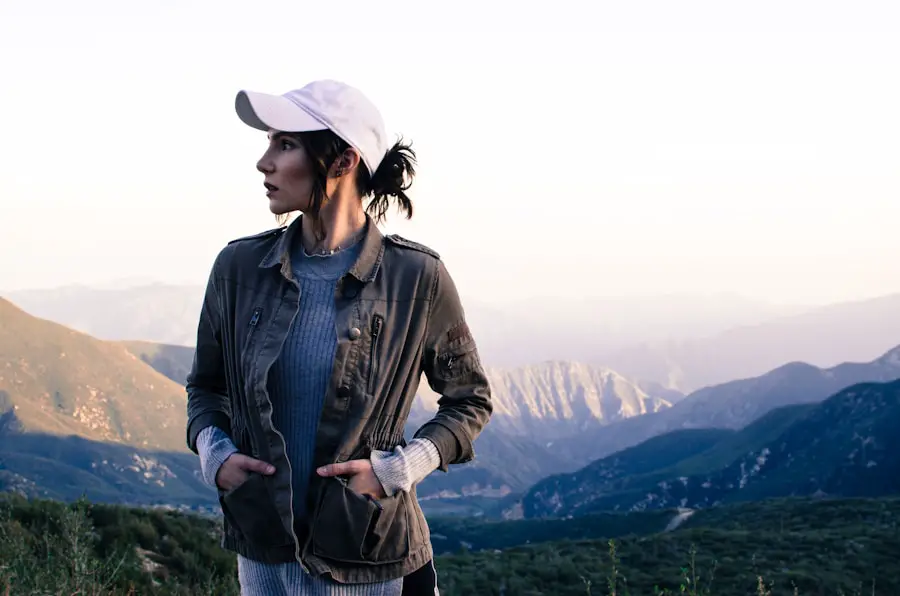
The right hiking outfit can change dramatically with season, elevation, humidity, wind, shade, and trail exposure. Check the forecast before leaving, but also prepare for conditions that may be colder, wetter, or hotter than expected.
Hot and Sunny Weather
In hot weather, choose loose or flexible lightweight clothing that allows airflow and manages sweat. Light-colored clothing can also reduce heat absorbed from direct sunlight.
Covering more skin does not necessarily mean you will be hotter. A breathable long-sleeve sun shirt and lightweight pants can protect you from ultraviolet exposure while still allowing airflow.
The American Academy of Dermatology recommends sun-protective clothing, a wide-brimmed hat, UV-protective sunglasses, and sunscreen on exposed skin. Look for UPF-rated clothing when you expect long periods in direct sun.
Drink regularly and plan more conservatively in extreme heat. Electrolyte replacement can be useful during long, hot, sweaty outings, but needs vary by person and conditions; it does not replace adequate fluids, food, rest, and heat management.
Cold, Windy, or Wet Weather
Cold-weather hiking makes layering especially important. Start with a moisture-managing base layer, add fleece or another insulating layer, and carry a wind- and rain-resistant outer shell.
Adjust before you become soaked with sweat. Removing a layer during a hard climb can help keep your base layer drier, while adding insulation before a long rest can prevent you from becoming chilled.
According to National Park Service cold-weather guidance, wool and synthetic materials are generally better choices than cotton when cold or wet conditions are possible because cotton absorbs moisture and provides little insulation once wet.
Waterproof pants can also be useful during sustained rain, wet snow, or hikes through soaked vegetation.
Ticks, Insects, and Brush
Dense vegetation changes what makes a comfortable outfit. Long pants, long sleeves, and closed-toe footwear can reduce exposed skin and provide some protection from scratches and biting insects.
In tick habitat, the CDC recommends protective clothing and tick-bite prevention measures. Permethrin-treated clothing or gear and an appropriate skin repellent can provide additional protection when used according to product directions.
What Not to Wear Hiking
Some clothing choices create avoidable problems on the trail.
- Unsecured footwear: Flip-flops and loose casual sandals provide little protection or stability on rough trails. Purpose-built hiking sandals with secure straps and grippy soles can still be suitable for certain flat, hot, or water-oriented routes.
- Untested shoes on a long hike: New footwear can reveal pressure points or rubbing only after you have walked for a while.
- Heavy cotton or denim in cold, wet weather: These fabrics can absorb water, dry slowly, and leave you chilled.
- Clothing that restricts movement: Tight waistbands, stiff pants, or tops that bind at the shoulders can become uncomfortable during climbing and long strides.
- Anything that already rubs: Small seam, bra-strap, waistband, or sock problems usually become worse after several miles.
- Sun exposure without protection: A tank top and shorts may feel cool, but exposed skin needs sunscreen or other UV protection on sunny trails.
Note: Cotton is not automatically dangerous on every short, dry, warm-weather walk. The concern becomes much more serious when rain, cold temperatures, wind, sweat-soaked clothing, or an unexpected delay could leave you wet and unable to stay warm.
Tips for Packing Light and Efficiently
Packing light can make hiking more comfortable, but the goal is to remove unnecessary weight rather than essential protection.
Start with a checklist based on the duration of your hike, the trail, and expected conditions. Favor items that work together. A lightweight fleece plus a separate rain shell, for example, often gives you more flexibility than one bulky jacket because you can wear either layer by itself or combine them.
For multi-day trips or travel, packing cubes or compression sacks can keep clothing organized and reduce bulk. On a simple day hike, separate dry bags or lightweight zip bags may be enough to keep important clothing and electronics protected.
Travel-sized toiletries and solid alternatives can reduce pack weight on overnight trips. For food, choose compact snacks that provide useful energy without unnecessary packaging, such as trail mix, dried fruit, nuts, sandwiches, or energy bars.
Do not save weight by leaving behind rain protection, a necessary warm layer, water, or other safety equipment simply because the forecast looks favorable. Weather and trip duration can change unexpectedly.
Balancing Function, Fit, and Style
Hiking clothing does not have to look purely technical. Many modern outdoor garments combine quick-drying fabrics, stretch, sun protection, and weather resistance with designs that also work for travel or casual use.
When selecting hiking attire, start with function: fit, mobility, moisture management, durability, and weather protection. Once those needs are covered, choose colors, cuts, and patterns that suit your personal style.
Versatile hiking pants are especially useful when you want clothing that can move from a trail to a café, campsite, or travel day without changing. For another example, see this guide to traveler pants, which covers pants designed around comfort and practical movement.
Ultimately, the best hiking outfit is one you can largely forget about while you walk. It should let you move naturally, regulate your temperature, handle the conditions you encounter, and feel comfortable enough that your attention stays on the trail instead of your clothing.
Love travel? Join Our Facebook Community For More Tips.
Frequently Asked Questions
What should women wear for hiking?
For most hikes, wear a moisture-wicking top, supportive sports bra, quick-drying pants, shorts, or leggings, hiking socks, and grippy trail shoes or boots that fit well. Carry a warm layer and rain shell when the forecast or terrain calls for them, plus sun protection and enough water.
What type of outerwear is suitable for women when hiking?
A lightweight waterproof-breathable shell is useful when rain or strong wind is possible. In cooler weather, carry a separate fleece or insulated jacket beneath the shell. Separate layers make it easier to adjust your warmth as conditions and activity levels change.
What accessories are essential for women when hiking?
Useful hiking accessories include a sun hat, sunglasses with UV400 or 99–100% UVA/UVB protection, a comfortable backpack, sunscreen, water, navigation tools, and any insect protection needed for the area. Depending on the trail, trekking poles, gloves, gaiters, or a headlamp may also be useful.
Are there specific considerations for women’s hiking attire?
Fit and comfort matter most. Choose a sports bra with suitable support, underwear and waistbands that do not chafe beneath your pack, and bottoms that allow a full range of movement. Women’s-specific cuts can work well for some hikers, but a garment does not need a women’s label if another cut fits your body better.
What should women avoid wearing when hiking?
Avoid footwear or clothing that rubs, slips, restricts movement, or is poorly suited to the weather. Flip-flops are inappropriate for most rough trails. Cotton and denim are poor choices when cold or wet conditions are possible because they absorb moisture and dry slowly. Also avoid starting a long hike in footwear you have never tested.
Can women wear leggings for hiking?
Yes. Leggings can be comfortable for hiking because they stretch and move easily. Choose quick-drying fabric and consider thicker trail-specific leggings if you expect rough rock, brush, insects, or cool weather. Thin fashion or yoga leggings may provide less abrasion and weather protection.
Do women need hiking boots, or are trail shoes enough?
Many maintained trails can be hiked comfortably in trail-running shoes or lightweight hiking shoes. Boots may be preferable when you want more protection for rough terrain, mud, snow, off-trail travel, or heavier loads. Whichever style you choose, secure fit and appropriate traction are more important than simply choosing the highest boot.
Sources
- U.S. National Park Service — Ten Essentials — supports hiking preparation, extra clothing, sun protection, hydration, navigation, and emergency gear.
- U.S. National Park Service — Be Winter Ready for Your Adventure — supports layering and the preference for wool or synthetic clothing over cotton in cold and wet conditions.
- American Academy of Dermatology — Sun-Protective Clothing — supports UPF clothing, long sleeves, hats, and UV-protective sunglasses.
- Centers for Disease Control and Prevention — Heat Illnesses — supports lightweight clothing, hydration, shade, and heat precautions during strenuous outdoor activity.
- Centers for Disease Control and Prevention — Diseases Spread by Ticks — supports long clothing, closed-toe footwear, repellents, and treated clothing in tick habitat.
- Wilderness & Environmental Medicine — Footwear and Pack Weight in Long-Distance Hikers — provides evidence used to avoid overstating the injury-prevention benefits of a particular footwear type.
