
Last Updated on July 26, 2026 by Daniel Globe
Preparing for a hike is easier when you build your clothing and gear around the route rather than a one-size-fits-all packing list. Women generally need the same core safety equipment as every other hiker, but footwear fit, backpack fit, breast support, chafing prevention, menstrual care, pregnancy, and personal health can affect what feels comfortable and safe.
Before packing, check the distance, elevation gain, trail surface, weather forecast, water availability, daylight, local regulations, wildlife notices, and cell coverage. A short walk near town may require less equipment than a remote mountain hike, but every trip should include enough gear to handle an injury, navigation error, sudden storm, or unexpected delay.
Quick Answer
Women should hike in well-fitting trail shoes or boots, moisture-wicking layers, supportive socks, and weather protection suited to the route. Pack the Ten Essentials, enough water and food, navigation backups, first aid, sun and insect protection, hygiene supplies, and emergency shelter. Adjust everything for weather, distance, remoteness, and personal health.
Key Takeaways
- Choose footwear by fit, terrain, weather, and pack weight rather than by brand or appearance.
- Wear moisture-managing layers and carry insulation and rain protection even when the trailhead feels warm.
- Use a properly fitted backpack with enough room for water, food, navigation, first aid, shelter, and emergency equipment.
- Carry a map, compass, offline route, headlamp, emergency signal, repair supplies, and a backup power plan.
- Treat uncertain natural water before drinking it and follow local rules for soap, toilet waste, and menstrual products.
- Share your route and expected return time with a reliable person before leaving.
At a Glance
| Time Required | About 20–30 minutes to research the route, check conditions, and pack |
| Difficulty | Easy for a local day hike; more detailed planning for remote, hot, cold, or high-elevation routes |
| Tools Needed | Route information, weather forecast, packing checklist, map, and emergency contact plan |
| Cost | Varies; begin with dependable essentials and reuse gear you already own when it is suitable |
A safe packing list prepares you for the hike you planned and for the delay, weather change, or wrong turn you did not plan.
Disclosure: As an Amazon Associate I earn from qualifying purchases. Some links on this page are affiliate links, at no extra cost to you.
Choose the Right Hiking Footwear
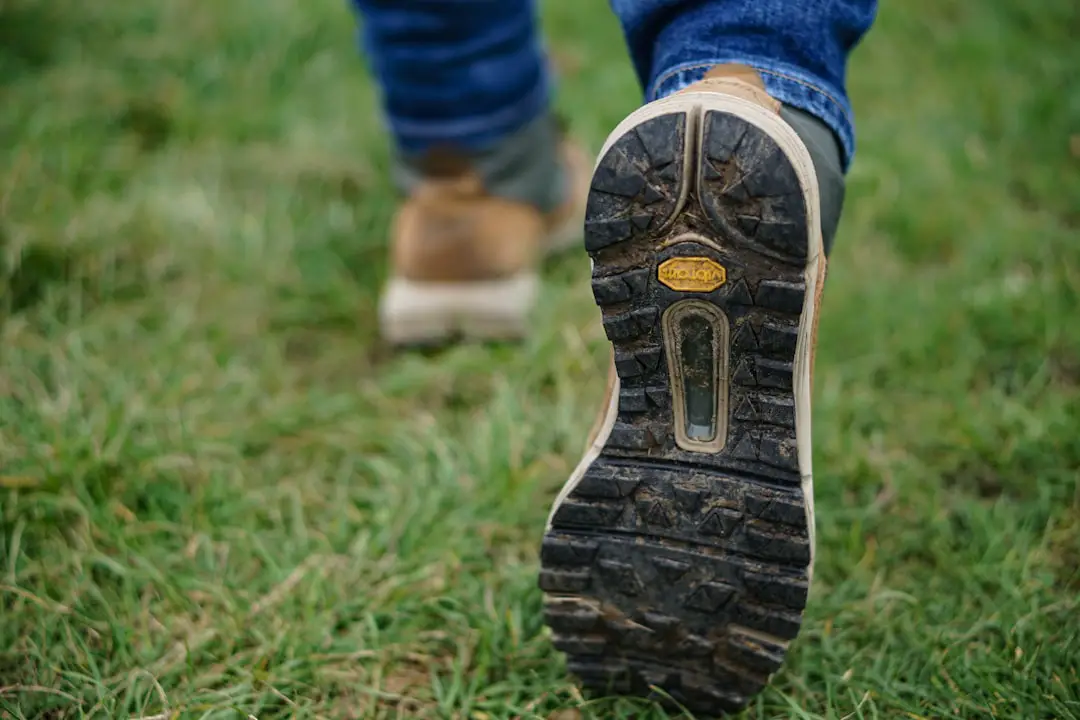
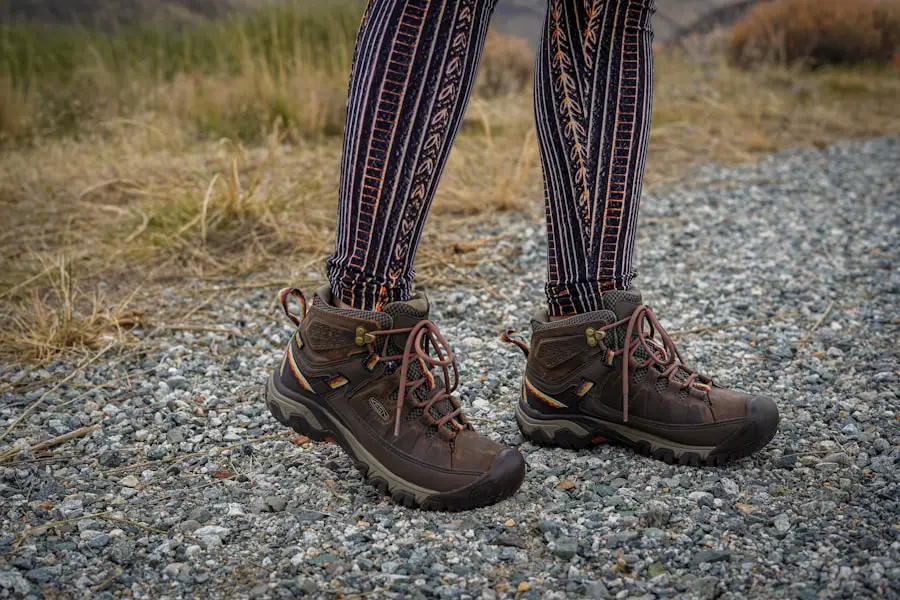
The best hiking footwear is the pair that fits your feet, grips the expected surface, and remains comfortable for the full distance. Mid- or high-cut hiking boots can offer protection from mud, loose rock, cold, and shallow water. Trail-running or low-cut hiking shoes are lighter and more flexible, making them useful on maintained trails and in warm or dry conditions.
Waterproof footwear is helpful in persistent rain, snow, wet vegetation, and muddy terrain. It is not automatically the best choice for every hike. A waterproof membrane can feel warmer and may dry slowly after water enters from the top. Breathable non-waterproof footwear may be more comfortable in hot, dry weather.
Common hiking brands include Merrell and Salomon, but a familiar logo cannot compensate for poor fit. Try multiple shapes and sizes because two models with the same labeled size may fit differently.
Check the Fit Before Hiking
- Your heel should feel secure without painful pressure or excessive lifting.
- Your toes should have room to spread and should not strike the front while walking downhill.
- The upper should feel snug but should not pinch the forefoot, instep, ankle, or bunion area.
- Try footwear with the same socks and insoles you expect to use on the trail.
- Walk on an incline or stairs before deciding whether the size and volume are correct.
- Do not begin a long or remote hike in untested footwear.
Wear Hiking Socks That Match the Fit
Choose clean, moisture-managing socks made from merino wool or an appropriate synthetic blend. Cotton can stay wet for a long time and may increase friction. Sock thickness should match the available room inside the footwear; a heavily cushioned sock can make an otherwise correct shoe too tight.
Trim toenails before the trip and address hot spots as soon as you notice rubbing. Carry blister tape, moleskin, or another product you already know how to use.
Pro Tip: Test your full footwear system on a shorter walk, including shoes, socks, insoles, gaiters, and any blister-prevention product. A comfortable shoe in a store can behave differently after your feet swell.
Clothing and Base Layers
Layering allows you to adjust as your effort level, elevation, wind, rain, and temperature change. Avoid choosing an outfit only for conditions at the trailhead. Check the forecast for the highest, coldest, or most exposed part of the route.
Moisture-Managing Base Layer
A base layer sits next to the skin and moves moisture away so it can evaporate. Merino wool and synthetic fabrics such as polyester or nylon are common options. Choose a weight that matches the temperature and your activity level.
A supportive, moisture-wicking sports bra can improve comfort during long climbs and descents. The band should remain secure without restricting breathing, and straps should not rub beneath the backpack. Test it with the loaded pack before the hike.
Hiking Pants, Shorts, and Underwear
Quick-drying hiking pants or shorts generally work better than heavy denim. Pants provide additional protection from sun, brush, insects, and minor scrapes, while shorts may feel cooler on open, low-risk trails.
Choose seamless or low-friction underwear that stays comfortable when damp. On longer hikes, an anti-chafing balm can help at the thighs, bra line, waist, or other areas that commonly rub. Test skin products beforehand to avoid unexpected irritation.
Mid-Layer and Outer Shell
A fleece jacket, light synthetic jacket, or down garment can serve as a mid-layer. The right amount of insulation depends on the season, altitude, wind, and how long you may be stationary.
The outer layer should block the weather you are likely to face. A breathable rain shell protects against wind and rain, while rain pants can be valuable in sustained wet or cold conditions. Gore-Tex is one well-known membrane, but construction, fit, ventilation, seam sealing, and condition matter more than a single material name.
Choose and Fit a Hiking Backpack
A good backpack carries your equipment close to the body without creating painful pressure. Small daypacks are often adequate for short, mild-weather hikes, while cold, remote, or long routes require more space. A typical daypack may fall around 15–30 liters, but capacity should follow the equipment you genuinely need rather than an arbitrary number.
Backpack Fit Checklist
- Set the torso length correctly when the pack offers torso adjustment.
- Position the hip belt around the upper hips rather than around the waist.
- Tighten the shoulder straps until they follow the shoulders without carrying all the weight.
- Adjust the load lifters and sternum strap without restricting movement or breathing.
- Keep dense items close to the back and prevent hard objects from pressing through the back panel.
- Walk with the pack loaded before using it on a long trail.
A padded hip belt can move part of the load away from the shoulders, but only when the torso and belt fit properly. See REI’s guide to adjusting backpack fit for a visual overview.
Organize water, food, rain protection, navigation, sunscreen, and first aid so they are available without unpacking everything. External bottle pockets or a hydration reservoir can make regular drinking easier, but either system needs a secure closure and enough total capacity for the route.
For a lighter packing approach, the existing guide to 5 must-have minimalist travel backpacks for spring adventures offers additional backpack ideas. Confirm that any minimalist pack still holds your required safety equipment.
Water and Hydration
A durable bottle, soft flask, or hydration reservoir is essential, but its color and material matter less than capacity, reliability, ease of access, and compatibility with your water-treatment plan. Stainless steel bottles are durable and can insulate drinks, while plastic bottles, soft flasks, and reservoirs generally weigh less.
| Planning Factor | What to Consider |
|---|---|
| Route length | Expected time plus a reserve for delays |
| Heat and exertion | Hot, humid, exposed, steep, and high-effort routes increase fluid needs |
| Water sources | Confirm reliability, seasonal flow, access, and treatment requirements |
| Backup | Carry extra capacity or a second container in case one leaks |
Fluid needs vary with body size, pace, heat, humidity, altitude, clothing, and medical factors. Drink regularly and begin the hike well hydrated. For moderate activity in heat lasting less than two hours, CDC/NIOSH guidance for workers uses about one cup of water every 15–20 minutes as a planning reference, but hikers should adjust to their conditions and avoid forcing excessive fluid.
During several hours of heavy sweating, food and a balanced electrolyte drink may help replace lost sodium and other electrolytes. Energy drinks and highly caffeinated beverages are not substitutes for an adequate water plan.
Warning: Do not assume a clear stream, spring, river, or lake is safe to drink. The CDC recommends boiling uncertain water when practical. When boiling is not possible, use an appropriate treatment system and follow its instructions; many portable filters do not remove every type of germ.
Learn the limitations of your filter, purifier, chemical disinfectant, or UV device before leaving home. Carry the required batteries, chemicals, prefilter, replacement parts, and contact-time instructions. Do not use water that may contain harmful chemicals or toxins because normal backcountry treatment may not make it safe.
Navigation and Pre-Hike Planning
Navigation starts before reaching the trail. Review the official route description, current closures, trail junctions, elevation profile, expected travel time, daylight, weather forecast, and known hazards. Download the route for offline use, but also carry a map and compass when the consequences of getting lost are serious.
A smartphone or GPS device is useful only when it has power, remains dry, and can receive the information it needs. Carry a power bank or spare batteries and protect electronics from rain. Practice using your map, compass, and navigation app on familiar ground before depending on them in a remote area.
Leave a Trip Plan
Tell a reliable person where you are going, which trail and trailhead you will use, who is in the group, what vehicle you are driving, and when you expect to return. Explain when that person should contact emergency services if you are overdue. Update the plan if your route changes.
Check Weather and Set a Turnaround Time
Mountain and exposed terrain can change quickly. Check the forecast again shortly before departure and watch the sky while hiking. Set a turnaround time based on daylight and your actual pace rather than continuing simply because the destination feels close.
Warning: There is no completely safe outdoor location during a thunderstorm. If you hear thunder, leave exposed peaks, ridges, open areas, and isolated trees and move toward a substantial building or hard-topped vehicle when one is reachable. Do not wait for rain to begin.
First Aid and Personal Medical Needs
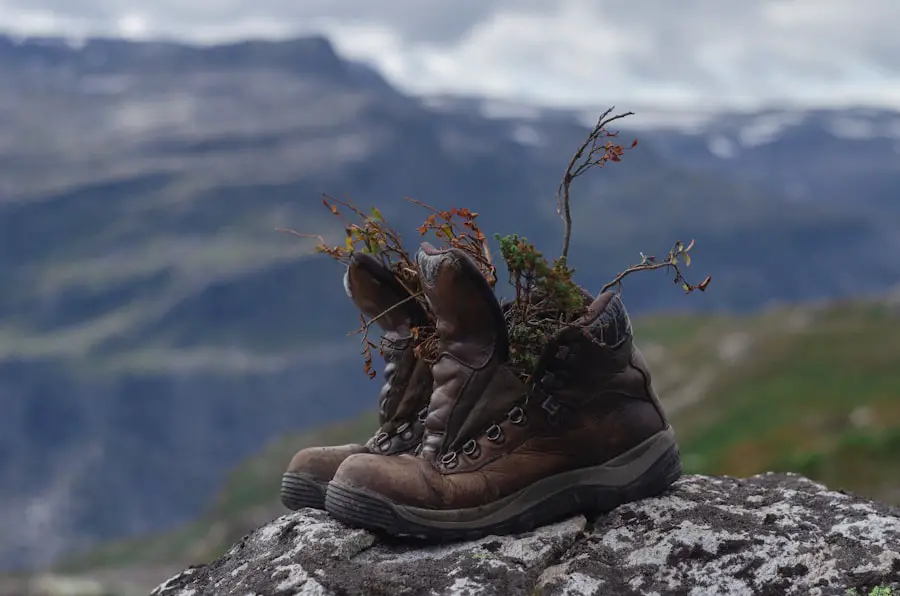
A first aid kit should match the route, group size, trip length, and distance from help. A useful day-hike kit may include adhesive bandages, sterile gauze, medical tape, antiseptic wipes, blister treatment, elastic wrap, disposable gloves, tweezers, and an emergency information card.
Include prescribed medication and any emergency medicine you have been instructed to carry. Over-the-counter pain relievers or antihistamines may be useful for some hikers, but they are not suitable for everyone. Consider allergies, medical conditions, pregnancy, medication interactions, and the product label.
Learn how to manage bleeding, blisters, sprains, heat illness, hypothermia, and an unresponsive person. A wilderness-focused first aid course is especially valuable when professional help may be hours away. Check the kit regularly and replace damaged, opened, or expired supplies.
Note: This article provides general hiking-safety information and is not personal medical advice. People with heart, breathing, mobility, heat-related, pregnancy, or other health concerns should choose an appropriate route and discuss uncertain plans with a qualified healthcare professional.
Sun and Insect Protection
Use a broad-spectrum, water-resistant sunscreen with SPF 30 or higher on exposed skin. Apply it before sun exposure and reapply about every two hours, as well as after heavy sweating, swimming, or toweling according to the product label. Remember the ears, neck, hands, lips, hairline, and tops of exposed feet.
A wide-brimmed hat, UV-protective sunglasses, long sleeves, and long pants provide additional coverage. At altitude, around water, and on snow, reflected and intense sunlight can increase exposure.
In tick- or mosquito-prone areas, use an appropriate registered repellent according to its label. Long pants and treated clothing may provide additional protection where recommended. After hiking, check clothing, equipment, hair, waist, underarms, behind the knees, between the legs, and other concealed areas for ticks.
Insulation and Weather Protection
Temperatures can fall when wind increases, clouds arrive, daylight fades, or the route gains elevation. Carry an insulation layer even when the trailhead feels warm if the environment could become cold during an unexpected stop.
Fleece is breathable and continues to function when damp. Down provides excellent warmth for its weight but performs poorly when saturated unless protected. Synthetic insulation generally retains more useful warmth when damp, making it practical in wet environments.
Add a warm hat, gloves, neck covering, and thermal base layer when conditions require them. Keep critical insulation in a waterproof liner or dry bag inside the backpack.
Emergency Shelter, Light, Fire, and Repair Gear
An emergency bivvy, reflective blanket, or compact tarp can reduce wind exposure and heat loss during an unplanned stop. Choose a shelter large enough for the expected group and learn how to use it before an emergency.
Every hiker should have a headlamp or dependable flashlight, even on a planned daytime trip. A headlamp keeps both hands free for navigation, first aid, or difficult terrain. Carry spare batteries or enough protected power for the expected conditions.
A whistle can signal farther and with less effort than shouting. In areas with poor cell service, a satellite messenger or personal locator beacon may provide another communication layer, but it does not replace planning or self-rescue skills.
Carry a compact knife or multi-tool, strong tape, cord, and any repair item needed for essential equipment. A protected fire starter can be useful for emergencies where possession and use are lawful and conditions permit it. Follow all local fire restrictions; never start a fire during a ban or where it could escape.
Hygiene Essentials for Women
Pack hand sanitizer, toilet paper or wipes, a sealable waste bag, a small trowel where cat holes are permitted, toothbrush, toothpaste, and only the amount of soap you need. Keep hygiene supplies together in a waterproof pouch.
Biodegradable soap should not be used directly in a lake, stream, or spring. Where washing is allowed, carry water at least 200 feet away, use a small amount of soap, and disperse strained wastewater according to local guidance.
Toilet and Menstrual Waste
Use toilets whenever available. Where cat holes are permitted, Leave No Trace commonly recommends a hole 6–8 inches deep and at least 200 feet from water, trails, and camps. Local rules take priority, and some desert, alpine, river-corridor, or high-use locations require all solid waste to be packed out.
Pack out pads, tampons, applicators, wipes, and other hygiene products in a secure opaque bag. Do not bury them. Menstrual cups and reusable products can reduce carried waste, but they still require clean hands, safe storage, and disposal of contents according to local rules.
Optional comfort items include a pee funnel, absorbent pee cloth designed for outdoor use, spare underwear, anti-chafing balm, and unscented personal wipes. Practice using unfamiliar equipment at home first.
Snacks and Nutrition
Bring food that is easy to eat, tolerates the expected temperature, and provides a useful mix of carbohydrates, fat, protein, and salt. Trail mix, nuts, dried fruit, sandwiches, crackers, cheese, nut-butter packets, and energy bars are common options.
For a day hike, pack more food than the exact route should require so an unexpected delay does not leave you without energy. On long or overnight trips, calculate complete meals and consider whether preparation requires a stove, fuel, safe water, and additional time.
Electrolyte-rich drinks or foods may help during prolonged heavy sweating, but they should complement rather than replace water and normal food. Test unfamiliar drink mixes and energy products before a strenuous hike because concentrated sugar or sweeteners can cause stomach discomfort for some people.
Optional Comfort and Support Equipment
Trekking poles can improve balance on loose ground and reduce some of the effort of steep climbs and descents. Adjust them to the terrain, use the straps correctly, and stow them securely when hands are needed for scrambling.
Other route-dependent items include gaiters, insect netting, microspikes, traction devices, bear-resistant food storage, bear spray where legally recommended, a sit pad, camera, binoculars, or an extra pair of dry socks. These additions should never displace essential safety equipment.
Day-Hike Packing Checklist
Clothing and Footwear
- Well-fitting trail shoes or hiking boots
- Moisture-managing hiking socks
- Supportive sports bra and comfortable underwear
- Quick-drying shirt and hiking pants or shorts
- Insulation layer
- Rain shell and other weather protection
- Hat, gloves, or warm accessories when conditions require them
The Ten Essential Systems
- Navigation: route information, offline map, map, compass, or GPS
- Sun protection: sunscreen, sunglasses, hat, and protective clothing
- Insulation: extra clothing for the coldest realistic conditions
- Illumination: headlamp or flashlight with spare power
- First aid: customized kit, blister care, and personal medication
- Fire: emergency fire-starting method where lawful and appropriate
- Repair: knife or multi-tool, tape, cord, and equipment-specific supplies
- Nutrition: meals or snacks plus extra food
- Hydration: sufficient water, extra capacity, and treatment when needed
- Emergency shelter: bivvy, reflective blanket, tarp, or suitable shelter
Personal and Route-Specific Items
- Phone in a weatherproof case and a backup power source
- Whistle and emergency-contact information
- Hygiene kit and secure waste bags
- Menstrual supplies when needed
- Insect repellent and tick protection
- Trekking poles or traction equipment when appropriate
- Permits, identification, keys, and required passes
- Trip plan shared with a reliable person
Frequently Asked Questions
What should women wear for hiking?
Wear well-fitting trail footwear, hiking socks, quick-drying pants or shorts, a moisture-managing top, comfortable underwear, and a supportive sports bra. Carry an insulation layer and weather-resistant shell. Adjust the outfit for temperature, exposure, insects, trail surface, and personal comfort.
What fabric is best for hiking clothing?
Merino wool and suitable synthetic fabrics such as polyester and nylon manage moisture and generally dry faster than cotton. Choose the fabric weight and construction for the weather, and test it for rubbing, odor, skin sensitivity, and comfort under a backpack.
Should women wear sunscreen and a hat while hiking?
Yes. Use broad-spectrum, water-resistant SPF 30 or higher on exposed skin and reapply according to the label, generally every two hours and after heavy sweating. A wide-brimmed hat, UV-protective sunglasses, sleeves, and pants add protection.
What outerwear should women bring for hiking?
Carry a wind- and rain-resistant shell suited to the forecast, plus enough insulation for the coldest realistic conditions. A light fleece may work for a mild day hike, while exposed, cold, wet, or high-elevation routes may require a warmer jacket, rain pants, hat, and gloves.
Which hiking accessories are essential?
Essential systems include navigation, sun protection, insulation, illumination, first aid, emergency fire where appropriate, repair tools, extra food, water, and emergency shelter. A whistle, backup power source, hygiene kit, and route-dependent insect or traction equipment are also useful.
Are hiking boots or trail shoes better for women?
Neither is universally better. Boots may suit cold, wet, rough, or muddy routes and heavier loads. Trail shoes are lighter and often more breathable. The best option fits securely, leaves downhill toe room, grips the terrain, and remains comfortable after the feet swell.
How much water should a woman carry on a hike?
There is no single amount for every person or trail. Estimate needs from duration, heat, humidity, altitude, pace, body size, and reliable refill points. Carry a reserve and a backup container. Treat uncertain natural water before drinking it.
What period supplies should women take hiking?
Bring the menstrual products you already use, clean-hand supplies, spare underwear, and sealable opaque bags for used products. Pack out pads, tampons, applicators, and wipes. A menstrual cup can reduce waste, but it requires clean handling and location-appropriate waste disposal.
Can women hike while pregnant?
Many people can remain active during an uncomplicated pregnancy, but route difficulty, balance, heat, hydration, altitude, and access to help need extra attention. Discuss strenuous, high-altitude, remote, or unfamiliar hiking plans with an obstetric healthcare professional and follow individualized advice.
Sources
- U.S. National Park Service: Ten Essentials — navigation, illumination, first aid, repair, food, water, insulation, and emergency shelter.
- U.S. National Park Service: Hike Smart — route research, hiking ability, water, food, weather, and trip preparation.
- Centers for Disease Control and Prevention: Backcountry Water Treatment — boiling, filtration, disinfection, and treatment limitations.
- CDC/NIOSH: Heat and Hydration Recommendations — hydration during moderate activity and prolonged sweating.
- American Academy of Dermatology: How to Apply Sunscreen — broad-spectrum SPF 30+, application, and reapplication.
- Leave No Trace: Dispose of Waste Properly — cat holes, washing distance, toilet paper, and hygiene-product disposal.

