
Last Updated on July 27, 2026 by Daniel Globe
What a woman should wear hiking depends more on the trail, weather, trip length, and personal comfort than on gender alone. A reliable hiking outfit starts with well-fitting footwear, moisture-managing clothing, comfortable socks, and layers you can add or remove as conditions change. Sun, rain, insects, and emergency preparedness also deserve attention before you leave the trailhead.
Quick Answer
For most hikes, women should wear a moisture-wicking top, quick-drying pants or shorts, hiking socks, and trail shoes or boots that fit the terrain. Add a warm midlayer and waterproof shell as conditions require. Finish with sun protection, a well-fitted pack, and the Ten Essentials for safety.
Key Takeaways
- Choose hiking boots, hiking shoes, or trail runners according to terrain, weather, pack weight, and fit rather than assuming one style is best for every trail.
- Use moisture-managing base layers, an insulating layer when needed, and a waterproof shell when rain or strong wind is possible.
- Wear quick-drying pants, shorts, or leggings that let you move freely and match the amount of sun, brush, insects, and cold you expect.
- Choose hiking socks that fit your footwear without bunching or making your shoes too tight.
- Use a brimmed hat, UV-blocking sunglasses, and broad-spectrum SPF 30+ sunscreen for sun protection.
- Carry navigation, water, food, first aid, extra clothing, lighting, and other Ten Essentials even on day hikes where conditions could change unexpectedly.
Disclosure: As an Amazon Associate I earn from qualifying purchases. Some links on this page are affiliate links, at no extra cost to you.
Choose Hiking Footwear for the Terrain
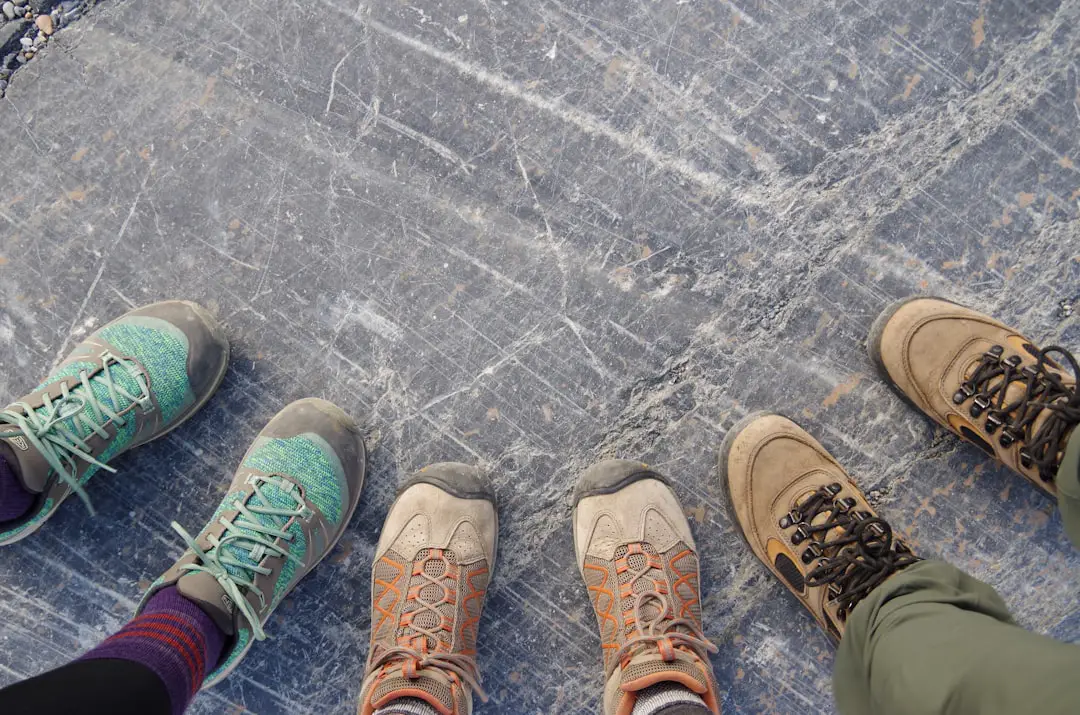
Footwear is one of the most important parts of a hiking outfit because poor fit can quickly lead to sore feet, rubbing, or blisters. The best choice is not automatically the heaviest boot. Match the shoe to the terrain, weather, distance, pack weight, and your own experience.
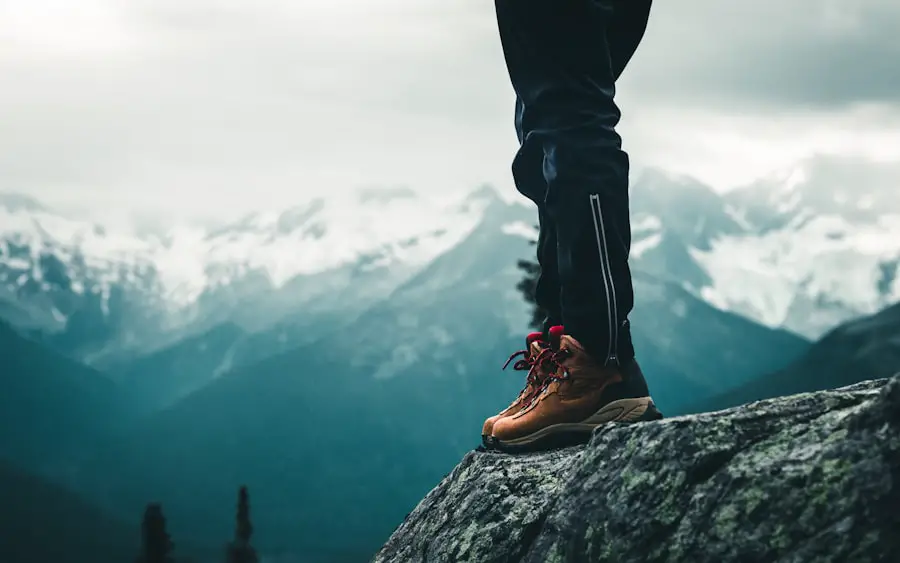
On rocky, muddy, steep, or uneven trails, sturdy hiking shoes or boots with a grippy outsole can improve traction and protect your feet from rocks and roots. Mid- or high-cut boots may also feel more supportive when carrying a heavier pack. The National Park Service hiking-safety guidance recommends sturdy footwear with suitable tread for demanding terrain.
For a shorter hike on a maintained trail, lightweight hiking shoes or trail runners can provide more flexibility and breathability. Waterproof footwear can be useful in persistent rain, mud, wet vegetation, or cold conditions, but waterproof membranes usually reduce ventilation compared with highly breathable non-waterproof shoes.
Brands such as Merrell and Salomon make boots, hiking shoes, and trail-running footwear for different conditions, but the brand name matters less than fit and suitability for the trail.
Pro Tip: Try hiking footwear with the socks you plan to wear. Walk on an incline if possible and make sure your heel is secure while your toes are not hitting the front. Wear new footwear on shorter walks before committing to a long hike; “breaking in” a shoe cannot correct a fundamentally poor fit.
Layering for Comfort and Protection
Layering lets you adjust your clothing as your body warms up, the wind rises, rain starts, or temperatures drop. A practical system uses a moisture-managing base layer, an insulating layer when warmth is needed, and a protective outer shell.
The Base Layer
The base layer sits next to your skin. Merino wool and synthetic fabrics such as polyester or nylon blends are common choices because they manage moisture and generally dry faster than heavy cotton clothing.
Choose a short-sleeve or long-sleeve base layer according to temperature, sun exposure, insects, and how much coverage you prefer. The fit should be comfortable enough that you can move your shoulders freely and wear another layer over it without bunching.
The Insulating Layer
An insulating layer helps retain warmth in cool conditions. Fleece jackets, synthetic insulated jackets, down jackets, and vests are common options. Choose the amount of insulation based on the lowest temperature you could reasonably encounter rather than how warm it feels at the trailhead.
Weight and packability matter because you may spend much of the hike carrying this layer. Down is highly packable but needs protection from prolonged moisture; synthetic insulation is often more forgiving in damp conditions.
The Outer Layer
The outer layer protects you from rain and wind. Instead of focusing on one proprietary fabric such as Gore-Tex, look for a waterproof, breathable shell that fits over your other layers and has practical features such as an adjustable hood, cuffs, and ventilation openings.
For sustained rain, waterproof pants can be as useful as the jacket. A shell that is too tight over your insulating layer can restrict movement and reduce comfort.
Note: “Waterproof” and “breathable” do not mean you will remain completely dry during hard exertion. Sweat can still build up inside a shell, so use vents and adjust layers before you become overheated.
The best hiking outfit is not the warmest or most technical one—it is the one that matches the trail, manages moisture, and gives you enough flexibility to handle changing conditions.
Best Hiking Pants, Shorts, and Leggings for Women
Hiking bottoms should let you squat, step over logs, climb, and walk uphill without pulling at your knees, waist, or hips. Lightweight nylon and polyester blends are popular because they are durable and typically dry faster than denim or heavy cotton.
Look for quick-drying hiking clothing with enough stretch for unrestricted movement. Reinforced areas can be useful on rough trails, while zippered pockets help keep small items secure.
Convertible pants with zip-off legs can work well when temperatures change through the day. Shorts are comfortable in hot weather but leave more skin exposed to sun, insects, brush, and abrasions. Pants with a UPF rating can add measurable UV protection on exposed trails.
Leggings can also work for hiking when they are durable, opaque, moisture-managing, and comfortable under a backpack hip belt. On overgrown or rocky routes, hiking pants generally provide more protection from thorns, rough rock, insects, and abrasion.
Best Hiking Shirts and Tops for Women
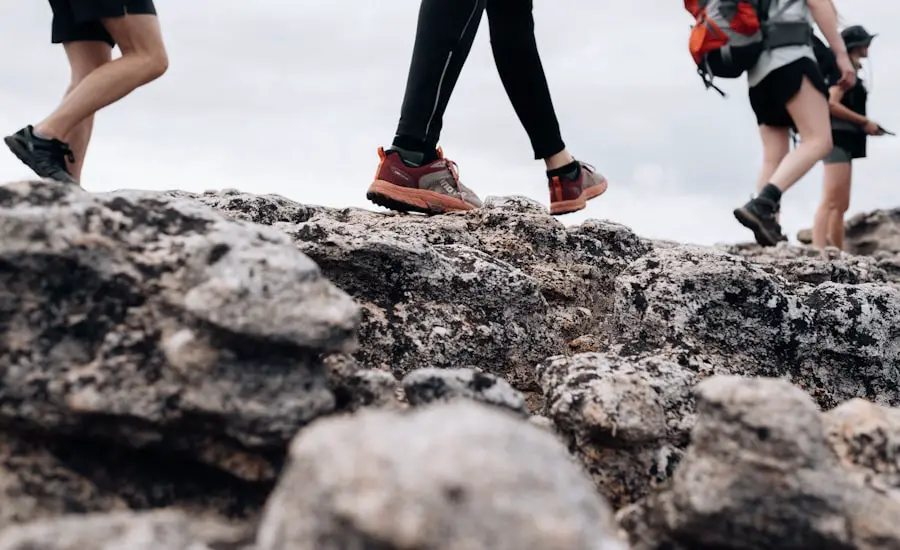
A hiking shirt should help manage sweat while giving you enough coverage for the conditions. Short sleeves work well in mild weather, while lightweight long sleeves add protection from sun, brush, wind, and insects.
| Top | Best For | What to Look For |
| Technical T-shirt | Warm or moderate conditions | Moisture management, comfortable seams, freedom of movement |
| Long-sleeve hiking shirt | Sun, insects, brush, or variable temperatures | Lightweight fabric, ventilation, roll-up sleeves, optional UPF rating |
| Tank top | Hot, low-exposure trails | Breathable fabric, comfortable backpack-strap placement, adequate sun protection |
A casual blouse is usually less practical for the trail if it restricts movement, holds moisture, has loose fabric that catches on vegetation, or rubs under backpack straps. A blouse-style hiking shirt can work, however, when it uses technical fabric and has a trail-friendly cut.
Brands such as Columbia and Patagonia offer outdoor-specific tops, but concentrate on fabric performance and fit rather than the label. Features such as mesh ventilation, quarter zips, roll-up sleeves, thumbholes, or adjustable cuffs can be useful when they match your conditions.
Sports Bras, Underwear, and Chafing
Comfort starts with the layers underneath your hiking clothes. A sports bra should provide the level of support you prefer without straps or hardware digging in under a backpack. Test it on a long walk before using it for an all-day hike.
For underwear, lightweight synthetic or merino-blend fabrics usually manage moisture better than thick cotton. Flat seams and a secure fit can reduce rubbing. Avoid underwear or shorts that repeatedly bunch, shift, or create pressure beneath a backpack hip belt.
If you commonly experience thigh or waistband chafing, choose bottoms that stay in place and provide enough coverage between rubbing surfaces. Address hot spots early rather than continuing until the skin becomes painful.
Essential Accessories for Hiking
Accessories should solve a specific trail problem rather than simply add more equipment. A brimmed hat protects your face and helps shade your eyes. A lightweight bandana or neck gaiter can manage sweat, add sun coverage, or provide a little warmth.
Trekking poles can improve balance on loose, steep, or uneven terrain and allow your arms to share some of the effort during climbs and descents. Adjustable poles are useful because they can be shortened or lengthened to suit the terrain.
Gloves may be useful in cold weather, while a lightweight rain shell belongs in the pack whenever rain is plausible. A watch or GPS device can help with timing and navigation, but electronic navigation should have a backup plan.
A compact multi-tool can be useful for small gear problems, provided its weight and features make sense for the trip.
Hiking Hats and Sunglasses
Extended outdoor exposure makes eye and skin protection important. Choose sunglasses labeled for 99–100% protection from UVA and UVB or UV400 protection. The National Eye Institute recommends this level of UV protection.
Polarized lenses can reduce reflected glare from surfaces such as water and snow, but polarization is not the same thing as UV protection. Check the UV rating separately.
A wide-brimmed hat provides more coverage for the ears, face, and neck than a small cap. Breathable, quick-drying materials are useful in hot weather. In colder conditions, switch to a beanie, insulated hat, or headband that provides the warmth the forecast requires.
Choosing the Right Hiking Socks
Socks are a small part of your hiking outfit but have a large effect on foot comfort. Merino-wool and synthetic hiking socks are popular because they manage moisture while providing varying levels of cushioning.
Match sock thickness to both weather and shoe fit. Thick socks can add warmth and cushioning, but they can also make a closely fitted shoe too tight. Lightweight socks are cooler but provide less cushioning.
Sock height should reach above the collar of your footwear so the shoe or boot does not rub directly against your skin. The heel should sit in the sock’s heel pocket without large wrinkles or excess material around the toes.
Fit matters more than simply buying the thickest hiking sock. A sock that bunches, slides, or makes the shoe too tight can increase rubbing rather than prevent it.
Selecting the Right Backpack
A well-fitted backpack makes it easier to carry clothing, food, water, navigation equipment, first aid, and emergency supplies. Choose capacity according to what the trip actually requires rather than buying solely by a liter number.
Many daypacks fall roughly in the 15–30-liter range, while overnight packs commonly begin around 40 liters and increase from there. These are shopping guidelines rather than rules: winter hikes, long water carries, technical routes, or bulky emergency gear can require more space.
The shoulder straps should sit comfortably without cutting into your neck. If the pack has a hip belt, position and tighten it so part of the load transfers to your hips rather than hanging entirely from your shoulders.
External bottle pockets, accessible snack storage, trekking-pole attachments, and a hydration reservoir can improve convenience, but fit is more important than the number of features.
Staying Dry in Wet Conditions
Rain changes both comfort and safety. Pack a waterproof-breathable jacket with a usable hood whenever significant rain is possible. Waterproof pants become increasingly valuable in prolonged rain, wind, wet vegetation, or cold conditions.
Use dry bags, waterproof stuff sacks, or a waterproof pack liner to protect spare insulation, electronics, food, and other items that must remain dry. Do not assume a backpack is waterproof unless the manufacturer specifically states that it is.
Waterproof footwear can help when trails are persistently muddy, cold, or wet. In warm weather, however, a breathable non-waterproof shoe may be more comfortable and can sometimes dry faster after becoming soaked.
Note: Carry at least one dry insulating layer in conditions where becoming wet could leave you cold. Protect that layer inside the pack even when your outer backpack fabric is water-resistant.
Sun Protection for Hiking
Clothing is your first line of sun protection. Long sleeves, pants, a brimmed hat, and garments with a UPF rating can reduce the amount of exposed skin.
For uncovered skin, the American Academy of Dermatology recommends broad-spectrum, water-resistant sunscreen with SPF 30 or higher. Apply it before going outdoors and reapply about every two hours, as well as after swimming or heavy sweating according to the product directions.
Do not forget commonly missed areas such as the ears, back of the neck, hands, and tops of exposed feet. Use an SPF lip balm as well.
What to Wear Hiking in Hot, Cold, and Buggy Conditions
Hot Weather
Choose lightweight, breathable clothing that manages sweat and protects you from intense sun. Loose long sleeves and lightweight pants can sometimes be more comfortable than exposing large areas of skin, especially on sunny desert trails.
Use a brimmed hat, sunglasses, sunscreen, and enough water for the route. Very hot weather may require changing the hiking time or route rather than relying on clothing alone.
Cold Weather
Cold-weather hiking requires more insulation and better moisture control. Start with a moisture-managing base layer, add fleece or another insulating layer, and carry a shell that blocks wind and precipitation.
Pack gloves and an appropriate hat. Avoid becoming soaked with sweat early in the hike: remove or vent a layer before you overheat, then put insulation back on during stops.
Ticks and Mosquitoes
In grassy, brushy, or wooded tick habitat, long pants and long sleeves reduce exposed skin. The CDC recommends EPA-registered insect repellents and notes that clothing and gear can be treated with products containing 0.5% permethrin.
Permethrin is for clothing and gear, not direct skin application. Follow the product label. Check your clothing, body, gear, and pets for ticks after hiking in tick habitat.
What Not to Wear Hiking
There is no single banned hiking outfit, but some choices create avoidable problems. Avoid footwear with poor grip or a fit that already causes rubbing. Flip-flops and loose casual sandals are generally poor choices on steep, rocky, or technical trails unless they are purpose-built hiking sandals suited to the route.
Heavy denim and thick cotton clothing can become uncomfortable when soaked and dry slowly. That matters most in cold, wet, or remote conditions. Cotton may be tolerable for a short, easy walk in stable warm weather, but technical synthetic or wool layers offer a wider safety margin when conditions could change.
Avoid restrictive clothing that limits your stride, fragile fabrics on brushy routes, and tops with seams or hardware that become painful beneath backpack straps.
Safety Gear and Personal Security for Women Hikers
The core safety equipment is the same for every hiker. The National Park Service Ten Essentials cover navigation, sun protection, extra clothing, illumination, first aid, fire, repair tools, food, water, and emergency shelter.
- Navigation: Carry a map, compass, GPS device, or a combination appropriate to the route. Download maps before entering areas with unreliable service and consider a physical map as backup.
- Emergency signaling: A whistle can attract attention without requiring you to shout continuously. A personal alarm is another optional security device.
- First aid: Carry a kit appropriate to your group and trip length, plus necessary personal medications.
- Personal supplies: Pack menstrual products, hygiene items, or other personal-care supplies when you may need them, along with a way to pack out waste where required.
- Communication: Do not assume cell service will be available. For remote trips, consider whether a satellite messenger or personal locator device is appropriate.
Some hikers also consider personal-defense spray. Pepper spray is not a universal hiking requirement, rules can vary by location, and ordinary personal-defense spray should not be confused with wildlife-specific bear spray. Check applicable laws and the land manager’s rules before carrying any defensive spray.
Tell a trusted person where you are going, your planned route, and when you expect to return. That simple step is often more valuable than carrying another gadget.
Warning: Check the forecast before a mountain hike and turn around when conditions deteriorate. The National Weather Service states that no outdoor location is completely safe during a thunderstorm. If you hear thunder, leave exposed ridges, summits, and other high terrain and move toward safe shelter when possible.
A detailed map or GPS device is most useful when you know how to use it before the trip. Carry enough battery power for your electronic navigation, but do not make a single phone your only emergency plan.
Optional equipment can also make a hike more enjoyable. For example, a compact pair of binoculars can help you observe wildlife or distant scenery without approaching it. See this guide to the best compact binoculars for hiking if binoculars make sense for your next trip.
Frequently Asked Questions
What should a woman wear for hiking?
For most hikes, wear a moisture-managing shirt, quick-drying pants, shorts, or leggings, hiking socks, and well-fitting hiking shoes, boots, or trail runners. Carry an insulating layer and waterproof shell when conditions require them, plus a hat, UV-blocking sunglasses, sunscreen, and appropriate safety gear.
What type of pants are best for women to wear when hiking?
Lightweight nylon or polyester-blend hiking pants with stretch are a versatile choice because they allow free movement and dry relatively quickly. Convertible pants add flexibility in changing temperatures. Leggings can also work on maintained trails, while sturdier pants provide more protection from brush, insects, and abrasion.
What kind of shirt is suitable for women to wear when hiking?
Choose a moisture-managing synthetic or merino-blend shirt that allows full shoulder movement. Short sleeves are useful in warm weather, while lightweight long sleeves provide more coverage from sun, insects, wind, and vegetation.
What type of footwear is recommended for women when hiking?
Use footwear with reliable traction and enough protection for the route. Hiking boots are useful for rugged terrain, colder conditions, or heavier loads, while hiking shoes and trail runners can be comfortable choices for maintained trails and lighter travel. Fit is more important than choosing a particular footwear category.
What accessories should women consider wearing when hiking?
Useful accessories include a brimmed hat, UV-blocking sunglasses, hiking socks, and weather-appropriate gloves or a neck gaiter. A backpack should carry water, food, navigation, first aid, extra layers, lighting, and other Ten Essentials appropriate to the trip.
Can women wear leggings for hiking?
Yes. Durable, moisture-managing leggings can be comfortable for hiking, especially on maintained trails. For brushy, rocky, cold, or tick-prone routes, traditional hiking pants may provide better abrasion, weather, and insect protection.
What clothing should you avoid when hiking?
Avoid clothing that restricts movement, rubs under your backpack, or performs poorly in the conditions you expect. Heavy denim and cotton-heavy clothing are poor choices for cold or wet hikes because they dry slowly. Also avoid slippery or badly fitting footwear on uneven terrain.
Sources
- U.S. National Park Service — Ten Essentials — navigation, sun protection, extra clothing, first aid, food, water, lighting, and emergency equipment.
- U.S. National Park Service — Mount Rainier Hiking Safety — trail footwear and general hiking-safety guidance.
- Centers for Disease Control and Prevention — Preventing Tick Bites — repellents, protective clothing, permethrin-treated gear, and post-hike tick checks.
- American Academy of Dermatology — How to Apply Sunscreen — broad-spectrum SPF 30+ sunscreen selection and reapplication guidance.
- National Eye Institute — Protecting Your Eyes from UV Light — UV400/99–100% UVA and UVB protection and polarized-lens guidance.
- National Weather Service — Outdoor Lightning Safety — thunderstorm and exposed-terrain safety.

