
Last Updated on July 28, 2026 by Daniel Globe
Hawaii is a year-round destination, but the best time to visit depends on whether you care most about lower crowds, beach conditions, whale watching, surfing, festivals, or price. For many travelers, the strongest overall balance comes during the shoulder periods from mid-April through early June and September through early November, outside major holidays and island-specific events.
Quick Answer
For most travelers, the best time to visit Hawaii is mid-April through early June or September through early November. These shoulder periods usually combine warm weather, less holiday crowding, and better odds of finding lower airfare or lodging than peak weeks. Choose winter for whales and big surf, and summer for calmer north-shore water.
Key Takeaways
- Best overall balance: mid-April through early June and September through early November, while avoiding holiday weeks and major local events.
- Warm weather is available year-round, but rainfall changes sharply between windward, leeward, coastal, and high-elevation areas.
- Winter is best for humpback whales and watching large North Shore surf, but those same waves can make some beaches dangerous for swimming.
- Central Pacific hurricane season runs June 1 through November 30, so fall should not be described as hurricane-free.
- Prices and crowds are not statewide constants. School breaks, holidays, festivals, and island-specific demand can turn an otherwise quiet month into a busy week.
Disclosure: As an Amazon Associate I earn from qualifying purchases. Some links on this page are affiliate links, at no extra cost to you.
Hawaii Weather by Season
The National Weather Service describes Hawaii as having mild temperatures throughout the year, persistent northeasterly trade winds, and large rainfall differences over surprisingly short distances. For most of the state, it broadly divides the year into a warmer, drier “summer” from about May through October and a wetter “winter” from roughly October through April.
August and September are generally Hawaii’s warmest months, while February and March are among the coolest. Even then, the difference at sea level is modest compared with most mainland destinations. Elevation matters much more: the National Weather Service notes that temperature decreases by roughly 3°F for every 1,000 feet of elevation, which is why a sunny beach day can coexist with cold, windy conditions near a high mountain summit.
Rainfall also depends heavily on location. Moist trade winds rise over mountain slopes, so windward areas such as Hilo on Hawaiʻi Island and parts of Kauaʻi’s north and east sides receive considerably more rain than many leeward resort areas. Waikīkī on Oʻahu, the Kona coast of Hawaiʻi Island, and much of South and West Maui generally experience drier conditions.
There is no single “best-weather month” for every Hawaiian island. Your island, coast, elevation, and planned activities matter as much as the month on the calendar.
Best Time to Visit Hawaii by Travel Goal
| Travel Goal | Best Time | Why |
| Best overall balance | Mid-April to early June; September to early November | Warm weather with fewer school-holiday and winter-holiday crowds in many destinations. |
| Whale watching | January to March | This is the usual peak in humpback whale abundance. |
| Big-wave surf watching | November to February | North- and west-facing shores receive powerful winter swells. |
| North Shore swimming and snorkeling | Late spring through summer | North-shore water is often smaller and calmer than in winter, although daily conditions still matter. |
| Cultural festivals | March, April, and September | Major events include the Honolulu Festival, Merrie Monarch Festival, and Aloha Festivals. |
| Potentially better-value travel | Late April to May; September to early November | These periods avoid some major school breaks, but prices still vary by island, event, and booking date. |
Peak Tourist Seasons
Hawaii’s busiest periods are driven as much by school calendars and holidays as by weather. The Christmas and New Year’s period is especially popular with visitors escaping colder climates. Spring-break weeks and the June-through-August school-vacation period can also create heavier demand for flights, rental cars, lodging, restaurants, and tours.
That does not mean every island reaches its annual peak on the same dates. The Hawaii Tourism Authority publishes current monthly visitor statistics, and major local events can temporarily increase demand even in months normally described as a shoulder season.
If you travel during Christmas week, New Year’s, spring break, or popular summer vacation weeks, book high-priority activities early. That is particularly important for limited-capacity attractions and experiences that require advance reservations.
Off-Peak Seasons
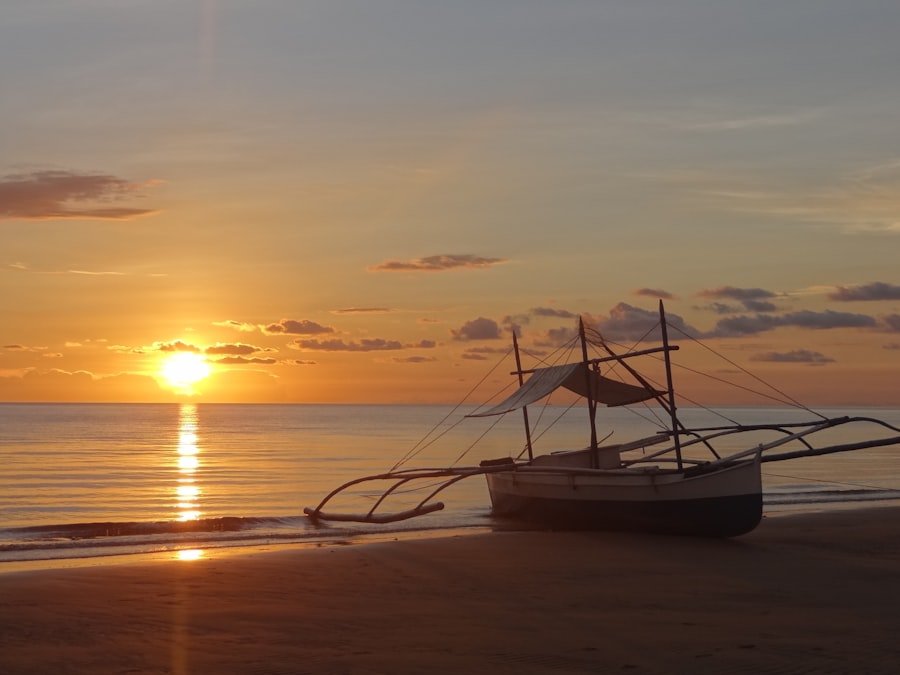
For travelers trying to balance pleasant weather, lighter crowds, and price, mid-April through early June and September through early November are often the most useful windows to compare. Families are less likely to be traveling for long school holidays, and these dates fall outside the busiest winter-holiday period.
However, “off-peak” should never be treated as a guarantee. A festival, conference, school break, or local event can raise demand sharply on one island while another remains relatively quiet. Merrie Monarch week in Hilo is a good example: April may be a shoulder month statewide, but festival week can create intense local demand.
These quieter periods can also make it easier to spend more time exploring neighborhoods, local restaurants, farmers markets, museums, and cultural sites instead of building an itinerary around the most heavily visited attractions. The official Hawaiian Islands visitor guides are a useful starting point for choosing the island that best matches your interests.
Pro Tip: Compare several dates within the same two- or three-week window. In Hawaii, moving a trip away from a holiday weekend or major local event can matter more than choosing a completely different month.
Hurricane Season and Weather Disruptions
The Central Pacific hurricane season officially runs from June 1 through November 30, according to the Central Pacific Hurricane Center. Tropical cyclones can occur outside those dates, although they are less common.
This does not mean a summer or fall trip is likely to be ruined by a hurricane. It means travelers visiting from June through November should keep severe-weather risk in mind, especially when booking expensive nonrefundable arrangements. Monitor forecasts as departure approaches and follow official state, county, airline, and accommodation guidance if a storm threatens the islands.
Note: September and October can still be excellent months to visit, but they fall inside hurricane season. Their appeal comes from warm weather and often-lighter vacation crowds, not from an absence of tropical-weather risk.
Special Events and Festivals
Hawaii’s cultural calendar can be a reason to choose a particular month, but major events can also tighten hotel availability and increase traffic around their host communities.
Merrie Monarch Festival
The Merrie Monarch Festival in Hilo celebrates Hawaiian culture and hula through competitions, exhibitions, arts, crafts, and a parade. The 2026 festival ran April 5–11. Because it is one of Hilo’s signature events, travelers planning to attend should not assume that ordinary April “off-peak” lodging conditions will apply during festival week.
Aloha Festivals
Aloha Festivals celebrates Hawaiian culture with hula, music, pageantry, food, and community events. In 2026, its principal Waikīkī events are scheduled for September 5, September 19, and September 26, including the opening ceremony, Waikīkī Hoʻolauleʻa, and Floral Parade.
Honolulu Festival
The Honolulu Festival celebrates cultures of Hawaiʻi and the Pacific Rim through performances, exhibitions, and other events. The next announced festival is scheduled for March 5–7, 2027. Travelers visiting Oʻahu in March should check the official schedule because event dates can affect plans in and around Waikīkī.
Budget-Friendly Travel Times
Late spring and early fall are often good periods to search for better-value Hawaii trips, but no month guarantees low airfare or hotel rates. Prices respond to flight capacity, school calendars, holidays, conventions, festivals, island-specific demand, and how far in advance you book.
Instead of relying on a single “cheap month,” compare flexible date combinations. Check several departure days, compare the total cost of different islands, and include parking, resort fees, rental-car costs, and taxes when comparing lodging.
Location also matters. A property outside a major resort district may cost less, but savings can disappear if you need a rental car, pay for parking, or spend hours driving. On Hawaiʻi Island, for example, staying near the activities you actually plan to do may be more valuable than simply choosing the lowest nightly rate.
Travelers should also avoid using old assumptions about Lahaina as a normal resort-price benchmark. Lahaina continues its long-term rebuilding after the 2023 wildfire, and visitors should check current Maui information, respect closed or rebuilding areas, and support businesses that have reopened responsibly.
Best Times for Outdoor Activities
Swimming, Snorkeling, and Diving
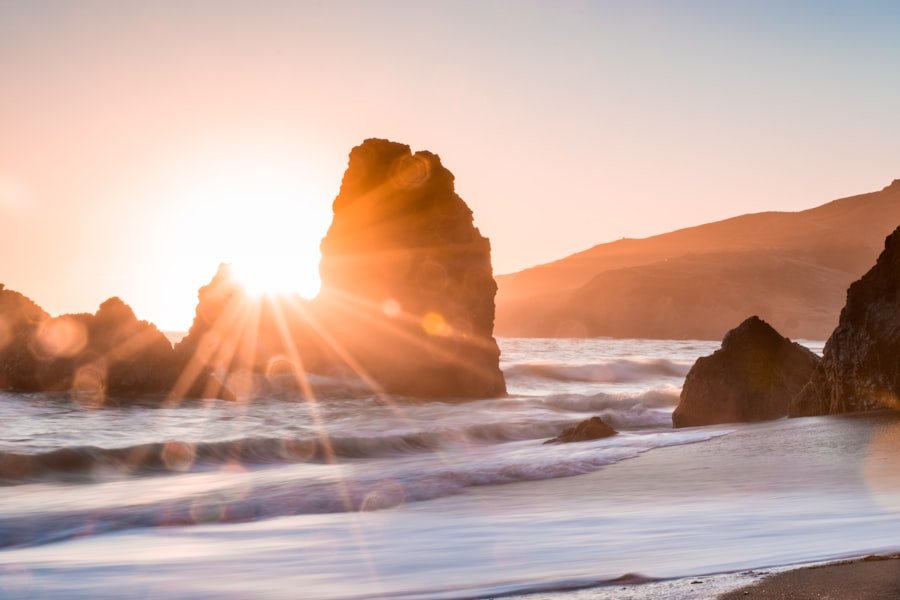
There is no statewide season when every Hawaiian beach is calm. The official Hawaii Ocean Safety surf-season guide explains that north shores are often much calmer from May through October, while powerful winter swells can make those same beaches hazardous from November through April.
South-facing shores can receive larger swells during summer, so even a normally protected-looking beach can change from one day to the next. Choose a lifeguarded beach when possible, read posted warning signs, and check current conditions before entering the ocean.
Warning: Never assume a beach is safe because it was calm on a previous visit or because the weather is sunny. Hawaii’s surf, currents, and shorebreak can change quickly. Hawaii Ocean Safety recommends swimming at lifeguarded beaches, obeying warning signs, and checking current ocean conditions.
Surfing and Big-Wave Watching
Winter is the signature big-wave season on north- and west-facing shores. Oʻahu’s North Shore receives the powerful swells that make places such as Waimea Bay, Sunset Beach, and ʻEhukai famous. These conditions are spectacular for experienced surfers and spectators but can be dangerous for inexperienced swimmers and novice surfers.
Summer brings smaller conditions more often to many north-shore beaches, which can make selected locations more suitable for beginners. Always judge the specific beach and day’s forecast rather than the month alone.
Hiking
Hiking is possible year-round, but shoulder-season temperatures can be comfortable for long days outdoors. Rain remains highly localized, especially on windward and mountain trails, so check the forecast and current trail conditions before setting out.
High-elevation destinations require special preparation. At Haleakalā, for example, summit temperatures can be dramatically colder than at the beach, and wind, cloud, and rain can change quickly.
Whale Watching
For humpback whales, winter has a clear advantage. According to the Hawaiian Islands Humpback Whale National Marine Sanctuary, humpbacks generally visit Hawaiian waters from November through May, with the usual peak in abundance from January through March.
Whales can often be seen from shore as well as on boat tours. Federal rules prohibit approaching humpback whales within 100 yards by sea, so choose operators that follow responsible wildlife-viewing practices.
Avoiding Crowds
Visiting popular places early or later in the day can help in some locations, but reservations and local operating rules matter more than simply arriving before breakfast.
Haleakalā sunrise is an important example. It is not a quiet, first-come experience. The National Park Service requires advance sunrise reservations for vehicles entering the Summit District between 3:00 a.m. and 7:00 a.m. Reservations are released up to 60 days ahead, with an additional portion released two days before the visit.
If avoiding crowds matters more than seeing sunrise itself, consider visiting the summit later in the day or using overlooks such as Leleiwi or Kalahaku when conditions allow. Always check current National Park Service alerts before driving up.
At beaches, crowd levels can change dramatically by weekday, weather, surf, parking availability, and season. Lanikai, Waimea Bay, Makena, and Polihale may all feel quieter at certain times, but none should be treated as guaranteed “hidden gems.” Choose destinations based on current access and safety rather than social-media crowd claims.
Considerations for Accommodations
Accommodation choice can affect the trip almost as much as the month you visit. Resort hotels may place you close to beaches and services, while condominiums and vacation rentals can provide kitchens or more space for families. Compare the full trip cost rather than the nightly rate alone.
Short-term rentals also require extra care. Hawaiʻi counties have their own zoning, permit, and operating rules for transient accommodations. The Hawaiʻi Department of Taxation notes that counties maintain their own short-term-rental requirements. Before booking a house, condominium, Airbnb, or Vrbo, confirm that the property is legally permitted for short-term visitor use.
Location should match your itinerary. Staying in Kailua on Oʻahu, for example, creates a very different trip from staying in Waikīkī. Likewise, choosing Kona rather than Hilo changes your typical weather, drive times, and access to attractions on Hawaiʻi Island.
Note: On Maui, Lahaina remains in a long-term rebuilding process following the 2023 wildfire. Check current access and business information before planning time in the area, respect closures and residential recovery zones, and support open local businesses responsibly.
Frequently Asked Questions
What is the best time to travel to Hawaii?
For most travelers, mid-April through early June and September through early November offer a strong balance of warm weather and lighter vacation crowds. Avoid major holidays and check local event calendars, because an otherwise quiet month can become busy on a specific island.
What is the weather like during the best months to visit Hawaii?
Coastal temperatures remain warm throughout the year. Late spring and early fall often offer favorable conditions, but rainfall depends strongly on island, coast, and elevation. Windward areas are generally wetter than leeward resort areas.
When is peak tourist season in Hawaii?
The Christmas and New Year’s period is particularly busy, while spring-break weeks and the June-through-August school-vacation period can also bring strong demand. Major festivals can create local peaks outside those periods.
What are the advantages of visiting Hawaii during shoulder season?
Shoulder-season trips may offer fewer holiday crowds and better availability than peak weeks. They can also provide more flexibility for restaurants, tours, and lodging. Airfare and hotel savings are possible but are never guaranteed.
When is hurricane season in Hawaii?
The official Central Pacific hurricane season runs from June 1 through November 30. Tropical cyclones can occur outside that window, so travelers should monitor forecasts whenever severe weather threatens.
When is the best time to see whales in Hawaii?
Humpback whales are generally present from November through May, with the usual peak in abundance from January through March. Winter is therefore the strongest choice for travelers who place whale watching high on their list.
Which Hawaii festivals should I consider when choosing travel dates?
Major events include the Merrie Monarch Festival in Hilo in spring, the Honolulu Festival in March, and Aloha Festivals events in September. Check the official event websites before booking because dates change annually and nearby lodging can fill quickly.
Sources
- National Weather Service — Climate of Hawaiʻi — seasonal weather, trade winds, rainfall patterns, elevation, and regional climate differences.
- Central Pacific Hurricane Center — official Central Pacific hurricane-season dates and tropical cyclone information.
- Hawaii Ocean Safety — Hawaii’s Surf Seasons — seasonal north-, south-, east-, and west-shore wave patterns and safety guidance.
- NOAA Hawaiian Islands Humpback Whale National Marine Sanctuary — humpback whale season, peak months, and responsible viewing rules.
- National Park Service — Haleakalā Sunrise — current sunrise reservation requirements and planning guidance.
- Hawaii Tourism Authority — Monthly Visitor Statistics — current statewide and island visitor-demand data.

