
Last Updated on September 10, 2026 by Daniel Globe
Shetland Sheepdogs are bright, athletic herding dogs that often enjoy exploring trails with their people. A healthy adult Sheltie can be a capable hiking companion, but success depends on conditioning, weather, trail rules, and the individual dog’s age, health, and behavior.
Quick Answer
Yes, many Shelties are good hiking dogs. Their intelligence, agility, and willingness to work suit easy-to-moderate trails, especially in cool weather. Start with short outings, use a fixed leash and fitted harness, carry clean water, and turn back at the first signs of fatigue, paw pain, anxiety, or overheating.
The breed originated in Scotland’s Shetland Islands, where small, weather-resistant herding dogs worked in rugged conditions. Modern Shelties are affectionate, responsive, and often eager to learn, which can make them enjoyable partners for outdoor adventures. They are not automatically ready for long mileage, however. Trail skills and endurance must be built gradually.
Key Takeaways
- A fit adult Sheltie can do well on easy-to-moderate, dog-friendly trails.
- Build distance slowly instead of choosing mileage by breed alone.
- Use a fixed leash, fitted harness, clean water, waste bags, and a basic canine first-aid kit.
- Plan around heat, rough ground, wildlife, parasites, and contaminated water.
- Do not shave a Sheltie’s double coat for hiking; brush it well and hike during cooler conditions.
At a Glance
| Best Trail Type | Dog-friendly, well-marked routes with moderate grades, stable footing, shade, and an easy turnaround |
| Typical Adult Size | About 13–16 inches at the shoulder; many adults weigh roughly 15–25 pounds |
| Starting Plan | Begin with short, familiar walks and add time, distance, or elevation gradually—only one challenge at a time |
| Essential Gear | Fixed 4–6 ft leash, fitted harness, clean water and bowl, waste bags, identification, and first-aid supplies |
| Main Risks | Heat illness, worn or cut paw pads, wildlife encounters, ticks, unsafe water, fatigue, and leash reactivity |
Disclosure: As an Amazon Associate I earn from qualifying purchases. Some links on this page are affiliate links, at no extra cost to you.
Physical Characteristics and Abilities of Shelties
The American Kennel Club describes the Sheltie as an intelligent, quick, obedient herder from the Shetland Islands. The official show standard sets the breed’s height at 13 to 16 inches at the shoulder. Many adult Shelties weigh about 15 to 25 pounds, although a healthy weight depends on the dog’s frame and body condition.
The United Kennel Club breed standard calls for agility and endurance, traits that can translate well to hiking. Their smaller size also makes them easier to assist or carry than a large dog if an injury occurs. Size does not guarantee stamina, though. A sedentary adult, a puppy, a senior dog, or a Sheltie with joint, heart, breathing, or neurologic problems may need a much easier outing.
A Sheltie has a dense undercoat and a longer, weather-resistant outer coat. The coat offers protection from cold, sun, moisture, and trail debris, but it does not make the dog heat-proof. Regular brushing removes loose undercoat and helps air move through the coat. Shaving is not a safe shortcut for hot-weather hiking because it removes natural skin and sun protection.
Breed traits help, but the best predictor of trail success is the individual dog’s health, conditioning, training, and comfort in that day’s conditions.
Considerations for Hiking with Shelties
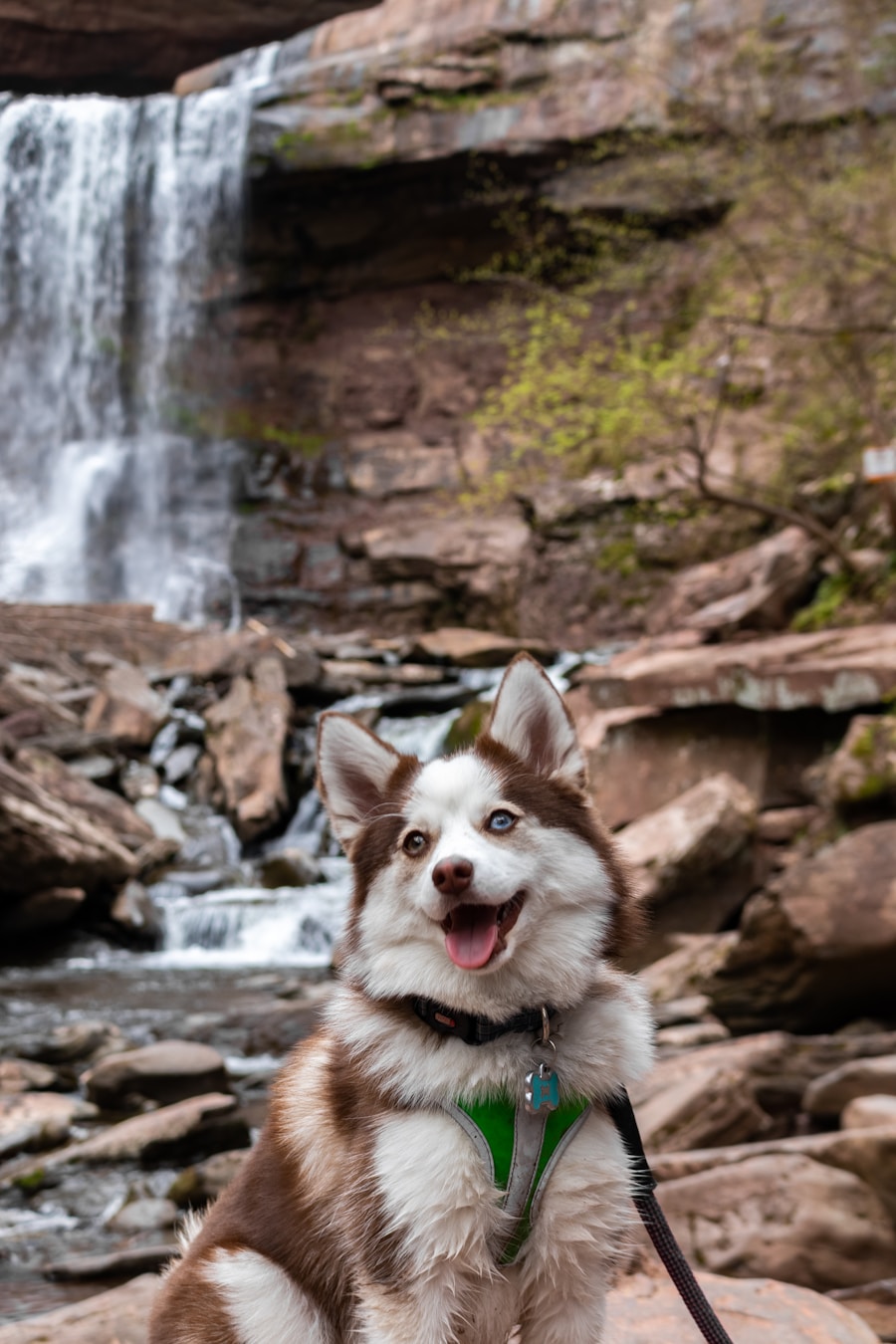
Before choosing a trail, assess the dog in front of you rather than relying on the breed label. A Sheltie that comfortably walks around the neighborhood may still be unprepared for loose rock, steep climbs, stream crossings, crowds, or several hours away from the trailhead.
Check Age, Health, and Fitness
- Puppies: Keep outings short and low-impact. Growing joints can be harmed by repeated strenuous exercise, long descents, or forced mileage. Ask your veterinarian when your puppy is ready for harder hiking.
- Healthy adults: Build from familiar walks to longer routes over several weeks. Increase only one variable—time, distance, elevation, or terrain—at a time.
- Senior or medically affected dogs: Choose short routes with easy footing and frequent turnaround points. A veterinary exam is wise before beginning a new strenuous exercise plan.
- Overweight or deconditioned dogs: Begin with a walking and weight-management plan rather than a demanding trail.
Check Temperament and Trail Behavior
Shelties are typically devoted to their families, but many are reserved with strangers and sensitive to sudden movement or noise. Busy trails may trigger barking, pulling, circling, or attempts to control movement around runners, bicycles, children, or other dogs. Practice calm passing at a distance before hiking in crowded places.
Note: A dog that lunges, panics, freezes, or cannot disengage from people, dogs, livestock, or wildlife is not ready for a busy trail. Work with a qualified trainer and choose quieter environments first.
Training and Socialization for Hiking
Trail training should begin in familiar places where distractions are manageable. Shelties usually learn quickly, but their sensitivity means calm, reward-based practice works better than harsh corrections.
Teach Essential Trail Skills
- Loose-leash walking: Your dog should be able to walk without constant pulling on flat ground before tackling narrow or steep sections.
- Recall: A strong “come” cue is an emergency backup even when the leash remains attached.
- Leave it: Use it for wildlife, droppings, food scraps, mushrooms, stagnant water, and other trail hazards.
- Wait or stay: This helps at road crossings, switchbacks, gates, and narrow passing points.
- Behind or side: A position cue keeps the dog from pulling you downhill or crowding another hiker.
- Settle: Teach the dog to rest calmly during water and snack breaks.
Build Endurance Gradually
- Start with short walks on level, familiar ground.
- Add small sections of grass, packed dirt, gentle hills, or uneven surfaces.
- Increase outing time only when your Sheltie finishes comfortably and recovers normally by the next day.
- Practice around controlled distractions before choosing a crowded trail.
- Use an out-and-back route at first so you can turn around early.
There is no reliable breed-wide mileage target. Weather, elevation, surface, pace, age, body condition, and prior training can make the same distance easy one day and unsafe the next.
Pro Tip: Practice “leave it,” a calm trail-side sit, and a controlled U-turn before the first real hike. These three skills solve many common problems without needing to overpower the dog.
Health and Safety Tips for Hiking with Shelties
Prevent Heat Illness
Plan warm-weather hikes for early morning or evening, favor shade, shorten the route, and take frequent breaks. Watch the dog rather than the thermometer alone: humidity, direct sun, dark rock, poor airflow, excitement, and steep climbing can all increase heat load. Heavy panting that does not settle, excessive drooling, weakness, vomiting, diarrhea, confusion, stumbling, collapse, or abnormal gum color are warning signs.
Warning: Suspected heatstroke is an emergency. Stop exercise, move the dog to shade or air conditioning, begin cooling with cool—not ice-cold—water, and contact a veterinarian or emergency clinic immediately. Do not wait to see whether severe symptoms improve on their own.
Protect Paws and Joints
Check the trail surface with your hand, but also inspect the route for sharp rock, ice, road salt, thorns, broken glass, and abrasive sand. Booties can help when they fit well and the dog has practiced wearing them. Poorly fitted boots can rub, trap grit, or change the dog’s gait. Stop if you see limping, repeated paw lifting, shortened steps, reluctance to move, or licking at the feet.
Carry Clean Water
Bring enough clean water for the full outing and offer small drinks during breaks. Do not depend on streams, ponds, or puddles. Wildlife and livestock can contaminate natural water, and water with scum, foam, odd colors, a bad smell, or dead animals nearby may contain harmful algal toxins. The Centers for Disease Control and Prevention advises keeping pets out of stagnant or suspicious-looking water.
Plan for Parasites, Wildlife, and Emergencies
Before hiking season, ask your veterinarian about vaccines and region-appropriate flea, tick, heartworm, and other parasite prevention. Keep identification tags and microchip details current. Download the trail map, note the nearest veterinary emergency clinic, and tell someone where you are going when the route is remote.
Keep your Sheltie close around wildlife and livestock. Chasing can injure the dog, stress wild animals, or trigger a defensive attack. Never allow nose-to-nose contact with wild animals, and do not let the dog investigate carcasses or droppings.
Equipment and Gear for Hiking with Shelties
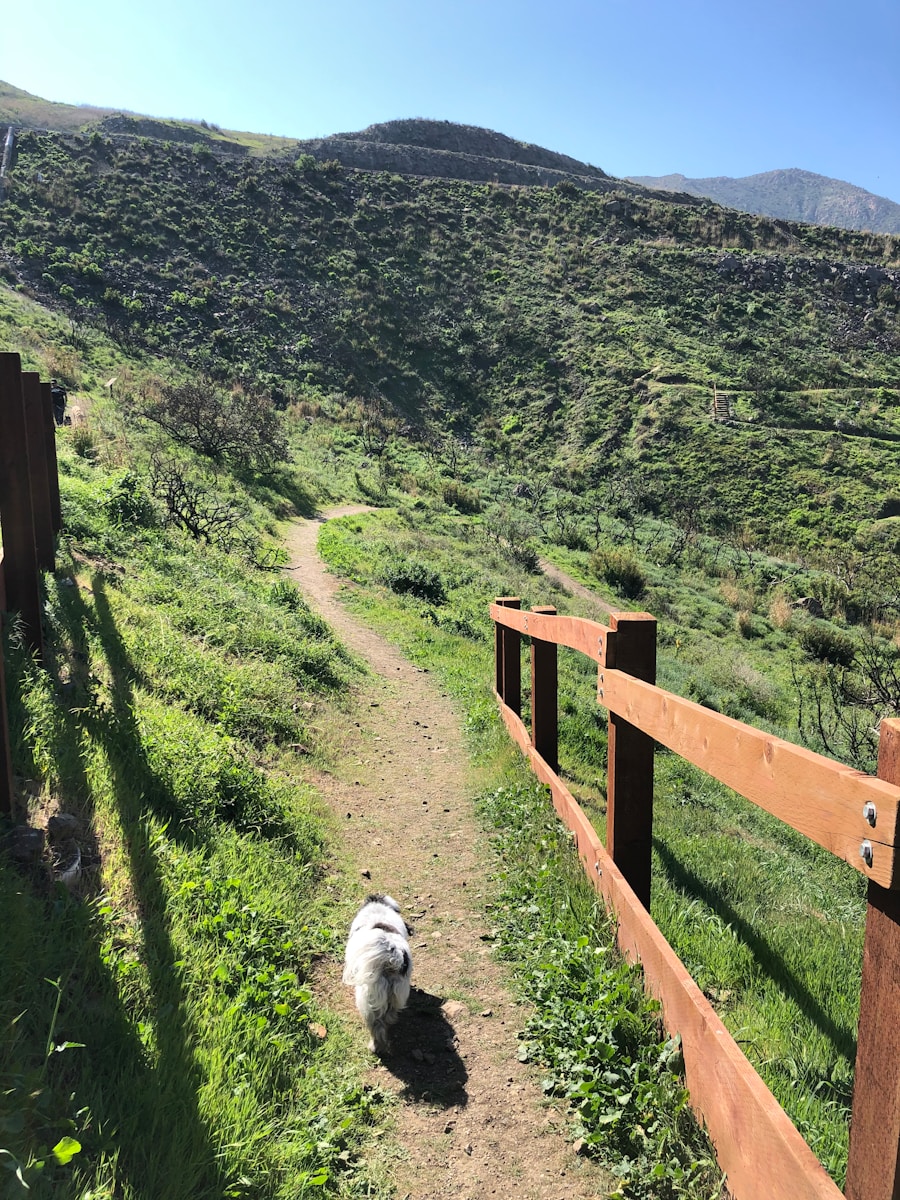
A simple, well-fitted kit is safer than loading a small dog with unnecessary equipment. Test every item on neighborhood walks before using it far from home.
- Fixed 4–6 ft leash: Offers control without the tangling and delayed response common with long retractable leads. Follow the trail’s posted leash limit.
- Well-fitted harness: Choose one that does not rub the armpits, restrict shoulder movement, or allow the dog to back out.
- Collar, ID tag, and updated microchip: Keep identification on the dog even when using a harness.
- Clean water and collapsible bowl: Carry more than you expect to use, especially on exposed or remote routes.
- Waste bags: Pack out waste where required and follow local disposal rules.
- High-value treats or a small snack: Useful for training, recall, and longer outings.
- Basic canine first-aid kit: Include gauze, nonstick pads, self-adhering bandage, saline, blunt-tip scissors, tweezers or a tick tool, disposable gloves, and your veterinarian’s phone number. Learn how to use the supplies before the hike.
- Booties when conditions require them: Introduce them gradually and check for rubbing during breaks.
- Towel and comb: Helpful for mud, burrs, foxtails, and wet coat after the hike.
A dog backpack is optional, not essential. If you use one, start empty, check fit carefully, and ask your veterinarian whether carrying weight is appropriate for your dog. Never use a pack to compensate for carrying too much human gear.
Choosing the Right Hiking Trails for Shelties
Check the managing agency’s current pet rules before leaving home. The National Park Service notes that many parks restrict pets on trails and boardwalks, and rules differ by location. Confirm where dogs are allowed, the leash length, seasonal closures, wildlife warnings, water availability, and whether waste must be packed out.
Good First Trails
- Short out-and-back routes with an easy turnaround
- Stable footing and gentle elevation gain
- Shade or tree cover in warm weather
- Low exposure to cliffs, fast water, loose scree, or heavy bicycle traffic
- Enough trail width to pass people and dogs without crowding
- Reliable cell coverage or easy access to the trailhead
How Far Can a Sheltie Hike?
Some conditioned adult Shelties can handle long day hikes, while others are happiest on a short walk. Do not choose a distance from an online breed chart. Begin below your dog’s current comfortable limit, watch recovery over the next 24 hours, and increase gradually only when there is no limping, stiffness, unusual fatigue, appetite change, paw damage, or reluctance to exercise.
Know When to Turn Back
Turn around for persistent panting, slowing pace, repeated stopping, lagging behind, anxiety, trembling, paw lifting, limping, vomiting, diarrhea, disorientation, or a sudden behavior change. A Sheltie may keep moving to stay with you even when uncomfortable, so do not wait for collapse.
Trail Etiquette and Wildlife Safety
- Keep your dog under physical control and obey posted leash rules.
- Move to the side and shorten the leash when people, horses, bicycles, or dogs pass.
- Ask before allowing greetings; many dogs and hikers need space.
- Prevent barking, chasing, digging, and entry into protected habitat.
- Carry out waste and food scraps.
- Yield according to local trail rules and give horses the widest possible space.
- Do not let your dog approach wildlife, livestock, nests, dens, or carcasses.
Post-Hike Care for a Sheltie
After the hike, offer water and allow a calm cool-down. Check every paw pad and between the toes for cuts, grit, seeds, swelling, or tenderness. Run your hands through the thick coat and inspect the ears, eyelids, collar area, armpits, groin, toes, and tail area for ticks. The CDC recommends checking pets for ticks after outdoor activity.
Brush out burrs and debris before they mat into the undercoat. Monitor your dog through the next day. Contact a veterinarian for persistent limping, marked stiffness, unusual tiredness, repeated vomiting or diarrhea, breathing trouble, a deep wound, eye injury, collapse, or any sign that seems severe or is getting worse.
Are Shelties Good Hiking Dogs?
Yes—many healthy, conditioned adult Shelties make very good hiking companions. They are smart, agile, responsive, and often enjoy having a job to do. Their best outings are selected for the individual dog, not for the breed’s reputation. With gradual conditioning, calm trail manners, weather planning, safe water, suitable gear, and a willingness to turn back early, hiking can be a rewarding way to exercise and bond with a Sheltie.
Frequently Asked Questions
Are Shelties good hiking dogs?
Yes. Many healthy adult Shelties have the intelligence, agility, and energy for hiking. Their conditioning, health, temperament, and the day’s weather matter more than breed alone.
How far can a Sheltie hike?
There is no safe universal mileage. Start with short walks, add difficulty gradually, and judge the dog’s comfort during the hike and recovery over the next 24 hours.
At what age can a Sheltie start hiking?
Puppies can take short, easy outings appropriate to their vaccination status and development. Repeated long-distance or high-impact hiking should wait until a veterinarian says the dog is physically ready.
Do Shelties overheat easily?
They can overheat during strenuous activity, especially in warm, humid, sunny, or poorly ventilated conditions. Their double coat provides protection but does not prevent heat illness. Hike during cooler hours, provide shade and water, and do not shave the coat as a heat-safety measure.
Should a Sheltie hike off-leash?
A fixed leash is the safest default and is required on many trails. Off-leash hiking should occur only where it is legal, the dog has exceptional recall, and wildlife, livestock, cliffs, roads, and other visitors are not put at risk.
What characteristics make Shelties good hiking companions?
Shelties are typically intelligent, agile, trainable, and eager to work with their owners. Their compact size can also make them easier to assist in an emergency than a large dog.
How can I train my Sheltie for hiking?
Teach loose-leash walking, recall, “leave it,” waiting, calm passing, and an emergency U-turn. Build endurance on easy terrain before adding mileage, elevation, crowds, or rough surfaces.
What gear should I bring for a Sheltie hike?
Bring a fixed leash, fitted harness, identification, clean water and a bowl, waste bags, treats, a basic first-aid kit, and weather-appropriate paw protection when needed.
Your dog’s trail kit matters, but your own comfort does too. For longer hiking adventures, pack layers that match the forecast. Odor-resistant merino wool travel socks can help keep your feet comfortable, while the best travel gifts for her may offer ideas for other trip essentials. Anglers planning a dog-friendly stop can also consider a compact travel fishing rod, provided the area allows fishing and pets.
Love travel? Join Our Facebook Community
Sources
- American Kennel Club — Shetland Sheepdog — breed origin, temperament, size, coat, and exercise profile
- United Kennel Club — Shetland Sheepdog Breed Standard — history, working temperament, coat, agility, and endurance
- National Park Service — Hiking With Pets — trail access, leash control, hydration, wildlife, waste, and preparation
- American Veterinary Medical Association — Disease Precautions for Outdoor Companion Animals — vaccination and parasite-prevention planning
- VCA Animal Hospitals — Common Emergencies in Dogs — heatstroke warning signs, cooling, and emergency veterinary care
- Centers for Disease Control and Prevention — Pet Travel Safety — tick checks, preventive care, and unsafe natural water
