
Last Updated on September 10, 2026 by Daniel Globe
Cowboy boots may feel tough enough for the trail, but toughness alone does not make footwear suitable for hiking. Traditional Western boots were designed around riding, ranch work, and stirrup use. Their heel shape, pull-on fit, and often-smooth leather outsole can become liabilities on wet rock, loose soil, steep grades, or long walks.
Quick Answer
Cowboy boots are usually a poor choice for hiking. Traditional leather soles, raised riding heels, and a loose pull-on fit can reduce grip and control on uneven ground. They may be acceptable for a short, flat, dry walk if broken in and rubber-soled, but hiking shoes or boots are safer for real trails.
Key Takeaways
- Traditional cowboy boots are built for riding, not repeated walking over rough ground.
- Smooth soles, raised heels, limited cushioning, and a less-secure pull-on fit can increase slipping, rubbing, and foot fatigue.
- A rubber-soled roper or Western work boot is a better walking option than a pointed-toe boot with a slick leather sole, but it still may not match dedicated trail footwear.
- Hiking shoes, trail runners, and hiking boots offer different levels of grip, protection, weight, and support; the best choice depends on the terrain and load.
- If cowboy boots are your only option, choose a short, dry, well-maintained route and turn back at the first sign of slipping, pain, or a hot spot.
Disclosure: As an Amazon Associate I earn from qualifying purchases. Some links on this page are affiliate links, at no extra cost to you.
Why Cowboy Boots Are Built Differently
The history of cowboy footwear is tied to the vaquero traditions that shaped ranching in North America. The National Park Service traces horseback cattle work in North America to Spanish colonial traditions that developed over several centuries, rather than to one single moment in the early 1800s.
Traditional cowboy boots developed around the needs of riders. A tall shaft helps protect the lower leg from brush and contact around the saddle. A narrower toe can slide into a stirrup more easily, while a raised heel can help keep the foot from moving too far through it. Modern cowboy boots now come in pointed, round, square, and wide-square toe shapes, with leather, rubber, or hybrid outsoles. The Justin Boots construction guide explains how the toe, heel, shaft, and outsole serve different riding and work functions.
Note: A tall cowboy-boot shaft protects the shin and lower leg, but it is not the same as a structured, lace-up hiking collar that holds the heel and ankle more securely.
Construction also varies. Some Western boots use welted construction and may be resoleable, while others use cemented, molded, pegged, or mixed methods. That means you cannot judge trail performance from the words “cowboy boot” alone. The outsole material, heel height, fit, flex, and tread pattern matter more than decorative stitching or leather quality.
What Hiking Footwear Is Designed to Do
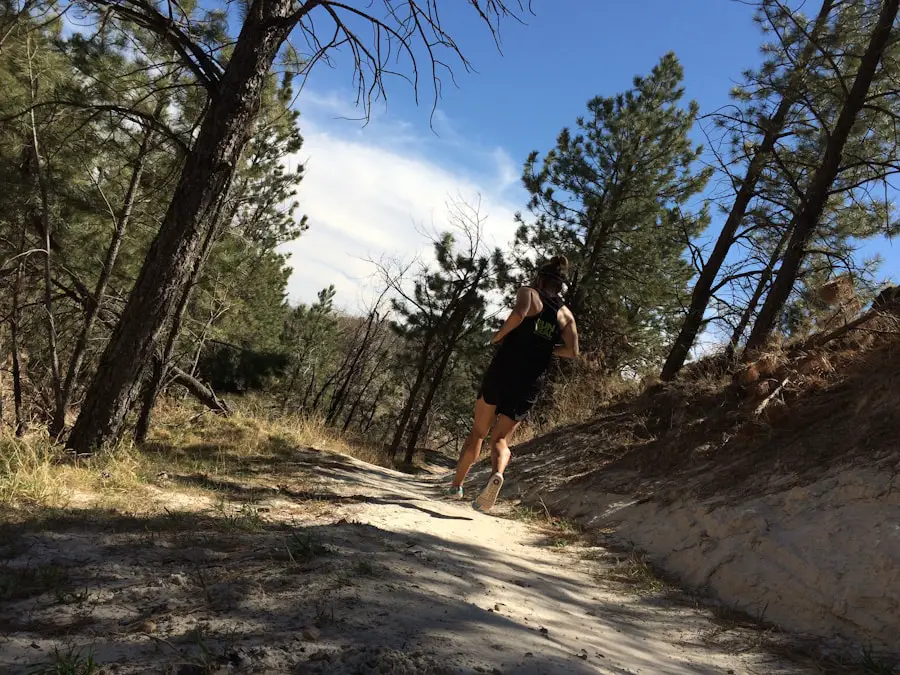
Hiking footwear is designed for repeated steps over dirt, gravel, roots, rock, mud, and slopes. The National Park Service hiking-safety guidance recommends proper walking shoes for the route and sturdy rubber-soled hiking boots with ankle support for dirt and gravel trails.
Dedicated trail footwear usually combines several features:
- Rubber outsoles with tread: Lugs and textured rubber improve grip on loose or uneven surfaces.
- A secure closure: Laces help lock the heel in place and let the wearer adjust pressure across the foot.
- Underfoot cushioning and structure: Midsoles help reduce repeated impact and improve comfort over distance.
- Toe and side protection: Reinforced areas help protect against rocks, roots, and trail debris.
- Terrain-specific materials: Some models use waterproof membranes, while others favor breathability and faster drying.
Not every hiker needs a heavy boot. Trail runners and low hiking shoes can work well on maintained routes with light loads, while mid- or high-cut hiking boots are often chosen for rougher terrain, colder conditions, or heavier packs. The American Hiking Society recommends matching footwear to the terrain, pack weight, support needs, and fit.
Cowboy Boots vs. Hiking Boots
| Feature | Traditional Cowboy Boots | Hiking Footwear |
|---|---|---|
| Primary purpose | Riding, ranch work, Western wear | Walking on trails and uneven ground |
| Outsole | Often leather or lightly treaded rubber; varies by model | Usually rubber with trail-focused tread or lugs |
| Heel | Raised riding heel on many styles | Lower, broader platform for walking stability |
| Fit and closure | Pull-on fit with normal heel movement in many models | Laces or other closures secure the heel and forefoot |
| Toe shape | Pointed, round, square, or wide square | Usually shaped for toe room during descents |
| Cushioning and flex | Varies widely; traditional models may be firm | Designed for repeated walking and trail impact |
| Wet conditions | Leather may resist brief moisture, but smooth soles can be slippery | Tread and upper materials are selected for outdoor conditions |
| Weight | Varies by leather, shaft, sole, and construction | Ranges from light trail runners to heavy backpacking boots |
A sole that works well in a stirrup may be the wrong sole for wet sandstone, loose gravel, mud, or a steep descent.
The Main Risks of Hiking in Cowboy Boots
Warning: Do not use smooth-soled cowboy boots on wet rock, ice, loose scree, steep grades, exposed ledges, or muddy trails. The National Park Service specifically advises hikers not to use smooth-soled shoes or boots where traction is needed.
Reduced Traction
Traction is the clearest problem. Leather soles can feel secure on dry indoor surfaces yet become slick on wet rock, polished stone, packed clay, or loose sand over rock. The National Park Service guidance for Arches National Park tells visitors to wear sturdy shoes with enough tread and not to hike in smooth-soled footwear.
Less Foot Control on Uneven Ground
A cowboy boot is pulled on rather than tightened around the foot. Some heel movement is normal in a properly fitted Western boot, but that movement can feel less controlled on side slopes, rock steps, and long descents. A high shaft may protect the leg, yet it does not automatically provide the same hold as a properly laced hiking boot.
Pressure, Fatigue, and Blisters
Pointed toes can crowd the forefoot, especially as feet swell during a long walk. Firm leather, a raised heel, and limited underfoot cushioning may also increase fatigue. Friction blisters are strongly linked to repeated shear inside footwear, and a clinical review indexed by PubMed recommends properly fitted footwear that is broken in gradually.
Heat and Moisture
Full-leather boots can hold heat and moisture, especially when paired with cotton socks. Damp skin is more vulnerable to rubbing. Waterproof hiking boots can also feel warm, so the goal is not simply “waterproof.” The better choice is footwear that matches the weather, drains or blocks water as needed, and works with moisture-wicking socks.
When Cowboy Boots Can Work for a Short Walk
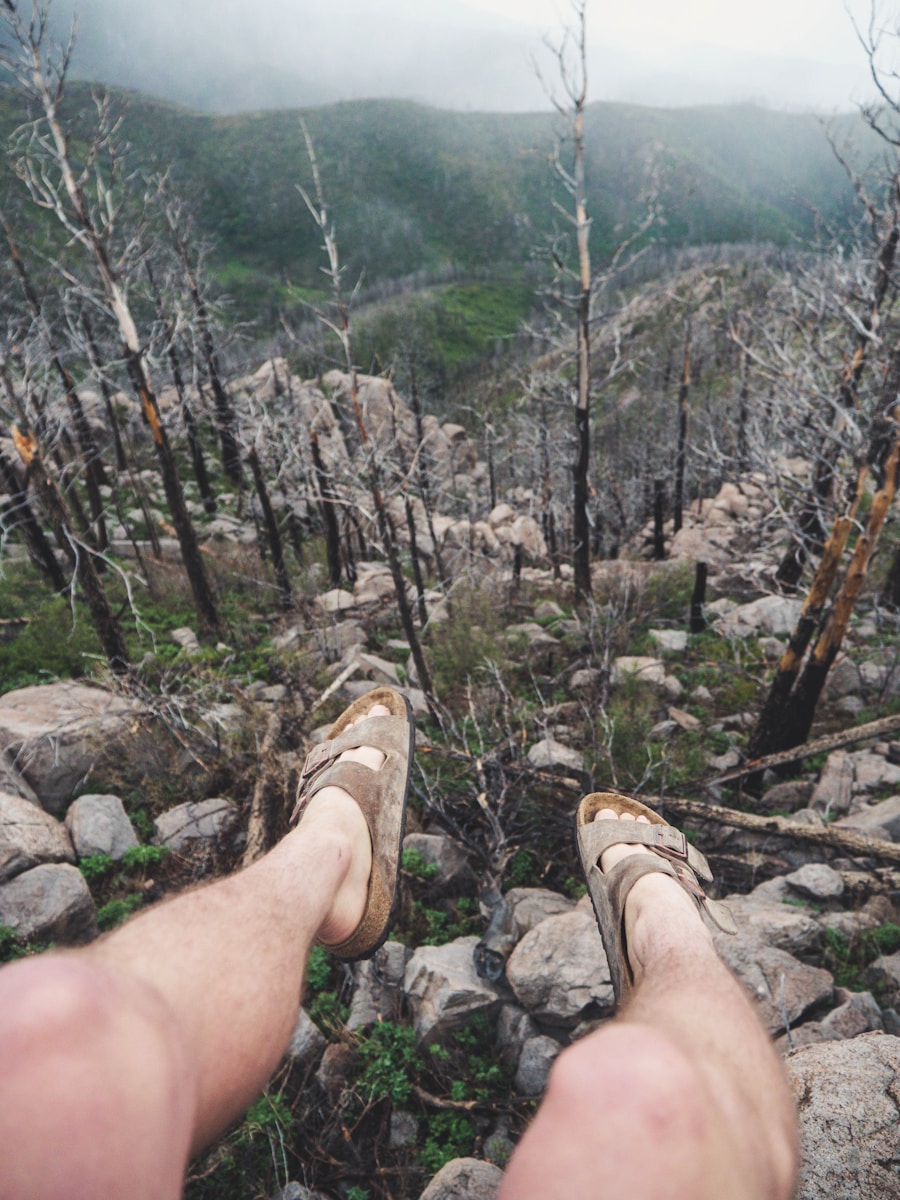
Cowboy boots may be acceptable when the route is closer to a casual walk than a true hike. The safest conditions are flat, dry, well-maintained, and easy to turn around on. Examples include a firm ranch road, a dry nature path, a short overlook trail, or a level campground loop.
Durability and Lower-Leg Protection
Quality leather can resist brush, dust, and minor scrapes. The tall shaft also shields the lower leg better than a low shoe. Those advantages can be useful on a dry ranch road or around a campsite, but they do not replace tread, cushioning, or a secure trail fit.
Aesthetic Appeal
Cowboy boots offer a distinctive Western look. For a short scenic walk, event, photo stop, or easy path where style matters, a comfortable pair may be reasonable as long as the terrain is forgiving.
Comfort and Practicality
A person who wears the same boots daily may tolerate them better than someone trying a new pair. Even so, familiarity does not change the outsole or heel geometry. Comfort on pavement is not proof that the boots will grip or control well on a trail.
Which Cowboy-Boot Styles Are Better for Walking?
A rubber-soled roper or Western work boot with a lower, broader heel and a round or square toe is generally a better walking choice than a traditional pointed-toe boot with a smooth leather sole. Look for visible tread, enough toe room, a stable heel, and an insole that feels comfortable during a test walk. These features reduce some drawbacks, but they do not turn the boot into technical hiking footwear.
Pro Tip: Test the boots on pavement, packed dirt, a gentle slope, and a few stairs before committing to a trail. Stop at the first hot spot, toe pressure, heel rubbing, or loss of grip instead of trying to “push through.”
When You Should Avoid Cowboy Boots
Choose dedicated hiking footwear instead of cowboy boots when any of the following apply:
- The trail is steep, rocky, muddy, icy, sandy, or covered in loose gravel.
- The route includes stream crossings, wet slabs, exposed ledges, scrambling, or long descents.
- You are carrying a heavy pack or walking for several hours.
- The boots have a smooth leather outsole, narrow toe box, tall riding heel, or noticeable heel lift.
- The boots are new, stiff, damaged, or already cause rubbing during normal walking.
- You have a history of ankle instability, foot pain, neuropathy, balance problems, or recurring blisters.
- The weather or trail conditions may change before you return.
How to Choose the Right Footwear for Hiking
Match the Shoe to the Terrain
Start with the route, not the label on the shoe. A smooth paved path may only require supportive walking shoes. A dry maintained trail may suit trail runners or hiking shoes. Rough terrain, cold weather, heavy loads, and unstable footing may call for a more protective hiking boot.
Check the Outsole
Look for rubber tread that contacts the ground across a broad area. Deep lugs can help on loose soil and mud, while a sticky rubber compound can improve grip on rock. No outsole is slip-proof, so slow down on wet, icy, or sandy surfaces.
Get the Fit Right
Your heel should feel secure without painful pressure. Your toes need room to spread and should not strike the front of the shoe on a downhill test. Try footwear with the socks you plan to wear, and shop later in the day when feet may be slightly larger.
Choose Cushioning and Support for Your Load
Light footwear can reduce fatigue, but a stiffer midsole and more protective upper may help on rough trails or under a heavier pack. “More boot” is not always better. The right balance depends on your feet, experience, pack weight, and route.
Break In Stiffer Footwear Gradually
Wear new footwear on short walks before a longer hike. Increase distance only if there is no rubbing, pressure, numbness, or pain. Use wool or synthetic hiking socks rather than cotton, and carry blister care on longer outings.
What to Do If Cowboy Boots Are Your Only Option
- Inspect the sole. Do not go if it is smooth, worn, cracked, or separating.
- Choose the easiest route. Pick a dry, level, well-maintained path with an easy turnaround.
- Check the fit. Avoid boots that pinch the toes, slide excessively at the heel, or rub during a short test walk.
- Wear proper socks. Choose wool or synthetic socks that manage moisture and reduce rubbing.
- Keep the outing brief. Do not use the day to test your maximum distance.
- Watch the weather. Turn back before rain, snow, or falling temperatures change the trail.
- Respond early. Stop and adjust at the first hot spot; turn around if traction or comfort is getting worse.
Are Cowboy Boots Suitable for Hiking?
For most hikes, no. Traditional cowboy boots are optimized for riding and Western use, while hiking footwear is built for traction, repeated walking, and control on uneven ground. The difference becomes most important on wet, steep, rocky, or long routes.
A broken-in, rubber-soled Western boot can be acceptable for a short walk on a flat, dry, maintained path. A smooth leather sole, high riding heel, narrow toe, or loose fit should rule the boot out for trail use. When there is any doubt, choose hiking shoes, trail runners, or hiking boots that fit well and match the terrain.
Frequently Asked Questions
Are cowboy boots good for hiking?
Most cowboy boots are not good hiking footwear. Traditional models often have raised heels, smooth or lightly treaded soles, limited cushioning, and a pull-on fit that is less secure on uneven ground.
Can cowboy boots be used for light hiking?
They can be used for a short walk on a flat, dry, well-maintained path if the boots fit well, are already broken in, and have a rubber outsole with useful tread. Avoid steep, wet, rocky, muddy, or exposed trails.
Are rubber-soled cowboy boots safe for trails?
Rubber soles are usually better than smooth leather soles, but tread depth, rubber compound, heel shape, fit, and cushioning still matter. A rubber-soled Western work boot may handle an easy path, but it is not automatically suitable for rugged hiking.
Do cowboy boots provide ankle support?
The tall shaft protects the lower leg and may feel supportive, but most cowboy boots do not secure the heel and ankle like lace-up hiking footwear. Shaft height alone does not guarantee stability or prevent an ankle injury.
Can insoles make cowboy boots suitable for hiking?
An insole may improve cushioning or fit, but it cannot fix a slick outsole, unstable riding heel, cramped toe box, or poor foot retention. Insoles can make an easy walk more comfortable, not turn a traditional cowboy boot into a hiking boot.
What is the best alternative to cowboy boots for hiking?
For maintained trails and light loads, consider trail runners or low hiking shoes. For rough terrain, colder conditions, or heavier packs, a well-fitted mid- or high-cut hiking boot may offer more protection and structure.
Sources
- National Park Service — Places of Black Cowpokes — vaquero roots and the development of cowboying in North America
- Justin Boots — Boot 101 — traditional Western boot toe, heel, shaft, and riding functions
- National Park Service — Hike Smart — route-appropriate footwear, rubber soles, support, socks, and blister preparation
- National Park Service — Hiking at Arches — traction guidance and warning against smooth-soled footwear
- American Hiking Society — Hiking Boots — matching hiking footwear to terrain, load, support, and fit
- PubMed — Friction Blisters — footwear fit, gradual break-in, and blister prevention

