
Last Updated on September 10, 2026 by Daniel Globe
What you wear hiking can affect your comfort, traction, temperature control, and ability to handle changing weather. The best outfit is not one fixed combination of boots, pants, and jackets. It should match the trail, temperature, forecast, elevation, trip length, and your own comfort. Start with well-fitting footwear and moisture-managing clothing, then add insulation, rain protection, sun protection, and extra layers as conditions require.
Quick Answer
For most hikes, wear sturdy, well-fitting trail shoes or boots, moisture-wicking socks, a synthetic or merino shirt, flexible hiking pants or shorts, and layers you can add or remove. Carry a rain shell, sun protection, and an extra warm layer. Match waterproofing and insulation to the actual weather and terrain.
Key Takeaways
- Choose hiking footwear for the terrain and conditions rather than assuming heavy waterproof boots are always best.
- Use layers so you can manage sweat, warmth, wind, and rain as conditions change.
- Merino wool and synthetic fabrics generally manage moisture better than cotton during long, wet, or cold hikes.
- Wear properly fitted hiking socks and test your footwear before a long trip to reduce rubbing and hot spots.
- Carry sun protection, rain protection, extra clothing, water, navigation, and other basic emergency supplies even on day hikes.
Disclosure: As an Amazon Associate I earn from qualifying purchases. Some links on this page are affiliate links, at no extra cost to you.
Check the Weather and Trail Before Getting Dressed
Before deciding what to wear hiking, check the forecast for the trail area rather than relying only on the weather at home. Mountain temperatures, wind, precipitation, and exposure can be very different from conditions at a nearby town or trailhead.
Consider the expected high and low temperatures, chance of rain, wind, elevation gain, shade, water crossings, mud, snow, and how long you expect to be outside. An exposed ridge on a windy day may require more protection than a shaded forest trail at the same air temperature.
The National Park Service Ten Essentials guidance recommends carrying extra clothing that can handle sudden weather changes, including items such as a jacket, rain shell, hat, and gloves when conditions warrant them.
Warning: Clothing is not a substitute for safe decision-making. Turn around or change plans when storms, extreme heat, flooding, snow, wildfire conditions, or other hazards exceed your equipment or experience.
Choose Hiking Footwear for the Trail
Selecting appropriate hiking footwear is one of the most important parts of preparing for a hike. The right footwear should fit comfortably, provide dependable traction, protect your feet from trail hazards, and match the terrain you plan to cover.
Heavy hiking boots are not required for every trail. Lightweight hiking shoes and trail-running shoes can work well on maintained trails and in warm, dry conditions. Rough, rocky terrain or heavier backpacking loads may justify footwear with more underfoot protection, stiffness, cushioning, or support.
According to REI’s current hiking-footwear guidance, terrain should influence how stiff, flexible, high-cut, or waterproof your footwear needs to be. Rock plates and stiffer midsoles can add protection on rough surfaces, while lighter footwear can offer greater flexibility and faster drying.
Should Hiking Shoes Be Waterproof?
Waterproof footwear can be useful in sustained rain, cold mud, shallow puddles, and wet snow. However, waterproof membranes also reduce ventilation compared with highly breathable mesh footwear, and shoes can take longer to dry if water enters over the top.
For hot, dry trails, a breathable hiking shoe or trail runner may be more comfortable. For cold, wet, muddy, or snowy conditions, waterproof footwear may provide a useful barrier. Match the design to the trip rather than automatically choosing waterproof boots.
How Hiking Footwear Should Fit
A well-fitted hiking shoe or boot should feel secure without pinching. Your heel should remain reasonably stable, and your toes should have enough room that they do not strike the front of the shoe on descents.
Trying footwear toward the end of the day can help because feet often become slightly larger after normal daily activity. Wear the same type and thickness of socks you plan to hike in when testing new footwear.
Flexible hiking shoes and trail runners may require little break-in time, but stiffer backpacking or mountaineering boots should be tested gradually. In every case, wear new footwear on shorter walks before committing to a long hike.
Pro Tip: Test new footwear on stairs or a slope before your trip. Your heel should not slide excessively uphill, and your toes should not repeatedly hit the front while descending.
Layer for Comfort and Protection
Layering lets you adjust your clothing as your body warms up, the temperature drops, or wind and precipitation arrive. A practical hiking system normally uses three functions: moisture management next to the skin, insulation for warmth, and an outer layer for weather protection.
Base Layer
The base layer sits next to your skin. Choose a synthetic fabric such as polyester or nylon, or merino wool. These materials are commonly used because they move moisture and dry more efficiently than ordinary cotton.
Insulating Layer
The insulating layer slows heat loss. A fleece, synthetic insulated jacket, wool layer, or puffy jacket may work depending on the temperature and activity level.
Down insulation offers excellent warmth for its weight but needs protection from prolonged moisture. Synthetic insulation is often easier to manage when consistently damp conditions are expected.
Outer Layer
The outer layer protects against wind and precipitation. For wet weather, choose a waterproof shell with a hood and enough room to fit over your other layers. Breathable construction and ventilation openings can make the shell more comfortable during strenuous hiking.
Note: You do not need to wear every layer from the trailhead. Carry the layers you may need and add or remove them before you become excessively sweaty, chilled, or soaked.
The Importance of Moisture-Wicking Clothing

Hiking produces heat and sweat, especially on climbs. Moisture-wicking clothing helps move perspiration away from the skin and spreads it across the fabric so it can dry more efficiently.
This becomes particularly important in cool, windy, or wet conditions. Wet clothing can accelerate heat loss and make it much harder to stay warm when you stop moving.
The National Park Service hypothermia guidance recommends moisture-wicking and quick-drying clothing, extra dry clothes, layering, and rain protection when cold and wet conditions are possible.
Polyester, nylon, and merino wool are common choices for hiking shirts and base layers. Cotton absorbs substantial moisture and dries slowly, so it is a poor choice when becoming cold or wet could create a safety problem.
For changeable weather, the best hiking outfit is one you can adjust before sweat, rain, or falling temperatures become a problem.
Select the Right Hiking Socks
| Sock Material | Comfort | Moisture Management | Trail Suitability |
|---|---|---|---|
| Cotton | Soft when dry | Low | Poor for prolonged wet or cold conditions |
| Merino wool blend | High | High | Excellent all-around option |
| Synthetic blend | High | High | Excellent for warm weather and fast drying |
Socks may seem like a minor part of a hiking outfit, but poor fit, damp fabric, wrinkles, and friction can quickly create painful hot spots or blisters.
Merino wool and synthetic hiking socks are popular because they manage moisture and are available in different cushioning levels. Choose a sock height that protects your skin from the cuff of your footwear and a thickness that does not make your shoes feel cramped.
More cushioning is not automatically better. Thick socks can increase warmth and padding but may make an already snug boot too tight. Lightweight socks can be more comfortable in hot conditions if your footwear fits correctly.
Make sure socks lie flat without wrinkles. If you regularly develop blisters, pay attention to the exact location of rubbing and adjust sock thickness, shoe fit, lacing, or insoles before your next long hike.
Pro Tip: Carry a dry spare pair of socks on long or wet hikes. Changing out of soaked socks can improve comfort and reduce prolonged skin exposure to moisture.
What to Wear Hiking in Hot Weather
In hot conditions, choose lightweight, breathable clothing that allows sweat to evaporate. A loose synthetic or merino shirt, lightweight hiking shorts or pants, a brimmed hat, and breathable footwear are common choices.
Long sleeves and lightweight pants can provide additional protection from sun, brush, and insects without requiring thick fabric. Ventilation matters, so look for breathable weaves, vents, or roll-up features when temperatures are high.
Do not assume that the hottest afternoon temperature is the only condition that matters. Early starts, exposed summits, wind, and thunderstorms may still justify carrying a light insulating layer and rain shell.
What to Wear Hiking in Cold Weather
Cold-weather hiking requires enough clothing to keep you warm without trapping so much heat that you soak your layers with sweat. Start with a moisture-managing base layer, add insulation, and carry a windproof or waterproof shell.
Depending on the conditions, you may also need gloves, a warm hat, insulated pants or tights, and extra dry layers. Remove insulation before a hard climb makes you excessively sweaty, then put it back on when you slow down or stop.
For snow and ice, ordinary hiking shoes may not provide enough traction. Winter conditions can require insulated footwear and traction devices appropriate for the route and surface.
Sun Protection and Appropriate Headwear
Sun exposure matters even when temperatures feel cool. Long sleeves, pants, a brimmed hat, sunglasses, and sunscreen can all reduce ultraviolet exposure.
The CDC recommends sun-protective clothing, a hat that shades the face, ears, and neck, sunglasses that block UVA and UVB radiation, and broad-spectrum sunscreen. Sunscreen should be reapplied during prolonged exposure and after heavy sweating, swimming, or toweling off.
Clothing marketed with a UPF rating can make protection easier to compare, but tightly woven ordinary clothing can also provide useful coverage. A wide-brimmed hat offers more neck and ear protection than a baseball cap.
Packing Essential Rain Gear
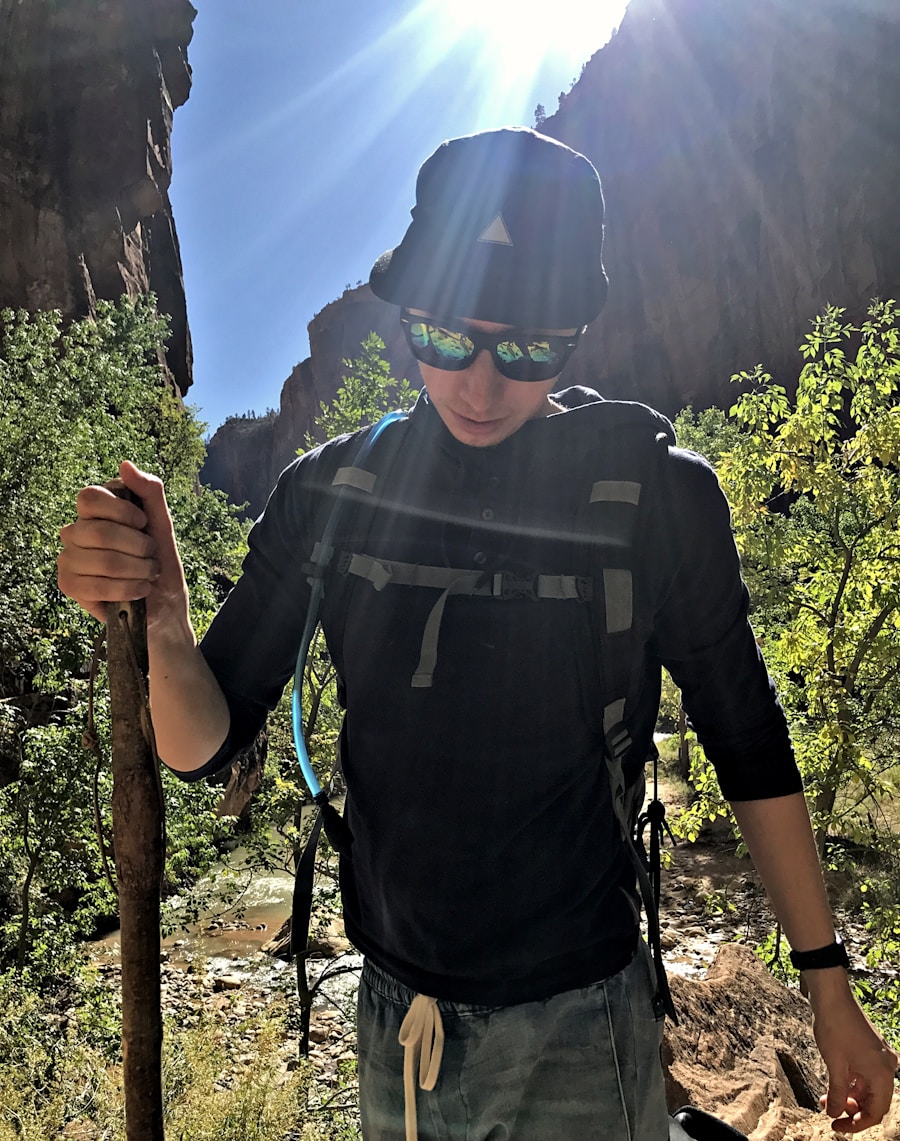
Weather can change quickly on the trail, particularly in mountainous or exposed areas. A lightweight waterproof shell is one of the most useful backup pieces you can carry when rain is possible.
Look for a jacket with a functional hood, sealed or protected seams, and enough room to fit over your insulating layer. Pit zips or other ventilation features can help release heat during active hiking.
Rain pants are worth carrying when extended or heavy rainfall is expected. Gaiters serve a different purpose: they help keep mud, snow, debris, and splashes from entering around the lower leg and footwear, but they do not replace full rain pants during sustained rain.
Keep vulnerable gear and spare insulation protected inside a waterproof liner, dry bag, or other dependable barrier inside your backpack.
Warning: Getting soaked can become more than a comfort problem when wind or falling temperatures are involved. Carry dry insulation and rain protection when cold, wet conditions are possible.
Choose Hiking Pants, Shorts, or Convertible Pants
Hiking bottoms should allow a full range of motion and dry reasonably quickly. Lightweight nylon or polyester blends are common because they are durable, flexible, and practical for active use.
Shorts provide excellent ventilation in hot weather but leave your legs exposed to sun, insects, brush, and abrasive vegetation. Long hiking pants provide more coverage and may be a better choice in buggy, brushy, sunny, or cool conditions.
Convertible pants offer both options. Zippers around the knees allow the lower legs to be removed when temperatures rise, then reattached when you need more protection.
They are particularly convenient on hikes that begin cool and warm up later in the day. Quick-drying convertible pants can also be useful around shallow water crossings and muddy terrain.
Protect Against Ticks and Biting Insects
In tick habitat, long pants provide additional coverage. The CDC recommends EPA-registered insect repellents and notes that clothing, boots, and gear can be treated with products containing 0.5% permethrin when used according to the product label. Permethrin should not be applied directly to skin.
Check clothing and skin for ticks after hiking in grassy, brushy, or wooded areas.
What Not to Wear Hiking
There is no single forbidden hiking outfit, but several clothing choices commonly create avoidable problems on longer or more demanding trails.
- Cotton in cold or wet conditions: It holds moisture and dries slowly, which can leave you chilled after sweating or rain.
- Heavy denim: Jeans restrict movement when wet, become heavy, and dry slowly.
- Poorly fitting shoes: Loose heels, cramped toes, and pressure points can turn into painful hot spots or blisters.
- Brand-new stiff boots on a long trip: Test demanding footwear before committing to a full-day or multi-day hike.
- Clothing that restricts movement: You should be able to step high, squat, and climb without the fabric binding.
- Insufficient weather protection: A sunny trailhead does not guarantee dry or warm conditions several hours later.
Choosing the Right Backpack and Accessories
Select a backpack that holds the clothing, water, food, safety equipment, and personal items required for the trip without forcing you to overpack. Small daypacks are often enough for short outings, while longer or more remote trips require greater capacity.
Fit matters more than a particular liter rating. Shoulder straps should sit comfortably, and packs designed to carry heavier loads normally use a hip belt to transfer part of the load to the hips.
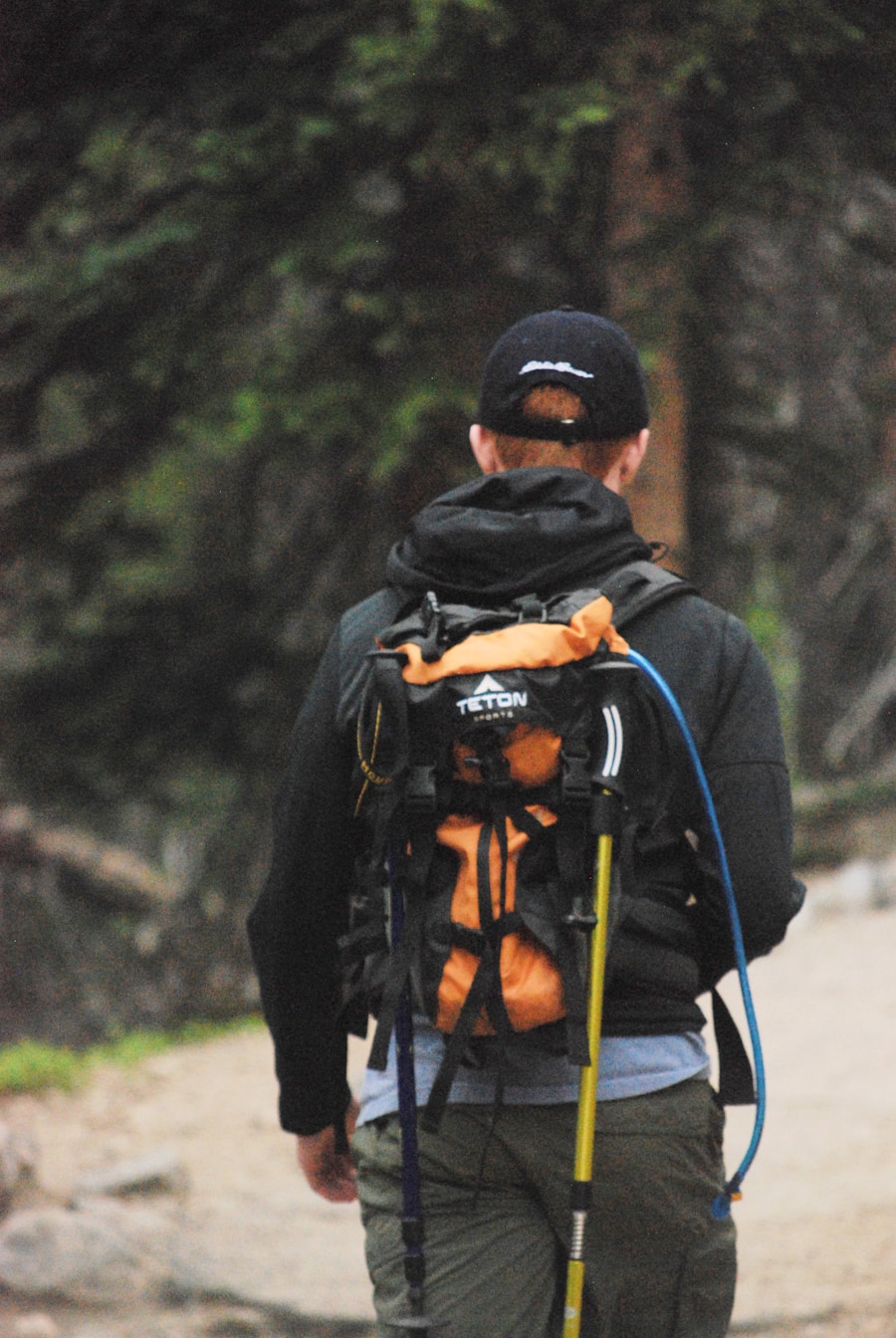
Useful hiking accessories include trekking poles, a first-aid kit, navigation tools, a headlamp, sun protection, and emergency supplies. Trekking poles can improve balance on uneven ground. Research has also found reductions in some knee and lower-extremity forces during downhill walking, although the effect should not be assumed for every terrain or walking condition. See the published downhill hiking-pole study for the underlying evidence.
Carry the Ten Essentials
The National Park Service organizes basic outdoor emergency gear into ten systems. Adapt the list to the route, season, remoteness, and needs of your group:
- Navigation, such as a map, compass, GPS device, or downloaded map
- Sun protection
- Extra clothing or insulation
- Headlamp or other illumination
- First-aid supplies
- Emergency fire-starting supplies where appropriate and permitted
- Repair tools
- Extra food
- Water and, when necessary, water-treatment capability
- Emergency shelter
A short day hike can still become an unexpected evening out because of injury, navigation errors, weather, or slower-than-planned travel. Pack for plausible problems rather than only the best-case itinerary.
When preparing for a hiking trip, dressing appropriately for the outdoors is only one part of good preparation. For more travel-related information about the site and its coverage, visit TakeTravelInfo.
Love travel? Join Our Facebook Community For More Tips.
Frequently Asked Questions
What should I wear when hiking?
For a typical day hike, wear comfortable trail shoes or boots, moisture-wicking socks, a synthetic or merino shirt, and flexible hiking pants or shorts. Carry a warm layer and rain shell, then add sun protection or cold-weather accessories as conditions require.
What fabric is best for hiking clothing?
Polyester, nylon, merino wool, and blends of these materials are common hiking choices because they manage moisture and generally dry faster than cotton. Choose the fabric weight according to the temperature and how much insulation you need.
Should I wear layers when hiking?
Yes. A base layer manages sweat, an insulating layer adds warmth, and an outer shell blocks wind and rain. You can add and remove these pieces as your activity level and the weather change.
What type of footwear is best for hiking?
The best footwear is the pair that fits correctly and matches the terrain. Hiking shoes or trail runners work well for many maintained trails, while rough terrain, heavy loads, snow, or prolonged wet conditions may justify more protective hiking boots.
Do hiking shoes need to be waterproof?
No. Waterproof footwear is useful in cold, wet, muddy, or snowy conditions, but breathable non-waterproof shoes can be more comfortable and dry faster in hot or dry environments. Choose according to the trail and forecast.
Can I wear cotton while hiking?
Cotton may be comfortable on a short, dry walk, but it absorbs moisture and dries slowly. Synthetic or merino clothing is a safer and more practical choice when rain, cold temperatures, heavy sweating, or extended time outdoors is possible.
What accessories should I bring when hiking?
Carry appropriate sun protection, water, food, navigation, a headlamp, first-aid supplies, rain protection, and an extra layer. Depending on the route, you may also want trekking poles, insect repellent, gaiters, emergency shelter, repair supplies, and water treatment.
Sources
- National Park Service — Ten Essentials — hiking preparedness, extra clothing, sun protection, first aid, navigation, food, water, and emergency equipment.
- National Park Service — Hypothermia — moisture-wicking clothing, dry layers, rain gear, and cold/wet-weather precautions.
- Centers for Disease Control and Prevention — Sun Safety — protective clothing, hats, sunglasses, sunscreen, and reapplication.
- Centers for Disease Control and Prevention — Preventing Tick Bites — insect repellents and permethrin-treated clothing and gear.
- REI Expert Advice — Hiking Boots and Hiking Shoes — terrain, materials, fit, waterproofing, traction, and footwear selection.
- PubMed — Knee Joint Forces During Downhill Walking With Hiking Poles — evidence regarding pole use and downhill lower-extremity loading.

