Last Updated on September 10, 2026 by Daniel Globe
The 10 essentials for hiking are the basic safety systems that help you handle changing weather, navigation problems, injuries, delays, and an unexpected night outdoors. They are a starting point rather than a complete packing list. Your route, weather, terrain, season, trip length, and distance from help should determine what else you carry.
Quick Answer
The standard 10 Essentials for hiking are navigation, sun protection, extra clothing, illumination, first aid, fire, repair tools, extra food, water plus treatment, and emergency shelter. Carry all ten systems on every hike, then adjust quantities and extras for the route, weather, season, duration, and remoteness.
Note: Ten Essentials lists vary slightly between organizations. The National Park Service uses the ten-category system followed in this guide. The American Hiking Society publishes a variation that also emphasizes appropriate footwear and groups some safety items differently. Good footwear remains important even when it is not counted as one of the ten categories.
Disclosure: As an Amazon Associate I earn from qualifying purchases. Some links on this page are affiliate links, at no extra cost to you.
10 Essentials for Hiking Checklist
| Essential | What to Carry |
| 1. Navigation | Map, compass, GPS or offline navigation, plus backup power when appropriate |
| 2. Sun protection | Sunscreen, sunglasses, hat, and sun-protective clothing |
| 3. Extra clothing | Insulating layer, rain shell, hat, gloves, or other weather-appropriate layers |
| 4. Illumination | Headlamp or flashlight and spare batteries or dependable backup power |
| 5. First aid | Trip-appropriate first-aid kit and personal medications |
| 6. Fire | Lighter, waterproof matches, or another reliable fire-starting method where fires are permitted |
| 7. Repair kit and tools | Duct tape, multi-tool, knife, scissors, and trip-specific repair supplies |
| 8. Nutrition | Enough food for the hike plus an emergency reserve |
| 9. Hydration | Adequate drinking water and a suitable way to treat additional water if needed |
| 10. Emergency shelter | Tarp, bivy sack, emergency blanket, or another shelter suitable for the conditions |
Key Takeaways
- Carry all ten safety systems even on a short hike; adjust the amount and type of gear to your route and conditions.
- Choose comfortable footwear with the traction and support needed for the terrain.
- Dress in moisture-managing layers and carry protection for the worst reasonable weather you may encounter.
- Carry navigation tools you know how to use, including a non-electronic backup when appropriate.
- Protect yourself from UV exposure with sunscreen, sunglasses, a hat, and protective clothing.
- Bring enough water and know how you will treat additional water before relying on natural sources.
- Pack illumination, first aid, fire-starting equipment, repair tools, extra food, and emergency shelter before you need them.
Footwear: Choose Hiking Boots or Shoes for the Terrain
Selecting appropriate footwear is one of the most important hiking decisions you can make. The right hiking boots, hiking shoes, or trail runners can improve comfort, traction, stability, and protection, but the best choice depends on the route rather than on one footwear style being universally superior.
Rugged trails with loose rock, mud, roots, or uneven surfaces may call for footwear with stronger underfoot protection and more aggressive tread. Well-maintained paths may be comfortable in lighter hiking shoes or trail runners that offer more flexibility and breathability. Consider the load you will carry, expected weather, water crossings, and how much ankle or underfoot support feels comfortable for you.
Fit matters just as much as footwear type. Wear the same style of socks you expect to use on the hike when trying on shoes or boots. Feet can swell after hours of walking, so fitting footwear later in the day can help you judge how it may feel after extended activity.
Aim for a secure heel and midfoot without painful pressure, while leaving enough room in front for your toes to move. Toe room is especially important on descents, when feet can slide forward. Before a long trip, wear new footwear on shorter walks rather than discovering fit problems deep into a hike.
Clothing: Layer for Comfort and Protection
Hiking clothing should help you manage sweat, temperature changes, wind, and precipitation. A flexible layering system usually works better than relying on one heavy garment because you can add or remove layers as your activity level and the weather change.
A base layer sits next to the skin and should manage moisture. Merino wool and many synthetic fabrics are common choices. An insulating layer, such as fleece or an appropriate insulated jacket or vest, helps retain warmth when temperatures fall.
The outer layer provides protection from wind and precipitation. For wet conditions, choose a rain shell appropriate for the expected weather and your activity. Breathability matters because trapped moisture can leave you uncomfortable even when rain stays outside.
Pack for the conditions you could realistically face, not only for the temperature at the trailhead. The National Park Service recommends extra clothing appropriate for sudden changes in weather, which can include a jacket, rain shell, hat, gloves, or other layers.
Pro Tip: Check the forecast and the route’s elevation range before packing. A warm trailhead can be followed by colder, windier, or wetter conditions higher on the route.
Navigation: Maps, Compass, and GPS Devices
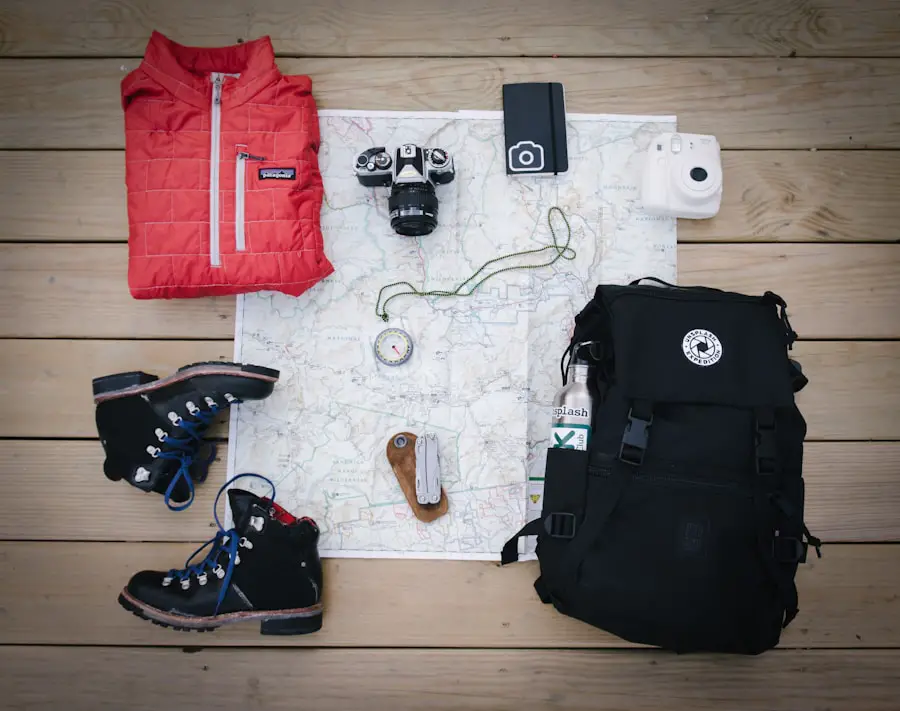
Navigating in the outdoors requires both suitable tools and the ability to use them. A topographic map can show trails, elevation contours, water features, and other terrain information that helps you understand the route before and during the hike.
A compass remains useful because it does not depend on cellular service. Learn the basic relationship between your map, compass, terrain, and direction before relying on those tools in an emergency.
GPS receivers and smartphone navigation apps can provide convenient location information, but electronics can fail because of depleted batteries, damage, cold conditions, or software problems. The National Park Service recommends knowing how to use your navigation system and carrying a physical map as a backup.
Before leaving, download any maps needed for offline use, confirm batteries are charged, and consider backup power appropriate for the trip. Also tell a responsible person where you are going and when you expect to return.
Warning: Do not assume cellular service will be available simply because a trail is popular. Navigation equipment helps only when you know how to use it and can access the information without a network connection.
Sun Protection: Sunscreen, Sunglasses, and Hats
| Category | Verified Guidance |
|---|---|
| Sunscreen | Choose broad-spectrum, water-resistant sunscreen with SPF 30 or higher. |
| Sunglasses | Use sunglasses that provide UV protection and comfortable coverage for prolonged outdoor exposure. |
| Hat and clothing | A wide-brimmed hat and sun-protective clothing can reduce direct UV exposure. |
Sun protection matters during extended outdoor activity, including on cloudy or cool days. The American Academy of Dermatology recommends a broad-spectrum, water-resistant sunscreen with SPF 30 or higher.
Apply sunscreen to exposed skin before going outdoors. The AAD advises applying it about 15 minutes before exposure and reapplying approximately every two hours while outdoors, as well as after swimming or sweating according to the product’s water-resistance directions.
Remember easy-to-miss areas such as the ears, neck, and tops of the feet when they are exposed. Sunscreen works best as one part of a broader sun-protection plan rather than as your only defense.
A wide-brimmed hat can shade the face and neck, while lightweight long sleeves and other sun-protective clothing can reduce exposure. Sunglasses with UV protection help protect the eyes; wraparound designs can provide additional coverage from light entering at the sides.
Illumination: Headlamp, Flashlight, and Backup Power
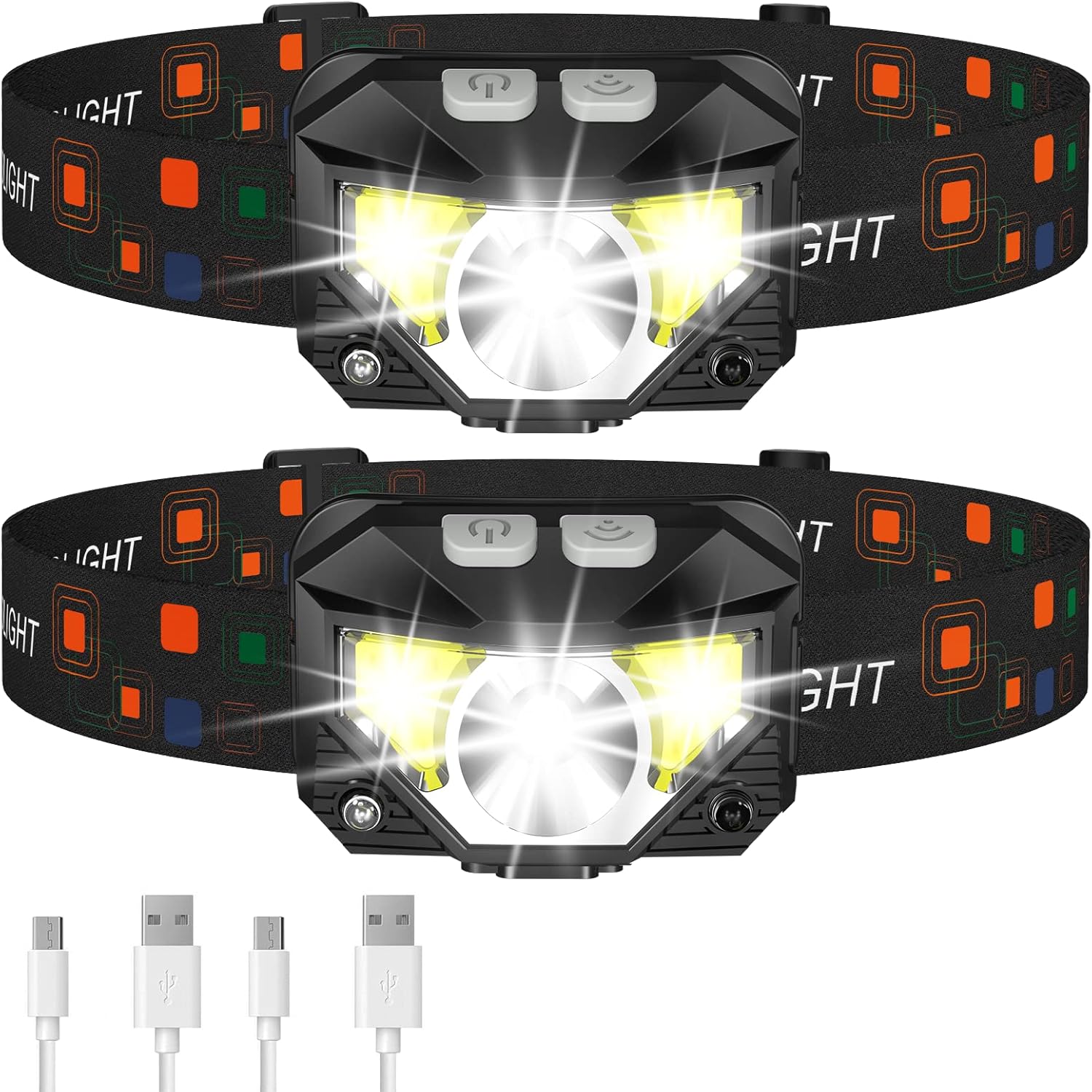
Illumination is one of the standard Ten Essentials even when you expect to finish before dark. A delay caused by an injury, route-finding problem, slower-than-expected pace, or weather can turn a daytime hike into a night hike.
The National Park Service recommends a flashlight or headlamp and notes that a headlamp is especially useful because it keeps both hands free. Check the light before leaving and carry spare batteries or another dependable backup power option that matches your device.
A phone flashlight is useful in a pinch, but relying on it as your only light can rapidly use the same battery you may need for navigation or communication. A small dedicated headlamp is usually a more practical primary light source.
Hydration: Water Bottles, Hydration Packs, and Water Treatment
Staying hydrated supports physical performance and helps reduce the risk of dehydration during hiking. Carry enough water for the route rather than assuming that streams, lakes, springs, or campground taps will provide safe drinking water.
Water bottles are simple to monitor and refill. Hydration reservoirs make it convenient to drink through a tube while walking and can encourage regular sipping. Either system can work well, and some hikers carry both for redundancy.
How much water you need varies with temperature, humidity, altitude, effort, body size, and trip duration. The American Hiking Society gives about half a liter per hour as a planning guideline for moderate temperatures and terrain, but it should not be treated as a fixed requirement for every person or hike.
If you expect to collect water outdoors, decide how you will treat it before leaving. According to the Centers for Disease Control and Prevention, boiling is the best way to kill germs in uncertain water. When boiling is not possible, filtering followed by disinfection is the next-best general approach.
Portable filters, purifiers, chemical disinfectants, and UV devices differ in what they can remove or inactivate. A filter that handles some bacteria and parasites may not reliably remove viruses, while some disinfectants have limitations against particular parasites. Always follow the manufacturer’s directions, required contact times, and operating limits.
Warning: Clear-looking backcountry water is not automatically safe to drink. Treatment methods also cannot necessarily make water contaminated with harmful chemicals or toxins safe; use another water source when chemical contamination is suspected.
Nutrition: Trail Snacks and Meals for Energy
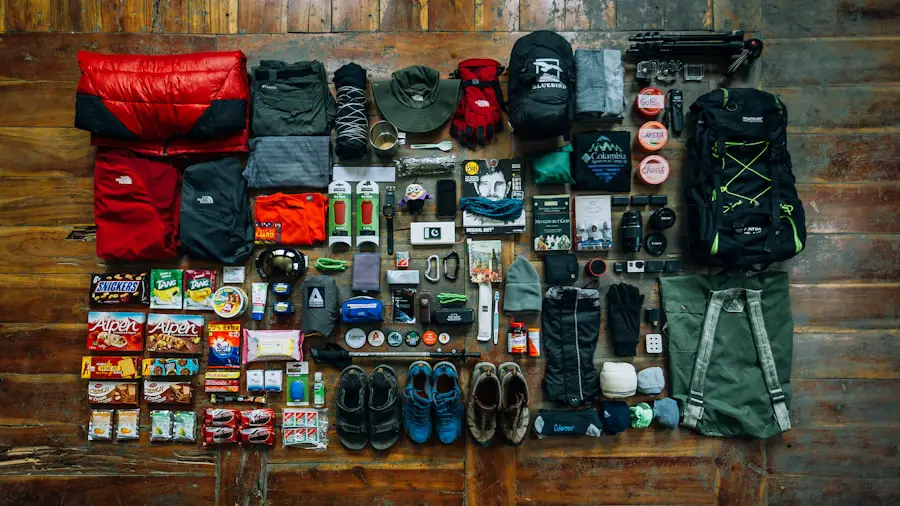
Food provides the energy needed to keep moving, especially on longer or more strenuous hikes. Pack enough for your planned trip and include an extra reserve in case you are delayed or your route takes longer than expected.
Compact foods such as nuts, dried fruit, trail mix, energy bars, nut butter, and jerky can provide useful calories without taking up much pack space. Choose foods you already know you tolerate well during activity rather than experimenting with unfamiliar meals on a demanding route.
For longer outings or backpacking trips, dehydrated and freeze-dried meals can reduce weight and preparation time, although nutritional content varies by product. Whole-grain wraps with nut butter, hummus, or other fillings can provide a more substantial option where food-storage conditions allow.
A mix of carbohydrates, fats, and protein can make a practical trail menu. The exact balance matters less than carrying enough food, choosing options you will actually eat, and keeping food protected from weather and wildlife according to local rules.
First Aid Kit: Essential Items for Trail Injuries
A first-aid kit is one of the Ten Essentials because minor cuts, blisters, sprains, and other problems can happen even on familiar trails. Start with a compact hiking kit and customize it for the length of the trip, group size, known medical needs, and distance from professional help.
Useful basic supplies may include adhesive bandages in several sizes, blister treatment, antiseptic wipes, gauze pads, medical tape, gloves, and tweezers. Check supplies periodically and replace anything damaged, used, or expired.
Include personal medications and any allergy or emergency supplies needed by people in your group. If you normally carry an antihistamine, pain reliever such as ibuprofen or acetaminophen, or another over-the-counter medicine, use it only when appropriate for you and according to its label or medical guidance.
Tweezers can help with splinters and some tick-removal situations, while tape and gauze can help manage minor wounds. More important than carrying a large kit is knowing how to use what is inside it. Basic first-aid or wilderness first-aid training can make the kit far more useful.
Fire and Emergency Supplies: Fire Starter, Whistle, and Shelter
Fire and emergency shelter are separate parts of the Ten Essentials, while a whistle is a useful signaling tool that many hikers also carry. Keep signaling and emergency equipment where you can reach it without unpacking your entire backpack.
Fire-Starting Equipment
A lighter, waterproof matches, or another reliable fire-starting method can provide an emergency heat source or signaling option where fires are legal and safe. Some hikers also carry compact tinder or a purpose-made fire starter that is easier to ignite in damp conditions.
Do not assume you are allowed to build a fire. Restrictions can change with wildfire danger, location, season, and land-management rules. Check current regulations before the hike and never depend on a campfire as your only way to stay warm.
Whistle and Signaling
A whistle requires little energy to use and can help attract attention in an emergency. Clip it somewhere accessible, such as a backpack shoulder strap, rather than burying it inside the pack.
A whistle does not replace communication or navigation equipment, but its small size makes it a practical addition to an emergency kit. In remote areas, hikers may also consider a satellite communicator or personal locator device appropriate for the trip.
Emergency Shelter
An emergency shelter can reduce exposure to wind, precipitation, and cold if you cannot finish your hike as planned. The National Park Service lists options such as a tent, tarp, bivy sack, or emergency space blanket.
Choose a shelter that makes sense for your conditions. A lightweight emergency blanket may be appropriate for a short day hike, while remote routes, severe weather, or winter conditions may justify more substantial protection.
Repair Kit and Tools: Small Gear That Can Save a Trip
A repair kit helps you deal with broken straps, torn gear, damaged footwear, or equipment that loosens during the hike. The National Park Service suggests items such as duct tape, a knife, multi-tool, and scissors, with additional tools chosen for the activity.
You do not need to carry a workshop. A small length of duct tape wrapped around a bottle or trekking pole, a compact multi-tool, a few zip ties, and any critical equipment-specific spare parts can solve many common problems without adding much weight.
For backpacking, consider repairs for tents, sleeping pads, stoves, and packs. For a simple day hike, the kit can be smaller. Match the repair supplies to the gear whose failure would create the biggest safety or mobility problem.
Adjust the 10 Essentials to Your Hike
The Ten Essentials are minimum systems, not fixed quantities. A two-hour walk near a populated area and a full-day hike in remote mountains may both call for navigation, water, first aid, and emergency shelter, but the amount and capability of that equipment should differ.
- Hot or exposed routes: Increase your water plan and sun protection, and identify reliable refill points before leaving.
- Cold or wet routes: Carry insulation and weather protection suitable for conditions that may be worse than those at the trailhead.
- Remote hikes: Add more emergency margin, navigation redundancy, food, water-treatment capability, and a communication plan.
- High-elevation hikes: Prepare for stronger sun, rapidly changing weather, colder temperatures, and slower travel.
- Overnight trips: Add sleep, cooking, food-storage, hygiene, and shelter equipment beyond the basic day-hiking essentials.
Before starting, check current weather, trail conditions, closures, fire restrictions, and destination-specific hazards. Leave your route and expected return time with someone who will notice if you do not return as planned.
Camp Lighting Beyond the Ten Essentials
A dedicated headlamp or flashlight should be your primary hiking illumination, but additional lighting can make camp tasks easier on overnight trips. A solar-powered camping lantern can provide area lighting around camp and may reduce dependence on disposable batteries when conditions allow it to recharge.
A lantern should complement rather than replace your headlamp. A headlamp stays with you, works while walking, and leaves your hands free if you need to navigate, treat an injury, or repair equipment after dark.
Love travel? Join Our Facebook Community For More Tips.
Frequently Asked Questions
What are the ten essentials for hiking?
The Ten Essentials are ten categories of gear intended to help hikers handle common outdoor problems and emergencies. They cover navigation, sun protection, extra clothing, illumination, first aid, fire, repair tools, nutrition, hydration, and emergency shelter.
What are the ten essential items for hiking?
Think of the list as ten systems rather than exactly ten individual objects: navigation tools; sunglasses, sunscreen, and a hat; extra clothing; a headlamp or flashlight; first-aid supplies; a fire-starting method; repair tools; extra food; water and treatment supplies; and emergency shelter.
Why are the ten essentials important for hiking?
They provide a basic safety margin when a hike does not go according to plan. Navigation errors, injuries, weather changes, equipment problems, darkness, or unexpected delays can turn a routine outing into an emergency, and the ten systems help you respond more effectively.
Are the ten essentials the same for every type of hike?
The basic categories can stay the same, but the specific gear and quantities should change with the route, weather, season, distance, elevation, remoteness, group needs, and trip duration. Remote, winter, desert, and overnight trips generally require more capability than a short local walk.
Where can I find a checklist for the ten essentials for hiking?
The National Park Service and American Hiking Society both publish Ten Essentials guidance. Their lists differ slightly in organization, so use the checklist as a safety framework and then check the specific park, forest, trail, or land-management agency for destination-specific requirements.
Is a phone enough for hiking navigation?
A phone can be an excellent navigation tool when maps are downloaded for offline use, but it should not be your only plan for situations where navigation is critical. Batteries can run down and devices can be damaged, so carry an appropriate backup such as a physical map and compass and know how to use it.
How much water should I carry for a hike?
There is no single amount that works for every hiker or route. American Hiking Society uses about half a liter per hour in moderate temperatures and terrain as a planning guideline, but heat, humidity, altitude, effort, personal needs, and water availability can increase requirements. Plan before leaving and carry a safe reserve.
Sources
- U.S. National Park Service — Ten Essentials — current ten-category checklist, navigation, illumination, fire, repair tools, hydration, and emergency shelter guidance.
- American Hiking Society — The Ten Essentials of Hiking — footwear, navigation, water, food, clothing, safety equipment, and general water-planning guidance.
- American Academy of Dermatology — How to Apply Sunscreen — SPF, application timing, and reapplication guidance.
- Centers for Disease Control and Prevention — Water Treatment When Hiking, Camping, or Traveling — backcountry water-treatment methods and limitations.
- U.S. National Park Service — Hike Smart — trip planning, food, water, gear, and hiking-safety guidance.